Your competitors are not smarter than you. They just made one change earlier. While you're still attaching static PDFs to emails and watching open rates flatline, the businesses gaining ground in your market switched to digital flipbooks months ago. The result: better read rates, sharper analytics, and content that actually gets acted on. Flipbooks AI is how thousands of those businesses made that move, and this article shows you exactly what they're getting that you aren't.
What a Digital Flipbook Actually Is
Forget the PDF. A digital flipbook is an interactive online publication that mimics the physical experience of flipping through a printed magazine or catalog, but with none of the limitations of print and all the advantages of the web.
It's Not Just a Pretty PDF
A static PDF sits in a downloads folder and collects digital dust. A digital flipbook lives at a URL, loads in any browser, plays on any device, and tracks exactly who read it, how long they spent on each page, and where they clicked. That distinction matters enormously in a content strategy.
How the Page-Turn Effect Works
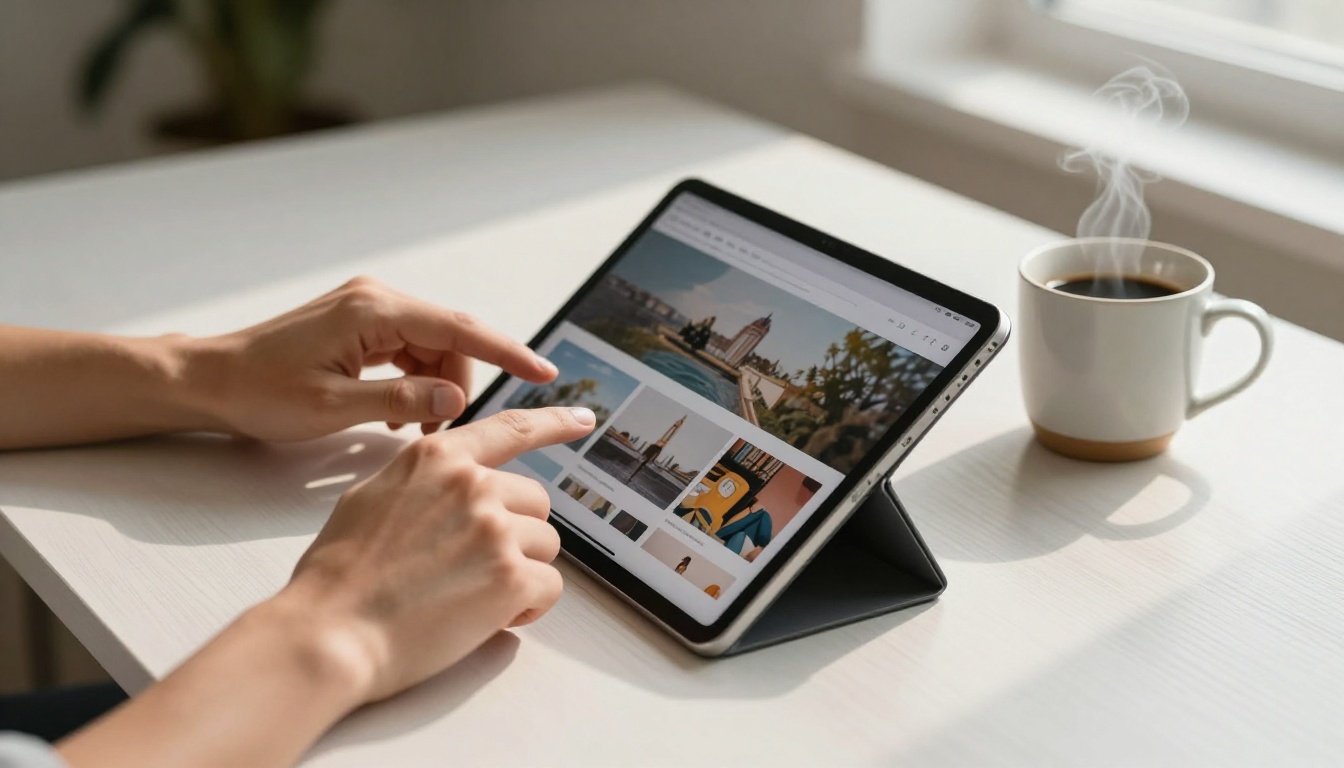
Digital flipbooks use a realistic page-curl animation that makes readers feel like they're holding something physical. That tactile familiarity reduces bounce rates. Readers stay longer because the experience feels familiar and premium. It signals production quality before a single word is read.
The Competitive Gap Is Growing
Here's the uncomfortable truth: digital flipbooks have been mainstream in competitive markets for years. Fashion brands, real estate agencies, hotel groups, and SaaS companies adopted them because they needed content that worked harder. If your sector is still PDF-heavy, that gap is your opportunity and your risk at the same time.
What You're Losing Without One
Every week you send a static PDF instead of a shareable flipbook link, you're missing:
- Read-time data: You can't know if anyone read page 7 of your PDF. With a flipbook, you do.
- Mobile reach: PDFs on mobile are painful. Flipbooks are built for it.
- Shareability: A link gets forwarded. An attachment gets ignored.
- Brand consistency: Flipbooks carry your colors, logo, and fonts across every view.
- Lead capture: Professional-tier flipbooks include forms that capture viewer information directly.
⚠️ If your sales team sends the same PDF brochure to every prospect, they have zero visibility into which leads actually read it. Your competitors using flipbook analytics do.

7 Reasons Competitors Choose Flipbooks
These are not vague benefits. They are specific operational advantages that businesses are using right now to outperform static-content competitors.
1. Analytics That Change How You Sell
Knowing that someone downloaded your PDF tells you almost nothing. Knowing that a prospect spent four minutes on your pricing page and skipped your intro entirely tells you exactly how to follow up. Flipbook analytics, available on the Professional plan at Flipbooks AI, track:
- Total views and unique visitors
- Time spent per page
- Click-through rates on embedded links
- Geographic distribution of readers
That is sales intelligence. Your CRM doesn't generate it. Your PDF can't.
2. Mobile-First Content That Reads Clean
More than 60% of business content is now consumed on mobile. PDFs require pinching, zooming, and horizontal scrolling. Flipbooks reflow and resize automatically. Readers swipe between pages as naturally as scrolling a social feed.
💡 A mobile-optimized flipbook holds attention far longer than a downloaded PDF on the same device.
3. Shareable Links Beat Attachments Every Time
A flipbook lives at a URL. Share it in an email, a WhatsApp message, a LinkedIn post, or embed it directly on your website. No download required. No "file too large" bounce. No version confusion when you update the content.

4. Embedded Multimedia Changes the Experience
Static PDFs can't play video. Flipbooks can. Embed product demo videos directly inside a catalog. Add audio narration to a training manual. Include clickable links throughout a brochure. The content becomes a complete experience rather than a document.
5. Password Protection for Sensitive Content
Not every document is for public viewing. Investor reports, internal rate cards, private client proposals. Flipbooks support password protection, so you control who sees what without managing email permissions or shared drives.
6. No Watermarks, Full Brand Control
Some platforms slap their own branding on everything you publish. Flipbooks AI gives you flipbooks with no watermarks, ever, even on the Standard plan. Custom colors, your logo, your domain. The reader sees your brand, not the tool's.
7. Lead Generation Built In
Professional-tier flipbooks include built-in lead generation forms. Viewers who want to download or access gated content enter their contact information first. Your flipbook becomes an active part of your sales funnel, not just a document.
Flipbooks by Industry: Who's Already Winning
The businesses moving fastest with digital flipbooks share one trait: they produce content that needs to be seen and acted on. Here's how it breaks down by sector.
Retail and Fashion
Product catalogs sent as PDFs get opened once, maybe. A digital catalog with page-turning effects, embedded videos, and clickable product links drives repeat visits and direct traffic. Fashion brands use the Interactive Lookbook Designer to publish seasonal collections that feel like editorial spreads.

A retail manager reviewing a Digital Catalog Maker output sees immediately what a static PDF cannot offer: interactive product links, zoom functionality on individual items, and share-ready URLs for each page.

Real Estate and Property
Property brochures are high-stakes documents. Buyers judge a listing by how it's presented before they ever visit. A digital property brochure created with the Real Estate Brochure Creator includes embedded virtual tour videos, floor plan images with zoom, and direct contact forms, all within a single shareable link.

Agents who share flipbook links report significantly longer time-on-content and higher inquiry rates compared to PDF attachments. The format signals professionalism before the property details even register.
Restaurants and Hospitality
A restaurant that emails a PDF menu looks like it's running on 2015 infrastructure. A QR code that opens a beautifully designed digital menu with high-resolution food photography and embedded video of the kitchen process is a completely different signal. The Restaurant Menu Creator makes this a 10-minute setup, not a web development project.
Hotels use the Hotel Brochure Designer to create digital room and amenity publications that replace printed in-room materials. Guests access them via QR code, and the hotel updates content instantly without reprinting.
Static PDFs vs. Digital Flipbooks: The Real Difference
| Feature | Static PDF | Digital Flipbook |
|---|
| Mobile experience | Poor (pinch/zoom required) | Optimized, swipeable |
| Reader analytics | None | Full page-level tracking |
| Embedded video | Not supported | Fully supported |
| Shareable link | No (file attachment) | Yes (URL) |
| Password protection | Requires a separate tool | Built-in |
| Lead capture forms | Not supported | Built-in (Professional) |
| Brand customization | Limited | Full custom branding |
| Update content live | Requires redistribution | Instant, same link |
| Watermark | N/A | None (ever) |
| Offline access | Yes | Yes (download option) |
The table above is not a close comparison. It's a one-sided one. Every item that matters for modern content distribution favors the flipbook format.
Plan Comparison: What You Get at Each Tier
Flipbooks AI offers tiered plans that scale with how seriously you use the platform.
| Feature | Free | Standard | Professional |
|---|
| Flipbooks | Limited | Unlimited | Unlimited |
| Watermarks | Yes | No | No |
| Custom branding | No | Yes | Yes |
| Analytics | No | Basic | Full (page-level) |
| Lead generation | No | No | Yes |
| Password protection | No | Yes | Yes |
| Offline downloads | No | Yes | Yes |
| Embed on website | No | Yes | Yes |
| Video/audio embed | No | Yes | Yes |
✅ For most businesses, the Standard plan removes every major limitation of static PDFs at a fraction of the cost of a single print run.
How to Create Your First Flipbook
This is faster than you think. Here is the exact process using Flipbooks AI.
Step 1: Create Your Account
Go to flipbooksai.com/account and sign up. No credit card required for the free tier. If you already know you need Standard or Professional features, head to the pricing page to compare plans before you start.
Step 2: Upload Your PDF
Click "Create Flipbook" and upload your existing PDF. Whether it's a product catalog, a brochure, a menu, or an annual report, the PDF to Flipbook Converter handles the conversion automatically. Your document becomes a fully interactive flipbook in seconds.
Step 3: Apply Your Branding
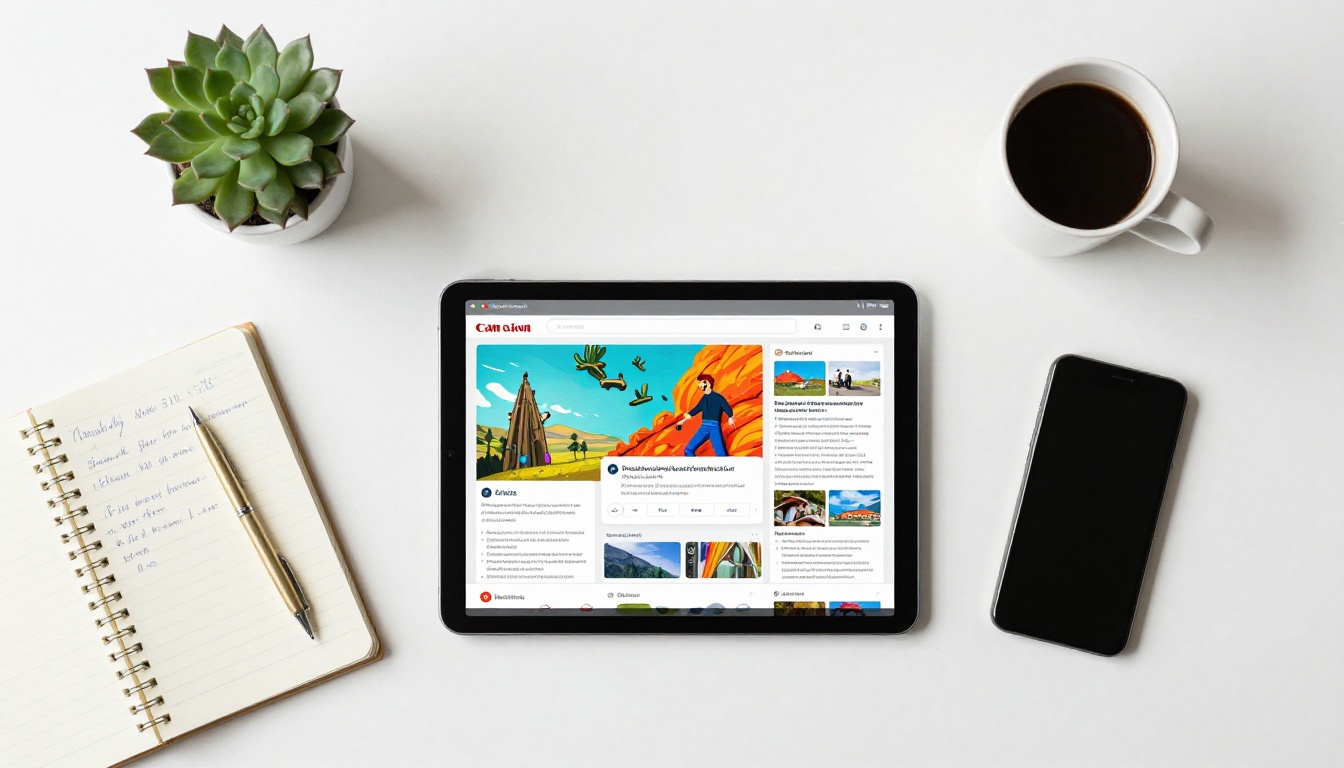
Once converted, apply your brand identity. Set your primary and secondary colors, upload your logo, choose your page flip animation style, and configure the background. Your readers will see a completely branded experience with no platform watermarks.
💡 Use the same brand colors as your website. A consistent visual identity across your flipbook and your site increases trust and recognition from the first page.
Step 4: Add Multimedia
This is where flipbooks separate from every other format. Embed YouTube or Vimeo videos directly into specific pages. Add clickable links to product pages, booking forms, or contact pages. If your content includes audio, embed that too. The Embed Flipbook on Website tool generates an iframe code you can place on any webpage in under two minutes.
Step 5: Configure Sharing and Privacy
Set a password if the document is private. Generate your shareable link for public content. Copy the embed code for your website. Share the URL directly in email, SMS, or social platforms. No file attachment needed, ever.
Step 6: Monitor the Numbers
On the Professional plan, open your analytics dashboard after publishing. Track total views, sessions by device type, time spent per page, and link click-through rates. Use this data to refine future documents and to inform sales conversations with specific reader behavior data.

Flipbooks AI offers purpose-built tools for specific document types. These aren't generic templates. They're configured for the exact needs of each format and sector.
Browse the full directory at flipbooksai.com/tools to find the exact tool for your content type.
Stop Losing Ground to the Competition
Your competitors using digital flipbooks are not doing something complicated. They made a simple format switch that changed how their content performs. Static PDFs have no analytics, no interactivity, no mobile optimization, and no way to embed video. A digital flipbook does all of that by default.
The businesses gaining the most ground right now are the ones whose content works whether it's opened on a laptop, shared on a phone, or embedded on a website. Every time you send a PDF when your competitors are sharing a flipbook link, you are making your content harder to consume and easier to ignore.
Ready to make the switch? Create your first flipbook for free on Flipbooks AI and see the difference in the first session. Already know what plan fits your business? Compare pricing and features and get started today with everything you need.



