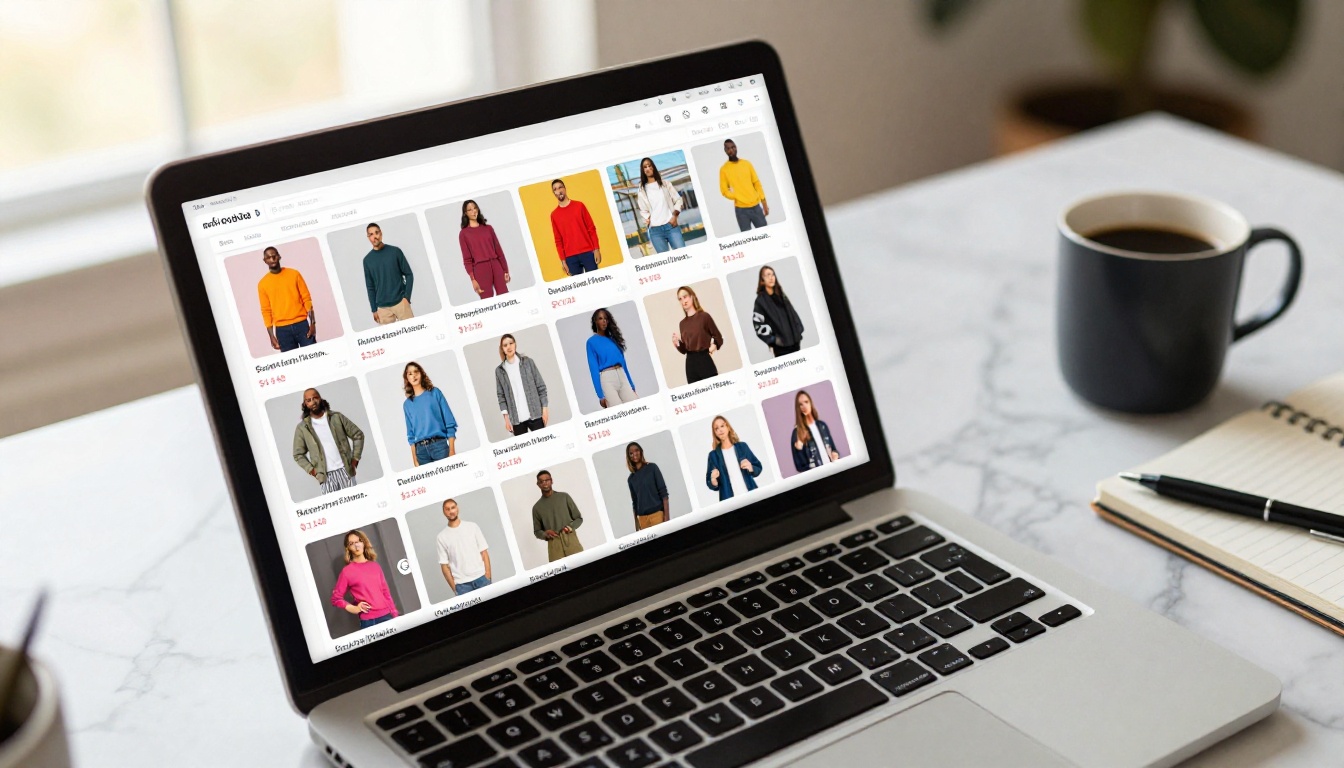
Your customers are scrolling past walls of product thumbnails right now, barely stopping to read a description before bouncing to a competitor. Static grids were never designed to sell the way a well-designed catalog does, and the brands catching on are pulling ahead fast. A flipbook catalog for your online store is not a luxury addition or a nice-to-have feature. It is one of the highest-leverage moves you can make to stop the scroll, hold attention, and turn browsers into buyers.
Flipbooks AI makes building one straightforward, and the results show up in session time, return visits, and order values that a flat product page simply cannot match.
What a Flipbook Catalog Actually Is
More Than a PDF Online
A flipbook catalog is a digital publication that mimics the tactile experience of flipping through a physical catalog, complete with smooth page-turn animations, clickable product links, embedded media, and full mobile responsiveness. It lives online, loads fast, and works on any device without requiring an app download.
The difference between uploading a PDF to your server and publishing a proper flipbook catalog is the difference between leaving a brochure on a doorstep and having a sales rep walk a customer through it. One gets skipped. The other converts.
The Page-Turn Effect Matters
Psychologically, the act of turning a page creates a sense of progression and investment. Shoppers who flip through pages spend more time with your products than those scrolling an infinite grid. They see styled layouts rather than isolated thumbnails. They experience your products in context, grouped the way a skilled merchandiser would arrange them, and that context is what nudges someone from "maybe" to "add to cart."
The page-turn interaction also signals that there is more to see, which pulls visitors deeper into the catalog experience. Each page flip is a micro-commitment that increases purchase intent.

The Problem with Static Product Pages
Infinite Scroll Destroys Context
Standard e-commerce product grids are built for catalog completeness, not storytelling. Every product competes for attention against every other product on the same page. There is no natural flow, no editorial voice, no sense of "this goes with that." Customers leave without a clear mental image of your brand.
Bounce rates climb when shoppers feel overwhelmed. Average session durations drop when there is nothing to follow, no narrative pulling them deeper into the experience. A flipbook catalog solves both of these problems by design because it has a beginning, a middle, and an end that shoppers actually want to reach.
Print Catalogs Are Not the Answer Either
Mailing physical catalogs is expensive, environmentally wasteful, and impossible to update without a full reprint cycle. A digital flipbook gives you everything a printed catalog delivers in terms of presentation, and adds real-time analytics, instant content updates, embedded video, lead capture forms, and a shareable link you can send in a single text message.
| Format | Update Speed | Cost | Analytics | Interactivity | Mobile |
|---|
| Printed Catalog | Days or Weeks | High (print + shipping) | None | None | No |
| PDF Download | Instant | Low | None | None | Poor |
| Static Product Grid | Instant | Low | Basic | Low | Yes |
| Flipbook Catalog | Instant | Low | Full | High | Yes |
The flipbook format dominates across every dimension that matters for modern e-commerce.
How Flipbooks Lift Conversion Rates
Longer Sessions, More Products Seen
Session duration is one of the strongest predictors of purchase intent. When a visitor spends four minutes flipping through your catalog instead of thirty seconds scanning a grid, they have seen more products, absorbed more brand context, and built enough familiarity to trust a purchase decision.

A well-built flipbook catalog naturally surfaces products shoppers would not have found on their own. Cross-selling happens organically when a spread shows a jacket next to matching trousers, when a skincare set appears as a cohesive routine system, or when a furniture grouping makes a room feel achievable. That organic product discovery is nearly impossible to replicate in a standard grid format.
Emotional Connection Through Visual Storytelling
The brands that grow fastest are not the ones with the most products. They are the ones whose customers feel something when they browse. A flipbook catalog lets you create that feeling because you control the full visual environment of each spread. You choose the typography, the background, the product pairings, the whitespace. Your brand voice comes through in the layout itself, not just in the product descriptions.
💡 Pro tip: Think of each two-page spread as a mini campaign. Lead with a lifestyle image, then follow with the products that tell that story. This format consistently outperforms individual product listings for average order value.
Mobile Shoppers Respond Well
More than sixty percent of e-commerce traffic now comes from mobile devices. Flipbook catalogs built on Flipbooks AI are fully mobile-responsive, with touch-friendly swipe gestures that feel native on any screen size. A shopper in a waiting room can flip through your entire spring collection in three minutes on their phone, and the sharing experience is just as seamless as desktop.
Best Product Categories for Flipbook Catalogs
Fashion and Apparel
Fashion was built for editorial presentation. A flipbook catalog lets clothing brands show full outfits across spreads, link directly to product pages, and present seasonal collections with the same energy as a print magazine shoot. The Fashion Catalog Creator handles this with purpose-built layouts for apparel brands that want a polished, shoppable result.
Home Goods and Furniture
Furniture buyers make high-consideration purchases and need to see how pieces work together, styled in a room that looks like something they actually want. A flipbook catalog showing a dining table in a warm, lit room with matching chairs and tableware drives far more conversions than a white-background thumbnail on a grid page.
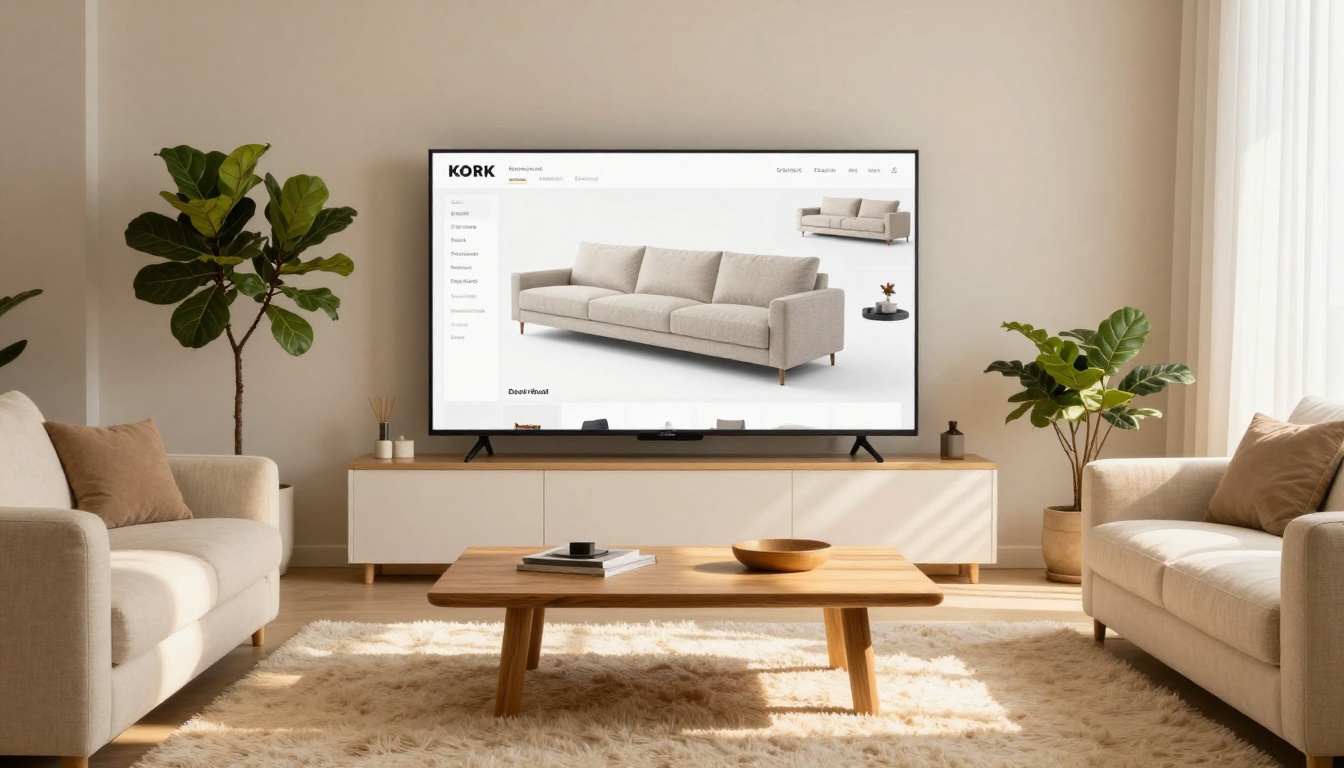
Use the Furniture Catalog Maker to build room-by-room spreads that let shoppers visualize the full picture, not just a single product in isolation.
Beauty and Skincare
Skincare and cosmetics brands thrive on storytelling around routine, results, and ritual. A flipbook catalog can walk shoppers through a morning routine spread, a product deep-dive section, and a "complete your kit" page all in one experience. The Digital Catalog Maker gives you full narrative control over this kind of multi-step storytelling.
Specialty and Wholesale
B2B sellers and specialty stores benefit enormously from a professional catalog presentation. A polished flipbook catalog signals credibility, makes tiered pricing easy to present clearly, and can be password-protected for private client sharing, a feature available on Flipbooks AI's Professional plan.
How to Build One with Flipbooks AI
The process is faster than most store owners expect. Here is the full workflow from first login to live catalog:
Step 1: Create Your Account
Start at Flipbooks AI and set up your account. The platform is free to start and you can have your first flipbook live within the hour. No credit card required to begin.
Step 2: Prepare Your PDF Catalog
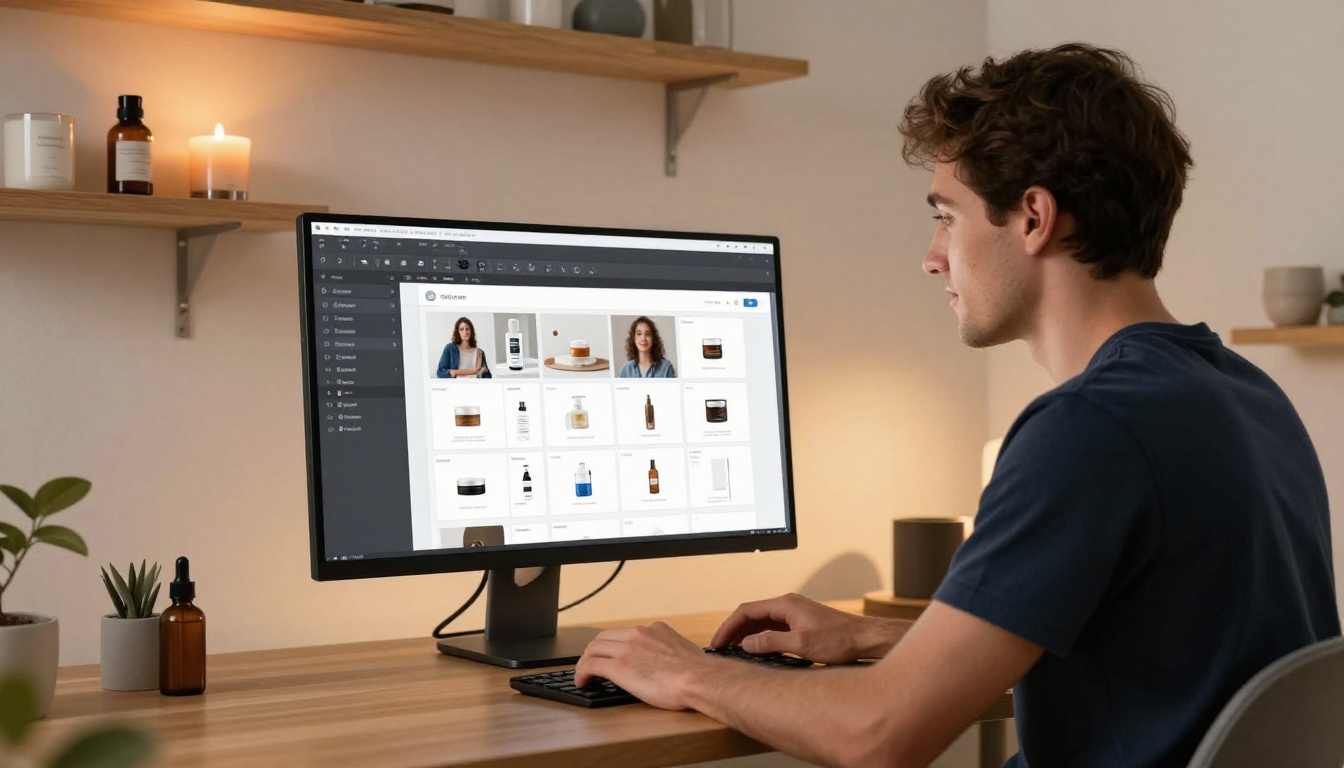
Design your catalog in Canva, Adobe InDesign, or any layout tool you already use. Export it as a PDF. This is the source file that Flipbooks AI will convert into a fully interactive flipbook. Your PDF can include styled product spreads, pricing tables, seasonal collections, and any layout you have already designed.
Step 3: Upload and Convert
Upload your PDF directly in the platform. The PDF to Flipbook Converter handles the conversion automatically, preserving your typography, images, and layout with high fidelity. No technical setup, no developer required.
Step 4: Customize Your Branding
Once converted, apply your brand identity across the viewer:
- Logo: Displayed in the flipbook header for instant brand recognition
- Custom colors: Match your exact brand palette for backgrounds and UI elements
- Page effects: Choose from flat turns, curl effects, or smooth slide transitions
- Background: Set a solid color or custom image behind the flipbook spreads
Step 5: Add Interactivity
This is where the flipbook catalog pulls decisively ahead of a simple PDF:
- Clickable product links: Add buy buttons or product page URLs directly on catalog pages
- Embedded video: Drop in a product demo or brand video on any spread
- Audio: Add ambient brand music or narration to specific pages
- Lead forms: Capture visitor email addresses with an embedded form (Professional plan)
Step 6: Publish and Share
When your catalog is ready, share it across every channel you use:
- Direct link: Send a clean URL via email, SMS, or social media
- Embed code: Use the Embed Flipbook on Website tool to place your catalog directly on your store homepage or a dedicated catalog landing page
- Password protection: Lock the catalog for wholesale clients or press contacts
- QR code: Print it on packaging or in-store signage to bridge the physical and digital experience
✅ Best practice: Embed your flipbook catalog on your homepage. Visitors who interact with an embedded catalog spend significantly more time on site and convert at a higher rate than visitors who only see the product grid.
Step 7: Track Performance
With the Professional plan, Flipbooks AI provides full analytics: page views, time per page, visitor geography, and lead capture data. You will see exactly which spreads hold attention and which ones shoppers skip, giving you real data to improve the next edition.

Flipbooks AI Plans at a Glance
Choosing the right plan depends on your catalog volume and feature requirements. Here is what each tier includes:
| Feature | Free | Standard | Professional |
|---|
| Watermark on Published Flipbooks | Yes | No | No |
| Number of Flipbooks | 1 | Unlimited | Unlimited |
| Custom Branding | No | Yes | Yes |
| Password Protection | No | Yes | Yes |
| Embedded Video and Audio | No | Yes | Yes |
| Full Analytics Dashboard | No | No | Yes |
| Lead Generation Forms | No | No | Yes |
| Offline Downloads | No | No | Yes |
See every plan detail on the pricing page.
⚠️ Note: The Free plan adds a watermark to all published flipbooks. For professional brand presentation with wholesale clients or marketing campaigns, the Standard plan removes this completely and allows unlimited catalog publications.
Real-World Use Cases That Work
Seasonal Lookbooks for Fashion Brands
A fashion brand releasing a new seasonal collection publishes a flipbook lookbook three days before their main email campaign drops. The flipbook link goes into the email header, sits in the Instagram bio, and gets embedded on the homepage. Session duration for that campaign is three times higher than for a standard product grid launch. Products shown in editorial spreads sell out before products that appeared only on the grid.
Wholesale Catalogs for B2B Sellers
A specialty food brand creates a password-protected flipbook catalog for their wholesale clients, complete with tiered pricing tables, minimum order quantities, and seasonal availability spreads. Clients access it via a private link. No more emailing PDF attachments that get buried in inboxes or carry outdated pricing from three months ago.

Holiday Gift Guides for Seasonal Spikes
A home goods retailer builds a holiday gift guide flipbook organized by recipient type: "For Her," "For the Host," "Under $50." Each spread links directly to individual product pages. The flipbook gets shared across social channels and embedded in a holiday landing page. Average order value during the campaign period is significantly higher than the same period the prior year, driven by multi-item discovery within the catalog experience.
New Product Launches
Instead of a standard email announcement with a product thumbnail, a skincare brand publishes an eight-spread launch flipbook walking through the science behind a new formula, the full application routine, and the complete product range it fits into. The flipbook becomes a shareable asset that customers forward to friends, extending campaign reach organically without any additional ad spend.
Sharing Your Catalog Drives Real Traffic
One of the most underused benefits of a flipbook catalog is its shareability. A direct link to your catalog is something customers actually forward because it is a richer experience than a product URL. It carries your full brand context with it, arriving in front of a new potential customer as a complete, polished introduction to what you sell.
A catalog link shared by a satisfied customer functions as a warm referral. The recipient lands in a curated brand experience rather than a cold product page, and conversion rates on catalog-sourced referral traffic consistently outperform standard traffic from paid ads or organic search alone.
💡 Pro tip: Create a new catalog edition for each major season or campaign and treat each one as a standalone asset with its own URL and tracking. Over time you will build a clear picture of which editions, products, and layouts drive the most revenue.
Stop Settling for Flat Product Pages
A flipbook catalog is not a one-time project. The most effective online stores treat it as a living asset, updating it with new arrivals, seasonal shifts, and promotional pricing without reprinting or rebuilding anything from scratch. Each new edition becomes a reason to email your list, post to social, and embed a fresh experience on your site.
The platform is ready. The tools cover every industry and use case. The only thing standing between your store and a significantly better browsing experience for your customers is the thirty minutes it takes to upload your first PDF and hit publish.
Ready to stop losing customers to flat product pages? Create your first flipbook catalog on Flipbooks AI and see what an immersive, page-turning experience does for your store's numbers.
Browse all available catalog tools and templates to find the right fit for your industry, or compare pricing plans to choose what works for your current stage. Your next catalog edition is one upload away.



