You finished the illustrations, the proof looks gorgeous, and now you need real readers to say so before launch day. That is what an advance reader copy (ARC) is for. The trouble is that most ARC platforms were built for novels, not for a 32 page picture book where the art and the text share every spread. This ranking sorts the best ARC platforms for children's books by cost, reviewer quality and review limits, and shows how a page-turning flipbook, built with Flipbooks AI, solves the layout problem that trips up so many illustrated titles.
Prices and caps on these sites change often, so treat the numbers below as a starting point and check each platform's current terms before you commit.

Why Picture Book ARCs Are Different
A thriller ARC can be a plain EPUB that reflows on any screen. A picture book cannot. The magic lives in the page turn, the full bleed illustration and the way a rhyme lands on the last word of a spread.
Fixed layouts break in EPUB
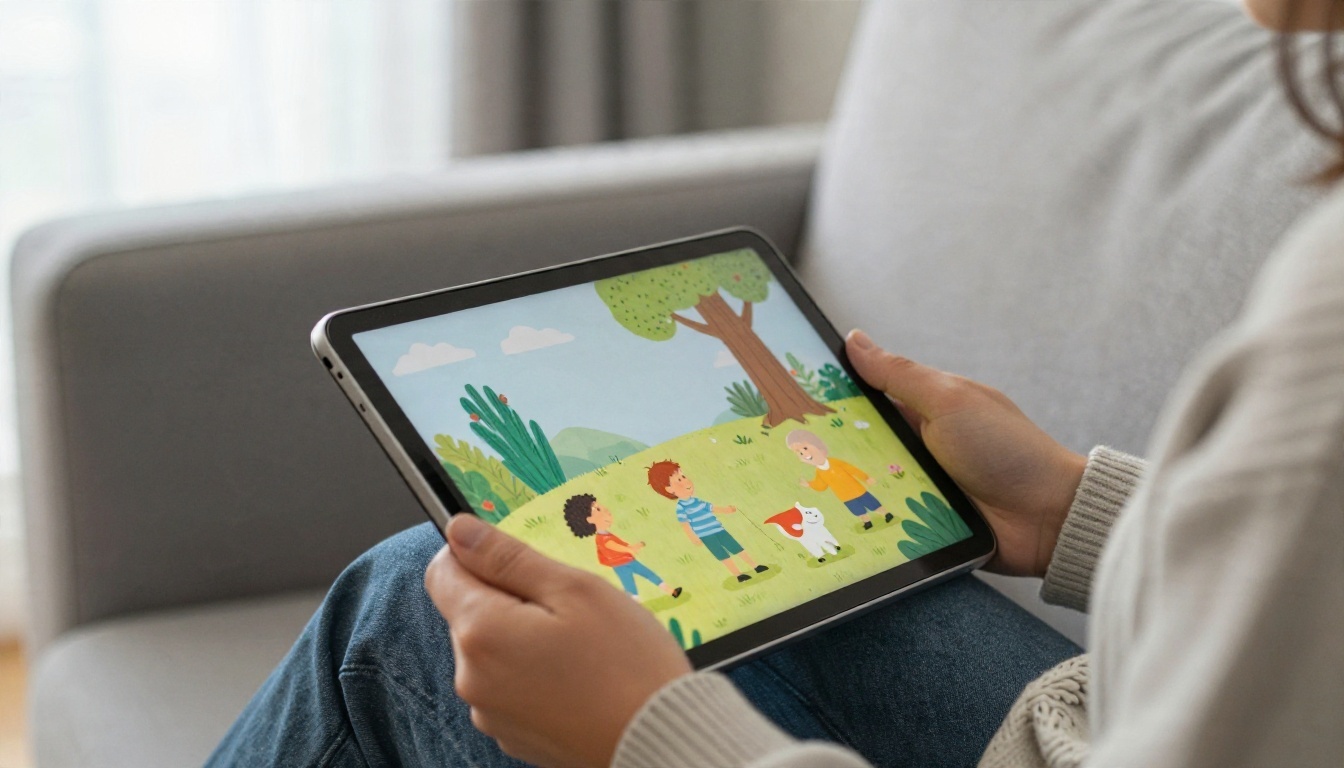
Reflowable formats rearrange text and shrink art. Fixed layout EPUB and PDF keep the design, but many ARC platforms handle them poorly on phones and e-ink readers. A reviewer who sees clipped text will blame the book, not the format.
Who actually reads children's ARCs
Your audience is rarely the child. It is the adult gatekeeper:
- Parents who read aloud every night and love to recommend titles.
- Teachers and librarians who decide what goes on classroom shelves.
- Book bloggers and bookstagrammers who specialize in picture books.
- Booksellers who need a reason to face your book out.
💡 Pro tip: Recruit reviewers who already post about picture books. Ten thoughtful reviews from the right readers beat a hundred from people who only read thrillers.
Here is how the main ARC services compare for a children's author. "Free tier" means you can run a basic campaign without paying, not that every feature is unlocked.
| Rank | Platform | Free tier | Best for | Picture book fit |
|---|
| 1 | Booksprout | Yes, limited reviewers per month | Indie authors building a reader team | Good, supports PDF and EPUB |
| 2 | BookSirens | Yes, with paid upgrades | Reaching new reviewers | Good, PDF supported |
| 3 | NetGalley | No, paid listing | Librarians, booksellers, press | Strong audience, fixed layout is tricky |
| 4 | StoryOrigin | Yes, core tools free | Newsletter swaps and reader groups | Fair |
| 5 | BookFunnel | No, paid plans | Delivery of files to readers | Excellent for delivery, not discovery of reviewers |
| 6 | Flipbook ARC via Flipbooks AI | Check the pricing page | Protecting illustrations and tracking reads | Excellent, pages stay exactly as designed |
The last row is not a marketplace. It is a delivery format you can pair with any of the platforms above, and it deserves its own section later.
1. Booksprout
Booksprout lets readers apply to review your book and then reminds them to post once they finish. Its free plan caps how many reviewers you can reach each month, which is fine for a first picture book launch. Reviewers download a file or read in an app, so test how your PDF looks on a phone before you send it.
Strengths: reminder emails, a reader base used to indie titles, a workable free tier.
Weak spots: children's readers are a minority, and reviewers can ghost you.
2. BookSirens
BookSirens works on a points and selection model, where readers pick titles they want to review. It offers a free way to list a book and paid options for more exposure. It tends to deliver a steady trickle of reviews rather than a burst.
Strengths: large pool of readers, easy setup.
Weak spots: you have little control over who picks your book, so write a clear age range in your description.

3. NetGalley
NetGalley is where librarians, teachers, booksellers and journalists go to request galleys. That is the audience you want if you hope to land in schools and shops. The catch is price: listing a title costs real money, and indie authors often reach it through a co-op or a partner program instead of a solo listing. Fixed layout files also need careful preparation so the page turns display correctly.
⚠️ Warning: Do not pay for a premium listing before you have a finished, proofread file. Reviewers who open a broken ARC rarely give a second chance.
4. StoryOrigin and BookFunnel
StoryOrigin is built around group promotions and newsletter swaps. It is a good way to put a picture book in front of parents who already follow other children's authors. BookFunnel is the reliable delivery truck: it gets files onto devices with support for confused readers, which matters when a grandparent is trying to open your ARC on a tablet.
Free Options That Work
You do not need a budget to run a respectable ARC campaign. Plenty of authors do it with a free tier and a bit of hustle.

Build your own reviewer list
The best free source is the one you own. Collect emails through a simple signup page and invite people directly:
- Post a call for early readers in parenting, teaching and kidlit groups.
- Ask local librarians and bookstore owners if they would like a preview.
- Message bloggers who recently reviewed a similar picture book.
- Add a signup line to your newsletter and your social bios.
- Send each person a personal note, not a mass blast.
Combine a free tier with a flipbook
Use a free platform to find reviewers and a flipbook to deliver the book. Your reviewers get a beautiful reading experience, and you keep control over who can see it. This pairing costs far less than a paid listing and works well when you only have one or two titles.
Free options compared
| Method | Cost | Reach | Effort | Risk of file leaks |
|---|
| Personal email list | Free | Small but loyal | Medium | Medium with plain PDFs |
| Booksprout free tier | Free | Moderate | Low | Medium |
| StoryOrigin swaps | Free | Moderate | Medium | Medium |
| Social media callouts | Free | Unpredictable | High | High |
| Flipbook with password | Plan based | Any of the above | Low | Low |
Flipbook ARCs for Picture Books
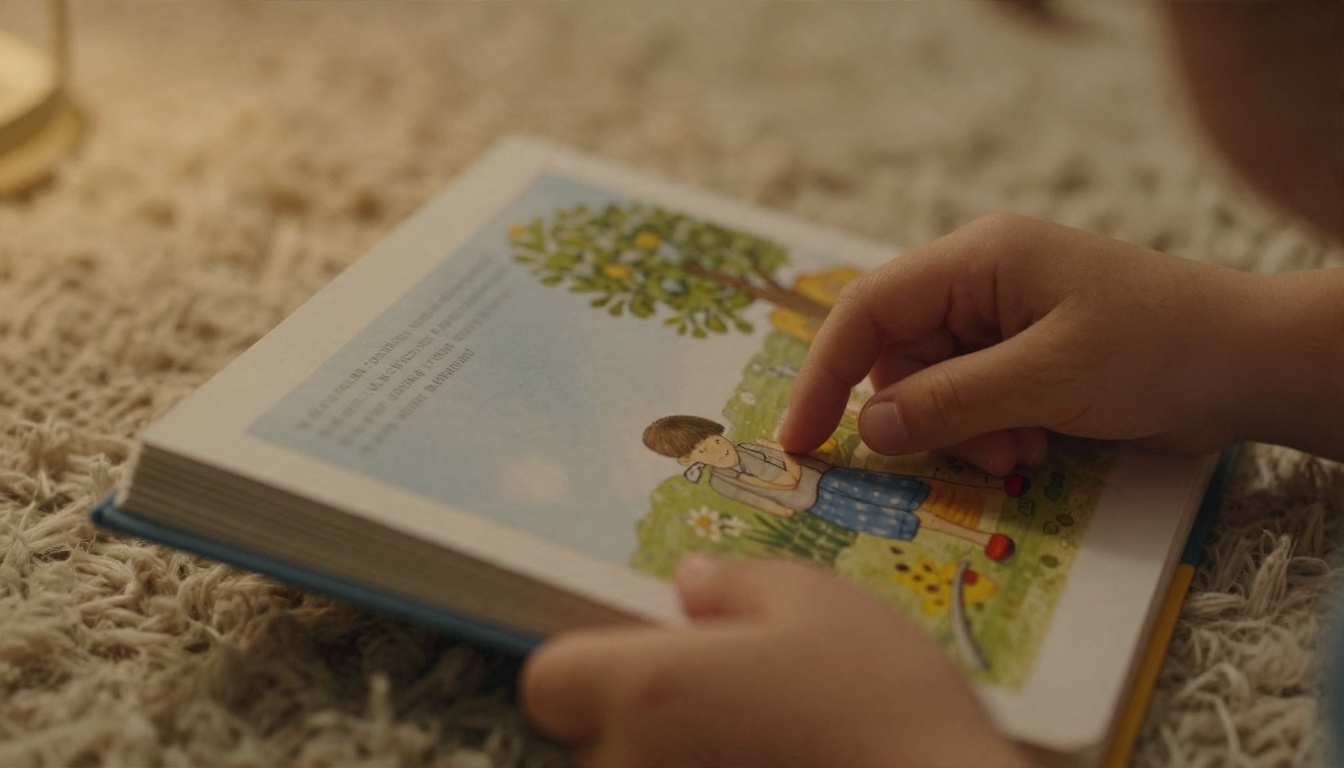
A flipbook ARC turns your PDF into a page-turning web reader. Reviewers click a link, see the book as designed, and flip through spreads with a swipe or an arrow.
Why flipbooks fit illustrated titles
- Spreads stay intact. Two page layouts display side by side exactly as printed.
- No file to forward. A link with a password is harder to pass around than a PDF attachment.
- Works on any device. Phones, tablets and laptops all open it in a browser.
- Read tracking. On the Professional plan you can see how far reviewers got, which tells you whether the ending lands.
Format comparison
| Feature | Plain PDF by email | Reflowable EPUB | Flipbook ARC |
|---|
| Keeps illustration layout | Yes | No | Yes |
| Page-turn feel | No | Basic | Yes |
| Password protection | Rarely | Platform dependent | Yes |
| Read analytics | No | Limited | Yes, Professional plan |
| Easy on a phone | Poor, requires zooming | Good for text only | Good |
| Watermark free | Yes | Yes | Yes, no watermarks ever |
✅ Best practice: Send reviewers a flipbook link for reading and let your chosen ARC platform handle the review reminders. Each tool does the job it is best at.
Build a Flipbook ARC in Minutes
If you want to try this, the PDF to Flipbook Converter is the quickest route. For a picture book, the E-Book Flipbook Generator and the Interactive E-Book Publisher are also worth a look.

Step 1: Create your account
Head to Flipbooks AI and create an account. You can compare plans on the pricing page when you are ready for more flipbooks or extra features.
Step 2: Upload the PDF
Export your picture book as a print-quality PDF, with spreads or single pages in the right order. Upload it, and the platform converts it into a page-turning flipbook in moments. Check every spread on your phone before moving on.
Step 3: Customize the look
- Add your custom branding and a background color that suits the book's mood.
- Pick the page effect you like for the turn.
- Add a short audio read-along or a video of the author reading, since the platform supports embedded video and audio.
Step 4: Lock it and share it
- Turn on password protection so only invited reviewers can open the book.
- Copy the direct link for emails and messages.
- Use the embed code if you want a private page on your own site, with the help of the Embed Flipbook on Website tool.
- Send each reviewer the link and password in a short, friendly note.
Step 5: Use the pro features
On the Professional plan, switch on analytics to see opens and reading depth, and lead generation to collect reviewer emails before they start reading. Enable offline downloads only for trusted readers who request it, such as a librarian with poor school Wi-Fi.
💡 Pro tip: Add a final page that asks politely for an honest review and lists where to post it. Readers are most willing to write right after the last page turn.
Review Limits You Must Know
Getting reviews is half the story. Posting them is where rules apply, and breaking them can get reviews removed or accounts flagged.
Amazon's rules
Amazon does not allow reviews in exchange for payment or incentives, and it does not allow you to require a positive review. Free ARCs offered with no strings are generally accepted, but reviewers should disclose that they received an advance copy. Amazon also sets eligibility rules for reviewers, such as a minimum spend on the account, so some of your readers may not be able to post there at all. Check Amazon's current community guidelines before you start.
Goodreads and other sites
Goodreads is friendlier to ARC reviews and a good place to collect ratings before launch. Add your book there early so reviewers can mark it as "want to read" and post when they finish. Giveaways on that site are a paid feature, so weigh the cost against your goals.
Platform caps
| Limit type | What to expect | What to do |
|---|
| Free tier reviewer caps | A fixed number of reviewers per month on many free plans | Spread invitations across several months |
| Review window | Platforms often expect reviews within a set time frame | Send reminders at one and two weeks |
| Per reader quotas | Some sites limit how many ARCs a reader can request | Pitch your book with a clear description |
| Retail eligibility | Not every reader can post on every store | Ask reviewers to also post on Goodreads |
Disclosure is not optional
In many countries, including the United States, a reviewer who received a free copy should say so. The FTC expects clear disclosure of material connections. Put a short line in your ARC invitation, such as: "Please mention that you received a free advance copy in exchange for an honest review."
⚠️ Warning: Never offer gift cards, extra books or any reward tied to review content or ratings. It can violate store policies and damage trust.
A Four Week ARC Plan
A calm schedule beats a last minute scramble. Here is a simple timeline you can copy.

| Week | Task | Tool |
|---|
| 6 weeks out | Finalize PDF and build a password protected flipbook | Flipbooks AI |
| 5 weeks out | List the book on a free ARC platform and open your signup page | Booksprout or BookSirens |
| 4 weeks out | Send first invitations to your personal list | Email |
| 3 weeks out | Send reminders and share the Goodreads page | Email, Goodreads |
| 2 weeks out | Check analytics, thank readers who finished | Flipbook analytics |
| Launch week | Ask for reviews to be posted on retail pages | Email and social |
A real-world example
Imagine an author with a rhyming bedtime book. She lists it on a free platform, invites twelve bloggers and four librarians directly, and sends everyone the same private flipbook link. Analytics show that most readers stop at spread nine, where a page turn comes too late. She fixes the layout, uploads a new version, and sends a polite update. Reviews arrive with fewer complaints about pacing.
Three common mistakes
- Sending low resolution files. Art looks muddy and reviewers notice.
- Skipping the age range. Readers pick the wrong book and leave confused reviews.
- Forgetting reminders. Many reviewers mean well and then simply forget.

Ready to Send Your ARCs?
Pick one free platform to find reviewers, build a private flipbook so your illustrations arrive intact, and stick to the review rules. That mix gives a small press or solo author a professional launch without a large budget.



