A booker opens your email at 9:14 on a Tuesday. They have forty other messages waiting, and about ten seconds to decide whether you deserve a second look. What they see in those ten seconds is your electronic press kit, and it either earns the click or gets archived. If you want that moment to go your way, the format matters as much as the content, and a tool like Flipbooks AI can turn a flat PDF into something people actually want to flip through.
This article breaks down the best EPK examples, the templates and layouts behind them, and exactly what to include so your kit gets read instead of skipped.
What an EPK Actually Is
An EPK (electronic press kit) is a digital package that tells journalists, bookers, promoters, labels and brand partners who you are, what you have done and why they should work with you. Think of it as a résumé, a portfolio and a media sheet folded into one shareable page.
The old press kit was a physical folder stuffed with a glossy photo, a CD and a typed bio. The modern version lives online, loads on a phone, and can include audio, video and live links.
Who Needs One
Almost anyone who pitches their work to other people:
- Musicians and bands pitching venues, festivals, playlists and labels
- DJs and producers chasing residencies and club nights
- Actors and models sending material to casting teams and agents
- Podcasters and YouTubers approaching sponsors and guests
- Authors and speakers applying for events and interviews
- Small brands and startups talking to reporters and partners
EPK vs Traditional Press Kit
| Feature | Traditional Press Kit | Electronic Press Kit |
|---|
| Delivery | Mailed or handed over | Link or email attachment |
| Cost per send | Printing and postage | Close to zero |
| Media | Static photos only | Audio, video, live links |
| Updates | Reprint everything | Edit once, everyone sees it |
| Tracking | None | Views and clicks (with analytics) |
| Mobile friendly | No | Yes, if built correctly |
💡 Pro tip: The biggest advantage of an EPK is that you can fix a typo or swap in a new single the minute it drops. Printed kits never allowed that.
What to Include in Your EPK
Open ten strong EPKs and you will notice the same bones under different skin. Skip the fancy design for a second and make sure these pieces are present.
The Core Essentials
- A short bio in three lengths: one line, one paragraph and a full page. Write it in third person so journalists can paste it directly.
- High resolution photos: at least one horizontal and one vertical portrait, plus a few live or action shots.
- Your best work: two or three tracks, clips, reels or episodes. Never ten. Curate ruthlessly.
- Contact details: one name, one email, one phone number. Do not make anyone hunt.
- Social proof: follower counts, streaming numbers, press quotes and past venues or clients.
- Links: website, streaming profiles, social handles and a booking page.
Nice Extras That Win Bookings
- A stage plot or technical rider for live acts
- Upcoming dates so promoters see you are active
- Logos of past clients, venues or sponsors
- A one sheet summary on its own page
- High quality logo files and brand colors
- Short quotes from reviews or fellow artists
✅ Best practice: Put your strongest proof (a press quote, a headline show, a big number) on the first two pages. Most readers never reach page six.
| Element | Priority | Ideal Length |
|---|
| Short bio | Must have | 50 to 100 words |
| Press photos | Must have | 3 to 6 images |
| Featured media | Must have | 2 to 3 pieces |
| Contact block | Must have | 3 lines |
| Press quotes | High | 2 to 4 quotes |
| Stage plot or rider | Situational | 1 page |
| Tour dates | Situational | 5 to 10 entries |
| Full discography | Optional | Links only |
EPK Examples That Work
Abstract advice only goes so far. Here are four example structures that real professionals use, with the reasoning behind each.
Musician and Band Example
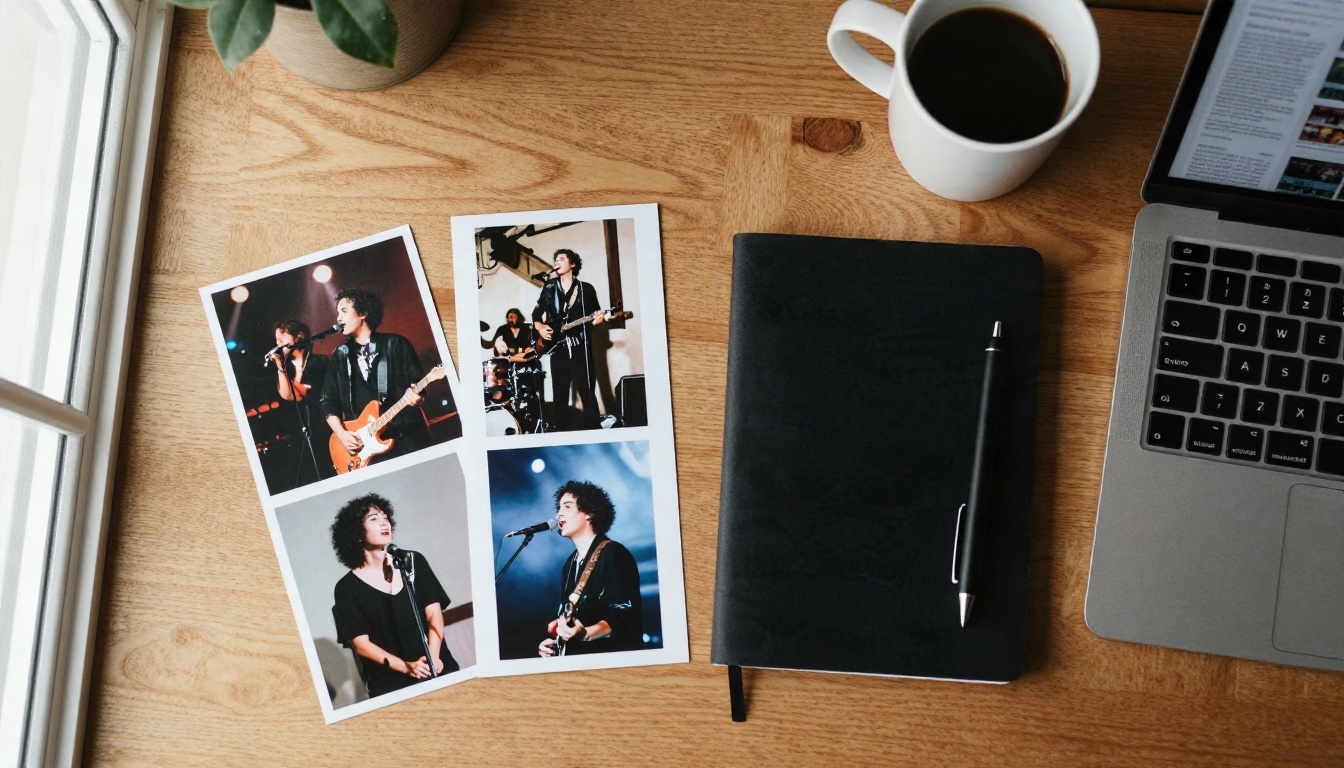
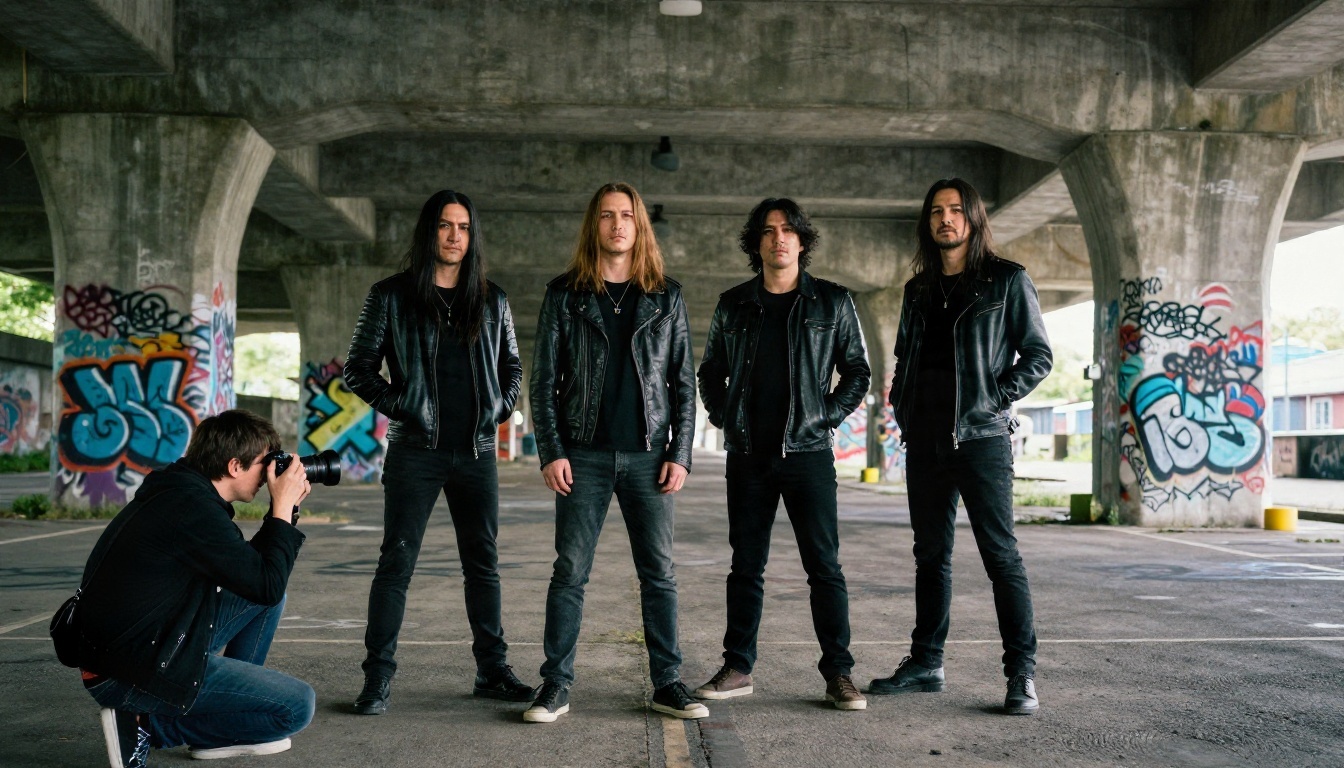
A touring indie band might build a six page kit that opens with a full width live photo and a single pull quote from a respected blog. Page two carries a punchy bio and a short list of festival slots. Pages three and four hold embedded audio of the two strongest singles. Page five is a stage plot and input list, and page six is contact details with a booking link.
The reason it works: every page answers one question a promoter has, in the order they would ask it. Are you good? Do you draw? Can we set you up easily? How do we reach you?
DJ and Producer Example
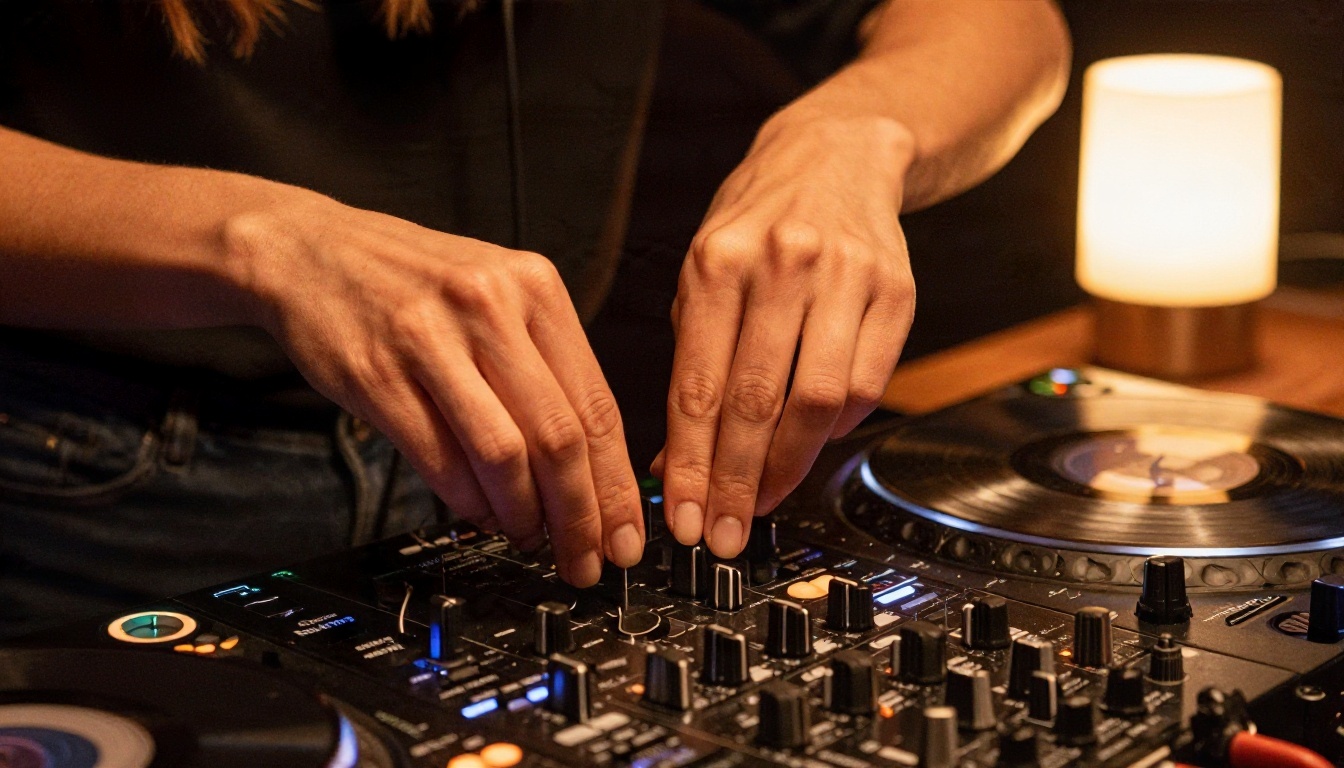
A DJ kit leans on mixes and crowd proof. A strong layout leads with a one minute teaser reel, followed by a list of residencies, then links to full length sets. Photography should show the booth, the crowd and a clean portrait. Many DJs add a short technical rider listing the gear they require (decks, mixer model, monitor setup) so the club can say yes without a long email chain.
Actor and Performer Example
Actors need less text and more face. The layout is typically a headshot first design: a large portrait on the opening page, a reel link right beside it, and a clean credits list sorted by recent and notable work. Add height, languages, special skills and agent contact in a small sidebar.
Podcast and Creator Example
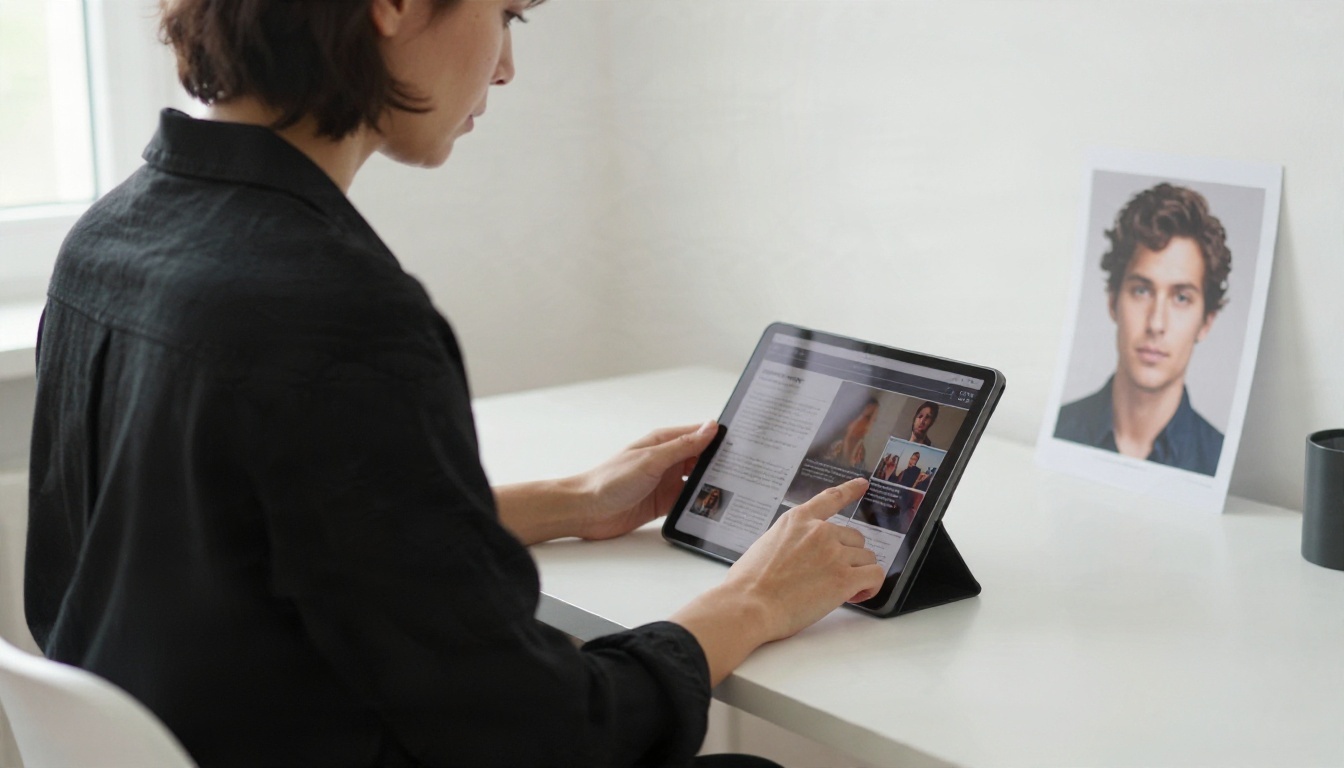
Sponsors want numbers and fit. A podcaster's EPK should show downloads per episode, audience demographics, average listener time and past sponsors, followed by three sample episodes and a rate card. Guest booking pages also do well with a short list of previous guests and a clean topic summary.
| Profession | Lead With | Must Prove | Best Extra |
|---|
| Band or musician | Live photo and quote | Draw and live quality | Stage plot |
| DJ or producer | Teaser mix | Crowd and residencies | Tech rider |
| Actor | Headshot and reel | Credits and range | Agent contact |
| Podcaster | Audience numbers | Sponsor fit | Rate card |
| Speaker or author | Talk topics | Past events | Sample video |
Layouts and Templates That Convert
You do not need to invent a design from scratch. Most effective kits follow one of two proven layouts.
The One Page Layout
A single scrollable page with clear zones: hero image and tagline at the top, bio on the left, media on the right, quotes in a band across the middle, and contact at the bottom. It suits artists with a short history, or anyone who needs something quick to link in a DM.
Strengths: loads fast, easy to skim, simple to maintain.
Weakness: gets cramped if you have lots to show.
The Multi Page Flipbook Layout
This is the format that is gaining ground with serious acts. You design a page based kit (in Canva, InDesign, Figma or even Google Slides), export it as a PDF, and convert it into an interactive page turning flipbook. It feels like a magazine, which is exactly the tone you want when pitching editors.
A typical flow looks like this:
- Title page: hero photo, name, one line tagline
- About: bio and a pull quote
- Music or work samples: embedded players or clips
- Proof: press, numbers, past clients
- Visuals: photo gallery
- Logistics: rider, dates, pricing if relevant
- Contact: one clear call to action
| Layout Type | Best For | Speed to Build | Wow Factor |
|---|
| One page website | Early career artists | Fast | Medium |
| PDF attachment | Quick email pitches | Fast | Low |
| Interactive flipbook | Editors, labels, sponsors | Medium | High |
| Full custom site | Established acts | Slow | High |
💡 Pro tip: Send the flipbook link in the email body, and keep a downloadable PDF as a backup. Some corporate email filters block attachments, and links never get stuck.
How to Build an EPK with Flipbooks AI
If you already have a designed PDF, you are about ten minutes away from a shareable, mobile friendly EPK. For a purpose built starting point, the Press Kit Designer is made for exactly this job. Here is the full process.
Step 1: Create Your Account
Head to Flipbooks AI and sign up. You can test the platform on a free plan, and pricing plans unlock unlimited flipbooks when you are ready to publish several kits (one per project, tour or release).
Step 2: Upload Your PDF
Export your kit from your design tool as a PDF. Then drag the file into the PDF to Flipbook Converter. Within moments each page becomes a turnable spread with a realistic page curl.
⚠️ Warning: Export at a high quality setting and keep file size reasonable. A 200 MB PDF will feel slow on mobile data, no matter how good the content is.
Step 3: Customize the Look
- Add custom branding: your logo, colors and a background that matches your artwork
- Choose a page effect and flip speed that suits your tone (soft for acoustic, snappy for electronic)
- Insert video and audio directly so a promoter can hear your single without leaving the page
- Add clickable links over your social icons, streaming buttons and booking form
There are no watermarks, so the final result looks like your own brand and nobody else's.
Step 4: Share It Your Way
| Sharing Method | Best Use |
|---|
| Direct link | Email pitches, DMs, bios |
| Embed code | Your own website via the embed tool |
| Password protection | Unreleased music or confidential rates |
| Offline download | Festival teams who need a copy on site |
Step 5: Track Who Reads It
On the Professional plan you get analytics and lead generation. You can see how many people opened your kit, which pages held attention, and capture a name and email before someone reads a private rate sheet. That is real data for your follow up. If a promoter spends two minutes on your stage plot page, you know it is time to send a quote.
Prefer to start from a different format? Browse the full tools directory or try the Digital Portfolio Creator if your kit leans heavily on visuals.
Common EPK Mistakes
Most kits fail for boring reasons, not creative ones.
- Too much, too early. Ten tracks, fifteen photos and a four page bio will not be read. Edit hard.
- Outdated material. A tour from three years ago and a broken link tell a promoter you are not active.
- No clear contact. If you hide your email behind a form with six fields, you lose gigs.
- Low quality images. Blurry or heavily filtered photos kill trust instantly.
- Writing in first person. Journalists want copy they can lift. Use third person.
- No call to action. End every kit by saying what you want: book us, review us, sponsor us.
- Desktop only design. More than half of first opens happen on phones.
✅ Best practice: Before you send, open your EPK on your phone with Wi-Fi turned off. If it is painful for you, it is painful for a busy editor.
A Quick Pre Send Checklist
- Do all links work, including audio and video?
- Is your bio free of typos and written in third person?
- Are photos sharp, credited and recent?
- Is there exactly one clear way to contact you?
- Does the first page make a strong promise?
- Have you tested the kit on mobile?
Make Your EPK Work Harder
A good EPK is not a one time document. Update it whenever you release something, play a bigger room, land a review or hit a new milestone. Keep one master version, publish a fresh link for each campaign, and watch which versions get opened.
The artists who get booked are rarely the most talented in the room. They are the ones who make saying yes effortless, and a clear, beautiful kit does exactly that.
Ready to build yours? Get started for free on Flipbooks AI, compare pricing plans for analytics and unlimited flipbooks, or open the Press Kit Designer and publish your first interactive press kit today.



