Selling sticker designs online has never been more accessible, but "accessible" does not mean automatic. Thousands of sticker shops open every month on platforms like Etsy, most generating zero sales within the first 90 days. The difference between a shop that earns $200 a month and one that earns $4,000 comes down to three decisions: where you sell, how you price, and how you present your work. This article covers all three, plus the marketing moves that actually drive traffic to independent sticker shops in 2027.
Where Most Sticker Sellers Go Wrong First
Picking a Platform Without Testing
The single most common mistake is choosing a platform based on familiarity rather than fit. A sticker shop built on Shopify before the owner has validated demand will spend months optimizing a store that nobody visits. A shop launched on Etsy without understanding its algorithm will get buried in search results from day one.
The smarter approach: test your designs on at least two platforms simultaneously before investing in branding, a custom domain, or paid advertising. Let the data tell you where your buyers actually are.
Physical vs. Digital Stickers
This decision shapes your entire business model. Physical stickers require printing, packaging, shipping, and customer service around delivery. Digital stickers (PNG files, Procreate brush packs, instant-download sticker sheets) require none of that. Each has a real market.
| Factor | Physical Stickers | Digital Stickers |
|---|
| Startup cost | $200 - $800 (printer + supplies) | $0 - $50 (design software only) |
| Profit margin | 40 - 60% | 90 - 97% |
| Fulfillment time | 1 - 5 days | Instant |
| Customer satisfaction | High (tangible product) | High (instant delivery) |
| Passive income potential | Low (requires reprinting) | Very high (unlimited downloads) |
| Best platform | Etsy, Shopify, TikTok Shop | Etsy, Gumroad, Payhip |
Both models work. Many successful sticker sellers run both simultaneously, using digital downloads to generate passive income while physical orders build brand loyalty.
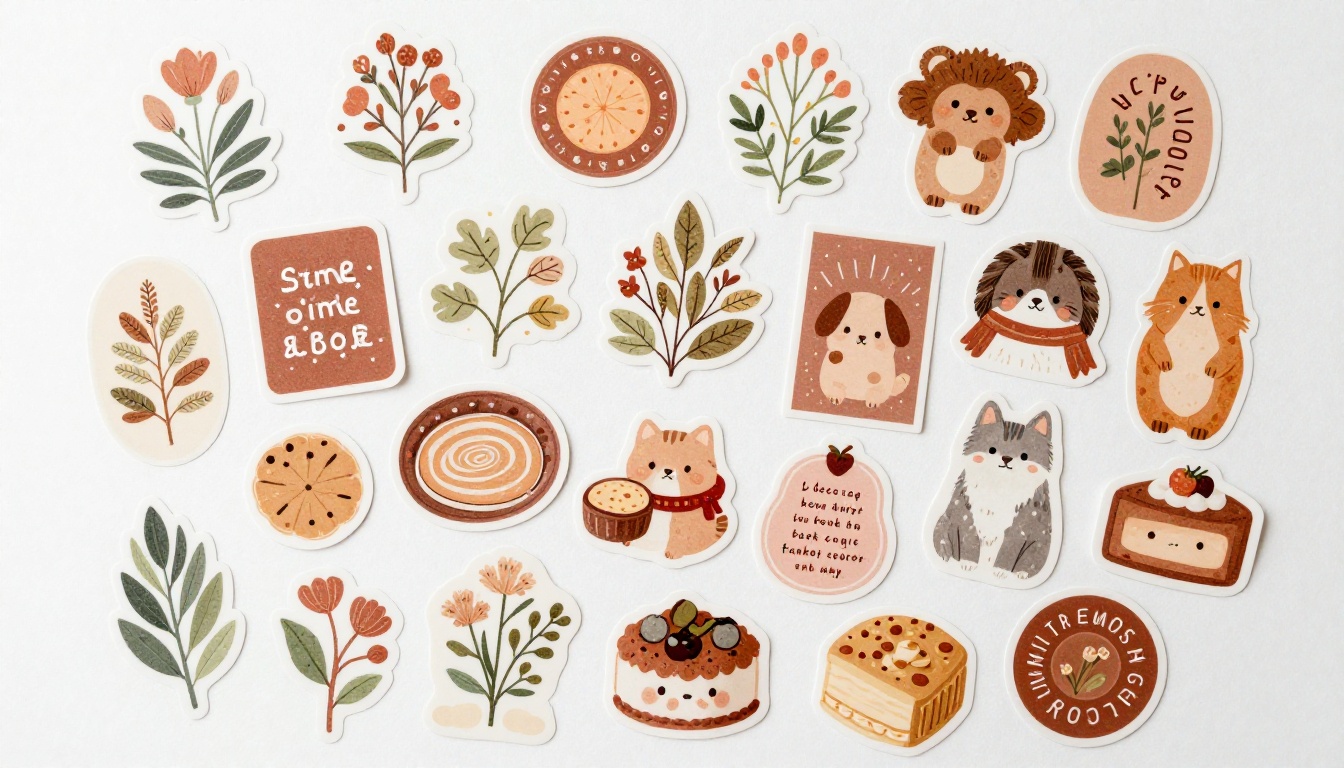
Not all platforms are equal. Here is a direct comparison of the most relevant options for sticker sellers right now.
| Platform | Monthly Fee | Transaction Fee | Built-in Traffic | Best For |
|---|
| Etsy | $0 + $0.20/listing | 6.5% | Very High | New sellers testing demand |
| Shopify | $39/month | 0 - 2% | None | Established brands with existing traffic |
| Redbubble | $0 | 20 - 30% | High | Passive, zero-fulfillment income |
| Society6 | $0 | ~35% | Moderate | Art-forward illustrated designs |
| TikTok Shop | $0 | 2 - 8% | Very High (if viral) | Video-friendly products |
| Gumroad | $0 | 10% | Low | Digital sticker instant downloads |
Etsy: Still the Dominant Marketplace
Etsy processes over 500 million searches per month, and "stickers" is one of its top searched product categories. For physical sticker sellers, Etsy is still the fastest route to first sales. The barrier is low: a $0.20 listing fee per item, no monthly subscription required, and organic search visibility from day one.
The catch is competition. Searching "die-cut stickers" on Etsy returns hundreds of thousands of results. Winning on Etsy in 2027 requires high-quality product photography, keyword-rich titles that match how buyers actually search, a minimum of 20 listings in your shop, and consistent 5-star reviews in the first 30 days.
Your Own Store: When It Makes Sense
A Shopify or Squarespace store makes sense only after you have proven demand. Once your Etsy shop is generating 50 or more orders per month, a standalone store lets you eliminate platform fees, own your customer data, and build a genuine brand identity. Without existing traffic, a standalone store is an expensive waiting game.
Redbubble and Society6
These platforms handle everything: printing, shipping, customer service. Your profit margin per sale is thin (typically 20 - 35% of what the platform earns), but the overhead is zero. Redbubble works best for illustrators with recognizable styles who want passive income without managing fulfillment.
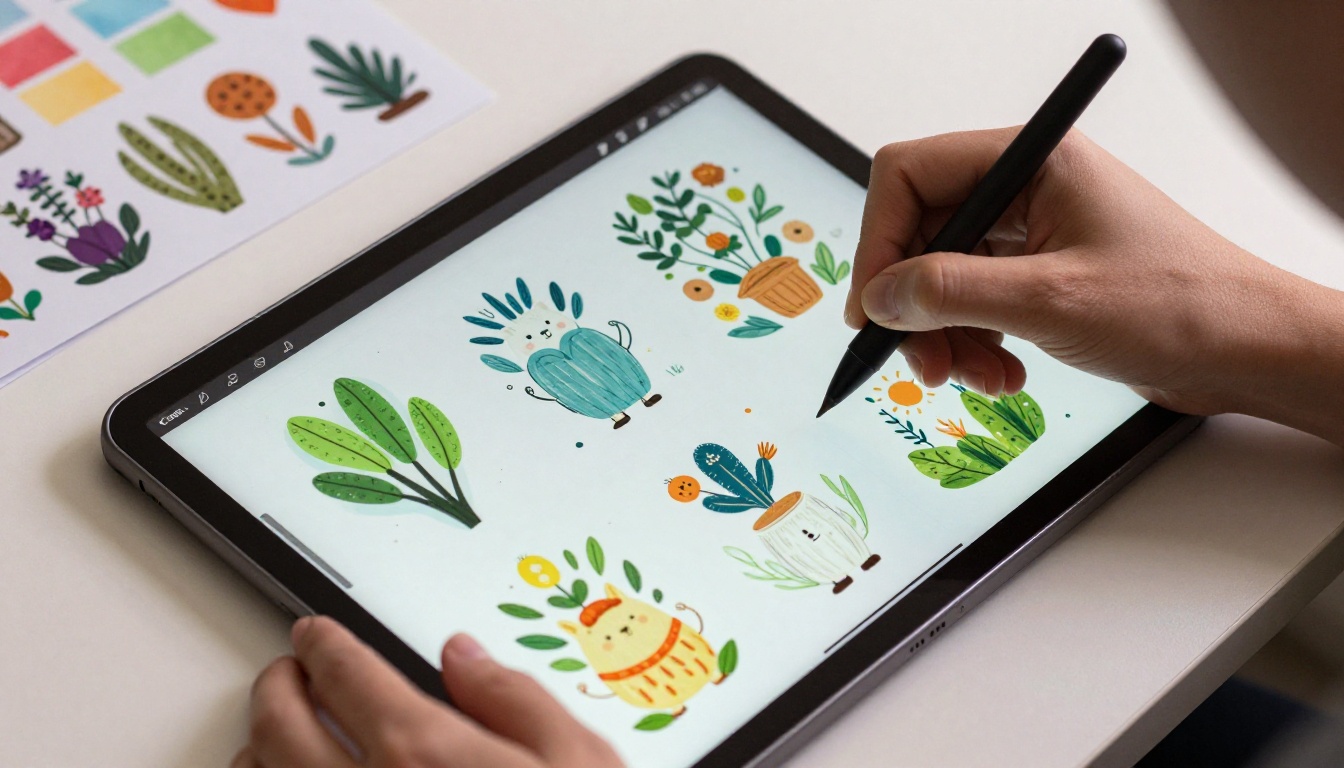
Print Yourself vs. Print-on-Demand
This is the most financially significant decision in a sticker business. Here is how the two models compare in real terms.
| Factor | DIY Printing | Print-on-Demand |
|---|
| Upfront cost | $300 - $1,500 | $0 |
| Cost per sticker (2" x 2") | $0.08 - $0.20 | $0.40 - $0.90 |
| Profit margin on $3 sticker | ~80% | ~40 - 55% |
| Time investment | High (printing, cutting, packaging) | Low |
| Quality control | Full control | Variable by supplier |
| Minimum order quantity | 1 | 1 |
| Best for | High-volume, repeat designs | Testing new designs |
The Real Numbers on DIY Printing
A Cricut Maker or Silhouette Cameo setup, combined with a good inkjet or laser printer, costs $400 - $800 upfront. After that, your per-sticker cost can drop below $0.15 for popular designs. On a $4.00 sticker, that is a $3.85 margin before platform fees and shipping supplies.
The trade-off is time. Printing, laminating, cutting, and packaging a 50-order day takes 3 - 5 hours. Many sticker sellers outsource once they hit consistent volume.
Print-on-Demand Without the Headache
Services like Printify, Sticker Mule, and Gelato let you upload designs and handle fulfillment automatically. You set the retail price, they ship directly to customers. Margins are lower, but you can run a sticker business entirely from a laptop with zero physical inventory.
💡 Use print-on-demand to test which designs sell before investing in your own printing setup. Order test batches of your top 5 sellers, then shift those to DIY printing for better margins.
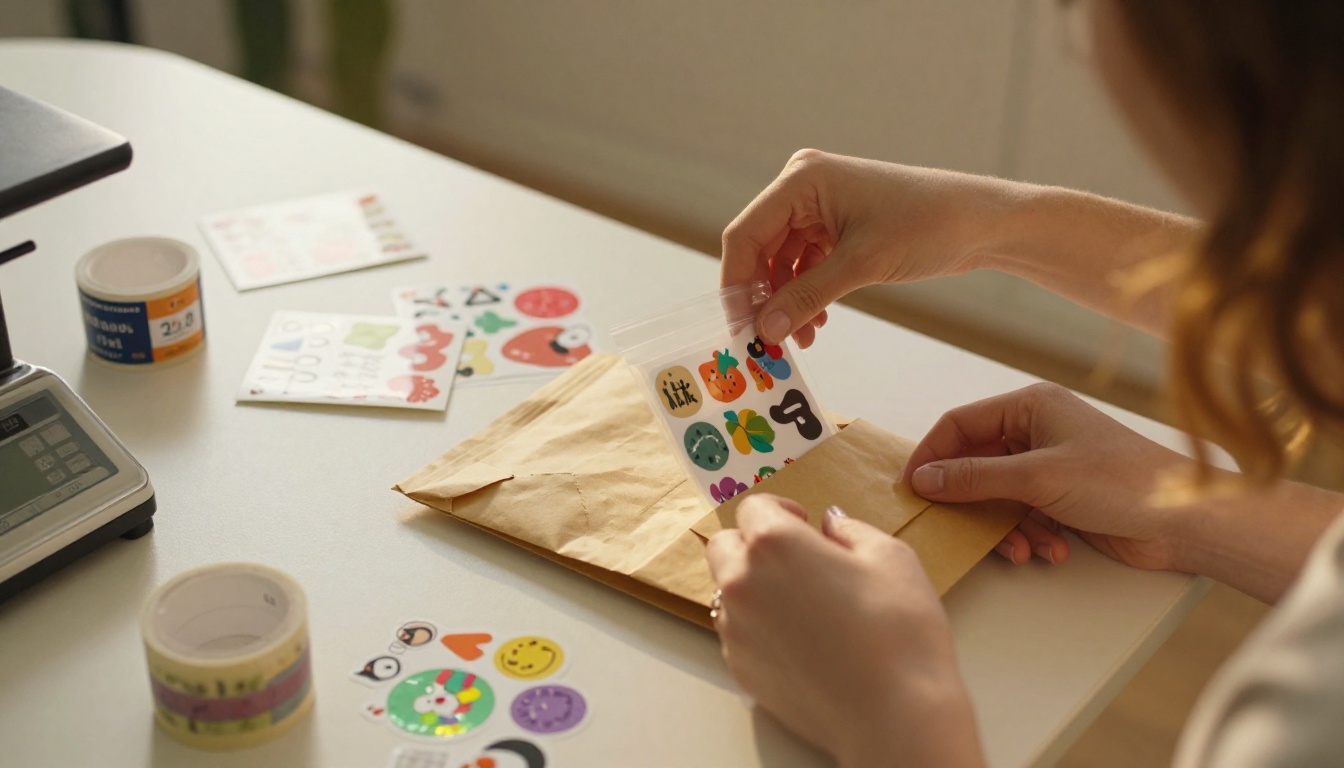
What Sticker Designs Actually Sell
Not all art sells as stickers. The sticker market has specific buying patterns that repeat year after year.
Niches With Consistent Demand
These categories show consistent sales volume year-round based on Etsy search data and seller reports:
- Mental health and affirmations: "You got this," therapy-positive messaging, soft illustrated characters
- Cottagecore and botanical: Mushrooms, pressed flowers, soft green and cream color palettes
- Pet-specific designs: Custom dog and cat breed packs, breed-specific illustration sets
- Professional planner stickers: Budget trackers, habit trackers, Hobonichi and Erin Condren-compatible sets
- Small business packaging stickers: "Fragile," "Thank You," "Handmade with Love" in aesthetic fonts
- Seasonal and holiday: Valentine's Day, Halloween, and Christmas sticker packs sell in predictable spikes
⚠️ Copyright warning: Avoid any design that incorporates trademarked characters, logos, or recognizable brand elements, even in "fan art" style. Etsy has an aggressive IP takedown policy, and a single complaint can suspend your entire shop.
File Formats and Design Specs
For physical stickers, your print-ready files should be:
- Format: PDF or PNG with bleed (0.125" outside cut line)
- Resolution: 300 DPI minimum
- Color mode: CMYK for accurate print color reproduction
- Cut line: Separate layer, labeled clearly for your printer or POD service
For digital sticker downloads:
- Format: PNG with transparent background
- Resolution: 300 DPI at full size (typically 2000 x 2000px minimum)
- Delivery: ZIP file with multiple sizes included

Pricing Your Stickers for Real Profit
Underpricing is the fastest way to burn out in a sticker business. Many new sellers price their stickers at $1.50 to stay competitive, then discover they are earning $0.30 after fees and materials.
The Pricing Formula Sticker Sellers Use
A simple formula that accounts for materials, time, and platform fees:
Retail Price = (Materials Cost x 3) + Time Cost + Platform Fee Buffer
Example for a 3" die-cut sticker (DIY printing):
- Materials: $0.18 (vinyl + ink + laminate)
- Time: $0.25 (allocated at $15/hr across a batch)
- Platform fees (Etsy 6.5% + $0.20 listing): ~$0.40 on a $3.50 sale
- Target retail: $3.50 - $4.50
For sticker packs (5 stickers per pack), pricing between $7 and $12 is the sweet spot on Etsy, where buyers perceive strong value without hesitation.
Pricing by Sticker Type
| Sticker Type | Typical Size | Etsy Price Range | Margin (DIY) |
|---|
| Single die-cut | 2" - 3" | $2.50 - $4.50 | 65 - 80% |
| Sticker pack (5 stickers) | Various | $7.00 - $12.00 | 70 - 82% |
| Holographic sticker | 2" - 3" | $4.00 - $7.00 | 60 - 75% |
| Digital download sheet | N/A | $2.00 - $6.00 | 95 - 97% |
| Custom sticker set (10+) | Various | $15.00 - $35.00 | 72 - 85% |
Showcase Your Collection With a Digital Lookbook
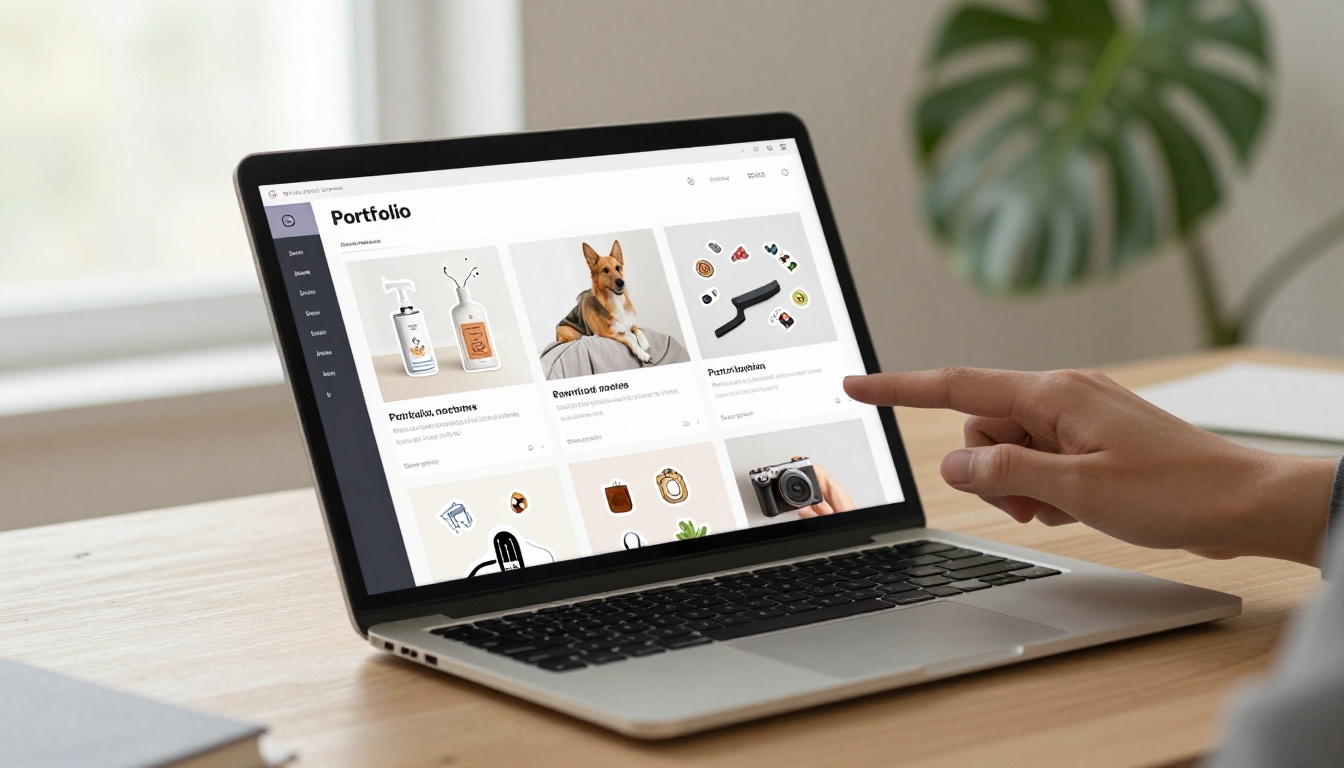
One of the most underused tools in a sticker seller's marketing toolkit is a digital lookbook or portfolio. A static Etsy shop shows individual listings. A digital lookbook shows your brand identity as a whole, in a format that is easy to share, embed, and reference across every channel.
Why a Digital Portfolio Closes More Sales
Wholesale buyers, gift shop owners, and pop-up market organizers rarely browse Etsy to source sticker vendors. They want a catalog they can review at their own pace, share with a buying team, and return to without logging in anywhere. A well-designed digital catalog communicates professionalism that a basic online shop listing cannot match.
It also works for direct-to-consumer sales. Sharing a beautifully organized sticker lookbook on Instagram Stories, Pinterest, or in an email newsletter gives potential buyers a curated experience rather than a grid of thumbnails with no context.
How to Build a Sticker Lookbook with Flipbooks AI
Flipbooks AI makes it simple to convert a designed PDF sticker catalog into an interactive flipbook that buyers can browse online, without downloading anything. Here is the process:
-
Design your sticker catalog in Canva or InDesign. Group your stickers by theme or collection. Include the sticker name, size, available finishes (matte, glossy, holographic), and pricing. Keep the layout clean with high-resolution product photography on white or neutral backgrounds.
-
Export as PDF and upload to Flipbooks AI. Go to Flipbooks AI and create a free account. Upload your PDF using the drag-and-drop interface. The platform converts it automatically into an interactive flipbook with smooth page-turn animations that work on any device.
-
Customize your flipbook branding. Add your shop's logo, brand colors, and a custom cover page. Use the Digital Portfolio Creator tool for a layout built specifically for creative product collections. Custom fonts and background colors are supported.
-
Configure your sharing settings. Copy your flipbook's direct link, embed it on your website using a single line of code, or share directly via social media. For wholesale inquiries, use password protection to create exclusive gated lookbooks for buyers reviewing your catalog privately.
-
Add it everywhere your buyers find you. Drop the flipbook link into your Etsy shop announcement section, your Instagram bio via a link-in-bio tool, and any media kit you send to bloggers or press contacts. Buyers who interact with a polished interactive catalog convert at measurably higher rates than those who browse standard product listings.
✅ Update your digital lookbook every season. A "Summer 2025 Collection" flipbook gives buyers a reason to revisit and signals an active, growing brand with fresh inventory.
Flipbooks AI offers a free plan with no watermarks, so you can test the platform with your first catalog before committing to a paid tier. For sellers who need page-by-page behavior tracking to see which sections buyers spend the most time on, the Professional plan adds detailed analytics and lead generation tools.
Marketing That Moves Stickers
A great product in an invisible shop earns nothing. Sticker businesses that grow fast share one trait: they treat marketing as a repeatable system, not an afterthought.
Instagram and TikTok Short-Form Video
Stickers are inherently visual and tactile. Short-form video showing the peel-and-stick process, unboxing reveals, or the printing workflow consistently outperforms static product photos on both platforms. On TikTok, sticker "haul" videos have billions of cumulative views.
Content types that work for sticker sellers:
- Pack-your-orders-with-me (POYM) videos showing the packaging process
- Design process time-lapses from sketch to finished sticker
- Sticker placement and journaling content
- Behind-the-scenes of printing, cutting, and quality checking
Post 3 - 5 times per week on TikTok during the growth phase. Use hashtags like #stickerpack, #stickershop, #plannerstickers, and #smallbusiness.
Pinterest for Long-Term Traffic
Pinterest drives consistent organic traffic months after you post. Create boards for each sticker niche you operate in, upload product photos with keyword-rich descriptions, and link every pin directly to your Etsy listing or standalone store.
A single well-optimized Pinterest pin for "kawaii sticker pack" or "plant sticker sheet" can send 200 - 500 clicks per month to your shop indefinitely, with zero ongoing effort after the initial post.
Email That Converts
Building an email list from Etsy buyers is restricted by platform policy, but you can grow a list through your own website or by offering a freebie in exchange for sign-ups. A free digital sticker download ("Get a free mini sticker sheet when you sign up") is a proven opt-in incentive.
Email your list when you launch new designs, offer limited bundles, or run seasonal sales. Even a small list of 500 engaged subscribers can generate $300 - $600 per email campaign for an active sticker shop.
Packaging That Gets You Repeat Customers
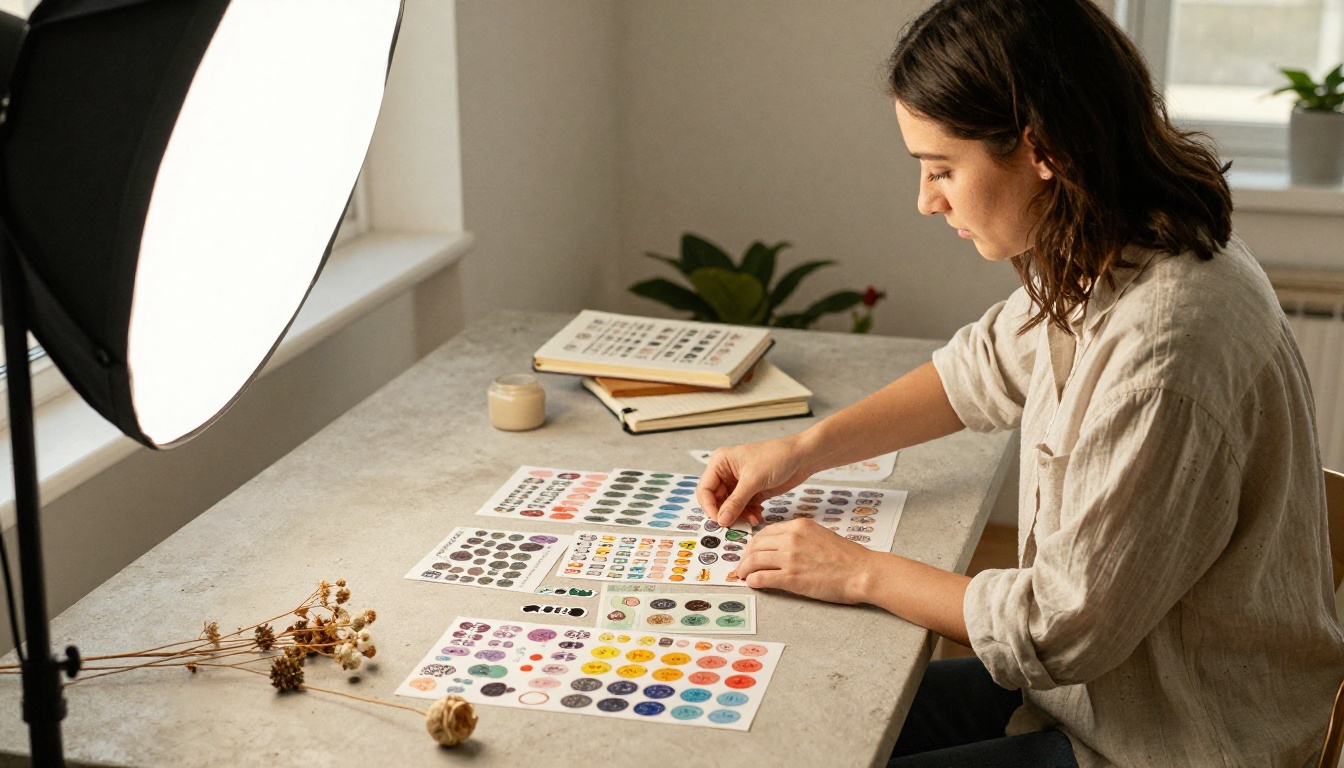
Packaging is often treated as a logistics detail, but for sticker sellers, it is marketing material. Every package that arrives is an opportunity to delight a customer into a repeat purchase and a five-star review.
Elements of packaging that generate reviews and repeat orders:
- Rigid mailer or top-loader: Stickers should arrive flat, never bent. A stiff cardboard mailer costs $0.15 - $0.30 and eliminates the most common sticker complaint
- Glassine or cellophane bag: Keeps stickers clean and adds a tactile premium feel when the buyer opens the package
- Handwritten thank-you note or printed card: Include a discount code for the buyer's next order on the back. Even 10% off converts a first-time buyer into a returning customer
- Extra freebie sticker: One small bonus sticker per order costs almost nothing but creates a consistent positive surprise that drives five-star reviews
💡 Include a "how to find us" card with your Instagram handle and the link to your digital sticker lookbook on Flipbooks AI. Buyers who follow you on social media are worth 5 to 8 times more in lifetime value than one-time purchasers.
3 Mistakes That Kill New Sticker Shops
1. Launching with fewer than 10 listings
Buyers trust shops with volume. A shop with 3 listings reads as a test account. Aim for 20 - 30 listings before promoting your shop anywhere, including social media.
2. Ignoring Etsy SEO
Every listing title and tag is a keyword opportunity. Use the full 140-character title, fill all 13 tags with specific buyer-intent phrases, and write descriptions that answer the buyer's most likely questions: size, finish options, waterproof status, and shipping time.
3. Pricing to compete on lowest price
Competing on price in the sticker market is a race to the margin floor. Compete on quality, brand identity, and customer experience instead. Buyers who pay $4.50 for a sticker from a shop with beautiful photography and a strong identity are more loyal than buyers who paid $1.50 for the cheapest option.

Start Selling, Start Building
The best way to sell your sticker designs online is not one platform or one strategy. It is a system: validated designs on the right marketplace, priced for real profit, packaged to delight, and marketed consistently across at least two channels.
Start with Etsy to validate demand. Add print-on-demand to test new designs without inventory risk. Build a digital sticker lookbook with Flipbooks AI to win wholesale accounts and stand out in a crowded market. Then invest your first profits into a Cricut setup for better margins on your top sellers.
Ready to build your sticker portfolio? Get started for free on Flipbooks AI and create a professional digital catalog in under an hour. Want more firepower? See all pricing plans to access analytics, lead generation, and full branding control for your sticker business.



