A booking agent opens forty emails before lunch. Yours gets about eight seconds. If the attachment is a 25 MB PDF that won't load on a phone, or a Dropbox folder with files named "final_FINAL2.jpg", you've already lost the slot to a band that sent one clean link. That link is an electronic press kit, and an EPK online editor is the fastest way to build it without hiring a designer. In this article you'll see what belongs inside, which free templates fit your genre, and how to publish a polished kit with Flipbooks AI in an afternoon.
What an EPK Actually Is
The Short Version
An EPK (electronic press kit) is a single, shareable page or document that answers every question a promoter, journalist, playlist curator or venue manager has about you. Who are you, what do you sound like, can you draw a crowd, and how do I reach you? That's it. Think of it as your musical CV, except it has photos, audio and video.
Who Really Opens It
Different people scan different parts of your kit. Knowing that shapes the order of your pages.
| Reader | What they look for first | What makes them reply |
|---|
| Booking agent | Live footage, draw numbers, past venues | Proof you fill a room |
| Festival programmer | Genre fit, stage plot, availability | A clear technical rider |
| Journalist or blogger | Short bio, high-res photos, release dates | Quotable story angle |
| Playlist curator | Streaming links, latest single | A track that fits the list |
| Sync and brand scouts | Instrumentals, licensing contact | Clean rights information |
💡 Pro tip: Write your kit for the busiest person who will ever read it. If a stranger can't tell your genre, location and best song within ten seconds, rewrite the top of the page.
Why Online Beats a PDF Attachment
Email attachments are where press kits go to die. They get blocked by size limits, land in spam, or open as tiny unreadable pages on a phone. A hosted EPK solves all three problems and adds something an attachment never can: you can update it after you've sent it.
Attachment vs Hosted EPK
| Feature | PDF attachment | Online EPK |
|---|
| Opens on a phone | Often awkward | Mobile-responsive layout |
| File size problems | Frequent | None, it's just a link |
| Play audio and video | No | Yes, embedded in the page |
| Update after sending | No, resend everything | Yes, same link stays current |
| Know who opened it | No | Possible with analytics |
| Protect private material | No | Password protection available |
Why a Flipbook Format Works
A flipbook feels like a magazine spread. Pages turn, photos sit large, and the reader moves through your story in the order you chose. That matters because a scrolling website lets people jump straight to the contact line and leave. A flipbook gives you a guided pace, which is closer to how a real press kit was laid out when bands mailed them in folders.
What Goes Inside a Strong EPK
Aim for six to ten pages. More than that and nobody finishes it. Here is the order that works for most acts.
1. Cover Page and One-Line Pitch
Your name, a hero photo, and one sentence. For example: "Four-piece garage rock band from Leeds, 40,000 monthly listeners, touring the UK this spring." Skip the poetry. Genre, place, one number.
2. The Bio (Three Lengths)
Write one bio in three sizes and keep them all:
- 50 words for festival listings and playlists
- 150 words for the main EPK page
- 300 words for journalists who want a story
Write in the third person, lead with your most impressive fact, and keep adjectives to a minimum. "Sold out the 400-capacity Cluny in Newcastle" beats "electrifying and passionate" every time.
3. Photos That Look Like You
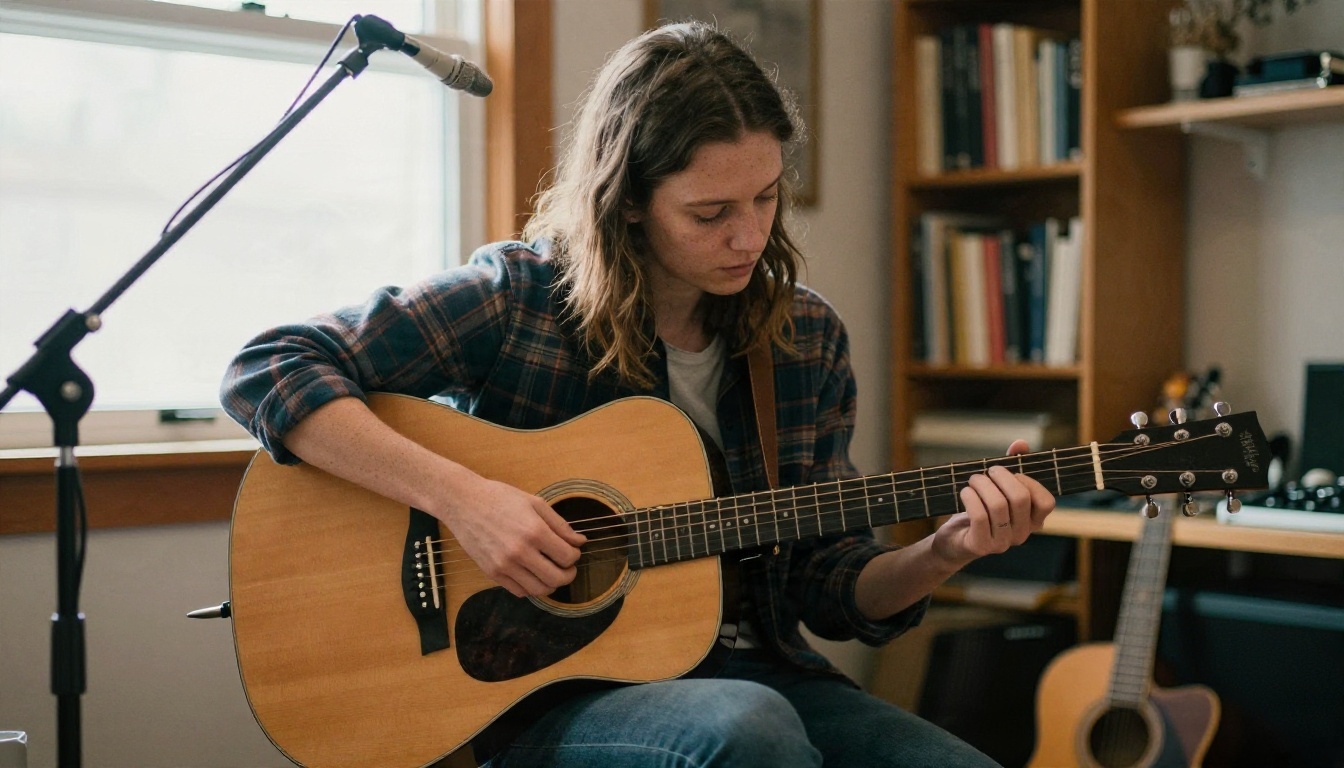
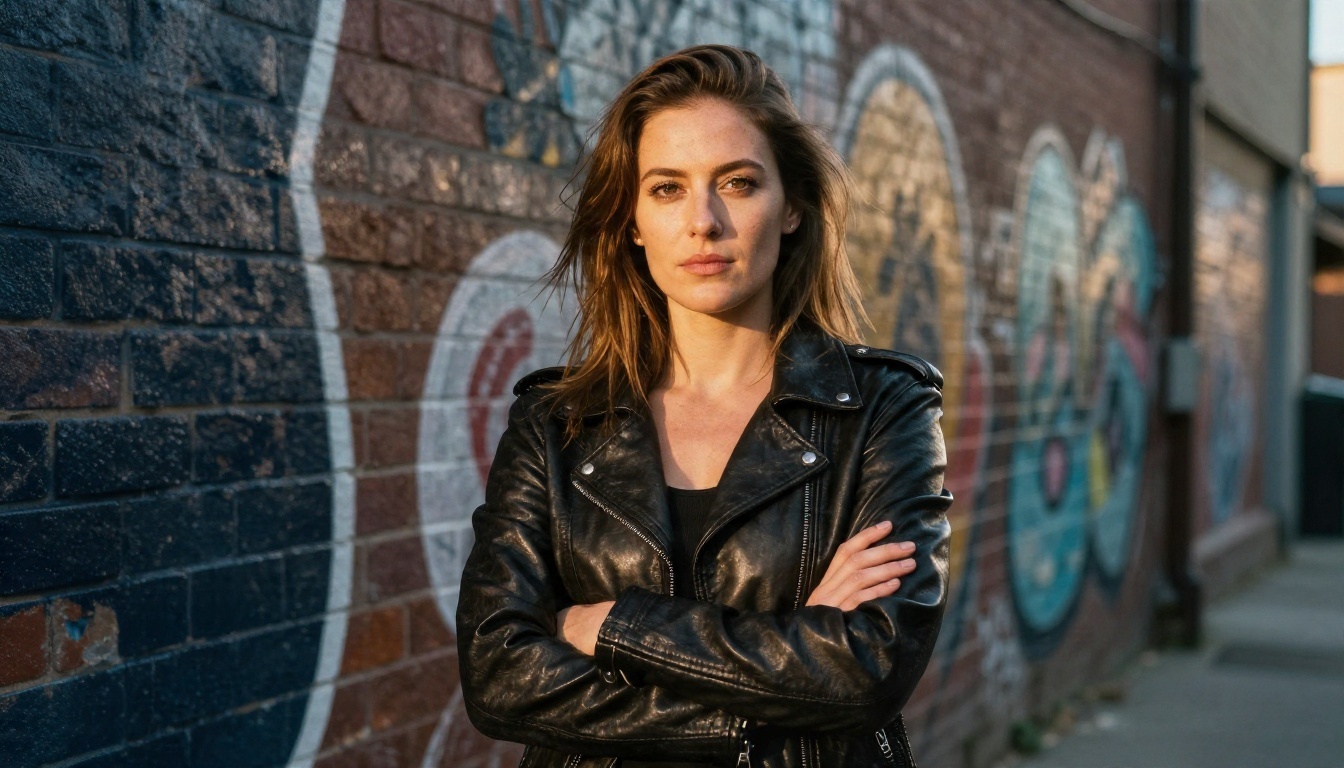
Include at least three press shots: one portrait, one live image and one candid. Offer them as high-resolution downloads, since writers need print quality.
✅ Best practice: Always credit the photographer in the file name or caption. It keeps relationships healthy and avoids takedown emails later.
4. Music and Video
Embed or link your three strongest tracks and one live video. Put the best one first. Don't make the reader hunt through a discography of twenty releases.
5. Press Quotes and Proof
Three short quotes from blogs, radio hosts or fellow musicians. If you have no press yet, use venue quotes: "Best-attended local support slot this year," said by a promoter, still counts.
6. Contact, Rider and Social Links
Put a real email address and a phone number on the last page. Add a one-page stage plot and input list if you play live. Sound engineers will thank you, and promoters read that as a sign you're professional.
⚠️ Warning: Never hide your contact details behind a form only. Many agents want to forward your kit to a colleague without an extra step.
Free EPK Templates by Genre
A template saves the hardest part: deciding where things go. Here is how the layout shifts by style of act.
| Artist type | Lead with | Page order | Extras worth adding |
|---|
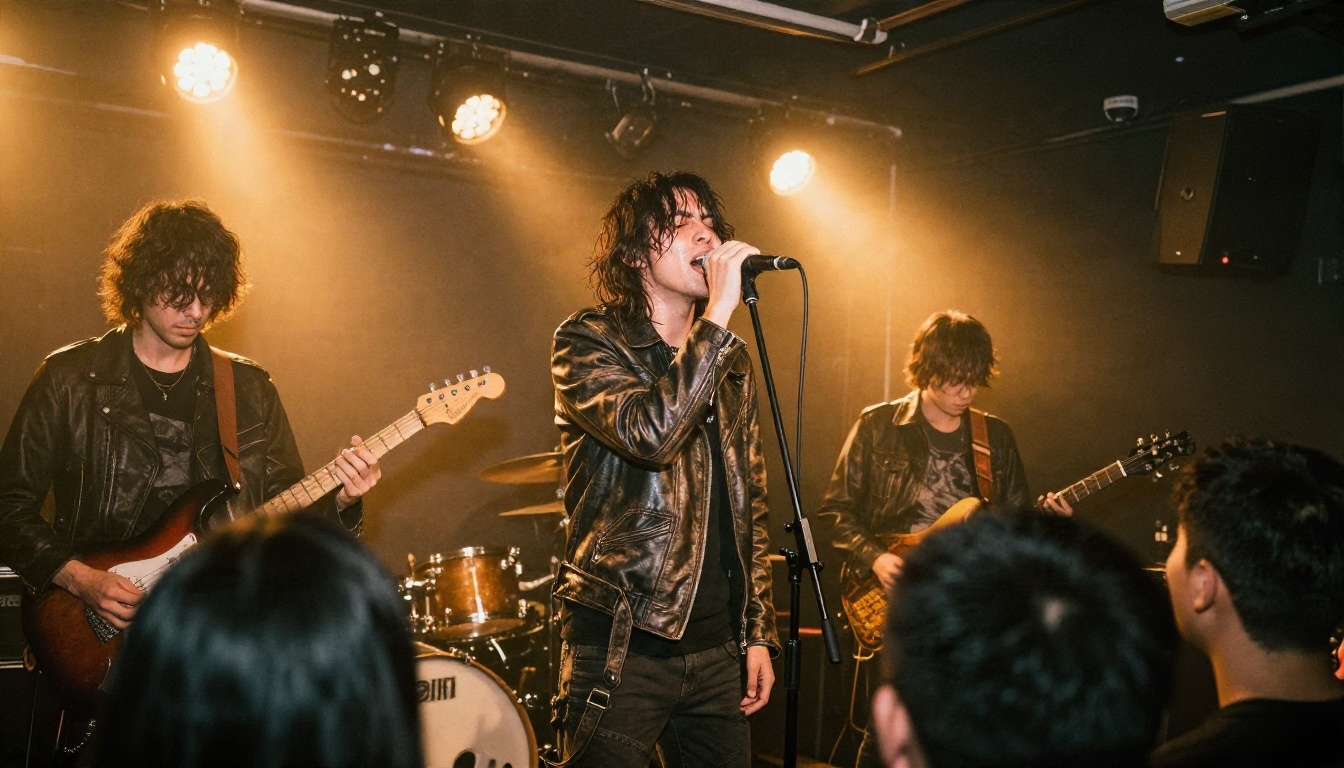
| Rock or indie band | Live photo and crowd size | Pitch, bio, live video, press, rider | Merch table photo |
| Singer-songwriter | Portrait and story | Pitch, bio, songs, quotes, contact | Acoustic session clip |
| DJ or producer | Residency list | Pitch, mixes, past venues, tech needs | Mix download link |
| Jazz or classical | Credentials and repertoire | Bio, repertoire list, recordings, references | Programme notes |
| Hip-hop artist | Latest single and numbers | Pitch, videos, features, press | Collaboration credits |
The Band Template
Open with a wide live shot. Follow with a lineup page showing each member and their role. Agents like to see who plays what, particularly for festival bills where stage size matters.
The Solo Artist Template
You're the story, so the portrait and bio carry more weight. Add a short "how I write" paragraph. It gives journalists a hook, and it feels personal without turning into a diary entry.
The DJ and Producer Template
Swap tracks for mixes. Include a one-hour live recording, a list of rooms you've played, and a clear list of equipment you need on arrival. Residencies matter more than followers here.
The Jazz and Classical Template
Programmes and repertoire lists lead the way. Add a "can perform" menu with options such as solo, duo or quartet, because buyers for weddings, galleries and corporate events book by format.
How to Build Your EPK with Flipbooks AI
You don't need design software. If you can export a document to PDF from Canva, Google Slides, Word or Pages, you can publish a page-turning EPK. The dedicated Press Kit Designer is built for this exact job, and the PDF to Flipbook Converter handles the heavy lifting underneath.
Step-by-Step Build
- Create your account. Head to Flipbooks AI and sign up. Check the pricing page to see what each plan includes, so you know in advance which features you'll have.
- Design the pages. In your favourite design tool, make A4 landscape or 16:9 pages. Use big photos and short text. Export as PDF at a sensible size, around 5 to 20 MB.
- Upload the PDF. Drop the file into the editor. Each page is converted to a flipbook spread, and text stays crisp on phones and large monitors alike.
- Customise the look. Add your band logo, pick a background colour that matches your artwork, and choose the page-turn effect. Keep branding consistent with your album art.
- Add audio and video. Embed your top track and a live video straight into the relevant pages, so nobody has to leave the kit to hear you.
- Set sharing options. Copy the direct link for emails, or grab the embed code and place the kit on your own site using the Embed Flipbook on Website tool. Use password protection for unreleased material.
- Check it on a phone. Open the link on your own mobile before sending anything. Most agents will read it that way.
Features Worth Switching On
- ✅ No watermarks. Your kit carries only your branding.
- ✅ Mobile-responsive reading. The same link works on any screen.
- ✅ Offline downloads. Handy for venues with weak signal.
- ✅ Password protection. Share a private demo with one label contact.
- ✅ Analytics and lead capture. On the Professional plan, you can see how many people opened your kit and collect emails from curious fans or promoters. Look at the plan comparison for details.
💡 Pro tip: Send each promoter a slightly different link if your plan allows it. When one of them opens it three times in a day, you know exactly who to follow up with.
Real EPK Examples That Get Replies
Abstract advice only goes so far. Here are three realistic scenarios built from how working musicians actually use these kits.
Example 1: The Touring Indie Band
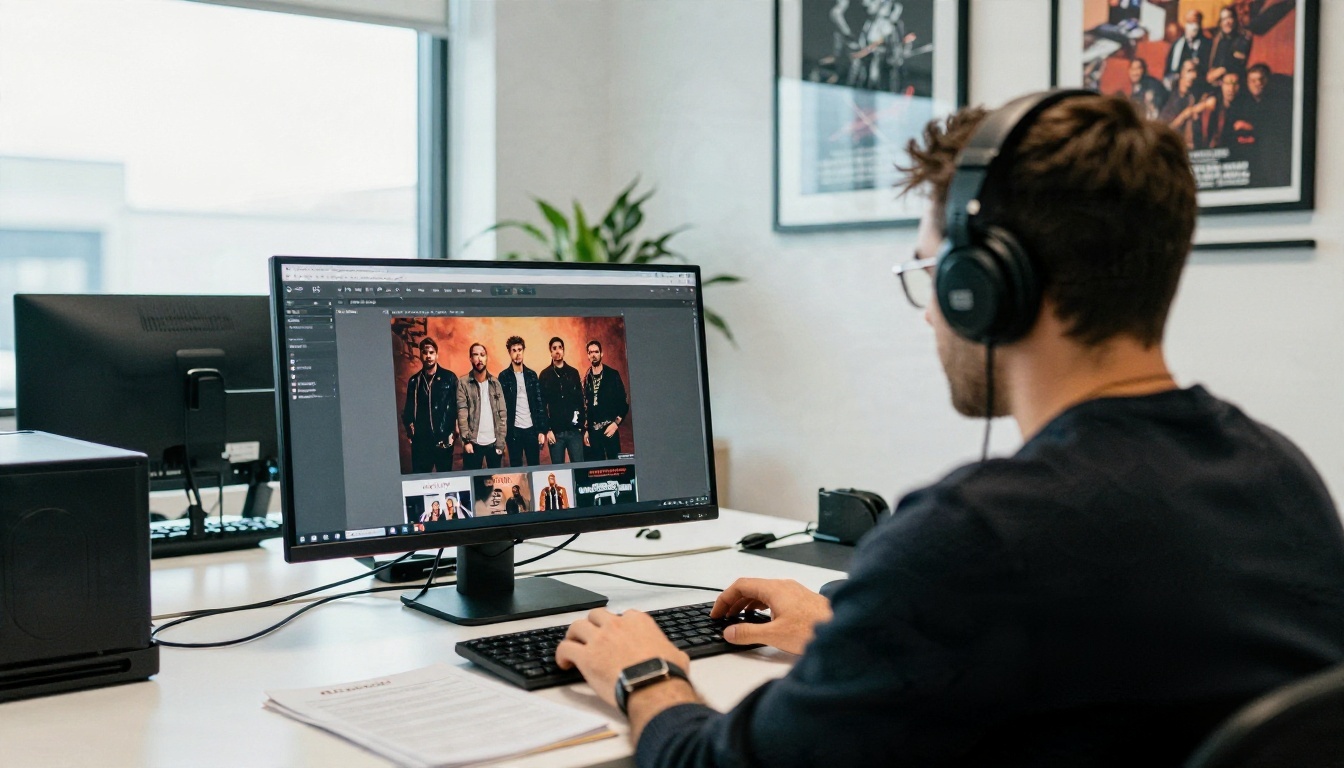
A four-piece sends a eight-page flipbook to twelve mid-size venues. Page one: live photo and tagline. Page three: a 90-second video from a 300-capacity show. Page six: a tour history table with dates and ticket counts. The result is a reply from three venues within a week, because the numbers answered the agent's biggest question without an email thread.
Example 2: The Bedroom Producer
A solo producer packages two mixes, a clean press photo and a short list of tracks available for sync. The kit goes to music supervisors and small labels. Because the producer used password protection for unreleased tracks, a label contact could preview new work without it leaking.
Example 3: The Wedding Quartet
A string quartet builds a flipbook with repertoire lists, sample recordings and package pricing. Couples receive one link, listen to samples, and choose a package. It works like a digital portfolio more than a press kit, which is fine. The format flexes.
| Scenario | Main goal | Must-have pages | Best sharing method |
|---|
| Touring band | Book support slots | Live video, tour history, rider | Direct link in email |
| Producer | Land sync or label interest | Mixes, rights info, private demos | Password-protected link |
| Quartet | Win private bookings | Repertoire, samples, pricing | Embedded on website |
Free Editor Options Compared
You have choices. Here's an honest look at how the common routes stack up for a band on a budget.
| Option | Cost to start | Audio and video | Page-turn feel | Analytics | Best for |
|---|
| Design tool plus PDF email | Free | Links only | Static pages | None | Quick one-off sends |
| Website builder page | Free or low cost | Yes | Scrolling site | Basic | Artists who maintain a site |
| Shared cloud folder | Free | Files only | None | Limited | Raw asset handoff |
| Flipbook editor | Free to begin, paid for extras | Embedded | Page-turn spreads | Professional plan | Polished, trackable kits |
💡 Pro tip: Combine routes. Keep a folder of raw press assets for journalists, and a flipbook as the friendly front door that links to it.
Mistakes That Cost You Gigs
Too Much, Too Soon
Thirty pages of bio and every review since 2017. Cut it. Ten pages maximum, and the first three should do the selling.
Stale Numbers
If your kit says "5,000 monthly listeners" and you're at 25,000, you're underselling. Because an online kit updates from one source, there's no excuse for old figures.
Low-Quality Photos
Phone snapshots from a dark bar reduce trust fast. Book one professional shoot a year, and mix in good live photographs from a friend with a decent camera.
No Clear Ask
End every EPK with a sentence that says what you want: "Available for support slots from March. Email below." Don't assume the reader will guess.
Dead Links
Test every link and play button monthly. One broken Spotify link will sink a good impression.
⚠️ Warning: Don't reuse the same kit for every audience. A festival programmer and a wedding planner want different first pages. Duplicate the flipbook and swap the opening spread.
Build Yours Today
A strong EPK isn't about fancy design. It's about answering questions before they're asked and making it effortless to say yes. Gather your best photo, your best track and your clearest bio, then turn them into one shareable link.
Ready to publish? Create your free account on Flipbooks AI, open the Press Kit Designer and upload your first PDF. Want to see what each plan offers? Compare pricing and pick what suits your next release. If you also need a lookbook, event programme or photo portfolio, browse all the flipbook tools, including the Event Program Maker and the Photography Portfolio builder.
Your next gig could start with a single link. Make it a good one.



