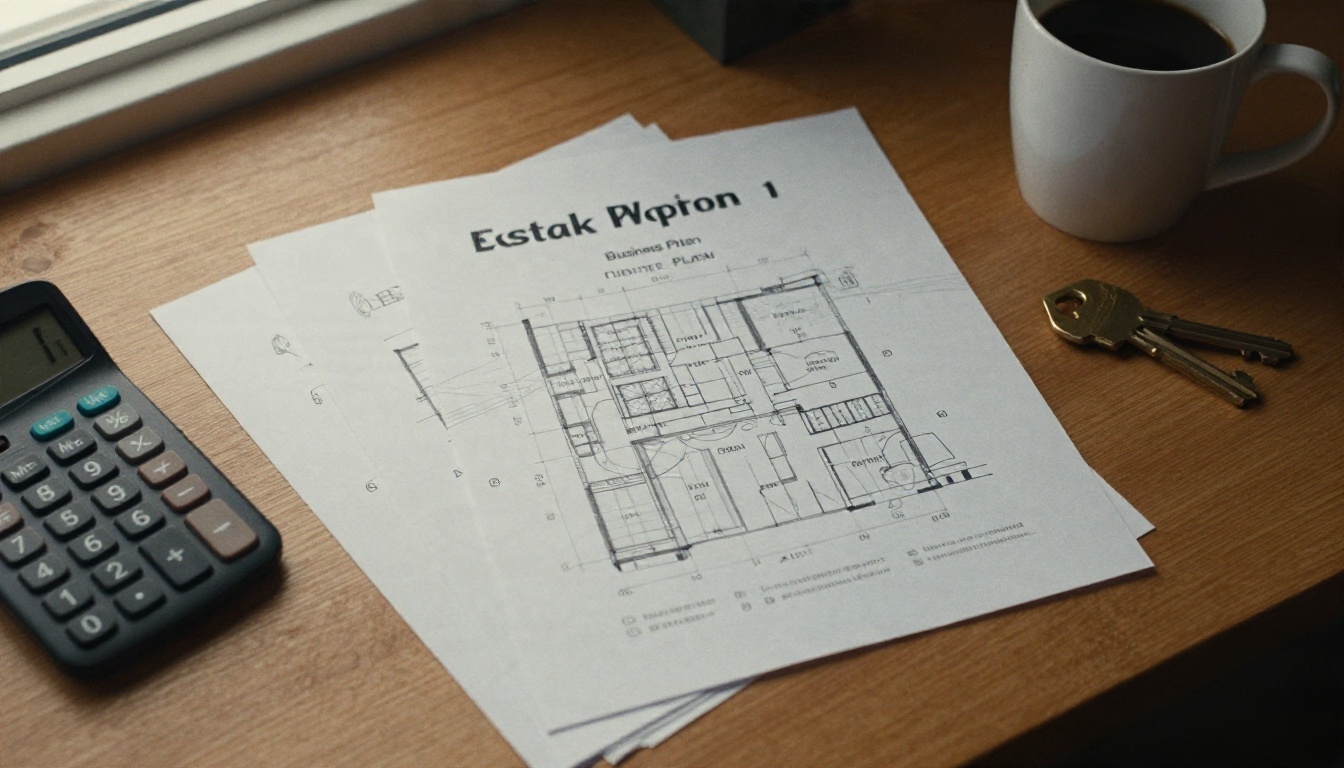
Most escape room business plans die in an inbox. The idea is strong, the puzzles are clever, and the numbers are decent, but the plan arrives as a 40 MB attachment that nobody wants to open on a phone. This article fixes that. You will get a free template you can copy today, worked examples with real arithmetic, and a way to turn your PDF into a page-turning flipbook with Flipbooks AI so investors, landlords, and lenders can read it in seconds.
What Investors Want to See
Before you write a single page, decide who is reading. A bank loan officer, a landlord weighing your lease application, and a private investor all open the same document with different questions in mind.
The Questions Behind the Numbers
Every reader is quietly asking five things:
- Is there demand? Show local competitors, ticket prices, and how often they sell out.
- Can this owner run it? Show your operations plan, staffing, and any hospitality or game design background.
- What does it cost? Show a clear startup budget with a reserve.
- When do I get paid back? Show break-even bookings and payback time.
- What can go wrong? Show risks and what you will do about them.
If a page does not answer one of those, cut it or move it to an appendix.
Who Reads Your Plan
| Reader | Cares Most About | Best Format |
|---|
| Bank or SBA lender | Cash flow, collateral, owner experience | Printed PDF plus a link |
| Private investor | Return, growth, exit | Interactive flipbook link |
| Landlord | Rent coverage, foot traffic, buildout plan | Short PDF excerpt |
| Franchise partner | Brand, repeatability, unit economics | Flipbook with embedded video |
💡 Pro tip: Write one master plan, then send each reader a version trimmed to what they care about. A flipbook makes that easy because you can share separate links for each audience.
Free Escape Room Business Plan Template
Here is the outline. Copy it into a document, fill in each section, and export it as a PDF. Aim for 15 to 25 pages. Anything longer and your executive summary is doing too little work.
Section by Section Outline
| # | Section | What Goes Inside | Length |
|---|
| 1 | Executive summary | Concept, location, funding ask, headline numbers | 1 page |
| 2 | Company overview | Legal structure, owners, mission, timeline | 1 page |
| 3 | Concept and themes | Room themes, difficulty levels, story, storyline photos | 2 to 3 pages |
| 4 | Market research | Local demographics, competitor table, pricing | 2 pages |
| 5 | Operations plan | Hours, staffing, game hosts, safety and fire code | 2 pages |
| 6 | Marketing plan | Booking channels, reviews, corporate events, partnerships | 2 pages |
| 7 | Financial plan | Startup budget, revenue model, break-even, 3-year forecast | 3 to 4 pages |
| 8 | Risk plan | Seasonality, room fatigue, staffing, regulations | 1 page |
| 9 | Appendix | Floor plan, lease draft, quotes, resumes | As needed |
Copy-Ready Executive Summary
Replace the brackets and keep it to about 150 words:
[Venue Name] will open a [3]-room escape room venue in [neighborhood, city] in [month, year]. Our themes target [groups of friends, families, and corporate teams] in a market where [number] nearby venues average [occupancy] on weekends. We are seeking $[amount] to fund buildout, launch marketing, and a [3]-month cash reserve. At an average booking value of $[amount], we reach break-even at [number] bookings per month and project payback in [number] months. The founding team brings [years] of experience in [hospitality, game design, retail management].
Write this last, even though it appears first. It is the only page some investors will read.
Startup Costs and Revenue Examples
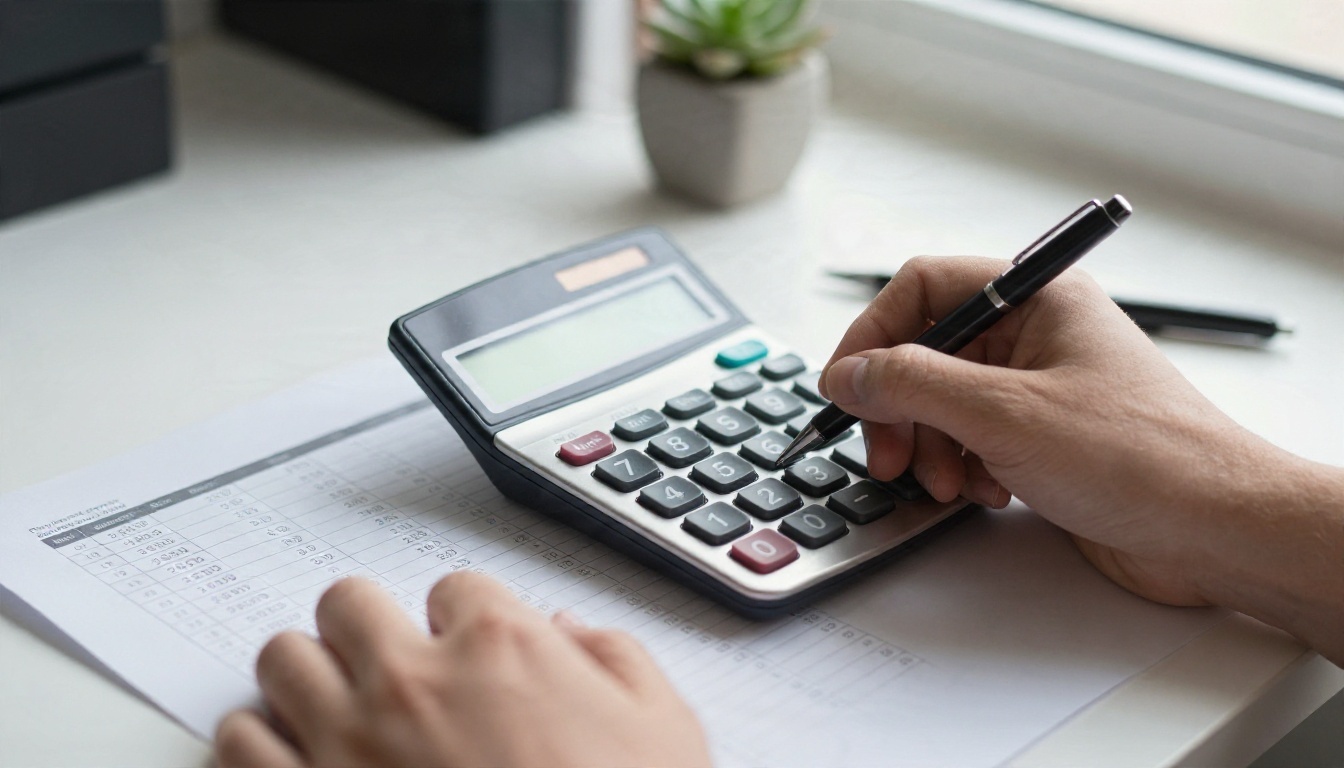
The numbers below are illustrative assumptions for a three-room venue in a mid-sized city. Swap in your own quotes before you send anything to a lender.
Sample Startup Budget
| Cost Item | Amount |
|---|
| Room buildout and puzzles (3 rooms at $12,000) | $36,000 |
| Lease deposit and first months of rent | $9,000 |
| Permits, legal, and insurance setup | $4,500 |
| Lobby furniture and decor | $5,000 |
| Booking software and website | $2,000 |
| Launch marketing | $6,000 |
| Cash reserve (working capital) | $15,000 |
| Total | $77,500 |
Investors love a reserve line. It tells them you expect surprises and have planned for them.
Sample Revenue Model
Assume an average group of 4.5 players paying about $31 each, which rounds to a $140 average booking. Monthly fixed costs in this example:
- Rent: $5,500
- Game host payroll: $9,000
- Owner salary: $5,000
- Utilities and software: $1,200
- Marketing: $2,000
- Insurance and miscellaneous: $1,300
That totals $24,000 per month. Add variable costs of about 5% of revenue for card fees and prop replacement.
| Scenario | Bookings per Room per Day | Monthly Bookings | Monthly Revenue | Operating Profit |
|---|
| Conservative | 2.5 | 225 | $31,500 | $5,925 |
| Base | 3.5 | 315 | $44,100 | $17,895 |
| Strong | 4.5 | 405 | $56,700 | $29,865 |
Break-Even Math
Each booking contributes about $133 after variable costs ($140 minus 5%). Divide fixed costs by that:
$24,000 ÷ $133 ≈ 181 bookings per month, or roughly 2 bookings per room per day.
At the base scenario, the $77,500 investment pays back in about 4.3 months of steady-state profit. That is the ceiling. Real venues ramp up slowly, so show a 12 to 18 month payback in your plan and keep the faster number as upside.
⚠️ Warning: Do not forget loan payments and taxes. Profit before debt service looks great until the lender asks about coverage.
Market and Location Research
This is the section where hand-waving gets caught. Use real numbers from real places.

Competitor Mapping
Visit or call every venue within a 20-minute drive. Record ticket price, number of rooms, review score, and how many weekend slots look booked on their calendar. A simple table works:
| Competitor | Rooms | Price per Player | Review Score | Weekend Availability |
|---|
| Venue A | 4 | $32 | 4.7 | Mostly sold out |
| Venue B | 2 | $28 | 4.2 | Half open |
| Venue C | 5 | $35 | 4.8 | Sold out 2 weeks ahead |
Sold-out weekends are the strongest demand signal you can show. Screenshot the booking calendars and put them in your appendix.
Choosing a Location
Look for three things: parking, nearby dining, and a lease that allows buildout. Players want to eat or drink before and after a game, so a venue near restaurants earns more repeat visits than a cheaper unit in an industrial park.

A real-world use case: a founder in a college town added a short table to her plan showing that 22,000 students lived within five miles and that no competitor offered a late-night slot. That single table gave her lender a reason to approve a weekend 10 p.m. game time in the revenue model.
Operations and Marketing Pages
Investors read the operations page looking for one thing: proof that the venue can run on a normal Saturday without the owner standing in every room.
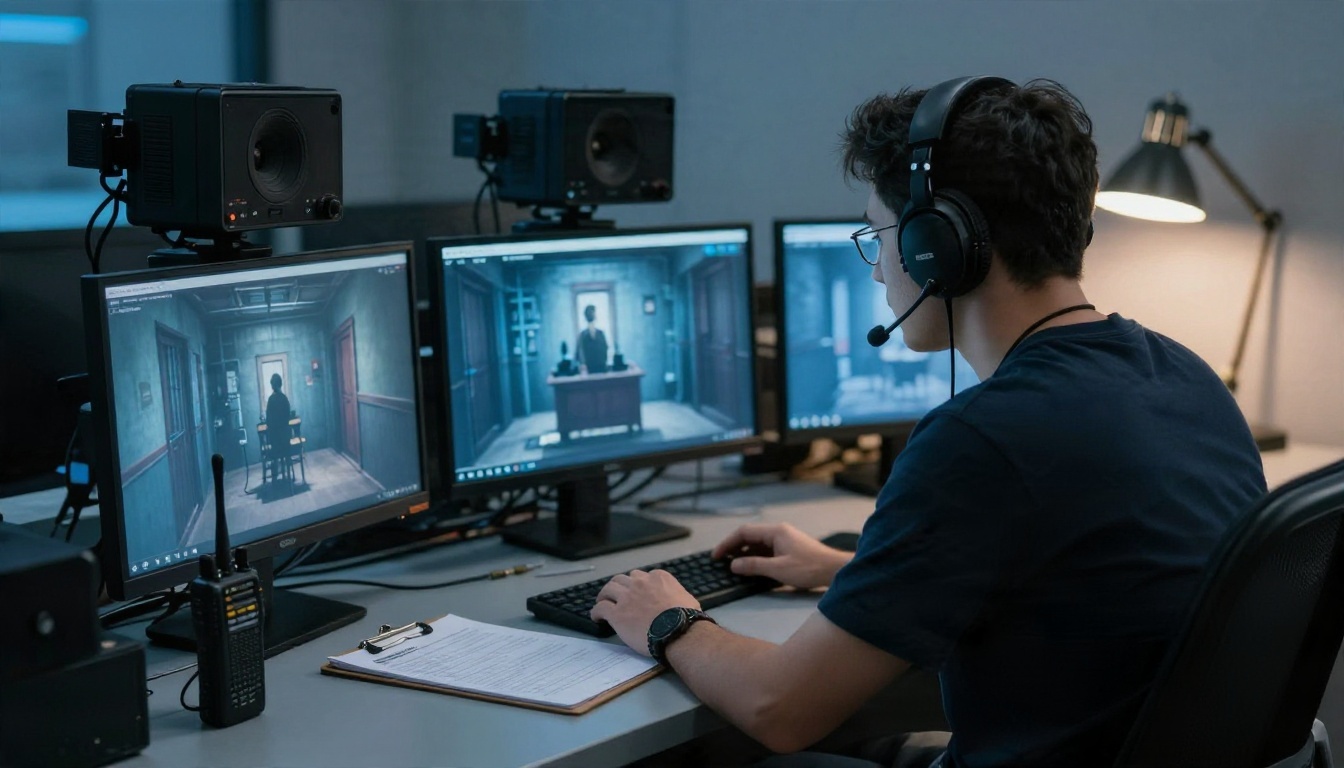
- Staffing: one game host per two rooms during peak hours, plus a front desk lead.
- Safety: fire exits, emergency release on every lock, and a documented briefing script.
- Resets: 15 minutes between games, with a checklist per room.
- Booking channels: your own site first, then marketplaces. Show the commission difference.
- Corporate events: these fill weekday slots, so give them their own revenue line.
✅ Best practice: Show weekday demand separately from weekend demand. Weekday corporate bookings are what turn a good venue into a profitable one.
Why a Flipbook Beats a Plain PDF
A PDF is a fine archive. It is a weak pitch. It loads slowly on mobile, it cannot show how readers move through it, and once you email it, you lose control of the file.
A flipbook keeps your content identical but changes the experience. Pages turn, the file loads fast, and you can send one link that always shows the latest version.

Plain PDF vs Flipbook
| Feature | Plain PDF | Flipbook Version |
|---|
| Opens fast on a phone | Sometimes | Yes |
| Page-turn reading experience | No | Yes |
| One link, always up to date | No | Yes |
| Password protection | Limited | Yes |
| Embedded video tour of rooms | No | Yes |
| See who opened it and for how long | No | Yes (Professional plan) |
| Works on your own website | Download only | Embeddable |
The video row matters for escape rooms. A 30-second walkthrough of a finished prototype puzzle does more than three paragraphs of description.
How to Create a Flipbook Version with Flipbooks AI
The process takes a few minutes once your PDF is final. If you build reports often, the Report Flipbook Creator and Corporate Report Maker are close matches, and the PDF to Flipbook Converter handles any finished document.
Step 1: Create Your Account
Go to Flipbooks AI and sign up. You will land in a dashboard where every flipbook you make is stored.
Step 2: Upload Your PDF
- Click the upload button and choose your exported business plan.
- Wait a few seconds while each page is converted into a flip-ready page.
- Preview the result. Check that tables and charts are still sharp.
💡 Export your PDF at standard resolution with fonts embedded. Oversized image files slow every reader down.
Step 3: Customize the Look
- Add your logo and brand colors so the plan looks like your venue, not a template.
- Pick a page-turn effect and a background that matches your lobby palette.
- Embed video of a prototype room or a short founder introduction.
- Link your table of contents to the right pages so readers can jump to the financial plan.
Flipbooks created here carry no watermarks, which matters when the document represents your company.
Step 4: Share It the Right Way
| Sharing Option | Best For |
|---|
| Direct link | Emailing one investor |
| Password-protected link | Plans with sensitive financials |
| Embed code | A private investor page on your website, see Embed Flipbook on Website |
| Offline download | Lenders who want a local copy |
Use password protection for any version that contains lease terms or personal financial data.
Step 5: Track Who Reads It
On the Professional plan you get analytics and lead capture. You can see which pages get the most time, which is often the financial plan, and who came back for a second look. A second visit is usually the best signal that an investor is seriously considering your ask. Compare options on the pricing page.
5 Mistakes That Sink Escape Room Plans
- Hiding the ask. State the amount and use of funds on page one.
- Copying revenue assumptions. Using occupancy from a national average instead of your local competitors.
- Ignoring room fatigue. Local players return when you add new rooms, so budget for a new theme every 12 to 18 months.
- Skipping the reserve. Buildouts run over. Always carry a cushion.
- Sending a heavy file. If the plan will not open on a phone in a few seconds, many readers will simply close it.
You can also reuse the same approach for other documents in your launch kit, such as a sales presentation for corporate event buyers or a digital price list for group packages.

Send Your Plan Today
You now have a template, a worked budget, a break-even formula, and a delivery method that investors will actually open. Fill in your own numbers, export the PDF, and turn it into a flipbook.
A clear plan, a reasonable ask, and a link that opens instantly is a strong way to start the conversation.



