Send a buyer a gorgeous lookbook when they asked for prices, and your email gets closed in seconds. Send a spreadsheet of style numbers to a stylist who wanted a mood, and the same thing happens. The line sheets lookbooks difference comes down to one question: is this document meant to inspire, or to get an order written? Below you will find how each format works, real examples, page-by-page templates, and clear rules for when to use each one. You can also turn both into page-turning digital documents with Flipbooks AI, so buyers open them on any device without downloading a thing.
What Each Document Actually Does
Most new designers treat these two files as interchangeable. They are not. Each one answers a different question in the buyer's head, and sending the wrong one at the wrong moment slows down your wholesale pipeline.
A Line Sheet Is a Sales Tool
A line sheet is a compact, product-first document that wholesale buyers use to decide what to order. Think of it as a menu: every item, its details and its price, laid out so the buyer can compare quickly. Photos are small and consistent, usually flat lays or clean front-on shots, because the buyer is comparing products, not falling in love with a story.
A solid line sheet usually lists:
- Style number (SKU) and product name
- Wholesale price and suggested retail price (MSRP)
- Available sizes, colors and fabrics
- Minimum order quantity and case or size-run rules
- Delivery window and payment terms
- Contact details and ordering instructions
A Lookbook Is a Story Tool
A lookbook is a styled photo collection that shows how a collection looks and feels when worn. It sets the mood, introduces the season's theme, and shows outfit combinations so a buyer, stylist or customer can picture the clothes in real life. Prices rarely appear. Text is minimal. The photography does the talking.
A strong lookbook usually contains:
- Full-bleed editorial images shot on location or in studio
- Styled outfits showing how pieces work together
- A short brand or season statement
- Credits for the photographer, model and stylist
- A simple closing page with where to buy or how to contact you
💡 Pro tip: If you only remember one rule, remember this one. A lookbook makes someone want the collection. A line sheet makes it easy to buy. You need both, but never in the same breath.
Line Sheets vs Lookbooks Side by Side
Here is the quick comparison most brands wish they had before their first trade show.
| Feature | Line Sheet | Lookbook |
|---|
| Main goal | Get a wholesale order written | Build desire and brand identity |
| Primary audience | Retail buyers, distributors | Buyers, press, stylists, customers |
| Main content | Product data and prices | Styled photography and mood |
| Images | Small, uniform, product-focused | Large, editorial, outfit-focused |
| Pricing shown | Wholesale and MSRP | Almost never |
| Typical length | 2 to 12 pages | 8 to 30 pages |
| Tone | Factual, precise | Emotional, visual |
| Sent when | After a buyer shows interest | First contact, press outreach, launch |
| Update frequency | Every season, plus price changes | Every season or campaign |
| Best digital format | Searchable, linkable flipbook | Full-screen page-turning flipbook |
Three quick decision rules follow from the table:
- Is the reader about to spend money on stock? Send a line sheet.
- Does the reader need to know who you are first? Send a lookbook.
- Is it a meeting or a showroom appointment? Bring both, lead with the lookbook, close with the line sheet.
Line Sheet Examples That Work
Good line sheets look boring on purpose. Boring means fast, and fast means a buyer finishes reading and replies.
Womenswear Brand Example
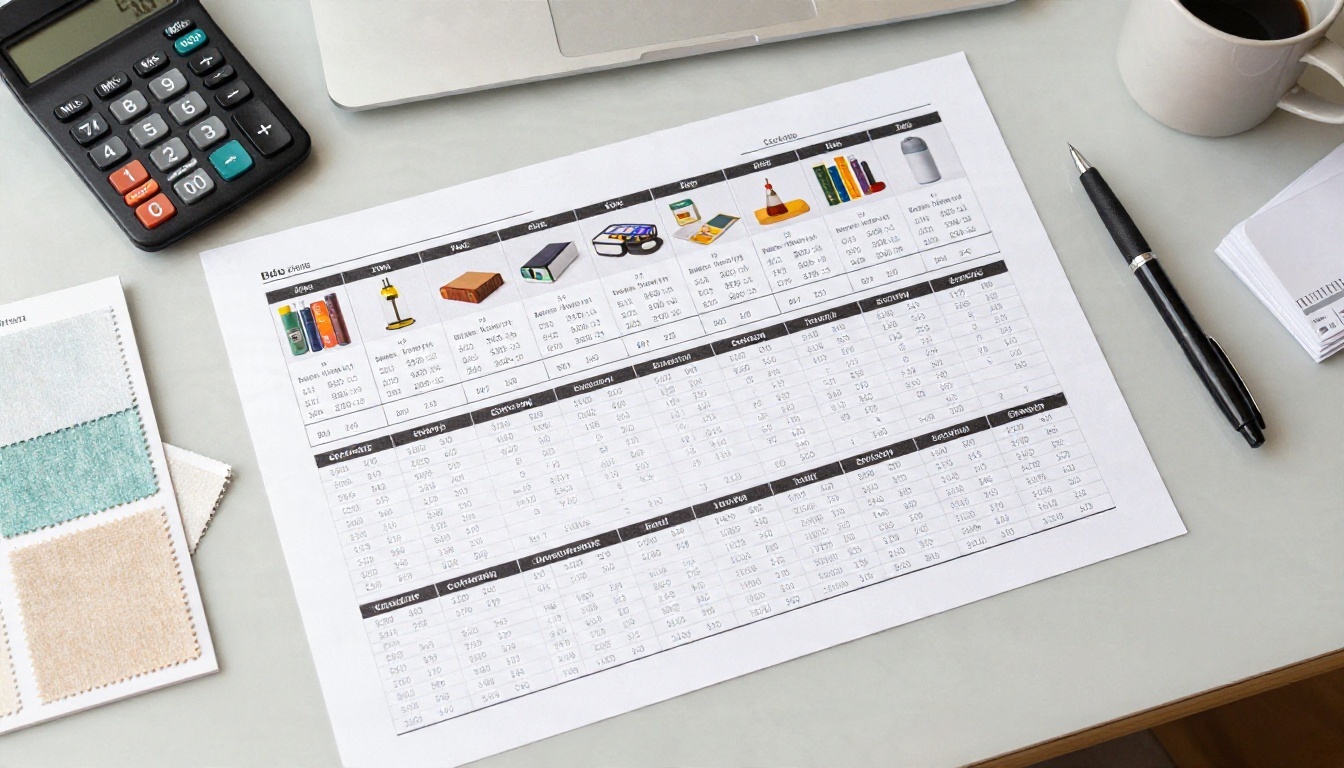
Picture a small contemporary womenswear label selling linen dresses, trousers and knitwear to independent boutiques. Its line sheet runs six pages. Page one carries the logo, season name and ordering contact. Pages two to five show six products each in a clean grid, with style number, fabric, color options, size range, wholesale price and MSRP under every thumbnail. Page six lists minimums, lead times and payment terms.
Why it works: a buyer can scan 24 products in under three minutes, compare margins at a glance, and reply with an order list without asking a single follow-up question.
Accessories and Footwear Example
An accessories brand has different needs. Bags and shoes come in fewer variants but with more material details. Its line sheet shows two angles per product, lists dimensions, hardware finish and leather type, and flags which items are core carryovers versus new arrivals.
| Product Category | Must Include on the Line Sheet |
|---|
| Apparel | Size run, fabric composition, color options, care notes |
| Footwear | Size range, last or heel height, materials, carton quantity |
| Bags | Dimensions, hardware finish, lining, strap drop |
| Jewelry | Metal or plating, stone details, length, packaging options |
| Home textiles | Dimensions, thread count, color options, case pack |
⚠️ Warning: Never publish wholesale prices in a public link. Use a password-protected file so only approved buyers can see your margins. Password protection is built into Flipbooks AI.
Lookbook Examples That Work
Great lookbooks feel like a short film in still frames. They do not try to list everything. They try to make one feeling impossible to ignore.
Seasonal Campaign Lookbook
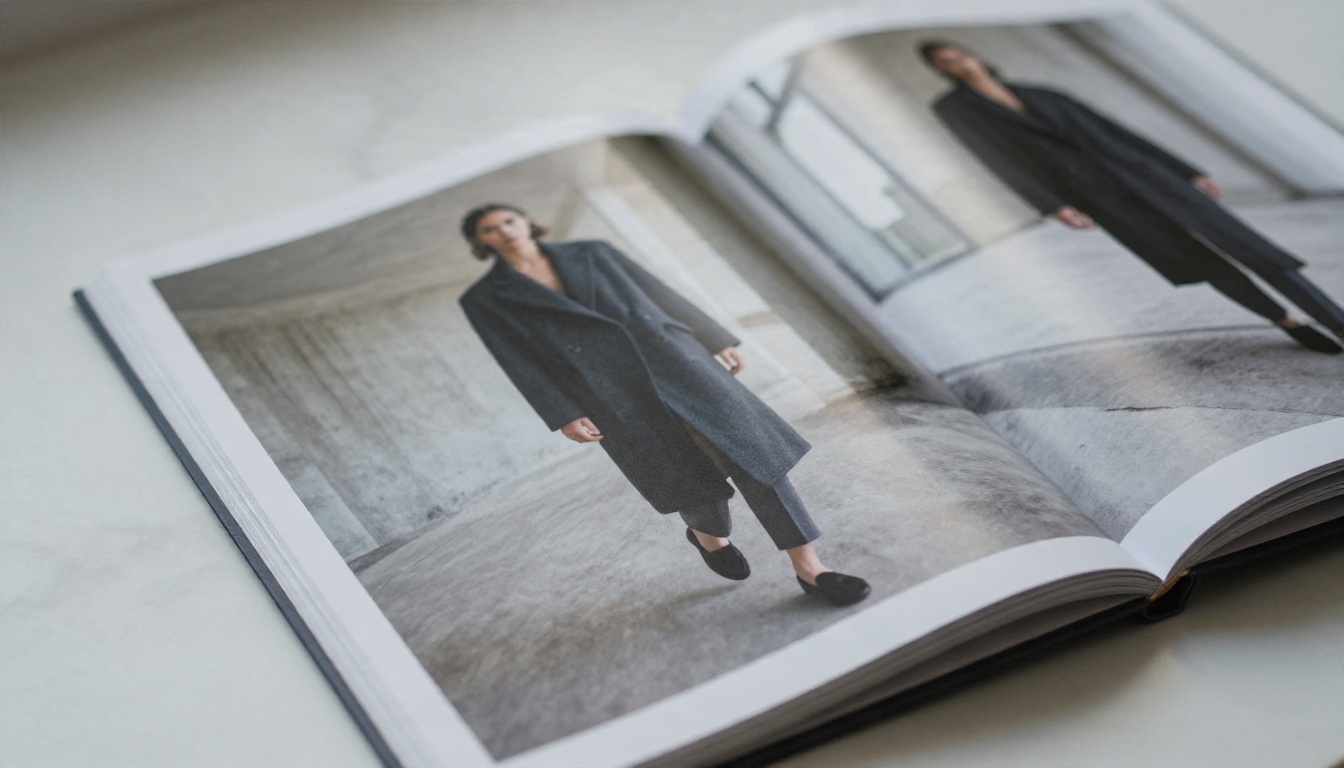
A coat label launching its autumn collection shoots everything in one location: an empty concrete arcade at dawn. Every spread uses the same muted palette, the same soft overcast light and the same slow walking pose. The lookbook has 16 pages, one hero shot per spread, and a one-line caption naming the piece. Buyers remember it because the whole book feels like one idea.
Editorial Story Lookbook
A resort-wear brand tells a loose story instead of showing a catalog. A weekend by the coast, from breakfast terrace to late dinner. Each outfit appears inside a moment, so a buyer sees how a linen shirt, a wrap skirt and a straw bag work together across a day. Pieces are named in tiny captions with an item code, which gives the buyer a bridge back to the line sheet.
Common traits of lookbooks that get shared:
- One visual theme carried across every page
- Consistent lighting and color grading
- Varied crops: wide, medium and detail shots in rhythm
- Little text, with space left for the images to breathe
- Item codes or small captions that connect to the line sheet
Templates You Can Copy
You do not need a design agency to build either document. You need a repeatable structure.
Line Sheet Template Layout
Use this page order for a typical 6-page line sheet:
- Cover page: logo, season name, ordering contact, website
- Collection overview: one short paragraph and a thumbnail strip
- Product pages (2 to 4): six items per page, uniform images
- Terms page: minimums, lead times, payment terms, shipping and returns
- Contact page: sales rep, email, showroom address
Keep the grid identical on every product page. Consistency lets buyers compare without re-reading the layout.
Lookbook Template Layout
Use this rhythm for a 16-page lookbook:
| Page | Content | Purpose |
|---|
| 1 | Full-bleed hero image with brand mark | Set the mood instantly |
| 2 | Short season statement | Give context in two or three sentences |
| 3 to 5 | Outfit spreads, one hero image each | Introduce the first story |
| 6 | Detail close-up: fabric, stitching, hardware | Prove quality |
| 7 to 12 | Outfit spreads with alternating crops | Show range and variety |
| 13 | Group or color-story page | Show how pieces combine |
| 14 | Behind-the-scenes or atelier shot | Add human warmth |
| 15 | Credits | Name photographer, model, stylist |
| 16 | Where to buy and contact | Close with a clear next step |
✅ Best practice: Print or export both files from the same design system. Same fonts, same logo placement, same color palette. A buyer who sees both should instantly know they came from the same brand.
For brands that sell with a tighter, curated selection, a hybrid works too. Try a fashion catalog layout, which sits between the two formats: larger images than a line sheet, but still with product codes and prices.
When to Use Each One
The best format depends on where your reader is in the buying journey, not on which file looks nicer.

Pitching Boutique Buyers
Cold outreach to a new stockist should start with a lookbook. Buyers get dozens of emails a week, and a strong visual hook gets opened first. Include one sentence and one link. When the buyer replies with interest, follow up the same day with a line sheet that has prices, minimums and delivery dates. Waiting a week kills momentum.
Selling Direct and Pitching Press
Journalists, stylists and influencers want imagery and story, not wholesale terms. Send the lookbook only. If a stylist asks for loan pieces, send a short product list with item codes, not your full line sheet with margins.
Trade Shows and Showroom Visits
At a trade show, use both. Print a lookbook for the table so passers-by stop. Keep line sheets in a folder or behind a QR code that leads to a password-protected digital version. Buyers who scan it can review prices later, forward the file to a colleague, and place an order from the same link.
| Scenario | Send This First | Follow With |
|---|
| Cold email to a new boutique | Lookbook | Line sheet on reply |
| Warm lead who asked for prices | Line sheet | Lookbook for context |
| Press and stylist requests | Lookbook | Item list on request |
| Trade show booth | Lookbook (display) | Line sheet (QR or folder) |
| Reorder from existing stockist | Line sheet | New season lookbook |
| Online store or social launch | Lookbook | Link to shop page |
3 Common Mistakes
- Putting wholesale prices inside the lookbook. It confuses the reader and exposes your margins to the wrong audience.
- Making the line sheet too pretty. Heavy backgrounds and decorative fonts slow comparison. White space is your friend.
- Sending huge PDF attachments. Files over 10 MB bounce or get ignored. A shareable link opens instantly and lets you update pages after sending.
How to Create a Lookbook with Flipbooks AI
Static PDFs are fine, but they are heavy, easy to lose in an inbox, and impossible to track. A digital flipbook solves all three problems. Here is how to build both documents with Flipbooks AI, starting from the PDF you already have.
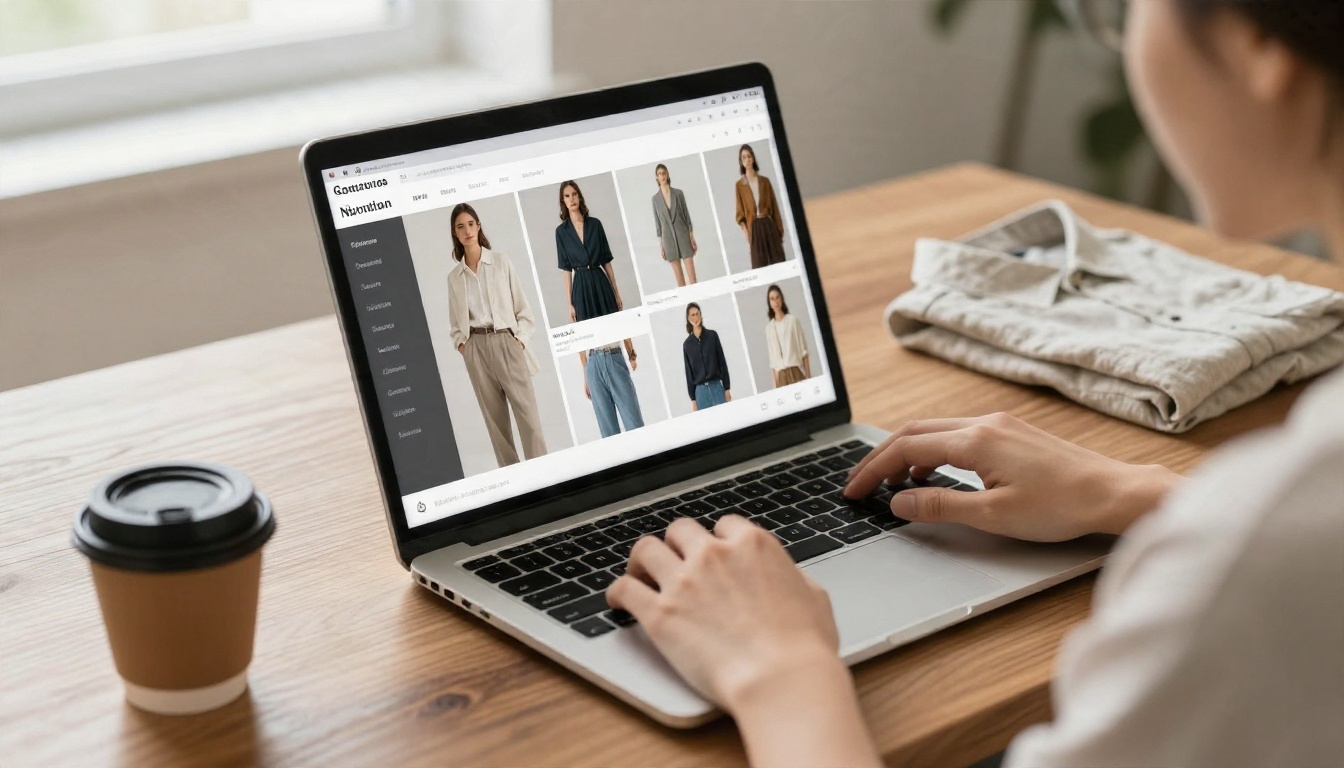
Build the Lookbook
- Create your account. Visit Flipbooks AI and sign up. You can start without a credit card.
- Upload your PDF. Export your lookbook from Canva, InDesign or Figma, then drag it into the PDF to Flipbook Converter. Conversion takes seconds and keeps images sharp.
- Customize the look. Add your logo, pick a background color that matches your palette, and choose a page-turn effect. The Interactive Lookbook Designer and the Lookbook Flipbook Builder both include templates made for fashion.
- Add multimedia. Drop in a short runway clip, a behind-the-scenes video or background audio. These play inside the page, so the buyer never leaves.
- Publish. Your flipbook has no watermark, and it adapts to phones, tablets and desktops automatically.
Build the Line Sheet
Use the same upload flow, but change a few settings:
- Choose a plain, light background so prices and product details stay readable.
- Turn on password protection so only approved buyers see wholesale prices.
- Link out to your order form or a Digital Price List if prices change often.
- Offer an offline download for buyers who prefer to review on a plane or in a showroom with weak signal.
Share and Track Results
You have several ways to deliver the finished files:
| Sharing Option | Best For |
|---|
| Direct link | Email outreach and social messages |
| Embed code | Your wholesale page or press room, see Embed Flipbook on Website |
| QR code | Trade show booths, packaging, printed postcards |
| Password-protected link | Line sheets with wholesale pricing |
On the Professional plan, you also get analytics and lead generation. You can see which buyers opened your line sheet, which pages they spent time on, and capture contact details before the flipbook opens. Check the pricing plans to see which tier fits your volume. If you sell broader product ranges, the Product Catalog Generator is another useful starting point.
💡 Pro tip: Send the lookbook link first. If your analytics show the buyer reached the last page, send the line sheet within an hour. That is your highest-intent moment.
Pick One, Then Send Both
The line sheets lookbooks difference is simple once you see it in action. A lookbook earns attention and builds desire. A line sheet turns that attention into purchase orders. Brands that only send one are leaving money on the table: pretty photos with no prices stall deals, and price grids with no story look like every other supplier.
Here is a practical plan for this season:
- Week 1: Shoot and design your lookbook, using the 16-page template above.
- Week 2: Build a clean 6-page line sheet with the same fonts and colors.
- Week 3: Convert both into flipbooks and set password protection on the line sheet.
- Week 4: Send the lookbook to your target stockists, then follow up with the line sheet as replies arrive.
Ready to build yours? Create a free account on Flipbooks AI, browse all flipbook tools for fashion and wholesale, and compare pricing plans when you are ready for analytics and lead capture.



