Somewhere in your family there is a person whose best stories exist only in their head. The summer job that went sideways, the wedding that almost did not happen, the recipe nobody wrote down. Services like Meminto and StoryWorth promise to catch those stories before they fade, and each one makes a different trade between price, effort, and the final product. This comparison breaks down cost, printed books, and digital sharing, and shows how a free workflow plus a flipbook from Flipbooks AI can fill the gaps either service leaves open.
💡 Before you read the numbers: subscription prices, shipping rates, and book options change often. Treat every figure below as a starting point and confirm it on each company's own checkout page before you pay.
What Each Service Actually Does
Both products solve the same problem: most people will not sit down and write a memoir, but they will answer a question. The difference lies in how the questions arrive, who answers, and what you hold in your hands at the end.

How StoryWorth Works
StoryWorth is the better known name. The format is simple and has stayed consistent for years:
- You buy it as a gift or for yourself and enter the storyteller's email.
- Each week the storyteller receives a question by email, such as "What was your first car?"
- They reply with a story, and photos can be attached.
- Family members who are added to the account can read the stories as they arrive.
- After the year of questions, the stories are compiled into a printed hardcover book.
The appeal is the rhythm. A weekly prompt turns a huge project into a small habit, and the finished book feels like a real keepsake. The trade is that the full cost is tied to a yearly plan, and the schedule is fixed unless you adjust it.
Where Meminto Fits In
Meminto sits in the same family of guided story-keeping products: you give a person prompts, they supply memories, and the result is assembled into something shareable or printable. Because plans, features, and book formats on newer services shift more quickly than on established ones, the safest approach is to compare it against StoryWorth using the same checklist rather than trusting a feature list from a review. Use the tables in the next sections as that checklist and fill in each cell from the live pricing page.
⚠️ Avoid buying based on a promotional banner alone. Open the checkout, add the book you actually want, and read the final total including shipping and tax.
Pricing Side by Side
The sticker price is only the first line of the real cost. A memoir service has three money questions: what the subscription costs, what a printed book adds, and what extra copies cost when your three siblings all want one.

Subscription vs One-Time Costs
StoryWorth has long been sold as a yearly purchase, commonly listed around $99, with the printed book included in that plan. Meminto's structure should be verified directly, since plan names and billing terms can differ from a classic yearly gift model. Here is a way to line the two up:
| Cost Factor | StoryWorth | Meminto | What to Check |
|---|
| Base plan | Yearly purchase, often listed near $99 | Confirm on the live pricing page | Is it monthly, yearly, or per book? |
| Prompts | Weekly emailed question | Confirm prompt style and frequency | Can you write your own questions? |
| Printed book included | Yes, one hardcover at the end of the year | Confirm in the checkout summary | Does the plan include one copy or none? |
| Extra copies | Sold separately | Confirm per copy price | Is there a bulk discount? |
| Shipping | Added at checkout in many cases | Confirm at checkout | Is international shipping offered? |
| Renewal | Check whether it renews automatically | Check renewal terms | Can you cancel before the next charge? |
Hidden Costs Worth Checking
Four extras tend to surprise people after they have already committed:
- Shipping and tax. A book that looks inexpensive can jump once postage is added, especially abroad.
- Extra copies. One book for a whole family means arguments at the holiday table. Price three or four copies, not one.
- Page and photo limits. Long stories or dozens of photos may push you past an included page count.
- Renewal. Auto-renewing plans can start a second year of questions you did not plan for.
✅ Best practice: write down your total for plan + book + extra copies + shipping for each service. Compare the totals, not the headlines.
Printed Books Compared
A printed memoir is the whole point for many buyers. It sits on a shelf, gets passed down, and survives when a website does not.

Binding, Paper, and Photos
StoryWorth is known for a clothbound hardcover with a clean, readable interior. Photo handling is where most services show their limits: images are usually printed in a layout the service chooses, so you get less control over placement than you would in a design tool. When you evaluate Meminto or any rival, ask for a sample spread or look at customer photos of the physical book.
| Book Feature | Why It Matters | How to Verify |
|---|
| Hardcover vs softcover | Durability over decades | Product page and customer photos |
| Paper weight | Photos look flat on thin paper | Sample spread or reviews |
| Photo count and size | Old family photos need room | Stated limits in the plan |
| Layout control | Placement of photos beside stories | Editor preview before ordering |
| Cover customization | A personal title and image | Options in the order flow |
| Page limit | Long storytellers need space | Plan details or support chat |
Extra Copies for Relatives
The cheapest moment to order extra copies is before the book goes to print, since reprints later can mean another order flow and another shipping charge. If you have four children, a good rule is to order one copy for each household plus one spare. That spare tends to become the copy that is lent out and never returns.
💡 A printed book is a single moment in time. If a cousin finds a better photo or Grandpa remembers a missing story next year, a printed edition cannot change. A digital edition can.
Digital Flipbook Options
Printed books are lovely, but they cost money per copy and they cannot reach a relative on another continent in the next five minutes. A digital edition solves both problems.

Why a Flipbook Beats a PDF
A plain PDF is a flat file. People download it, forget it, and never open it again on a phone. A flipbook keeps the feel of turning pages and works in a browser on any screen. Here is how the three ways of sharing a memoir stack up:
| Feature | Printed Book | PDF File | Digital Flipbook |
|---|
| Cost per extra reader | High | Free | Free |
| Works on a phone | No | Awkward | Yes, mobile responsive |
| Page turning feel | Yes | No | Yes |
| Can be updated later | No | Re-send a new file | Yes |
| Photos stay sharp | Depends on print | Yes | Yes |
| Audio of the storyteller | No | No | Yes, embedded audio |
| Private access | Physical only | Anyone with the file | Password protection |
That audio row is worth a pause. Imagine a flipbook where the page about the family farm also plays a short recording of Grandma telling the story in her own voice. No printed memoir can do that.
✅ Most memoir services give you text and photos. A flipbook lets you add voice recordings and short videos, which is often what families treasure most years later.
How to Build a Memoir Flipbook
You do not have to pick one service and abandon the other idea. Whatever you use to collect the stories, you can export or compile them into a PDF and publish a flipbook with Flipbooks AI. The PDF to Flipbook Converter and the Interactive E-Book Publisher are built for exactly this job.

Prepare Your Stories and Photos
- Gather the stories into one document, one story per page or per two pages.
- Add a title page and a short dedication.
- Scan old photos at a decent resolution and place them beside the stories they belong to.
- Export the document as a PDF.
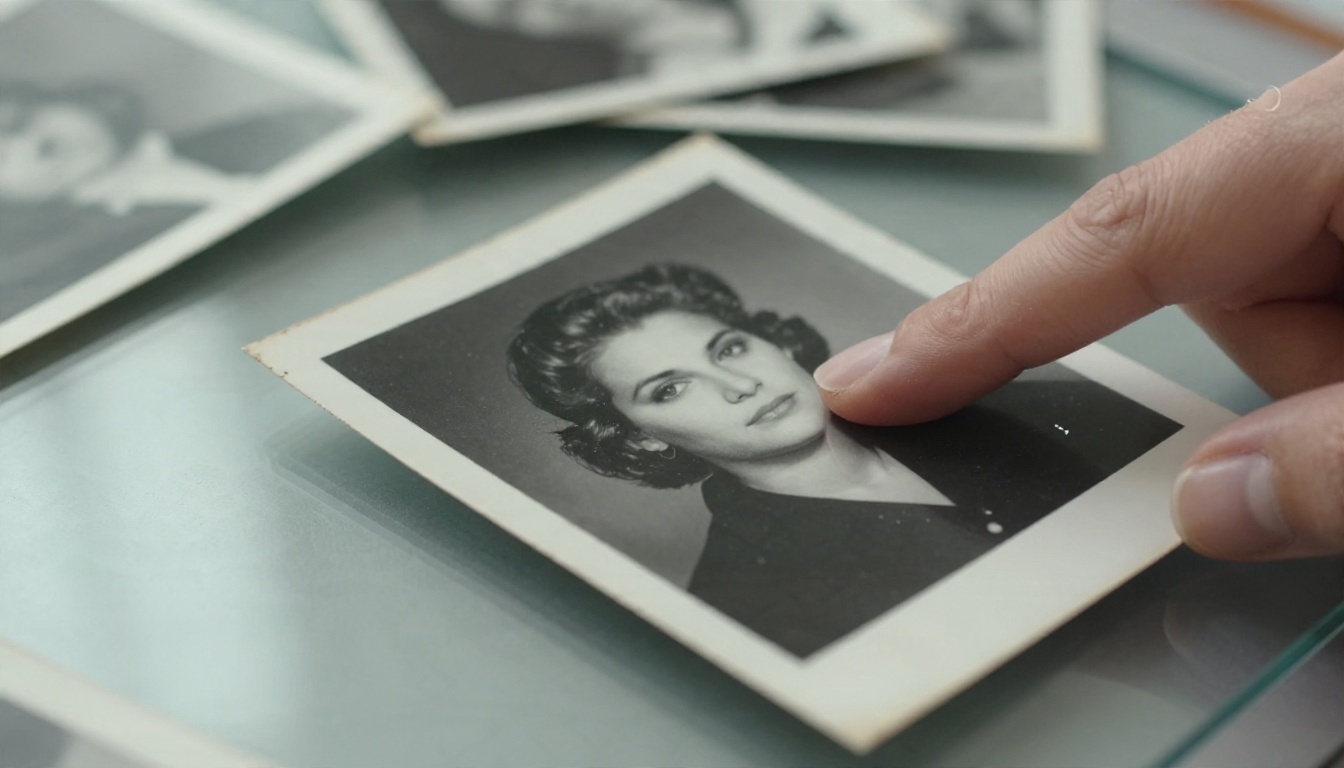
💡 Scan photos before the storyteller forgets who is in them. Write names and years on the back of each print, or on a sticky note beside it, while they are still available to ask.
Upload and Convert the PDF
- Go to Flipbooks AI and create an account.
- Choose the option to create a new flipbook and upload your PDF.
- Wait a moment while the file is converted into a page-turning flipbook.
- Preview it on desktop and on your phone to check that photos and text stay readable.
Customize, Share, and Protect
Once the flipbook exists, the details are what make it feel personal:
- Branding and colors: pick a background and accent color that matches the mood of the book, such as warm cream and sage.
- Page effects: keep the page-turning animation for the nostalgic feel.
- Multimedia: embed audio clips of the storyteller or a short family video on the matching page.
- Sharing: send a direct link, or use the Embed Flipbook on Website option to place it on a family site.
- Privacy: turn on password protection so only relatives can open it. This is a major reason to prefer a flipbook over a public link.
- Offline downloads: let relatives with poor internet save a copy for later.
- Analytics: the Professional plan shows which pages get opened most, handy if you want to see whether a whole family is reading.
There is no watermark on your pages, and Standard plans and above allow unlimited flipbooks, so you can make a separate edition for each branch of the family. See the pricing plans to pick the tier that fits.
⚠️ A memoir flipbook can contain private details such as addresses, health stories, and photos of children. Use password protection before sharing a link in a group chat.
Family recipes are a natural companion project. The Recipe Book Flipbook tool turns the dishes behind the stories into a second book. For a milestone event, the Wedding Album Flipbook works the same way.
Free Alternatives That Work
If a yearly plan feels like too much, remember what the paid services really sell: prompts, a deadline, and a printer. All three can be done at home for very little.

The Notebook and Voice Memo Method
For people who dislike typing, a phone voice recorder is the strongest free tool there is. Sit with the storyteller once a week, ask one question, and press record. Transcribe later, or keep the audio and attach it to a flipbook page. A cheap notebook works just as well for someone who prefers a pen.
Good questions to rotate through:
- What was the first home you remember?
- Who taught you to cook, and what was the first dish?
- What was your first job, and what did it pay?
- What is a story your siblings tell differently from you?
- What do you wish someone had told you at twenty?
A Free Tool Stack
| Step | Free Option | What It Replaces |
|---|
| Prompts | A shared list of questions in a notes app | Weekly emailed questions |
| Recording | Phone voice memo app | Typing responses |
| Writing | A shared online document | The service editor |
| Photos | Phone scanning app or flatbed scanner | Photo upload feature |
| Layout | Word processor or free design template | Automated book layout |
| Sharing | A flipbook link with a password | Online story site |
| Printing | A local copy shop or online print on demand | Included hardcover |
The honest downside of the free route is time. Nobody sends you a weekly reminder, and many free projects stall in week three. If that sounds like you, a paid prompt service is a fair price for the nudge.
💡 Hybrid approach: pay for a prompt service for one year to keep the stories coming, export the text, and publish a flipbook for the wider family. You get the habit and the reach.
Which One Should You Pick?
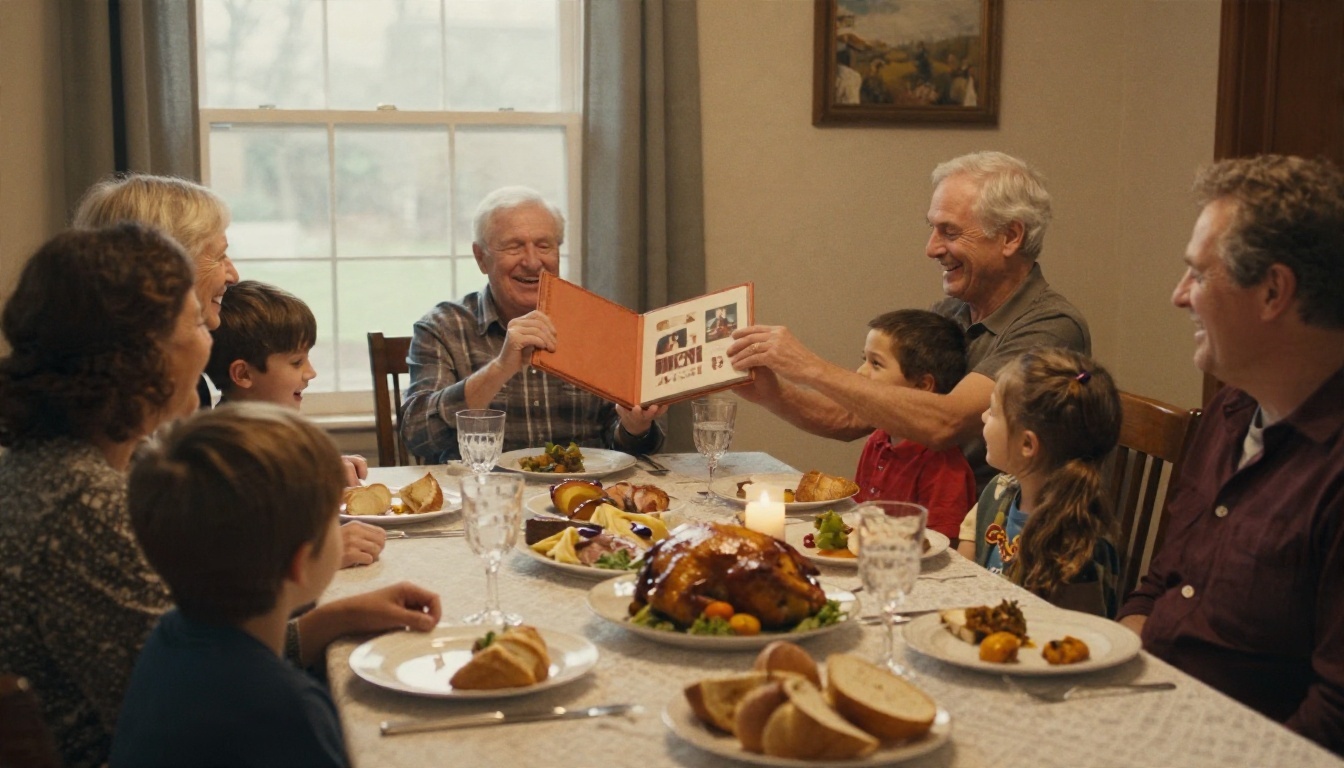
The best choice depends less on brand and more on the person who will be telling the stories.
Choose by Situation
| Your Situation | Best Fit | Why |
|---|
| Gift for a parent who loves email | StoryWorth style weekly prompts | Established habit, hardcover at the end |
| Storyteller who prefers talking | Free voice memo workflow plus flipbook | Audio stays attached to the page |
| Relatives spread across countries | Digital flipbook with a password link | Instant access, no shipping |
| Tight budget | Free tool stack | Zero subscription |
| Want a shelf keepsake and a shareable copy | Paid service for the book plus a flipbook | Both formats from one set of stories |
| Unsure about Meminto features | Check its live pricing and sample pages first | Avoid paying for features you do not need |
A few real-world scenarios make it clearer:
- The retired teacher. She writes a paragraph a week on her own. She needs no prompts, only a way to publish. A PDF turned into a flipbook is enough.
- The grandfather who hates computers. His granddaughter records him every Sunday on her phone. She transcribes the best clips and embeds the audio in a flipbook.
- The sibling group. Four adults want a printed copy each. Here the per copy price decides everything, so compare extra copy totals first.

If you are buying a gift, timing matters. A year of weekly questions means you should start well before the occasion you care about, otherwise the book arrives after the birthday or anniversary has passed.
Ready to Publish Your Family Story?
Meminto and StoryWorth both give you a structure, and both are worth testing against your own budget, your storyteller's habits, and the number of printed copies you need. Neither one removes the need to decide how the stories will be shared, and that is where a flipbook earns its place.
Here is a simple plan:
- Pick the way you will collect the stories: a paid service, a free tool stack, or a mix.
- Export everything into a single PDF.
- Create your free account on Flipbooks AI and upload the PDF.
- Add audio clips, set a password, and send the link to the family.
- Compare pricing plans if you want analytics or an unlimited number of editions.
Browse all flipbook tools to find templates for recipes, albums, and keepsake books, or head straight to Flipbooks AI to pick a plan. The stories are worth saving now, while the storyteller is still happy to tell them.



