If your club newsletter, shop brochure or event flyer lives inside a .pub file, the Microsoft Publisher retirement is a problem with a deadline attached. Microsoft set October 2026 as the end date for the app, and that date has now passed. The good news is that you do not need to rebuild everything from scratch, and you do not need to pay for another heavy desktop program. This article walks through what the retirement means, how to rescue your files, which free online tools can take over, and how Flipbooks AI turns a finished PDF into an interactive brochure or newsletter people can read on any screen.
💡 Quick answer: Export every important Publisher file to PDF today, pick one online design tool for editing, and publish the result as a flipbook so readers always get the latest version with a single link.
What the Retirement Actually Means
Publisher was never the flashiest tool, but it was friendly. Drag a text box, drop in a picture, print a trifold. Millions of small organizations built their whole look around it. Now the software has reached its retirement date, and every user has to decide what happens next.
Timeline and Risks
Microsoft's published plan ended support for Publisher in October 2026. Check Microsoft's own notice for the exact terms that apply to your license, because details can differ between subscription and one-time versions. In practice, here is what usually follows when an Office app retires:
- No more security patches. The app may keep opening files, but any newly found flaw stays open.
- No new templates. The built-in library stops growing and slowly looks dated.
- Compatibility drift. New Windows releases and new printers can break things, one small bug at a time.
- Less help available. Forum answers fade, and fewer designers still know the app.
Your files do not vanish. But relying on an unsupported program for client work or public documents is a risk that grows every month.
Who Is Hit Hardest
| Group | Typical Publisher use | Main worry |
|---|
| Small shops and cafes | Trifold brochures, price flyers | Reprinting old designs |
| Schools and PTAs | Monthly newsletters | Volunteers cannot learn a new app quickly |
| Churches and clubs | Bulletins, event programs | No design budget |
| Real estate and local agents | Property sheets | Brand consistency |
| Non-profits | Annual summaries, donor letters | Archive of past issues |
If you recognize your own team in that table, the next section matters most.
Save Your Old Publisher Files First
Before you compare any tool, protect what you already have. This takes less than an hour for most people and removes the pressure from every later decision.
Export to PDF
PDF is the safest exit format because it freezes fonts, images and spacing exactly as they look today.
- Open the
.pub file in Publisher.
- Choose File, then Export, then Create PDF/XPS Document.
- Pick High quality printing for brochures you plan to reprint, or Minimum size for email.
- Save with a clear name such as
spring-brochure-2026-final.pdf.
- Repeat for every active file, starting with the ones you used in the last twelve months.
⚠️ Watch the fonts. If a layout uses a decorative font you no longer own, the PDF keeps it, but you will not be able to edit the text later with the same typeface. Keep a note of the font names.
Rescue Images and Text
A PDF is great for reading and printing, but you will want to edit some files. Do this too:
- Save all pictures at original quality from the original source folders, not from the layout.
- Copy text into a plain document so you can paste it into any new tool.
- Record page sizes (for example 8.5 x 11 in or A4) and bleed settings for print jobs.
- Screenshot the layout as a visual reference when you rebuild it.
Free Brochure Alternatives Compared
You have plenty of options now, and most of them run in a browser. The table below compares the most common replacements for brochure work.
| Tool | Cost to start | Best for | Print ready PDF | Learning curve |
|---|
| Canva | Free tier | Fast, template driven brochures | Yes | Low |
| Microsoft Word | Included with Microsoft 365 | Text heavy trifolds | Yes | Low |
| Google Docs or Slides | Free | Simple flyers and team editing | Yes | Low |
| Scribus | Free, open source | Precise print layout | Yes | High |
| Adobe InDesign | Paid subscription | Professional publishing | Yes | High |
| Flipbooks AI | Free to try | Turning finished PDFs into interactive brochures | Keeps your PDF | Low |
Design Apps
Template based apps are the closest spiritual successor to Publisher. You pick a trifold, swap the photos, change the colors, and export. They shine for quick turnaround and for people who think visually. The trade off is that your design lives in someone else's account, so always download a PDF copy of each finished piece.
Word Processors
Word and Google Docs get ignored in brochure conversations, which is a shame. A three column landscape page with a few text boxes makes a perfectly respectable trifold. If your organization already pays for Microsoft 365, this is the lowest friction move. Text editing is excellent, while image placement is less forgiving than in a design app.
Open Source Layout
Scribus is the free answer for people who care about print precision, such as spot colors and exact bleed. It behaves more like Publisher's serious older cousin. Expect a steeper start, but you will own your workflow with no subscription at all.
💡 Pro tip: You do not need to pick a single tool forever. Design in whichever app feels natural, export a PDF, and use a flipbook layer on top for sharing. That way a future switch only changes the first step.
Newsletter Options That Replace Publisher
Newsletters were Publisher's second big job. A school or club would build a two page layout, print it, and often email the PDF as an attachment. That second step is where things get clumsy: attachments get blocked, files land in spam, and nobody can tell who actually opened it.
Email, Print or Flipbook
| Format | Strength | Weakness | Works well for |
|---|
| Email only (text and images) | Instant delivery | Limited layout control | Short updates |
| Printed PDF | Familiar, tactile | Slow, costly, no tracking | Notice boards, waiting rooms |
| PDF attachment | Keeps your design | Big files, blocked often | Internal teams |
| Flipbook link | Page turn reading, any device, one link | Needs a quick upload step | Monthly issues, archives, public sharing |
A flipbook gives you the look of the printed layout with the convenience of a web link. The Newsletter Flipbook Publisher is built for exactly this: you upload the PDF you already exported and publish it as a readable issue. Schools can also check the School Newsletter Creator for a version tuned to parents and classroom updates.
Building a Reusable Newsletter Template
Whatever tool you choose, build a template once and reuse it every month. A good template has:
- A fixed masthead with logo, issue date and volume number.
- Two or three column grid so articles drop in without redesign.
- A reserved spot for one big photo per issue.
- A footer block with contact details, social links and a unsubscribe note if you also send by email.
- Locked brand colors saved as hex codes in a short note next to the file.
Save the template file in a shared folder and name it with the word template, so no one overwrites it by accident.
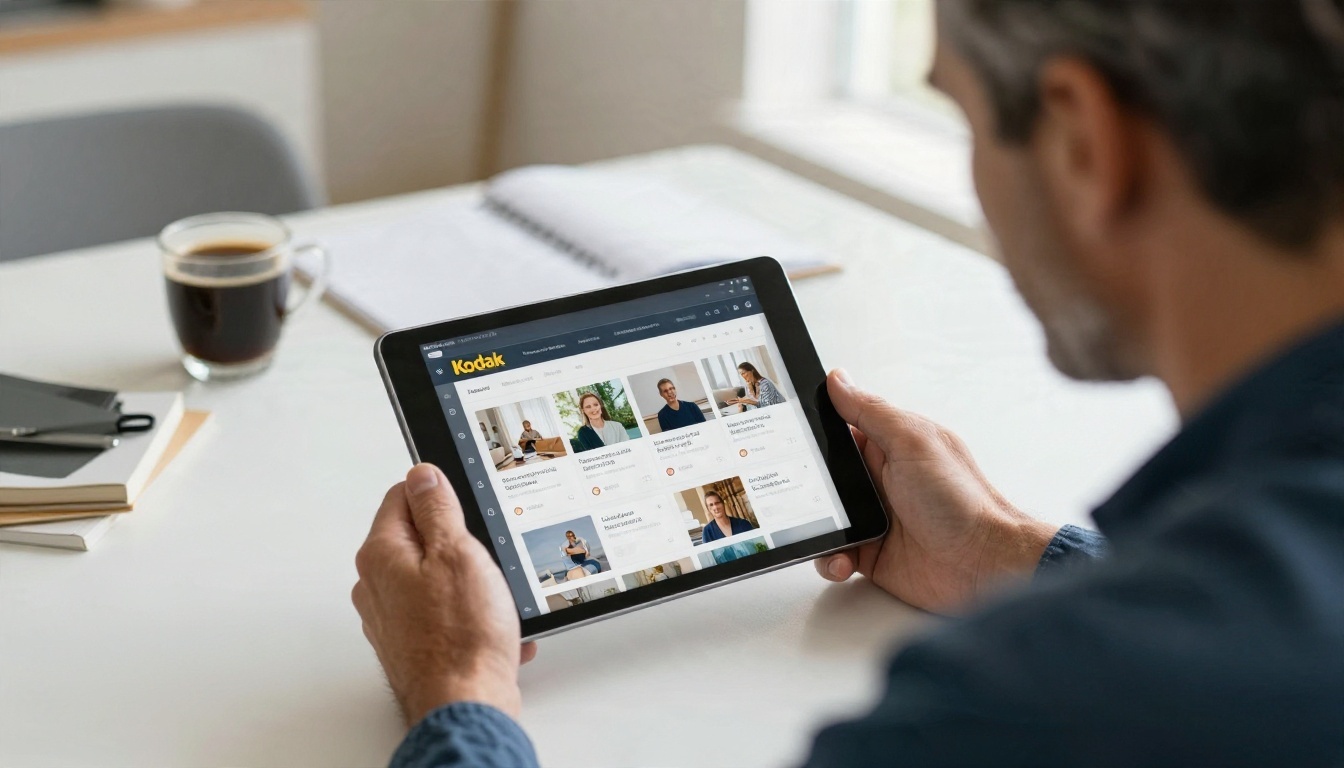
How to Create a Brochure with Flipbooks AI
Once you have a PDF, whether exported from Publisher or built in another editor, publishing it takes a few minutes. Here is the whole path, step by step.
Upload and Convert
- Go to Flipbooks AI and create an account.
- Click to start a new flipbook and drop in your PDF. The PDF to Flipbook Converter turns each page into a turnable spread.
- Wait a moment while pages are processed. You will see a preview with realistic page turns.
- Check the first and last pages. If a font or image looks off, fix it in your design tool and upload the corrected PDF.
For brochure specific projects, the Brochure Flipbook Maker and the Online Brochure Designer keep the process focused on trifolds, bifolds and product sheets.
Brand and Customize
Next, make it look like your organization:
- Logo and colors: add your logo and match the toolbar and background to your palette.
- Page effects: choose a soft page curl or a flat slide, depending on the mood you want.
- Multimedia: add a short video or audio clip to a page, such as a welcome message or a product demo.
- Mobile layout: the reader adapts automatically, so a trifold reads cleanly on a phone.
✅ Best practice: Keep your cover page, sorry, your front panel, simple. One strong photo, one headline, and one line that says what the reader gets inside.
Share and Protect
Publishing options cover most real situations:
| Sharing method | When to use it |
|---|
| Direct link | Email signatures, social posts, QR codes on printed material |
| Embed code | Your website, so visitors read the brochure without leaving the page. See Embed Flipbook on Website |
| Password protection | Internal handbooks, member only newsletters, client proposals |
| Offline download | Readers who want a copy for travel or poor connections |
Every flipbook is published without watermarks, so your brand stays front and center.
Track Results
If you want to know whether anyone actually reads your brochure, the Professional plan adds analytics and lead generation. You can see views, time spent on pages and which pages drew attention, and you can ask readers for an email address before they open a premium document. Check the pricing plans to compare what each tier includes. The Standard plan and above allow unlimited flipbooks, which suits anyone publishing a monthly newsletter archive.

Real-World Migration Examples
Theory is nice, but here is how this works for actual organizations.
| Scenario | Old Publisher setup | New setup | Result |
|---|
| Neighborhood bakery | Printed trifold menu, reprinted for each price change | Menu rebuilt in a free design app, published as a flipbook with a QR code on the counter | Prices update in minutes, no reprint. See the Restaurant Menu Creator |
| Local boutique hotel | Folded welcome brochure in every room | PDF converted to a flipbook, shared by link and QR | Guests read it on their phones. See the Hotel Brochure Designer |
| Independent real estate agent | One page property sheets | Template in Word, exported to PDF, published per listing | Buyers get a clean link. See the Real Estate Brochure Creator |
| Parent teacher association | Monthly two page newsletter emailed as attachment | Same layout published as flipbook, link sent in email | Fewer blocked emails, simple archive of past issues |
A Quick Walkthrough: The Bakery
A bakery owner had a trifold menu in Publisher, with prices typed into text boxes. The plan took one afternoon:
- Export the old menu to PDF to keep a safe copy.
- Rebuild the layout in a free template app, using the same photographs.
- Export the new version to PDF.
- Upload it to Flipbooks AI and add the bakery logo and colors.
- Print a small QR code and place it on the counter and the takeaway bags.
The next price change meant editing one PDF and re-uploading. The QR code never changed.
3 Common Mistakes to Avoid
1. Waiting until a file breaks. Export now, while you can still open everything normally. A single forgotten .pub file is easy to rescue today and harder later.
2. Copying the old layout pixel for pixel. Publisher designs often carry years of small compromises, like crowded text and low resolution photos. Use the move as a reason to simplify. Cut the text by a third and let the photographs breathe.
3. Losing track of the final files. Keep one folder with three subfolders: source (editable designs), pdf (final exports) and published (links and embed codes). Anyone on the team should find the latest version in under a minute.
⚠️ Print reminder: If you send files to a print shop, always ask for their PDF requirements first. Bleed, color mode and resolution vary, and a quick call saves a reprint.
Pick Your Next Step
The Microsoft Publisher retirement is an annoyance, but it is also a clean excuse to modernize how your brochures and newsletters reach people. Rescue your files as PDFs this week, choose one editor you enjoy, and publish the results as flipbooks that work on every device.
Here is a short plan you can follow today:
- Export your five most used Publisher files to PDF.
- Pick a free design tool from the table above.
- Create your free account on Flipbooks AI and upload your first PDF.
- Share it with a link or embed it on your site.
- Browse all flipbook tools for brochure, newsletter, menu and catalog templates, then compare pricing plans when you are ready for analytics and unlimited publishing.
Your old layouts do not have to disappear with the software. Give them a new home online, and your readers will not even notice the switch.



