You can knit a gorgeous cabled sweater and still sell nothing, because the money in handmade is decided by where you list, what you charge and how much the platform keeps. If you want to sell knitting online, the good news is that you have two products in one: the finished item and the pattern behind it. This article compares the main marketplaces, walks through real fee math, and shows how a simple flipbook preview made with Flipbooks AI can make your pattern listings look as professional as the shops that outsell you.
💡 Pro tip: Fees change often. Treat every number below as a planning estimate and check each platform's current fee page before you commit.
Why Knitters Sell Online Now
Handmade buyers have never been more comfortable paying for a hat that took six hours or a PDF that took six weeks to test. Social feeds sell yarn, patterns and finished pieces in the same scroll, and a single reel can send hundreds of visitors to a listing.
Patterns vs finished items
These are two very different businesses, and mixing them up is the most common reason new sellers burn out.
| Factor | Finished items | Digital patterns |
|---|
| Income ceiling | Capped by your hours | Almost unlimited |
| Startup cost | Yarn, packaging, postage | Test knitters, photos, layout |
| Per sale effort | Knit, pack, ship every time | Zero after the first upload |
| Typical price | $25 to $200+ | $4 to $12 |
| Main risk | Underpricing your labor | Low visibility in a crowded market |
| Best for | Quick cash, gifts, custom orders | Long term, passive income |
Most successful sellers use finished items to fund their pattern business, then shift the balance as pattern sales grow.
Who actually buys
- Gift shoppers who cannot knit and want a hand made scarf or baby blanket
- Fellow knitters who buy patterns and kits, often several at once
- Local buyers who prefer craft fairs and word of mouth
- Wholesale shops that want small batches of consistent items
Where to List Knitting Patterns
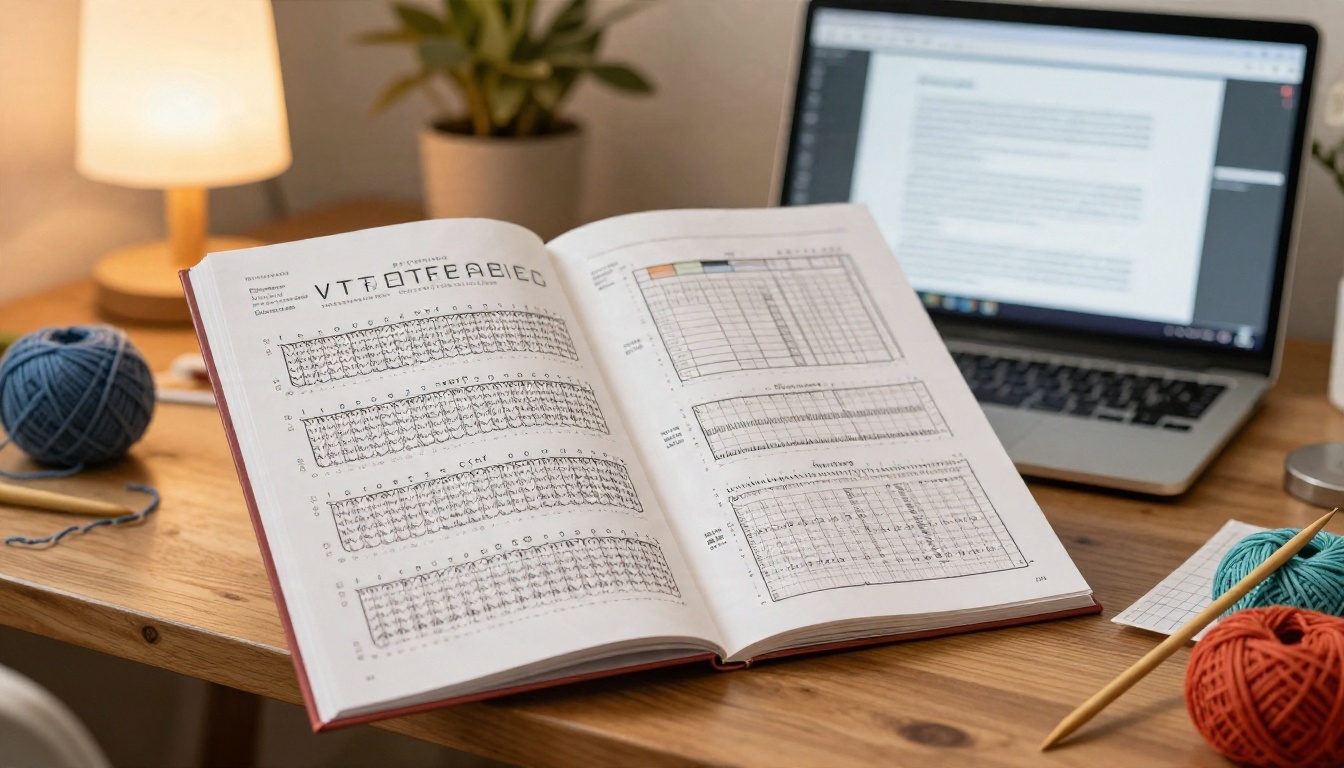
Pattern buyers search in a handful of predictable places. Start where they already are, then build your own storefront once you have a following.
Ravelry
Ravelry is the heart of the knitting world. Designers upload patterns to a searchable database, and buyers can filter by yarn weight, garment type, difficulty and even yardage. Ravelry itself does not take a commission on pattern sales, so you mainly pay the payment processor, which is typically around 3% plus a small fixed fee per sale. The catch: you need a decent photo set and a complete pattern page to rank in those filters.
Etsy
Etsy gives you massive built in traffic. You pay a listing fee (about $0.20 per listing), a transaction fee (around 6.5%) and payment processing (roughly 3% plus a fixed fee). Digital downloads are easy to deliver automatically, but competition is intense, and offsite ads can add a further 12% to 15% on orders they influence.
Your own storefront
Platforms like Payhip, Gumroad, Shopify or WooCommerce let you keep the customer relationship and email list. Some charge a percentage per sale, others a monthly subscription. You also carry the traffic burden: nobody lands on your shop by accident.
LoveCrafts and other marketplaces
Craft marketplaces such as LoveCrafts reach buyers who already shop for yarn and kits. Commissions and payout terms vary, so read the designer agreement carefully before uploading your whole catalog.
Where to Sell Finished Items
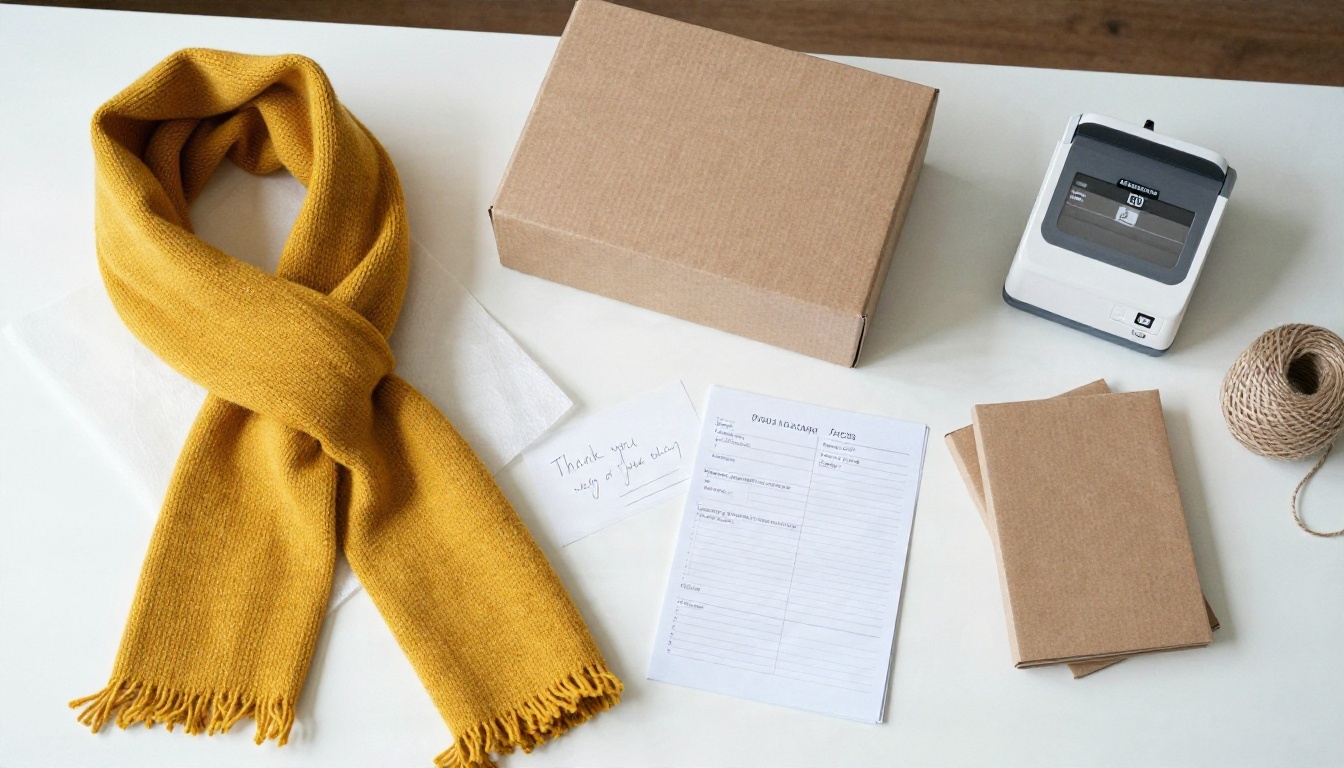
Finished knitwear is a different game. Buyers want to feel the softness, so your photos, descriptions and care instructions do the selling.
Handmade marketplaces
Etsy remains the default for finished pieces, with the same fee structure described above. Smaller handmade sites sometimes charge lower commissions but send far less traffic. A reasonable approach is to list your five best sellers on Etsy and test one smaller marketplace for a quarter.
Social selling
Instagram, TikTok and Facebook groups can sell one of a kind items fast. You post a photo, quote a price, and take payment through an invoice link. The fees are low, but the admin is heavy, so keep a simple order spreadsheet.
Craft fairs and local shops
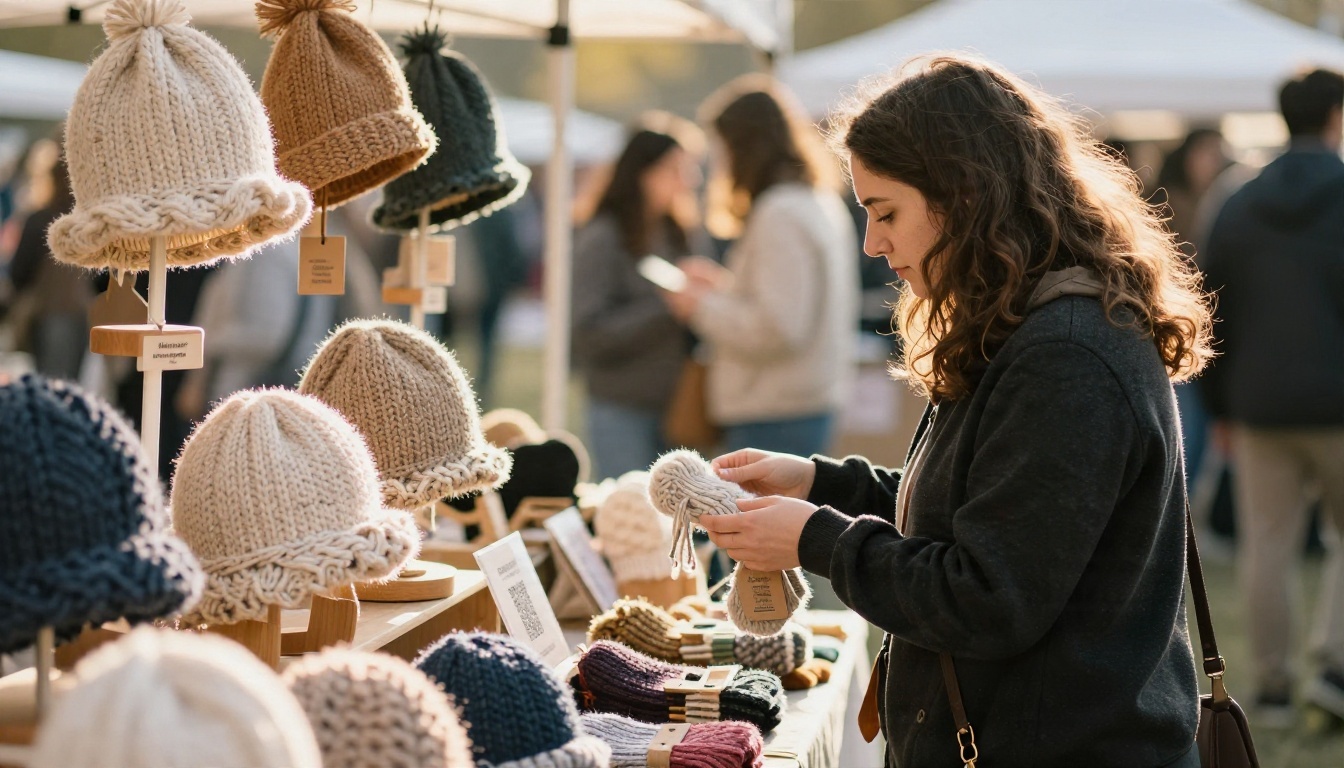
In person events let buyers touch the wool, which solves the biggest online objection. Put a QR code on your booth card that opens your online catalog, so people who miss out on a sale can order later. A Digital Catalog Maker turns your price list and product photos into a page-turning catalog that loads fast on a phone.
Pricing Patterns and Finished Items
Underpricing is the habit that quietly kills handmade businesses. Let's put real numbers on it.
How to price a pattern
Patterns are priced by complexity and market, not by hours spent. As a rough range:
| Pattern type | Typical price (USD) |
|---|
| Simple hat, cowl or dishcloth | $3 to $5 |
| Mittens, socks, shawl | $5 to $8 |
| Adult sweater or cardigan | $7 to $12 |
| Multi size garment with charts | $9 to $15 |
| Pattern bundle or e-book | $15 to $35 |
Check what comparable designs sell for, then price within that range based on photo quality, size range and the support you offer.
How to price a finished item
Use this simple formula:
- Materials: yarn, buttons, tags, packaging
- Labor: hours knitted multiplied by a fair hourly rate
- Overhead: tools, photography, software, your share of storage
- Platform fees: from the table in the next section
- Profit margin: at least 10% to 20% on top
A worked example
Say you knit a merino cabled beanie:
- Yarn and extras: $11
- Labor: 4 hours at $15 = $60
- Packaging and postage supplement: $3
- Base cost: $74
Selling at $89 on Etsy leaves you roughly $8.50 in combined transaction, processing and listing fees, and about $80 net, so you keep around $6 above your base cost. If that margin looks thin, you are not alone. Many sellers raise prices, switch to simpler designs or sell the pattern instead.
⚠️ Warning: Pricing a handmade item against mass market knitwear is a losing contest. Position it against other handmade, small batch pieces.
Fees Compared Side by Side
Fees decide whether a platform is worth your time. This table summarizes typical structures. Confirm current rates before you sign up.
| Platform | Best for | Typical cost structure | Traffic you get |
|---|
| Ravelry | Patterns | Payment processor fee only | High, targeted |
| Etsy | Both | Listing fee, about 6.5% transaction, processing fee, optional offsite ads | Very high |
| Payhip | Patterns, kits | Free tier with a percentage per sale, or paid plans with lower rates | You bring it |
| Gumroad | Patterns | Flat percentage per sale plus processing | You bring it |
| Shopify | Finished items, kits | Monthly plan plus processing | You bring it |
| LoveCrafts | Patterns, kits | Marketplace commission (varies) | Medium to high |
| Craft fairs | Finished items | Booth fee, travel, time | Local |
What the fees do to a $7 pattern
Take a sweater pattern priced at $7:
- On Etsy: roughly $1.10 to $1.20 in fees, so you keep about $5.85
- Through Ravelry with a payment processor: roughly $0.50, so you keep about $6.50
- On your own store with a typical percentage plus processing: somewhere in between
Over 500 sales, that difference adds up to a few hundred dollars. Still, Etsy's built in audience may bring more sales than a lower fee elsewhere, so look at net income, not just percentages.
✅ Best practice: List on one marketplace for traffic and one owned channel for loyalty. Send repeat buyers to the owned channel with a discount code.
How to Create a Pattern Flipbook
A pattern listing usually shows a few photos and a wall of text. Buyers cannot see inside the PDF, so they hesitate. A flipbook preview lets them leaf through the cover, materials page, a chart sample and a finished photo gallery, right on your shop page. This is where Flipbooks AI fits in for knitters.
Step 1: Prepare your PDF
Export a short preview PDF, five to eight pages: title page, yarn and needle list, gauge, a sample chart and two photo spreads. Keep the full instructions hidden so your paid product keeps its value.
Step 2: Upload and convert
- Open Flipbooks AI and create a free account.
- Use the PDF to Flipbook Converter and upload your preview PDF.
- Wait a few seconds while pages turn into a realistic page-flipping book.
Step 3: Customize the look
- Add your logo and brand colors so it matches your shop
- Choose a background in a yarn-friendly neutral such as oatmeal or sage
- Enable page flip effects and mobile-responsive layout
- Embed a short video or audio clip, for example a 30 second stitch demonstration
Step 4: Share it everywhere
- Embed the flipbook on your own site with the Embed Flipbook on Website tool
- Paste the direct link into Instagram bios, Ravelry notes or newsletters
- Use password protection when you want a private preview for test knitters or wholesale customers
Step 5: Track what works
On the Professional plan you get analytics and lead generation, so you can see which pages visitors spend time on and capture emails from interested buyers. Offline downloads are handy for sending a preview to a yarn shop owner. Compare pricing plans to see which tier fits, and remember there are no watermarks, ever.
Beyond pattern previews, a flipbook works for a whole range of knitting products:
Photos, Shipping and Taxes
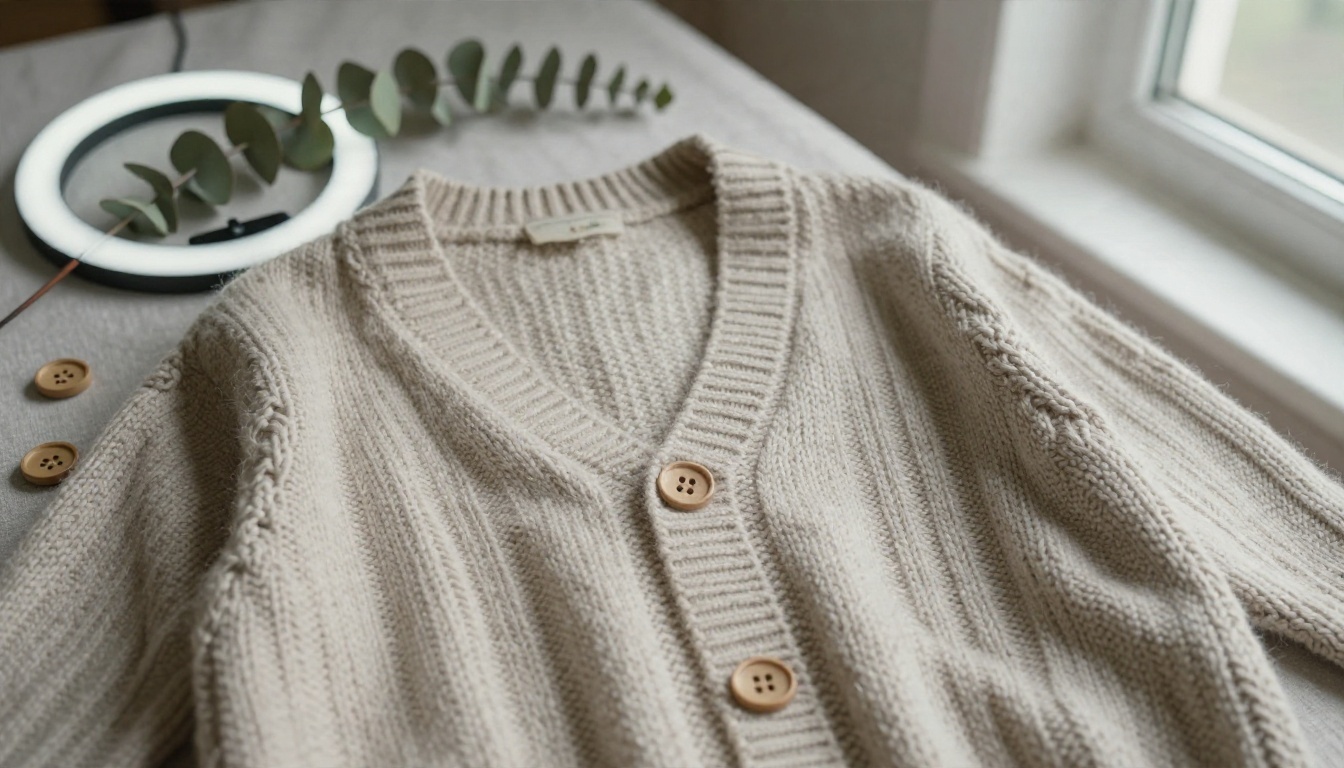
Photos that sell
Wool is forgiving in soft daylight and brutal under a yellow bulb. Shoot near a window, use a plain linen or wood backdrop, and take at least one close-up of the stitches. For patterns, show the garment on a real person, plus a flat lay, plus a detail of the chart or stitch pattern.
Shipping without losing money
- Weigh a finished item in its packaging before you set a price
- Offer flat rate shipping on small items and calculated shipping on sweaters
- Use compostable mailers and a handwritten card; buyers remember both
- Add tracking for orders above a set value
Taxes and records
Handmade income counts as business income in most countries, and digital products can trigger sales tax or VAT depending on the buyer's location. Marketplaces often collect some of it for you, but not always. Keep monthly records of sales, fees, materials and postage, and speak with a local accountant before your first big season.
Start Selling This Week
You do not need a perfect brand to begin. Follow this seven day plan:
- Day 1: Pick one finished item and one pattern to list first
- Day 2: Shoot photos in natural light
- Day 3: Calculate your price using the formula above
- Day 4: Build a preview flipbook for the pattern
- Day 5: List on one marketplace and one owned channel
- Day 6: Share the flipbook link on social media and with your newsletter
- Day 7: Review views, clicks and sales, then adjust
Ready to give your patterns a polished preview? Create your free account on Flipbooks AI, browse all available flipbook tools, or compare pricing plans to find the tier that matches your shop. Your next pattern could be the one that keeps selling while you cast on something new.



