Running a small business means every tool you use has to earn its place. Static PDF brochures sit untouched in download folders while interactive digital flipbooks get shared, bookmarked, and revisited. The six platforms below represent the best options available right now for small business owners who want professional results without hiring a design agency or paying enterprise-level fees. Whether you run a boutique, a restaurant, a real estate office, or a service company, at least one of these tools will fit your workflow perfectly.

Before comparing platforms, it helps to know what actually matters. Small businesses have different priorities from enterprise marketing departments. You need speed, affordability, and ease, not a 90-day onboarding process.
Here are the factors that separate a good choice from a frustrating one:
- Ease of upload: Can you go from PDF to published flipbook in under 5 minutes?
- Custom branding: Can you apply your logo, brand colors, and custom domain?
- Mobile responsiveness: Does it work perfectly on smartphones and tablets?
- Embedding: Can you drop it into your website or send a shareable link?
- Analytics: Do you know who is reading your content and for how long?
- Price: Is there a free tier or an affordable starter plan?
💡 If a platform takes more than 10 minutes to produce a shareable link on your first try, it will slow you down every single time you use it.
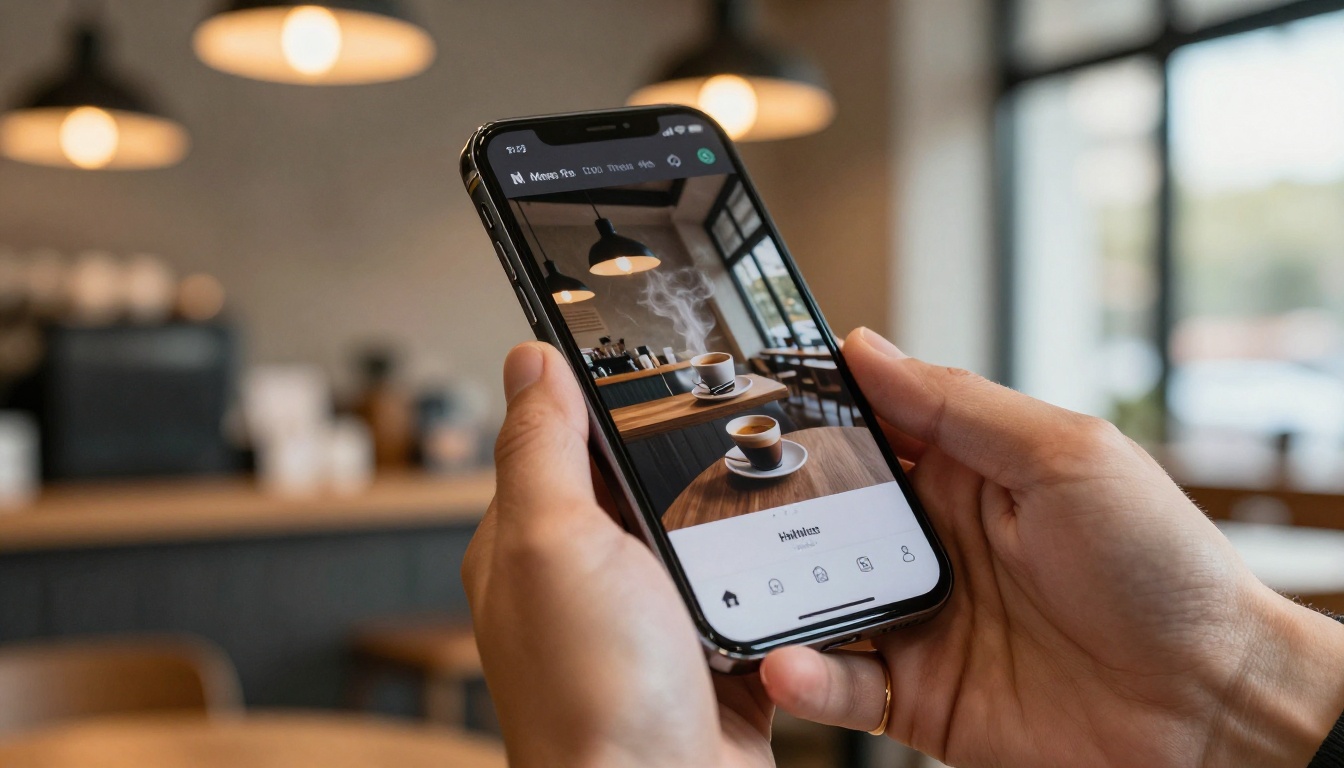
Top 6 Flipbook Makers for Small Business Owners
1. Flipbooks AI
Flipbooks AI stands out as the most practical option for small businesses that want a professional result without complexity. The platform converts PDFs into animated page-flip publications in seconds, with no watermarks on paid plans and unlimited flipbooks starting at the Standard tier.
What separates it from the competition is the range of purpose-built tools designed around real small business needs. There is a dedicated Restaurant Menu Creator, a Real Estate Brochure Creator, a Product Catalog Generator, and dozens more. Instead of starting from a blank slate, you pick the tool that matches your business type and the platform handles the rest.
Standout features for small businesses:
- No watermarks, ever
- Unlimited flipbooks on Standard and Professional plans
- Password protection for private content like price lists
- Analytics and lead generation on the Professional plan
- Offline downloads so clients can keep a copy
- Embed videos and audio directly into pages
- Mobile-responsive on every device
✅ Best for: Restaurants, retail shops, real estate agents, service businesses, event planners, and anyone who regularly creates catalogs, menus, or brochures.
The PDF to Flipbook Converter is the fastest way to go from a finished design to a shareable link. If you already create PDFs in Canva, Adobe, or even Google Slides, you can publish them as interactive flipbooks in under two minutes.

2. Issuu
Issuu is one of the most recognized names in digital publishing. It has a large content discovery network, which means your publications can get found by readers browsing the platform, not just people you share links with directly. For small businesses that want passive visibility, this network effect is genuinely useful.
The free tier is limited but functional. Paid plans unlock custom branding, analytics, and the ability to add your own domain. Issuu works particularly well for magazines, newsletters, and lifestyle brands that benefit from editorial presentation.
Where it falls short for small businesses: Issuu charges more for features that competitors offer at lower price points, and the interface leans more media-company than small-business focused. Watermarks appear on free plans, and the purpose-built business tools found on specialized platforms are absent here.
⚠️ Issuu's free plan places ads alongside your content. For client-facing materials, this can appear unprofessional and undermine the impression you are trying to create.
3. FlipHTML5
FlipHTML5 is a feature-rich platform with a strong focus on customization. Users can add animations, pop-up windows, embedded video, and interactive buttons inside their flipbooks. For businesses that want highly interactive content, like product demos or training materials, this level of control is valuable.
The desktop publishing software approach means a slightly steeper learning curve compared to web-only tools. However, once you have a template set up, production speed improves significantly. The free version includes basic features but limits the number of publications and adds branding.
Strong points:
- Rich interactive elements including animations, hotspots, and pop-ups
- HTML5 output works on all devices without plugins
- Bulk upload support for large catalogs
- Team collaboration features on higher plans
4. Flipsnack
Flipsnack takes a design-first approach, offering built-in design tools alongside its flipbook conversion features. You can design your publication inside the platform rather than importing a finished PDF. For small business owners without a dedicated designer, this all-in-one workflow saves real time.
The template library is extensive, covering catalogs, lookbooks, menus, and reports. The drag-and-drop editor is clean and accessible for non-designers. Analytics are included on paid plans, and sharing options are solid.
Where Flipsnack can be limiting: the free tier is very restricted, and pricing jumps quickly as you add team members or need more advanced features. For solo business owners, the entry-level paid plan works well. For teams, costs add up fast.
💡 Flipsnack's built-in templates are a good starting point if you do not have an existing PDF and want to build something from scratch entirely inside the tool.
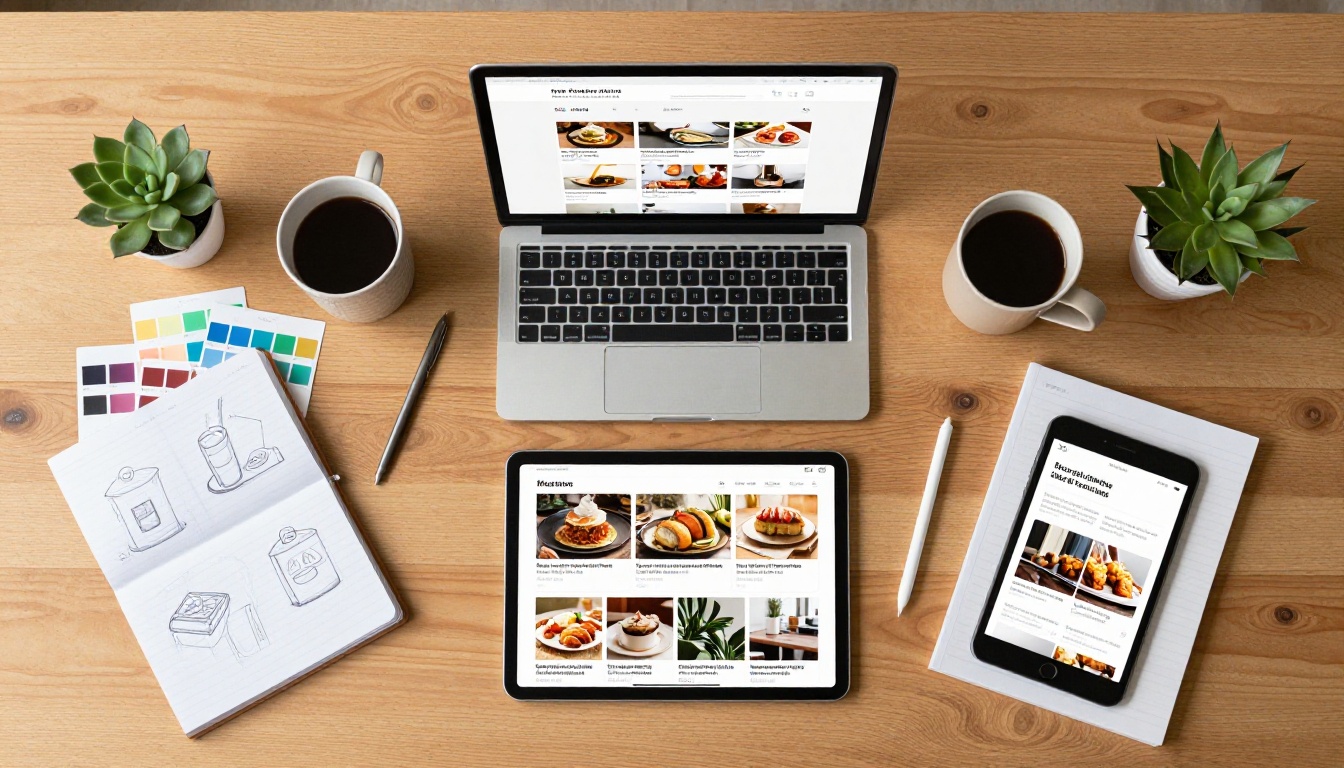
5. Yumpu
Yumpu is the budget-friendly option in this list. Its free tier is more generous than most competitors, making it a reasonable choice for businesses that only publish occasionally and can tolerate some platform branding on their content.
The platform supports automatic SEO for your publications, which means your flipbooks can rank in search engines. This is a distinct advantage for businesses publishing content like menus, price lists, or lookbooks that people might search for directly.
Limitations to be aware of:
- The free plan includes Yumpu ads and branding on your publications
- Design customization is more limited than other platforms
- Analytics depth is basic compared to professional-tier tools
- Less purpose-built for specific business types like restaurants or retail
Yumpu works best as a low-cost starting point or for businesses with very occasional publishing needs. For regular use, the limitations become friction.
6. Publuu
Publuu focuses on polished presentation and strong analytics. The page-flip animation quality is smooth, and the viewer interface is clean and modern. For businesses that prioritize how their publications look when shared with clients, Publuu delivers a premium feel at an accessible price.
The platform includes real-time analytics so you can see which pages readers spend the most time on, which is valuable for sales teams who want to know where prospects focus their attention. Embed options are straightforward, and the shareable link system works well for direct client distribution.
✅ Best for: B2B service businesses, consultants, and agencies that regularly send client-facing proposals, pitch decks, and reports.
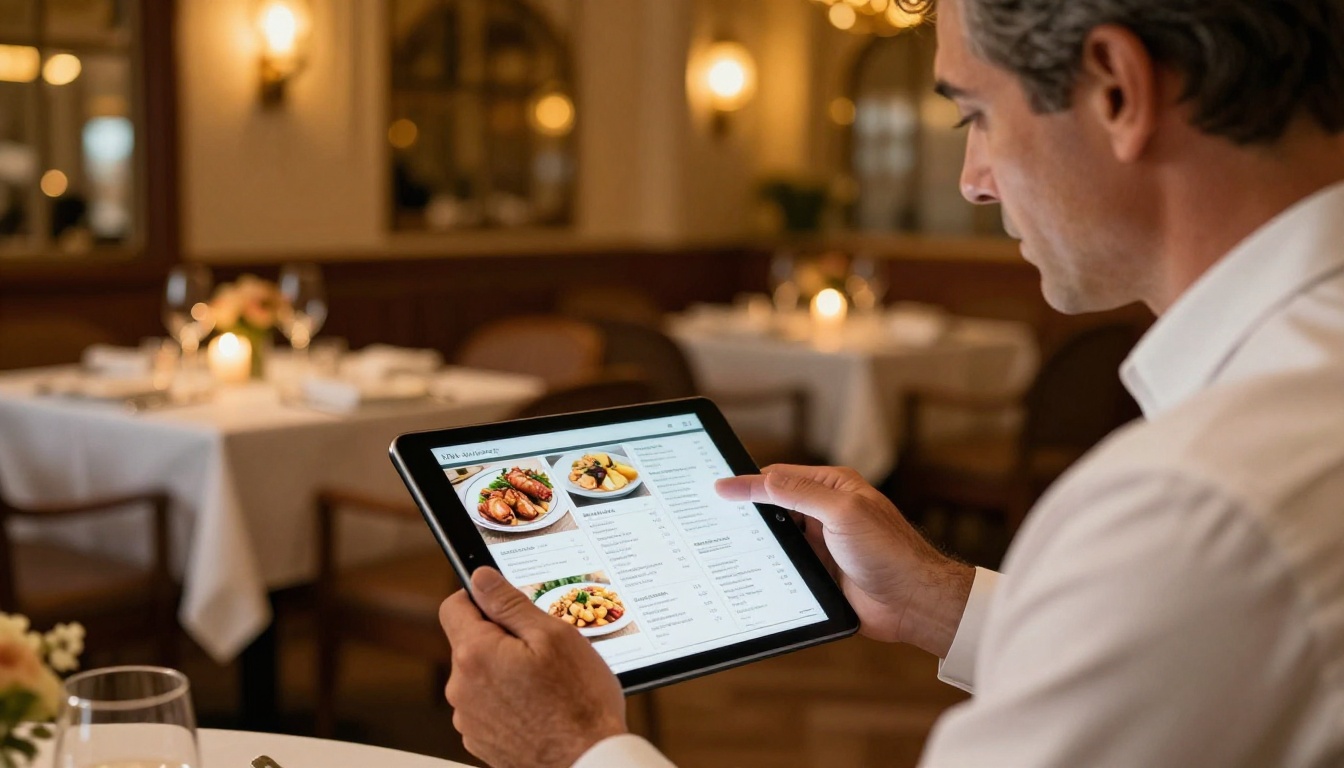
Feature Comparison at a Glance
Comparing tools side by side makes the differences immediately clear:
| Feature | Flipbooks AI | Issuu | FlipHTML5 | Flipsnack | Yumpu | Publuu |
|---|
| No watermarks | ✅ Paid plans | ❌ Free plan | ✅ Paid plans | ✅ Paid plans | ❌ Free plan | ✅ Paid plans |
| Unlimited flipbooks | ✅ Standard+ | ❌ Limited | ✅ Paid | ✅ Paid | ✅ Free (capped) | ❌ Limited |
| Custom branding | ✅ | ✅ | ✅ | ✅ | ✅ Paid | ✅ |
| Analytics | ✅ Professional | ✅ Paid | ✅ Paid | ✅ Paid | Basic only | ✅ All plans |
| Password protection | ✅ | ✅ Paid | ✅ Paid | ✅ Paid | ❌ | ✅ Paid |
| Embed on website | ✅ | ✅ | ✅ | ✅ | ✅ | ✅ |
| Offline downloads | ✅ | ✅ Paid | ✅ | ❌ | ❌ | ✅ Paid |
| Business-type tools | ✅ 30+ tools | ❌ | ❌ | Limited | ❌ | ❌ |
| Video and audio embed | ✅ | ✅ Paid | ✅ | ✅ Paid | ❌ | ❌ |
💡 The business-type tools column is where Flipbooks AI pulls significantly ahead. No other platform offers dedicated tools for restaurants, real estate, retail, and service businesses at the same depth and variety.
Pricing Side by Side
Budget clarity matters for small businesses. Here is how pricing compares across platforms:
| Platform | Free Plan | Entry Paid | Mid Tier | Notable Advantage |
|---|
| Flipbooks AI | ✅ Limited | ~$9/mo | ~$19/mo | No watermarks, 30+ business tools |
| Issuu | ✅ With ads | ~$19/mo | ~$29/mo | Discovery network |
| FlipHTML5 | ✅ Limited | ~$14/mo | ~$28/mo | Rich interactive elements |
| Flipsnack | ✅ Very limited | ~$14/mo | ~$35/mo | Best design templates |
| Yumpu | ✅ Generous | ~$16/mo | ~$33/mo | SEO for publications |
| Publuu | ✅ Limited | ~$9/mo | ~$19/mo | Analytics on all plans |
Prices are approximate and subject to change. Check each platform directly for current rates.

How to Create a Business Flipbook with Flipbooks AI
If you want to publish your first digital flipbook today, Flipbooks AI is the fastest path from idea to shareable link. Here is how to do it:
1. Sign up for your account
Go to flipbooksai.com/account and create a free account. No credit card required to start.
2. Choose the right tool
Browse the tools directory and pick the one that matches your business type:
3. Upload your PDF
Use the PDF to Flipbook Converter to upload any PDF. The platform converts it automatically into an animated page-flip publication. Works with Canva exports, Adobe exports, PowerPoint PDFs, and anything else you already have.
4. Apply your branding
Add your logo, brand colors, and background. On paid plans, remove all platform branding and replace it with your own. Set a custom domain so the flipbook URL matches your website.
5. Configure privacy and sharing
Decide whether your flipbook is public or private. For price lists or internal documents, use password protection. For marketing materials, keep it public. Copy the shareable link or grab the embed code to place it directly on your website using the Embed Flipbook on Website tool.
6. Track performance
On the Professional plan, analytics and lead generation features show you who is reading, which pages hold attention longest, and how long readers stay engaged. For sales teams, this data is genuinely useful for timing follow-up calls correctly.
✅ Best practice: Export your PDF at 150 DPI or higher before uploading. Higher resolution source files produce sharper flipbook pages, especially on retina displays and large monitors.

Different businesses have different publishing needs. This breakdown maps common business types to the best-fit platform:
| Business Type | Best Pick | Primary Reason |
|---|
| Restaurant or cafe | Flipbooks AI | Dedicated menu creator, fast updates |
| Retail or e-commerce | Flipbooks AI | Product catalog tools, mobile-first |
| Real estate agency | Flipbooks AI | Property brochure tools, lead generation |
| B2B consultant or agency | Publuu | Strong analytics, clean client view |
| Magazine or media brand | Issuu | Discovery network, editorial feel |
| Event company | Flipbooks AI | Event program tools, shareable links |
| Training or education | FlipHTML5 | Rich interactive elements for courses |
| Occasional publishing only | Yumpu | Most generous free tier |
💡 For most small businesses with physical products or services, Flipbooks AI covers the widest range of use cases at the most practical price point, especially once you factor in the 30+ purpose-built tools included on every plan.

Real-World Use Cases That Drive Results
Small business owners often want to know how other businesses actually use flipbooks day-to-day. Here are three concrete examples:
A boutique clothing store replaces its printed seasonal lookbook with a digital flipbook. Instead of printing 500 copies at high cost, the owner uploads a Canva design to Flipbooks AI, gets a shareable link in two minutes, and posts it across email, Instagram stories, and the shop website. Customers can browse the full lookbook on their phone before walking in.
A restaurant group manages digital menus across three locations. Each location has a password-free public link for the dining room QR code and a separate internal version with cost pricing for staff training. Seasonal menu updates take under five minutes per location, with no reprinting costs.
A real estate team sends property brochures as interactive flipbooks instead of PDF attachments. The brochures load faster than PDFs on mobile, look more professional in the client's inbox, and the team uses analytics on the Professional plan to see which properties clients spend the most time viewing before a follow-up call.
⚠️ Common mistake: Many small business owners create a flipbook once and never update it. The real value comes from keeping your digital publications current. A flipbook with outdated pricing or old product photos works against you.

Your Pick Is Waiting
The six platforms above all do the job, but the right choice depends on how often you publish, what you publish, and how much customization your brand needs. For small businesses that publish regularly and want purpose-built tools for their specific industry, Flipbooks AI offers the clearest path from PDF to professional result without unnecessary complexity or cost.
Ready to see it in action? Create your first flipbook for free and have a shareable link in under two minutes. When you are ready for custom branding, lead generation, and unlimited publications, review the pricing plans to find the right fit for your budget. You can also browse all available tools to find the one built specifically for your type of business.



