Valentine's Day is the one night of the year when every guest arrives hungry for the same thing: a memorable evening for two. That makes it your easiest night to sell out and your riskiest night to get wrong. A messy menu, a price that feels random or a PDF that won't load on a phone can cost you dozens of seats. This article walks through menu ideas that work, sample dishes with real price ranges, template layouts you can copy and a simple way to publish everything as a digital flipbook with Flipbooks AI.
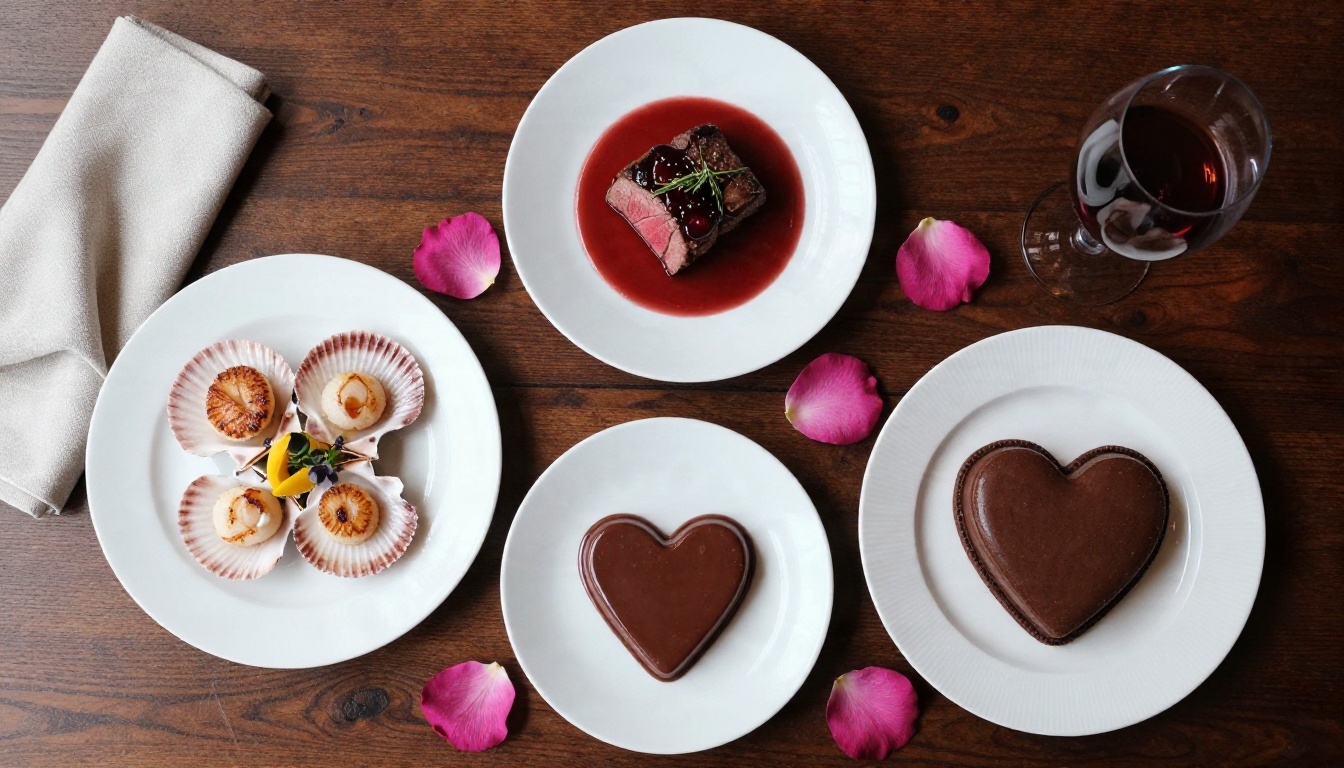
Most restaurants treat February 14 like any other Friday with a few roses added. The best ones treat it as a separate product. A dedicated menu lets you control food cost, speed up the kitchen and charge for the experience instead of just the plate.
A Night With Fixed Demand
On a normal evening you guess how many guests will walk in. On Valentine's Day, you know reservations will fill early, and couples expect to pay more. That predictability lets you prep one set of components, order exact quantities and cut waste. It also means you can run two seatings (early and late) with the same menu and double your table turns without rushing anyone.
Prix Fixe vs. À La Carte
Here is how the two main formats compare for a single night of service.
| Factor | Prix Fixe | À La Carte | Sharing Format |
|---|
| Kitchen speed | Fastest, fixed dishes | Slowest, many tickets | Medium |
| Average check | Predictable | Varies widely | Higher on drinks |
| Food waste | Lowest | Highest | Medium |
| Guest choice | 2 to 3 per course | Full freedom | Pick 4 to 6 plates |
| Best for | Fine dining, bistros | Casual spots | Tapas, wine bars |
💡 Pro tip: If you only change one thing this year, switch to a prix fixe with two options per course. Your line cooks will thank you by 8 p.m.
Each idea below fits a different kind of restaurant. Pick one, then adapt the dishes to your kitchen's strengths.
Classic Three-Course Prix Fixe
This is the safest format and still the most popular. Offer a starter, a main and a dessert, with two or three choices each. Guests feel taken care of, and you keep the ticket times short.
Example menu:
- Starter: Seared scallops with cauliflower purée and brown butter, or burrata with roasted beets
- Main: Beef tenderloin with red wine reduction, or pan-roasted halibut with lemon beurre blanc
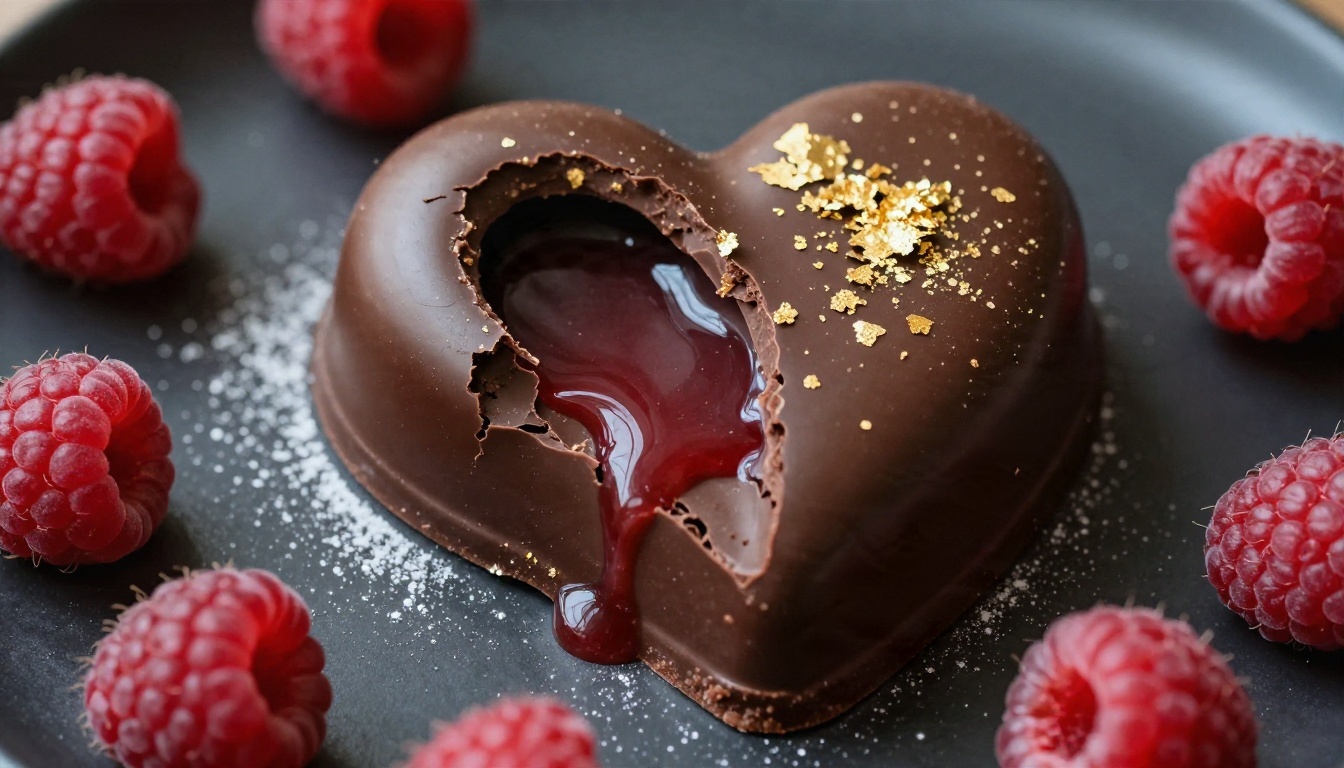
- Dessert: Dark chocolate fondant with raspberry coulis, or vanilla panna cotta with macerated strawberries
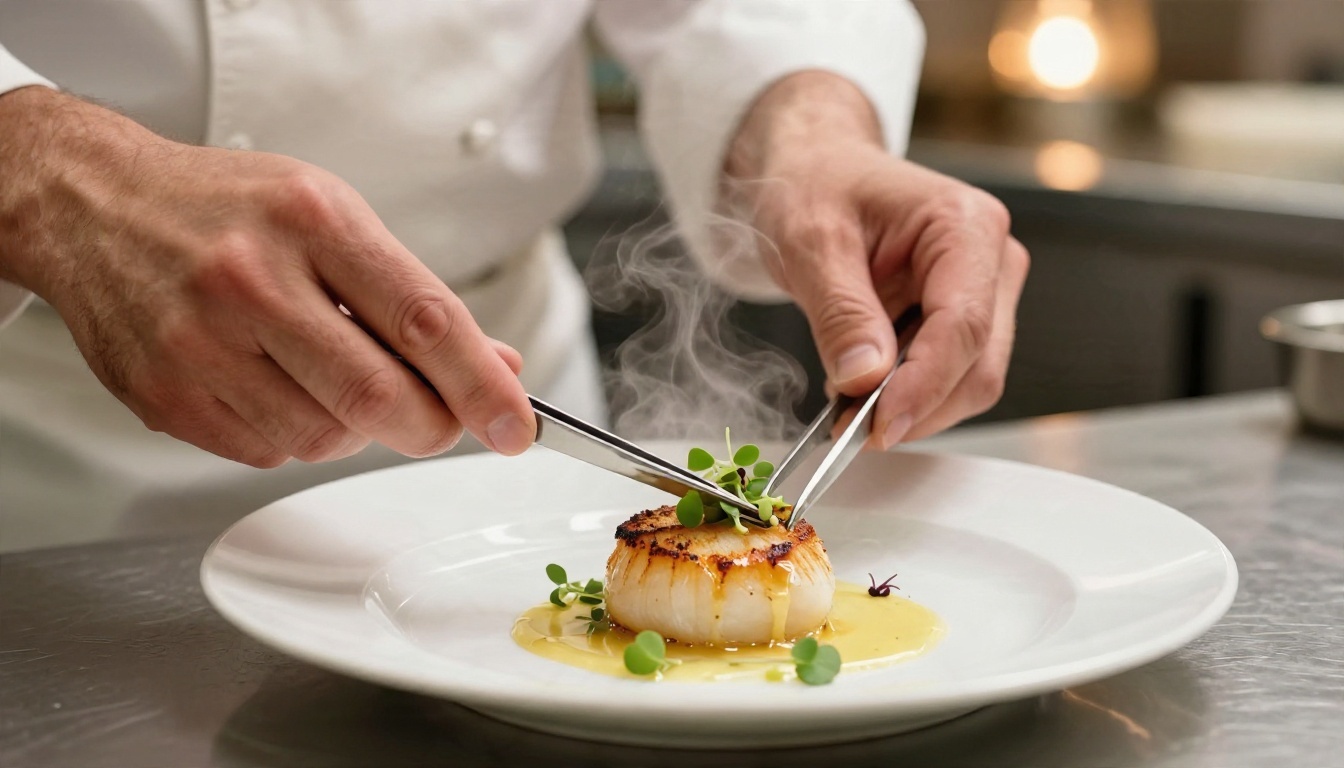
Five-Course Tasting Menu
A tasting menu works when your chef has a following. Smaller portions, more courses and a longer evening let you charge $110 to $190 per person without guests blinking. Add an amuse-bouche and a palate cleanser, and the table will talk about the night for weeks.
Keep each course to three or four bites. Guests should leave satisfied, not stuffed, or they will skip dessert and the wine pairing.
Sharing Plates for Two
For tapas bars and wine bars, build a menu around plates meant for two people. Think a charcuterie board, a whole roasted fish, a shared steak with two sauces and one oversized dessert with two spoons. Sharing feels romantic, and it pushes guests to order more small plates than they would alone.
Vegetarian and Vegan Romance
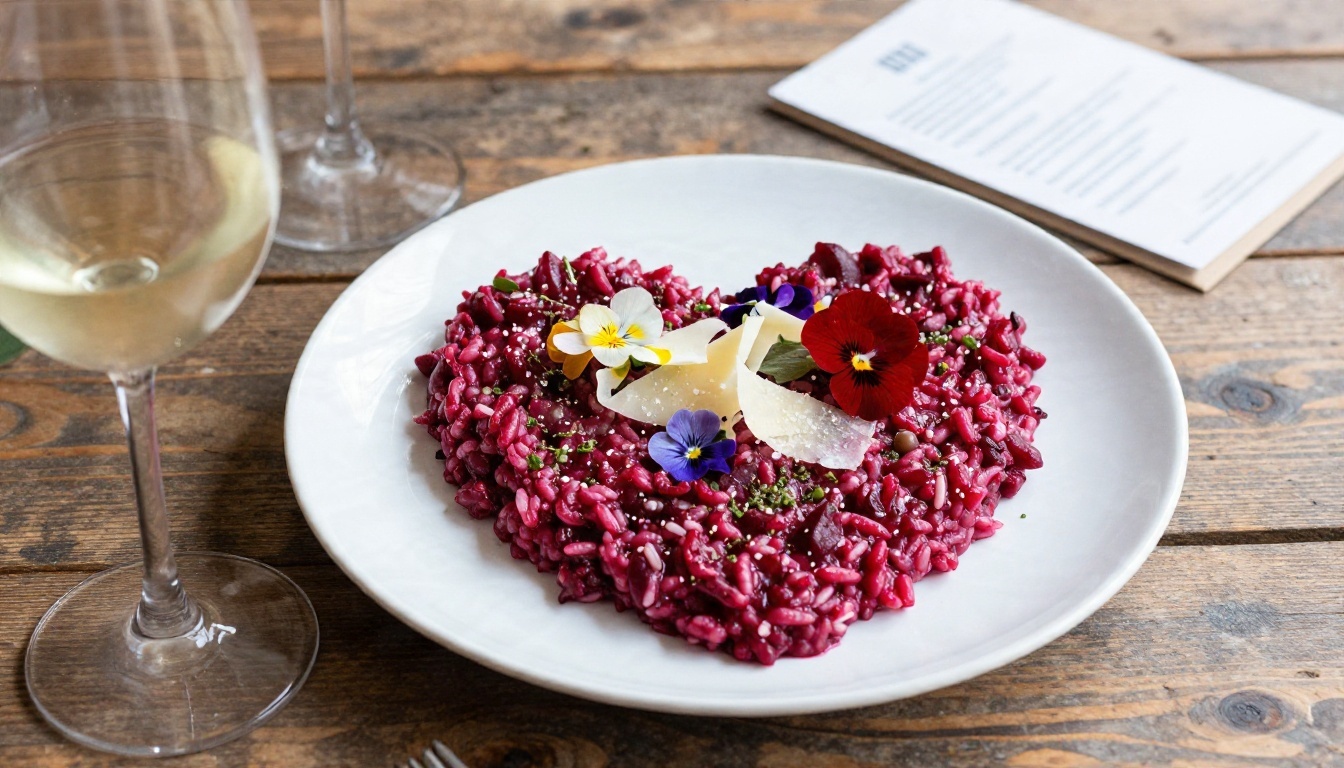
At least one in five couples has a dietary restriction at the table. A weak vegetarian option is a missed sale. Treat the plant-based course as a headline dish, not an afterthought: beetroot risotto with shaved parmesan, wild mushroom wellington or a roasted cauliflower steak with romesco.
✅ Best practice: Label vegetarian, vegan and gluten-free dishes with small icons. Guests with allergies will trust you more, and your servers will field fewer questions.
Cocktail and Wine Pairings
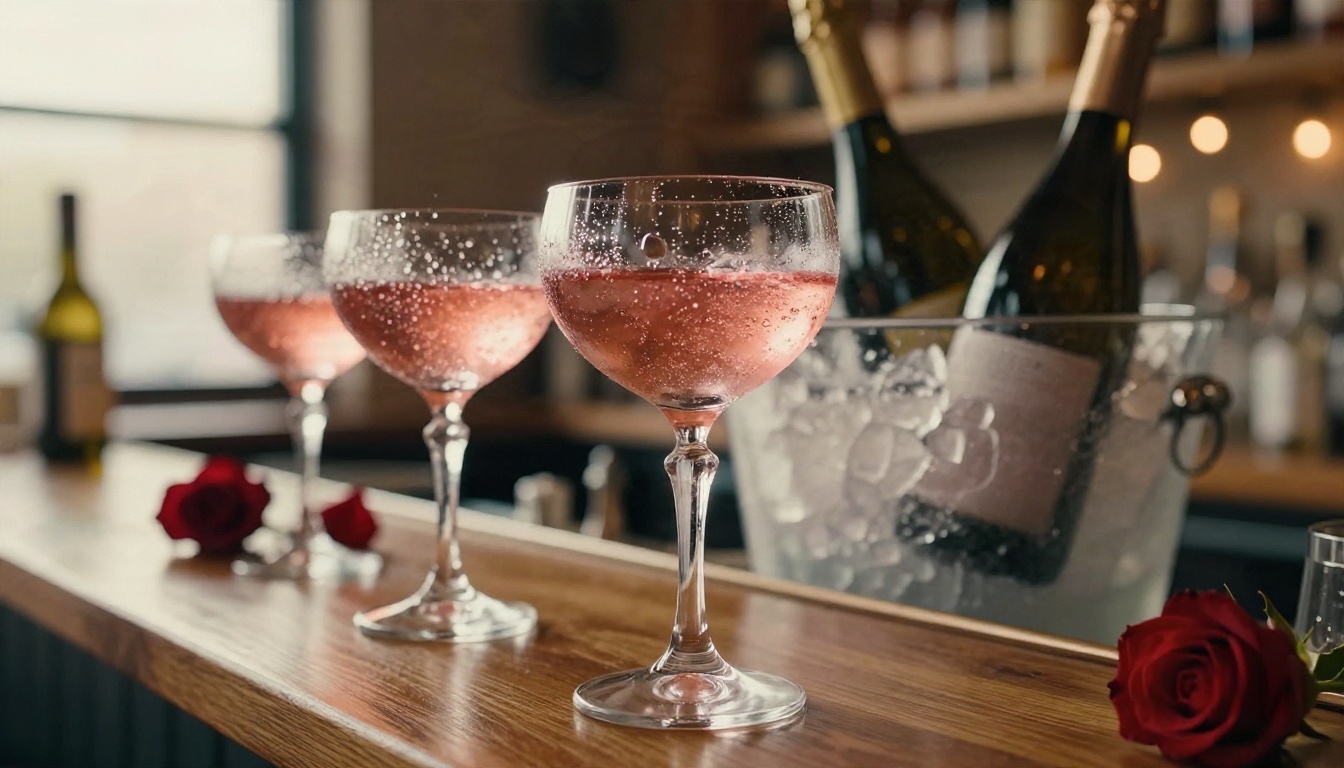
Pairings are the easiest add-on for margin. Offer a three-glass pairing that matches each course, plus a signature cocktail for arrival. A rosé spritz, a champagne cocktail with raspberry or a bourbon old fashioned with a cherry all photograph well and sell fast.
Pricing is where most owners hesitate. The trick is to start from your costs, then add the value of the evening itself.
Food Cost Math
A healthy target for a fixed menu is a 28 to 32 percent food cost. Add up the plate cost for each course, then divide by your target percentage. For example, if starter, main and dessert cost you $17.50 combined, divide by 0.30 to get a menu price of about $58. Round up to $62 or $65, since guests expect Valentine's pricing to feel special.
⚠️ Warning: Do not forget the free extras. A bread course, an amuse-bouche and a rose for each table all count toward your real cost.
Price Tiers at a Glance
These ranges are typical for North American restaurants in mid-sized cities. Adjust them for your market, your rent and your reviews.
| Restaurant Type | Format | Price Per Person | Add-On Pairing |
|---|
| Casual bistro | 3-course prix fixe | $45 to $65 | $25 to $35 |
| Neighborhood Italian | 3-course with shared antipasti | $55 to $80 | $30 to $45 |
| Upscale steakhouse | 4-course with surf and turf option | $95 to $140 | $55 to $85 |
| Fine dining | 5-course tasting menu | $120 to $190 | $75 to $130 |
| Wine bar or tapas | Sharing plates for two | $70 to $110 per couple | $20 to $40 |
Add-Ons That Raise the Check
Small extras raise the average ticket without making the base price look high:
- Champagne toast on arrival for $12 to $18 per glass
- Caviar or oyster course as a $22 to $38 supplement
- Rose bouquet or chocolate box to take home for $15 to $25
- Dessert for two with a candle for $18 to $28
- Private table or window seat with a $10 to $20 per person upcharge
A good template saves hours and keeps the page looking calm. Valentine's menus should feel like a love letter, not a price list.
Layout Rules That Work
Follow these rules and your menu will look polished even without a designer:
- One page, one idea. Use a single page for the prix fixe, and a second page for drinks and add-ons.
- Drop the dollar signs. Write "62" instead of "$62.00". Research on menu psychology suggests this makes guests less price-sensitive.
- Use three typefaces at most. A serif for headings, a clean sans for descriptions and a script only for the title.
- Keep descriptions under 15 words. Name the main ingredient and the cooking method, nothing more.
- Reserve white space. A crowded menu feels cheap. Empty margins feel expensive.
Template Formats Compared
Choose the format that fits how your guests actually browse the menu.
| Template | Best Use | Pages | Guest Experience |
|---|
| Single-page prix fixe | Bistros, quick service seatings | 1 | Fast to read |
| Folded card menu | Table service, fine dining | 2 to 4 | Feels premium |
| Digital flipbook menu | Online promotion, QR codes | 3 to 8 | Page-turning, mobile-ready |
| Chalkboard special | Cafes, casual restaurants | 1 | Quick glance |
| Pairing booklet | Wine bars, tasting menus | 4 to 6 | Educational and elegant |
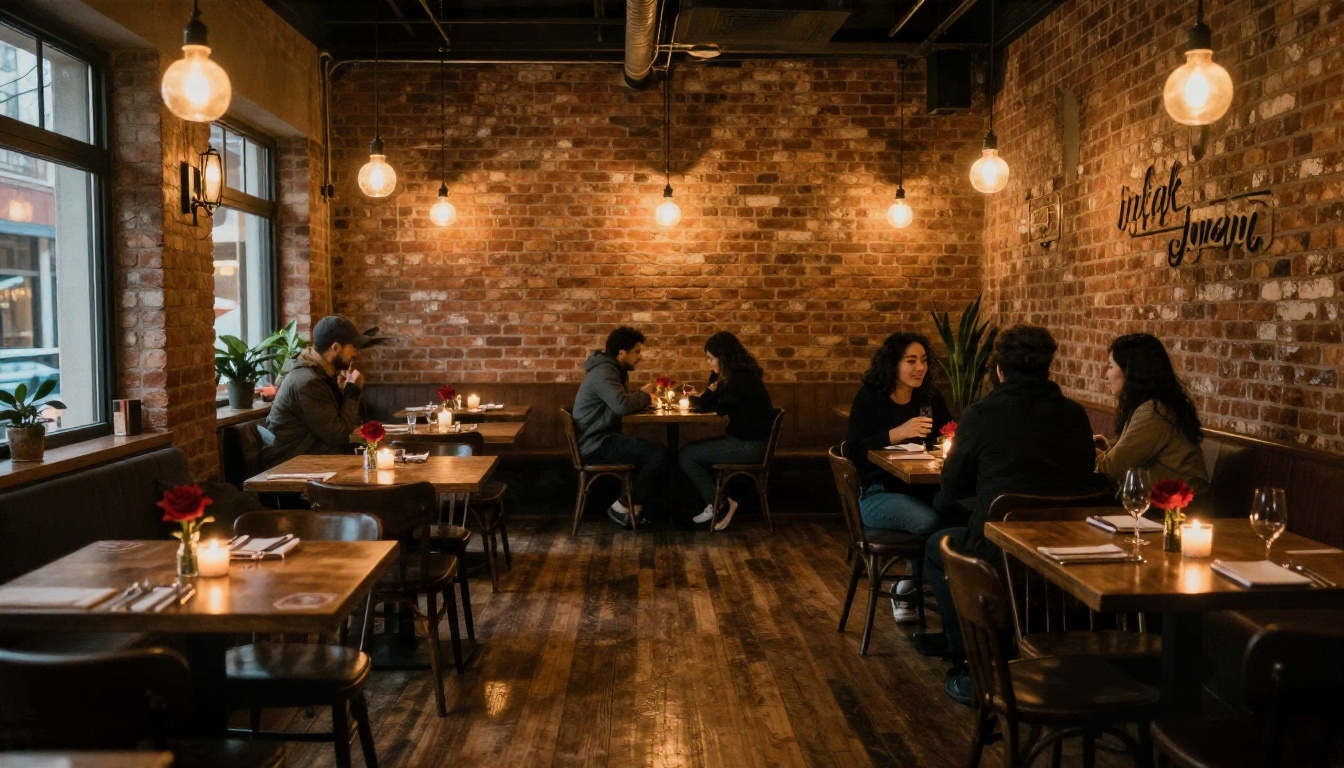
Printed menus are still lovely at the table, but most guests will see your offer on their phone first. They find you on social media, check your website, then decide whether to book. A flat PDF that needs pinch-and-zoom loses them. A flipbook opens instantly, turns pages like a real menu and looks sharp on every screen.
The Restaurant Menu Creator and Menu Flipbook Designer on Flipbooks AI are built for exactly this job. Here is the process from start to finish.
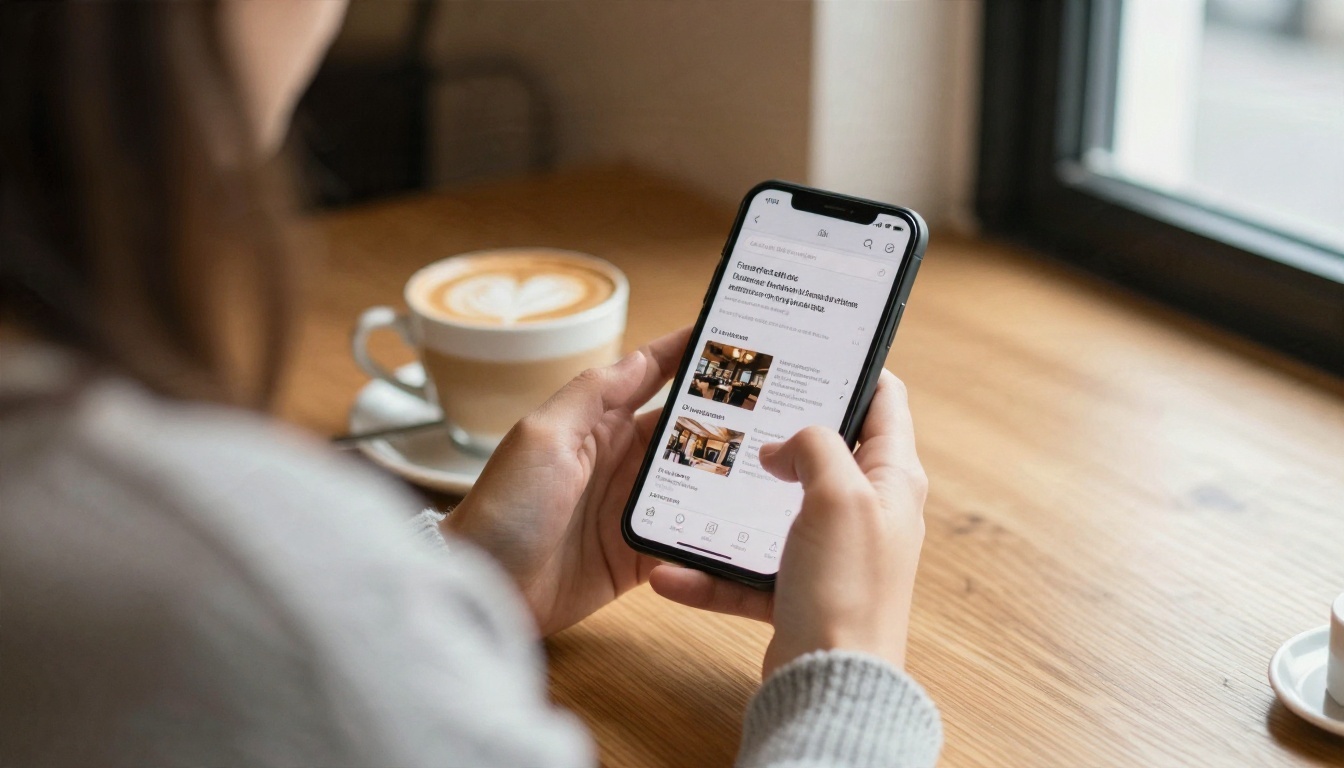
Step-by-Step Setup
- Create your account. Go to Flipbooks AI and sign up. It takes under a minute.
- Design your menu as a PDF. Use Canva, Word, Google Docs or InDesign. Export at A4 or Letter size with images set to at least 150 dpi.
- Upload the file. Drag the PDF into the dashboard. The PDF to Flipbook Converter turns each page into a flippable spread in seconds.
- Check the preview. Flip through on desktop and on your phone. Make sure prices are legible and no dish is cut off.
- Publish. Copy the direct link, place it in your Instagram bio, your Google Business profile and your reservation confirmation emails.
💡 Pro tip: Name your flipbook "Valentine's Menu 2027" and keep the same link every year. Your Google listing and your QR codes will never go stale.
Customize and Share
Once the menu is live, polish it so it matches your restaurant's look:
- Custom branding: Add your logo, pick a background color that matches your dining room and choose a page-turn effect
- Multimedia: Embed a short chef video or a background audio track for atmosphere
- Password protection: Keep a private tasting menu for VIP guests or loyalty members
- Embed on your site: Use the Embed Flipbook on Website option so the menu lives directly on your reservations page
- QR codes: Print a QR code on table tents and window posters so walk-by traffic can read the menu on the sidewalk
No watermarks appear on your menu, and the layout is fully mobile-responsive, which matters because over half of restaurant menu views happen on a phone.
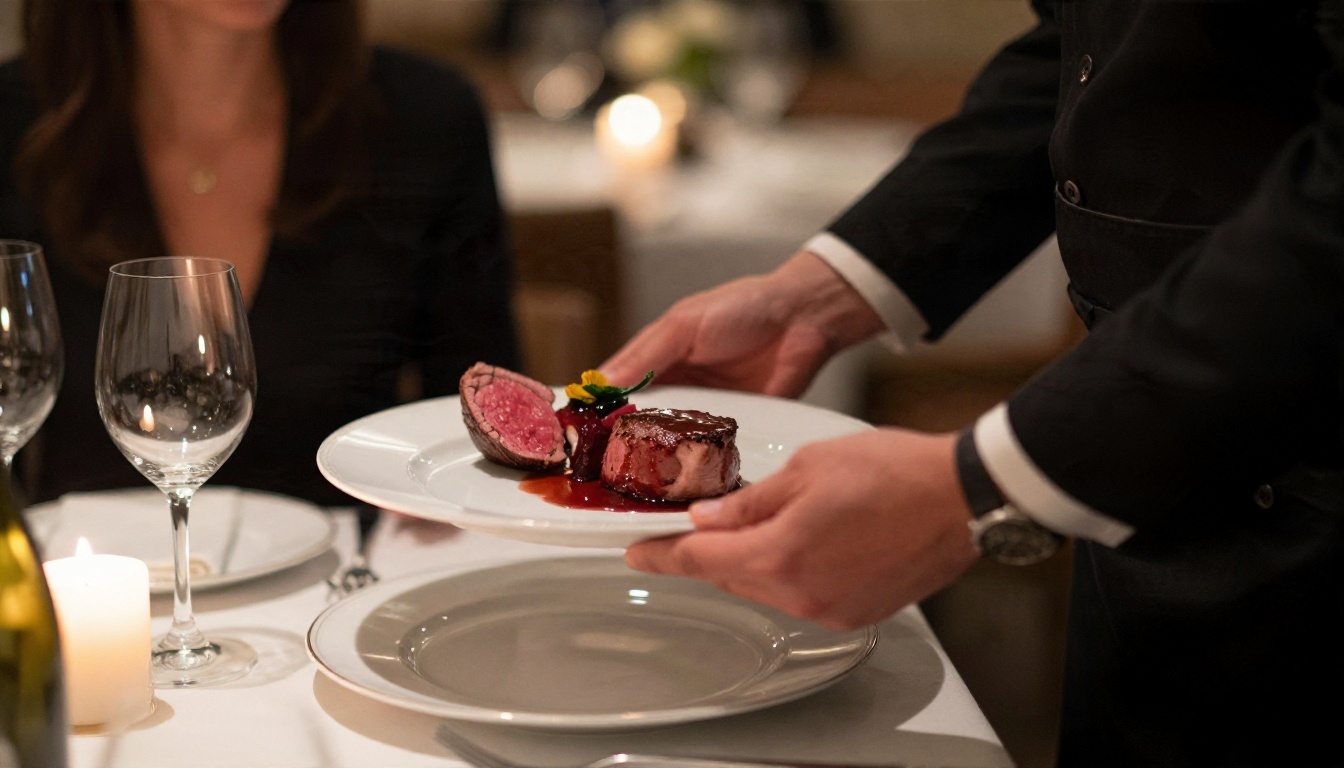
Pro Features Worth Using
On the Professional plan, you can see how guests interact with the menu, which pages they read longest and where they drop off. Use analytics and lead capture to collect email addresses for next year's pre-booking list. Offline downloads let guests save the menu and open it later without a connection. If you run weekly specials, the Digital Price List Generator is a quick way to keep prices current across your whole season.
| Feature | Standard Plan | Professional Plan |
|---|
| Unlimited flipbooks | Yes | Yes |
| No watermarks | Yes | Yes |
| Custom branding | Yes | Yes |
| Password protection | Yes | Yes |
| Embedded video and audio | Yes | Yes |
| Analytics and lead generation | No | Yes |
Compare the full pricing plans before you decide which tier fits your restaurant.
Launch Timeline and Common Mistakes
A strong Valentine's menu is a six-week project. Start in early January and you will never be scrambling on February 13.
Your Six-Week Timeline
| Week | Task |
|---|
| 6 weeks out | Choose the format, set price tiers and cost out each dish |
| 5 weeks out | Test the dishes with your kitchen team and photograph the best plates |
| 4 weeks out | Build the menu PDF and publish the flipbook |
| 3 weeks out | Open reservations, post the link on social media and in your email list |
| 2 weeks out | Confirm supplier orders for scallops, beef, flowers and chocolate |
| 1 week out | Train servers on every dish, pairing and allergen note |
| Event day | Print backup menus, set the QR codes at each table and enjoy the rush |
Mistakes to Avoid
Most failed Valentine's services come from the same handful of errors:
- Too many choices. Five mains will slow down the kitchen. Two or three is plenty.
- Late announcements. Couples book two to three weeks ahead. If your menu goes live on February 7, you've already lost half the demand.
- Ignoring allergies. Tag every dish clearly, and train staff to answer questions without checking with the chef.
- Underpricing. A $45 menu with $18 food cost looks generous, but it leaves nothing for labor, flowers and the extra staff you need.
- No digital version. If guests can't see the menu before booking, many will simply book somewhere that shows theirs.
⚠️ Warning: Never print the menu without a proofread from two people. A typo in a price or a dish name is expensive and embarrassing at a premium event.
A Valentine's menu is more than a list of dishes. It is a promise about how the night will feel. Pick a format that matches your kitchen, price it from real costs, keep the layout calm and put the finished menu where couples will actually find it.
Ready to put your menu online? Get started for free on Flipbooks AI and have your flipbook live in minutes. Browse all flipbook tools and templates for event programs, recipe books and more, or compare pricing plans to choose the one that fits your restaurant. Your guests are already searching for where to spend February 14. Make sure your menu is the first thing they see.



