You can knit for years and still be unsure which pieces will actually sell. One maker fills a market table with scarves and goes home with a full bag, while another brings forty intricate shawls and sells two. The difference is rarely skill. It is usually product choice, price, and how clearly the range is presented. This article breaks down what knitted items sell best, how to price them so you are paid fairly, and how to build a pattern catalog that customers can browse on any phone. If you want a digital showcase for your range, Flipbooks AI turns a simple PDF into a page-turning catalog in minutes.
What Knitted Items Sell Best
Across craft fairs, Etsy-style marketplaces and Instagram shops, the same categories keep appearing at the top. They share three traits: they are useful, they are giftable, and they are quick enough to knit that the price stays reasonable.
Beanies and Hats
Hats are the most reliable knitted product. They use little yarn, take a few hours to finish, and sell in every cold month. Pom-pom beanies, slouchy hats and ribbed watch caps all move well, especially in neutral colors like oatmeal, charcoal and forest green.
Scarves, Cowls and Wraps
Scarves are the classic impulse buy. A cabled scarf in dove grey or a chunky cowl in mustard looks premium on a table, and buyers can picture wearing it instantly. Infinity cowls outsell long scarves at many stalls because they are easier to wear with a coat.
Baby Blankets and Booties
Baby items are driven by gifts, and gift buyers care less about price. A soft merino or cotton blanket in a gender-neutral color is a strong seller year round. Booties and tiny hats make perfect add-on items for a baby shower bundle.
Mittens and Fingerless Gloves
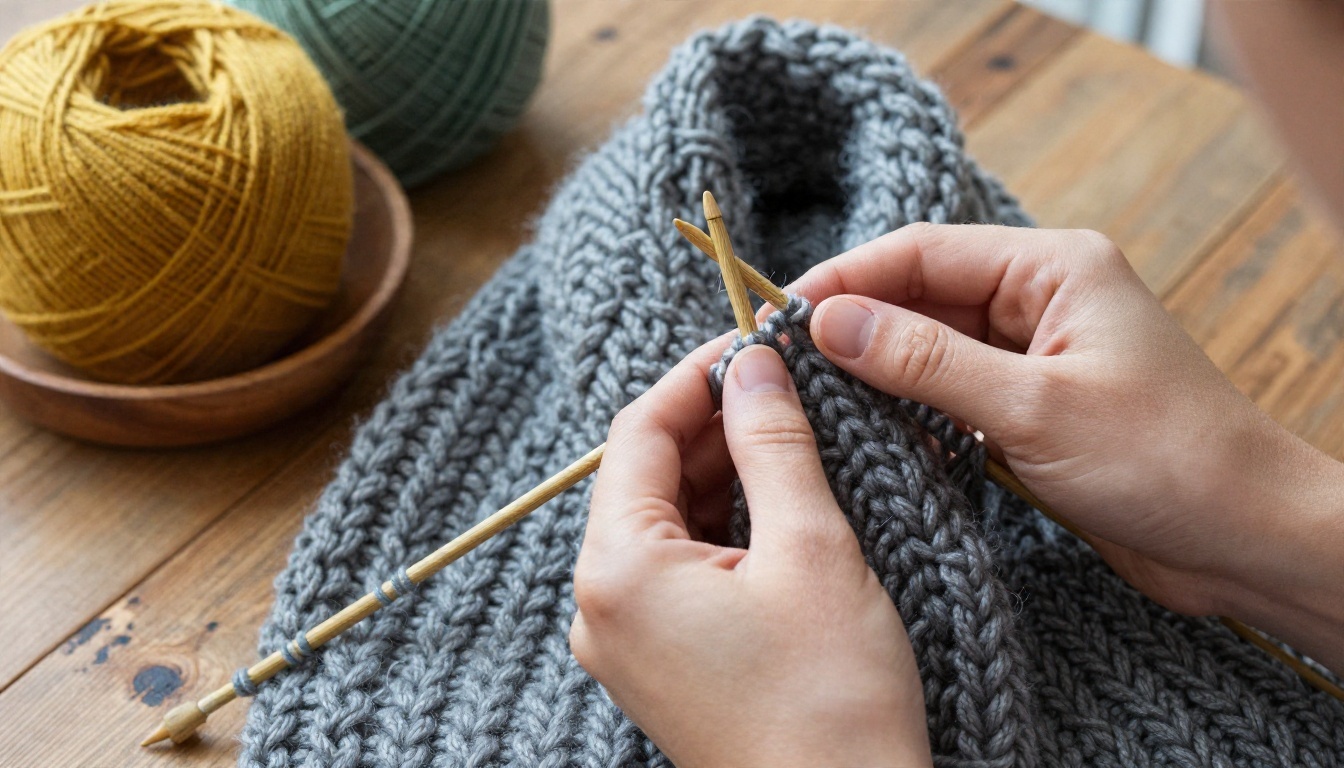
Fingerless mitts are quick, easy to size, and popular with students, cyclists and office workers. Full mittens with a fleece lining command a higher price because buyers see them as a durable winter essential.
Home Items
Chunky throw blankets, cushion covers, dish cloths and coasters round out the list. Throws are your highest ticket item, while cotton dish cloths are an easy low-cost entry point that brings in first-time buyers.
Amigurumi and Toys
Small knitted animals and stuffed toys sell strongly to parents and collectors. They are labor heavy, but the pattern can be reused and customized by color or name.
💡 Pro tip: Sell at least one item under $15, one between $25 and $50, and one above $80. A three-tier range lets every visitor find something, and it makes your mid-priced pieces look like a bargain.
Top Sellers Compared
The table below gives a quick view of how the main categories stack up. The numbers are typical ranges seen in handmade markets, so adjust them for your region and skill level.
| Product | Knit Time | Typical Price Range | Best Season | Demand Level |
|---|
| Pom-pom beanie | 3 to 5 hours | $25 to $45 | Autumn, winter | Very high |
| Cabled scarf | 8 to 12 hours | $45 to $90 | Autumn, winter | High |
| Infinity cowl | 4 to 6 hours | $30 to $55 | Autumn, winter | High |
| Fingerless mitts | 3 to 4 hours | $22 to $40 | Autumn, winter | Medium |
| Baby blanket | 15 to 25 hours | $70 to $160 | Year round | High |
| Baby booties | 1 to 2 hours | $15 to $28 | Year round | Medium |
| Chunky throw | 10 to 20 hours | $120 to $250 | Winter, holidays | Medium |
| Cotton dish cloth set | 2 to 3 hours | $12 to $24 | Year round | Medium |
| Amigurumi toy | 6 to 10 hours | $30 to $75 | Holidays | Medium |
Notice the pattern: the fastest items, such as beanies and booties, give you the best return per hour, while large pieces earn more per sale but need a patient buyer.
Match Products to the Season
Timing matters as much as the product itself. Many knitters start too late and miss the buying window.
- August and September: Start building stock of hats, scarves and mitts for autumn markets.
- October and November: Promote gift sets and make sure your shop photos are ready.
- December: Offer ready-to-ship items only, because buyers panic about delivery dates.
- January to March: Push blankets, home items and lightweight cotton pieces.
- April to July: Focus on baby gifts, summer tops, market bags and custom orders.
⚠️ Warning: Do not launch a brand new product line in the week before a big fair. Test new designs on friends, family or social media first so you know the price and color range works.
How to Price Knitted Items
Underpricing is the most common mistake in handmade selling. When a buyer sees a $12 scarf, they do not think "bargain." They think "this must be machine made" or "this will fall apart."
The Simple Formula
Use this formula as your starting point:
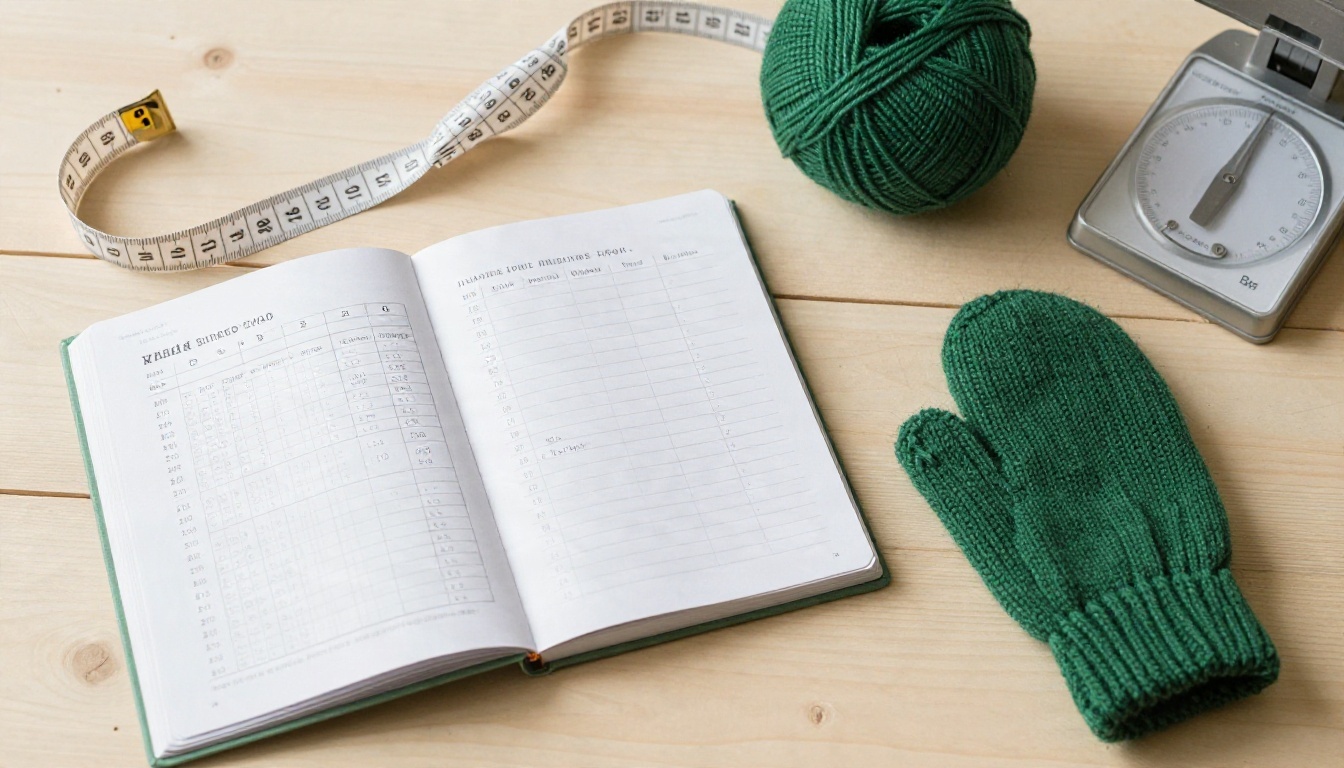
(Materials + Labor + Overhead) x Profit margin = Retail price
- Materials: Weigh the yarn used and multiply by the cost per gram. Add buttons, tags and packaging.
- Labor: Track your knitting time and pay yourself an hourly rate, even a modest one.
- Overhead: Add a small percentage for market fees, website costs, photography and travel.
- Profit margin: Multiply by 1.3 to 1.5 to keep the business healthy and leave room for discounts.
A Worked Example
Let's price a pom-pom beanie:
| Cost Item | Amount |
|---|
| Yarn (100 g at $0.10 per gram) | $10.00 |
| Pom-pom, tag and packaging | $2.00 |
| Labor (4 hours at $12 per hour) | $48.00 |
| Overhead (10 percent) | $6.00 |
| Subtotal | $66.00 |
Most buyers will not pay $66 for a beanie at a casual market. That does not mean the formula is wrong. It means you have three choices: knit faster, use a cheaper yarn, or sell through channels where customers value handmade work more, such as online boutiques and custom orders. Many sellers set a market price around $35 to $45 and treat the formula as a reality check on which products are worth making at all.
Wholesale and Retail Prices
If you want stores to stock your work, wholesale should be about half of retail. Your retail price must be high enough to survive that cut. This is why many sellers keep wholesale to simple, fast products like hats and cowls, and sell larger pieces directly.
| Sales Channel | Price Level | Pros | Cons |
|---|
| Craft fair | Retail | Instant cash, direct feedback | Table fees, weather |
| Online shop | Retail | Global reach, no table fees | Needs strong photos |
| Wholesale | 50 percent of retail | Bulk orders | Lower margin |
| Custom orders | Retail plus 15 to 30 percent | Highest margin | Slower, more messaging |
| Pattern sales | Digital, near zero cost | Passive income | Needs a visible catalog |
✅ Best practice: Never discount your first price. Instead, offer bundles, like a hat and mitts set for a few dollars off. The buyer feels rewarded and your item price stays protected.
Pattern Catalog Examples
Selling finished pieces trades your time for money. Selling patterns lets you earn from the same design again and again. The challenge is that patterns are hard to show in a single product photo. Buyers want to see skill level, yarn weight, sizes, finished measurements and a few photos of the design.
A well-built pattern catalog solves this. Here are three real-world examples of how knitters organize one.
The Seasonal Collection
A designer groups eight patterns into a "Winter Warmers" catalog. Each page shows one finished item, the yarn needed, the difficulty level and the price. The catalog is released every October, and the designer sends it to her email list.
The Skill Ladder
A teacher arranges patterns by level: Beginner (dish cloths, simple scarves), Intermediate (cabled hats, mitts) and Confident (lace shawls, colorwork sweaters). Students can move up one rung at a time, and each purchase leads naturally to the next.
The Wholesale Line Sheet
A small yarn brand builds a catalog for shop owners. Each page lists wholesale price, minimum order quantity, colors and lead time. Shop owners can browse it on a tablet and request a quote straight away.
| Catalog Type | Audience | Key Page Content | Best Format |
|---|
| Seasonal collection | Existing fans | Hero photo, price, difficulty | Flipbook with link to checkout |
| Skill ladder | Beginners and learners | Level, yarn, sizes | Flipbook with embedded videos |
| Wholesale line sheet | Shop owners | Wholesale price, minimums | Password-protected flipbook |
| Custom order menu | Gift buyers | Options, colors, lead times | Embedded flipbook on website |

How to Create a Knitting Catalog with Flipbooks AI
A flipbook is a digital catalog that feels like turning real pages. It works on desktop and mobile, loads fast and can be shared with a single link. You do not need design skills. If you can build a document with photos and text, you can publish a flipbook.
Step 1: Prepare Your Pages
Use any tool you already know, such as Canva, Word or Google Docs. Place one product or pattern on each page. Include a clear photo, a short description, sizes, yarn weight and price.
Step 2: Create Your Account
Head to Flipbooks AI and sign up. You can look at the available plans and features before you decide what you need.
Step 3: Upload and Convert
Upload your PDF with the PDF to Flipbook Converter. Within moments, your pages become an interactive flipbook with a realistic page-turn effect.
Step 4: Customize the Look
Add your logo, choose background colors that match your brand (warm creams and sage greens suit knitwear well) and pick the page effects you like. You can also add links to your shop on each product page, and embed a short video that shows how a stitch pattern is worked.
Step 5: Choose Your Catalog Tool
For finished products, the Product Catalog Generator is a natural fit. For a pattern range, try the Digital Catalog Maker. If your price list changes often, the Digital Price List Generator keeps things simple.
Step 6: Share It
- Direct link: Paste it in your Instagram bio, newsletter or WhatsApp.
- Embed code: Place the catalog on your website with the Embed Flipbook on Website tool.
- Password protection: Keep your wholesale catalog private so only approved shops can see your trade prices.
- Offline download: Let buyers save the catalog for later, which is handy at markets with weak signal.
Step 7: Track Results
On the Professional plan, you can see which pages get the most views and capture contact details through lead forms. If your cabled scarves page gets triple the views of your mittens page, you know where to put your energy next. Review the pricing page to see which plan matches your needs.
💡 Pro tip: Every flipbook is free of watermarks, so your catalog looks like your own brand from the first page to the last.
Photograph Your Work Well
Knitwear is tactile, and photos have to do the touching for the buyer. Good images lift conversion more than any price change.
- Use natural window light. Avoid flash, which flattens the texture of the stitches.
- Show scale. Place items on a model, a mannequin or beside a common object.
- Get close. Add one detail shot of cable work, ribbing or colorwork on every product page.
- Keep backgrounds simple. Linen, wood and white walls let the yarn color stand out.
- Shoot a lifestyle picture. A beanie on a real person sells better than a beanie on a table.
Mistakes That Cost Sales
- Too many designs, too little stock. Ten sizes of one hat sell better than ten different hats in one size.
- Inconsistent colors. Pick a palette of four to six colors so your table looks curated.
- Missing care instructions. Buyers want to know if a blanket can be machine washed. Add this to every product page.
- No price on the catalog. If people have to ask, many will simply walk away.
- Ignoring custom orders. Offering a name embroidered on a baby blanket or a color choice for a scarf can double the price.
Your Next Step
Start small. Pick three products from the table above, price them with the formula, photograph them in natural light and place them in a short catalog. Then put it online and send the link to ten people who might buy.
Ready to build your first knitting catalog? Get started for free on Flipbooks AI, browse all flipbook tools to find the right template, or compare pricing plans to see which one fits your shop.



