Most small business owners do not need a glossy national campaign. They need a few thousand of the right neighbors seeing their name, month after month, without signing away a quarter of the marketing budget. That is exactly why hyperlocal magazines are quietly winning ad dollars from shops, clinics, realtors, and contractors. The good news: many of them now sell flexible packages, and a growing number add digital editions built with tools like Flipbooks AI. This article sorts out who offers what, what it costs, and how to pick a package that fits.
💡 Quick note on numbers: Every publisher sets its own rate card. The price ranges below are typical market ranges for community titles, not quotes from any specific magazine. Always request the current media kit before you budget.
Who Actually Offers Flexible Ad Packages
Not every local title is built the same way. The format of the publication decides how much flexibility you can expect. Broadly, three groups sell flexible advertising packages: network titles, independent community magazines, and niche lifestyle publications.
Franchise and Network Titles
Network brands run the same format in many towns, which means standardized, predictable packages. Placemat style weeklies such as Coffee News, regional lifestyle franchises, and food culture networks like Edible are well known examples of this model. Because the structure is repeated across markets, the pricing tends to be transparent and the entry ticket is low.
What you usually get:
- Small fixed ad sizes (business card, quarter page, half page)
- Category exclusivity, so only one dentist or one roofer per issue
- Short commitments, often three to six issues
- A ready media kit with distribution numbers
Independent Community Magazines
These are the mailed or hand-delivered monthlies produced by a small team, often one editor and one or two sales reps. Independents are where you find the most negotiable packages. The owner can say yes to a custom bundle on the spot, because there is no corporate approval chain.
Common flexible options include trial inserts, pay-per-issue pricing, and bundled advertorial plus display ad deals.
Niche Lifestyle Titles
Think of a magazine for new parents in one county, a luxury homes title for a single zip code cluster, or a local outdoors quarterly. Audiences are smaller but sharply defined. Rates per thousand readers can look high, yet the lead quality is often better because the readers already care about the topic.
| Publisher Type | Typical Flexibility | Contract Length | Best For |
|---|
| Franchise or network | Fixed sizes, set discounts | 3 to 12 issues | Service businesses, restaurants |
| Independent community | Custom bundles, trial rates | 1 to 12 issues | Retail, trades, professionals |
| Niche lifestyle | Themed packages, sponsored features | 2 to 6 issues | Premium brands, specialists |
| Digital only local mag | Impression or flat monthly | Month to month | Startups, event promoters |
What Flexible Packages Really Cost
Pricing depends on circulation, print quality, mailing method, and how wealthy the readership is. Still, patterns repeat across markets, so you can set a realistic budget before you pick up the phone.
Typical Price Ranges
The table below shows single issue ranges for a community title with roughly 10,000 to 25,000 homes reached. Treat them as ballpark figures.
| Ad Size | Single Issue Range | With 6 Issue Commitment | With 12 Issue Commitment |
|---|
| Business card | $90 to $250 | 10% to 15% off | 20% to 25% off |
| Quarter page | $250 to $600 | 10% to 15% off | 20% to 30% off |
| Half page | $500 to $1,100 | 12% to 18% off | 25% to 35% off |
| Full page | $900 to $2,000 | 15% to 20% off | 30% to 40% off |
| Inside front or back page | $1,300 to $3,200 | Premium, small discounts | Premium, negotiated |
| Sponsored article | $400 to $1,500 | Bundle with display ad | Bundle with display ad |
Digital add-ons are usually priced separately. A flipbook edition banner might run $50 to $200 per month, while a dedicated email blast to the publisher's list can range from $100 to $400.
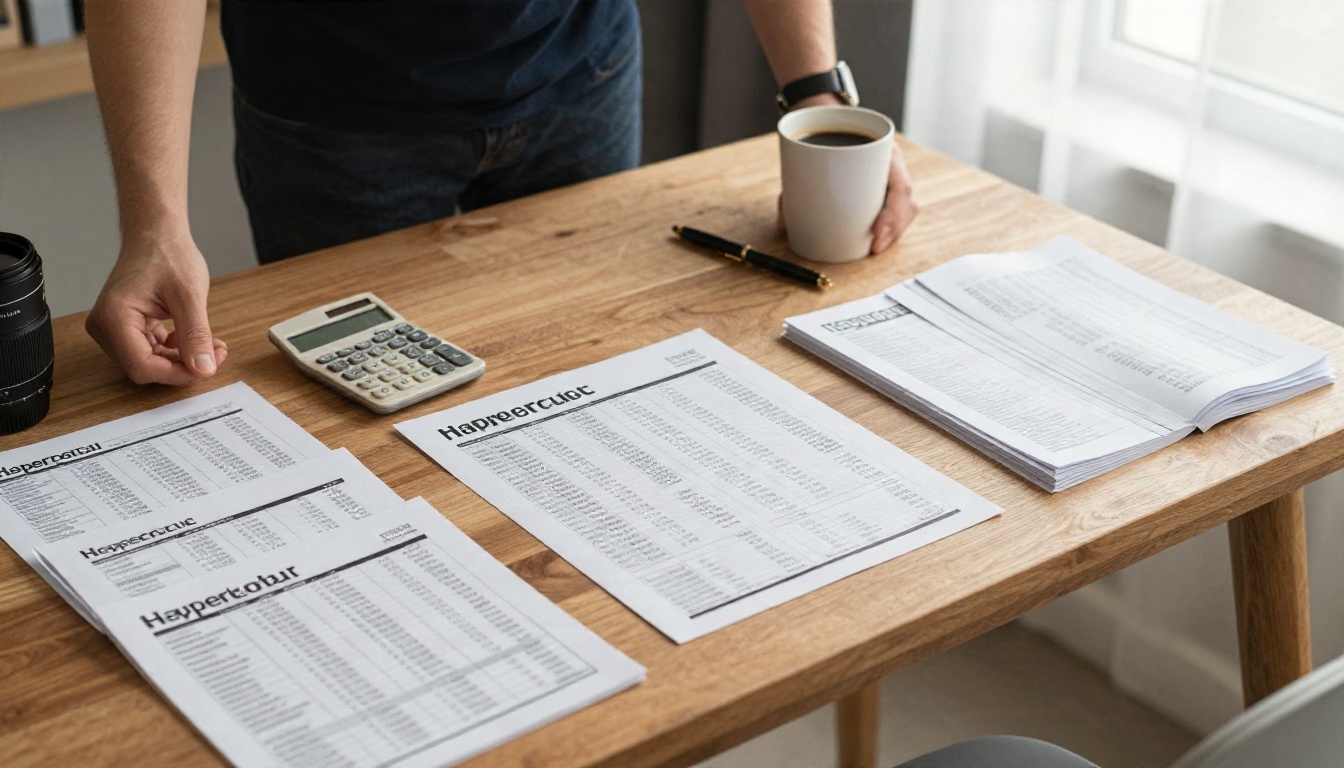
⚠️ Watch the cost per reader, not just the price tag. A $300 quarter page that reaches 8,000 homes costs about $37 per thousand. A $600 quarter page reaching 25,000 homes costs $24 per thousand. The cheaper ticket is not always the cheaper deal.
Hidden Fees to Ask About
Flexible does not always mean fully transparent. Before you agree to anything, ask about:
- Design fees. Some publishers charge $50 to $150 to build your ad.
- Proof changes. A limited number of free revisions is typical.
- Position surcharges. Right hand pages and back sections cost more.
- Auto renewal clauses. A six issue deal can quietly roll into twelve.
- Late creative penalties. Missed deadlines may cost you your spot.
Real Examples of Package Structures
Theory is fine, but nothing beats seeing how packages are assembled. These three scenarios are sample structures that publishers commonly build, not quotes from named titles.
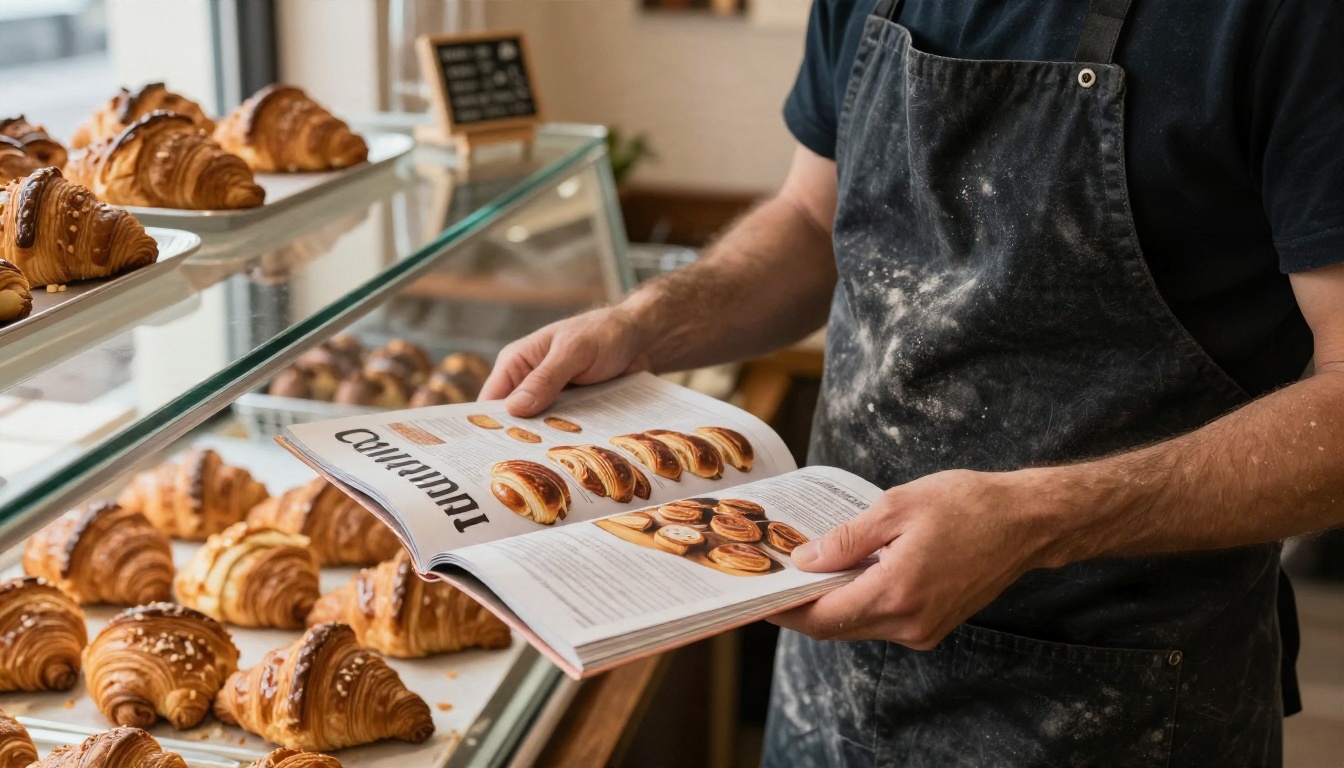
The Bakery Bundle
A neighborhood bakery wants steady foot traffic without overspending. A typical flexible deal looks like this:
- Quarter page ad in six consecutive issues
- One sponsored recipe feature during the holiday issue
- A digital edition banner linking to the online order page
- Total budget: roughly $1,800 to $3,000 across six months
The bakery tests the creative in the first two issues, swaps the offer in issue three, and ties each ad to a printed coupon code so results are easy to count.
The Realtor Series
Real estate agents benefit from repetition and trust. A flexible package might include a half page ad every month, a recurring "market update" column of 250 words, and a listing spotlight in the digital edition. Agents often negotiate category exclusivity here, since a competitor next to their ad would waste the spend.
If you need a polished property handout to pair with the ad, a Real Estate Brochure built as a flipbook can be linked straight from the magazine's online edition.
The Seasonal Service Pro
Landscapers, HVAC companies, and snow removal crews only need visibility for a few months. Smart publishers sell them a seasonal burst: three issues before the season peaks, plus one reminder issue. No year long contract, no wasted summer spend for a furnace installer.
| Business | Package Style | Issues | Estimated Spend | Main Goal |
|---|
| Bakery | Quarter page plus feature | 6 | $1,800 to $3,000 | Foot traffic |
| Realtor | Half page plus column | 12 | $6,000 to $10,000 | Listings and brand |
| Landscaper | Seasonal burst | 4 | $1,200 to $2,800 | Booked estimates |
| Dental practice | Category exclusive | 12 | $3,500 to $6,500 | New patients |
| Event promoter | Sponsored article plus email | 2 | $600 to $1,800 | Ticket sales |
Digital Options Worth Adding
Print is trusted, but print alone leaves money on the table. Most hyperlocal publishers now offer at least one digital layer, and the better ones bundle it for free or at a small premium.
Flipbook Editions
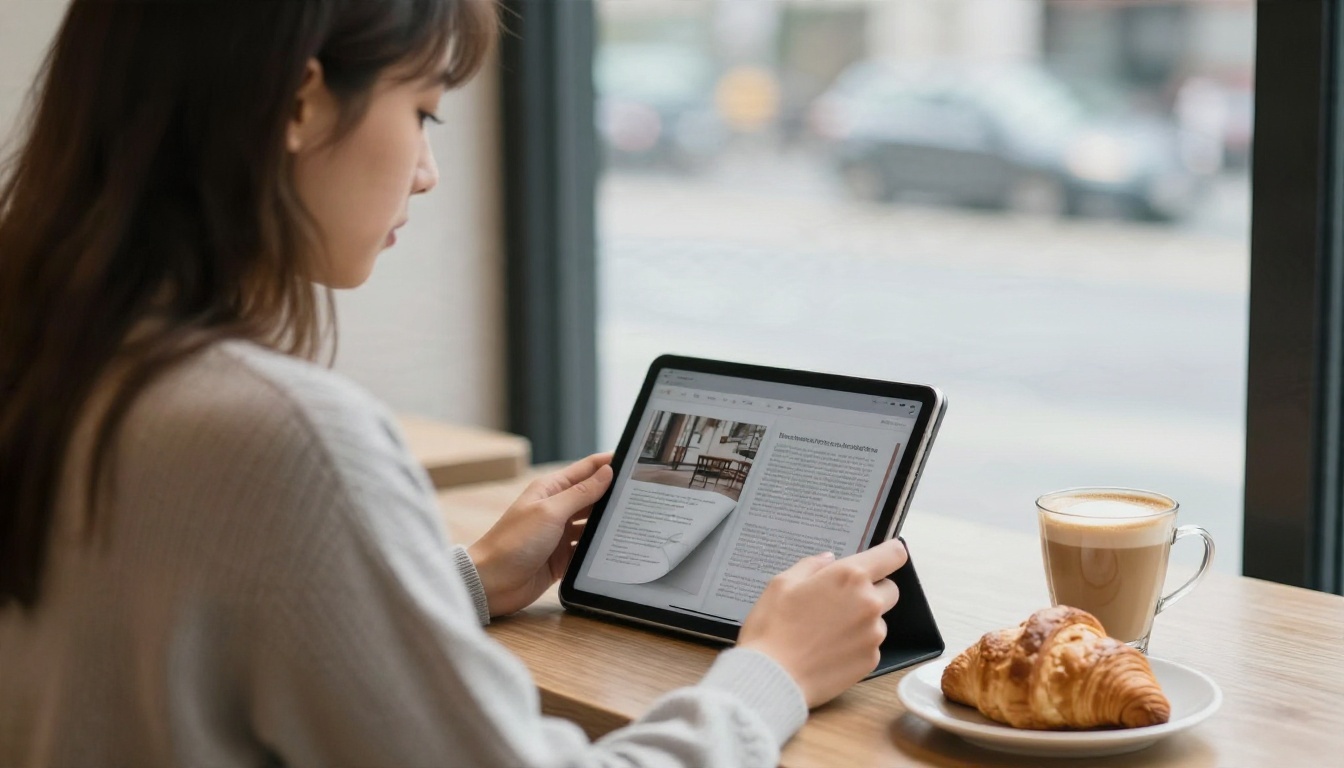
A flipbook edition is the online replica of the printed issue, complete with page turning animation. It works on phones, can be shared with one link, and keeps your ad clickable. Publishers who run their editions through a platform like Flipbooks AI can add live links, video, and audio inside each ad, so a printed coupon becomes a one tap offer on a screen.
Why advertisers like it:
- Ads stay live online long after the print issue leaves coffee tables
- Links from the ad to your site or booking page are trackable
- Readers can search, zoom, and share pages
- Back issues remain available as an archive
Newsletter and Social Add-ons
Many publishers also sell sponsorship of an email newsletter, a "business spotlight" Instagram post, or a sponsored listing in an online directory. These tend to be inexpensive, and they pair well with a print schedule because they remind readers to look for your ad.
| Option | Typical Price | Strength | Weakness |
|---|
| Print display ad | $250 to $2,000 per issue | Trust, longevity on tables | Hard to track |
| Flipbook edition ad | Often bundled or $50 to $200 monthly | Clickable, shareable | Needs a link plan |
| Email newsletter sponsorship | $100 to $400 per send | Direct, measurable | Shorter shelf life |
| Social spotlight | $75 to $300 per post | Quick reach | Algorithm dependent |
| Sponsored article | $400 to $1,500 | Credibility, storytelling | Needs good writing |
✅ Best practice: Ask for a print plus digital bundle. Publishers often discount the digital layer by half or more when it is attached to a printed commitment, because it costs them almost nothing to deliver.
How to Build a Digital Edition with Flipbooks AI
If you are a publisher, you can offer advertisers a digital edition without hiring a developer. If you are an advertiser, you can use the same approach to turn your media kit or offer sheet into something readers actually open. Here is the process using Flipbooks AI.
Upload and Convert
- Go to Flipbooks AI and create an account.
- Export your issue or media kit as a PDF from InDesign, Canva, or Word.
- Upload it with the PDF to Flipbook Converter. Conversion takes moments, and page order and image quality stay intact.
- Preview the result. You should see the page curl effect and a thumbnail strip at the bottom.
For a full monthly title, the Magazine Flipbook Creator and the E-Magazine Publishing Tool are built for exactly this workflow.
Customize and Share
Customization is where a basic PDF becomes a branded experience:
- Branding: add your logo and choose colors that match the magazine or your business
- Page effects: pick the turn style and sound that suit your audience
- Multimedia: embed a video tour, an audio greeting, or a link that opens your booking page
- Layout: make the flipbook mobile responsive so it reads well on a small screen
Then share it your way:
- Copy a direct link for social posts and emails
- Use the Embed Flipbook on Website tool to place the issue on a page
- Turn on password protection if the edition is for subscribers or private partners
- Allow offline downloads so readers can save the issue
There are no watermarks on your flipbooks, which matters when an advertiser is paying for a clean, professional look. Need a price list or rate card people can browse on a phone? Try the Digital Price List Generator, or build a media kit using the Press Kit Designer.
Track Results With Analytics
Here is where publishers can justify a higher price. On the Professional plan you get analytics and lead generation, which show how many people opened the issue, which pages they spent time on, and where they clicked. A publisher can send each advertiser a short report showing page views on their ad, which makes renewals far easier.
Compare plans on the pricing page. The Standard plan and above include unlimited flipbooks, so a monthly title with several special editions will not hit a cap.
| Feature | Why It Helps Advertisers | Why It Helps Publishers |
|---|
| Clickable links | Direct traffic to offers | Proof of response |
| Embedded video | Show products in motion | Premium ad upsell |
| Password protection | Private partner editions | Subscriber only issues |
| Analytics | See which pages work | Renewal reports |
| Lead generation | Capture emails from readers | New sponsored product |
How to Negotiate a Better Package
Flexible packages are, by definition, negotiable. Small publishers want repeat advertisers more than they want a single big check. Use that to your advantage.
Ask these questions before you commit:
- What is the real distribution: mailed, dropped at doors, or picked up at racks?
- Can you see an audit, a postal statement, or at least a delivery map?
- Is the digital edition included, and how many monthly views does it get?
- Can I start with a three issue trial at the multi issue rate?
- Will you guarantee category exclusivity in writing?
- What happens if I need to pause for one issue?
Three common mistakes to avoid:
- Buying a single issue and judging it. One ad rarely works. Plan for at least three appearances.
- Skipping the offer. A pretty ad without a reason to act, such as a coupon code or a QR link, cannot be measured.
- Ignoring the creative deadline. Publishers schedule weeks ahead, and a late file can push you to the next issue.
💡 Pro tip: Put a unique link or code in every ad, and send the link to a different flipbook page for each issue. When you compare results across issues, the winning package becomes obvious.
A quick comparison of negotiation levers:
| Lever | What to Request | Typical Result |
|---|
| Commitment length | Multi issue rate with an exit option | 15% to 30% savings |
| Bundle | Print plus digital plus newsletter | Free or half price digital |
| Timing | Last minute remnant space | 30% to 50% off |
| Creative | Free design for first ad | $50 to $150 saved |
| Exclusivity | Category lock in writing | Fewer competitors nearby |
Pick Your Package This Week
You now know which kinds of hyperlocal magazines sell flexible ad packages, what the numbers usually look like, and how to push for a better deal. Here is a simple plan for the next seven days:
- List three local titles your customers already read.
- Request each media kit and compare cost per thousand readers.
- Ask for a print plus digital bundle with a three issue trial.
- Build a clickable offer page or flipbook so every ad can be tracked.
- Review the numbers after the first two issues and adjust.
If you publish a magazine and want to offer advertisers a digital edition they will pay for, get started on Flipbooks AI and publish your first issue in minutes. You can also browse all flipbook tools to find the right format for your media kit, or compare pricing plans to pick the tier that fits your publication.



