A single sheet of printer paper, a pencil, and ten minutes are enough to turn a bored afternoon into a finished little book. That is the whole appeal of a zine: a tiny, handmade booklet that a kid writes, draws, folds, and hands to a friend. This article gives you easy zine ideas for kids, free template layouts you can sketch in seconds, and plain home printing advice that works with the cheap inkjet already sitting in your office. At the end, you will also see how to turn a finished zine into a shareable flipbook with Flipbooks AI, so grandparents far away can flip through it on a phone.
What Is a Zine, Really?
The word is short for "magazine" or "fanzine." A zine is a small self-published booklet made by one person or a small group about nearly anything. Some are photocopied, some are hand-drawn, and some are stapled together from scraps. There are no rules about topic, skill, or polish, which is exactly why they suit children so well.
The One Sheet Mini Zine
The most popular format for kids is the eight page mini zine. You fold one sheet of paper, make a single cut, and the paper becomes a booklet with a front page, six inside pages, and a back page. No stapler, no glue, and no special paper.
Why Kids Take to Them
Kids often freeze in front of a blank page. A zine panel is small, so the pressure drops. One drawing and one sentence fill a page, and eight small wins add up to a real object they can hold.
- Small scale: one idea per page keeps writing short and doable.
- Mixed media: drawing, collage, stickers, and handwriting all work in the same booklet.
- Real audience: a zine gets traded, mailed, or tucked into a lunchbox.
- Low cost: a sheet of copy paper costs only a few cents.
💡 Pro tip: Let your child pick the topic. A zine about something they already care about gets finished far more often than one assigned from above.
25 Easy Zine Topics for Kids
Nothing kills a project faster than staring at a blank page and not knowing what to write. Use these lists as a menu. Each topic breaks naturally into eight small chunks, which matches the eight page format.
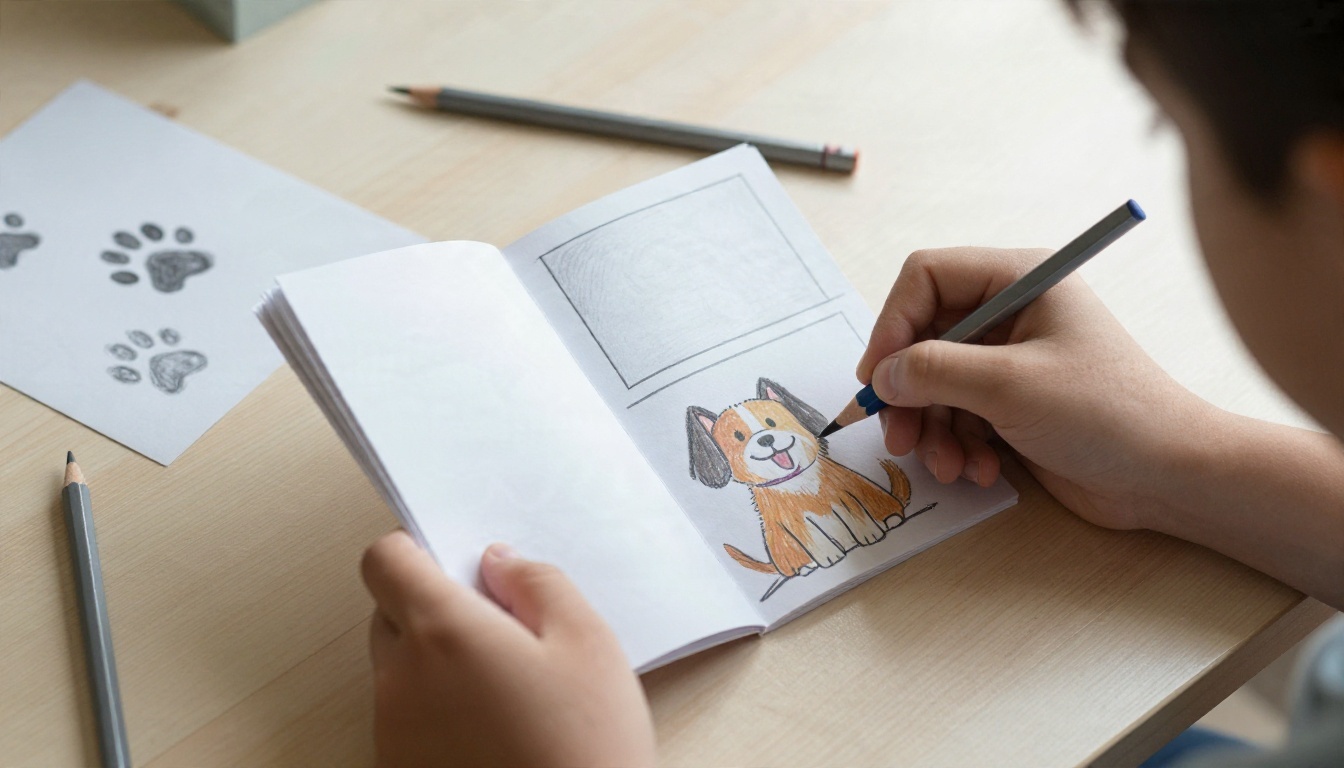
Topics for Ages 5 to 7
Younger kids do best with mostly pictures and one short phrase per page.
- My Pet and Me: one page per trick, snack, or sleeping spot.
- Colors Around Our House: one color per page, with a drawing of something that matches.
- My Family Tree: a face for each person plus a one word label.
- How to Make a Sandwich: a seven step comic of lunch.
- Monsters I Invented: one monster per page with a silly name.
- Things That Make Me Happy: drawings of favorite foods, toys, and places.
- A Day at the Park: morning, middle, and sunset scenes.
- Letters and Numbers: one animal or object per letter.
Topics for Ages 8 to 10
This is the sweet spot for writing and drawing together.
- Dinosaur Fact File: one species per page with a size and diet note.
- Ocean Animals A to Z: short facts plus sketches.
- How to Draw Anything: step by step shapes for a cat, a car, or a face.
- My Favorite Video Game Levels: maps and tips drawn by hand.
- Joke Book: one riddle on each page, answer on the next.
- Weather Journal: a week of observations with temperature and clouds.
- Recipe Zine: a simple snack with ingredients and steps.
- Backyard Bug Hunt: sketches and notes from a real exploration outside.
Topics for Ages 11 and Up
Older kids and tweens usually want something personal or opinionated.
- Music Playlist Zine: album art, favorite lyrics, and short reviews.
- Local Hero Interview: questions and answers with a neighbor or relative.
- Comic Short Story: eight panels, one scene each.
- Sports Skills Cheat Sheet: drills, stats, and tips.
- Poetry Mini Collection: one short poem per page.
- Environmental Action Plan: facts about recycling or saving water, with a weekly challenge.
- Travel or Day Trip Memory Book: photos, tickets, and sketches.horizon
Because the list above ended with a typo marker, ignore that line: the seventeenth topic in this group is simply Travel or Day Trip Memory Book, a good place for photos, tickets, and sketches.
| Age Group | Best Format | Writing Load | Typical Time |
|---|
| 5 to 7 | Mostly drawings | 1 to 3 words per page | 20 to 30 minutes |
| 8 to 10 | Drawing plus facts | 1 to 2 sentences per page | 45 to 60 minutes |
| 11 and up | Comics, essays, collage | A short paragraph per page | 1 to 2 hours |
Free Template Layouts You Can Draw
You do not need to download anything to get a usable template. A template for a mini zine is only a grid of eight boxes. You can sketch it on any sheet in about a minute, or print one so younger kids can start drawing right away. Print a blank grid, trace it on a photocopy, or draw it freehand with a ruler.
The Eight Panel Grid
Hold a sheet of paper in landscape orientation. Divide it into four columns and two rows. Number the panels in pencil. The top row will be upside down when the zine is folded, so draw or write on those panels with the page flipped.
| | | |
|---|
| Page 5 (upside down) | Page 4 (upside down) | Page 3 (upside down) | Page 2 (upside down) |
| Page 6 | Page 7 | Page 8 (back page) | Page 1 (front page) |
⚠️ Heads up: Always test the fold with a scrap sheet and number the panels in pencil first. Page order is the part that surprises people the most.
The Accordion Strip
Younger children sometimes find the cut and push fold hard. An accordion zine is easier. Cut a long strip of paper, fold it back and forth like a fan, and draw one scene per fold. It works well for stories with a clear beginning, middle, and end.
Template Comparison
| Template | Folds | Cutting | Best For | Difficulty |
|---|
| Eight panel mini zine | 3 folds plus a push fold | One small cut | Most topics | Medium |
| Accordion strip | Back and forth folds | None | Stories and timelines | Easy |
| Half page booklet | One fold per sheet, stapled | None | Longer writing | Easy |
| Single sheet poster zine | Folds into a small square | None | Maps and facts | Easy |
Printing at Home Without Headaches
You can run an entire zine program from a basic home printer. The goal is not perfect color but a clean grid and legible drawings.
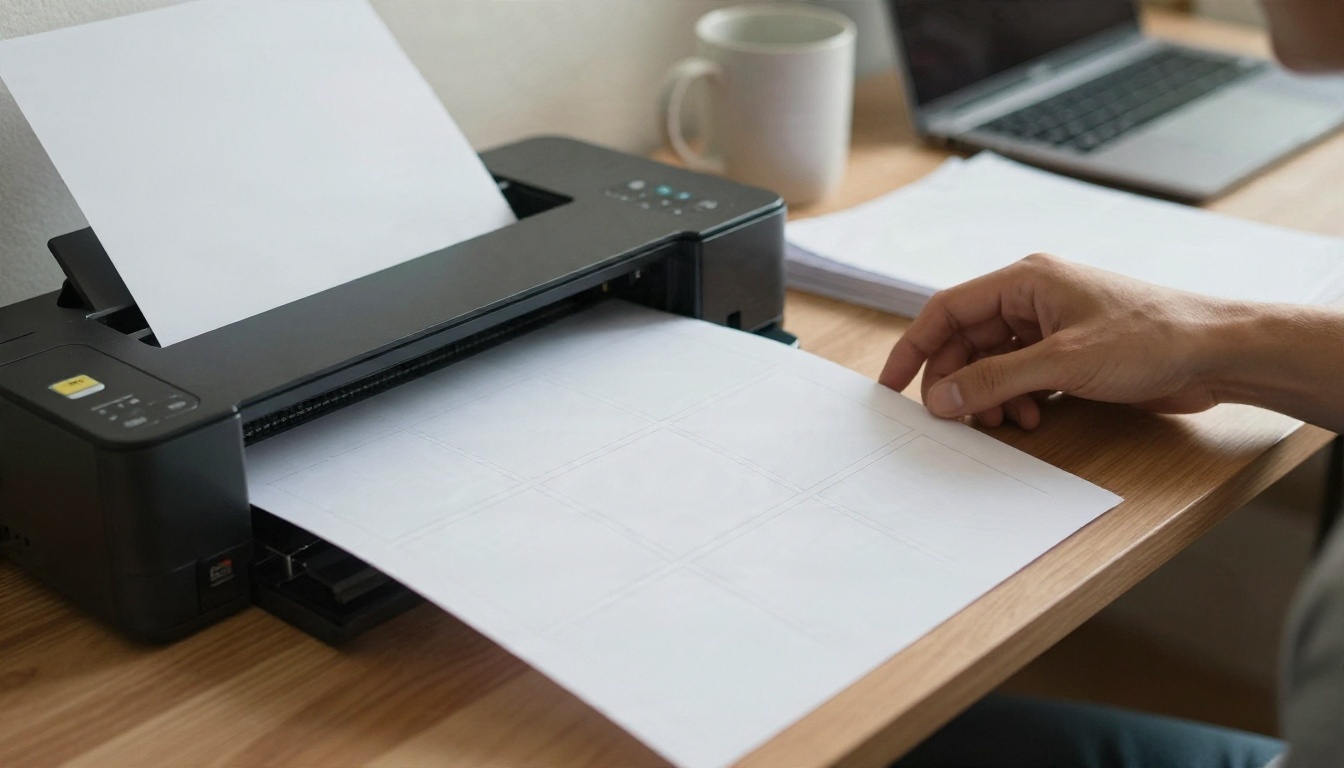
Printer Settings That Work
- Paper size: US Letter or A4 both work. Landscape orientation fits the grid.
- Scale: choose 100 percent, not "fit to page," so the margins stay even.
- Quality: pick draft mode and black and white for blank grids. It saves ink.
- Duplex: turn off double sided printing if the kids will draw on both sides.
- Copies: print five or six at once so siblings and friends can join in.
Paper Choices and Costs
| Paper Type | Weight | Feels Like | Best For | Rough Cost per Sheet |
|---|
| Basic copy paper | 20 lb (75 gsm) | Thin, folds crisply | Pencil and pen zines | A few cents |
| Bright copy paper | 24 lb (90 gsm) | Slightly sturdier | Markers and crayons | A few cents |
| Light cardstock | 65 lb (175 gsm) | Stiff | Front pages only | Around ten cents |
| Colored paper | 20 to 24 lb | Varied | Themed zines | A few cents |
💡 Pro tip: Markers bleed through thin paper. Have kids use fine tip pens or colored pencils on 20 lb paper, and save broad markers for the bright 24 lb sheets.
Cheap Fixes for Common Problems
- Smudged ink: wait a minute before handling a fresh print, or use pencil for the first draft.
- Crooked grid: lighten the folds first, then trace them with a ruler.
- Paper jams: fan the stack before loading, and avoid very glossy paper.
- No printer: draw the grid by hand. It takes sixty seconds with a ruler.
Fold and Cut in Eight Steps
Here is the full method, tested on a sheet of plain copy paper.
- Place the sheet landscape on a table.
- Fold it in half left to right, crease it firmly, and unfold.
- Fold both outer edges to the center crease, crease, and unfold. You now have four columns.
- Fold the sheet in half top to bottom, crease, and unfold. You now have eight panels.
- Fold the sheet in half left to right again along the center crease.
- With scissors, cut along the horizontal center crease from the folded edge to the first vertical crease. Stop there.
- Unfold, then fold the sheet top to bottom so the cut opens into a diamond shaped gap.
- Push the two ends toward each other until the paper forms a plus shape, then fold the flaps around in one direction to make a booklet.
Safety for Younger Kids
- Use rounded tip scissors and let an adult make the single cut for kids under six.
- Keep washable markers and glue sticks within reach, so no one crosses the table with scissors.
- Set a tray for scraps. A paper bag taped to the table edge works well.
✅ Best practice: Press folds with the side of a spoon or a plastic ruler. Crisp creases make the booklet stay closed without tape.
How to Make a Zine Flipbook with Flipbooks AI
Paper zines get lost, crumpled, and left in backpacks. A digital copy keeps the original safe and lets relatives anywhere read it. A PDF to flipbook converter turns scanned pages into a page turning booklet that opens on any phone.
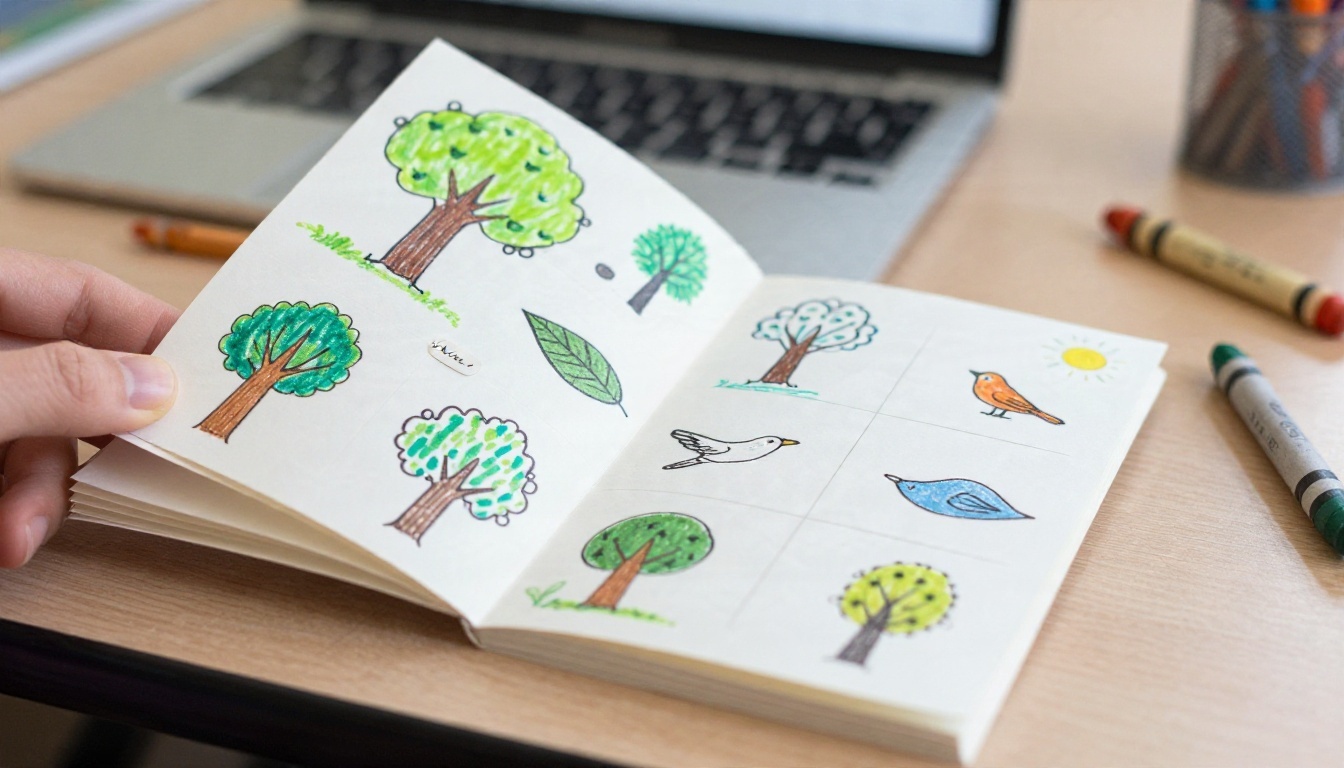
Upload the Scanned Pages
- Sign in: create a free account on Flipbooks AI.
- Scan or photograph: unfold the zine flat and scan each side, or take straight on photos in good daylight.
- Build a PDF: combine the pages in order, front page first and back page last. Most phones can do this with a built in scan tool.
- Upload: drop the PDF into the converter. The pages become a flipbook with a realistic page turn.
Customize and Add Voice
- Branding and colors: pick a background that matches the zine, such as yellow for a sunny summer book.
- Page effects: keep the classic flip so it feels like a real booklet.
- Multimedia: you can embed audio, so your child can record themselves reading each page. You can also embed a video clip, such as a short tour of the finished zine.
- Mobile friendly: flipbooks are mobile responsive, so family can read on a phone or tablet.
Share with Family Safely
| Sharing Option | How It Works | Best For |
|---|
| Direct link | Send a URL by text or email | Grandparents and friends |
| Embed code | Place the flipbook on a class or family page with embed flipbook on website | Classroom blogs |
| Password protection | Add a password so only invited people can open it | Zines with personal photos |
| Offline download | Save a copy for trips with no signal | Car rides and flights |
Flipbooks AI never adds watermarks, so your child's work looks like their own. Teachers who want to share a whole class set can look at the school newsletter creator or the course material publisher. Families who want to publish a longer story can try the interactive e-book publisher.
💡 Extra features: Teachers and clubs on the Professional plan get analytics and lead generation tools to see who opened a shared zine. See the pricing plans to compare options. Standard and above also include unlimited flipbooks.
Classroom and Family Project Plans
Once the first zine is finished, kids usually ask for another. A simple plan helps you keep the habit going.
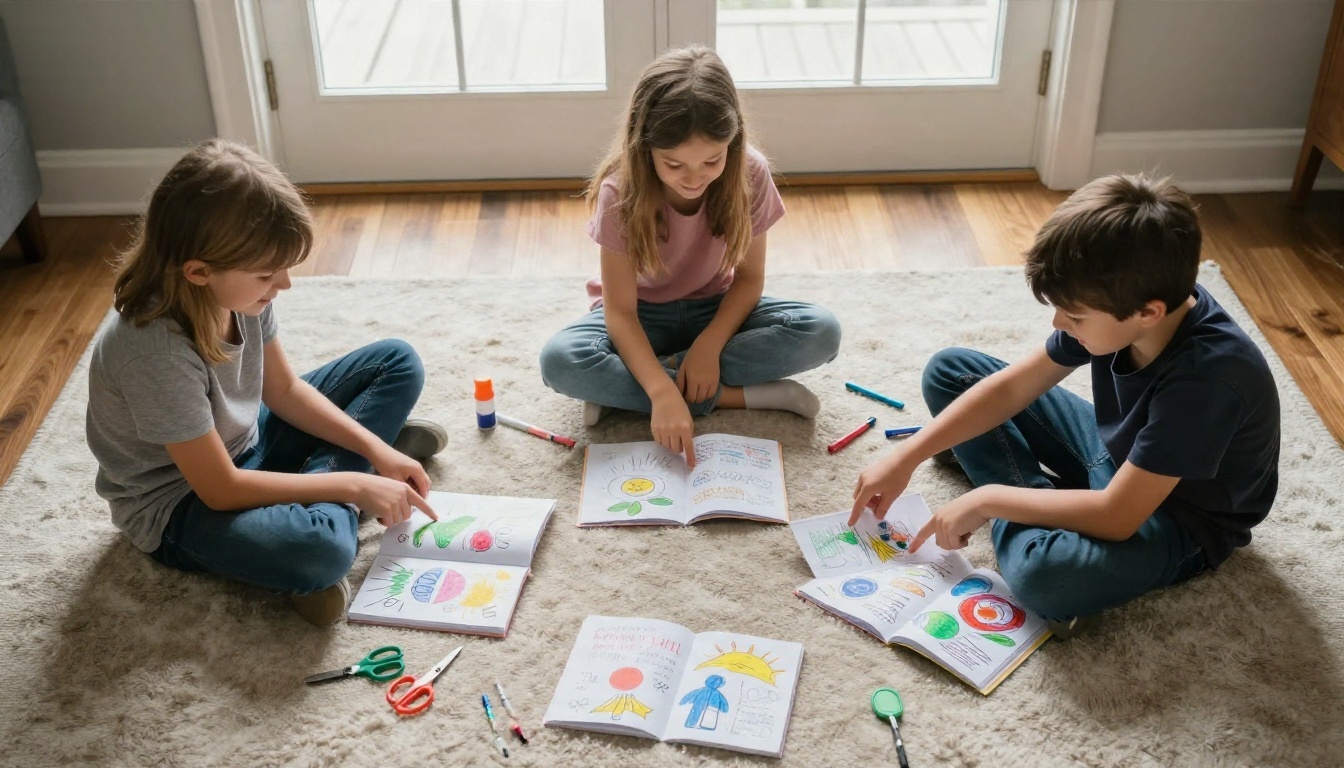
A One Week Plan for Home
| Day | Activity | Time |
|---|
| Monday | Pick a topic and list eight ideas | 15 minutes |
| Tuesday | Print and fold a blank zine, number the panels | 15 minutes |
| Wednesday | Sketch pages 2 to 4 | 30 minutes |
| Thursday | Sketch pages 5 to 7 | 30 minutes |
| Friday | Draw the front page and back page | 20 minutes |
| Saturday | Scan and turn it into a flipbook | 20 minutes |
| Sunday | Share it with family and trade copies | 15 minutes |
A Real World Example for a Classroom
A third grade teacher can hand each student one sheet and ask them to make a zine about an animal in their region. Students research, draw, and write one fact per page. The teacher scans the finished zines, turns them into flipbooks, and shares a single link with parents on open house night. The paper copies go home in backpacks, and the digital versions stay on the class page.
Ideas for Trading and Swapping
- Run a zine swap at a birthday party or library club.
- Mail one to a cousin in another city, and ask for one back.
- Start a family zine shelf on a bookcase, one new booklet per month.
- Ask a local library whether they have a small display shelf for kid made zines.
⚠️ Privacy note: Do not put a child's full name, school, or address in a zine you plan to share online. First names and pen names are plenty.
Start Your Kids' First Zine Today
You now have everything you need: topics sorted by age, template layouts you can draw in a minute, home printing settings that save ink, and an eight step fold that works on the first try. Grab a pencil, print a blank grid, and let your child choose the subject.
When the paper version is done, give it a second life online. Get started for free on Flipbooks AI and turn the scanned pages into a flipbook your family can open anywhere. Browse all of the flipbook tools for classroom and family projects, or compare pricing plans to find the right fit for a school or club.



