The way people find, experience, and buy art online changed dramatically over the past two years. If you are still relying on a static image gallery buried in a personal website, you are losing visibility to artists who figured out that format matters as much as the work itself. In 2027, the best way to display art online is not one single platform or trick. It is a combination of presentation format, discoverability, and the right tools. This article breaks down exactly what works, what does not, and where Flipbooks AI fits into a serious artist's online strategy.
Why Static Galleries Are Losing
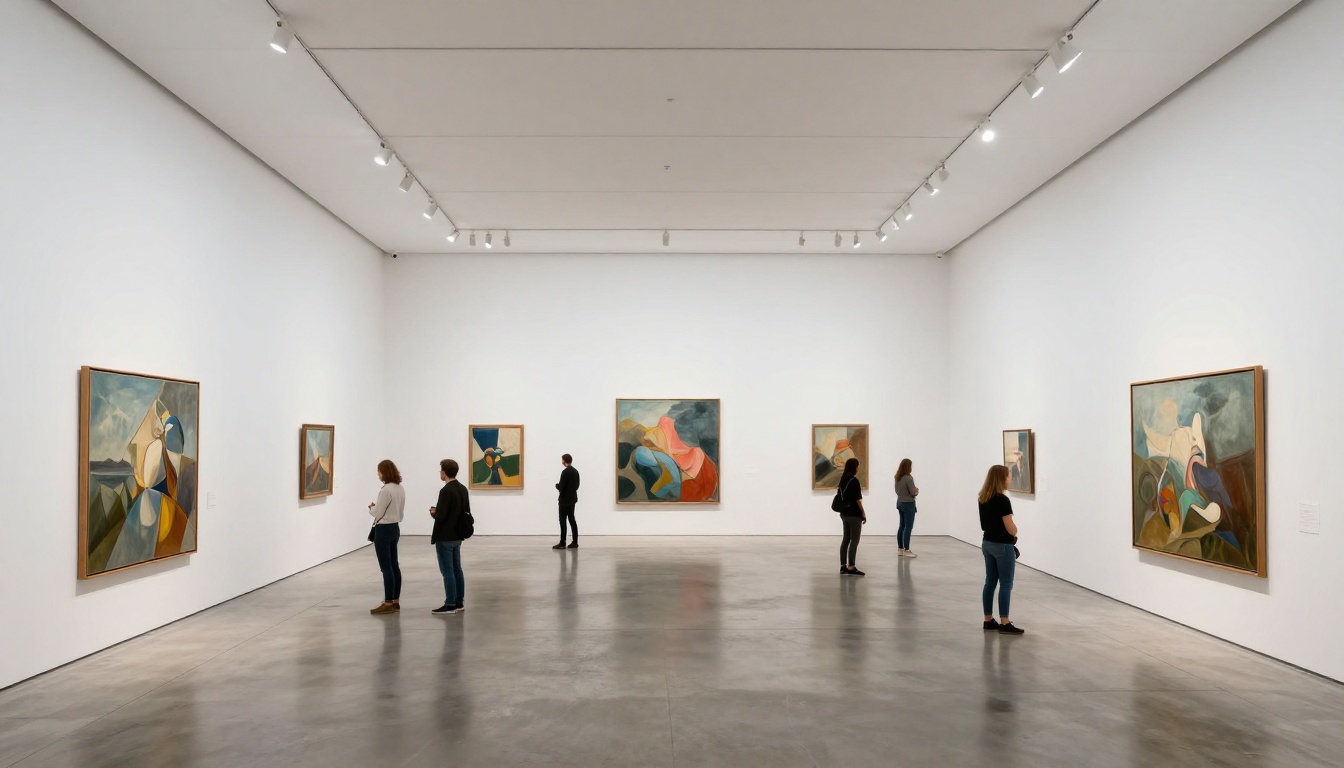
Attention spans online are shorter than ever, but that is not the full story. The real problem is that static galleries do not give viewers a reason to stay. A visitor arrives, sees a grid of images, scrolls for fifteen seconds, and leaves. There is no sense of journey, no narrative, no momentum pushing them to the next piece. The gallery format was designed for physical walls, and transporting it to the web unchanged was always going to create friction.
The Attention Problem Online
Research from eye-tracking studies in digital media shows that interactive content holds attention roughly three times longer than static content. For artists, that is the difference between someone spending forty seconds on your portfolio and spending three minutes. Three minutes is enough time to feel something. Forty seconds is not.
The other factor is mobile. Over 70% of portfolio site visits now happen on phones. A grid of thumbnail images on a 5-inch screen looks nothing like it was designed to look. It collapses, crops, and loses the intent behind each piece. Formats built for mobile first, like flipbooks, vertical feeds, and interactive publications, perform dramatically better across all device types and screen resolutions.
Beyond attention, there is the credibility gap. A beautifully designed interactive portfolio signals professionalism in a way that a basic grid simply does not. Collectors, art directors, and gallery owners make snap judgments about artists based on how their work is presented. A poorly formatted static page, even with exceptional work, can create doubt.
What Viewers Actually Do
Most people who visit an artist's website do not start at the homepage. They arrive from a specific search, a social post, or a link in a bio. That means the first thing they see is a single work or category page, and your job is to pull them further in. This is where presentation format becomes a strategic tool, not just an aesthetic preference.
The artists seeing the highest portfolio engagement in 2027 are those who treat the portfolio experience as a curated journey, with a clear starting point, a logical flow through series or themes, and a direct path to making contact or placing an inquiry.

Not all formats are equal. Some are better for discovery. Others are better for retention and conversion. The most effective artist display strategies in 2027 use at least two formats working together, each serving a distinct purpose in the overall pipeline from discovery to sale.
Interactive Flipbook Portfolios
An interactive flipbook portfolio lets viewers flip through your work in a format that mirrors the experience of holding a printed book. Pages turn, images scale correctly, and the experience is consistent on every device. For artists who work in series, it is one of the most powerful tools available because it creates a natural sequence that leads the viewer through the work in the order you intended.
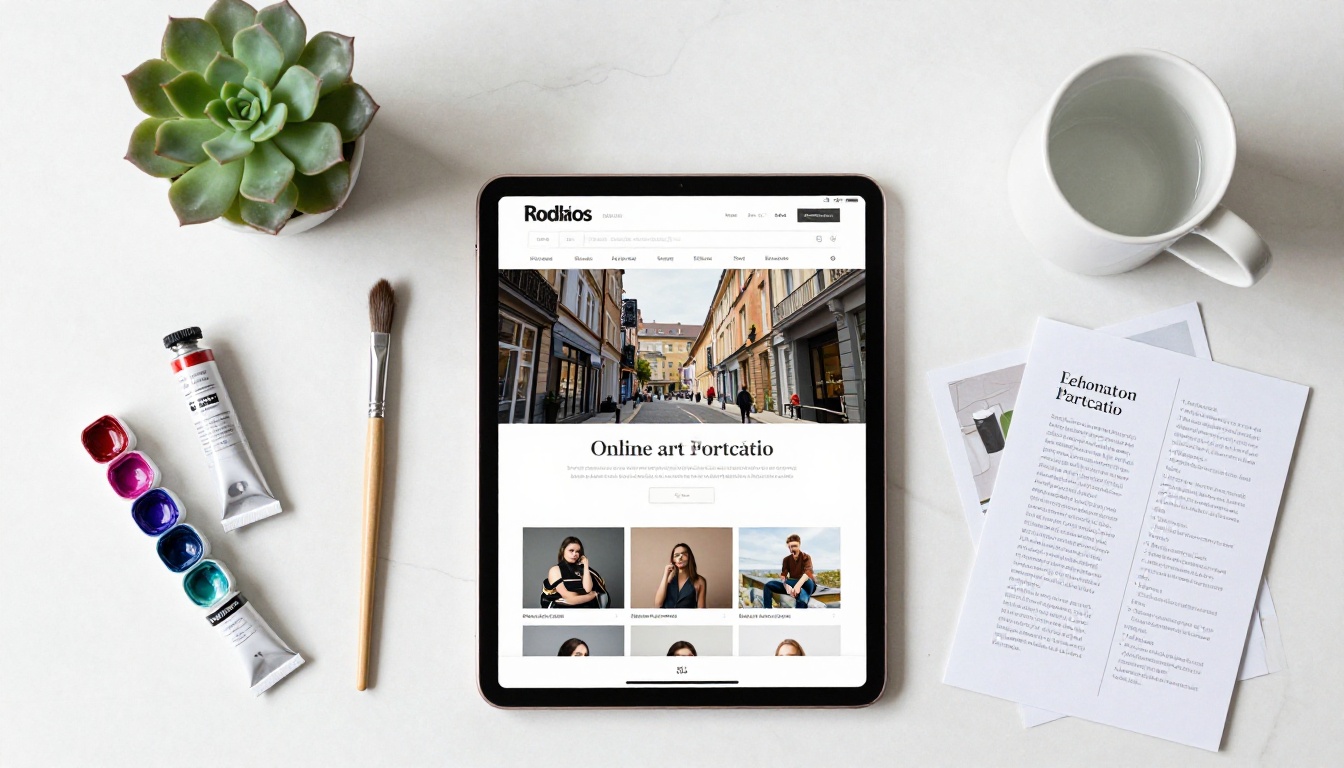
The Digital Portfolio Creator on Flipbooks AI is built specifically for this. It converts a PDF portfolio into a fully interactive flipbook in minutes, with no technical skill required. You can embed it on your website, share a direct link, or send it to gallery directors and collectors. Unlike a standard PDF, a flipbook opens in the browser immediately and looks polished from the first second. Photographers in particular benefit from the Photography Portfolio Flipbook tool, which includes presets built for full-bleed image display.
💡 Artists who use interactive portfolios report significantly higher response rates when pitching to galleries versus sending PDF attachments or static portfolio website links.
Social Media as a Discovery Layer
Social media platforms are not a substitute for a portfolio. They are a discovery layer. Instagram, Pinterest, and TikTok are where new viewers find your work. Your portfolio is where they go to take it seriously.
The problem with treating social media as your primary display space is that you do not own it. Algorithm changes, account restrictions, and platform shifts can wipe out years of accumulated visibility overnight. Social is for reach. Your own portfolio, on a platform you control, is for depth and credibility. The two serve completely different functions and should never be confused.
Posting consistently on social platforms drives traffic. That traffic needs somewhere to land that tells the full story of who you are and what you make. Without a strong portfolio as the destination, social media reach is largely wasted potential.
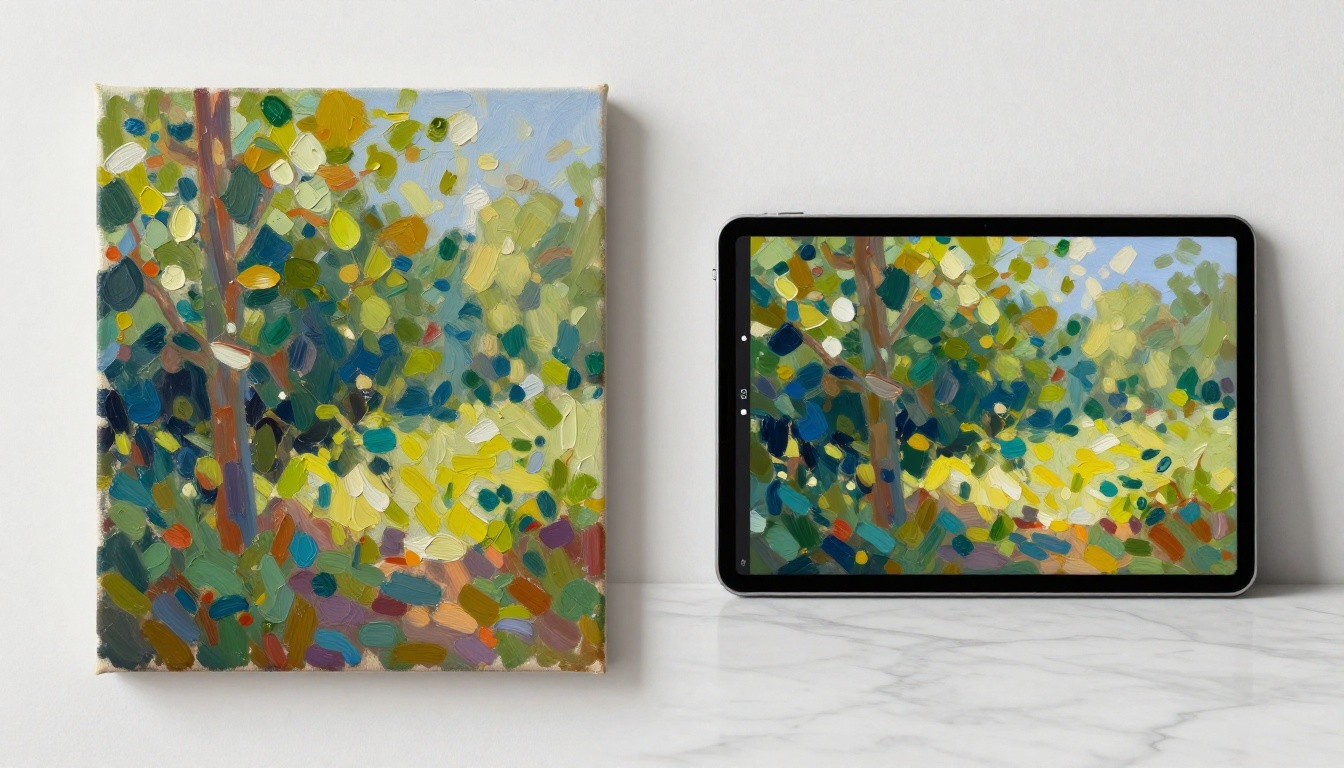
Online Marketplaces vs. Personal Portfolios
Platforms like Etsy, Saatchi Art, and Society6 make it easy for artists to list and sell work. They bring their own traffic, which is a genuine advantage for artists just building an audience. The tradeoff is that every piece of your work sits inside someone else's brand. Visitors see the marketplace first and your name second.
A personal portfolio, especially a well-designed interactive one, puts your name and your aesthetic first. The two approaches work well together. Use marketplaces for sales volume. Use your personal portfolio for brand building, collector relationships, and licensing conversations.
| Display Format | Best For | Discovery | Retention | Control |
|---|
| Static Website Gallery | Established artists | Low | Low | High |
| Social Media Feed | New audience discovery | High | Low | None |
| Online Marketplace | Sales and volume | Medium | Low | Low |
| Interactive Flipbook Portfolio | Collectors and galleries | Medium | Very High | High |
| Embedded Flipbook on Website | Full brand experience | Low | Very High | Full |
Build a Flipbook Art Portfolio with Flipbooks AI
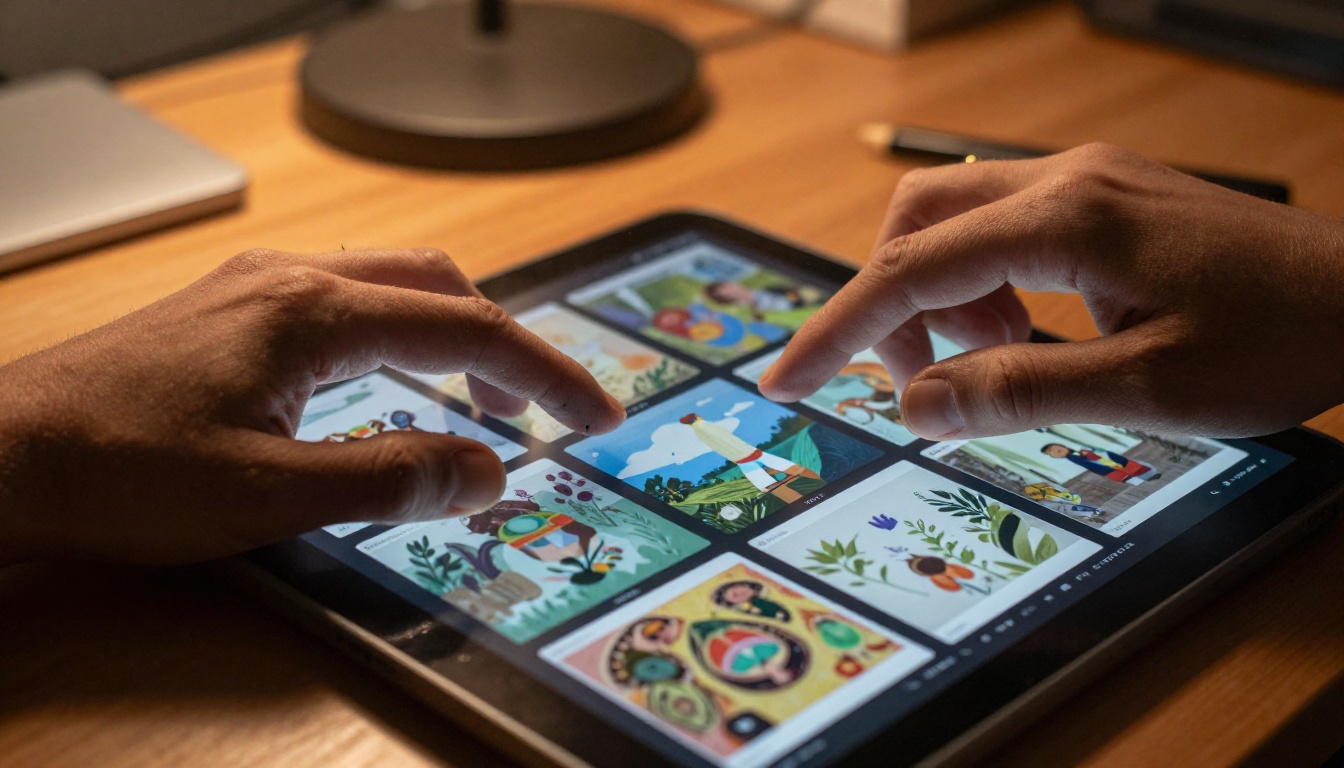
Flipbooks AI is built for exactly this use case. If you have a PDF of your portfolio ready, or even a set of high-resolution images you can arrange in any design tool, you can have a professional interactive portfolio live in under fifteen minutes. Here is how the process works from start to finish.
Step 1: Create Your Account
Go to flipbooksai.com/account and sign up. The process takes under two minutes. You do not need a credit card to start, and the free tier gives you enough to test whether the format works for your portfolio style before committing to a paid plan.
Step 2: Upload Your Portfolio PDF
Once logged in, select the PDF to Flipbook Converter. Upload your portfolio PDF. The tool processes each page and converts it into a high-resolution flipbook page. For best results, design your PDF at a 16:9 or 4:3 ratio in landscape orientation. Artwork on horizontal pages reads better in flipbook format than portrait-oriented layouts.
⚠️ Use the highest resolution version of your PDF. The conversion engine preserves quality, so starting with a compressed file will show in the final result. Export at 300 DPI minimum for print-quality rendering.
Step 3: Set Your Branding and Style
After conversion, the editor gives you full control over the look and feel. You can:
- Set a custom title page with your name and collection title
- Choose page turn animation style (realistic flip or simple slide)
- Add your color palette to the interface chrome
- Include a logo in the corner of every page
- Set a background color or texture behind the flipbook
- Enable or disable the page thumbnail sidebar for navigation
For painting series, organizing works chronologically or by theme within the PDF gives viewers a natural arc to follow. For photographers using the Portfolio Flipbook Builder, grouping by subject or location creates a cleaner editorial experience.
Step 4: Share and Embed Anywhere
Flipbooks AI gives you three ways to share your portfolio:
- Direct link - A clean URL you can put in any bio, email signature, or social profile
- Embed code - Drop your flipbook into any website or blog with one line of HTML
- Password protection - Lock specific collections for private client review or gallery pitches
Using the Embed Flipbook on Website tool, you can place your flipbook portfolio inside your existing site without replacing anything. It sits inside your layout, carries your domain branding, and loads fast on every device. Gallery directors receiving a password-protected link rather than a PDF attachment immediately perceive a higher level of professionalism.
Step 5: Track with Analytics
The Professional plan on Flipbooks AI includes page-by-page analytics showing which works in your portfolio attract the most attention. If viewers consistently stop on your figurative work but scroll past the abstract pieces, that is actionable data. It tells you something real about what resonates with your specific audience and what direction your next series should take.
✅ Professional plan includes analytics, lead generation forms, offline downloads, and the ability to embed video and audio directly inside flipbook pages. No watermarks exist on any plan, ever.
What to Put Inside Your Online Portfolio
The format is only part of the equation. What you include matters just as much as how it is displayed.
Image Quality Standards in 2027
There is no excuse for displaying low-resolution artwork online. Retina displays and high-DPI screens make compression artifacts visible at normal viewing distances. Every image in your portfolio should be:
- Minimum 2000px on the longest edge for standard display
- 3000px or higher if you are targeting collectors who zoom in on detail
- Exported in sRGB color profile to ensure color accuracy across devices
- Free of visible watermarks, which reduce perceived value and interrupt the viewing experience entirely
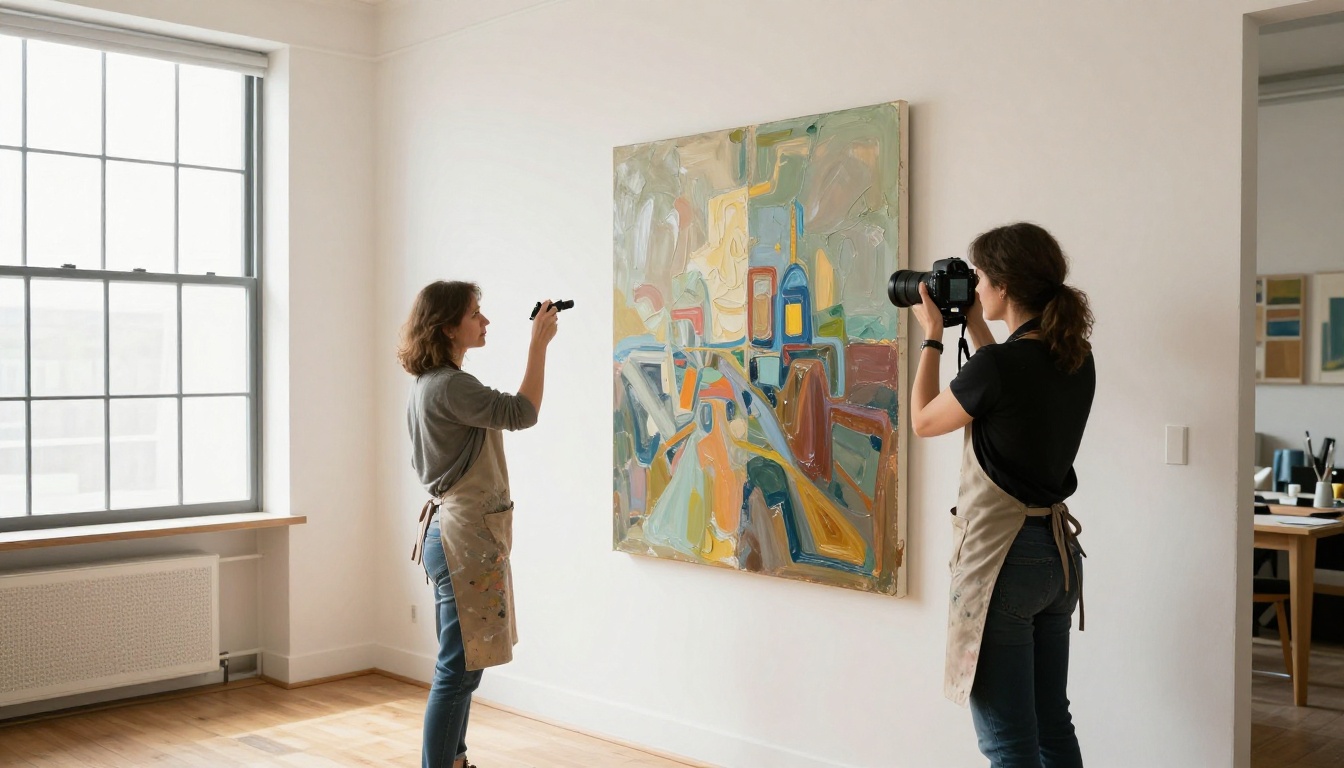
Color accuracy is particularly important for painters. Calibrating your monitor before photographing work, shooting in RAW and processing carefully, and doing a final color comparison on multiple screens before exporting all contribute to a portfolio that actually represents what you made.
Context That Converts
Images alone do not tell the full story. For each work or series, include:
- Medium and materials used
- Dimensions of the physical work
- Year created
- A short statement about the inspiration or process (two to four sentences)
- Availability status and how to inquire or purchase
Collectors, galleries, and licensing clients all want to know the story behind the work. An interactive portfolio lets you embed this context directly alongside each piece without cluttering the visual experience. A brief artist statement at the opening of the flipbook, followed by individual work notes on each page, creates a complete picture without overwhelming the imagery.
SEO for Visual Artists in 2027
Getting found organically is one of the highest-value things you can do for your art career online. Most artists ignore it entirely, which means the competition is relatively thin even in saturated visual niches.
How Search Finds Your Work
Search engines cannot see images. They read text. That means every piece in your portfolio needs text attached to it: a title, a description, and ideally some context about your process or inspiration. A flipbook portfolio embedded on your website carries whatever text you place around it on the page, so you can write search-friendly copy about the collection and let the flipbook be the visual centerpiece.
The keyword types that convert best for visual artists:
- "[Your medium] art for sale" - high commercial intent from buyers ready to purchase
- "[Your style] artist portfolio" - used by galleries and creative directors doing research
- "[Subject matter] original painting" - used by collectors with specific tastes
- "[City] artist" - critical for local gallery relationships and commission work
Building a small number of strong, text-rich pages around your best work produces more results than dozens of thin portfolio entries with no descriptive text.
Why Embedding Beats Linking
When you embed your portfolio on your own domain using Flipbooks AI's embed tool, all the activity that portfolio generates (time on page, scroll depth, return visits) benefits your domain's search presence. When you link out to a third-party portfolio site, those same signals benefit someone else's domain. Over months and years, that difference compounds significantly.
Embed first. Use a direct link as a secondary option for sharing via email or social bio. Never let your best portfolio asset live only on someone else's platform.
Three Mistakes That Cost Artists Visibility
Even artists with strong work undermine themselves with avoidable presentation errors. These three come up repeatedly.
Showing Everything at Once
More is not better. A portfolio with forty pieces is harder to absorb than a focused selection of twelve. Curate aggressively. Show the work you want to be hired or collected for, not the full archive of everything you have ever made. If a gallery director opens your flipbook and has to scroll through decades of student work to find your recent series, you have already lost them.
Create separate flipbooks for different audiences if needed. One for commercial clients. One for gallery pitches. One for collectors. Flipbooks AI makes it easy to maintain multiple portfolio versions, each with different branding and content, all from the same account.
Ignoring Mobile Display
Test your portfolio on a phone before you share it. If your static website gallery renders as a horizontal scroll trap on mobile, or if your image grid collapses into tiny unreadable thumbnails, you have already lost most of your audience before they get started. Flipbooks render consistently across all screen sizes without any additional configuration, which is one of the core practical reasons artists are switching from static galleries.
Skipping the Call to Action
Every portfolio needs a next step. What do you want visitors to do? Contact you for commissions? Browse available work? Sign up for a mailing list? Make that action obvious and easy. An interactive portfolio with a built-in contact link or lead generation form (available on the Professional plan) removes the friction entirely. A portfolio with no contact information or next step is just a digital dead end.
The Display Stack That Works Right Now
Based on what is performing in 2026, here is a realistic picture of the most effective setup for a working artist at different career stages:
| Use Case | Recommended Approach |
|---|
| Full portfolio showcase | Interactive flipbook via Flipbooks AI |
| New audience discovery | Instagram and Pinterest with consistent posting |
| Sales volume | Etsy or Saatchi Art for accessible price points |
| Gallery pitches | Password-protected flipbook link |
| Website portfolio embed | Embed Flipbook on Website |
| Photography-specific portfolio | Photography Portfolio Flipbook |
| Private client collections | Flipbook with lead generation form enabled |
None of these are mutually exclusive. The artists getting the best results use two or three in combination, with an interactive portfolio as the core asset that every other channel points back to.
Plan Comparison Worth Knowing
| Plan | Price | Flipbooks | Watermarks | Analytics | Password Protection | Offline Downloads |
|---|
| Flipbooks AI Free | $0 | Limited | None | No | No | No |
| Flipbooks AI Standard | See pricing | Unlimited | None | No | Yes | No |
| Flipbooks AI Professional | See pricing | Unlimited | None | Yes | Yes | Yes |
💡 Flipbooks AI never adds watermarks on any plan. This matters for client-facing portfolios where even a small watermark in the corner signals that you are using a free tool and reduces the perceived value of your work.
For most working artists, the Standard plan covers everything needed for client-facing portfolios. The Professional plan pays for itself once you are actively pitching galleries and need to see exactly how potential buyers interact with specific pieces.
Your Work Deserves Better Presentation
The art is not the problem. For most artists struggling to get traction online, the work is strong. The presentation is what falls short. A static grid of JPEGs does not do justice to a body of work that took years to develop.
Interactive flipbook portfolios change the experience for viewers in a way that static galleries cannot. The format creates momentum, leads attention from piece to piece, and signals professionalism. When a gallery director or collector opens a thoughtfully designed flipbook, they experience the work the way you intended it to be experienced, at the pace you set, in the order that makes sense for the narrative you built.
Get started for free on Flipbooks AI and build your first interactive portfolio today. Browse the Digital Portfolio Creator and Portfolio Flipbook Builder tools to find the right fit for your style. When you are ready to add analytics and lead generation, check pricing plans to see which tier fits your goals.
The artists getting seen in 2027 are not necessarily the most talented ones. They are the ones who made their work easy to find, easy to experience, and easy to respond to.



