Selling a digital magazine has never been more straightforward, yet most publishers still leave serious money on the table by choosing the wrong tools, misreading their audience, or pricing themselves out of the market before their first issue ships. If you want to know the best way to sell digital magazines in 2027, the answer is not one single trick. It is a combination of the right publishing platform, a pricing model that matches reader behavior, and distribution channels that actually put your content in front of buyers. Flipbooks AI sits at the center of that stack for thousands of independent publishers, and this article will show you exactly how to put it all together.
Why 2027 Is the Right Moment to Sell Digital Magazines
The market timing has rarely been better. Print advertising revenue continues to fall while digital publication revenue climbs. According to industry data, interactive digital publications see 3 to 5 times higher engagement than static PDFs, and readers who engage deeply are significantly more likely to convert into paying subscribers.

Print Revenue Is in Freefall
The numbers are brutal for traditional publishers. Print magazine ad spend dropped over 60% in the last decade, and that trajectory is not reversing. The upside is that the infrastructure costs for going digital are a fraction of what they once were. You do not need a print run, a distribution contract, or a newsstand deal. You need a sharp PDF, the right platform, and a clear path to your reader.
What Readers Actually Expect Now
In 2027, readers expect more than a flat PDF. They want page-flip animations, embedded video, clickable links, mobile responsiveness, and content that loads instantly on any device. Static file-sharing links feel dated. A polished interactive flipbook, on the other hand, signals quality and justifies a subscription price.
💡 Pro tip: Interactive magazines with embedded multimedia have been shown to hold readers on-page up to 40% longer than static PDFs. Longer dwell time directly correlates with higher renewal rates.
Your platform choice is the single biggest lever in your entire business. Get it right and everything else becomes easier. Get it wrong and you are fighting the tool every step of the way.

Self-Hosted vs. SaaS Platforms
Self-hosting gives you total control but requires technical overhead: server costs, security patches, performance optimization, and custom development for every feature you need. For most independent magazine publishers, that overhead is a distraction from what actually matters: creating great content and selling it.
SaaS platforms handle the infrastructure so you can focus on publishing. The tradeoff is a monthly fee, but for most publishers that fee is recovered the moment you sell your first handful of subscriptions.
Platform Comparison Table
| Feature | Flipbooks AI | Basic PDF Host | Custom Self-Hosted |
|---|
| Page-flip animation | ✅ Yes | No | Requires dev work |
| Mobile responsive | ✅ Yes | Partial | Requires dev work |
| Password protection | ✅ Yes | No | Requires dev work |
| Analytics dashboard | ✅ Professional plan | No | Requires dev work |
| Embed on any website | ✅ Yes | Limited | Yes |
| No watermarks | ✅ Yes | Varies | Yes |
| Offline downloads | ✅ Yes | Yes | Yes |
| Custom branding | ✅ Yes | No | Yes |
| Setup time | Minutes | Minutes | Weeks |
| Monthly cost | Low flat fee | Free / Low | High (dev + server) |
✅ Best practice: For publishers releasing more than two issues per year, a dedicated flipbook platform pays for itself in time saved and professional presentation alone.
How to Publish and Sell Your Magazine with Flipbooks AI
Flipbooks AI is built specifically for this workflow. Here is how the process works from first upload to first sale.

Step 1: Create Your Account and Upload Your PDF
Start at Flipbooks AI and create your account in under two minutes. Once inside, hit the upload button and select your magazine PDF. The platform converts it automatically into a fully interactive flipbook with page-turn animations. There is no software to install and no technical configuration required.
For magazine-specific publishing, the E-Magazine Publishing Tool and Magazine Flipbook Creator are purpose-built for this workflow, handling multi-page spreads, high-resolution images, and typography-heavy layouts without compression artifacts.
What you need ready before uploading:
- Your magazine as a high-resolution PDF (300 DPI minimum recommended)
- Your brand color palette and logo file
- A short description text for the magazine listing
- Your cover image (can be extracted from the PDF automatically)
Step 2: Customize Your Magazine Flipbook
After upload, the customization panel lets you apply your brand identity across the entire publication:
- Set your brand colors for the toolbar, navigation controls, and background
- Upload your logo to appear in the header or loading screen
- Choose page effects: hard-cover feel, soft page curl, or flat slide transitions
- Add multimedia: embed video trailers, audio interviews, or animated ads directly into specific pages
- Configure the table of contents: readers can jump to any section instantly
💡 Pro tip: Adding a short video trailer embedded on the first page of your flipbook increases time-on-page significantly and gives free-preview readers a reason to subscribe for the full issue.
Step 3: Set Up Sharing, Distribution, and Monetization
This is where the revenue mechanism comes together.
- Password protection: Set a password on each paid issue. Share the link publicly, keep the password for subscribers only. Simple and effective for entry-level monetization.
- Embed codes: Use the one-click embed code from Embed Flipbook on Website to place your magazine directly on your sales page. Readers can preview pages right on your site before buying.
- Direct share links: Each flipbook gets a clean shareable URL. Use this for email campaigns, social posts, and DM outreach.
- Analytics (Professional plan): Track which pages readers spend the most time on, where they drop off, and how many unique readers you have per issue. This data is invaluable for editorial decisions and advertiser pitches.

Pricing Models That Move Subscriptions
Pricing is where most first-time digital magazine publishers stumble. They either underprice out of fear or overprice out of ambition, and both mistakes cost them subscribers.
One-Time Purchase vs. Recurring Revenue
| Model | Best For | Avg. Conversion Rate | Revenue Predictability |
|---|
| Single issue sale | New readers, seasonal topics | Higher initial | Low |
| Monthly subscription | News, lifestyle, ongoing series | Medium | High |
| Annual subscription | Committed niche audiences | Lower initial | Very High |
| Freemium + paid | Building audience first | Highest volume | Medium |
| Pay-what-you-want | Community-driven content | Variable | Low |
The clearest path to sustainable income is a subscription model anchored by a free first issue. Let readers experience your quality, then convert them to recurring billing. Annual subscriptions, even at a modest discount, dramatically improve your cash flow predictability and reduce churn.
What Price Points Actually Work
In 2026, readers are comfortable paying:
- $5 to $9 per month for niche lifestyle and hobbyist magazines
- $10 to $20 per month for professional trade publications
- $3 to $5 per single issue for one-off specialty content
- $40 to $80 per year for annual subscription tiers across both categories
⚠️ Warning: Pricing below $3 per issue signals low value to buyers, even if your content is excellent. Cheap pricing attracts price-sensitive readers who churn fastest. Price for the value you deliver, not the fear of rejection.

Distribution Channels That Drive Real Sales
A great magazine that nobody finds generates zero revenue. Your distribution strategy needs to work across at least three channels simultaneously.
Email Lists Are Still King
Your email list is the highest-converting asset you own. Readers who opt in to your list already trust you. A well-written launch email with a link to your embedded flipbook preview converts dramatically better than cold social media posts.
High-performing email sequence for a new issue launch:
- Teaser email (3 days before): Subject line reveals the cover story topic. No link yet.
- Launch email (day of release): Full preview link, clear CTA to subscribe or buy.
- Last chance email (5 days after): Social proof, reader reactions, countdown if applicable.
Embedding Your Magazine on Your Site
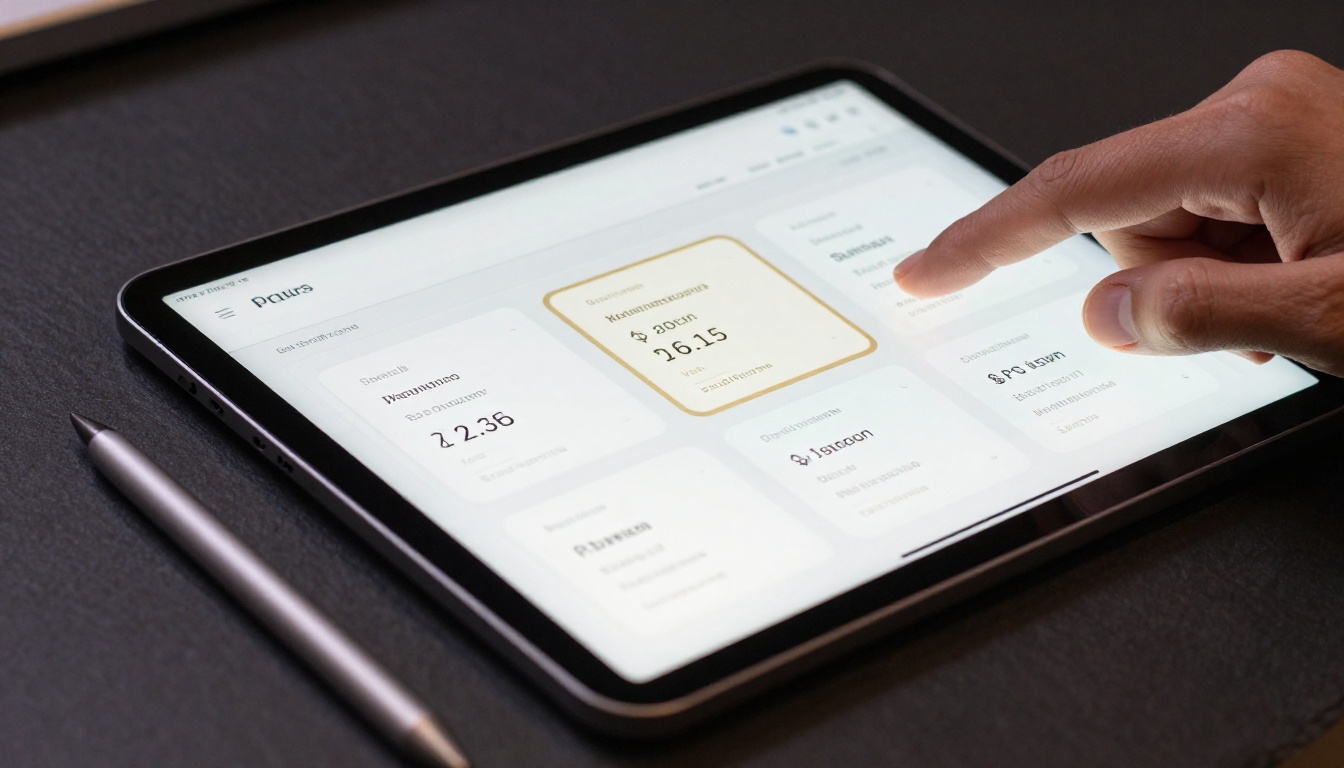
A flipbook embedded directly on your sales or landing page removes friction. Readers can flip through several pages before being prompted to subscribe. This preview-to-purchase flow consistently outperforms "buy now" buttons that link away from your site.
The PDF to Flipbook Converter generates embed codes in seconds, and the resulting widget is fully mobile responsive, so readers on phones and tablets get the same quality experience as desktop users.
SEO and Organic Discovery
Most digital magazine publishers ignore search engine optimization entirely. That is a large gap you can step into. Ranking for specific niche terms ("digital interior design magazine," "independent travel publication," "small business finance magazine") can drive consistent free traffic month after month.
SEO tactics that work for digital magazines:
- Publish individual articles from each issue as standalone blog posts with links to subscribe for the full issue
- Create a magazine landing page optimized for your core topic keyword
- Structured data markup (Schema.org) for your publication helps search engines surface your content correctly
- Guest contributions from known voices in your niche bring their audiences with them
Monetization Beyond Subscriptions
Reader revenue is not the only income stream available. The most profitable digital magazines in 2027 stack multiple revenue sources.

Sponsorships and Paid Placements
Brands pay well for access to engaged niche audiences. A digital magazine with 2,000 highly targeted readers in a specific industry can command sponsorship rates that dwarf what a general-audience publication with 50,000 passive subscribers earns.
What to sell to sponsors:
- Sponsored spreads: Full two-page spreads dedicated to a brand's content
- Classified sections: Curated ad listings relevant to your niche
- Sponsored articles: Clearly labeled native content written in your editorial voice
- Email newsletter sponsorships: A separate revenue stream from your subscriber list
- Webinar or event sponsorships: Extend the magazine brand into live formats
The analytics data from the Flipbooks AI Professional plan is your best tool for selling sponsorships. Page-level engagement data tells sponsors exactly how many people read their placement, how long they spent on it, and whether they clicked through.
Lead Generation with Gated Issues
If your magazine serves a B2B audience, lead generation through gated content can be more profitable than subscription revenue. Offer a free issue in exchange for a business email. Gate subsequent issues or premium content behind a registration wall. The leads you collect are then available to sell your own services or to sell as qualified leads to relevant advertisers.
💡 Pro tip: The Interactive E-Book Publisher and Newsletter Flipbook Publisher tools work well alongside your main magazine for building lead-gen content at scale.
3 Mistakes That Kill Magazine Sales
Most failed digital magazine businesses come down to a handful of recurring errors.

Pricing Too Low (or Too High)
Underpricing signals low quality. Overpricing without proven audience trust creates friction that kills conversions. The sweet spot is priced slightly above what feels comfortable, with clear justification through content quality and positioning.
Ignoring Mobile Readers
Over 60% of digital magazine reads happen on mobile devices. If your flipbook is not optimized for touch navigation and smaller screens, you are losing the majority of your potential audience before they ever get to a subscribe prompt. Every publication on Flipbooks AI is automatically mobile-responsive, but you should still review your layouts specifically at mobile dimensions before publishing.
Skipping Analytics
Publishing without tracking is operating blind. You need to know which issues perform best, which pages hold attention, and where readers abandon. That data tells you what to cover more of, what to cut, and what your advertisers and subscribers actually value.
| Analytics Metric | What It Tells You |
|---|
| Unique readers per issue | Actual reach, not just downloads |
| Average time per page | Which content holds attention |
| Page abandonment rate | Where readers lose interest |
| Subscriber-to-reader ratio | How well your preview-to-purchase funnel converts |
| Return visit rate | Reader loyalty and habit formation |
| Traffic source breakdown | Which channels drive the most readers |
✅ Best practice: Review your analytics after every issue, not just at the end of the quarter. Small editorial adjustments made early compound into dramatically better retention over a year.
Start Selling Your Digital Magazine Now

The best time to launch your digital magazine was last year. The second best time is right now. The platforms, the audience expectations, and the monetization infrastructure are all mature in 2026. What separates publishers who profit from those who struggle is not talent or content quality alone. It is the discipline to pick the right tools, price correctly, and distribute consistently.
Flipbooks AI removes the technical friction from every part of this process. From converting your PDF to delivering a polished interactive reading experience, to giving you the analytics to grow intelligently, it handles the platform layer so you can put your energy into the editorial work that actually builds an audience.
Where to go next:
Your first issue is closer than you think. Get started for free and see exactly what your magazine looks like as a fully interactive digital publication before you spend a dollar.



