Somewhere in your family, there's a recipe written on a torn piece of paper, tucked inside a cookbook that nobody can find. Maybe it's your grandmother's tomato sauce, your dad's barbecue rub, or the lemon cake that only appears at Christmas. These dishes hold entire memories, and yet they're the most fragile things in any household.
Sharing recipes with family sounds simple. It rarely is. Phone photos of handwritten cards get blurry. Text message threads get buried. Emails with attachments sit unopened. And printed copies somehow end up stained, lost, or stuck in a drawer for years.
There's a better way. This article breaks down every method available for collecting, organizing, and sharing family recipes, with honest comparisons and a clear path toward something that actually lasts. Whether you're preserving three generations of cooking or just trying to get your kids to stop calling for the pasta recipe every Tuesday, you'll find a practical solution here. Flipbooks AI offers one of the most elegant answers, and we'll cover exactly how it works.
Why Recipes Deserve More Than a Forwarded Text
The Real Cost of Paper Cards
Handwritten recipe cards have a kind of magic to them. The stains, the crossed-out measurements, the notes in the margin ("add more garlic, always"). But physical paper is not a reliable archive. It fades, tears, disappears in moves, and can only be in one place at a time.
If your aunt has the original card for your family's holiday pie, your cousin three states away doesn't have it. If your grandmother passes before anyone photographs the recipe box, that knowledge disappears with her. The sentimental value of a handwritten recipe is real. Its reliability as a long-term storage system is not.
What Families Actually Need
When people search for the best way to share their recipes with family, they're usually solving one of four specific problems:
- Preserving old recipes that only exist in someone's head or on a single fragile card
- Distributing current favorites so everyone in the family can make them independently
- Creating a shareable collection that feels meaningful, not just functional
- Making recipes accessible on any device, anytime, without hunting through old messages
The best solution handles all four at once. Let's look at what's available.
5 Ways Families Share Recipes
Group Chats and Email
This is how most families actually do it. Someone makes a dish, family members ask for the recipe, and it gets typed out in a text thread or forwarded in an email. It works in the moment but fails completely as a long-term system. Group chats are chaotic, search is unreliable, and attachments get buried under years of other messages.
Best for: One-off sharing. Nothing more.
Recipe Apps and Websites
Apps like Paprika, Whisk, and Yummly let you save and organize recipes. Some have sharing features. The downside: everyone needs an account, features are locked behind subscriptions, and the designs are generic. Your family's 100-year-old sauce gets filed next to a Pinterest smoothie and a TikTok pasta bake with no sense of heritage.
Best for: Personal recipe management, not meaningful family sharing.
Shared Google Docs or Folders
A shared Google Doc works surprisingly well for small families. Everyone can access and edit it, and it's free. The problem is zero visual appeal. A list of recipes in a Google Doc doesn't feel like a family heirloom. It feels like a spreadsheet. PDFs are more polished but static and difficult to update after distribution.
Best for: Budget-conscious sharing with low design expectations.
Printed Family Cookbooks
Services like Shutterfly and Blurb let you design and print physical cookbooks. They're beautiful and meaningful as gifts. They're also expensive, time-consuming to produce, and the moment the book is printed, it can't be updated. If Aunt Maria refines her meatball recipe, the printed edition is already wrong.
Best for: One-time gifts. Not living, updateable collections.
Digital Flipbooks
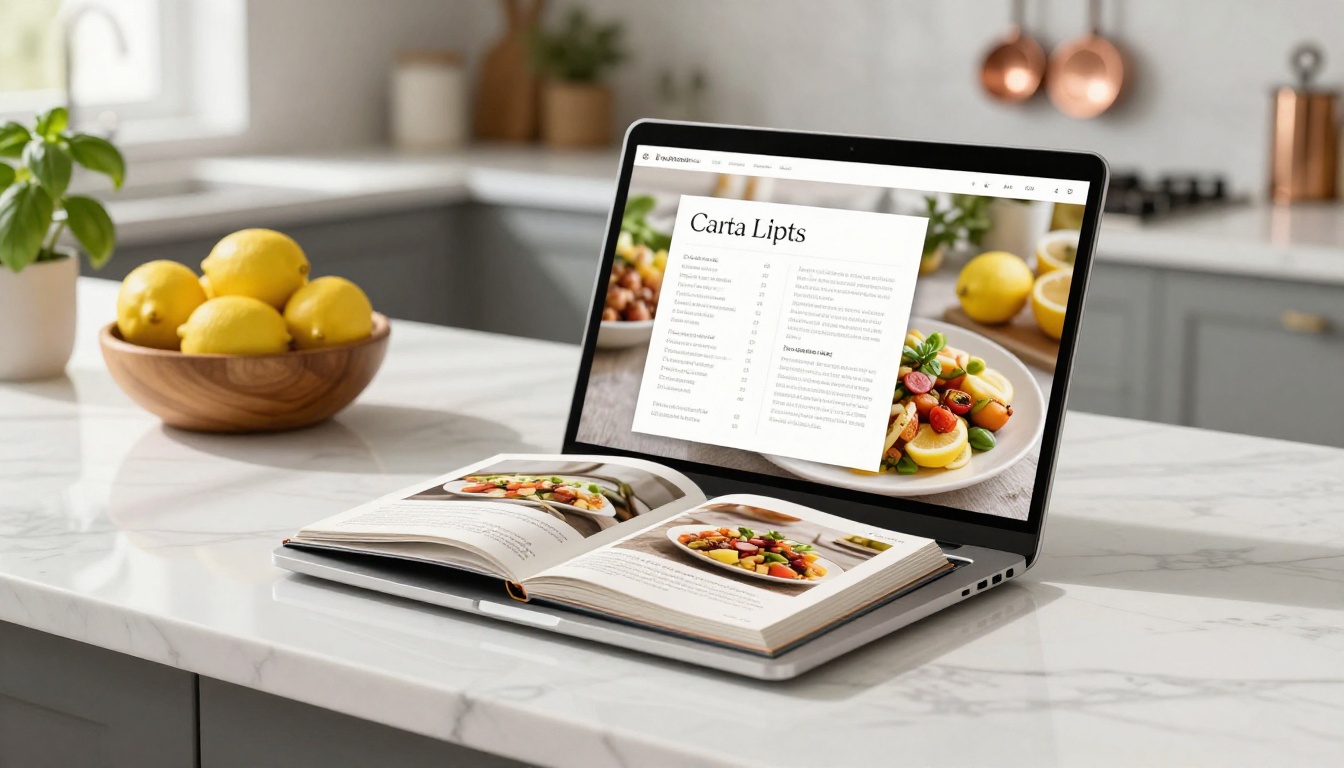
A digital flipbook takes a PDF and converts it into an interactive, page-turning experience that works on any device with a link. It looks like a real book, it can be updated anytime, and it can be shared with the entire extended family via a single URL. No app downloads. No printing costs. No outdated editions sitting in a drawer.
This is where Flipbooks AI comes in. It transforms your recipe PDF into a polished digital cookbook that any family member can open on their phone, tablet, or laptop, flip through like a real book, and download for offline reading whenever they need it.
Comparing All Your Options
Here's a direct comparison across the factors that matter most for family recipe sharing:
| Method | Cost | Visual Quality | Updateable | Accessibility | Collaboration |
|---|
| Group Chat / Email | Free | Very Low | No | Per message | Yes |
| Recipe Apps | Free–$30/yr | Medium | Yes | App required | Limited |
| Google Docs | Free | Low | Yes | Link / login | Yes |
| Printed Cookbook | $50–$200+ | High | No | Physical only | No |
| Digital Flipbook | Low | Very High | Yes | Link only | Yes |
For most families who want something beautiful, accessible, and lasting, the digital flipbook wins on almost every dimension.
Here's how different sharing scenarios map to the best solution:
| Scenario | Best Solution |
|---|
| Sharing one recipe quickly | Text message or email |
| Holiday recipe collection | Digital flipbook |
| Multi-generational archive | Digital flipbook |
| Meaningful gift for a relative | Printed cookbook or flipbook |
| Ongoing collaborative updates | Google Doc working file, then flipbook |
| Recipes accessible on any device | Digital flipbook |
| Private family-only access | Flipbook with password protection |
How to Build Your Family Recipe Book
Before you can share anything beautifully, you need to collect and organize what you have.
Step 1: Collect Everything First
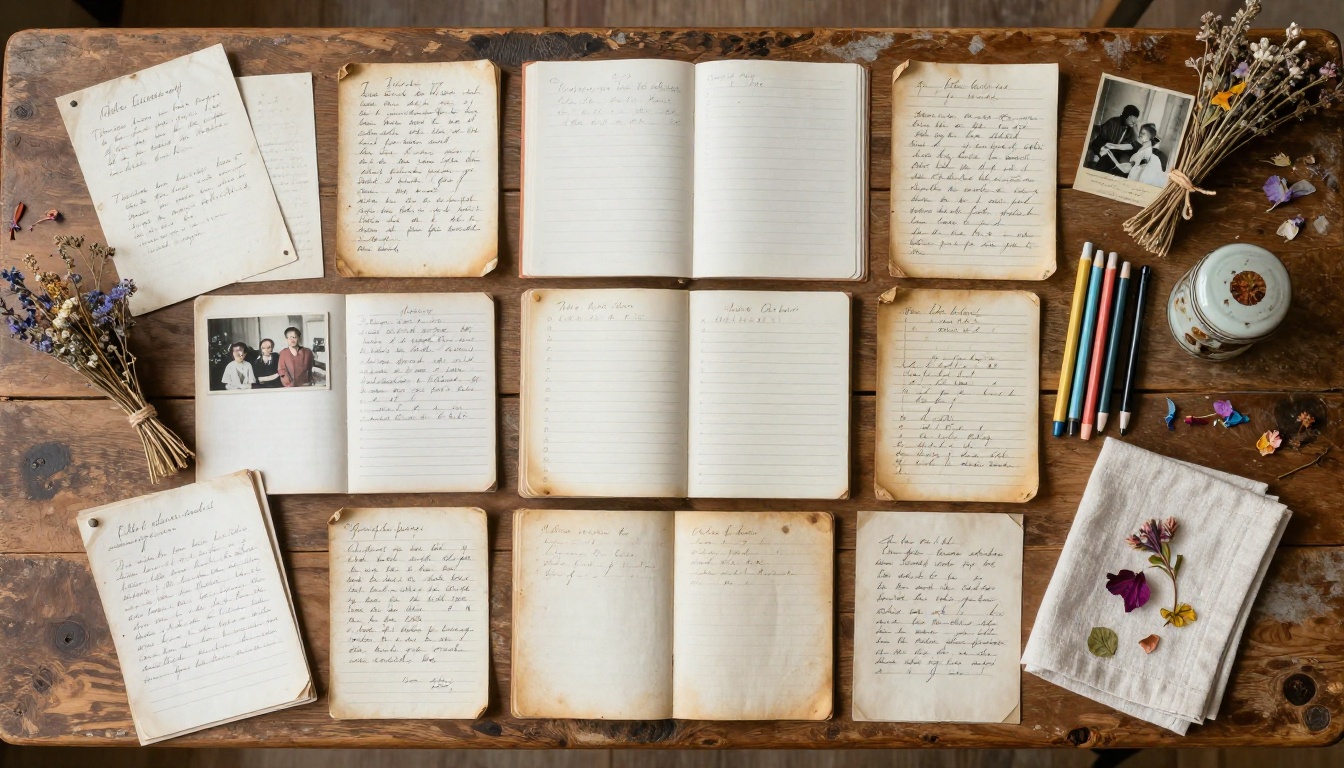
Start by gathering recipes from every source: recipe cards, notebooks, bookmarked websites, screenshots, old emails, and memory. Don't edit yet. Just collect. Send a message to the family asking for their top three recipes in any format, even a voice note you'll transcribe later.
💡 Record a short video call with older relatives while they cook or explain a dish. You get measurements, technique, and the story all at once. That recording is worth more than any written card.
Step 2: Organize by Category
Once you have everything gathered, sort it into logical sections. A typical family recipe book might include:
- Breakfasts and Brunches: pancakes, egg dishes, morning breads
- Soups and Salads: family soup recipes, seasonal salads
- Main Dishes: weeknight dinners, Sunday roasts, holiday centerpieces
- Side Dishes: vegetables, grains, potato preparations
- Breads and Baking: yeast breads, quick breads, pizza dough
- Desserts: cakes, cookies, pies, holiday sweets
- Sauces and Condiments: the secret stuff
- Drinks: family cocktails, mocktails, and seasonal beverages
Step 3: Format Each Recipe Consistently
Every recipe should follow the same structure. Readers won't know which ones you typed yourself versus transcribed from a 40-year-old card, but inconsistency breaks the experience.
A solid recipe format includes:
- Recipe name (the family name for it, not just the generic version)
- A short origin note ("This is the cake Grandma made for every birthday since 1967")
- Yield (serves how many)
- Prep and cook time
- Ingredients list in order of use
- Step-by-step instructions numbered, not in paragraph form
- Notes covering substitutions, storage tips, and common variations
- A photo whenever possible
Step 4: Design It as a PDF
Use Canva, Adobe InDesign, or even Microsoft Word to assemble the pages. Canva has free recipe book templates that look genuinely polished. Export the finished document as a PDF. That PDF is what you'll upload to Flipbooks AI to create your shareable digital flipbook.
How to Create a Recipe Flipbook with Flipbooks AI
This is where a basic PDF becomes something your whole family will actually want to open and read.
1. Create your account
Go to Flipbooks AI and create your account. No credit card is needed to start, and the process takes about two minutes.
2. Upload your recipe PDF
From your dashboard, click "New Flipbook" and upload your recipe book PDF. The platform converts it automatically into an interactive page-turning flipbook, preserving all your formatting, photos, and typography exactly as designed.
3. Customize the look and feel
Use the customization panel to personalize the experience:
- Add a cover image, a photo of a signature dish, a family photo, or your designed cover page
- Choose a color scheme that reflects your family's personality
- Add your family name or collection title as branding on the flipbook
4. Set privacy options
Make the flipbook public so anyone with the link can view it, or add password protection for private family content. For collections meant only for relatives, a password keeps it among the right people with no friction.
✅ Best practice: Pin the flipbook link in your family group chat and in the description of a shared family calendar so it's always findable when someone needs it at the stove.
5. Share the link
Once published, you receive a clean shareable URL. Paste it in the family group chat, include it in a holiday email, or embed it on a family website using the provided embed code. Anyone with the link opens it directly in their browser on any device, no app required.
6. Update it anytime
Unlike a printed cookbook, your digital recipe book can be updated whenever you add new dishes. Upload a revised PDF, and the flipbook refreshes automatically. The link stays the same. No reprinting, no re-distributing, no outdated editions.
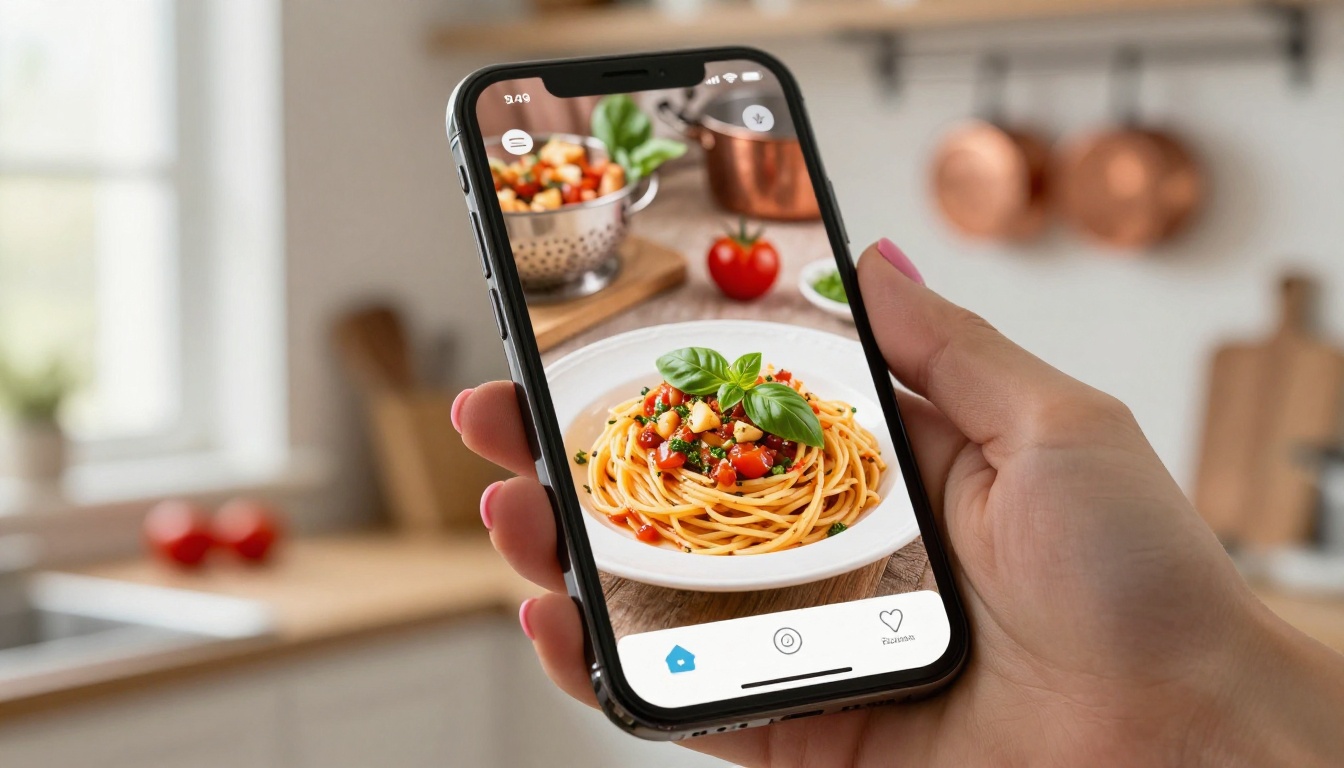
Flipbooks AI Plan Comparison
| Feature | Free | Standard | Professional |
|---|
| Number of flipbooks | 1 | Unlimited | Unlimited |
| Custom branding | No | Yes | Yes |
| Password protection | No | Yes | Yes |
| Offline downloads | No | No | Yes |
| Analytics dashboard | No | No | Yes |
| Lead generation tools | No | No | Yes |
| Watermarks | Never | Never | Never |
No plan ever adds watermarks to your content. Compare all pricing plans to find what fits your family's needs. For a recipe collection shared with a few dozen relatives, the Standard plan covers everything necessary.
💡 The Recipe Book Flipbook tool is built specifically for recipe content. It offers optimized conversion settings and templates designed for food publishing formats.
What Makes a Recipe Worth Keeping
Not every recipe in the family rotation deserves a place in the permanent archive. Some dishes are there because they're genuinely exceptional. Others carry weight for purely sentimental reasons. Both belong, but a thoughtful collection treats them differently.
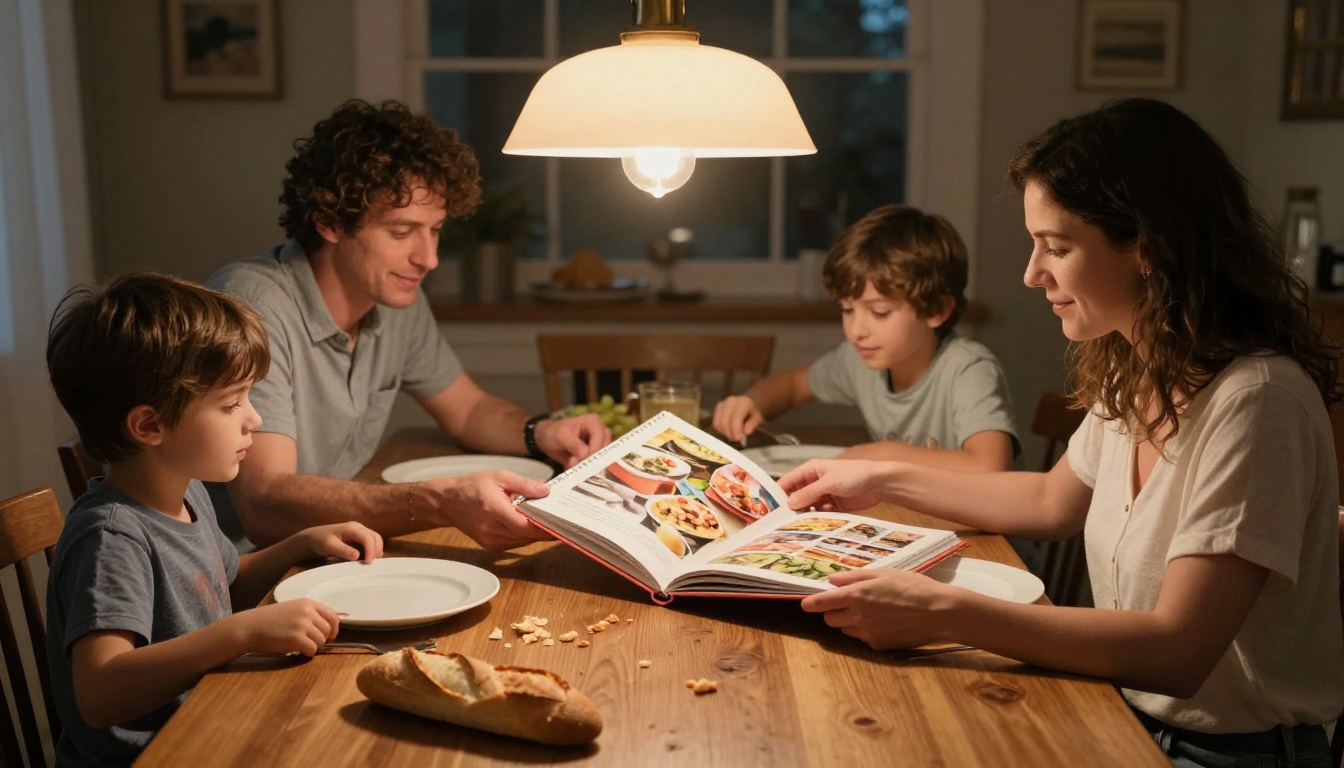
The 3 Types of Family Recipes
| Type | Description | How to Present |
|---|
| Legacy Recipes | Dishes tied to specific people or traditions | Include full story, photo, original card scan if possible |
| Everyday Staples | The meals that appear week after week | Keep format simple and efficient, focus on reliability |
| Holiday Specials | Dishes that only appear seasonally | Add context about when they're made and why they matter |
Writing for People Who Don't Cook
Not everyone in your family cooks at the same level. Write every recipe as if the reader is attempting it for the first time:
- Spell out techniques: "fold gently" needs a brief explanation for a beginner
- Define less common ingredients: "pancetta is Italian cured pork belly; substitute bacon if needed"
- Add timing cues: "the onions are ready when they turn translucent, about 8 minutes"
- Warn about common mistakes: "do not boil the custard or it will curdle and need to be started over"
⚠️ The biggest mistake in family recipe collections is assuming everyone shares the same baseline cooking knowledge. A recipe should be just as usable for someone making it the first time as for someone who's made it 20 times.
Keeping Food Traditions Alive
Recipes are containers for memory. The dish itself is almost secondary to the story surrounding it.
Record the Story, Not Just the Steps
The most powerful recipe collections include the why behind each dish. A few sentences at the top of a recipe can transform an ingredient list into something a grandchild reads decades from now:
- Who first made this dish, and approximately when
- Why it became a family staple
- What occasion or season it's associated with
- Any meaningful memory attached to it
- Variations different branches of the family have developed over time
Make the Collection a Living Project
A family recipe book doesn't need to be finished. Some of the best ones grow deliberately over time. Consider:
- Adding a "new additions" section each year featuring recipes that joined the rotation
- Running a recipe contest at family gatherings and including the winners
- Letting younger family members submit their own recipes to create generational continuity
- Including photos from meals where specific dishes were served, tying images to memories
💡 Schedule an annual update to your digital flipbook. Collect new recipes in the fall, update and republish in December as a small holiday tradition. The link stays the same. The book grows.
Tips for a Collection People Actually Use
Quality Over Volume
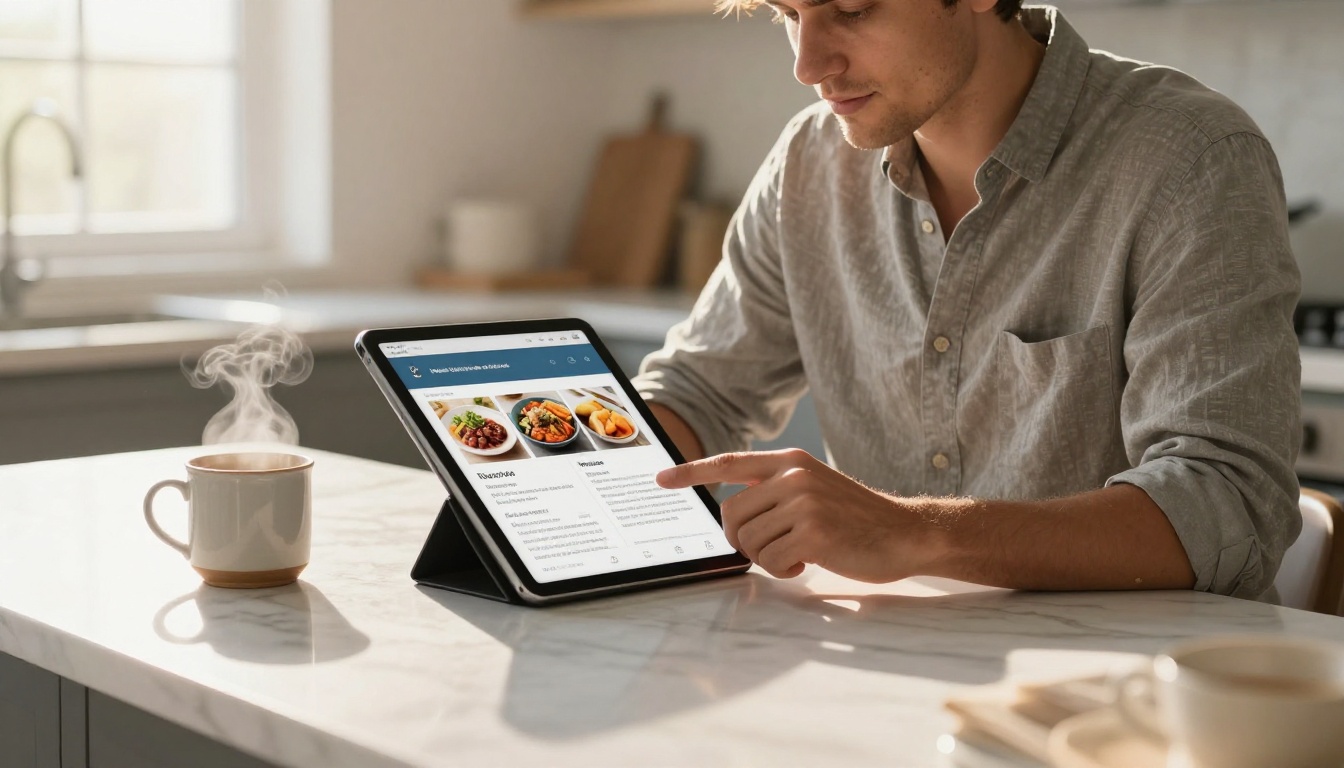
Fifty excellent recipes beat 300 mediocre ones. When building the collection, be selective. If a recipe is "fine but nobody ever requests it," it probably doesn't belong. If a recipe causes friendly arguments over who gets to make it at the holiday table, it's essential.
Photos Change Everything
A recipe with a photo gets made. A recipe without one gets scrolled past. You don't need professional food photography. A well-lit phone photo taken in natural light near a window, placed on a white plate or wooden board, is enough. Include at least one photo per recipe whenever possible.
Organize for How People Actually Cook
Most people don't browse a recipe book front to back. They open to a section, look for something that matches what they have available, and start cooking. Design your organization with that behavior in mind: clear section headers, a table of contents, and a short intro paragraph for each chapter explaining what kinds of dishes it contains.
Test Before Including
Before a recipe goes into the permanent collection, someone should make it from the written instructions alone, without relying on memory or intuition. If steps are missing or unclear, fix them before they're locked into the archive.
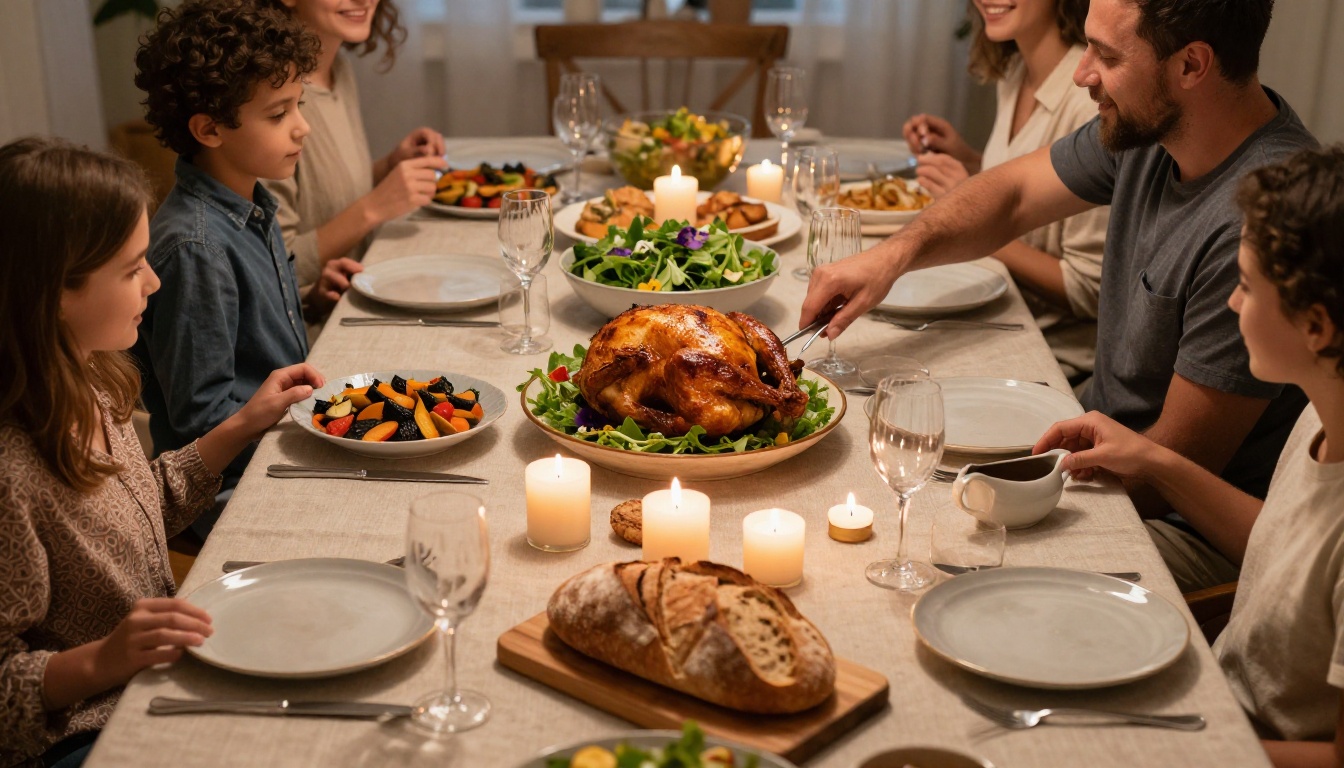
Start Your Family Recipe Collection Today
Every family has recipes worth preserving. The best time to start was years ago. The second best time is right now, before another handwritten card gets lost or another relative's signature dish becomes a memory nobody can recreate from scratch.
The approach that works for most families: collect everything in a shared Google Doc first, then format it properly in Canva, export as a PDF, and publish it as a digital flipbook on Flipbooks AI. Share the link with the family. Update it once a year. That process costs almost nothing, takes a few focused weekends of effort, and produces something that can genuinely outlast everyone who contributed to it.
Ready to build yours? Create your account on Flipbooks AI and publish your first recipe flipbook today. Explore the Recipe Book Flipbook tool for templates built specifically for food content. Browse all flipbook tools to see the full range of what's possible. Or compare pricing plans to find the right fit for your family's collection.
The recipes are already there. They just need a home that's worthy of them.



