Antiques don't sell themselves, even when they're extraordinary. Buyers want to feel the story behind a piece before they drive across town or wire a payment. That's exactly why more antique dealers are turning to digital flipbooks to showcase their inventory: a well-crafted flipbook puts your best pieces in front of serious collectors 24 hours a day, with the look and feel of a real printed catalog. Flipbooks AI makes this possible without design software, technical skills, or a big budget.
Why Antique Shops Struggle to Sell Online
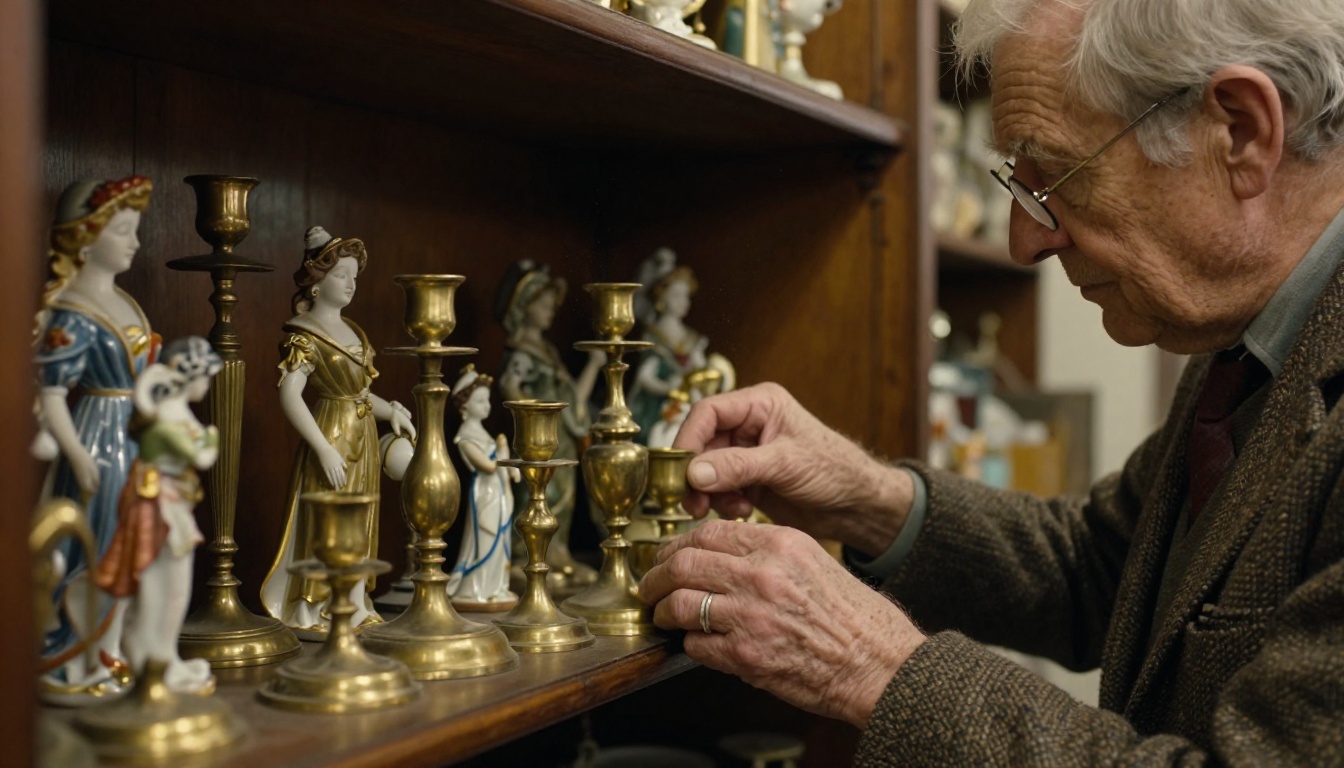
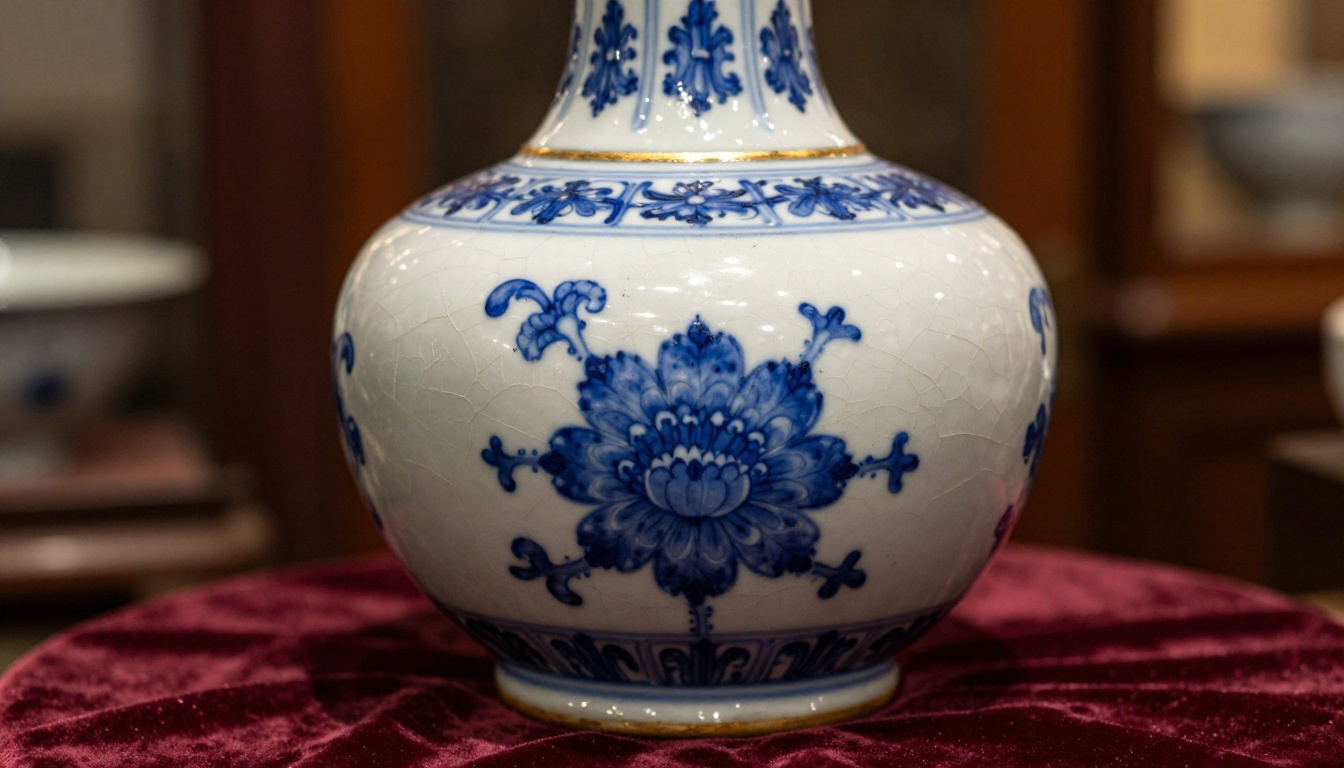
Physical antiques are deeply tactile. A buyer who can walk your shop floor can run a finger along a dovetail joint, check a hallmark with a loupe, and smell the cedar of an old wardrobe. Online listings flatten all of that into a blurry JPEG and a word count. Static product pages on Etsy or even your own website can't communicate the weight of a Victorian silver tea service or the depth of color in a mid-century oil painting.
The Problem With Static Listings
- No narrative thread connecting pieces in a collection
- No visual hierarchy to separate premium items from everyday stock
- No branding that makes your shop look different from the 50 others listing on the same marketplace
- No way to group themed collections (Art Deco jewelry, Victorian silver, Mid-Century Modern furniture) so buyers can browse by taste
A digital flipbook solves all of these problems in one format. It reads like a real catalog, pages flip with a satisfying animation, and every item can carry its own text, pricing, and provenance notes without looking like a database dump.
What a Flipbook Does That Nothing Else Can
A flipbook isn't just a PDF with page-turn animations. It's an interactive publication that buyers actively browse rather than scroll past. When someone opens your antique shop flipbook, they commit to the experience in a way they never would with a product grid.
Format Comparison: Flipbook vs. Static Options
| Format | Visual Appeal | Browsability | Shareability | Branding Control | Cost |
|---|
| PDF Catalog | Medium | Low | High | High | Low |
| Image Gallery (website) | Medium | Medium | Medium | Medium | Low |
| Social Media Posts | High | Low | High | Low | Low |
| Printed Catalog | High | High | Low | High | High |
| Digital Flipbook | Very High | Very High | Very High | Very High | Low |
The numbers speak clearly. A digital flipbook outperforms every alternative on the metrics that matter for antique dealers: visual presentation, the ability to browse collections intuitively, and the ease of sharing with a single link.
💡 A flipbook link can be shared in an email newsletter, on Instagram stories, via WhatsApp, or embedded directly on your website. One format, infinite distribution channels.
What Buyers Actually Do With Flipbooks
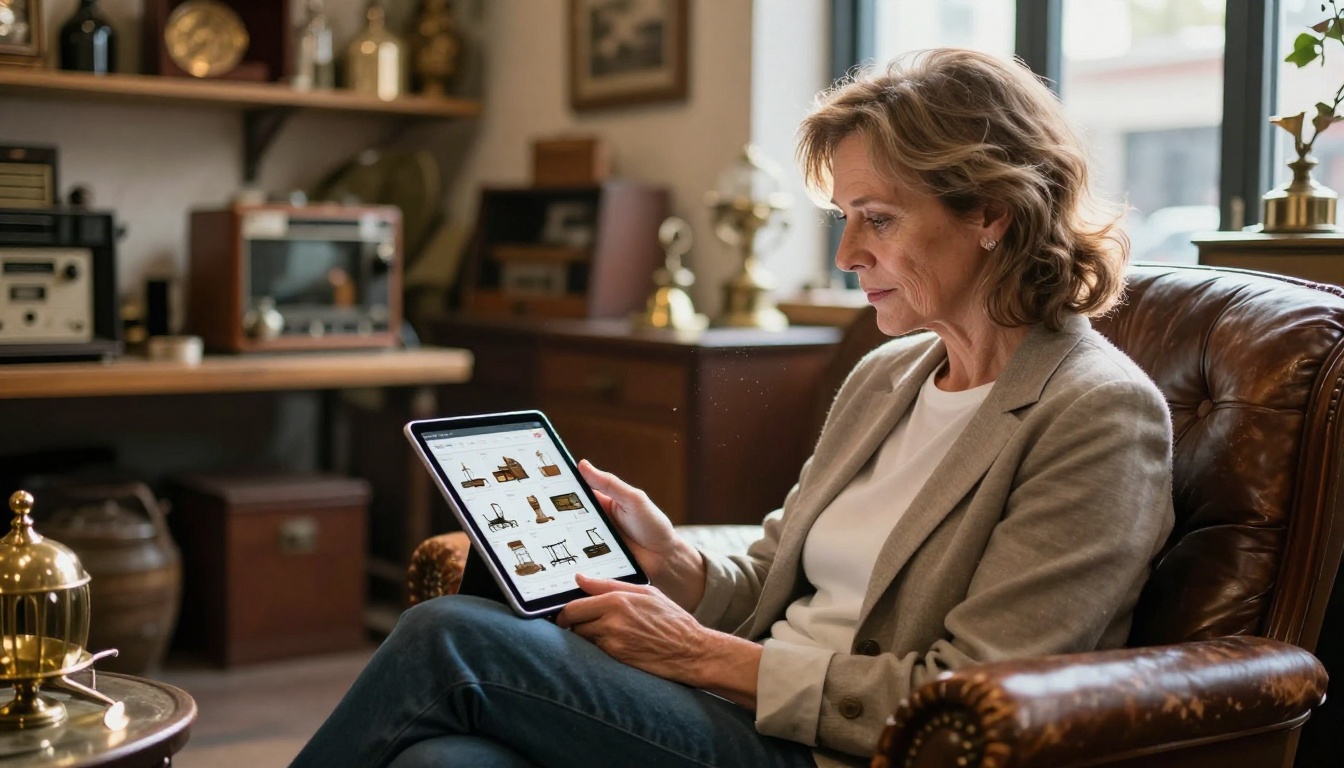
Serious antique buyers often browse at night, in bed, on a tablet, comparing notes from multiple dealers. A flipbook gives them something that feels substantial, like they're genuinely leafing through a Christie's preview catalog. That feeling builds trust, and trust converts to inquiries and sales.
How to Create a Flipbook for Your Antiques Shop
The process is simpler than most dealers expect. You don't need InDesign, a graphic designer, or a photography studio. You need organized photographs, basic text descriptions, and access to Flipbooks AI.
Step 1: Photograph Your Inventory Properly
Before you build a flipbook, you need strong images. Every piece should have:
- Hero shot: Clean background, good natural light or a ring light, item centered
- Detail shot: Hallmarks, maker's marks, damage if any, construction details
- Scale shot: Item with a known object nearby for size reference
- Provenance shot: Any certificates, receipts, auction house labels
Shoot on a white or neutral gray backdrop for consistency throughout the catalog. Buyers trust consistency because it signals professionalism.
Step 2: Build Your PDF Layout
Your flipbook starts as a PDF. You can build one using:
- Canva (free, drag-and-drop, professional templates)
- Adobe InDesign (professional, precise control)
- Microsoft Publisher (basic, fine for smaller catalogs)
- Google Slides (export to PDF, works fine for simple layouts)
Each page should feature one to three items maximum, depending on size. Give larger, higher-value pieces their own full page. Group smaller items thematically, not randomly.
✅ Use consistent fonts and a defined color palette across every page. Your flipbook is a brand document as much as a sales tool.
Step 3: Upload to Flipbooks AI
Once your PDF is ready, head to Flipbooks AI and create your account. The upload process takes under two minutes:
- Click Create New Flipbook
- Upload your PDF (supports files up to several hundred pages)
- Watch the automatic conversion process render your pages with realistic page-flip animation
- Choose your branding settings: background color, front-page style, page shadows
The Catalog Flipbook Creator and the Digital Catalog Maker are particularly well-suited for antique shop inventory presentations.
Step 4: Customize Your Flipbook Branding
This step separates amateur catalogs from professional ones. Inside Flipbooks AI, you can:
- Add your shop logo to the header or opening page
- Set a custom background color that matches your brand aesthetic (deep burgundy and gold work beautifully for antique dealers)
- Choose page effects: glossy, matte, aged paper texture
- Add a custom domain so your flipbook lives at something like
catalog.yourantiqueshop.com
- Embed YouTube videos of pieces being demonstrated or appraised
Step 5: Share and Embed
After customization, your flipbook gets a shareable link instantly. Options include:
- Direct link for email campaigns and social posts
- Embed code to place the interactive flipbook directly on your website or a specific product page
- Password protection for private previews sent to VIP clients or trade buyers
- QR code to print on physical mailers or in-store signage
💡 Print your flipbook QR code on a small card and place it at the register. Customers who browse in store can scan it and continue shopping your full online inventory from home.
Choosing What Goes in Your Antique Catalog
Not every piece deserves catalog real estate. Curate with intention.
Which Items Should Lead the Catalog
Put your most visually striking and highest-margin pieces first. Buyers rarely make it past page six unless something on the opening pages earns their attention.
Strong openers include:
- Large furniture pieces with obvious visual drama
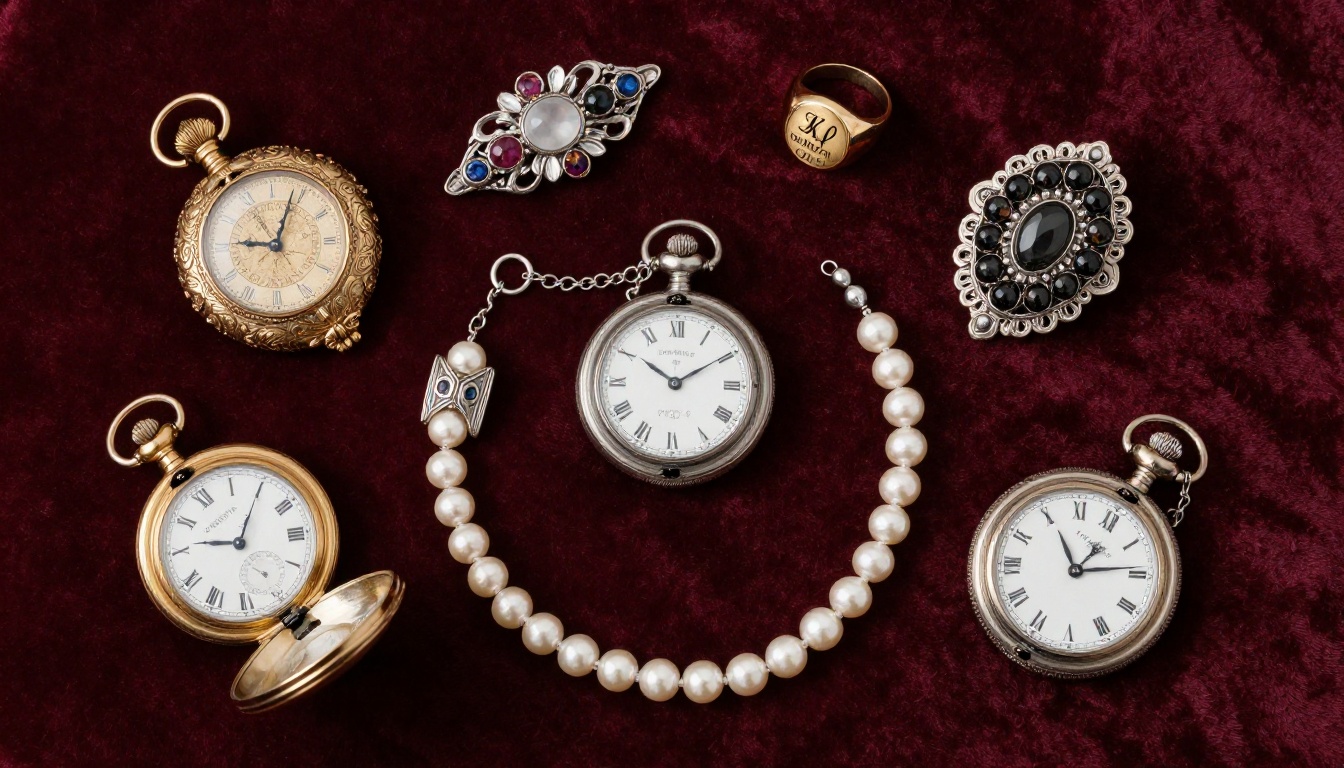
- Jewelry collections arranged as styled flat lays
- Oil paintings or prints with clear attribution
- Unusual curiosities that tell a story at a glance
Organizing by Theme vs. By Category
| Organization Method | Best For | Buyer Experience |
|---|
| By Era (Victorian, Art Deco, Mid-Century) | Collectors with specific period focus | Very targeted, high intent |
| By Material (Silver, Porcelain, Wood) | Buyers shopping for a specific type | Efficient for specialists |
| By Room (Bedroom, Dining, Study) | Interior designers and decorators | Helps with visualization |
| By Price Tier (Under $500, $500-$2000, $2000+) | Budget-conscious buyers | Reduces friction |
| Themed Collections (Christmas Antiques, Maritime) | Seasonal campaigns | High shareability |
For most antique shops, a combination works best: open with a themed hero section, then organize remaining pages by era or material.
⚠️ Don't include every piece in your inventory. A 200-page flipbook feels exhausting. Aim for 30-60 pages and publish new editions seasonally.
Pricing Plans for Small Antique Businesses
Flipbooks AI offers plans that scale with your shop's size and ambition.
Plan Comparison
| Feature | Free | Standard | Professional |
|---|
| Number of Flipbooks | 1 | Unlimited | Unlimited |
| Watermark | Yes | No | No |
| Custom Branding | No | Yes | Yes |
| Password Protection | No | Yes | Yes |
| Analytics Dashboard | No | No | Yes |
| Lead Generation Forms | No | No | Yes |
| Offline Downloads | No | No | Yes |
| Custom Domain | No | No | Yes |
For most small antique shops, the Standard plan is the right starting point. No watermarks, unlimited flipbooks, and custom branding make it a serious professional tool. Dealers selling high-value pieces or building mailing lists should move to Professional for analytics and lead capture, which show you exactly which pages buyers spend the most time on.
💡 The analytics feature on the Professional plan shows you page-by-page attention data. If buyers are lingering on your silverware pages but skipping furniture, that's real market research you can act on immediately.
See the full breakdown at flipbooksai.com/pricing.
Real Antique Shop Use Cases Worth Copying
Abstract benefits are one thing. Here are concrete scenarios where flipbooks deliver immediate value for antique dealers.
Estate Sale Previews
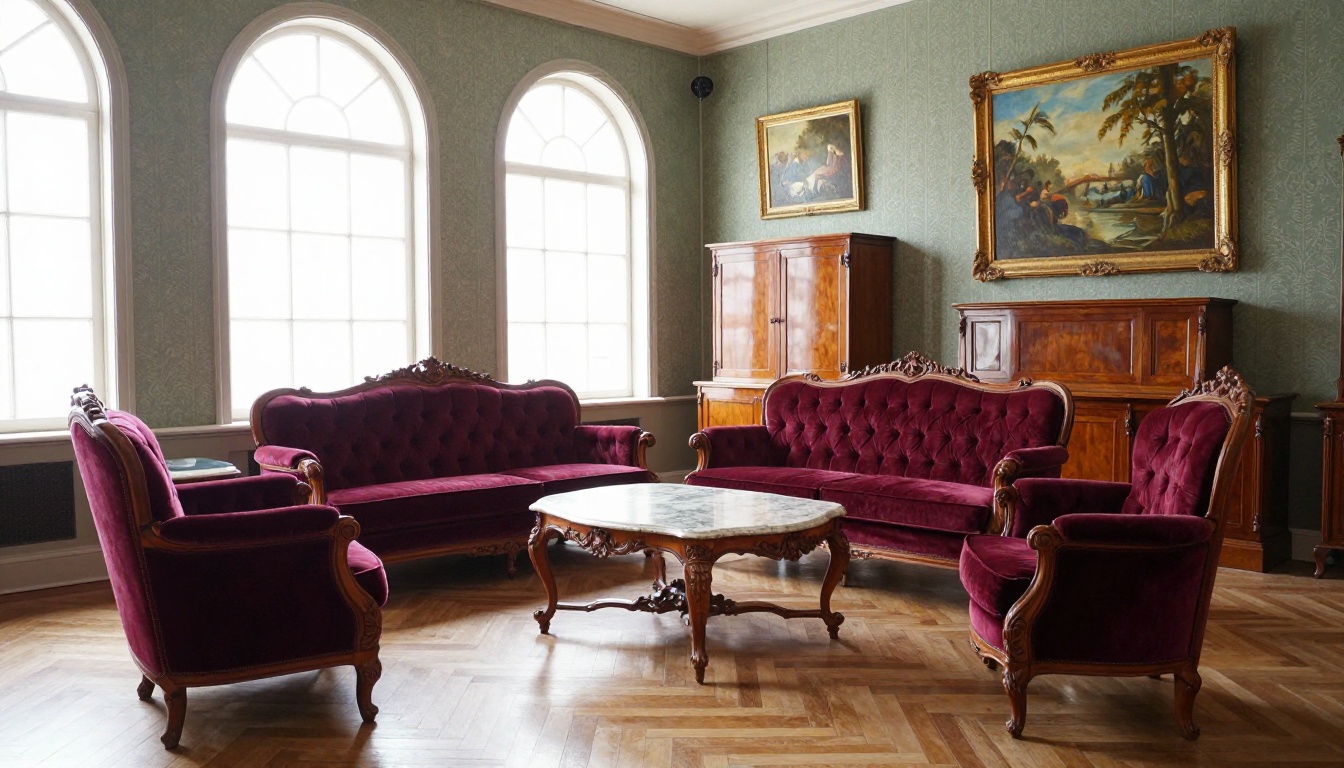
When you acquire a large estate, a flipbook lets you send a preview to your best clients before the doors open. Password-protect it with a 48-hour window, and serious buyers can review the inventory, mark their priorities, and arrive ready to buy. This dramatically reduces the "I didn't know that was there" walkaway after a sale.
Auction House Consignment Portfolios
If you regularly consign pieces to regional auction houses, a professional-looking digital catalog strengthens your credibility as a dealer. Send the flipbook link ahead of your appointment and arrive at a meeting where the specialist has already reviewed your collection.
Seasonal Themed Editions
Publish a Christmas Antiques Collection each November. A Garden Party Edition of outdoor and decorative pieces each spring. A Valentine's Jewelry Showcase in January. Seasonal flipbooks perform exceptionally well in email campaigns because they feel time-sensitive and curated, not like a constant product push.
Dealer-to-Dealer Trade Catalogs
Many antique dealers also sell to other dealers. A password-protected trade flipbook with wholesale pricing can replace the phone call, the texted photos, and the awkward negotiation by email. It positions you as organized and professional in a field where that's still relatively rare.

Online Show Presence
Antique fairs and shows have moved significantly online since 2020. A digital flipbook gives you a booth presence at any virtual show, with zero shipping costs for heavy furniture. Share your link in show directories, Facebook group posts, and collector forums.
Making Your Flipbook Work Harder
Publishing a flipbook is the beginning, not the end. Here's how to extract maximum value from every catalog you create.

Email Marketing Integration
Your email list is your most valuable sales asset as an antique dealer. When you publish a new flipbook, send a dedicated email with three or four preview images and a clear call-to-action button linking to the flipbook. Subject lines like "New Victorian Silver Arrives Friday" outperform generic newsletters by a wide margin.
Social Proof Inside the Flipbook
Include a page or two with customer testimonials, especially for high-value categories. A note from a collector who bought a piece from you and was delighted carries more weight than any description you write yourself.
Linking Individual Pages
With Flipbooks AI, you can link directly to specific pages inside your flipbook. This means you can share a link to page 14 (your Art Deco jewelry spread) on a collector forum discussing 1930s pieces. The buyer lands exactly where their interest is, not at the beginning of a 50-page catalog.
Lead Generation Forms
The Professional plan lets you add lead capture forms inside the flipbook itself. Place a form after your most desirable pages: "Request more information about this piece" or "Join our VIP preview list." Buyers who fill this form are warm leads with demonstrated interest in specific inventory.
✅ Use the Digital Price List Generator for simple one-page price lists that complement your main catalog. Share the price list separately with trade buyers who already know your inventory.
Building a Long-Term Catalog Strategy

The most successful antique dealers using digital catalogs treat them as a publishing operation, not a one-off project. They publish quarterly editions, maintain a seasonal release calendar, and archive old editions so repeat buyers can reference past purchases.
A Simple 12-Month Flipbook Calendar
| Month | Edition Theme |
|---|
| January | Valentine's Jewelry and Decorative Arts |
| March | Spring Estate Finds |
| May | Garden and Outdoor Antiques |
| July | Summer Showcase (Travel, Maps, Maritime) |
| September | Autumn Furniture and Textiles |
| November | Christmas and Holiday Antiques |
Six flipbooks per year is manageable for a one or two-person shop and creates a reliable rhythm that buyers begin to anticipate.
Archive Your Editions
Don't delete old flipbooks after a new edition drops. Buyers who purchased from a previous catalog may want to browse it again, refer back to it, or share it with a friend. An archived edition also demonstrates the breadth and consistency of your operation, which builds long-term buyer confidence.
✅ Browse all available tools and templates to find the right format for each type of antique catalog you plan to produce.
Your antique shop carries pieces that deserve to be seen, studied, and coveted by the right buyers. A static website or a marketplace listing doesn't do that job. A beautifully produced digital flipbook does.
Ready to put your best pieces in front of serious collectors? Create your first flipbook on Flipbooks AI, or compare pricing plans to choose what works best for your shop.



