The question comes up more than you'd think. Someone needs to share a document online and they pause: do I publish this as an eBook, or would a flipbook work better? The formats look similar on the surface. Both live online. Both display pages. Both reach readers without printing costs. But once you dig into how they actually work and what they do for your audience, the differences are substantial. Flipbooks AI exists precisely because the flipbook format solves problems that eBooks simply were not built for.

These two formats did not evolve from the same place. An eBook was built to replace printed books. A flipbook was built to replace printed catalogs, magazines, and brochures. That origin story matters because it shapes everything, from how the content looks to how readers interact with it.
What a Flipbook Actually Is
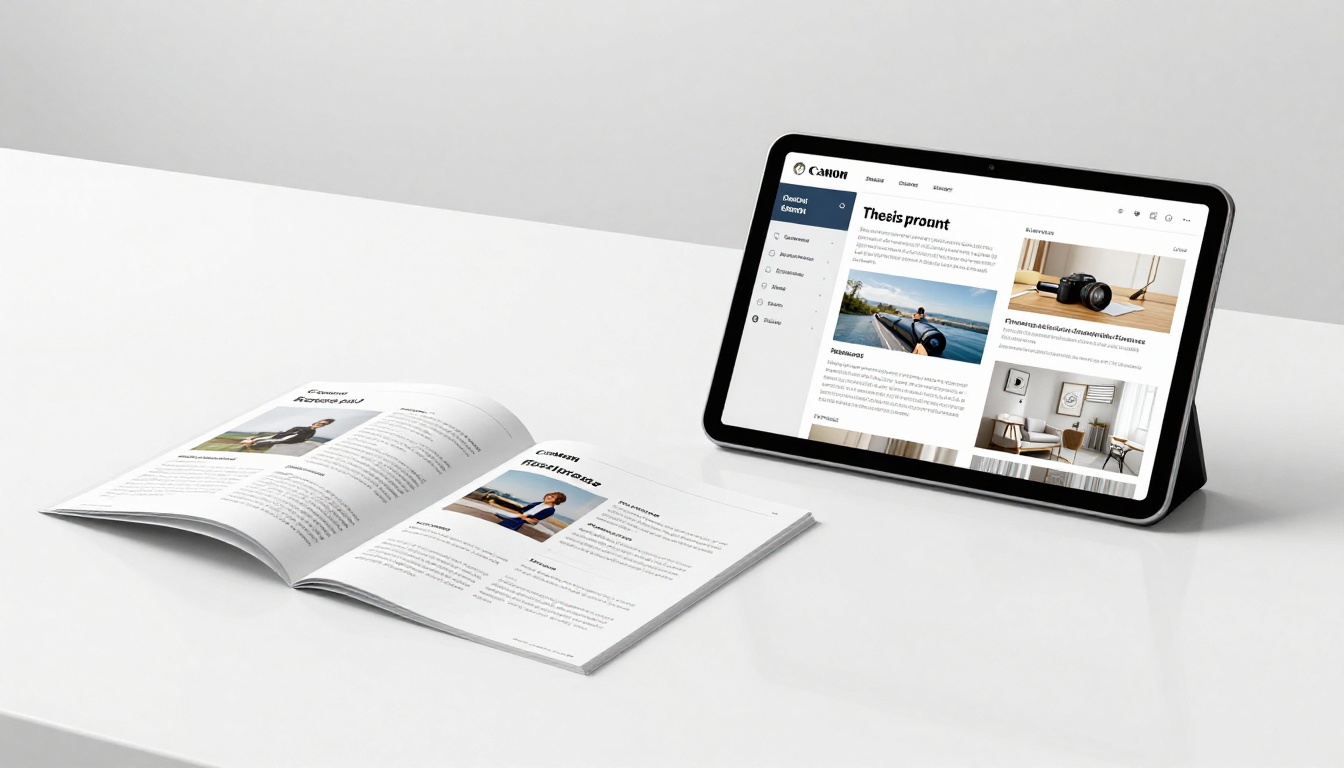
A digital flipbook is a publication that mimics the physical act of turning pages. When you interact with one, pages curl and flip as you navigate through the content, creating a reading experience that feels like holding a real magazine or catalog. Most modern flipbooks are created by uploading a PDF and converting it into an interactive digital publication.
Beyond the visual effect, flipbooks support:
- Embedded video and audio within individual pages
- Clickable hyperlinks throughout the content
- Zoom functionality for detailed product imagery or fine print
- Password protection for private or paid content
- Analytics tracking so publishers know exactly which pages readers spend time on
- Mobile-responsive layouts that adapt to phones and tablets
What an eBook Actually Is
An eBook is a digital text document designed for reading, usually formatted in ePub, MOBI, or PDF. The focus is on the text itself. Readers can adjust font size, change background color, bookmark pages, and highlight passages. Think Kindle, Apple Books, or a plain PDF you send via email.
eBooks prioritize:
- Text accessibility and readability across all screen sizes
- Font rendering and reflow so text adapts to the reader's preferences
- Offline reading without a browser
- Long-form content like novels, textbooks, and reports
- Annotation tools for note-taking and highlighting
💡 A useful mental model: eBooks put the reader in control of how text appears. Flipbooks put the publisher in control of how the page looks.
The Core Differences at a Glance
| Feature | Flipbook | eBook |
|---|
| Primary Format | PDF converted to interactive publication | ePub, MOBI, or static PDF |
| Visual Layout | Fixed, design-driven | Reflowable text |
| Page Turn Animation | Yes, realistic page-flip effect | No |
| Embedded Video/Audio | Yes | Limited (ePub3 only) |
| Clickable Links | Yes, throughout every page | Yes (basic) |
| Custom Branding | Full control | Minimal |
| Best For | Catalogs, magazines, brochures, menus | Books, reports, long-form text |
| Reading Device | Browser (any device) | Dedicated reader app |
| Analytics | Built-in page-level data | None standard |
| Distribution | Share link, embed on website | Download or platform store |
This table shows why the choice is rarely about preference and almost always about purpose.
Interactivity: Where Flipbooks Pull Ahead
Interactivity is the single biggest functional gap between these two formats. An eBook is essentially a long document. A flipbook is an experience.
Embedded Media and Clickable Content
When a real estate agency publishes a property brochure as a flipbook, they can embed a video tour directly onto the property page. A reader clicks play without leaving the publication. A fashion brand can embed a "shop now" button on every product page that takes the reader directly to checkout. A restaurant can include a short video of their signature dish right inside the digital menu.
None of this is possible with a standard eBook.
✅ Best practice: Use embedded links and media strategically. Every interactive element should serve a specific action, whether that is a purchase, a booking, or a deeper click-through.
The Page-Flip Experience
The page-flip animation is not purely cosmetic. Research in UX consistently shows that spatial navigation, knowing where you are in a document, reduces cognitive load. Readers of flipbooks naturally understand their position within the content because the visual metaphor of a physical book is deeply familiar.
eBooks solve navigation through a table of contents and chapter markers. These work well for novels and textbooks. They work poorly for catalogs, menus, lookbooks, and brochures where the visual layout of each page carries meaning.

eBook Readers
eBook audiences are typically:
- Consumers reading for pleasure (fiction, non-fiction, personal development)
- Students and researchers who need to annotate and reference material
- Professional report readers consuming dense analytical documents
- Long-session readers spending 30 minutes or more per reading session
The eBook reader expects to control their environment. They want to choose their font, their background, their reading speed. The content is the priority, not the design.
Flipbook Viewers
Flipbook audiences behave differently:
- Shoppers browsing product catalogs looking for specific items
- Hospitality guests reviewing a hotel or restaurant publication
- B2B buyers evaluating company materials like annual reports or press kits
- Event attendees looking through a digital event program
- Students engaging with visually-rich course materials
These readers are not settling in for a long read. They are scanning, browsing, and acting. The visual design informs their decisions as much as the text does.
⚠️ Important: Choosing the wrong format frustrates your audience. Publishing a product catalog as an eBook means readers lose the visual impact of your photography. Publishing a novel as a flipbook means readers cannot adjust the text for comfort.
Business Use Cases: Side by Side

This is where the format choice becomes a business decision.
| Use Case | Best Format | Why |
|---|
| Product Catalog | Flipbook | Visual layout, clickable products, page-flip browsing |
| Novel or Fiction | eBook | Reflowable text, reader controls typography |
| Restaurant Menu | Flipbook | Visual appeal, video embeds, easy sharing via QR code |
| Academic Textbook | eBook | Annotations, bookmarks, chapter navigation |
| Real Estate Brochure | Flipbook | Photography-first layout, embedded video tours |
| Annual Report | Flipbook | Branded design, data visualizations, executive summary pages |
| Training Manual | Either | Depends on whether layout or long-form text is the priority |
| Fashion Lookbook | Flipbook | Full-bleed imagery, clickable product links |
| Company Newsletter | Flipbook | Branded design, engagement analytics, easy sharing |
| Recipe Book | Flipbook | Photography-heavy, browsable format, video cooking clips |
When eBooks Make Sense
eBooks win when:
- Text volume is high and visual design is secondary
- The reader needs to annotate and return to specific passages
- Offline reading is a core requirement
- Distribution is through app stores like Kindle or Apple Books
- Accessibility compliance (screen readers) is mandatory
When Flipbooks Win
Flipbooks win when:
- Visual design carries meaning and must be preserved exactly
- The content is marketing-driven with conversion goals
- You need to track reader behavior at the page level
- Embedding on a website is part of the distribution plan
- The content includes rich media like video, audio, or interactive links
- You need password protection for clients, members, or paid subscribers
💡 A strong signal that you need a flipbook: if you would normally print it as a brochure, catalog, or magazine, publish it as a flipbook instead.
How to Create a Flipbook with Flipbooks AI
Flipbooks AI makes converting any PDF into a professional interactive flipbook straightforward. No design experience needed.
Step 1: Create your account
Go to flipbooksai.com/account and sign up. The Standard plan and above include unlimited flipbooks with no watermarks.
Step 2: Upload your PDF
Once inside the dashboard, click "New Flipbook" and upload your PDF file. The platform automatically converts every page into the interactive flipbook format, preserving your fonts, colors, images, and layout exactly.
Step 3: Add custom branding
Set your logo, choose brand colors for the reader interface, and customize the background. This is where your publication stops looking generic and starts feeling like a branded asset.
Step 4: Embed multimedia
On any page, add embedded video links, audio clips, or clickable hotspots pointing to product pages, booking forms, or contact pages. The Interactive E-Book Publisher tool is useful for content-heavy publications that sit between a flipbook and an eBook in terms of depth.
Step 5: Set sharing options
Choose how readers access your flipbook:
- Direct link for sharing via email or social media
- Embed code for placing it directly on your website
- Password protection for private client materials or paid subscribers
- QR code for print-to-digital bridging (especially useful for menus and event programs)
Step 6: Activate analytics (Professional plan)
On the Professional plan, you get page-level analytics showing exactly how readers move through your content, where they spend the most time, and where they drop off. Combine this with lead generation forms embedded inside the flipbook to capture contact information directly from engaged readers.

How Each Format Reaches Readers
Distribution strategy is often the deciding factor.
| Distribution Method | Flipbook | eBook |
|---|
| Email link | Yes | Yes |
| Website embed | Yes | No (download only) |
| QR code | Yes | Rare |
| App store (Kindle, Apple) | No | Yes |
| Social media share | Yes (preview link) | Limited |
| Password protected access | Yes | No (standard) |
| Offline download | Yes (with plan) | Yes |
Flipbooks have a clear advantage in web-centric distribution. Because they live in a browser, sharing is as simple as sending a URL. Embedding a flipbook inside a product page, landing page, or blog post takes a single embed code copy-paste.
eBooks have an advantage in ecosystem distribution. If your goal is to reach readers on Kindle or sell through Apple Books, you need the ePub format, not a flipbook.
Real-World Examples Worth Knowing
Real businesses choose flipbooks over eBooks in specific scenarios worth noting:
Fashion brands use flipbooks for seasonal lookbooks. The photography-first layout and clickable product links turn the publication into a direct sales channel. A static eBook would strip out the design intent entirely. The Interactive Lookbook Designer supports exactly this use case.
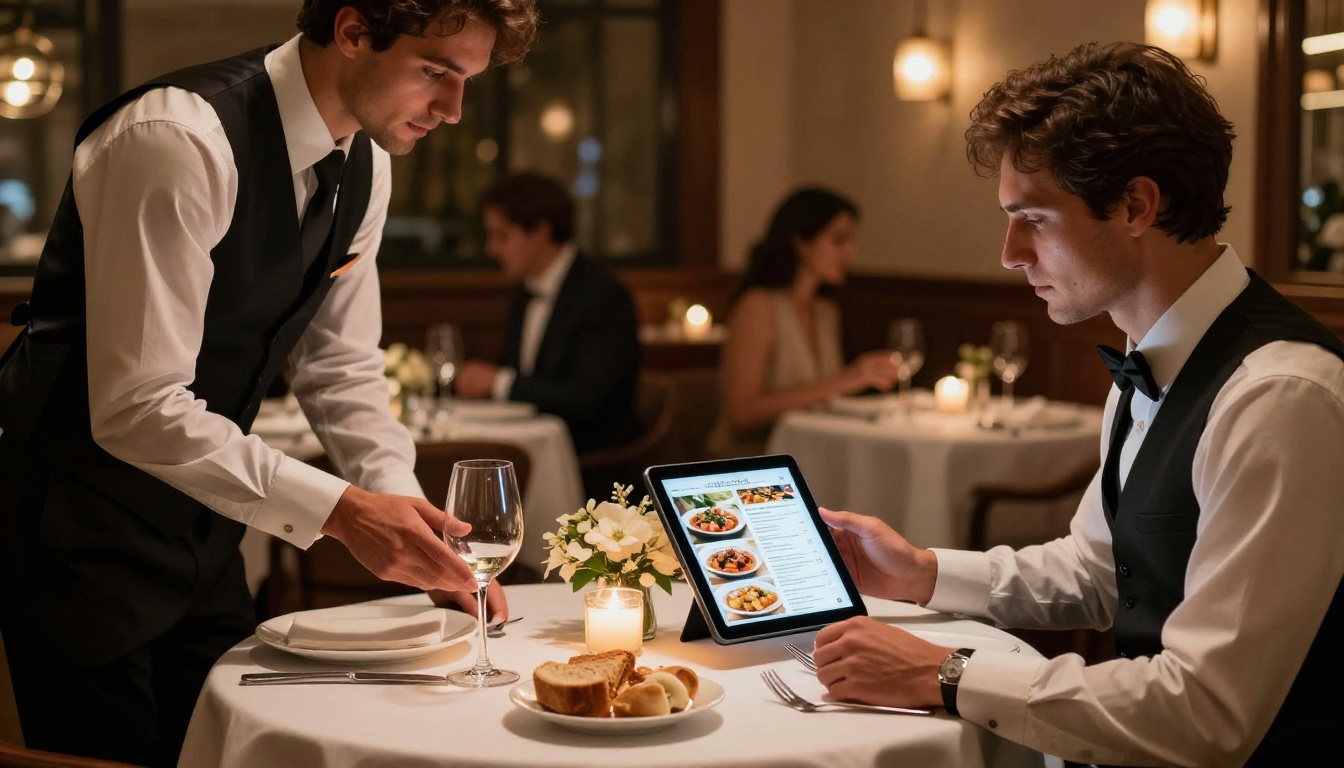
Restaurants and hospitality use flipbooks for menus and venue brochures. A waiter can send a digital menu link before a guest arrives, or a hotel can embed their welcome brochure in a booking confirmation email. The Restaurant Menu Creator handles this without any design work required.
Real estate agencies use flipbooks for property brochures and development portfolios. A PDF brochure emailed to a prospect is passive. A flipbook with an embedded virtual tour video is a sales tool. The Real Estate Brochure tool produces polished results quickly.
Nonprofits and corporations use flipbooks for annual reports. The branded layout, data visualizations, and easy web embedding make them far more effective than a PDF download. The Annual Report Creator and Corporate Report Maker cover both sectors.
The SEO and Sharing Angle
This is a practical difference most people overlook. When you publish a flipbook through a platform like Flipbooks AI, it lives at a public URL. That URL is indexable. Search engines can find it. You can share it on social media with a visual preview. You can embed it on your website and boost time-on-page metrics.
An eBook, typically distributed as a downloadable file, offers almost none of this. Once a reader downloads a PDF or ePub, the distribution trail goes cold. You have no visibility into whether they opened it, which sections they read, or whether they shared it.
For marketing-driven content, this matters enormously. The analytics gap alone is enough to push most businesses toward flipbooks for anything they want readers to actually act on.
✅ Best practice: If your content is marketing material, always choose flipbook format. The visibility, embedding capability, and analytics are not available in any eBook format.
The Right Format for Your Content
Choosing between a flipbook and an eBook is not a matter of one being better than the other. They solve different problems for different audiences.
Choose an eBook if your content is long-form text, your readers need annotation tools, and your distribution channel is an app store or direct download.
Choose a flipbook if your content is visually designed, you want readers to browse and act rather than read linearly, and distribution happens through web links and website embeds.
For businesses, marketers, and educators creating visually rich materials, the flipbook format consistently delivers better results. The page-flip experience increases dwell time, the interactive elements increase conversion, and the analytics tell you exactly what is working.
Ready to publish your first flipbook? Get started for free on Flipbooks AI, browse the full tools directory to find the right template for your use case, and check out pricing plans to choose what fits your needs.



