Choosing between a flipbook and a website for your brand is not a black-or-white decision. Both formats serve your audience, but they do it differently, and understanding those differences can completely change how your content performs. Flipbooks AI has helped thousands of brands publish interactive content that gets opened, shared, and remembered, while websites continue to anchor long-term digital presence. Here is exactly how they stack up.
What Is a Digital Flipbook?
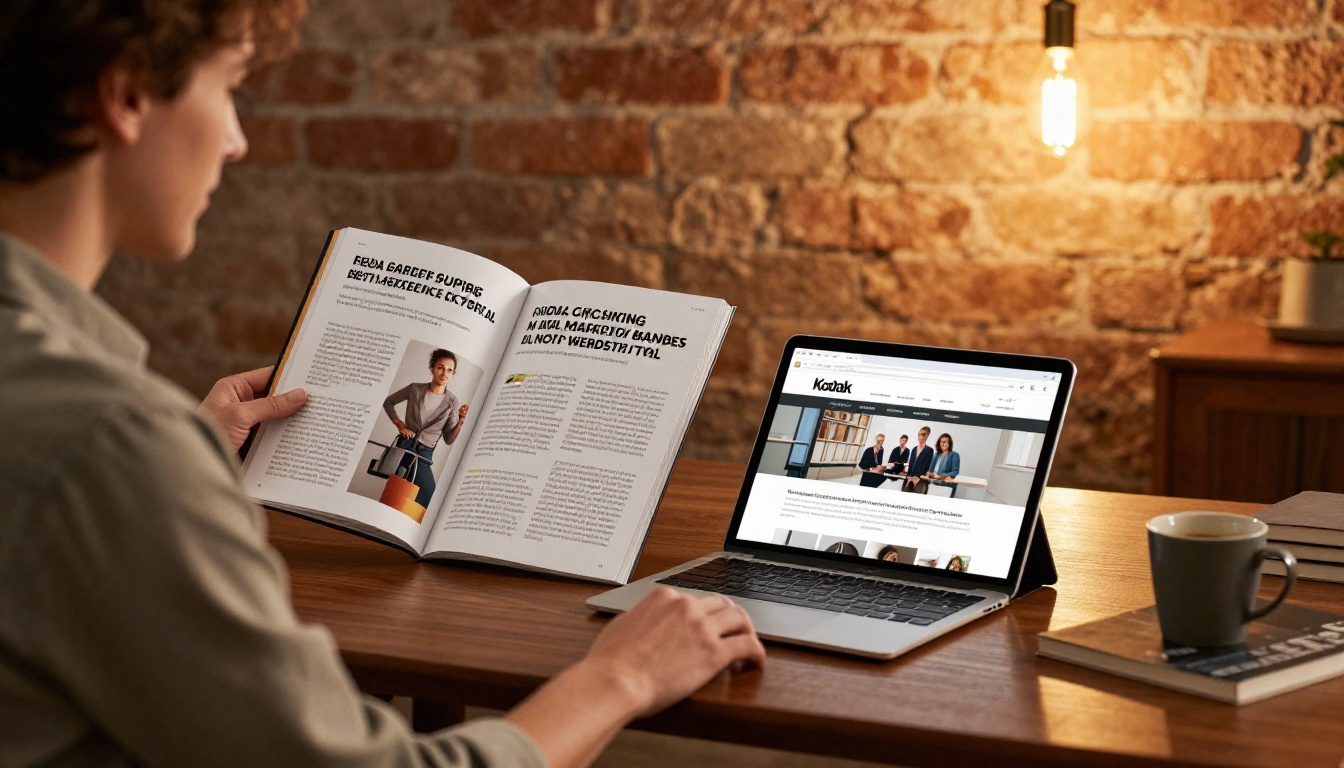
A digital flipbook is an interactive publication that mimics the experience of flipping through a physical magazine or catalog, but lives entirely online. It starts as a PDF and transforms into a rich, page-turning experience accessible on any device. Businesses use them for product catalogs, menus, lookbooks, annual reports, brochures, and more.
Unlike a static PDF that sits in a download folder and gets forgotten, a flipbook loads in a browser, supports embedded video and audio, tracks who reads it, and can be shared with a single link or embedded directly into a website.
The Core Mechanics
- Page-turn animations that replicate a physical reading experience
- Embedded multimedia: video, audio, and clickable links within pages
- Shareable URL: one link opens the full publication in any browser
- Analytics tracking: see who opened it, which pages they read, and how long they stayed
- Password protection for private content or internal documents
- Mobile-responsive design that adapts to phones and tablets automatically
What Is a Brand Website?
A brand website is your permanent digital home. It is the place search engines index, customers return to repeatedly, and where all your content, products, and contact information lives. A website is built for discovery through SEO, conversion through landing pages, and permanence as a space that stays always accessible and always updated.

What Websites Do Best
- SEO visibility: rank on Google for branded and informational queries
- E-commerce and lead capture: forms, checkout flows, and conversion funnels
- Scalability: add blog posts, landing pages, and product pages over time
- Brand consistency: full design control from typography to color system
- Always-on access: customers can find you 24/7 without needing a shared link
Head-to-Head Comparison
This is where the real decision gets made. Here is a direct feature comparison across the areas that matter most for brand marketing.
| Feature | Digital Flipbook | Brand Website |
|---|
| SEO Visibility | Limited (via embed) | High (full indexing) |
| Interactive Media | High (video, audio, page flip) | Medium (depends on build) |
| Setup Speed | Very fast (PDF upload) | Slow (weeks to months) |
| Maintenance | Minimal | Ongoing |
| Cost to Launch | Low to medium | Medium to high |
| Content Updates | Replace PDF, republish | Edit CMS or codebase |
| Analytics Depth | Built-in page-level tracking | Via Google Analytics |
| Sharing Ease | Single link or embed | Full URL with pages |
| Mobile Experience | Automatic | Requires optimization |
| Brand Control | Moderate (within template) | Full |
💡 The strongest brands do not choose one or the other. They use their website as the permanent hub and flipbooks as campaign-specific content pieces that link back to it.

When a Flipbook Beats a Website
There are specific situations where a flipbook will outperform a website every single time.
Campaign-Specific Content
A seasonal lookbook, a product launch catalog, or a limited-run event program has a shelf life. You do not need to build a whole website section for it. A flipbook goes live in minutes and can be taken down or updated just as fast. A restaurant rolling out a new seasonal menu can upload a redesigned PDF to Flipbooks AI and have a shareable, embeddable digital menu ready in under an hour using the Restaurant Menu Creator.
Sales and Presentation Materials
Sales reps need materials that look polished in a live pitch. A flipbook sent via email link opens instantly, looks professionally designed, and requires no download. Real estate agents, automotive dealers, and luxury brands consistently choose digital brochures for this reason. See the Real Estate Brochure Creator or Automotive Brochure Generator for purpose-built options.
PDF-Heavy Workflows
If your team already produces PDFs for internal reports, training manuals, or corporate communications, a flipbook is a zero-friction upgrade. The design work is done. The only step is uploading. The Training Manual Flipbook and Annual Report Creator tools are built for exactly this scenario.
Low-Budget Brand Launches
Not every brand has the runway to build and maintain a full website before going to market. A flipbook-based digital catalog or brochure lets a small brand look polished and professional on day one, at a fraction of the cost and time. The Digital Catalog Maker is a practical entry point for retail and product brands.
When a Website Wins
Websites remain the non-negotiable foundation for brands building long-term digital presence.
Organic Search Traffic
A website is the only format that competes meaningfully in search. Blog content, service pages, and product listings drive organic visitors who find you through Google and other search engines without any paid advertising. A flipbook does not rank independently for competitive keywords.
E-Commerce and Conversion
If you sell products or capture leads, you need a website. Checkout flows, form integrations, CRM connections, and payment processing require a web infrastructure that flipbooks are not designed to provide.
Customer Relationship Building
Email newsletters driving to landing pages, retargeting campaigns, loyalty programs, and community features all need a website as their destination. Flipbooks are content assets, not infrastructure.
⚠️ Using only a flipbook as your brand's sole online presence means customers who search for you by name may not find you. A website is essential for brand discoverability.
Cost Comparison
Cost is one of the most practical decision factors for growing brands and small businesses.
| Cost Category | Flipbook | Basic Website | Full Website |
|---|
| Initial Setup | $0 to $25/month | $500 to $3,000 | $5,000 to $50,000+ |
| Hosting | Included in plan | $10 to $50/month | $50 to $500/month |
| Maintenance | Minimal | Monthly updates | Developer retainer |
| Content Updates | Upload new PDF | CMS edit or dev work | CMS edit or dev work |
| Analytics | Built-in (Professional plan) | Google Analytics setup | Custom analytics stack |
| Time to Launch | Under 1 hour | 1 to 4 weeks | 2 to 6 months |
Explore pricing plans to see exactly what each tier includes before committing.
✅ For startups and SMBs, the fastest path to a polished digital brand presence is a simple website paired with a flipbook for product or marketing content. Both can be live within a week for under $100/month total.

Real-World Use Cases by Industry
Different industries find different value in each format. Here is how the decision typically plays out across sectors.
| Industry | Primary Use for Flipbook | Primary Use for Website |
|---|
| Retail and Fashion | Seasonal lookbooks, catalogs | Product listings, e-commerce |
| Real Estate | Property brochures, listings | Agent profiles, lead gen |
| Hospitality | Menus, hotel brochures | Bookings, reviews, contact |
| Education | Course materials, yearbooks | Enrollment, program info |
| Finance and Corporate | Annual reports, investor decks | Services, news, compliance |
| Events | Event programs, sponsor kits | Ticketing, schedules, RSVP |
| Creative Agencies | Portfolio lookbooks | Case studies, blog, contact |
A hotel, for example, might use the Hotel Brochure Designer to create a stunning digital property brochure that gets shared in booking emails, while the website handles reservations and SEO traffic.
How Flipbooks and Websites Work Together
The most effective brand content strategies do not treat flipbooks and websites as competitors. They use them as complementary layers of the same system.
Here is how the integration works in practice:
- Website as hub: Your main site hosts core brand content, blog posts, and product pages. It builds SEO equity over time.
- Flipbook as campaign asset: Each product launch, seasonal collection, or event gets its own flipbook. It is polished, shareable, and trackable.
- Embed the flipbook on your website: Use Embed Flipbook on Website to place the flipbook directly on a landing page. Now you get the visual richness of a flipbook inside your SEO-indexed website.
- Share via email and social: The flipbook URL gets distributed through your existing channels, driving traffic back to the website.
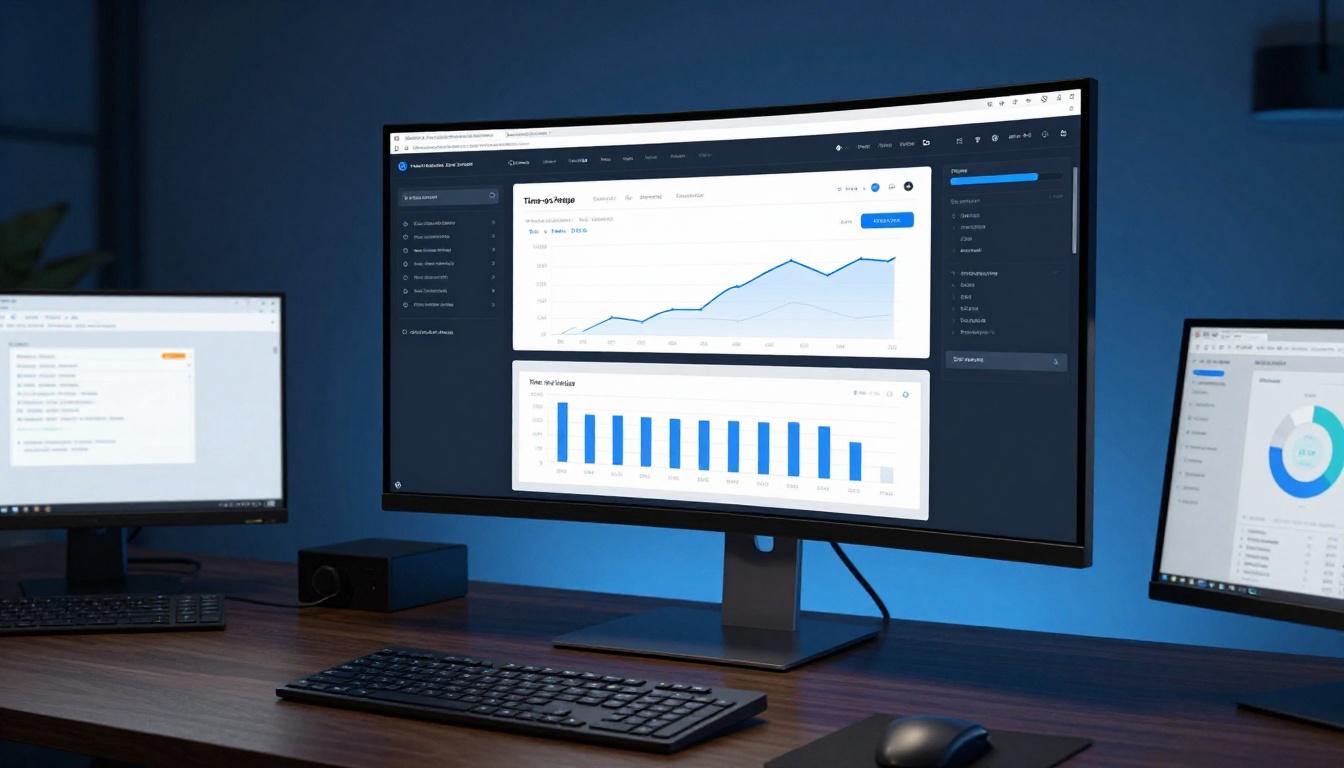
- Track performance: The Professional plan analytics on Flipbooks AI show which pages got the most attention, informing your next content decisions.

How to Create a Brand Flipbook with Flipbooks AI
For brands that already have PDFs or InDesign exports, the process of going from file to published flipbook is genuinely fast. Here is the step-by-step workflow.
Step 1: Create Your Account
Go to Flipbooks AI and sign up. No credit card required to start.
Step 2: Upload Your PDF
Click "New Flipbook" and upload your PDF directly from your computer. Flipbooks AI converts it automatically to a page-turning interactive publication. The PDF to Flipbook Converter handles all file processing on the server side.
Step 3: Customize Your Branding
Once uploaded, apply your brand colors, add your logo, and choose page transition effects. The customization panel gives you full control over the reading experience without requiring any code.
Step 4: Add Multimedia
Embed YouTube or Vimeo videos directly into specific pages. Add audio, clickable links, and embedded forms. This turns a static PDF into a fully interactive publication that holds attention.
Step 5: Set Sharing and Privacy Options
Choose from three sharing modes:
- Public link: anyone with the URL can view it
- Password protected: ideal for internal documents or exclusive content
- Embed code: paste into your website to display inline
Step 6: Publish and Distribute
Hit publish. Your flipbook gets a shareable URL instantly. Share it in email campaigns, on social media, in sales pitches, or embedded on your website.
💡 The Sales Presentation Flipbook tool is specifically optimized for B2B sales contexts. It includes analytics so you know when a prospect opened your deck and how long they spent on each page.
Flipbooks AI Features Worth Knowing
Before deciding how flipbooks fit your brand strategy, here is a quick rundown of what the platform actually includes.
- No watermarks, ever: even on the free tier, your flipbooks stay brand-clean
- Unlimited flipbooks on Standard plan and above
- Password protection for gating private content
- Analytics and lead generation on the Professional plan
- Offline downloads for presentations without reliable internet
- Embed video and audio directly into any page
- Mobile-responsive design that works on every screen size
- Custom branding including domain integration on higher tiers
Browse all flipbook tools to find the specific template category that matches your use case, from fashion catalogs to nonprofit annual reports.
The SEO Reality Check
This is the part most brands do not hear clearly enough. A digital flipbook, on its own, does not rank in search engines the way a website page does. Flipbook content is rendered as a visual publication, not as crawlable text. That means Google sees the embed, not the content inside.
This does not make flipbooks bad for SEO. It means they belong in a different part of the strategy. When embedded on a well-optimized website landing page, the flipbook contributes to page engagement metrics like time on site and low bounce rate that indirectly support rankings. The website page ranks; the flipbook extends the engagement.
Brands that rely solely on flipbooks for online discoverability will struggle to attract new audiences through search. Brands that use flipbooks as a layer on top of strong website content see the benefits of both.

Making the Right Call for Your Brand
The final answer depends entirely on what you are trying to accomplish.
Choose a flipbook first if you:
- Need something polished and shareable within hours
- Already have well-designed PDFs you want to bring to life
- Run campaign-specific content that changes seasonally
- Need built-in tracking without setting up analytics tools
- Want to send a sales presentation that looks better than a PDF attachment
Prioritize your website if you:
- Want to rank in search engines for your category
- Sell products or capture leads directly online
- Are building a long-term digital brand presence
- Need a hub for all your marketing channels to point toward
Use both if you:
- Want the best of discoverability and rich content experience
- Run regular content campaigns alongside a core brand presence
- Need to share polished materials while also building organic traffic
The brands that win are the ones that match the tool to the job, not the ones that insist on doing everything with a single format. A well-built website gives you the foundation. A well-crafted flipbook gives you the campaign firepower to make your content impossible to ignore.
Ready to see how a flipbook fits your brand? Get started for free on Flipbooks AI, or compare pricing plans to see which tier fits your content volume and team size. You can also browse all tools and templates to find the right format for your next campaign.



