Sending a PDF attachment to a booking agent is a fast track to the trash folder. The music industry moves on attention, and a static file that takes three clicks to open does not compete against a slick, one-link portfolio that loads instantly and reads like a magazine. That is exactly why more musicians are turning to interactive flipbooks to share their press kits, and why platforms like Flipbooks AI have become standard tools for indie artists and signed acts across every genre.
How Musicians Use Flipbooks to Share Press Kits
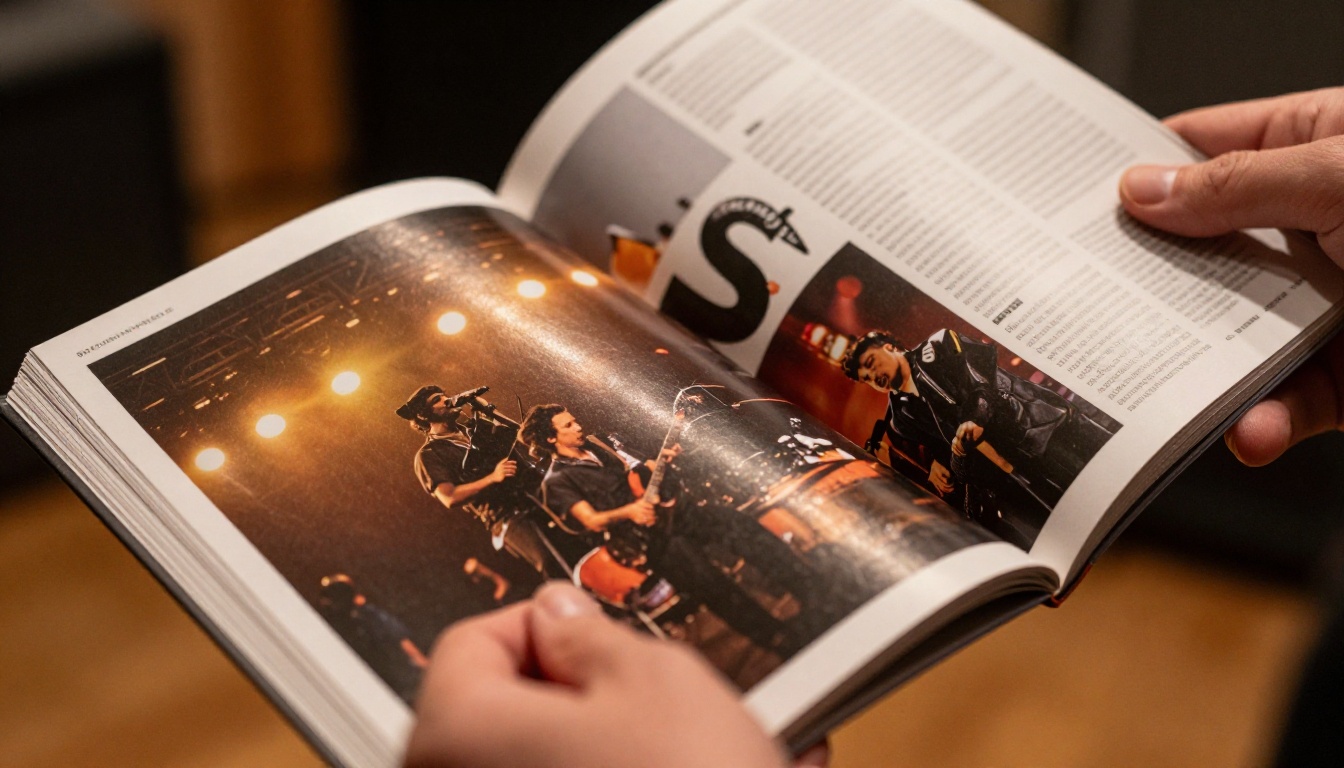
What a Music Press Kit Really Needs
A press kit is your professional introduction to anyone who matters in the music business. It tells bookers you are worth the stage, tells labels you are worth the investment, and tells journalists you are worth the story. The problem is most artists build them wrong, include the wrong things, and send them in formats that make it harder for people to say yes.
The Non-Negotiables
Every functional press kit contains these six elements without exception:
- Artist bio in two lengths: a tight 100-word version for quick reads and a full 300-plus word version for in-depth pitches
- High-resolution photos at minimum three: a live action shot, a clean portrait or headshot, and a full band or group image
- Music samples with direct streaming links to Spotify, Apple Music, SoundCloud, or wherever your best work lives
- Press quotes and media coverage, including local press, blog reviews, and radio features even at the regional level
- Upcoming shows and recent venue history showing where you have played and what size rooms you fill
- Contact information organized clearly for booking, press, and management as separate entries
💡 A well-built press kit does not just list facts. It sells a story. The booking agent for a 500-cap venue does not care about your influences. They care whether your crowd shows up and whether you create a night worth remembering.
What Gets You Ignored
Artists routinely include things that actively hurt their chances with the people they are trying to impress. A generic "influences include" paragraph that reads like a Wikipedia category page tells a booker nothing about what you actually sound like live. Low-quality or blurry concert photos signal that you do not take your own presentation seriously. Outdated show dates still listed from six months ago suggest you are not actively working. No clear contact details, or worse, a press kit where the contact information is buried on the last page, will cost you follow-up conversations that should have happened.
The design quality of your materials is read as a proxy for your professionalism as an artist. A beautifully constructed flipbook sent to a booker signals seriousness before a single word is read.
Why Static PDFs Are Holding You Back
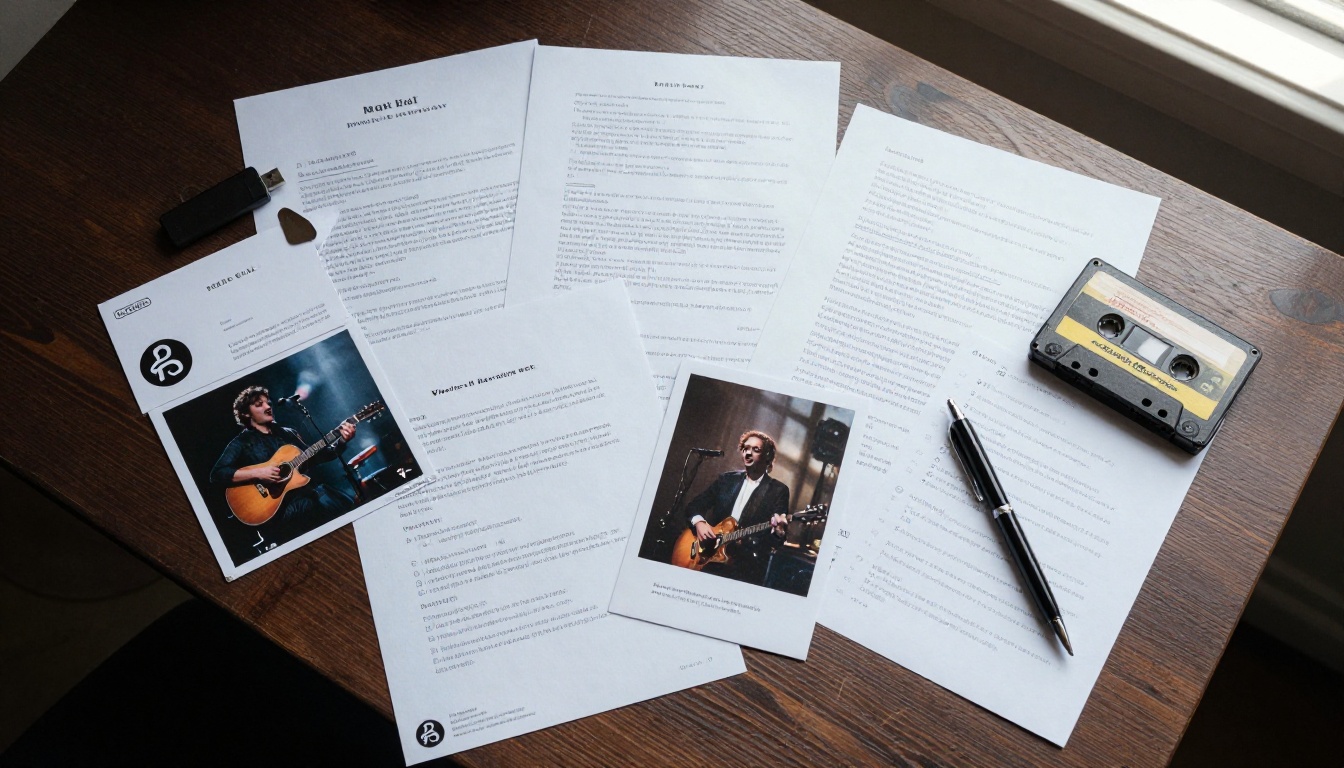
PDFs made sense in 2005. They are not built for how people share and consume information today.
The Attention Problem
When you email a PDF press kit, the recipient has to download the file, open it in a separate application, and scroll through a flat document. That friction is enough for most people to skip it entirely, especially when they are reviewing thirty other submissions on their phone between soundchecks and back-to-back meetings. A flipbook converts that same PDF into a page-turning interactive experience that opens directly in a browser tab, works perfectly on any device, and loads from a single shared link in seconds.
More importantly, a flipbook looks like you invested real effort in your presentation. In an industry where first impressions close or kill opportunities before the conversation even starts, that visual and experiential signal matters more than most musicians realize.
Tracking Who Opens Your Kit
Here is something a static PDF never gives you: data.
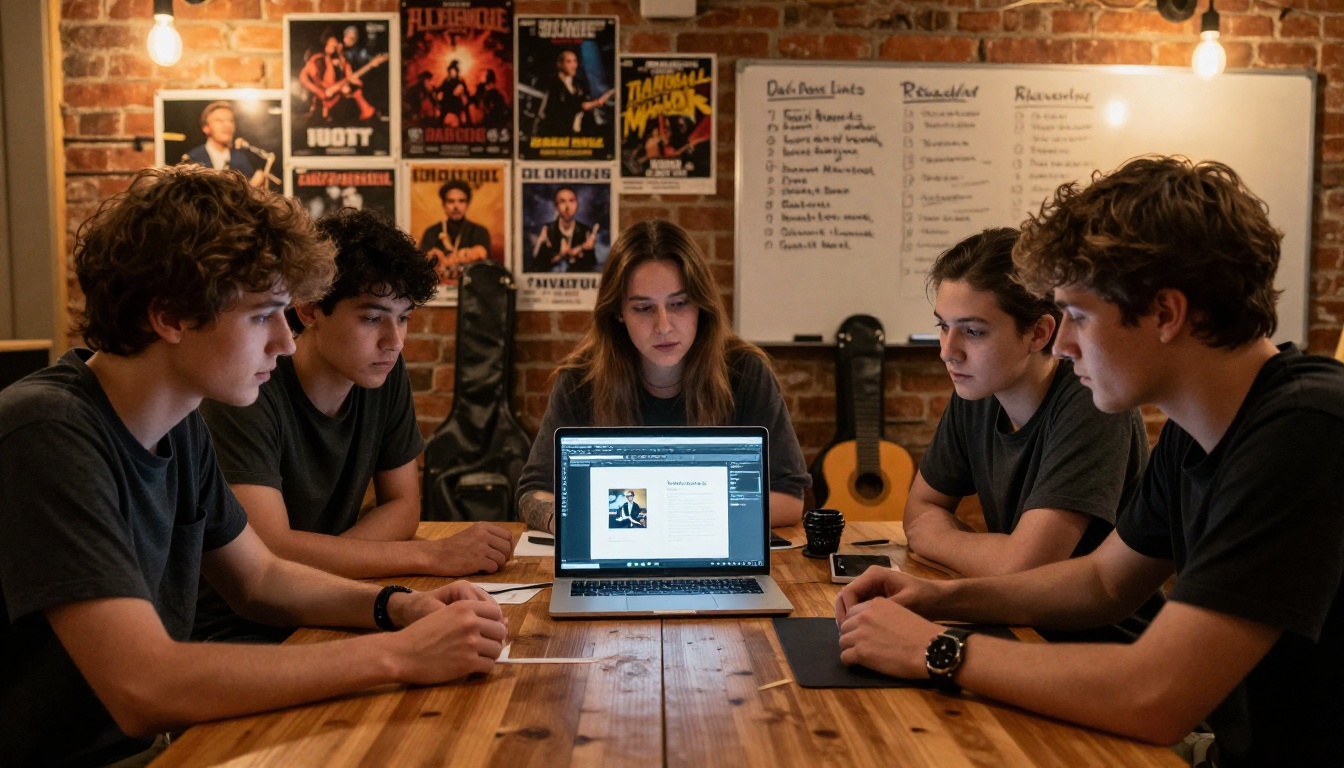
Flipbooks AI Professional plan users get access to built-in analytics that show who opened the flipbook, which pages they spent time on, and how far into the document they actually read. For a musician pitching fifty venues in a single month, that data is invaluable. You stop guessing which venues showed genuine interest and start following up specifically with the ones who spent four minutes on your touring history and streaming numbers.
⚠️ If you send press kits cold without any follow-up strategy, you are leaving most of your opportunities on the table. Analytics turn a mass email campaign into a targeted, timed follow-up system built on real behavior.
What a Flipbook Press Kit Looks Like
A digital press kit flipbook is not just a PDF wrapped in a page-turn animation. Done properly, it is an interactive portfolio that embeds audio previews, video clips, and clickable links directly alongside your printed materials.
Real-World Format Breakdown
Here is how a well-structured musician flipbook press kit is typically organized:
| Page | Content | Format |
|---|
| 1 | Cover with artist name and hero photo | Full-bleed image |
| 2-3 | Short bio and artist story | Text with portrait photo |
| 4-5 | Press photos gallery | Full-bleed photography spread |
| 6 | Music samples with streaming links | Embedded player or text links |
| 7 | Press quotes and media mentions | Pull quotes and publication logos |
| 8 | Live performance photography | Full-bleed concert images |
| 9 | Tour dates and venue history | Formatted list |
| 10 | Contact and booking information | Clear call-to-action layout |
Pages That Work Every Time
The pages that consistently perform best in musician press kits share three traits. They are visual-first, they answer a specific question a booker or label would have at that stage of their review, and they include a clear next action: a link to stream music, a contact email, or a booking inquiry button.
✅ Keep your bio on page two, not page one. Open with a full-bleed image that communicates your vibe before you say a single word. The photo earns the read.
3 Common Mistakes That Kill Press Kit Pitches
Even musicians who get the content right often fail on execution. These three mistakes show up consistently in pitches that go nowhere.
Sending to the Wrong Person
Most cold pitches go to the generic venue email address, which is often monitored by whoever handles door ticket sales or event coordination. The people who actually book talent are typically listed separately on venue websites or in booking directories like Indie on the Move. Getting your kit to the right person matters more than how good the kit itself looks.
Using One Version for Everyone
Your press kit for a 200-cap bar circuit tour should not be identical to the one you send to a sync licensing company or an independent label A&R rep. Flipbook tools make it straightforward to maintain multiple versions of your press kit, each optimized for a different audience, without starting from scratch every time.
Neglecting Mobile Viewing
The first time most industry people look at your materials, they are on a phone. If your press kit was designed for desktop and has small font crammed across landscape pages, it becomes unreadable on mobile. A flipbook renders responsively across all devices, which is one of the core reasons the format has replaced PDF attachments in serious artist pitching workflows.
How to Build Your Music Flipbook on Flipbooks AI
Flipbooks AI has a dedicated Press Kit Designer tool built specifically for this use case. Here is the full process from blank page to shareable link.
Step 1: Build Your PDF First
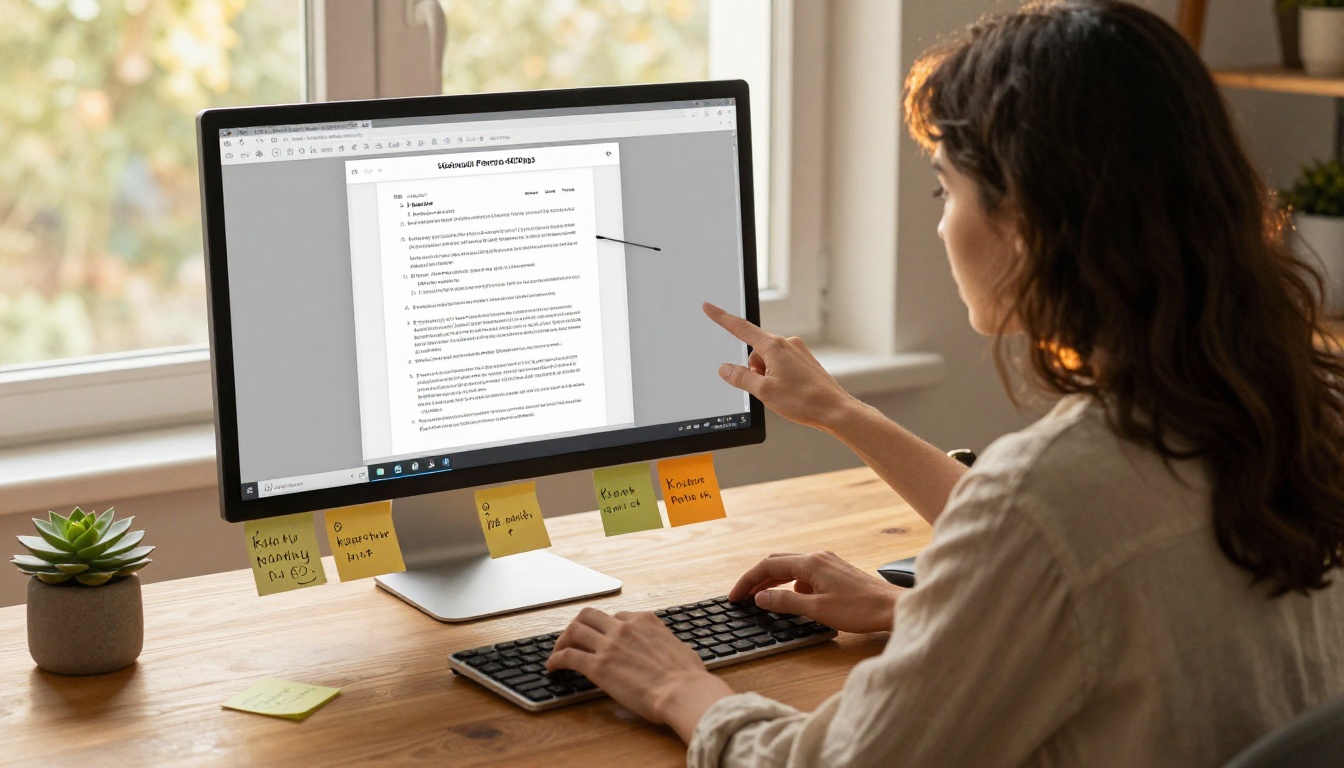
Before uploading anything, build your press kit in Canva, Adobe InDesign, or any design tool that exports to PDF. Use the ten-page format breakdown as your template. Keep pages at a consistent size, A4 landscape or Letter landscape works best for screen viewing on most devices.
Pay attention to:
- Image resolution: 300 DPI minimum for all photographs
- Embedded fonts: So text renders correctly on any device or browser
- Full-bleed setup: For photo spread pages, let images run edge to edge without margins
Step 2: Upload and Convert
- Go to Flipbooks AI and create your account
- Click New Flipbook and select your press kit PDF from your device
- The platform converts it automatically into an interactive flipbook with page-turn animation
- Conversion takes under two minutes for a ten-page document, and no technical setup is required
Use the PDF to Flipbook Converter tool for the most direct upload and preview experience.
Step 3: Brand and Customize
Once converted, personalize the presentation to match your artist identity:
- Colors: Match your brand palette, change the viewer background and interface accent tones
- Cover thumbnail: Upload a custom image that appears in link previews when you share the URL in emails and social posts
- Privacy settings: Set to public for general venue pitching or password-protected for exclusive label and A&R submissions
- Embed code: Copy and paste the flipbook directly onto your artist website press or bio page with one snippet
The Digital Portfolio Creator and Portfolio Flipbook Builder are worth exploring if you want to build a more comprehensive artist presence beyond a single press kit document.
Step 4: Share and Track
Copy your flipbook link and use it across every channel:
- Replace every PDF attachment in your email outreach templates with the flipbook URL
- Embed directly on your artist website using the provided embed code
- Add the link to your Instagram bio, Twitter profile, and any streaming platform artist profile that allows external links
- Include it in booking submission forms wherever an external link or media kit URL field is available
💡 On the Professional plan, after each round of pitches goes out, check your analytics dashboard to see which recipients opened the kit and how long they spent on specific pages. Follow up with those contacts within 48 hours while your materials are still fresh in their minds.
Who You're Sending It To (and How)
The same core press kit goes to different people for entirely different reasons. The framing and emphasis should adjust based on the audience receiving it.
Booking Agents and Venues
Booking agents review hundreds of pitches every month. Your flipbook needs to answer their core questions in the first two pages: What does this act sound like? What kind of crowd do they pull? What is the asking fee? Put your best live photo on the cover, your shortest bio on page two, and your key streaming numbers and venue attendance history on page three.
When submitting to venues, include your technical rider and set length as a dedicated page, add photos from previous shows at similar-sized rooms, and list cities with attendance numbers wherever you have solid verified data.
Record Labels and A&R Reps
Labels care about trajectory far more than current size. Streaming growth charted over 12 months, growing press coverage from recognizable outlets, and a clear narrative about what makes the music different all matter far more than raw stream counts. A flipbook press kit for a label submission should lean into storytelling across its first half, and save the data and metrics for the back pages where a genuinely interested reader will spend serious time.
💡 Include a page showing your streaming numbers across a 12-month window. Even modest growth presented visually reads as more compelling than a flat list of numbers with no context.
Music Press and Blogs
Journalists need a reason to write about you and they need the tools to do it quickly. Your press kit should include a pre-written press release for the specific release you want covered, three to five high-resolution images cleared for editorial use with that noted clearly in the press section, and a short direct quote from you or the band that they can publish without scheduling a full interview.
Sync Licensing and Film Supervisors
Music supervisors for TV, film, and advertising need genre tags, BPM, mood descriptors, and direct licensing contact information. A flipbook format works particularly well here because it lets you organize tracks in a visual catalog-style layout, which is the format supervisors are already used to reviewing from music libraries. Include a page that reads like a catalog: track name, BPM, genre, mood, duration, and a streaming link in a clean table.

Not every format works equally across every situation. Here is how the main press kit formats stack up on the metrics that actually matter when pitching remotely:
| Format | First Impression | Interactivity | Analytics | Mobile-Friendly | Shareability |
|---|
| PDF attachment | Low | None | None | Poor | Limited |
| Static website | Medium | Low | Basic | Good | Good |
| Flipbook (Flipbooks AI) | High | High | Full (Pro plan) | Excellent | Excellent |
| Printed physical kit | High (in person only) | None | None | Not applicable | Very low |
| EPK platform (Sonicbids) | Medium | Low | Basic | Good | Medium |
The flipbook format leads on the factors that matter most in remote pitching: visual first impression, ease of sharing, and mobile compatibility.
Plans Worth Considering for Independent Artists
Flipbooks AI pricing is structured around real use cases at different career stages. Here is what each tier delivers for musicians:
| Feature | Free | Standard | Professional |
|---|
| Flipbooks | 1 | Unlimited | Unlimited |
| Watermark | Yes | No | No |
| Password protection | No | Yes | Yes |
| Custom branding | No | Yes | Yes |
| Analytics | No | No | Yes |
| Lead generation | No | No | Yes |
| Offline downloads | No | No | Yes |
| Embed on website | No | Yes | Yes |
For most independent artists pitching to venues and smaller labels, the Standard plan covers every essential feature without extra cost. If you are running a serious touring campaign, pitching to major labels, or managing sync licensing submissions where follow-up conversion matters, the Professional plan's analytics and lead generation features deliver measurable value from the first round of pitches.
⚠️ The free plan includes a visible watermark on every page, which immediately works against the professional impression you are trying to create. Use a paid plan before sending to any contact who matters for your career.
What Labels and Bookers Are Actually Saying
Booking agents, A&R reps, and music supervisors have developed consistent preferences around how they want to receive artist materials. Those preferences come down to three points that have emerged repeatedly across industry conversations about submission workflows:
- No attachments in cold outreach emails. A link to an online kit is strongly preferred over a downloadable file.
- Visual first. Recipients form an opinion in the first few seconds based on photography and design before reading a single line of text.
- Mobile access. Most initial reviews happen on a phone during downtime, not at a desktop during focused work hours.
All three preferences point directly to what a well-built flipbook delivers. The format is not just a cosmetic upgrade over PDF. It is a structural alignment with how the people you are pitching actually work and make decisions.
Your Press Kit Should Open Doors
Your press kit is the first door you knock on. How it looks, how it loads, and how easy it is to share determines whether someone opens it or moves to the next submission. A flipbook version of your press kit is not optional for serious pitching in today's market. It is the format that shows you understand your audience.
Flipbooks AI has every tool you need: a dedicated Press Kit Designer, a Digital Portfolio Creator, and a PDF to Flipbook Converter for converting what you have already built. No watermarks on paid plans, unlimited flipbooks on Standard and above, and full analytics and lead generation on Professional.
Ready to stop sending PDFs nobody opens? Create your account on Flipbooks AI and have your press kit live in under an hour. Compare pricing plans to find the right tier for where you are in your career. Browse all available flipbook tools to see what else you can build alongside your press kit.



