A fashion lookbook is the closest thing your brand has to a handshake with a buyer. Before anyone reads a single word of your brand story, they have already formed an opinion based on your visuals. Done right, a lookbook positions your collection as aspirational, intentional, and worth the price tag. Done poorly, it signals exactly the opposite.
This is not about having a big budget. Independent designers and emerging fashion brands create jaw-dropping lookbooks every season with minimal resources. What separates the ones that land in front of buyers from the ones that disappear is strategy, not spend.
Flipbooks AI makes it possible to publish your fashion lookbook as a polished digital flipbook, complete with page-turn animations, embedded video, custom branding, and real-time analytics. But before you hit publish, you need to build something worth publishing.
Here is exactly how to do it.
What a Lookbook Actually Does for Your Brand
It's a Sales Tool, Not a Photo Album
A lookbook is a curated editorial document that shows wholesale buyers, press editors, potential stockists, and direct customers how your pieces live in the real world. It answers the questions buyers actually ask: Does this look cohesive? Does this brand have a point of view? Could I see this in my store?
It is not a product sheet. It does not need SKU numbers or technical specs. What it needs is a strong visual narrative that makes someone feel something.
💡 The best lookbooks tell a story first and show products second. The story makes people want the product.
When Buyers Expect to See One
Most wholesale buyers expect to see a lookbook before a line sheet. Fashion weeks, trade shows like MAGIC or Coterie, and independent boutique buyers all use lookbooks as their first filter. If yours is missing or weak, you lose that door before it opens.
Seasonal timing matters too. Your Spring/Summer lookbook should be ready six months before the season. Your Fall/Winter materials need to circulate by January. Missing these windows means you are pitching last season's energy.
Planning Before You Shoot
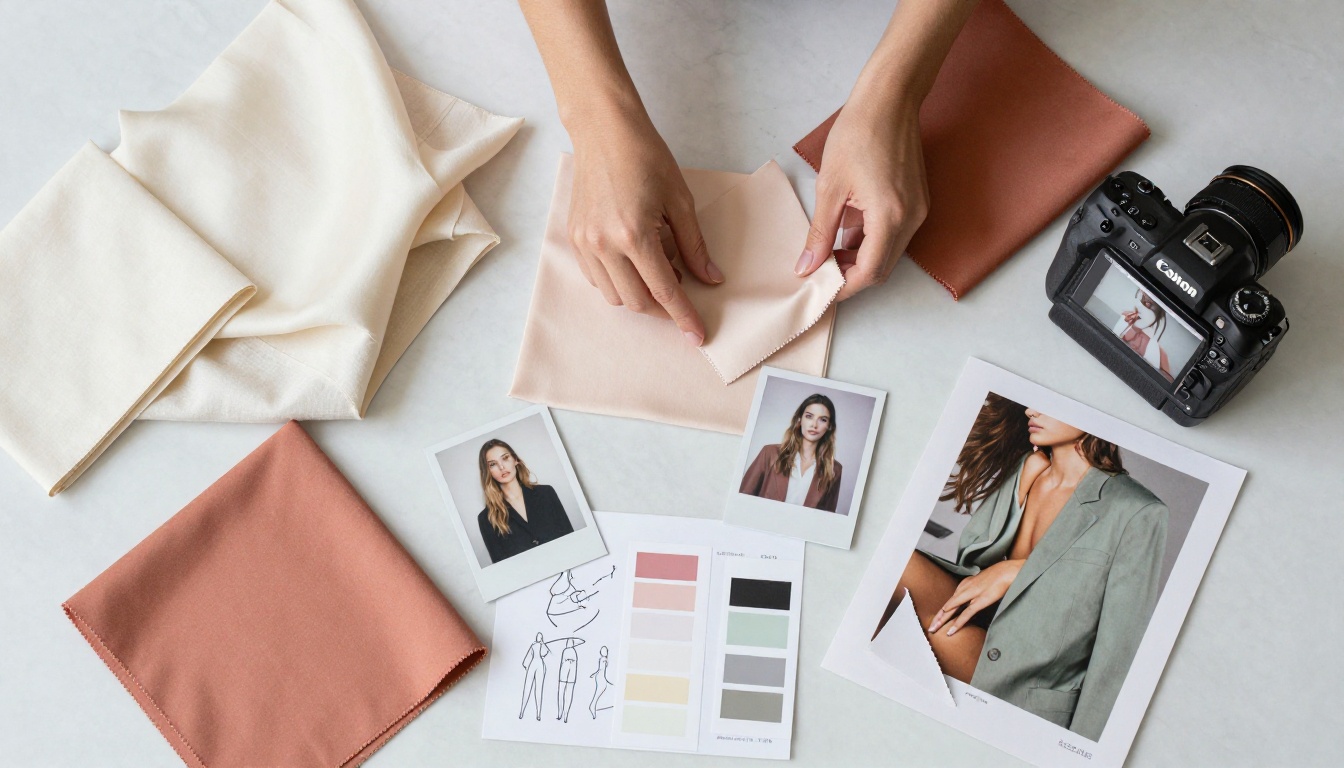
Define Your Season and Story
Every great lookbook starts with a single sentence. Not a mission statement. Not a paragraph. One sentence that captures the mood of this specific collection.
"A woman who travels alone, dresses for herself, and takes no passengers."
That kind of direction shapes every decision that follows: locations, casting, lighting, styling, even the font you use. Before you book a photographer or scout a location, write your sentence.
From there, build your mood board. Pull references from film stills, architecture, art, and travel photography, anything that captures the feeling. Use physical printed references if you can. Pin them to a wall. Live with them for a few days.
Choose Locations That Match Your Aesthetic
Location is a character in your lookbook, not a backdrop. A minimalist Scandinavian brand shooting in a maximalist Moroccan riad sends a confused message. Your location should feel like it was made for your clothes.
| Aesthetic | Location Options |
|---|
| Urban contemporary | Industrial warehouses, concrete plazas, city rooftops |
| Romantic/feminine | Botanical gardens, French countryside, historic mansions |
| Athleisure/activewear | Mountain trails, coastal cliffs, urban parks |
| Luxury/formal | Hotel lobbies, marble interiors, private estates |
| Sustainable/earthy | Forests, farms, desert landscapes, raw studio space |
Scout locations in advance. Photograph them at the same time of day you plan to shoot. Check permits if shooting on public or private property.
Build Your Shot List
A shot list is not a rigid script. It is a safety net. For each look in your collection, plan:
- Hero shot: Full-length, environment in frame, model in motion or strong pose
- Detail shot: Close-up of fabric, texture, hardware, or finishing
- Lifestyle shot: Model interacting naturally with the environment
A 12-look collection needs roughly 36 planned shots, plus additional candid frames. Build buffer into your schedule for weather, hair, and light changes.
Photography That Makes Your Collection Shine
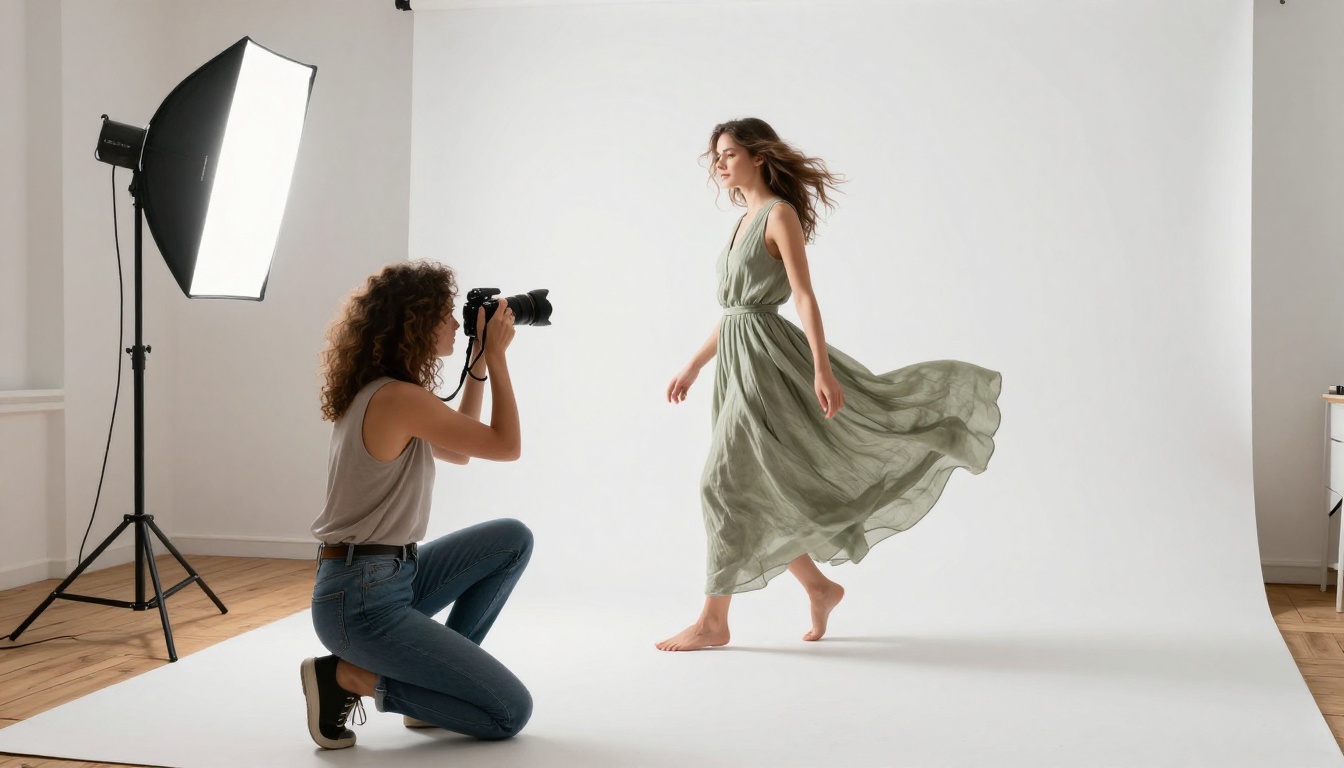
The Models Who Fit Your Vision
Casting is creative direction. The model carries your brand's physical identity in the lookbook. Consider:
- Do they physically fit your sizing? (Critical for garment presentation)
- Do they have the natural energy your brand projects?
- Can they move well and take direction?
You do not need signed agency models to create a professional lookbook. Many emerging brands work with local talent, art school students, or even non-models who have the right look and physicality. What matters is alignment with your brand aesthetic, not the name of their agency.
Lighting Rules Every Brand Should Know
Natural light is almost always your best option for fashion editorials. Here is what to know:
- Golden hour (first and last hour of sunlight) creates warm, editorial-quality light that flatters both skin and fabric
- Overcast daylight provides even, diffused light with no harsh shadows, ideal for showing texture and detail
- Harsh midday sun creates unflattering shadows and washes out color. Avoid it or use large diffusion panels
- Indoor mixed lighting (window light plus fluorescents) creates color cast problems. Use one source or correct in post
⚠️ Never mix light temperatures in a single shot without intentional creative direction. It reads as amateur, not artistic.
Behind-the-Scenes: What Actually Works
The brands that produce the best lookbooks on a tight budget share a few habits:
- Shoot early and shoot fast: Book your shoot for morning light. Do not start at noon
- Dress the model yourself: Pinning and styling on set saves enormous time and improves garment presentation
- Shoot with a tethered monitor: So your team can review frames in real time and catch issues before moving to the next look
- Bring extras: Extra accessories, pins, tape, and a steamer on-site. Wrinkles and wardrobe failures happen
Designing the Layout
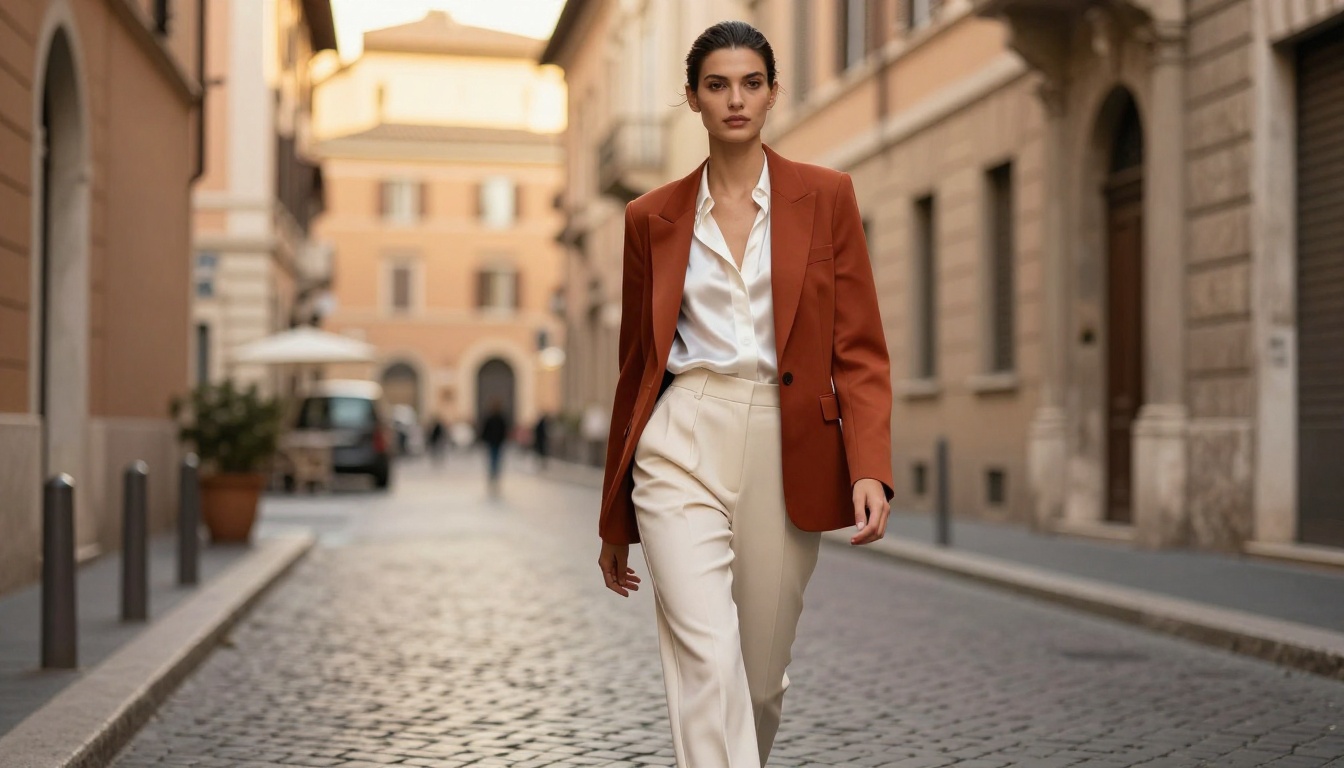
Fonts and Typography That Reflect Your Brand
Typography is silent brand voice. The typeface you choose communicates personality before a word is read.
| Brand Personality | Recommended Type Style |
|---|
| Luxury/high-fashion | Thin serif (Didot, Cormorant Garamond) |
| Contemporary/minimal | Clean sans-serif (Neue Haas Grotesk, Helvetica Neue) |
| Romantic/artisanal | Script or hand-drawn letterforms |
| Streetwear/urban | Bold grotesque or condensed display fonts |
| Sustainable/organic | Warm humanist sans or earthy slab serifs |
Use no more than two typefaces in a single lookbook. One for headlines, one for body text and captions.
Color Palette Consistency
Your lookbook should read as a cohesive visual document from cover to close. This means your page backgrounds, graphic elements, and typography colors must align with your brand palette and seasonal collection.
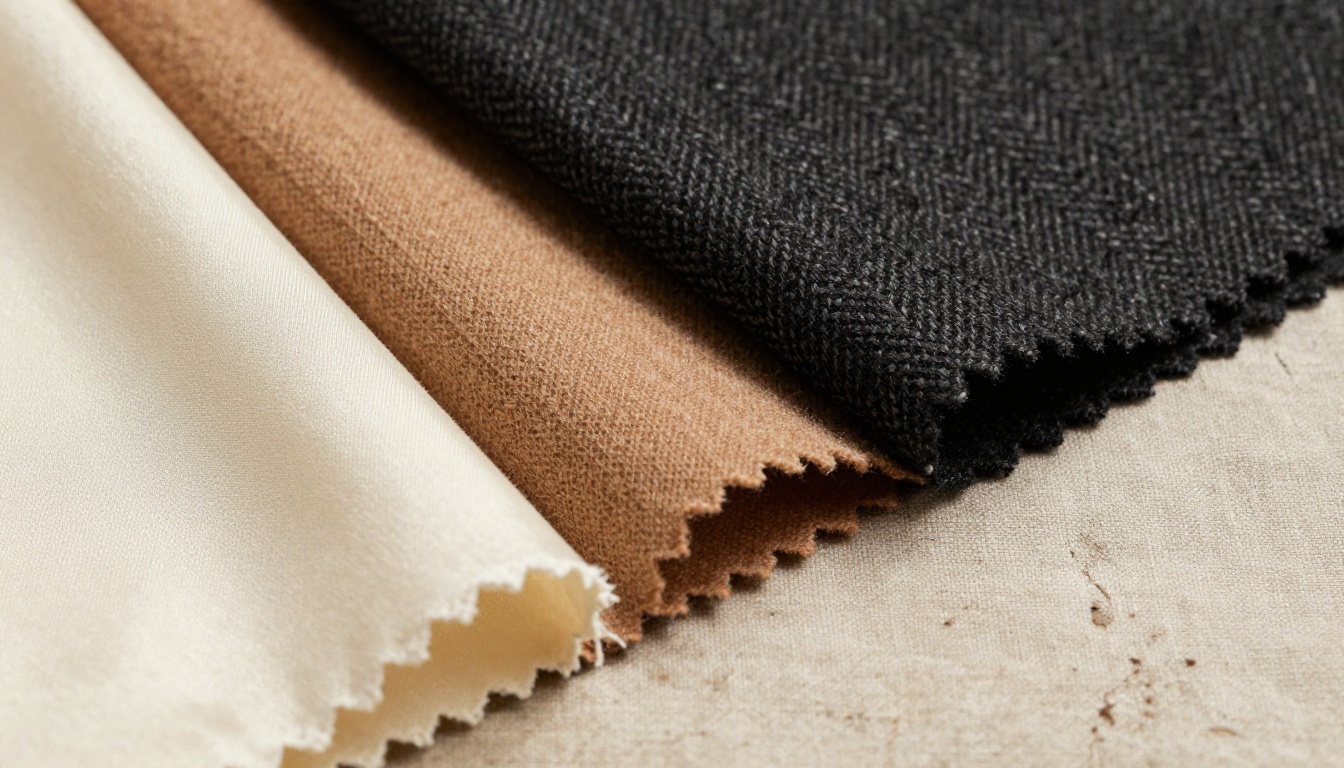
Pull two to three colors from your collection palette and use them as your graphic system. If your Spring collection is built around ivory, blush, and sage, your lookbook design should breathe in those same tones.
✅ Export your campaign images and run a color average on the hero shots. Design your page backgrounds based on those averaged tones. Instant cohesion.
Page Flow and Rhythm
A lookbook is not a grid. It is a rhythm. Think of it like music: you need loud moments (full-bleed hero images), quiet moments (white space, minimal text), and transitional moments (detail shots, lifestyle captures).
A typical page rhythm:
- Spread 1: Full-bleed hero, brand name, season
- Spread 2: Two to three looks, more white space
- Spread 3: Detail shots, texture, accessories
- Spread 4: Lifestyle sequence, model in environment
- Spread 5: Repeat with variation
Never put more than four looks on a single spread. Buyers need breathing room to absorb each piece.
Digital vs. Print: What to Choose

This is not an either/or decision for most brands. Print has specific advantages for trade show presentations and press kits. Digital is essential for everything else.
| Feature | Printed Lookbook | Digital Flipbook |
|---|
| Distribution | Physical mailing, trade shows | Email, social, QR code, website embed |
| Cost per copy | $8-$40+ per copy | Near zero after design |
| Updates | Reprint required | Update any time |
| Analytics | None | Page views, dwell time, click-through |
| Video/audio | Not possible | Fully supported |
| Password protection | Not possible | Yes, ideal for wholesale buyers |
| Environmental impact | Paper, ink, shipping | Carbon-neutral |
| Interactivity | None | Clickable links, embedded media |
For most emerging and mid-size fashion brands, a digital-first approach makes the most sense. You can send it instantly, track who opened it, password-protect it for wholesale buyers, and update it without reprinting.
How to Share Your Lookbook With the World
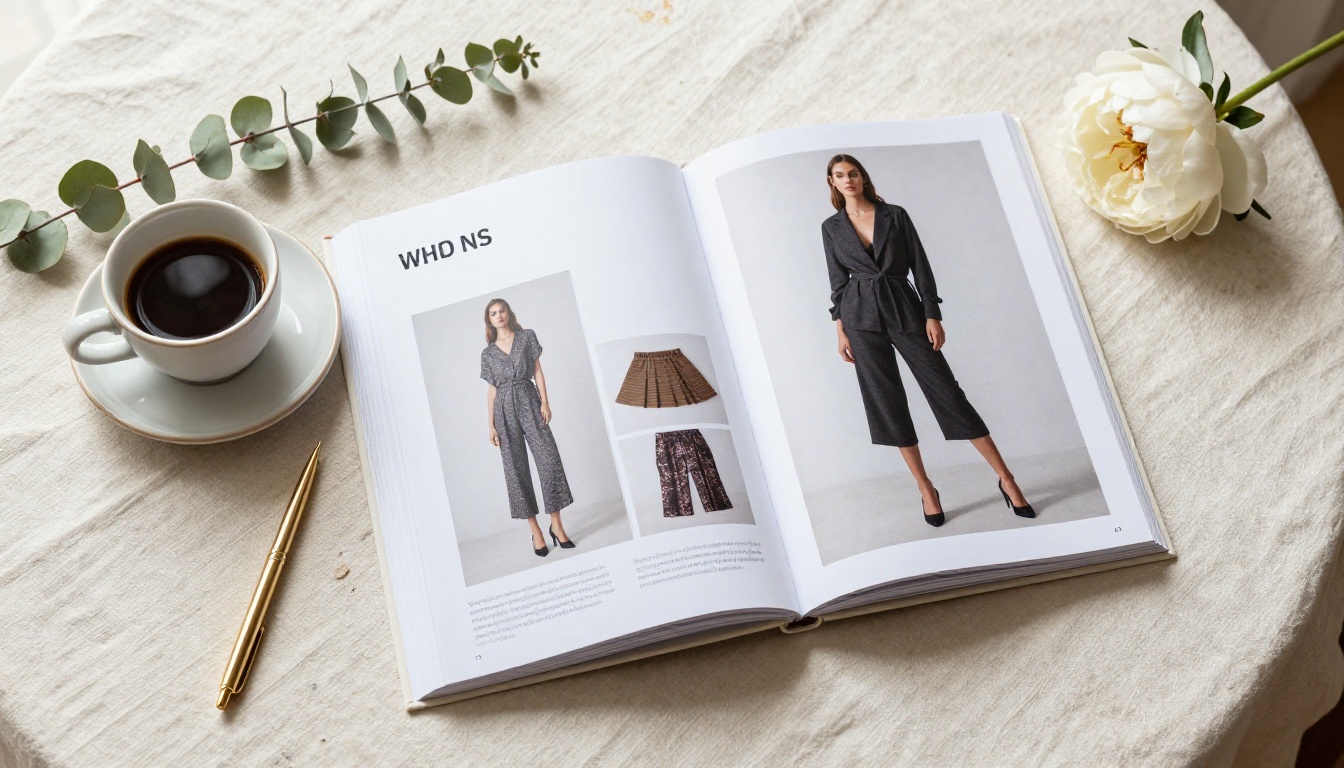
Sending to Buyers and Retailers
When pitching to wholesale buyers or boutique retailers, your lookbook should never be a raw PDF attachment. PDFs get downloaded, forwarded without context, and often fail to open on mobile. Instead:
- Share a direct link to your digital lookbook
- Password protect it to signal exclusivity and control access
- Include a line sheet alongside it for buyers who are ready to order
- Follow up within 72 hours of sending
💡 A digital lookbook with page-turn animations and embedded video creates a dramatically better first impression than a static PDF. It signals that your brand pays attention to presentation.
Using Your Lookbook on Social Media
Your lookbook content is a content goldmine. A 20-page lookbook contains dozens of individual assets:
- Hero images for Instagram grid posts
- Detail shots for close-up stories
- Behind-the-scenes video for Reels
- Mood images for Pinterest boards
- PDF pages for LinkedIn brand updates
Repurpose intentionally. Each platform has a different audience and different content expectations. Your Instagram buyer and your LinkedIn press contact both need to see your lookbook, just in different ways.
How to Create Your Fashion Lookbook With Flipbooks AI
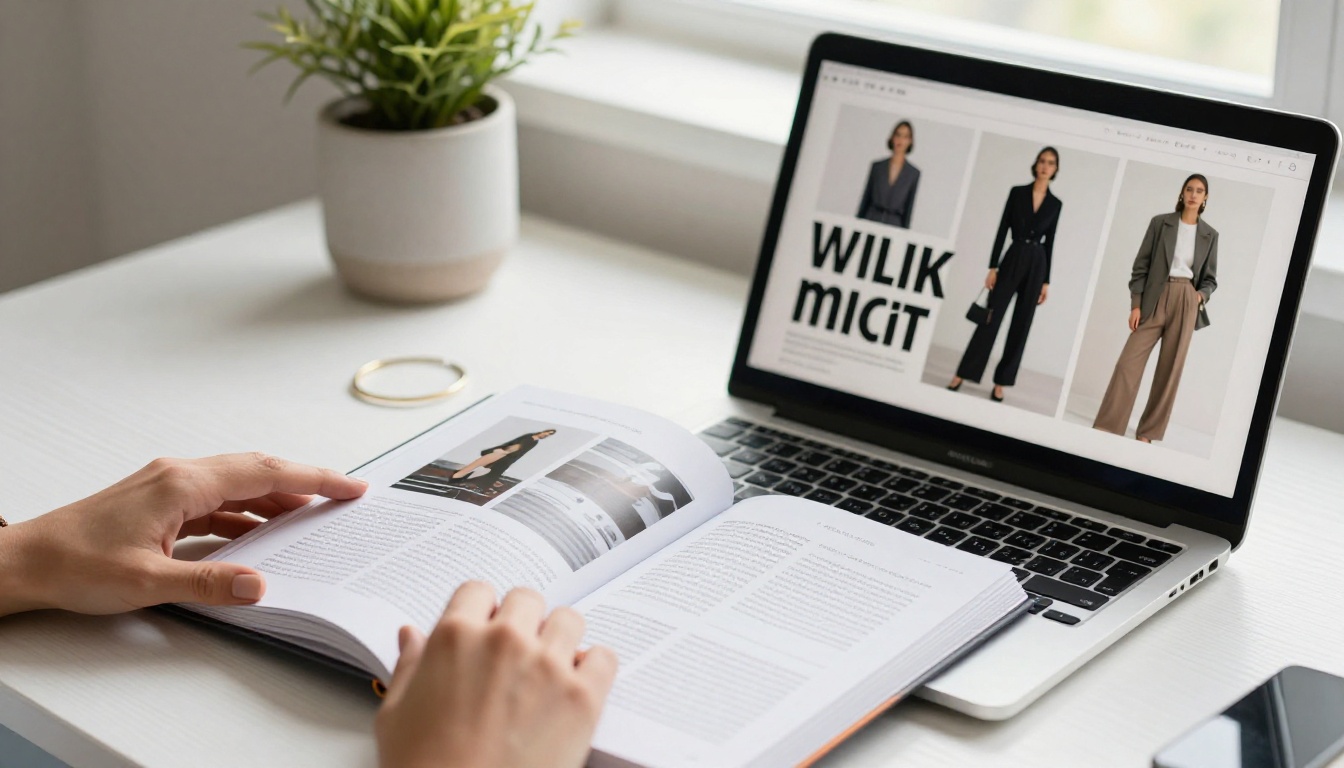
Once your lookbook is designed in PDF format, Flipbooks AI converts it into a stunning interactive digital publication in minutes. No coding, no plugins, no complicated software.
Here is how to do it:
1. Create your account
Go to flipbooksai.com/account and sign up. The platform supports Standard and Professional plans, both of which include unlimited flipbooks and no watermarks on any plan.
2. Upload your PDF
From your dashboard, click "Create New Flipbook" and upload your lookbook PDF. The conversion engine renders your pages with full resolution and accurate typography in under a minute for most files.
3. Customize your brand settings
Use the Interactive Lookbook Designer or the Lookbook Flipbook Builder to apply your brand colors, add a custom logo, set your background texture, and choose your page-turn animation style. Options include hard-cover flip, soft page curl, and smooth slide transitions.
4. Add multimedia content
Embed video clips directly into your lookbook pages. A short campaign video on the opening spread, a behind-the-scenes clip midway through, or a product detail video on the final spread all dramatically increase buyer time-on-page.
5. Set access and sharing options
- Password protect your wholesale lookbook before sharing with buyers
- Generate an embed code to place your lookbook directly on your website or Shopify store
- Create a direct shareable link for email campaigns and social media bios
- Enable offline download (Professional plan) so buyers can review your collection without an internet connection
6. Track your results
Professional plan users get access to real-time analytics showing exactly who opened your lookbook, which pages they spent time on, and where they dropped off. This data is invaluable for understanding which looks are attracting the most attention before committing to production quantities. See pricing plans to compare what each tier includes.
✅ Browse all flipbook tools available on the platform, including the Fashion Catalog Creator if you need to produce a separate catalog alongside your lookbook.
Lookbook Mistakes That Kill Your Brand Image
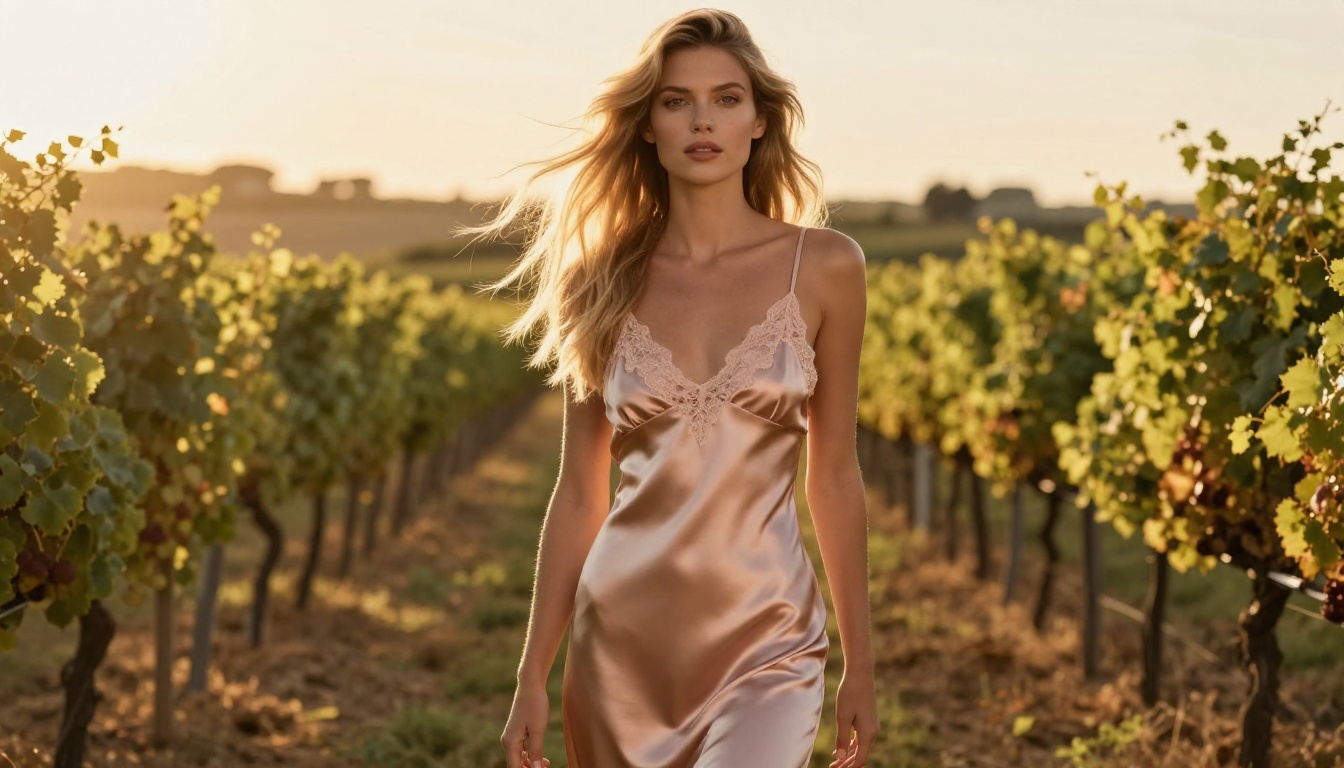
Too Many Looks, Too Little Story
The instinct to include every piece in your collection is understandable. You spent months on this collection. You want buyers to see all of it. But a lookbook with 40 looks and no narrative thread is not a lookbook, it is an inventory list.
Edit ruthlessly. Twelve to eighteen looks is the sweet spot for most collections. Choose the pieces that best represent your aesthetic and tell your story. Leave the rest for the line sheet.
Poor Image Quality
Nothing undermines a premium price point faster than images that look like they were shot without direction or intent. You do not need to spend $10,000 on a photography team, but you do need images that are:
- Sharp and properly exposed
- Styled with intention, not just "put the clothes on and take a photo"
- Consistent in color temperature and mood across the entire book
If you cannot afford a professional photographer yet, invest in one or two strong hero shots and build the rest around them. One great image is worth twenty mediocre ones.
No Brand Consistency
Your lookbook, your website, your Instagram, and your packaging should all feel like they come from the same brand. If your lookbook is elegant and minimal but your social media is chaotic and colorful, you are sending mixed signals to potential buyers.
Consistency builds trust. Trust converts.
Your Lookbook, Ready for the World
A great fashion lookbook is the result of intentional planning, disciplined photography, cohesive design, and smart distribution. It is the document that opens doors with buyers, earns editorial coverage, and gives your brand a professional presence that justifies your price point.
The process does not have to be expensive. It has to be thoughtful.
Once your lookbook is ready, publishing it digitally is the fastest way to get it in front of the people who matter. Ready to take it live? Get started for free on Flipbooks AI and turn your lookbook into an interactive experience buyers will not forget.
Compare pricing plans to find the right fit for your brand, and browse all available tools and templates to extend your brand presentation beyond the lookbook.



