Every season is an opportunity. A chance to show your audience not just what you sell, but who you are. A well-built seasonal lookbook places your pieces into a world, gives them context, and makes people want to live inside that aesthetic.
Whether you run a fashion brand, a home goods label, or a lifestyle business, knowing how to create a seasonal lookbook for your brand separates the brands that are remembered from the ones that are scrolled past. Flipbooks AI makes the publishing side effortless, but before your lookbook goes live, the work begins long before anyone opens a PDF.
What a Seasonal Lookbook Does for a Brand
A seasonal lookbook is not a catalog. Catalogs list products. Lookbooks tell stories. They show a version of life your customer wants, with your products as the bridge between where they are and where they want to be.
The difference shows up in revenue. Brands that invest in seasonal editorial content consistently report higher average order values because customers are buying into a full aesthetic, not just a single item. When someone sees your spring collection styled in a sun-soaked linen setting, they are not thinking about price per piece. They are thinking about the whole moment.
What a strong seasonal lookbook delivers:
- A visual identity anchor for your entire season's marketing
- Consistent imagery for social media, email, and paid ads
- A shareable asset that drives organic traffic
- Higher perceived value for your products
- A clear brief that aligns your entire team around one creative vision
💡 Brands that publish quarterly lookbooks generate significantly more repeat traffic than brands that publish product shots alone. The lookbook becomes a destination, not just a document.
Planning Your Creative Direction
Before anyone touches a camera, your lookbook needs a creative framework. This is where most brands cut corners, and it shows.
Reading the Season Right
Seasonal direction is more than "it's spring, so use pastels." It means identifying the emotional mood your customer is in, and aligning your aesthetic to it.
Ask yourself: what is happening in your customer's life this season? Spring means renewal, lightness, anticipation. Autumn means warmth, depth, intention. Winter means intimacy and celebration. Summer means freedom and confidence.
Your color palette, locations, casting, and even the quality of light in your images should all serve that emotional truth.
Building Your Mood Board
A mood board is not decoration. It is your creative contract. Every image, font sample, color chip, and texture reference you pin down becomes a decision-making tool during the shoot.
Your mood board should answer these questions:
- What is the primary color palette (3-5 tones, named specifically)?
- What is the lighting character (bright and airy, warm and moody, clean and stark)?
- What is the location character (urban, natural, interior, abstract)?
- What is the talent direction (active, still, candid, editorial)?
Choosing the Right Products to Feature
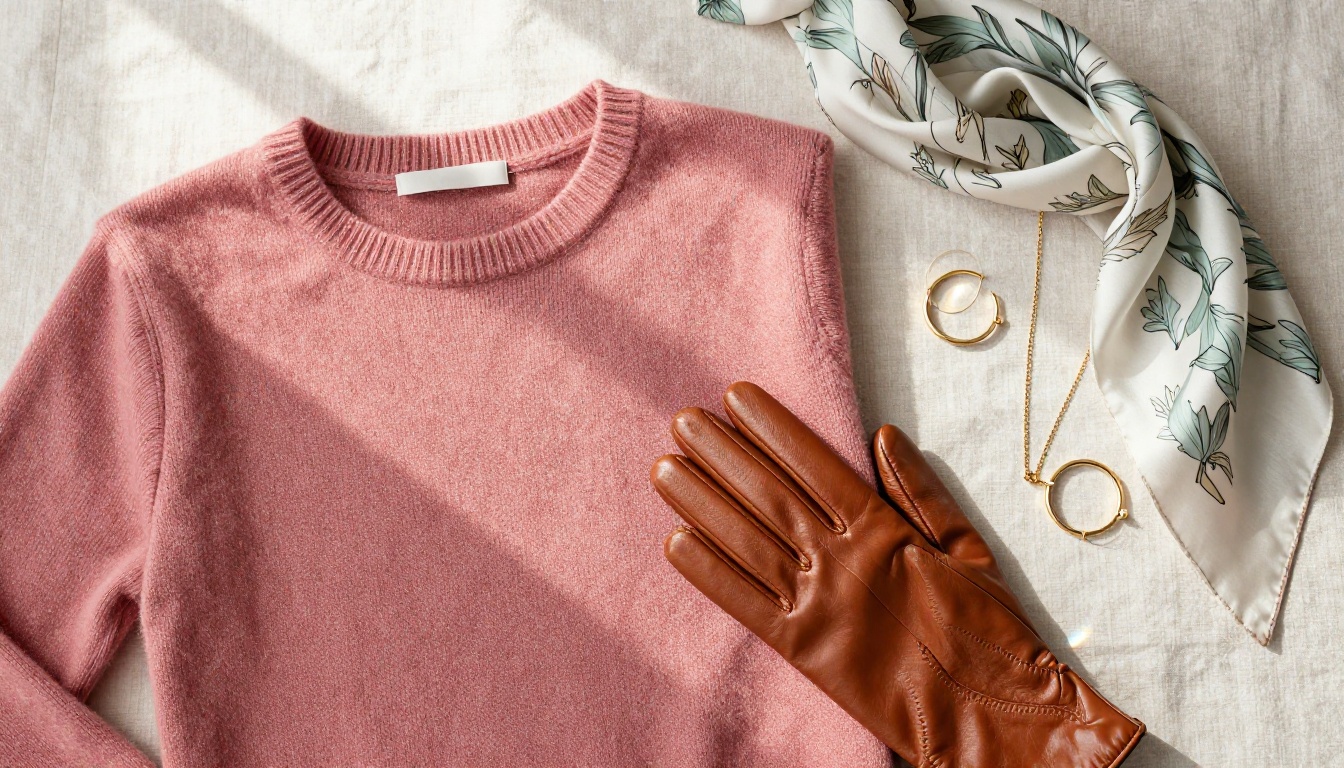
Not every product belongs in a lookbook. Lookbook heroes are pieces with strong visual presence: items with texture, movement, interesting silhouettes, or bold color. Save your basics and staples for the product pages.
Aim for a ratio of roughly 70% hero pieces, 30% supporting accessories. The supporting items give your heroes context and reinforce the full aesthetic without competing for attention.
| Product Type | Lookbook Value | Better Placement |
|---|
| Statement outerwear | Very High | Opening spread |
| Signature accessories | High | Detail and flatlay shots |
| Basic tees and staples | Low | Product page |
| Footwear | Medium | Full-look and ground-level shots |
| Seasonal prints and textiles | Very High | Close-up detail and flatlay |
The Photoshoot — Where Your Lookbook Lives or Dies
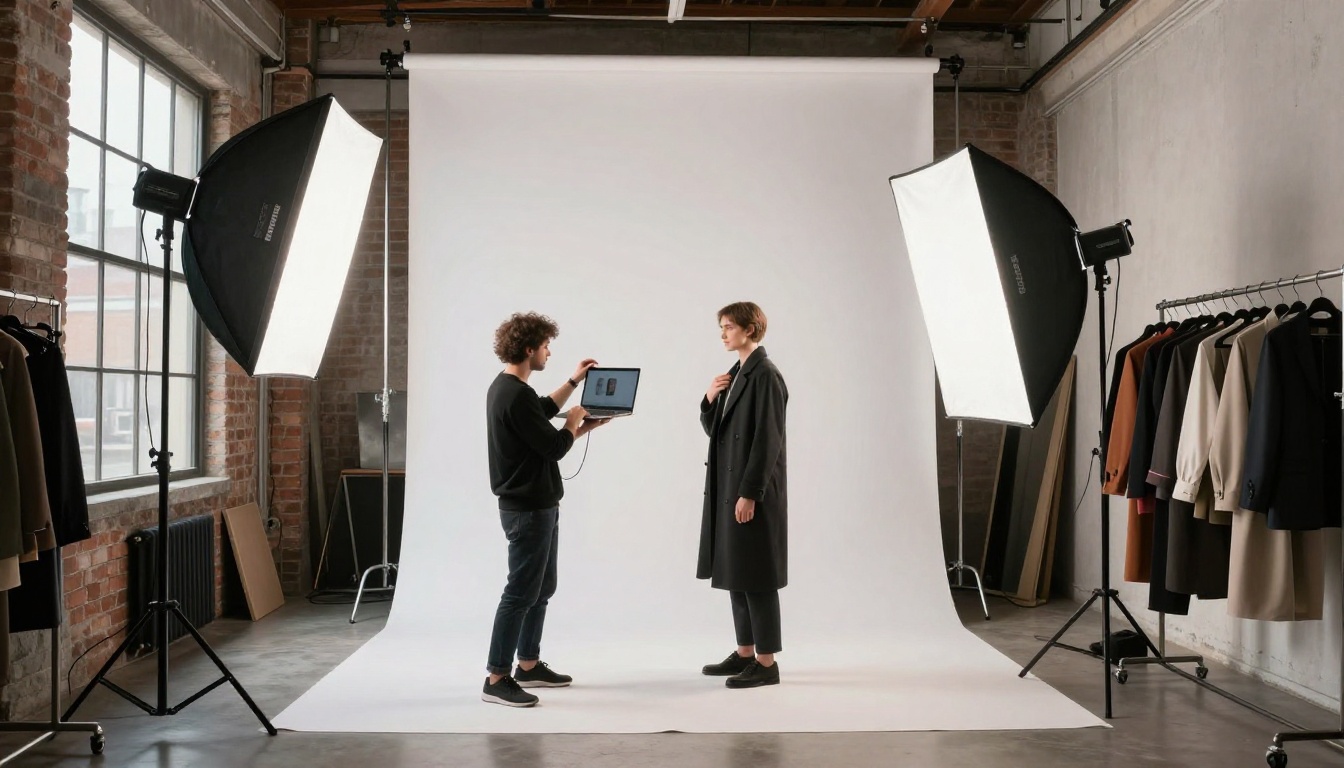
The shoot is where your planning either pays off or falls apart. A disorganized shoot produces inconsistent content. A well-prepped shoot produces an entire season's worth of usable material in a single day.
Finding the Right Locations
Your location is a character in your story. It should reinforce the season and not fight against the product aesthetic.
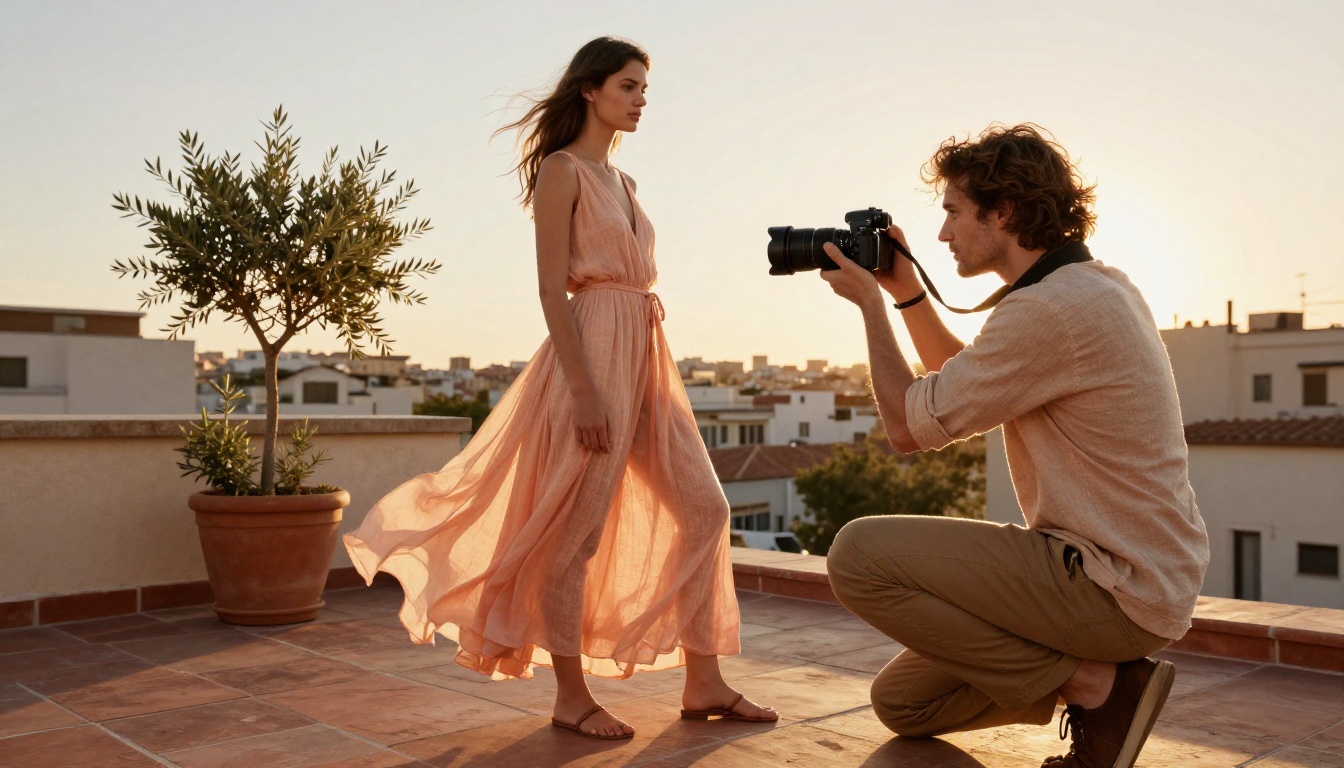
Spring and Summer: Natural light locations are your strongest asset. Rooftop terraces, coastal settings, open meadows, and whitewashed architecture all amplify warmth and openness.
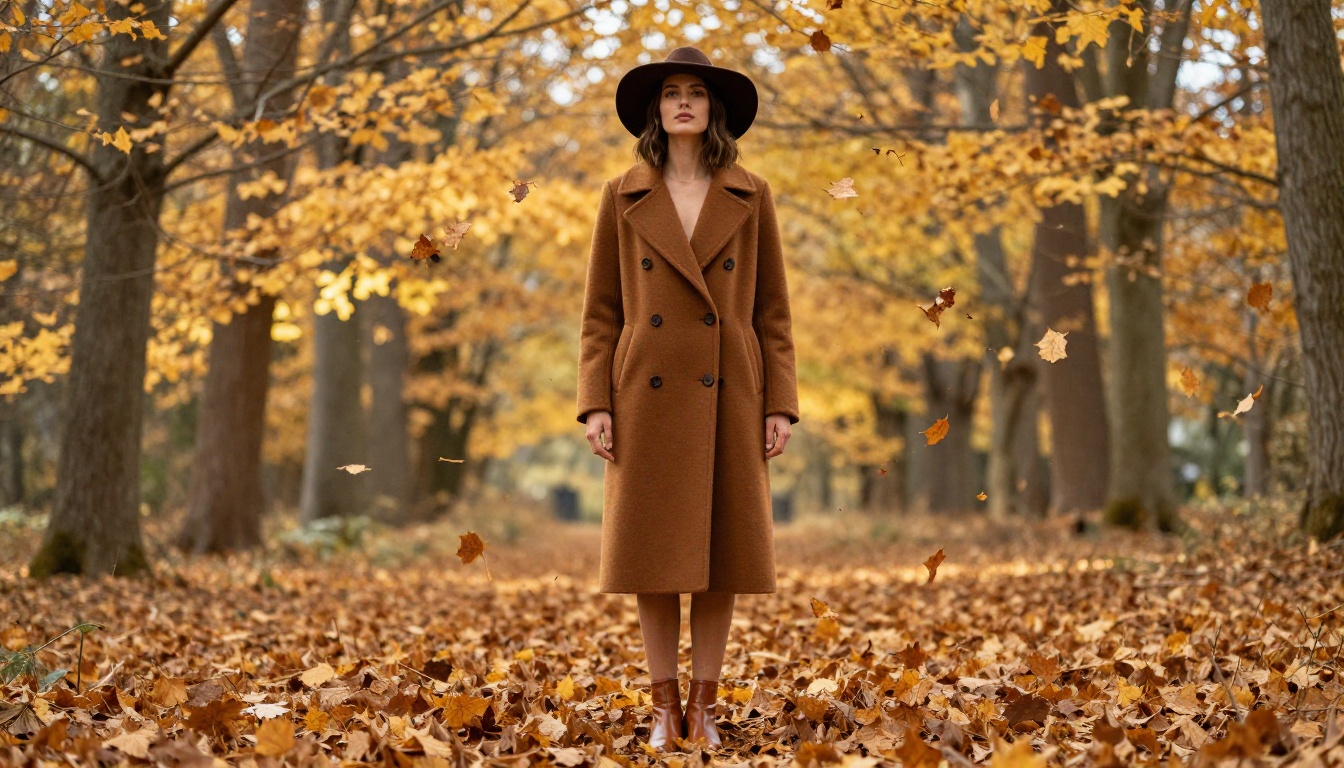
Autumn and Winter: Interior warmth, forest settings with rich leaf canopy, architectural textures like stone and brick, and the quality of low winter light all add depth and narrative weight.
⚠️ Scout every location before shoot day. Light changes dramatically between morning and afternoon, and a beautiful spot at noon can be flat and unusable at 3pm.
Casting and Styling
Your talent should feel at home in the aesthetic. For editorial lookbooks, you want models or people who can hold a moment, not just pose. There is a significant difference between someone performing for a camera and someone existing naturally within a scene.
Styling should be built from your mood board outward. Every element on camera, from the model's jewelry to the footwear, should have a deliberate reason for being there.
Camera Settings and Lighting
For a photorealistic, editorial quality lookbook, these settings serve as your starting baseline:
| Setting | Spring and Summer | Autumn and Winter |
|---|
| Lighting | Natural golden hour or overcast diffused | Directional warm, late afternoon |
| Lens | 35-85mm f/1.4 to f/2.8 | 50-85mm f/1.8 to f/2.8 |
| Film Emulation | Kodak Portra 400, bright lifted | Kodak Portra 800, warm shadows |
| Best Shooting Time | 7-9am or 5-7pm | 3-6pm |
| ISO Range | 100-400 | 400-1600 |
✅ Always shoot more than you think you need. Lookbooks require variety: wide establishing shots, medium two-thirds shots, close detail shots, and flatlays. Budget for all four types at every location.
Designing the Lookbook Layout
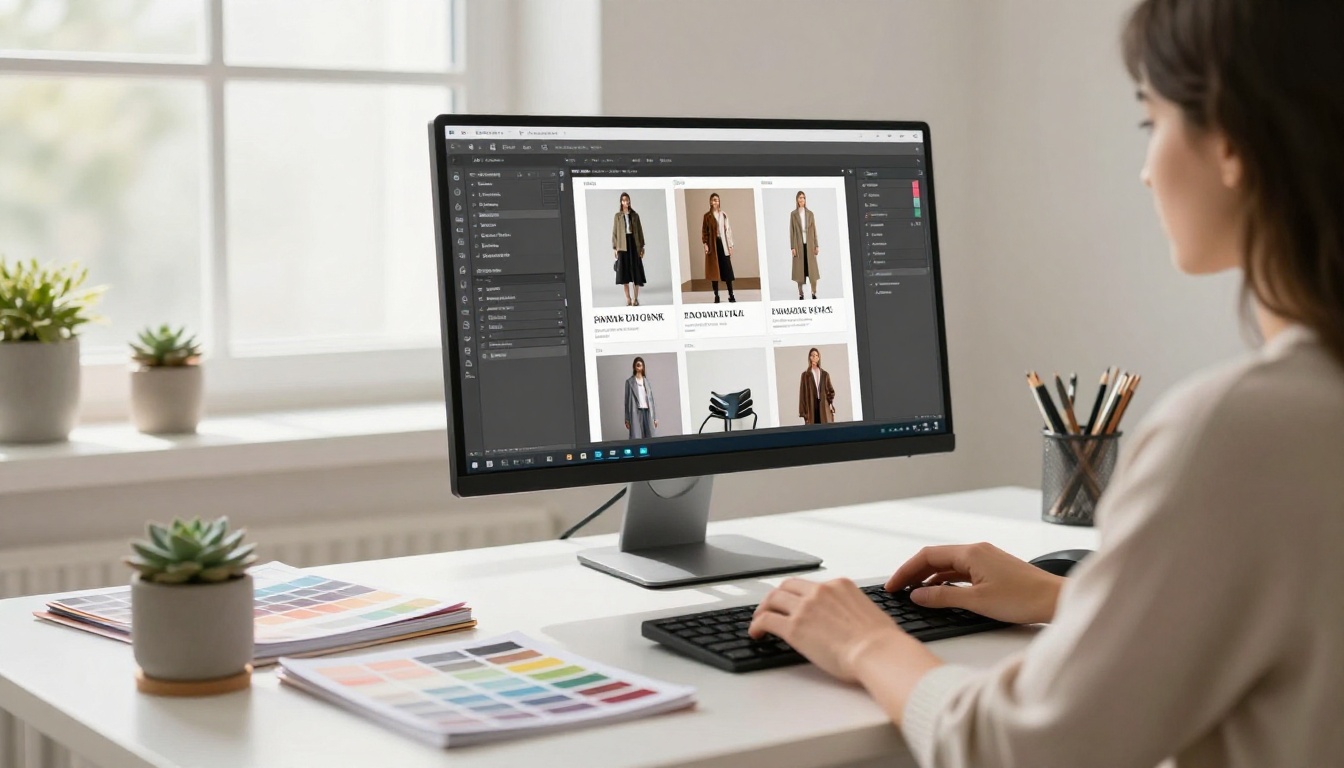
Once your images are culled and edited, the layout stage turns a folder of photographs into a publication. This is where pacing, white space, and typography turn good photography into a brand story.
Page Structure and Flow
Think of your lookbook layout the way a film editor thinks about a cut. Your opening spread sets the mood. Your middle pages build the story through variety and rhythm. Your closing pages leave the reader in a clear emotional state.
A standard 20-page seasonal lookbook structure:
- Opening spread: single hero image, minimal text
- Pages 3-4: product story intro, secondary model shot
- Pages 5-10: full-look spreads alternating with detail shots
- Pages 11-16: flatlay and lifestyle imagery
- Pages 17-18: collection highlights with product names and details
- Pages 19-20: closing spread and brand information
Typography and Color Consistency
Your fonts carry your brand voice just as much as the images do. For most fashion and lifestyle lookbooks, the formula that works is:
- Display font: Serif or high-contrast sans-serif for headers. One font family only.
- Body text: A neutral, readable sans-serif at 9-11pt for product details.
- Accent color: Pull one dominant tone from your season's palette and apply it consistently to headings, borders, and call-to-action elements.
💡 Never use more than two font families in a lookbook layout. Every additional font is a visual distraction that dilutes the editorial authority of the page.
4 Common Mistakes That Sink a Seasonal Lookbook
Brands building their first lookbooks often make the same set of errors. Knowing them in advance saves a full season's worth of work.
1. No consistent color grade across images
If your first spread looks warm and golden but your third spread looks cool and clinical, the lookbook feels disconnected. Every image should go through the same color grading pass before layout begins.
2. Too many products per page
The instinct to "get value" by cramming in as many products as possible is understandable but counterproductive. White space is a design tool. Give your pieces room to breathe.
3. Ignoring the physical-to-digital transition
A lookbook designed only for print will often lose its impact when viewed on screen. Design with the digital reading experience as your primary format, since that is where the vast majority of your audience will see it.
4. Weak or missing calls to action
Every lookbook should tell the reader what to do next. Whether that is visiting your site, scanning a code, or flipping to the next section, the flow should feel intentional and natural.

Different formats serve different audience needs. Here is how the main options stack up:
| Format | Shareability | Print-Ready | Interactive | Analytics | Best For |
|---|
| PDF download | High | Yes | No | No | Print brands, trade shows |
| Digital flipbook | Very High | Yes | Yes | Yes (Pro) | Online-first brands |
| Social carousel | Medium | No | Limited | Platform only | Instagram, LinkedIn |
| Printed booklet | Low | Yes | No | No | Retail, luxury |
| Website landing page | High | No | Limited | Yes | Direct-to-consumer |
The digital flipbook format sits at the best intersection of shareability, interactivity, and professional presentation. You get the visual weight of a printed publication with the reach of a digital asset and none of the distribution cost.
Publish Your Seasonal Lookbook with Flipbooks AI
Flipbooks AI is built specifically for turning designed PDFs into interactive, shareable digital publications. For seasonal lookbooks, it is the most direct path from finished design to live audience.
1. Create Your Account
Head to flipbooksai.com/account and register. The Standard plan gives you unlimited flipbooks with no watermarks, which is the minimum you need for professional brand publishing.
2. Upload Your PDF
Once you are in the dashboard, click New Flipbook and upload your finished lookbook PDF. Flipbooks AI converts it automatically, preserving your typography, image quality, and color accuracy. The page-turning animation renders your layout exactly as designed.

Use the Interactive Lookbook Designer or the Lookbook Flipbook Builder for additional formatting options tailored specifically to fashion and lifestyle publications.
3. Add Your Branding
In the editor, apply your brand colors, upload your logo, and set a custom domain if your plan supports it. Your lookbook should carry your brand identity through every touchpoint, including the viewer interface itself.
✅ Add a password to your lookbook if you are sharing it with wholesale buyers or press before the public launch. Flipbooks AI's password protection feature keeps pre-launch content secure without any friction on your end.
4. Embed Video and Audio
One of the biggest advantages of the digital format is the ability to embed video content and audio directly into your lookbook pages. A short behind-the-scenes clip embedded into your opening spread adds a dimension no printed lookbook can match.
5. Share, Embed, and Track
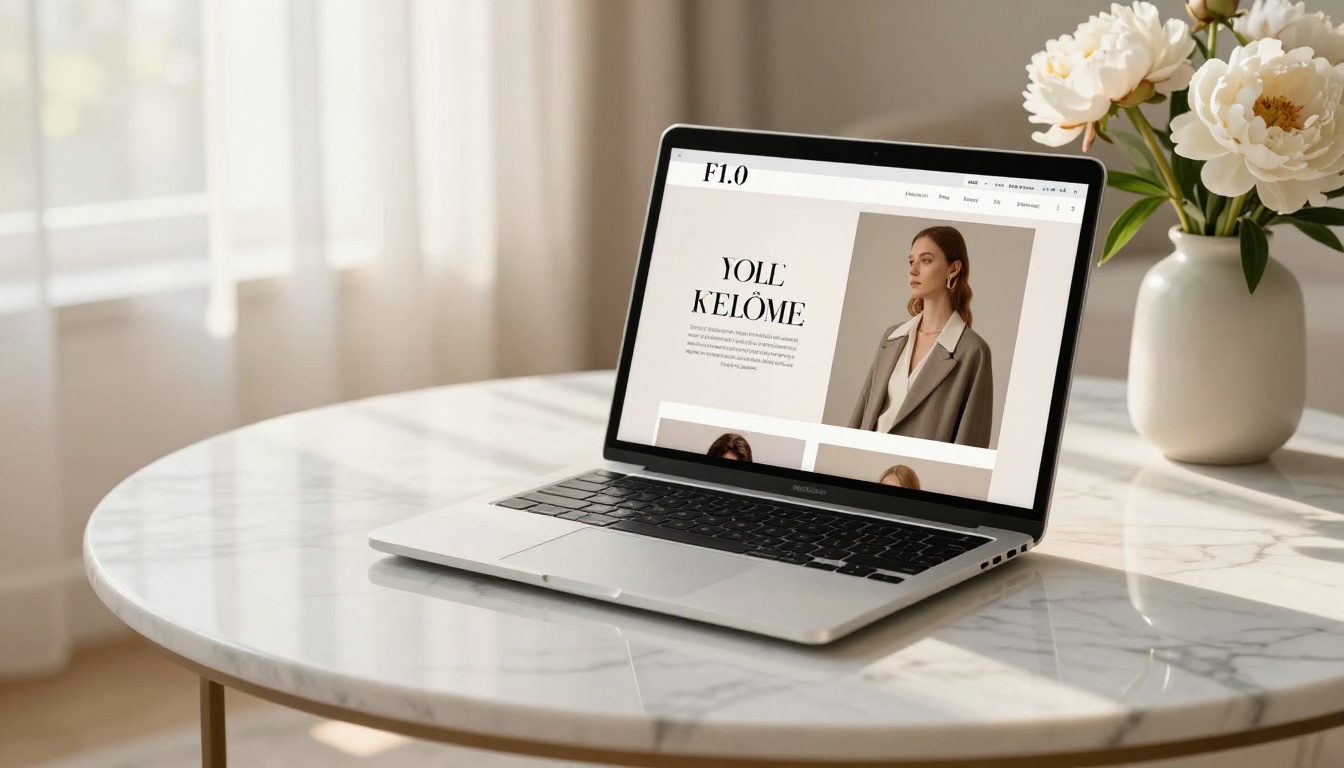
Flipbooks AI gives you a direct shareable link, an embed code for your website, and QR codes for print collateral. Share the link to your email list, embed the flipbook on your seasonal collection page, or drop the QR code on your print packaging.
With the Professional plan, the built-in analytics dashboard shows you exactly how many people opened your lookbook, which pages they spent the most time on, and where they dropped off. That data directly informs how you structure your next season's lookbook. Check the full pricing breakdown to see which tier fits your publishing volume and feature needs.
Making Your Lookbook Work Harder
A seasonal lookbook should not live and die in a single campaign. Every asset you create has a longer shelf life than you are probably using right now.

Repurpose each lookbook spread across every channel:
- Social media: Crop individual spreads into square or portrait formats for Instagram and Pinterest.
- Email campaigns: Use lookbook images as visual headers for your seasonal email sequence.
- Paid advertising: Your strongest editorial images make high-performing ad creatives because they already carry a defined visual narrative.
- Press and wholesale: A professionally published digital flipbook is the most compelling asset you can send to a stockist or press contact. It reads as serious, polished, and intentional.
| Channel | Best Lookbook Assets | Format |
|---|
| Instagram Feed | Editorial hero shots, detail close-ups | Square 1:1, Portrait 4:5 |
| Email Newsletter | Opening spread hero image | Wide banner, 600px |
| Website Landing Page | Full embedded flipbook | iframe embed code |
| Press and Wholesale Outreach | Password-protected flipbook link | Direct URL |
| Paid Social Ads | Lifestyle and product detail shots | 1:1, 9:16 |
💡 Create a lookbook asset folder immediately after publishing. Organize images by type (hero, detail, flatlay, lifestyle) so your team can pull the right asset quickly throughout the season without digging through raw files.
Your Seasonal Lookbook, Live and Working
A seasonal lookbook is one of the highest-leverage pieces of content your brand can produce. Done right, it serves your social strategy, your email campaigns, your wholesale relationships, and your organic search presence, all from a single creative investment.
The brands that do this consistently, season after season, build a visual library that compounds over time. Audiences start to anticipate the next lookbook. That anticipation is brand equity.
Flipbooks AI handles the publishing so your lookbook is live, interactive, and shareable within minutes of completion. No code, no friction, no watermarks.
Ready to publish your first seasonal lookbook? Create your account and have it live today. Browse all available tools and templates to find the right format for your brand's publishing needs. Want to see what each plan includes? Check the full pricing breakdown and choose what fits your season.



