Seasonal lookbooks are one of fashion's most effective sales tools, yet most brands treat them like a chore. A well-timed, visually rich lookbook can move inventory, build brand identity, and give customers exactly what they need to say yes. The good news: with Flipbooks AI, you don't need a design team or weeks of production time. You can have a polished, interactive seasonal lookbook live in minutes.
Why Seasonal Lookbooks Drive Sales
Customers don't buy clothes. They buy how they want to feel. A lookbook gives them that feeling before they ever click "add to cart."
Unlike a standard product catalog that lists SKUs and prices, a seasonal lookbook tells a story. It places your pieces in context, shows how items pair together, and communicates mood. That emotional layer is what separates brands that see a real sales bump at seasonal launches from those that don't.
The numbers back this up:
- Fashion brands that publish seasonal lookbooks report up to 40% higher click-through rates on featured products
- Buyers who interact with a lookbook spend an average of 3x longer on site compared to product grid browsers
- Interactive digital lookbooks generate 2x more shares on social media than static PDF files
💡 The season is just the story. Your job is to tell it clearly, fast, and beautifully.

What Every Lookbook Actually Needs
Before you open any design tool, get clear on what makes a lookbook work. Most failed lookbooks share one of three problems: too many items, no visual coherence, or zero story arc.
A high-performing seasonal lookbook typically includes:
- 8 to 24 pages (anything longer loses readers quickly)
- 1 to 3 hero outfits that anchor each section
- A defined color palette aligned to the season
- Minimal text with product names, codes, and optional prices
- Lifestyle photography, not just product-on-white shots
⚠️ Stuffing 80 SKUs into a lookbook is not a lookbook. It's a catalog pretending to be one. Curate ruthlessly.
What you do NOT need: a professional photographer for every shot, expensive software, or a design agency. That era is over.
Spring and Summer Essentials
Spring and summer lookbooks are built on lightness: light fabrics, light colors, light settings. Your imagery should feel open, airy, and warm without being harsh.
Spring lookbook priorities:
- Pastels and botanical tones (blush, sage, butter yellow, sky blue)
- Florals and linen textures as supporting props
- Natural settings: parks, gardens, markets, cobblestone streets
- A mix of soft romantic pieces and casual transitional wear
Summer lookbook priorities:
- High-contrast, saturated photography with clear bright light
- Beachwear, resort wear, and lightweight co-ords
- Accessories as scene-setters: hats, sunglasses, sandals
- Energy and movement in poses rather than static standing shots
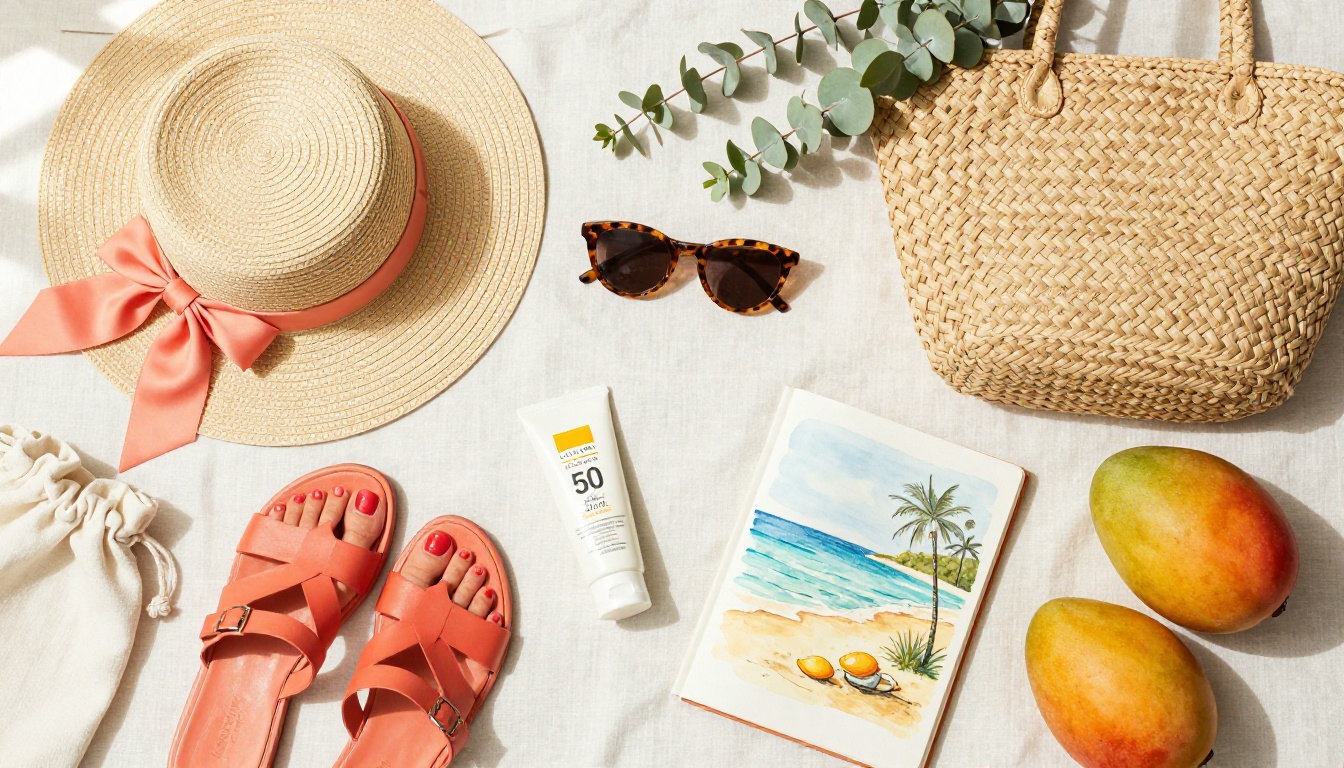
✅ For spring/summer lookbooks, shoot in the first two hours after sunrise or the last hour before sunset. The light is softer, warmer, and far more flattering than midday sun.
Fall and Winter Essentials
Fall and winter lookbooks shift the entire visual grammar. Warmth becomes depth. You're no longer selling lightness; you're selling comfort, richness, and occasion.
Fall lookbook priorities:
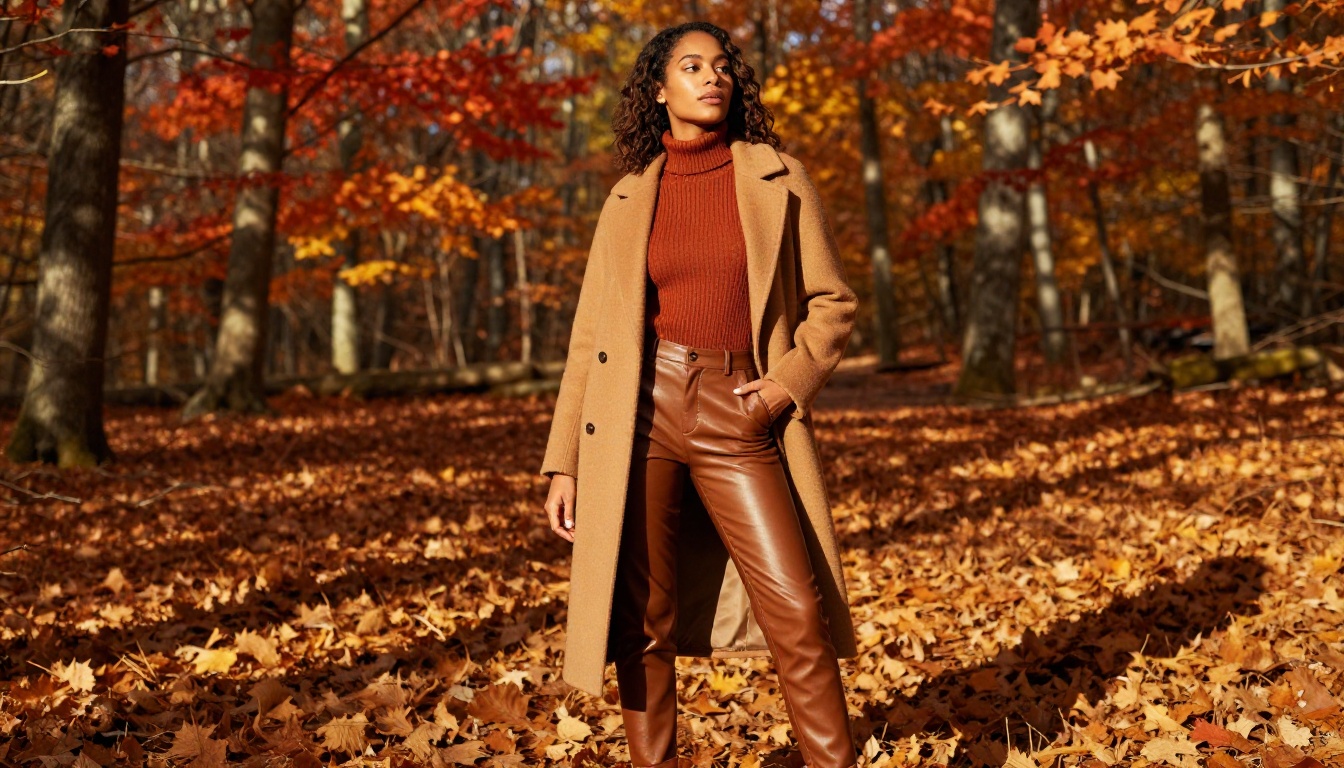
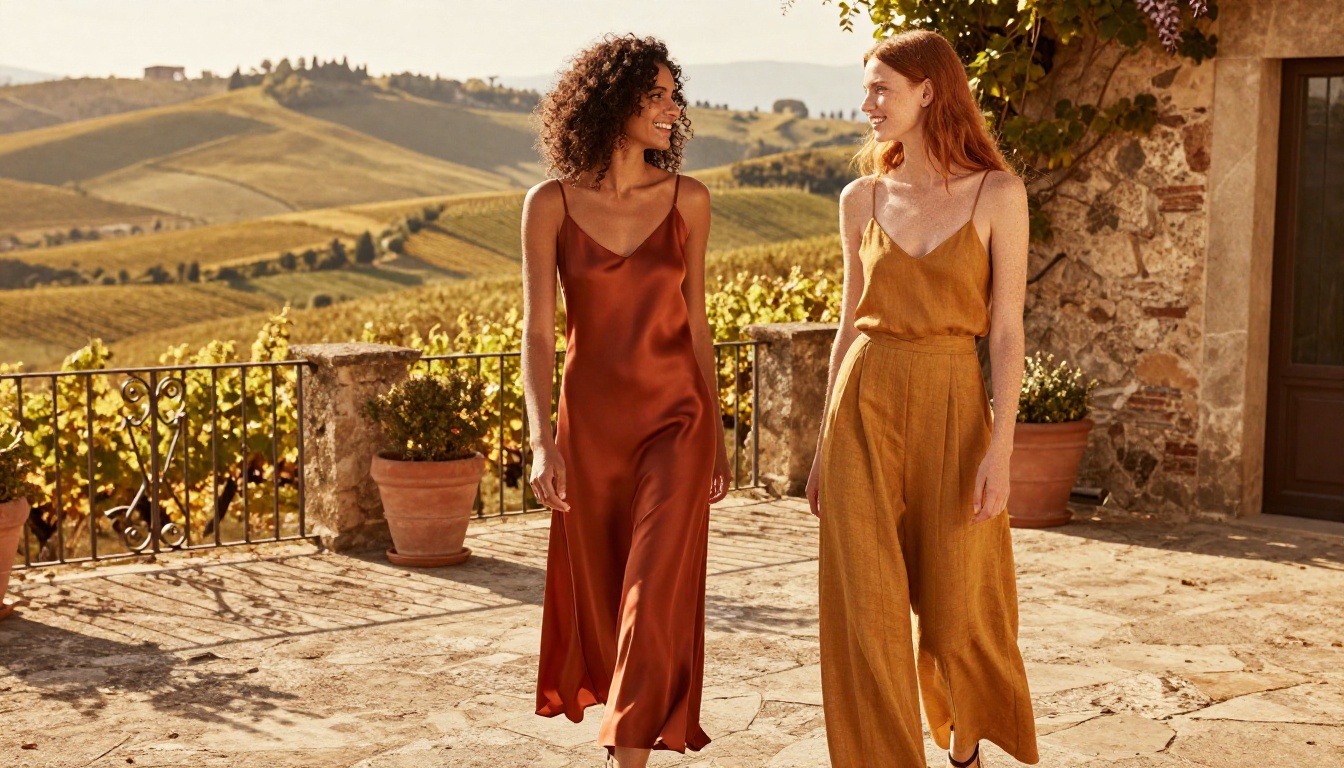
- Deep earth tones: terracotta, camel, forest green, rust
- Layering as a visual storytelling device
- Textured backgrounds: fallen leaves, stone architecture, aged wood
- The golden hour as your primary lighting tool
Winter lookbook priorities:
- Contrast between cozy interiors and cold exteriors
- Deep jewel tones alongside neutrals: midnight blue, emerald, ivory, charcoal
- Knitwear and outerwear as hero pieces
- Festive and occasion wear given dedicated spreads
| Season | Core Palette | Hero Pieces | Setting Style |
|---|
| Spring | Blush, sage, butter, sky | Dresses, linen blazers | Gardens, markets, parks |
| Summer | Coral, white, cobalt, citrus | Swimwear, co-ords, resort wear | Beaches, terraces, pools |
| Fall | Terracotta, camel, forest green | Coats, boots, layered knits | Forests, vineyards, cobblestone |
| Winter | Midnight, ivory, emerald, charcoal | Outerwear, knitwear, occasion | Cabins, cities, formal interiors |
Building Your Lookbook Fast
Speed comes from having a system. Here is the workflow that cuts production time from weeks to minutes.
Collect and Sort Your Visuals First
Before touching any layout tool, gather everything: product photography, lifestyle shots, brand assets, and inspiration references. Sort them into seasonal chapters. A three-chapter structure works well:
- Opening spread: 2 to 3 pages establishing the seasonal mood with hero shots
- Collection pages: Individual or grouped product pages with minimal supporting text
- Closing lifestyle spread: 1 to 2 pages reinforcing the feeling without product focus
Name your files consistently (for example: SS25_HERO_01.jpg, SS25_PRODUCT_DRESS_01.jpg) so they stay organized when you upload.
Choose Your Palette Before You Design
This is where most lookbooks fall apart. Designers pick colors as they go, and the result looks disconnected. Choose your three to four palette colors at the start and apply them to every design element: backgrounds, typography, dividers, and callout boxes.
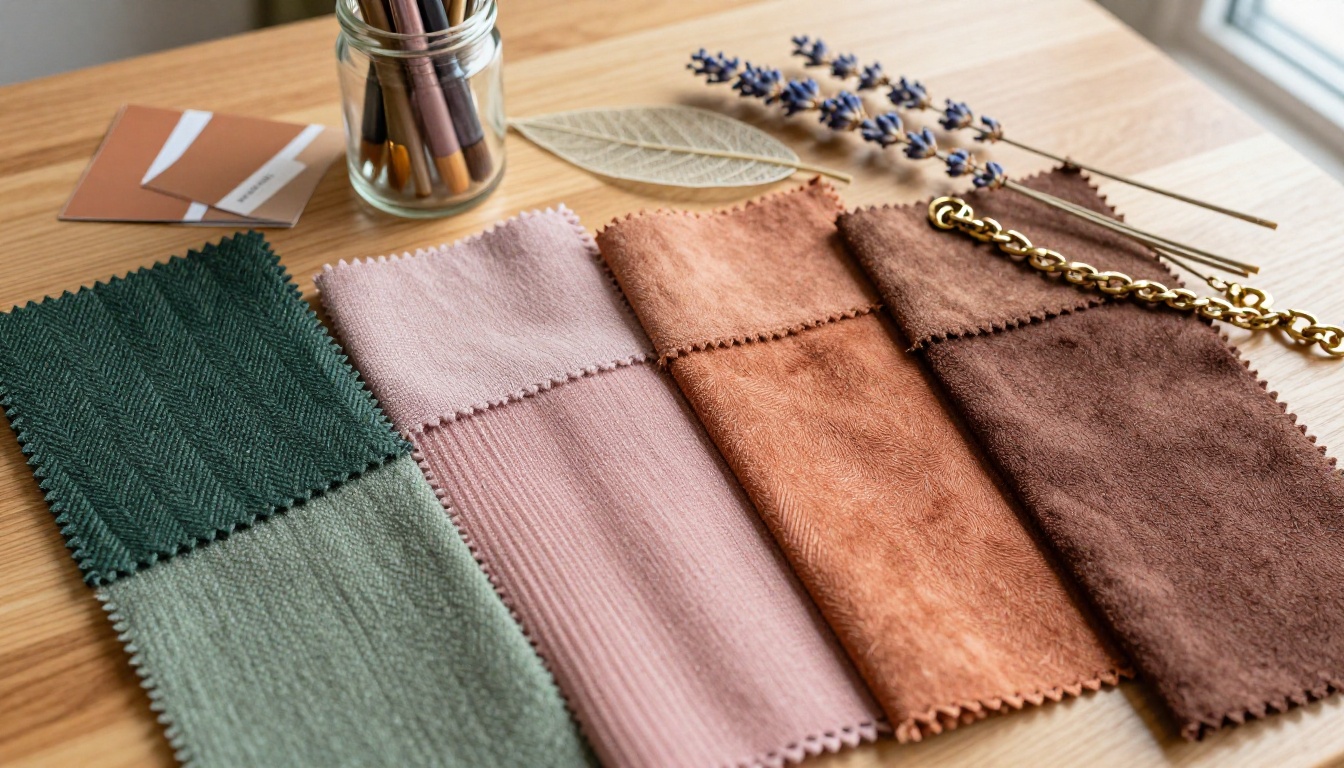
💡 Pull your palette directly from your strongest hero image using an eyedropper. Your lookbook will feel naturally cohesive because it's built from the photography itself.
Build Layout With the 60-30-10 Rule
Sixty percent of each spread: your dominant photography. Thirty percent: white space and secondary content. Ten percent: text, prices, and product codes.
If text is taking up more than 10%, you have too much copy. Lookbooks communicate visually first. Every word should earn its place on the page.
Export as PDF and Upload
Once your layout is ready in Adobe InDesign, Canva, or any design tool, export it as a high-resolution PDF. That PDF becomes the source file for your digital lookbook. From there, the publishing platform handles everything else.
How to Publish Your Lookbook with Flipbooks AI
A static PDF is fine for print. For digital distribution, an interactive page-flip experience is dramatically more effective. That is exactly what Flipbooks AI delivers.
Upload and Convert Your PDF
Head to Flipbooks AI and create your account. Upload your seasonal lookbook PDF directly. The platform converts it automatically into a responsive, page-flip flipbook within seconds. No coding. No plugins. No additional design software required.

The Interactive Lookbook Designer and Lookbook Flipbook Builder are purpose-built for exactly this workflow. They handle the conversion, the embedding, and the sharing all in one place.
Customize Your Branding
Once converted, apply your brand identity across the viewer:
- Custom domain: Your lookbook URL reflects your brand, not the platform
- Brand colors: Match the viewer interface to your seasonal palette
- Logo placement: Appears on the viewer and all shared links
- Background: Choose from solid, gradient, or custom image backgrounds
- No watermarks: Every plan from Standard and above publishes completely clean
✅ Add password protection for press previews or VIP early-access releases. This takes seconds to enable and keeps your unreleased collection secure.
Share, Embed, and Go Live
Flipbooks AI gives you multiple distribution options the moment your lookbook is published:
- Direct link: Share via email, social, or messaging apps instantly
- Embed code: Drop your flipbook into any website or campaign landing page
- QR code: Print it on physical materials for in-store lookbook access
- Social-ready links: Optimized previews when shared on Instagram, Facebook, and LinkedIn
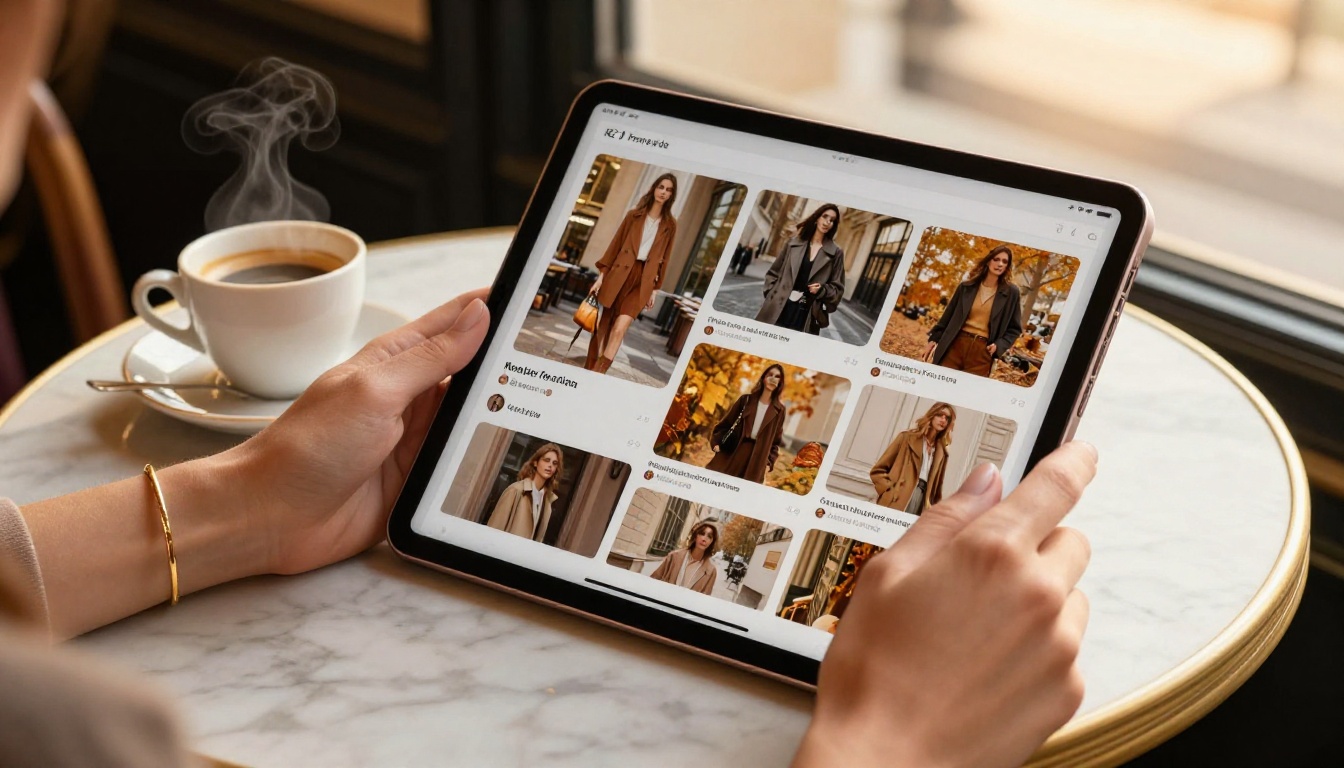
For brands on the Professional plan, analytics show exactly which pages get the most attention, where readers drop off, and which items drive the most link clicks. That data is invaluable for refining the next season's approach.
Lookbook vs Catalog vs Magazine
These three formats get confused constantly. Here's how they actually differ and when to use each:
| Format | Primary Purpose | Ideal Length | Visual Style | Best For |
|---|
| Lookbook | Emotional storytelling | 8 to 24 pages | Lifestyle, editorial | Seasonal launches, brand campaigns |
| Catalog | Product documentation | 24 to 80+ pages | Product-on-white | Wholesale, trade shows, B2B |
| Magazine | Content and culture | 40 to 100+ pages | Editorial plus articles | Brand authority, community building |
💡 Most fashion brands benefit from all three, used at different points in the buying cycle. A lookbook opens the door; a catalog closes the sale.
The Fashion Catalog Creator and Digital Catalog Maker are built for when you need the catalog format, while the lookbook tools handle the storytelling-first approach.
Seasonal Launch Timing That Actually Works
Publishing a lookbook too early or too late kills its impact. Here is a practical timing framework for fashion and lifestyle brands:
| Season | Ideal Launch Window | Rationale |
|---|
| Spring/Summer | Early February | Buyers research 6 to 8 weeks before the season shifts |
| Resort/Cruise | Late October | Between seasons, captures travel and holiday planning |
| Fall/Winter | Early July | Back-to-school and autumn planning happens in summer |
| Holiday/Festive | Early October | Gifting research starts well before November |
⚠️ Publishing your fall lookbook in September means you've already lost 6 to 8 weeks of peak buyer interest. Launch early, or the momentum is already gone before you start.
Mistakes That Kill Lookbook Impact
Too Many Products
The most common error. A lookbook with 60 products stops being a lookbook. If a piece doesn't belong in the seasonal story, cut it. Edit with the same ruthlessness you'd apply to the collection itself.
Poor Image Quality
A single low-resolution image breaks the trust you built on every other page. Every image must be at least 300 DPI for print, or 1920px wide for digital. No exceptions.
No Clear Visual Flow
Readers move through a lookbook the same way they move through a physical space. If there's no sense of direction, they stop. Use varying image sizes, consistent padding, and deliberate page transitions to create momentum.
Ignoring Mobile
More than 70% of lookbook views happen on mobile devices. If your digital lookbook isn't mobile-responsive, you're invisible to the majority of your audience. Flipbooks AI handles mobile responsiveness automatically across all screen sizes and devices.

No Call to Action
A lookbook without a clear next step wastes everything it builds. Every spread should have at least one quiet nudge: a URL, a QR code, or a "shop now" callout. The interactive format on Flipbooks AI lets you embed clickable links directly in the pages, turning a passive viewer into an active shopper.
Not every plan works for every brand. Here's what each tier of Flipbooks AI pricing delivers for seasonal lookbook publishing:
| Feature | Free | Standard | Professional |
|---|
| Number of flipbooks | 3 | Unlimited | Unlimited |
| Watermark | Yes | No | No |
| Custom branding | No | Yes | Yes |
| Password protection | No | Yes | Yes |
| Analytics dashboard | No | No | Yes |
| Lead generation | No | No | Yes |
| Offline downloads | No | No | Yes |
| Embed on website | Yes | Yes | Yes |
| Mobile responsive | Yes | Yes | Yes |
| Video and audio embed | No | Yes | Yes |
✅ For a seasonal lookbook with real brand credibility, Standard is the minimum. No watermarks, full branding control, and password protection for early-access press releases.

Your Lookbook Is Ready When Your Competitor's Isn't
The brands that win seasonal launches are not the ones with the biggest budgets. They're the ones who move fast, stay visually consistent, and put their lookbook in front of buyers at exactly the right moment.
With the workflow in this article, you have everything you need: the seasonal strategy, the design principles, the timing framework, and the publishing platform to bring it all together.
Ready to build yours? Create your account on Flipbooks AI and have your first seasonal lookbook live before the day is over. Browse all lookbook tools and templates to find the format that fits your brand. Or compare pricing plans and pick the tier that matches where you are right now.



