Every PR agency faces the same challenge: you do brilliant work, but your materials don't match the quality of what you deliver. A static PDF press kit emailed to a journalist is forgettable. A beautifully formatted digital flipbook that loads instantly in any browser, turns pages with a smooth animation, and showcases your client's brand with full-bleed photography? That's what gets remembered, shared, and clicked. If you've been wondering how to make a flipbook for your PR agency, this is where that process becomes clear, practical, and immediately actionable.
Digital flipbooks are no longer just for magazines. PR agencies around the world are using them to send press kits, deliver campaign reports, pitch new business, and build media portfolios that genuinely impress. With Flipbooks AI, the process is faster than most agencies expect.
Why PR Agencies Are Moving to Digital Flipbooks
The PR industry runs on presentation. Whether you're pitching a lifestyle brand to a fashion editor or reporting results to a Fortune 500 client, the way you package your work says as much as the work itself. Static PDFs are fine for internal sharing, but they fall flat when first impressions count.
The Problem With PDFs in PR
PDFs get lost in inboxes. They don't track opens. They aren't mobile-optimized. Journalists who receive dozens of press kits a week aren't opening static attachments on their phones. And when a potential client is comparing your agency to three others, a polished, interactive flipbook immediately signals that you operate at a higher level.
Here's what a PDF cannot do that a digital flipbook can:
- Track who opened it and how long they spent on each page (available on the Professional plan)
- Embed video content directly inside the publication
- Be shared as a single URL that works on any device without downloading
- Be password-protected for confidential pitches and embargoed kits
- Be embedded on your agency website or client portal
What Clients Actually Expect Now
Client expectations have shifted. The same client who expects a polished campaign from your team expects their monthly report to look just as good. Agencies that deliver results in a sleek, interactive format retain clients longer and earn referrals faster. The format is part of the service.
💡 Interactive press kits receive 3x more attention from journalists than static PDF attachments. Format shapes the story before the first word is read.

What Goes Inside a PR Agency Flipbook
Before building anything, decide what type of flipbook you're making. PR agencies typically create four main types, each serving a different purpose in the client relationship.
Press Kits and Media Kits
This is the most common use case. A digital press kit includes brand history, executive bios, high-resolution photography, core messaging, recent media coverage, and contact details. Built as a flipbook, it loads instantly on a journalist's phone, plays embedded brand videos, and can be updated at any time without resending a file.
The Press Kit Designer provides a format optimized specifically for media outreach.
Client Campaign Reports
Monthly and quarterly reports are the backbone of agency-client relationships. When your reports look like publications rather than spreadsheets, clients read them more carefully and perceive more value. Include campaign photography, data visualizations, coverage screenshots, and strategic commentary in a flipbook format that feels like a premium editorial piece.
The Corporate Report Maker is built for this type of professional reporting.
New Business Pitches
Nothing signals creative sophistication like delivering your pitch as an interactive flipbook instead of a PowerPoint file. A pitch flipbook can include agency credentials, case studies, team profiles, proposed strategy, and a clear call to action. Sharing it as a link instead of an attachment also means it opens natively on any device, at any time.
The Sales Presentation tool handles this format perfectly.
Agency Portfolio Showcase
Your portfolio is your most powerful sales tool. A digital portfolio showcasing past campaigns, brand work, and media placements in a page-turning format is far more impressive than a website gallery or a Dropbox folder full of screenshots.
Pair your content with the Digital Portfolio Creator for a polished, shareable result.
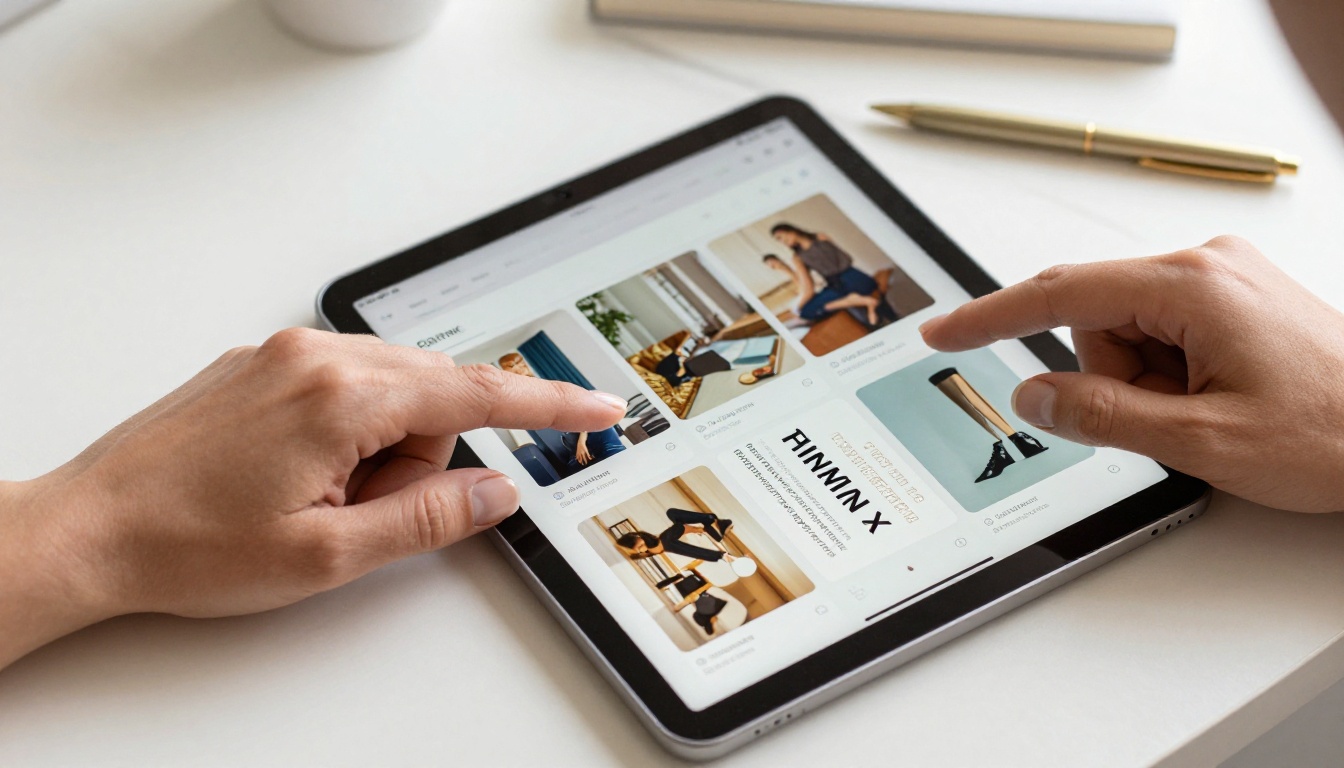
PR Flipbook Types at a Glance
How to Build Your PR Flipbook Step by Step
The process is simpler than most agencies expect. You don't need a developer or a dedicated designer on standby. If you have a PDF, you're already 80% of the way there.
Step 1: Design Your PDF First
Start in whatever design software your team uses. Adobe InDesign, Canva Pro, and Figma all work. Design your press kit, report, or pitch as a multi-page document with:
- Full-bleed photography on opening spreads
- Consistent typography and brand colors throughout
- Clear section breaks with strong visual hierarchy
- Enough white space so pages don't feel cluttered
- Hyperlinks already embedded where appropriate
Export as a high-resolution PDF. 150 DPI works well for digital-only distribution.
Step 2: Upload and Convert
Go to Flipbooks AI and create your account. Once inside the dashboard:
- Click Create New Flipbook
- Select Upload PDF
- Drag your file into the uploader or browse to find it
- The platform converts your PDF into a page-turning flipbook in under 60 seconds
The PDF to Flipbook Converter preserves every element of your original design, including embedded hyperlinks, fonts, and high-resolution photography.
Step 3: Brand It to the Client
Once converted, customize the flipbook wrapper to match your agency or client identity:
- Set a custom background color or upload a branded background image
- Add a logo to the flipbook frame
- Choose a page-turn style (classic book flip, slide, or fade transition)
- Set a favicon for when it's bookmarked
- Upload a thumbnail for social sharing previews
✅ Always brand the flipbook to the client, not your agency. A press kit should feel like it belongs to the brand being represented.
Step 4: Add Interactivity
This is where digital flipbooks significantly outperform standard PDFs. Inside your flipbook you can:
- Embed a brand video directly on a page (sizzle reels, product demos, testimonials)
- Add clickable links to websites, social profiles, or media articles
- Include audio for narrated reports or branded presentations
- Insert animated elements onto data-heavy pages
For pitch decks, embedding a short credentials video on page one can more than double the time prospects spend with your document.
Step 5: Share and Track
Your finished flipbook publishes as a unique URL. Distribution options from there include:
- Direct link: Copy and paste into any email, no attachment required
- Embed code: Use the Embed Flipbook on Website tool to place it inside a client portal, campaign landing page, or agency site
- Password protection: For confidential pitches or embargoed press kits, restrict access with a password
- QR code: Generate a QR code that links directly to the digital flipbook from any printed materials

Comparing Plans for PR Agencies
Choosing the right plan depends on how many clients you service and which features matter most. Here's a clear comparison across the three tiers:
| Feature | Free | Standard | Professional |
|---|
| Number of flipbooks | 1 | Unlimited | Unlimited |
| Watermark | Yes | None | None |
| Custom branding | No | Yes | Yes |
| Password protection | No | Yes | Yes |
| Embed on website | No | Yes | Yes |
| Analytics and tracking | No | No | Yes |
| Lead generation forms | No | No | Yes |
| Offline downloads | No | No | Yes |
| Custom domain | No | No | Yes |
For most boutique PR agencies managing between 5 and 15 clients, the Standard plan covers all core needs without any limitations on output. Agencies running active campaign tracking or wanting to capture reader data from journalists and prospects see the clearest return on the Professional plan.
💡 Analytics reveal which journalists opened your press kit and how long they stayed on each section. That data shapes follow-up calls in ways that generic email tracking simply cannot.
See all details on the pricing page.

Real Scenarios Where PR Agencies Use Flipbooks
Here's how different agency types are putting this format to work in their day-to-day operations.
Boutique consumer PR agency: Replaces static press kits with password-protected flipbook media kits for every product launch. Journalists receive a single URL, open a beautifully formatted kit directly on their phone, and click through to high-resolution image downloads without requesting files separately.
Corporate communications firm: Delivers quarterly stakeholder reports as branded flipbooks rather than PDF attachments. Reports include embedded data visualizations and a short video from the agency lead. The shift to this format noticeably improved client read-through rates and reduced revision requests.
Entertainment PR agency: Approaches new talent representation deals with custom pitch flipbooks. Each one is branded to the prospective client's identity, includes case studies from similar campaigns, and embeds a showreel on page two. The production quality of the pitch document directly signals the production quality of the work.
Digital-first PR startup: Maintains the entire agency credentials deck as a living flipbook, updated monthly with fresh coverage placements, new case studies, and current team bios. Shared as a single persistent URL with every prospect, always current.
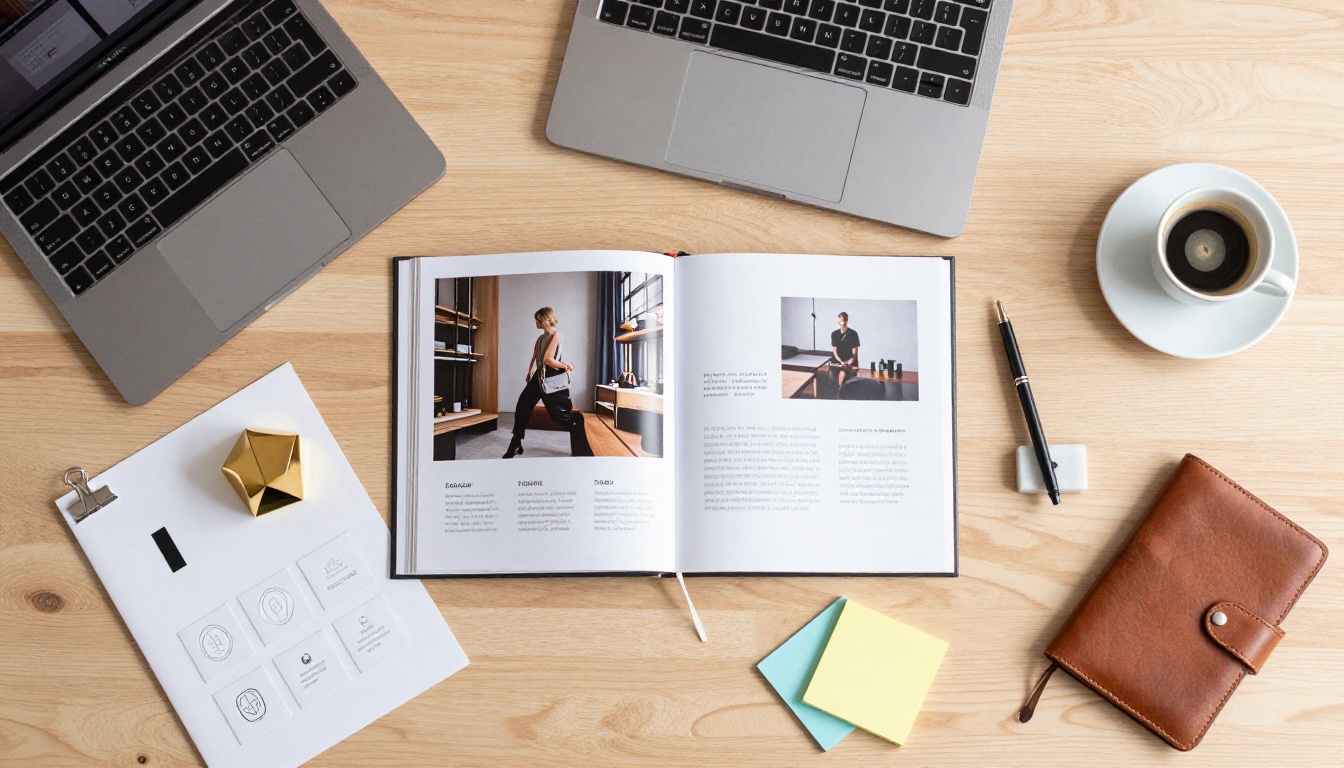
5 Mistakes PR Agencies Make With Digital Materials
Even agencies with strong creative instincts make predictable errors when building digital publications. These are the most common ones worth avoiding.
1. Sending an Attachment Instead of a Link
Journalists delete attachments. A URL that opens a beautifully formatted, mobile-optimized flipbook directly in a browser feels entirely different from a 5MB PDF sitting in an email. Always share as a link, never as a file.
2. Not Refreshing Press Kits Between Campaigns
A press kit featuring last year's clients and outdated media coverage does more harm than good. Digital flipbooks can be updated at any time without changing the share URL. Set a quarterly reminder to refresh content.
3. Making Every Page Text-Heavy
Media kits and pitch decks live and die on visual impact. If a journalist has to read three paragraphs to find a client's contact details or the central pitch angle, you've already lost them. Lead with strong photography, follow with facts.
4. Skipping the Mobile Check
Over 60% of journalists and PR contacts open emails on mobile. Flipbooks AI publishes every flipbook as a mobile-responsive publication by default, but your underlying PDF design still needs to work at smaller sizes. Test how each spread reads on a phone before sending it to a press contact.
5. Using One Generic Press Kit for Every Media Target
The best-performing press kits are tailored by media vertical. A food editor and a business journalist need completely different angles on the same brand story. Build a base template and customize the opening spread and core narrative for each distinct outreach segment.
⚠️ A generic press kit sent to 50 journalists performs worse than a tailored one sent to 10 who actually cover your client's space. Segment your media outreach first.

The logistics of sharing matter as much as the content. When a journalist can open your press kit in two seconds on their phone without downloading anything, they are far more likely to actually read it. When a client can scroll through their campaign report on a flight without needing to save a file, they consume it more thoroughly.
The combination of instant access, strong visual presentation, and real tracking data creates a feedback loop that makes PR work measurably more effective over time.
What Analytics Actually Tell You
With the Professional plan, tracking data shows:
- How many times a flipbook was opened and by how many unique visitors
- Which pages held attention the longest across all readers
- Where readers consistently dropped off or skipped ahead
- Whether a journalist or prospect returned to view it a second time
For a pitch sitting with a prospective client, knowing they spent 14 minutes on your case studies section but skipped the pricing page entirely tells you exactly where to anchor your follow-up conversation. That level of intelligence was simply not possible with PDF email attachments.
Flipbook vs. PDF vs. Website: Side-by-Side
| Format | Mobile-Friendly | Trackable | No Download Required | Interactive | Custom Branding |
|---|
| PDF email attachment | Partial | No | No | No | Partial |
| Agency website page | Yes | Partial | Yes | Partial | Yes |
| Digital flipbook | Yes | Yes (Pro) | Yes | Yes | Yes |
| PowerPoint or Slides | Partial | No | No | Partial | Yes |
The digital flipbook wins across every dimension that matters for professional PR delivery. It combines the visual fidelity of a designed PDF with the accessibility of a web page and the intelligence of a tracked digital asset.
The Agencies Winning Are Presenting Better
The PR firms gaining new clients and holding onto existing ones in a competitive market aren't necessarily doing more work. They're packaging their work better. A digital flipbook doesn't replace strong strategy or sharp media relationships, but it amplifies how all of that work is perceived by everyone who receives it.
Start with your most-used document: your agency press kit or your standard campaign report template. Convert it, brand it to your client, and share the link with your next media pitch or client delivery. The difference in how it's received is immediate.

Your next press kit, pitch deck, or campaign report should reflect the same quality you put into every campaign. Create your first flipbook for free and see the difference for yourself.
Browse all available tools to find the right format for your specific use case, from press kits to agency portfolios to annual reports.
When you're ready to add full analytics, lead capture, and offline access for your entire client roster, compare plans and choose the tier that fits your agency's scale.



