Your shoe brand deserves more than a static PDF buried in someone's downloads folder. A digital flipbook changes how buyers, retailers, and customers experience your collection. It is immersive, shareable, and built for the way people browse content today. Flipbooks AI makes this process simpler than you'd think, whether you're launching a seasonal lookbook, a wholesale catalog, or a campaign presentation. This article walks through exactly how to make a flipbook for your shoe brand, from content planning to distribution, with no technical skills required.
Why a Flipbook Works for Shoe Brands
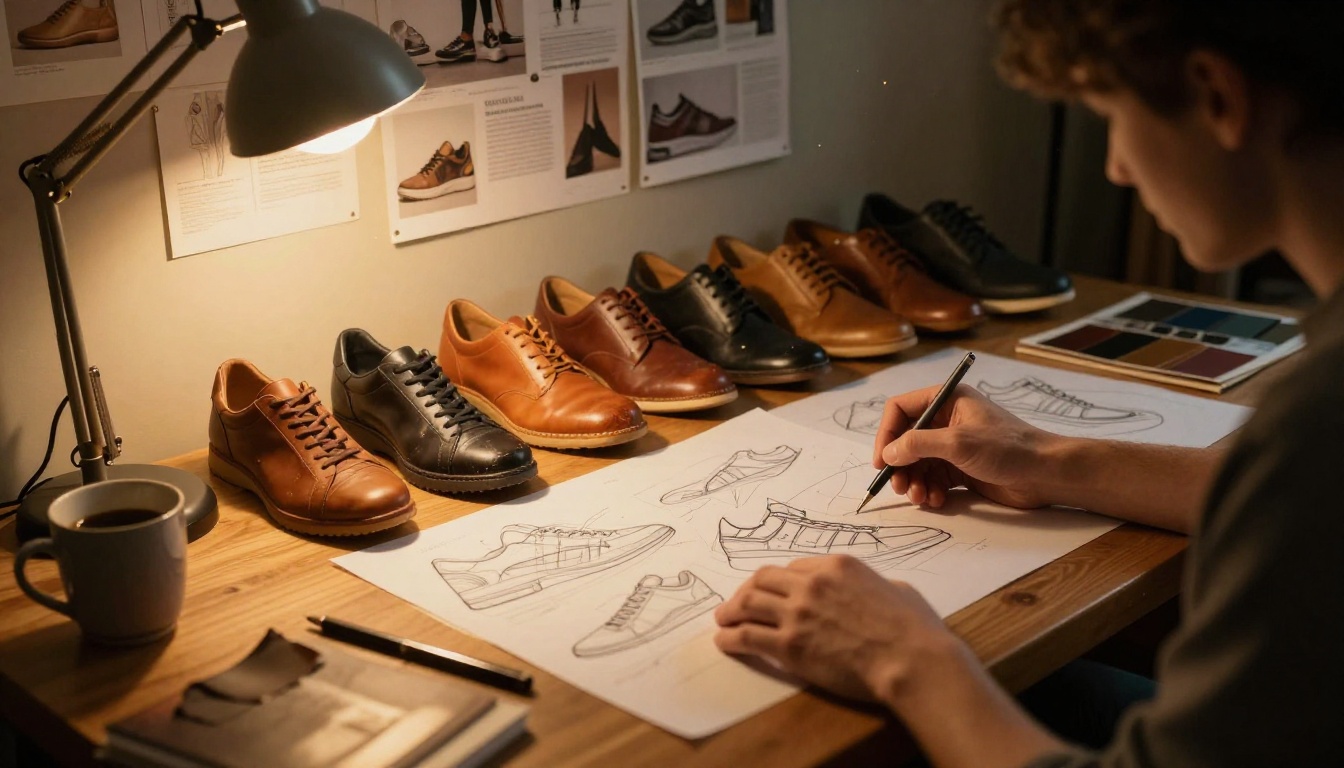
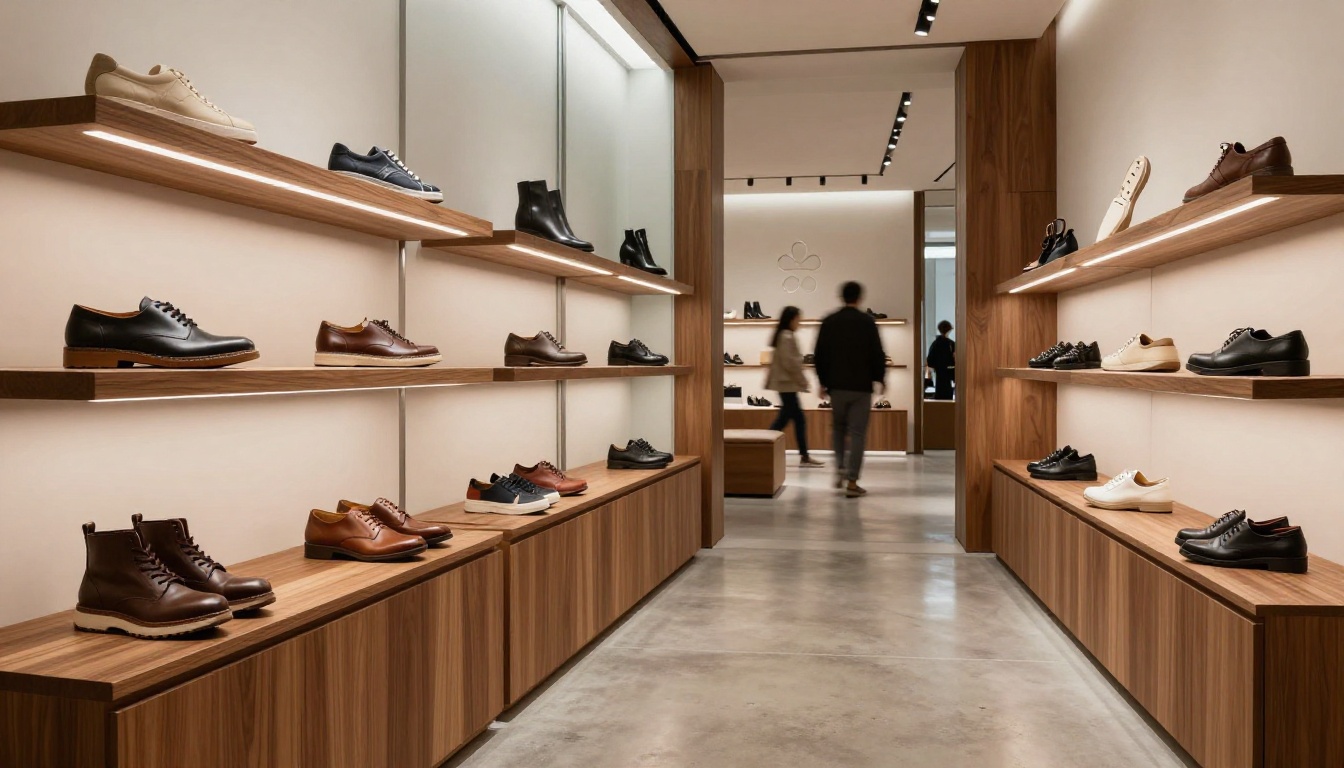
Footwear is a visual category. Buyers make decisions based on texture, silhouette, colorway, and styling, which means your presentation format has to do justice to those details. A well-executed digital flipbook doesn't just display products. It tells the story of the collection, communicates brand identity, and keeps the reader flipping page by page.
The format itself signals professionalism. When a buyer receives a link to a beautifully branded interactive flipbook instead of yet another email attachment, the implied message is clear: this brand takes its presentation seriously. That impression often precedes the actual product decision.
Static PDFs Are Killing Your Conversions
A PDF sent via email gets opened once and forgotten. It doesn't track engagement, it doesn't load beautifully on mobile, and it offers no path to action. Most shoe brands are still relying on this format for their wholesale outreach, which means the bar is genuinely low. A flipbook with page-turn animations, embedded video, and a live link your buyers can bookmark is a fundamentally different experience.
⚠️ If your wholesale buyers are receiving static PDFs, you are already losing ground to brands who have moved to interactive digital formats.
What Buyers Actually Want to See
Buyers, whether they are retail partners or end consumers, want:
- Consistent, high-quality photography across every product
- Clear size, colorway, and material breakdowns
- Context shots that show the shoe styled on a model or in an environment
- Seasonal coherence — a collection that reads as a unified story
- Easy sharing — they want to forward it to their team or pin it to a mood board
A flipbook delivers all of this in one shareable URL, no app download required.
What to Put in Your Shoe Brand Flipbook
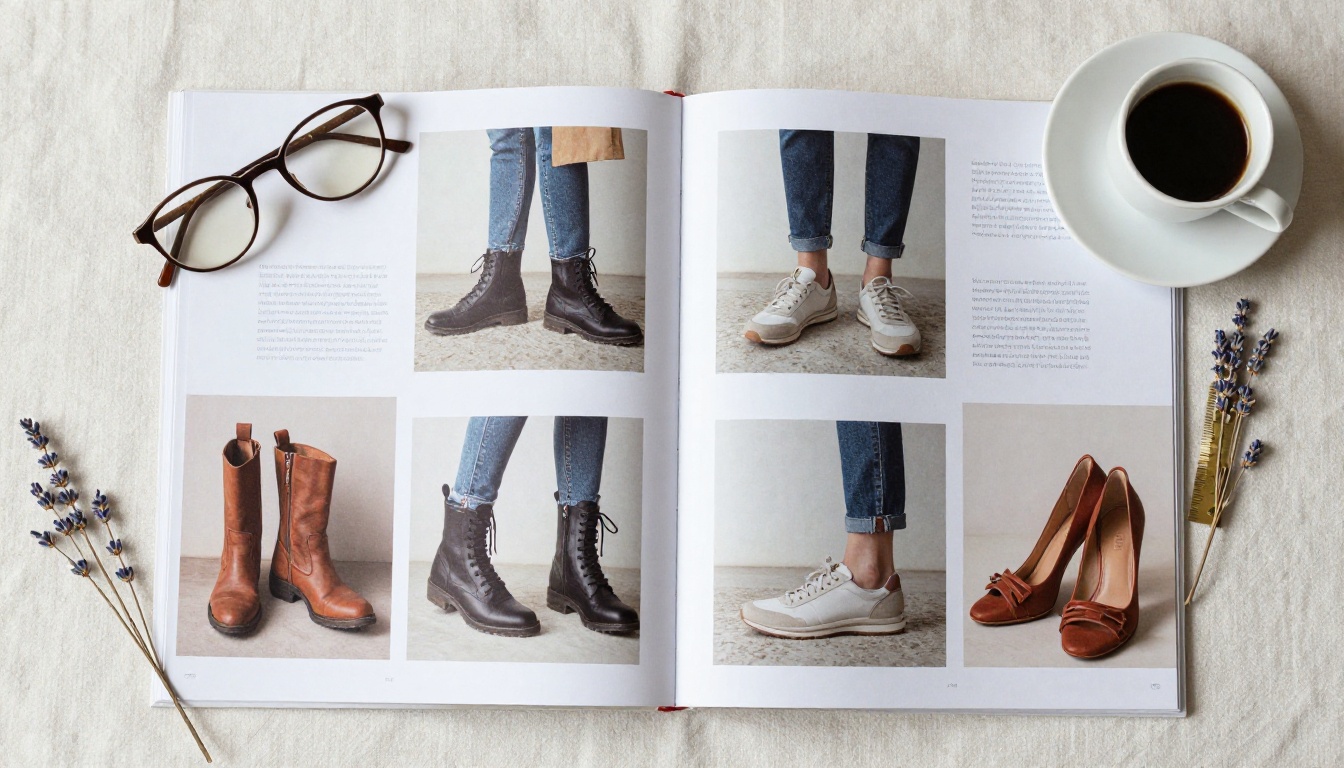
Before you open any tool, you need to know what goes on each page. Shoe brand flipbooks that convert have a deliberate content order. Think of it like a physical catalog: the cover sets the mood, the opening pages sell the lifestyle, and the product pages close the deal.
The Pages That Matter Most
Here is the content architecture that works for most shoe brands:
| Page Section | Content Type | Purpose |
|---|
| Cover | Campaign hero image, season name | Sets tone and brand identity |
| Brand Story | 1-2 paragraphs + lifestyle imagery | Builds emotional connection |
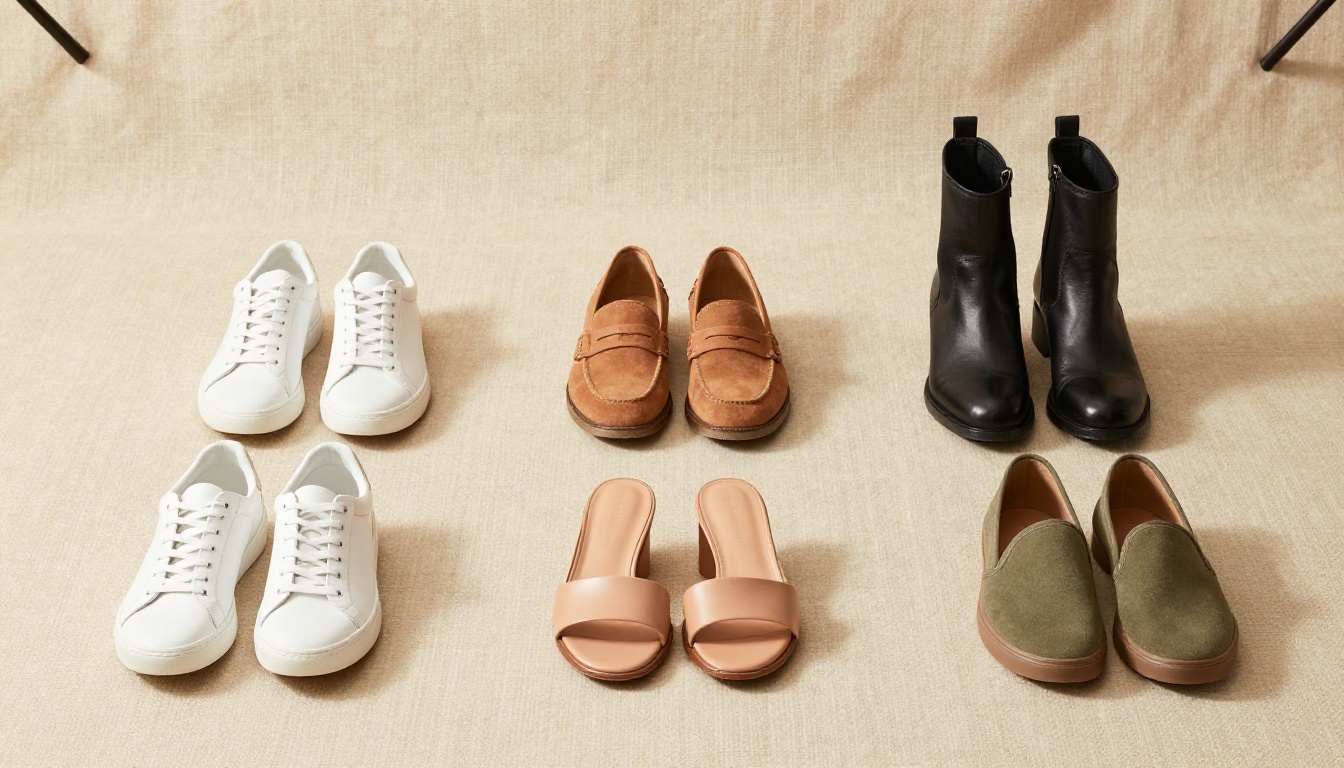
| Collection Overview | Flat-lay of full range | Gives buyers the complete picture |
| Product Pages | Individual SKU with specs | Enables purchasing decisions |
| Styling Edits | Model shots, outfit context | Drives aspiration and styling ideas |
| Materials & Craft | Close-up texture shots | Justifies price point |
| Order Info / CTA | Pricing tiers, minimum orders | Closes the wholesale pitch |
💡 For direct-to-consumer lookbooks, replace "Order Info" with a "Shop the Collection" page with QR codes or direct links to your product pages.
Photography Rules for Shoe Lookbooks
Shoes are hard to photograph well. You need multiple angles, consistent lighting, and enough resolution to survive rendering on retina screens. For a digital flipbook, sharp, well-lit images are the baseline, not a bonus.
- Shoot every shoe from at least three angles: profile, three-quarter, and detail close-up
- Use a consistent white or neutral backdrop for product pages
- Include at least one styled editorial shot per colorway
- Never mix lighting temperatures within the same collection spread
- Export images at minimum 150 DPI for digital (300 DPI if you plan to print later)
- Shoot close-ups of stitching, sole construction, and material texture — these details justify premium pricing
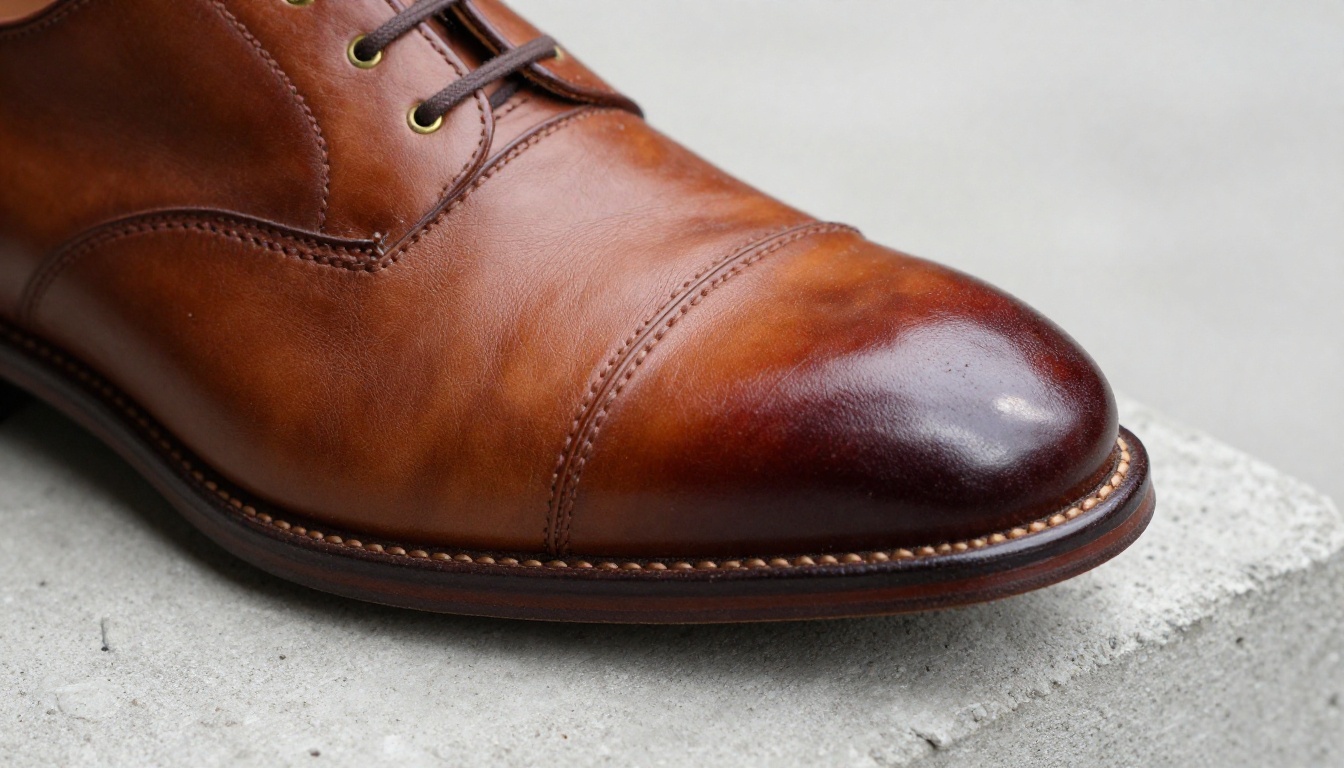
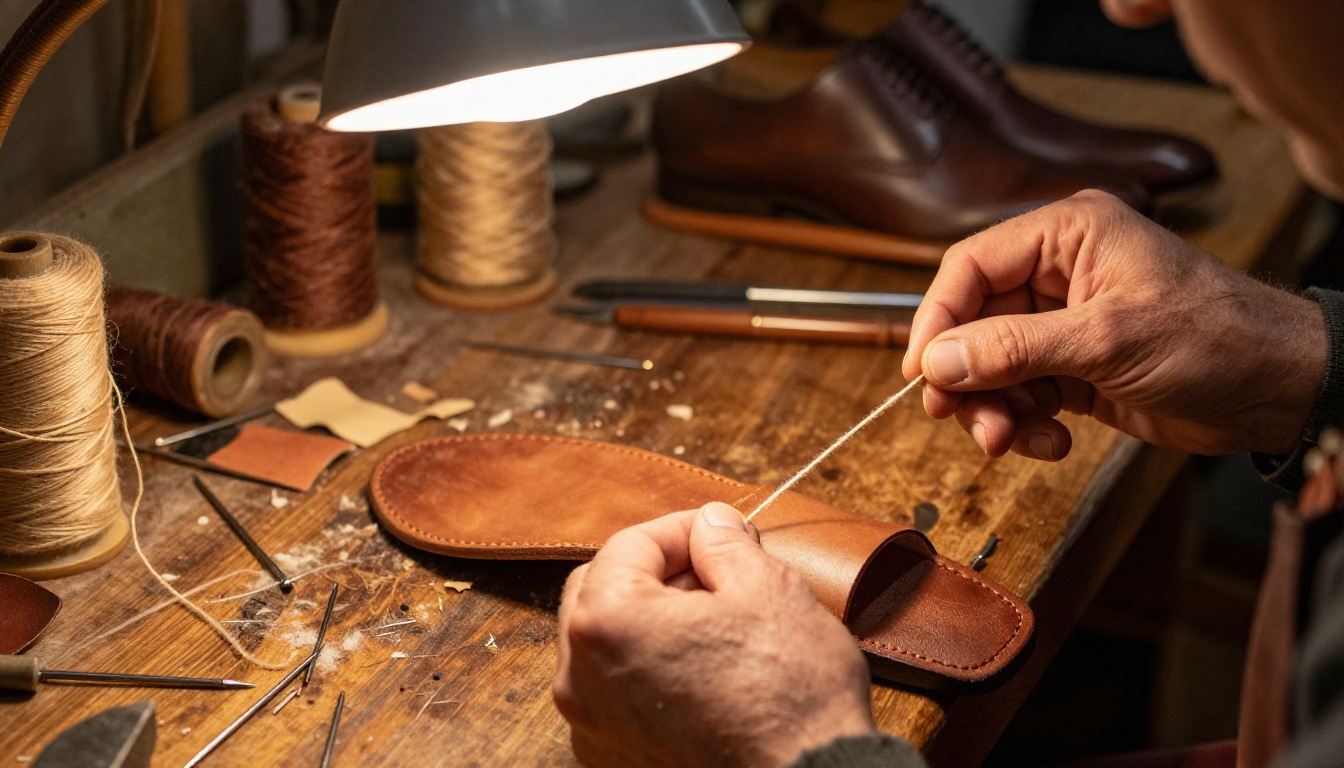
Material texture pages are often the most underrated section of a shoe catalog. When a buyer can see the grain of the calfskin, the welt stitching detail, or the rubber sole tread in high resolution, they are making a tactile judgment call digitally. Your photography has to do that work for them.
Building Your Shoe Flipbook Step by Step
This is where Flipbooks AI makes the process straightforward. You do not need to know how to code, and you do not need a designer on retainer. If you have a PDF, you have everything you need to get started.
Step 1 - Prepare Your PDF
Design your lookbook or catalog in Adobe InDesign, Canva, or any layout tool you prefer. Export it as a high-resolution PDF. Before you do, make sure:
- All fonts are embedded in the file
- Images are not compressed below 150 DPI
- Bleed and safe zones are properly set if you plan to print later
- Page count sits in a reasonable range (12-60 pages is the sweet spot for engagement)
- Pages flow in a logical content order before you upload
✅ If you are starting from scratch, Canva has free shoe catalog templates you can customize before exporting as PDF. This cuts production time significantly for independent brands.
Step 2 - Upload and Convert
- Go to Flipbooks AI and create your account
- Click New Flipbook and upload your PDF
- The platform converts your file into an interactive page-turn flipbook automatically
- Preview it in the editor to check page order and image quality
- Make any layout adjustments needed before publishing
The PDF to Flipbook Converter handles files of any size and renders each page as a high-resolution interactive spread, preserving all your typography and imagery exactly as designed.
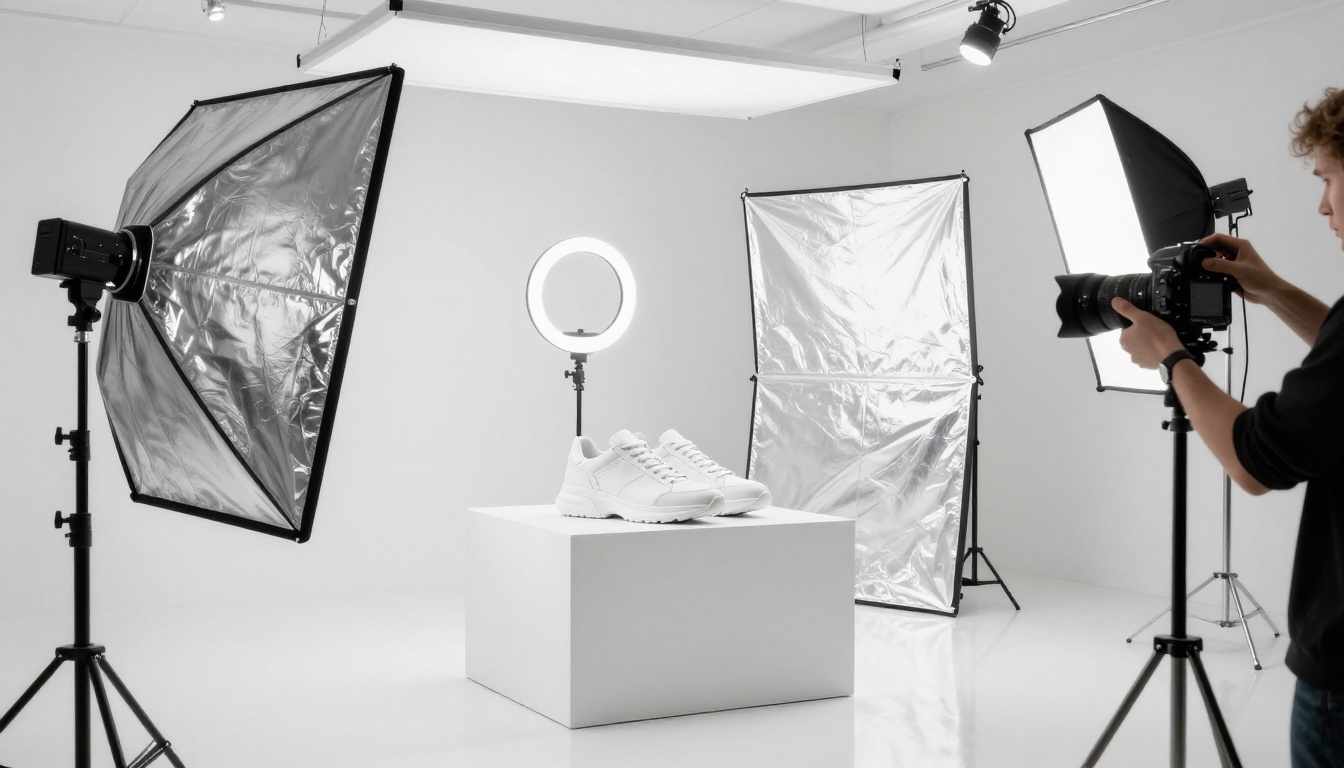
Step 3 - Brand It Your Way
This is where your flipbook stops looking generic and starts feeling like your brand. In the Flipbooks AI editor you can:
- Upload your logo and set its position on the viewer
- Set brand colors for the flipbook interface and navigation controls
- Add background music or ambient sound to match the collection mood
- Insert video on specific pages (campaign films, material close-ups, behind-the-scenes footage)
- Enable or disable page shadows and animation speed to match your aesthetic
💡 Use a background texture that matches your brand visual language. Raw linen for a heritage label, clean white for a minimalist brand, dark charcoal for a streetwear imprint.
Step 4 - Share, Embed, and Distribute
Once your flipbook is live, you have several distribution options depending on your audience:
- Direct link: Share a clean URL via email, WhatsApp, or direct messages
- Embed code: Drop your flipbook into your website or wholesale portal with one line of HTML using the Embed Flipbook on Website tool
- Password protection: Lock your pre-season catalog so only authorized buyers can access it
- QR code: Generate a QR code for print materials, trade show banners, or packaging inserts
- Offline download: Send buyers a version they can access without internet, available on the Professional plan
Flipbook Plans Compared
Choosing the right plan depends on how many flipbooks you need and which features matter to your workflow. Here is a breakdown of what each tier offers:
| Feature | Free | Standard | Professional |
|---|
| Flipbooks | 1 | Unlimited | Unlimited |
| Watermark | Yes | No | No |
| Password Protection | No | Yes | Yes |
| Custom Branding | No | Yes | Yes |
| Analytics and Lead Gen | No | No | Yes |
| Offline Downloads | No | No | Yes |
| Embed on Website | No | Yes | Yes |
| Video and Audio | No | Yes | Yes |
For most shoe brands doing wholesale outreach, the Standard plan is the minimum viable option. You need unlimited flipbooks (one per season, at minimum), no watermark, and the ability to embed on your site. If you are capturing buyer leads or tracking engagement page by page, Professional is a clear investment.
Compare all pricing plans to find what fits your current volume and growth stage.
Types of Shoe Brand Flipbooks
Not every flipbook serves the same purpose. The format you choose should match the audience and the goal of the document. Here is how to think about it:
| Flipbook Type | Audience | Ideal Tool | Key Content |
|---|
| Seasonal Lookbook | Consumers, press | Interactive Lookbook Designer | Editorial imagery, lifestyle, styling |
| Wholesale Catalog | Retail buyers | Fashion Catalog Creator | SKUs, pricing, colorways, minimums |
| Campaign Presentation | Press, influencers | Digital Portfolio Creator | Story, moodboard, hero images |
| Materials Deck | Buyers, investors | Digital Catalog Maker | Leather grades, sole tech, sourcing info |
| Press Kit | Journalists | Press Kit Designer | Brand story, high-res assets, contacts |

Seasonal Lookbooks
A seasonal lookbook is your brand's most public-facing document. It lives on your website, gets shared across social channels, and sets the visual tone for the season. It should read like a short editorial, not a product list. Open with a campaign image, move into lifestyle spreads, then close with the full product range.
For shoe brands with a strong aesthetic point of view, an interactive lookbook with page-turn animation makes the act of browsing feel deliberate and curated. Customers spend more time with it than with a flat image gallery, and that time-on-page translates directly to brand recall and purchase intent.
Wholesale Catalogs
A wholesale catalog has a different job: it answers questions. Buyers need to know style numbers, available sizes, colorways, materials, suggested retail price, and minimum order quantities. Your wholesale flipbook should be structured, scannable, and comprehensive.
✅ Include a "How to Order" page at the back with your sales contact, lead times, and payment terms. This removes friction from the buying process and eliminates the back-and-forth emails that delay decisions.
Campaign Presentations
When you are pitching a press feature, an influencer partnership, or a retail collaboration, a campaign presentation flipbook gives you credibility. It shows your collection in context, communicates your brand values, and presents you as a professional operation. This is the document you send before a meeting, not after.
A well-built presentation flipbook can function as a brand pitch deck, a press kit, and a lookbook simultaneously, depending on how you sequence the pages.
Mistakes That Hurt Your Brand
Too Much Text, Too Few Visuals
Shoe buyers do not read. They scan. If your flipbook pages are heavy on body copy and light on imagery, you are working against the medium. Each spread should be predominantly visual, with text serving as captions and specifications rather than paragraphs of brand philosophy.
A practical rule: no more than 60 words of body text per product page. If you have more to say, put it in the brand story section at the front of the document where readers expect it.
No Mobile Optimization
More than 60% of your recipients will open your flipbook on a phone. If your layout was designed for a horizontal A4 spread and your buyer is reading it on a portrait screen, the experience falls apart. Flipbooks AI is fully mobile-responsive, but your PDF layout still matters.
- Design at 16:9 ratio if your primary audience is digital-first
- Avoid two-page spreads where text runs across the gutter — they break on mobile screens
- Test your flipbook on your own phone before sending it to buyers
- Use large, legible font sizes for any text that needs to be read on small screens
Skipping Analytics
If you do not know which pages your buyers are lingering on, you are flying blind on what is working. The Professional plan on Flipbooks AI includes per-page analytics so you can see exactly where engagement drops off. This tells you which products are generating the most interest and which pages are losing readers — information that directly improves your next season's presentation strategy.
Real Shoe Brands Using Digital Lookbooks
Direct-to-Consumer Brands
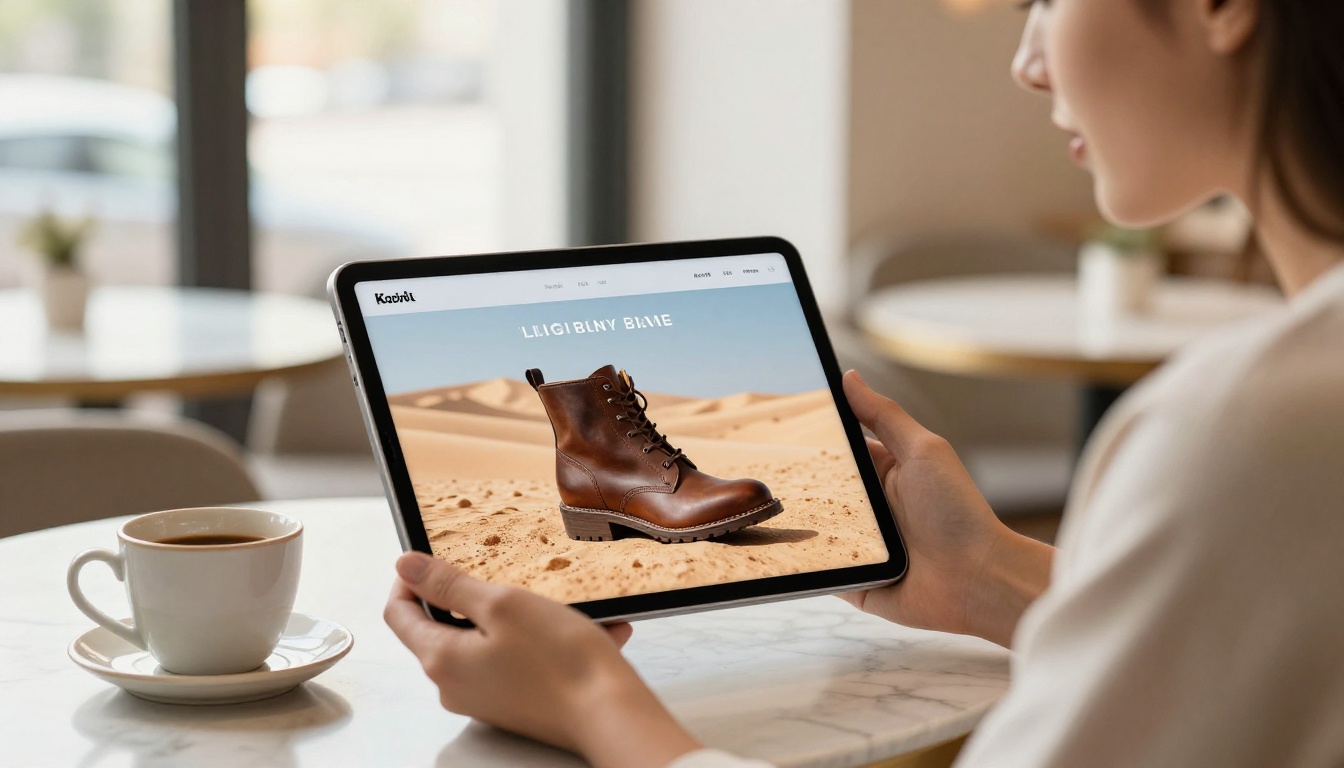
Independent shoe brands with a strong social following are using digital lookbooks as a conversion tool. A lookbook embedded on your website acts as an editorial experience that keeps people on-site longer than a standard product grid. Pair it with a "Shop the Look" link on each page and you have a shoppable editorial that works around the clock without any additional effort.
Brands that release seasonal flipbooks also generate repeat traffic. When your spring collection drops as an interactive flipbook, buyers and press have a specific reason to come back to your site and share the link.
Wholesale and B2B
For brands selling to multi-brand retailers, the pitch process is everything. Showing up to a buyer meeting with a password-protected flipbook, accessible on any device, branded consistently, with embedded campaign video, is a completely different impression than emailing a PDF attachment at the last minute.
The Fashion Catalog Creator is built specifically for this workflow, with layout options that balance editorial quality with the structured, scannable information wholesale buyers need to make decisions.
How to Present Your Shoe Flipbook to Buyers
Getting the flipbook built is half the job. The other half is how you introduce it. Here are the tactics that consistently work:
- Subject line matters: "2025 Collection Preview" outperforms "Our New Catalog" in open rates
- Include context: A one-paragraph email describing the collection story before you share the link gives buyers a frame of reference and sets expectations
- Set an expiry narrative: "Pre-season rates available through [date]" creates urgency without being pushy or artificial
- Follow up once: If a buyer opens your flipbook (analytics will show you this) and does not respond within a week, one follow-up email referencing a specific product is appropriate and typically well-received
💡 Use password protection for pre-season catalogs and remove the password when the season officially opens. This creates a genuine VIP access feeling for your earliest buyers and press contacts.
What Comes After the Flipbook
A flipbook is the start of a relationship, not the end of a presentation. Once your collection is live in a shareable format, you can build a full digital content system around it:
- Embed it on your website for incoming organic traffic and brand credibility
- Share pages on Instagram Stories using the thumbnail export feature
- Send page-specific links to press contacts covering particular product stories or categories
- Archive past seasons as a brand history document for investors or new retail partners evaluating your track record
- Use lead capture forms on your flipbook to collect wholesale inquiry details directly from buyers who engage with the catalog
Browse all the flipbook tools available on Flipbooks AI to see what else you can build, from digital price lists to press kits to full portfolio presentations that sit alongside your shoe catalog.
Your next collection is worth more than a static PDF. Start building it on Flipbooks AI and put your shoe brand in front of buyers the way it deserves to be seen. Explore pricing plans to find the right fit for where your brand is right now.



