Making a flipbook in Italian or Portuguese is one of the smartest moves a content creator or business can make right now. With over 260 million Portuguese speakers worldwide and 65 million Italian speakers across Europe and beyond, these two languages represent massive, often underserved audiences in the digital publishing space. Flipbooks AI makes the entire process straightforward, giving you a professional, interactive digital publication without needing any technical skills.
Whether you're creating a restaurant menu for a Roman trattoria, a product catalog for a São Paulo retailer, or an educational brochure for schools in Lisbon, the steps are essentially the same. What changes is the strategy, the typography choices, and how you tailor the reading experience to each culture. This article covers both languages in full detail.
Why Italian and Portuguese Audiences Respond to Flipbooks
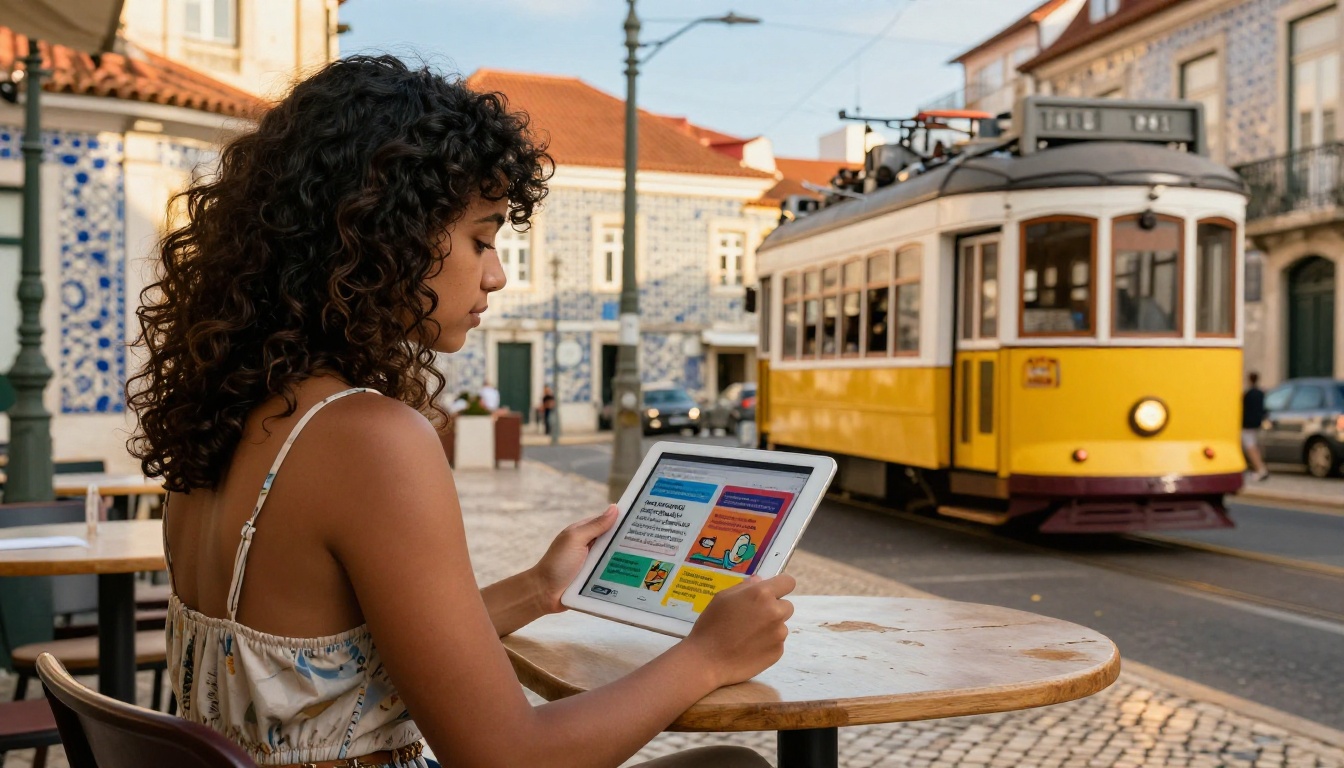
Digital flipbooks outperform static PDFs in engagement by a significant margin. Interactive, page-turning formats hold readers' attention far longer than flat documents. For Italian and Portuguese-speaking markets specifically, where design aesthetics and visual appeal carry significant cultural weight, the difference is even more pronounced.
Italian consumers are known for their appreciation of visual elegance, craftsmanship, and detail. A beautifully formatted flipbook signals quality and intentionality. Portuguese and Brazilian audiences, meanwhile, respond strongly to color, warmth, and a personal tone in content. A flipbook that feels native to their language, not translated, builds immediate trust.
💡 Avoid machine-translated content. Native-sounding Italian and Portuguese copy converts significantly better, especially for product descriptions and calls-to-action.
The Numbers Behind These Languages
| Language | Native Speakers | Main Markets | Primary Use Cases |
|---|
| Italian | ~65 million | Italy, Switzerland, San Marino | Fashion, hospitality, luxury goods, tourism |
| Portuguese | ~260 million | Brazil, Portugal, Angola, Mozambique | E-commerce, education, real estate, food and beverage |
| Combined | 325+ million | 4 continents | Digital publishing, marketing, education |
These are not niche audiences. Together, Italian and Portuguese speakers represent one of the largest addressable markets in the world for digital content.
Preparing Your Content in Italian or Portuguese
Before you open any tool, the content itself needs to be right. This phase determines the quality of the final flipbook more than any feature or template.
Writing for Italian Readers
Italian is a formal language in professional contexts. When writing a catalog, menu, or brochure in Italian, favor polished sentence structures and avoid overly casual phrasing unless your brand voice calls for it. Formatting considerations worth noting:
- Accents matter: à, è, é, ì, ò, ù are standard. Missing or wrong accents read as careless.
- Quotation marks: Italian uses « » (guillemets) or " " depending on context.
- Numbers: Use a period for thousands (1.000) and a comma for decimals (9,99).
- Formal vs. informal address: "Lei" (formal) vs. "tu" (informal) signals your brand's tone immediately.
- Date format: Day before month, always. "15 marzo 2025" not "March 15."
The Italian reader expects precision. A brochure with small errors in punctuation or diacritics signals carelessness, and that perception transfers to your product or service.
Writing for Portuguese Readers
Portuguese splits into two main variants: European Portuguese (Portugal) and Brazilian Portuguese (Brazil). These are mutually intelligible but differ noticeably in vocabulary, spelling, and tone.
| Feature | European Portuguese | Brazilian Portuguese |
|---|
| Tone | Formal, reserved | Warmer, more conversational |
| Spelling examples | "acção", "facto" | "ação", "fato" |
| Formal address | "você" or "o senhor/a senhora" | "você" (very common in all contexts) |
| Market size | ~10M in Portugal | ~215M in Brazil |
| Best for | European B2B, tourism, luxury | Consumer brands, e-commerce, education |
⚠️ Using European Portuguese for a Brazilian audience (or vice versa) signals inauthenticity. Decide your primary market before writing a single word.
For Brazilian Portuguese content, a warmer and more direct tone typically performs better. For European Portuguese, slightly more formal copy is preferred, especially in B2B contexts.
Every flipbook starts as a PDF. This is the standard input format for Flipbooks AI and the foundation of every professional digital publication. Your PDF needs to be ready before the conversion process begins.
Building a Print-Ready PDF in Italian or Portuguese
Your PDF should follow these specifications for best results:
- Page size: A4 (210 x 297mm) is standard for Italian and European Portuguese publications. Letter size (8.5" x 11") works well for Brazilian markets.
- Font embedding: Always embed your fonts. Italian and Portuguese characters with diacritics can render incorrectly if fonts are not properly embedded in the PDF.
- Resolution: 150 DPI minimum for screen-only flipbooks, 300 DPI if you want print-quality output alongside the digital version.
- Bleeds: Include 3mm bleed on all sides if your design has full-bleed images or colored backgrounds.
- Color mode: RGB for screen-only publications, CMYK if dual-purpose print and digital.
Recommended tools for PDF creation:
- Adobe InDesign: Industry standard for multilingual publishing with full Italian and Portuguese character set support.
- Canva: Faster option with Italian and Portuguese layout templates available.
- Microsoft Word / Google Docs: Works for text-heavy documents. Export directly to PDF when ready.
- Affinity Publisher: A strong alternative to InDesign at a lower price point, with full multilingual support.
How to Make a Flipbook in Italian or Portuguese with Flipbooks AI
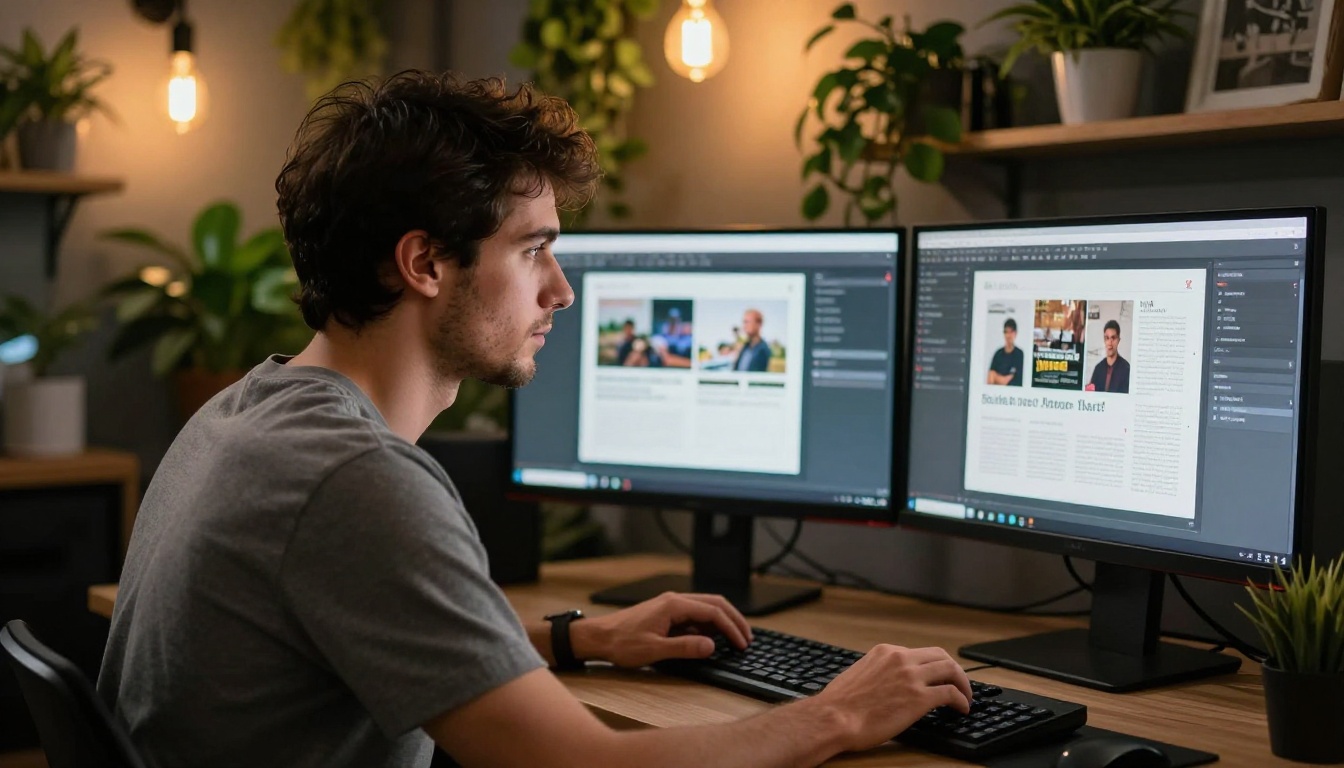
Once your PDF is ready, the conversion process on Flipbooks AI takes only a few minutes. Here is the exact sequence from upload to publication.
Step 1: Create Your Account
Go to flipbooksai.com/account and sign up. The Standard plan and above give you unlimited flipbooks, which is ideal if you plan to publish multiple documents in Italian and Portuguese over time. No watermarks appear on published flipbooks from Standard upward.
Step 2: Upload Your PDF
From your dashboard, click New Flipbook and drag your PDF into the upload area. Flipbooks AI processes your file automatically, preserving all fonts, images, and layouts exactly as they appear in your original document, including all Italian and Portuguese special characters and diacritics.
✅ Name your PDF file descriptively before uploading (e.g., "menu-italiano-estate-2025.pdf"). This name carries through to file management and keeps your dashboard organized.
Step 3: Customize for Your Language and Brand
After conversion, you can customize the flipbook's presentation layer without touching the core content:
- Brand colors: Apply your brand's primary palette to the flipbook interface, including page controls, background, and toolbar.
- Logo: Upload your logo to appear on the flipbook viewer, keeping the experience consistently branded.
- Page effects: Choose a realistic page-flip animation, a slide transition, or a fade effect depending on what fits your content's tone.
- Background: Set a solid color or custom image as the backdrop for the page viewer.
- Multimedia embeds: Add YouTube videos directly into specific pages, Italian-language tutorials, Portuguese product demos, or brand storytelling clips.
Step 4: Set Sharing and Privacy Options
Flipbooks AI gives you several ways to distribute your Italian or Portuguese flipbook:
- Public link: Share a direct URL. Perfect for marketing materials, restaurant menus, and public brochures.
- Password protection: Ideal for internal Italian business documents, private Portuguese member catalogs, or premium gated content.
- Embed code: Paste a snippet into your website to show the flipbook inline, no download required from the reader.
- QR code: Generate a QR code that opens the flipbook on mobile, particularly useful for print menus in Italian restaurants and trade show materials in Brazil.
Step 5: Publish and Track Performance
Hit Publish and your flipbook goes live instantly. With the Professional plan, you get access to analytics showing page-by-page engagement, time spent per page, and reader geography, so you can see exactly how Italian or Portuguese audiences consume your content and where they drop off.
💡 For Brazilian markets, embed a lead generation form directly inside the flipbook to capture names and emails from interested readers. This feature is available on the Professional plan and works exceptionally well for Portuguese-language real estate and education content.

Real-World Use Cases by Industry
The combination of Italian and Portuguese language support opens specific high-value use cases across multiple industries.
Italian Industry Use Cases
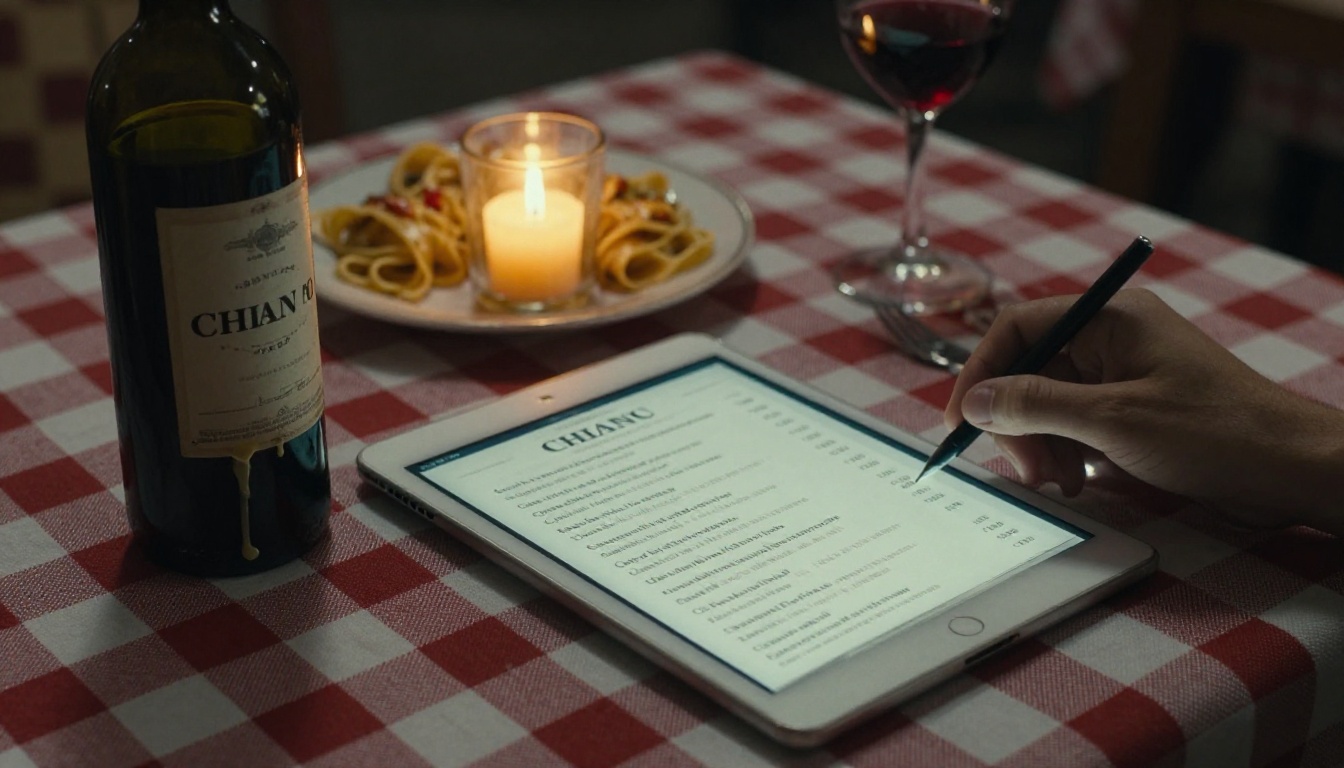
Restaurants and Food: An Italian trattoria can create a beautiful digital menu using the Restaurant Menu Creator, upload it as a flipbook, and share a QR code on every table. Guests scan and browse a pixel-perfect, page-turning version of the menu on their phones, with no printing costs and instant updates for seasonal dishes.
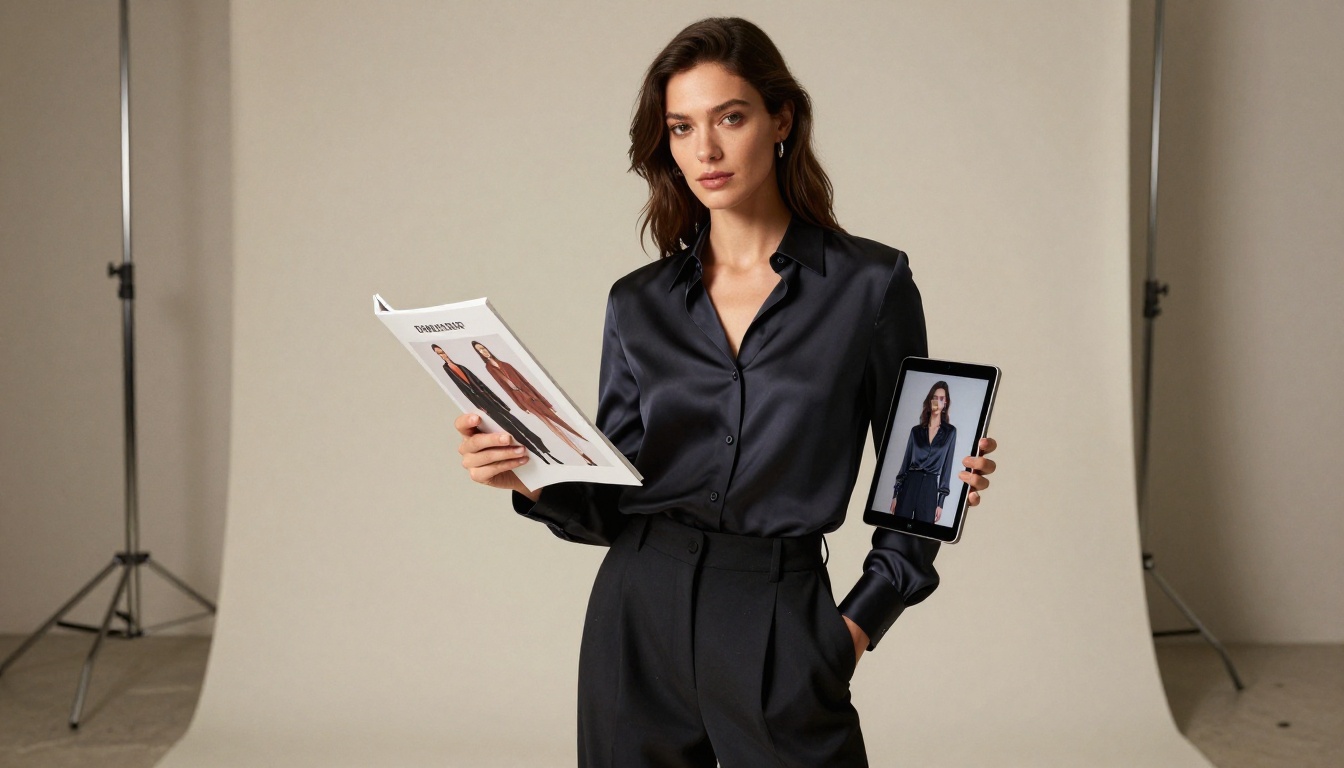
Fashion and Luxury: Milan-based brands and designers can create lookbooks using the Interactive Lookbook Designer. A seasonal collection in Italian, shared with European buyers and press contacts as a password-protected flipbook, projects exactly the right level of exclusivity.
Tourism and Hospitality: Hotels in Tuscany or the Amalfi Coast can publish Italian-language guest information guides, local attraction booklets, and spa menus using the Hotel Brochure tool. The flipbook format feels far more premium than a standard PDF.
Portuguese Industry Use Cases
E-commerce in Brazil: Brazilian online retailers can create Portuguese-language product catalogs using the Digital Catalog Maker and share them via WhatsApp, the dominant messaging platform in Brazil. A shareable link opens a full interactive flipbook without requiring any app download.
Education in Portugal and Brazil: Schools, universities, and training centers can publish course materials, student handbooks, and newsletters in Portuguese using the Course Material Publisher or the School Newsletter Creator. Parents and students receive a link instead of a paper copy.
Real Estate: Portuguese and Brazilian real estate agencies can create property brochures for luxury listings using the Real Estate Brochure tool, complete with floor plans, neighborhood photography, and embedded contact forms inside the flipbook itself.

Flipbooks AI Plan Comparison
Choosing the right plan depends on how frequently you publish Italian or Portuguese content and what features your audience needs most.
| Feature | Free | Standard | Professional |
|---|
| Flipbooks per month | 1 | Unlimited | Unlimited |
| Watermark on flipbook | Yes | No | No |
| Password protection | No | Yes | Yes |
| Custom branding and logo | No | Yes | Yes |
| Page analytics | No | No | Yes |
| Lead generation forms | No | No | Yes |
| Offline downloads | No | No | Yes |
| Embed on website | Yes | Yes | Yes |
| Mobile responsive | Yes | Yes | Yes |
| Best for | Testing | Regular publishing | Business growth |
For most businesses publishing Italian or Portuguese content regularly, the Standard plan removes the watermark and enables unlimited flipbooks. The Professional plan is worth it for teams that need analytics and lead capture built directly into the flipbook experience.
See the full pricing breakdown to decide which tier fits your publishing volume and goals.
5 Practical Tips for Better Multilingual Flipbooks
Getting the language right is step one. These additional considerations separate a good flipbook from a great one.
-
Hyphenation rules: Italian has strict hyphenation conventions. If your design software adds automatic hyphenation, review the output carefully before exporting to PDF. Portuguese hyphenation also differs between Brazilian and European variants, so double-check if targeting both markets.
-
Color psychology by market: Red and green resonate strongly in Italian contexts, tied to national identity and food culture. In Brazil, yellow and green carry national pride but overuse can feel clichéd in commercial contexts. Blue signals trust and professionalism in both markets.
-
Mobile-first reading in Brazil: Over 85% of Brazilian internet users access content via smartphone. Design your PDF with vertical readability in mind, or create a separate portrait-oriented version specifically for mobile audiences.
-
Special character testing: Before finalizing your PDF, run a visual character check for ã, ç, ê, ó (Portuguese) and à, è, ì, ò, ù (Italian). These often render incorrectly when fonts are not properly embedded in the export settings.
-
WhatsApp sharing in Brazil: Brazilian audiences share content heavily on WhatsApp. A direct flipbook link from Flipbooks AI works perfectly in WhatsApp previews and opens a full browser-based reading experience with no app required.
Flipbooks AI offers a broad library of specialized tools that work for Italian and Portuguese content across every category. A few worth bookmarking based on language-specific use cases:
| Tool | Best For | Language Markets |
|---|
| Restaurant Menu Creator | Restaurants, cafés, bars | Italian trattorias, Portuguese restaurantes |
| Fashion Catalog Creator | Apparel brands, boutiques | Milan fashion, Brazilian streetwear |
| Real Estate Brochure Creator | Property agencies | Italy, Portugal, Brazil |
| Travel Guide Flipbook | Tourism, hospitality | Italy, Portugal, Brazil destinations |
| Course Material Publisher | Schools, universities | Italian and Portuguese educational institutions |
| Interactive E-Book Publisher | Authors, content creators | Both languages |
| PDF to Flipbook Converter | Universal conversion | Any language, any content type |
Browse the complete tools directory to find the right starting point for your specific project type.
Your Next Step
Italian and Portuguese audiences are ready for interactive digital content that speaks their language, literally and culturally. The tools exist, the process is straightforward, and the opportunity is significant. The only thing missing is your first flipbook.
Ready to create it? Start for free on Flipbooks AI and have your first Italian or Portuguese flipbook live within the hour. Need to weigh your options first? Compare all pricing plans to find the right fit for your publishing volume and business goals.



