Your glass art collection is worth more than a static JPEG on your phone camera roll. Whether you work in blown glass, fused glass, or stained glass, the pieces you create are luminous, textured, and deeply alive in ways that flat photography only partially captures. A digital flipbook solves this. It gives your collection a presentation layer that buyers, gallery curators, and collectors can flip through with the same physical pleasure as turning pages in a beautifully printed catalog, without the printing costs. Flipbooks AI makes this possible in minutes, not days.
Why a Static Portfolio Falls Short
The Problem with Social Media Feeds
Social media algorithms bury your work. A post gets 48 hours of visibility before it disappears into the void, and followers have no clean way to browse your full collection. Even a website portfolio puts the navigation burden on the viewer. They have to click, load, click again, and hope the site works on mobile.
Glass art is especially difficult to present this way. Pieces that depend on light refraction, surface texture, and depth simply do not come through in a thumbnail grid. When a buyer can only see one photo at a time, isolated from context, the story of your collection never lands.
What Collectors Actually Want to See
Serious buyers and gallery curators want to see breadth, consistency, and story. They want to move through your collection at their own pace, see how pieces relate to each other, and get a sense of your range and pricing. A flipbook delivers all of this in one shareable link, with zero friction.
Types of Glass Art That Work Best in Flipbooks
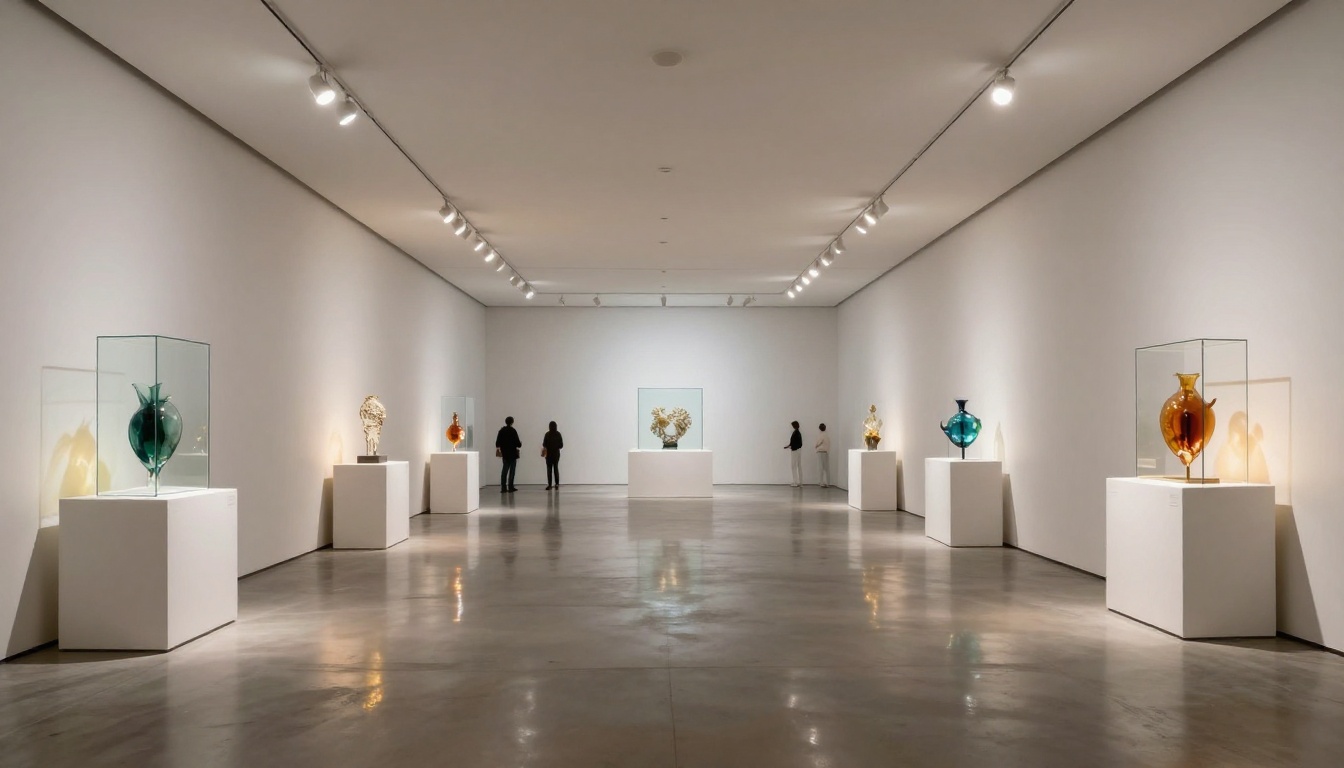
Not all glass art photography translates equally to digital formats. The good news is that flipbooks handle variety exceptionally well. You can organize pieces by medium, series, price range, or collection theme, and each format benefits from the sequential browsing experience.
Blown Glass and Sculptural Vessels
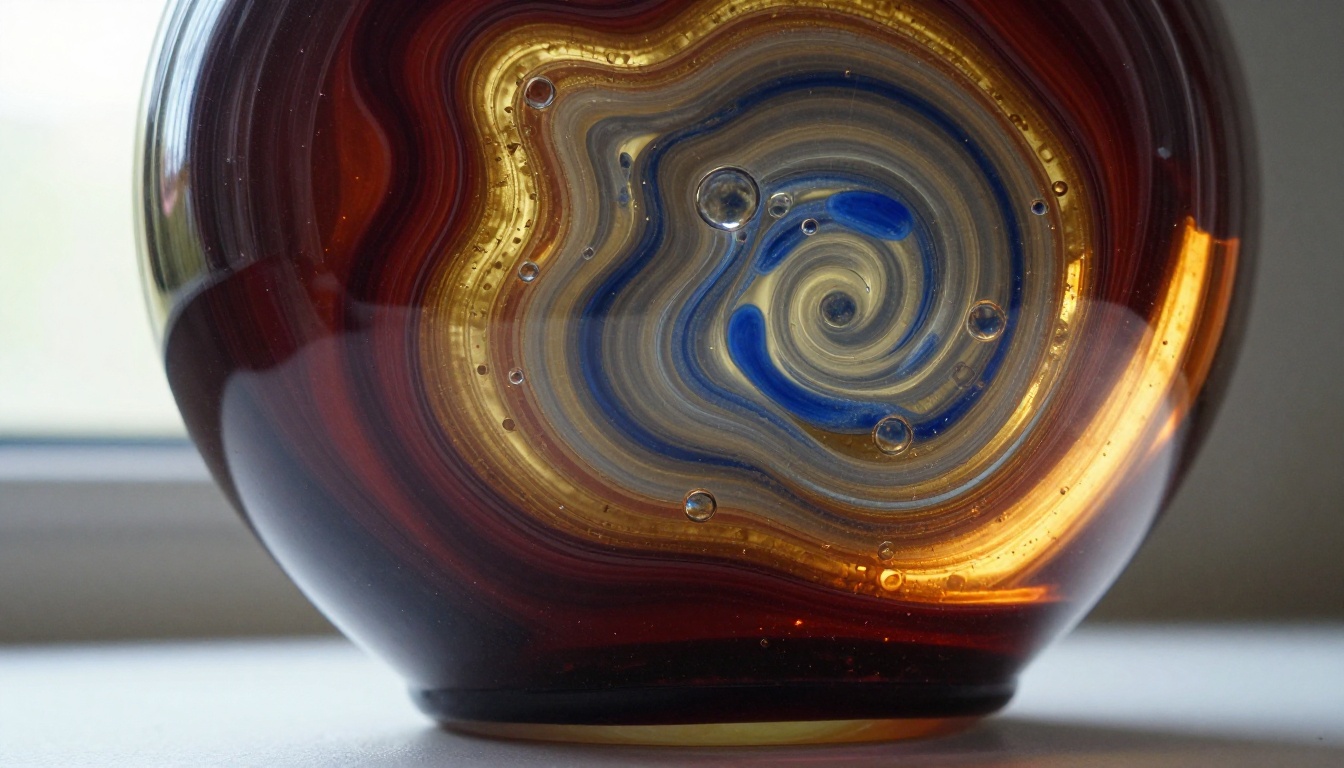
Hand-blown pieces have an organic quality that photographs beautifully from multiple angles. In a flipbook, you can dedicate two or three pages to a single statement piece, showing it from the front, side, and backlit against a window. This multi-angle treatment is something no single Instagram post can offer.

Fused and Kiln-Formed Glass
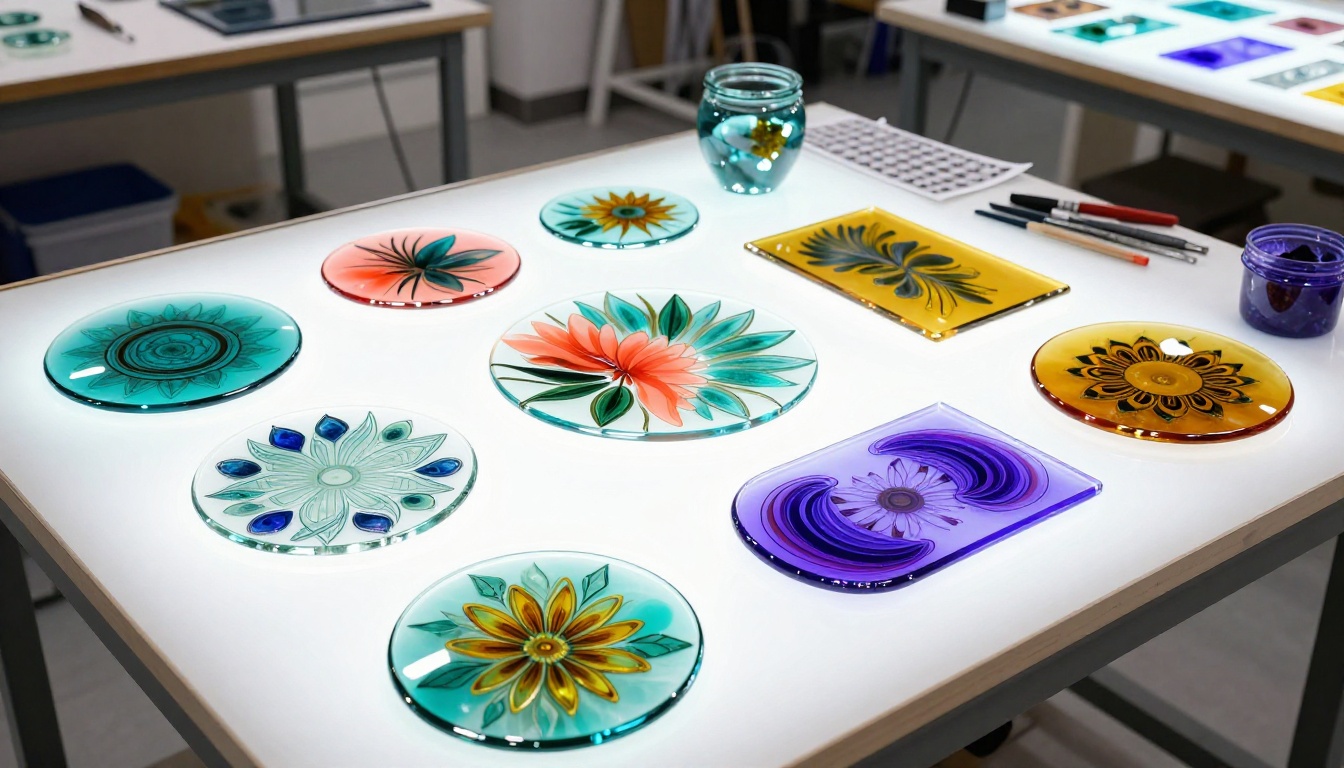
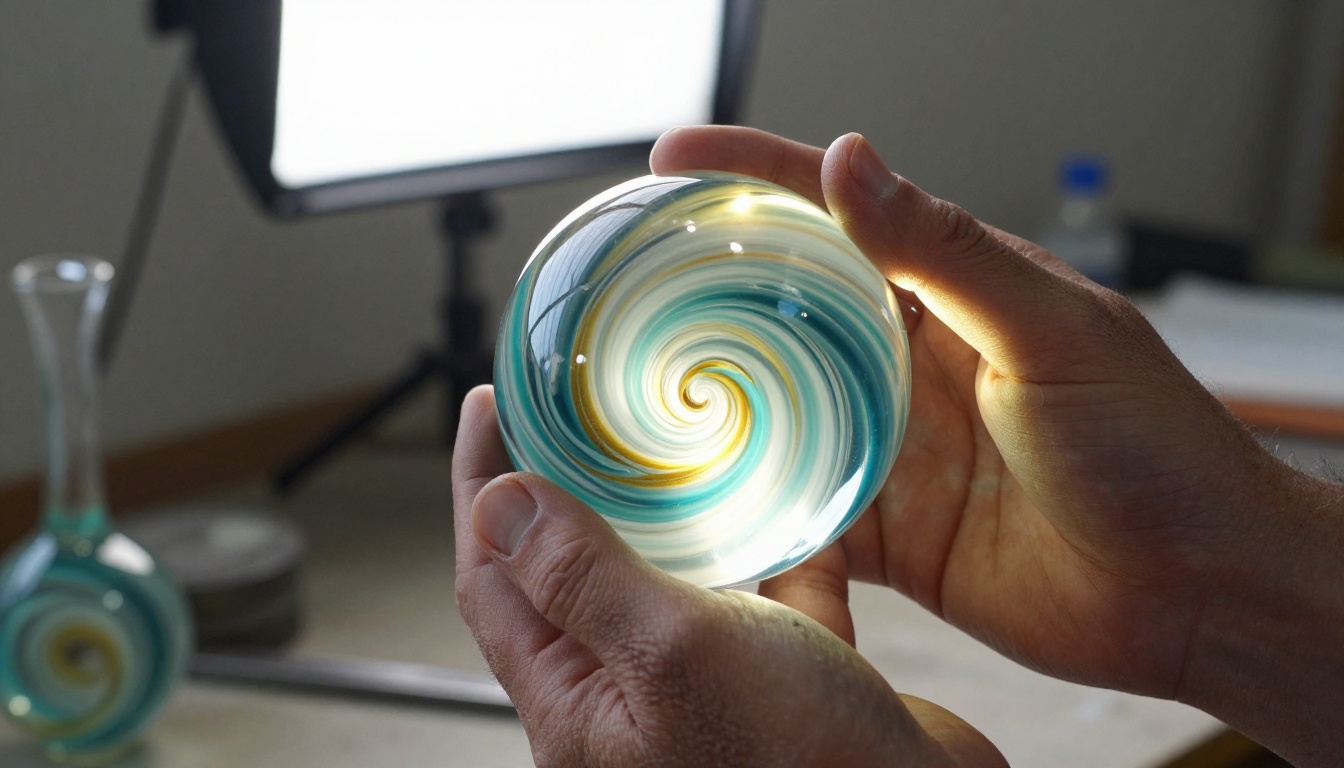
Fused glass pieces are often displayed flat, which makes them perfect for a flipbook layout. You can show the piece on a light table revealing its internal structure, then show it installed in a window or displayed on a shelf. The contrast between those two presentations tells the full story of the piece.
Stained Glass Panels and Windows
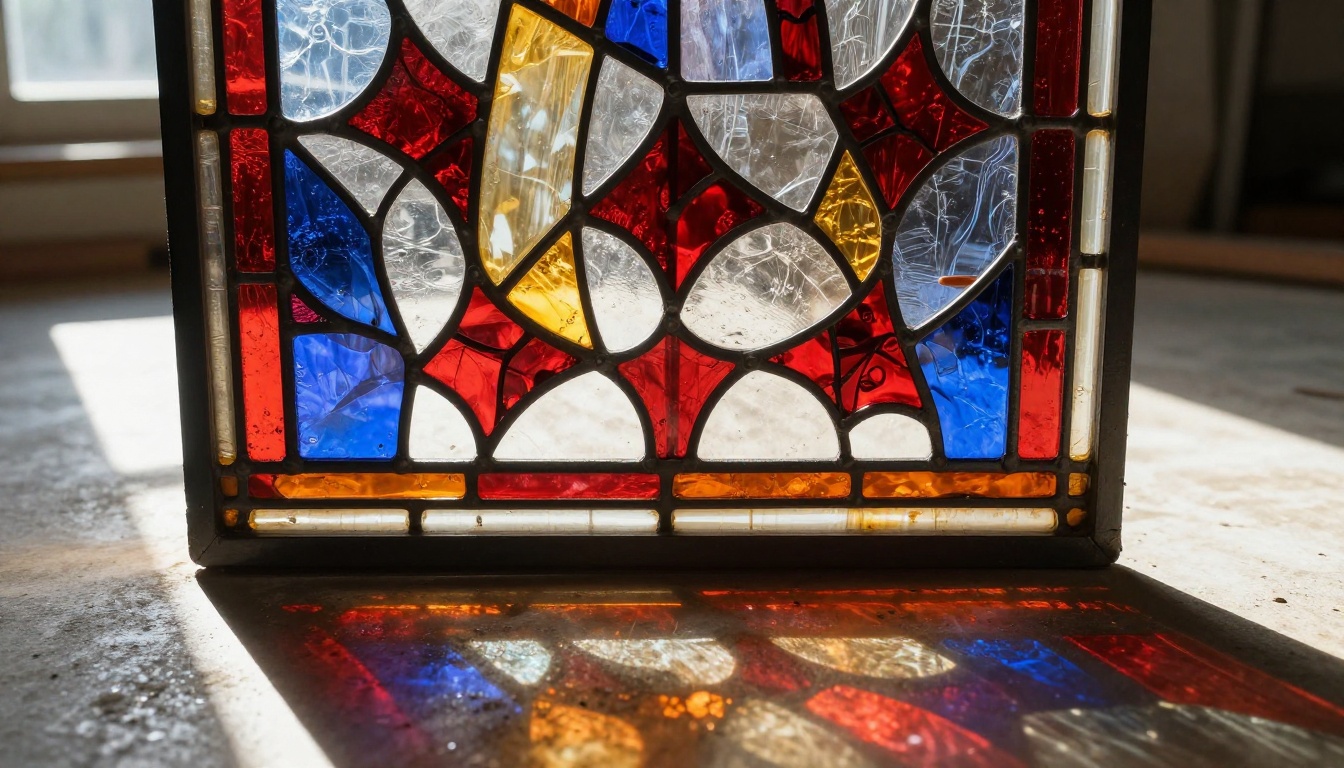
Stained glass presents unique photography challenges because the piece only fully comes alive when backlit. In a flipbook, you can include two versions of each panel: one showing the front surface texture and lead work in ambient light, and one backlit shot showing the full color saturation. This kind of before-and-after presentation is highly effective for commission work.
How to Photograph Glass Art for a Flipbook
The quality of your flipbook depends entirely on the quality of your photographs. Poor photos in a beautiful flipbook format are still poor photos. Here is what actually works for glass art specifically.
Lighting That Makes Glass Glow
Natural light is your best friend for glass art photography. North-facing studio windows provide consistent, diffused daylight without harsh shadows. For pieces that depend on backlighting such as stained glass and thin fused panels, position the piece between the light source and your camera.
For sculptural blown glass, try positioning a single light source at 45 degrees from camera left and use a white reflector card on the right to fill in shadows. This setup creates the dimensional lighting that reveals surface texture and internal bubbles in blown glass.
💡 A piece of white foam board costs less than two dollars and works as a professional-quality light reflector for glass art photography.
Backgrounds and Angles That Sell
| Background Type | Best For | Notes |
|---|
| Pure white | Catalog-style product shots | Clean, professional, works in all lighting |
| Black velvet | Jewel-toned pieces, high contrast | Absorbs light, makes colors pop dramatically |
| Natural wood | Lifestyle and home decor context | Warm, relatable, shows scale |
| Window backlit | Stained glass, thin fused panels | Reveals translucency and color |
| Gallery wall | Commission pitches | Shows the piece in professional context |
⚠️ Avoid shooting glass on glossy surfaces. Reflections from below compete with the piece itself and make the image feel busy and unprofessional.
How to Create Your Glass Art Flipbook with Flipbooks AI
This is where everything comes together. Flipbooks AI takes your PDF portfolio and converts it into a fully interactive, page-turning digital flipbook that works on any device. The process is straightforward and produces professional results without any design software knowledge.
1. Set Up Your Account
Go to flipbooksai.com/account and create your free account. The free tier lets you publish flipbooks and test the format. When you are ready to share professionally with no watermarks and unlimited flipbooks, check the pricing plans to choose the right option for your business.
2. Build Your PDF Portfolio
Before uploading, organize your glass art photos into a PDF. This is your content foundation. Here is a suggested structure for a glass art portfolio flipbook:
- Opening page: Your name, studio name, and one hero image
- Artist statement: Two to three sentences about your work and medium
- Collection sections: Group pieces by medium, series, or price range
- Individual piece pages: One to three photos per piece with title, dimensions, medium, and price
- Commission information: Your process, timeline, and pricing range
- Contact page: Email, website, social links
✅ Use tools like Canva or Adobe InDesign to build your PDF. Export at high resolution (300 DPI) for the sharpest possible flipbook output.
3. Upload and Convert
Once your account is ready, upload your PDF directly to Flipbooks AI. The platform uses the PDF to Flipbook Converter to process your file and generate the page-turning animation automatically. Processing takes seconds for most portfolios.
4. Customize Your Flipbook
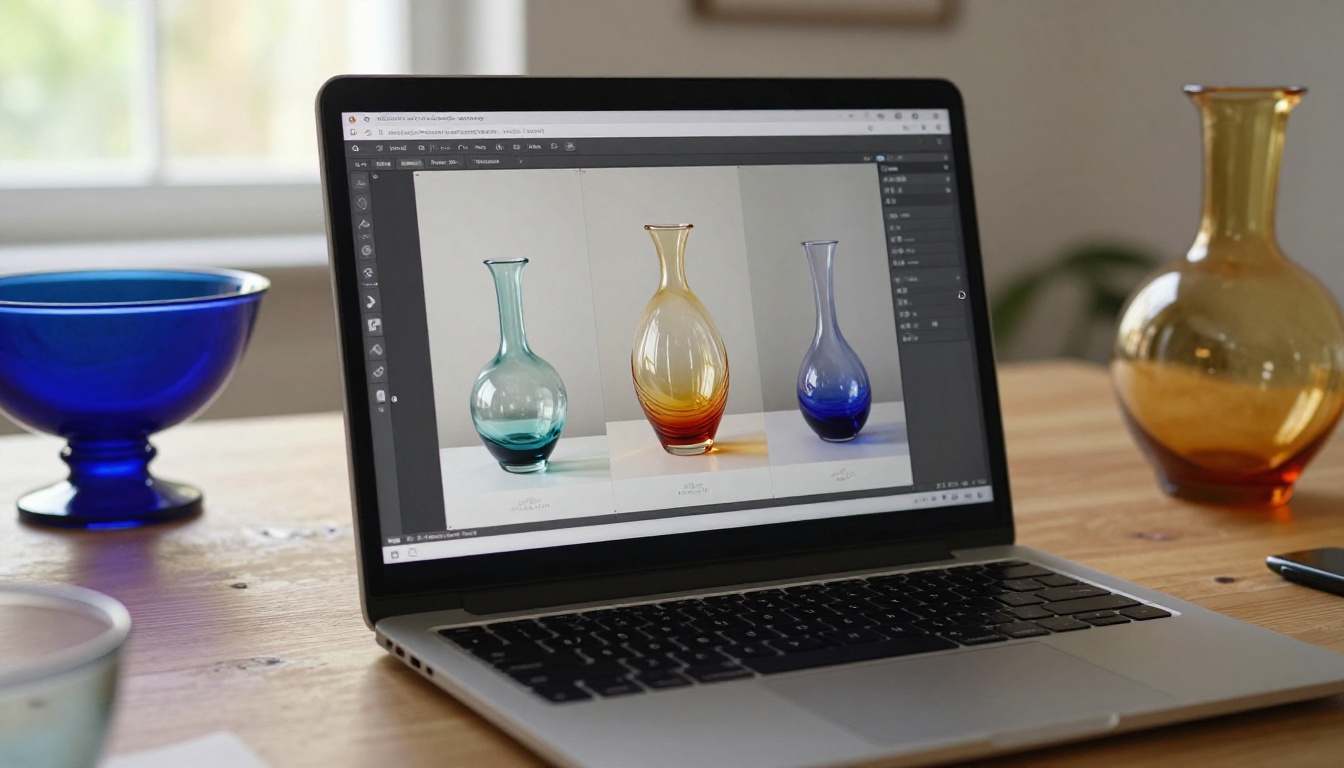
After conversion, you can set your brand colors for the viewer interface, add your logo to the flipbook header, enable page thumbnails so viewers can jump to specific sections, set a custom background behind the flipbook pages, and add a table of contents for longer catalogs.
For glass art portfolios, consider setting the background to a dark charcoal or deep navy. This creates a gallery-like atmosphere that makes your jewel-toned glass pieces pop visually.
5. Share with Buyers and Galleries
Once published, you get a direct link you can share anywhere: email, Instagram bio, Etsy shop, or gallery submission. Use the Embed Flipbook on Website tool to drop your portfolio directly into your website with a single code snippet.
For commission clients, use password protection to share a private pricing catalog with vetted buyers without making it public.
What to Include Beyond the Photos
Most glass artists make the mistake of treating their flipbook as a photo album. The strongest portfolios include context and purchasing information that removes friction from the buying process.
Beyond the Photos
| Section | What to Include | Why It Matters |
|---|
| Artist bio | Your background, training, years working in glass | Builds trust and credibility |
| Process shots | Studio photos, works in progress | Shows the work behind the art |
| Size reference | Photo of piece next to a common object | Buyers struggle with scale from photos alone |
| Care instructions | How to clean and display glass art | Reduces buyer hesitation |
| Previous commissions | Installed work in client homes | Social proof for commission buyers |
| Press mentions | Quotes from shows, features, awards | Adds professional credibility |
Pricing and Commission Pages
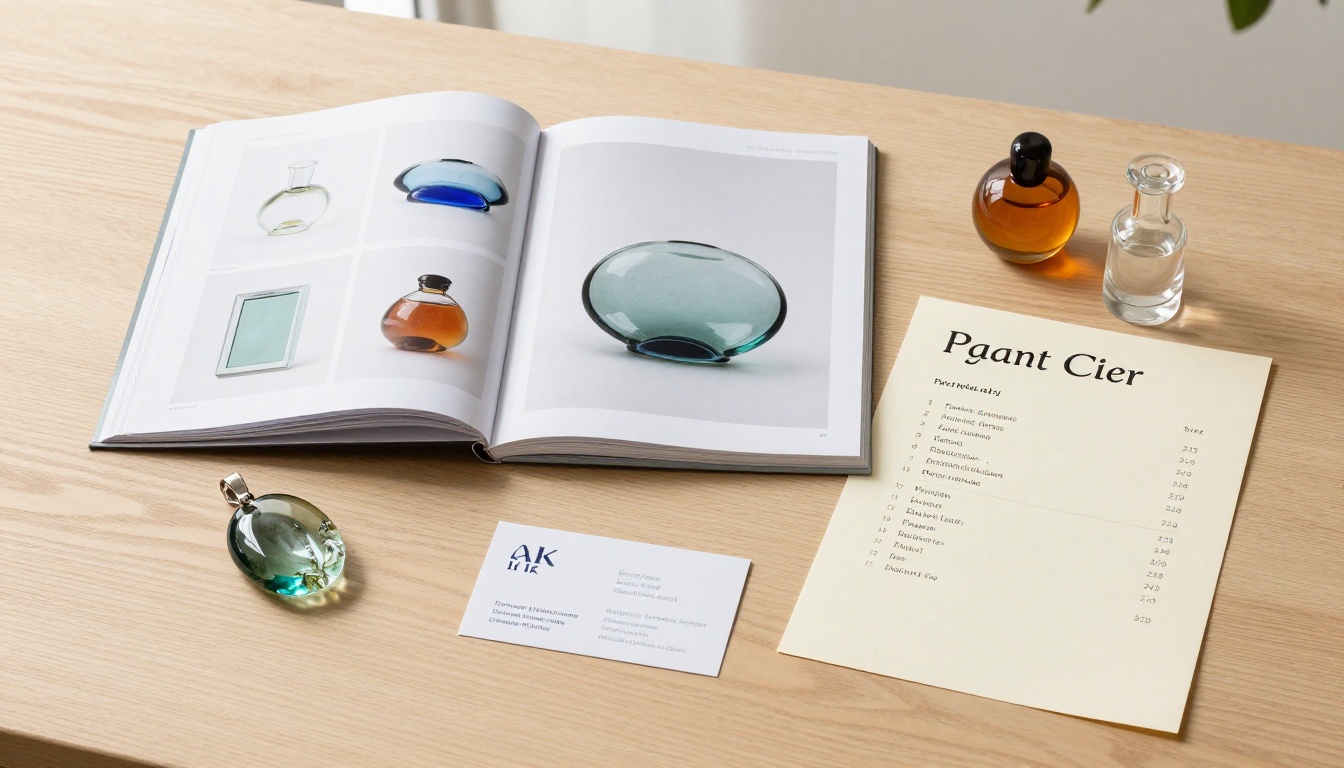
Be direct about pricing. Glass art buyers who are serious about purchasing want to know if a piece is in their range before they invest time in inquiry. Include a clear pricing page that shows your range, not necessarily individual prices if you prefer not to publish them publicly.
For commission work, include a simple table showing what different scales and complexities cost:
| Project Type | Typical Size | Price Range |
|---|
| Decorative panel | 12" x 12" | $200 to $600 |
| Window installation | 24" x 36" | $800 to $2,500 |
| Architectural commission | Custom | From $3,000 |
| Blown glass vessel | 6" to 18" | $150 to $900 |
| Fused jewelry | Pendant to brooch | $45 to $250 |
💡 A pricing page in your flipbook is not a commitment. Frame it as "typical investment" and direct serious inquiries to contact you for a custom quote.
Using Your Flipbook to Sell More Art
The flipbook is only as powerful as how you deploy it. Here are the specific scenarios where glass artists see the most direct return from their digital portfolio.
Craft Fair Season
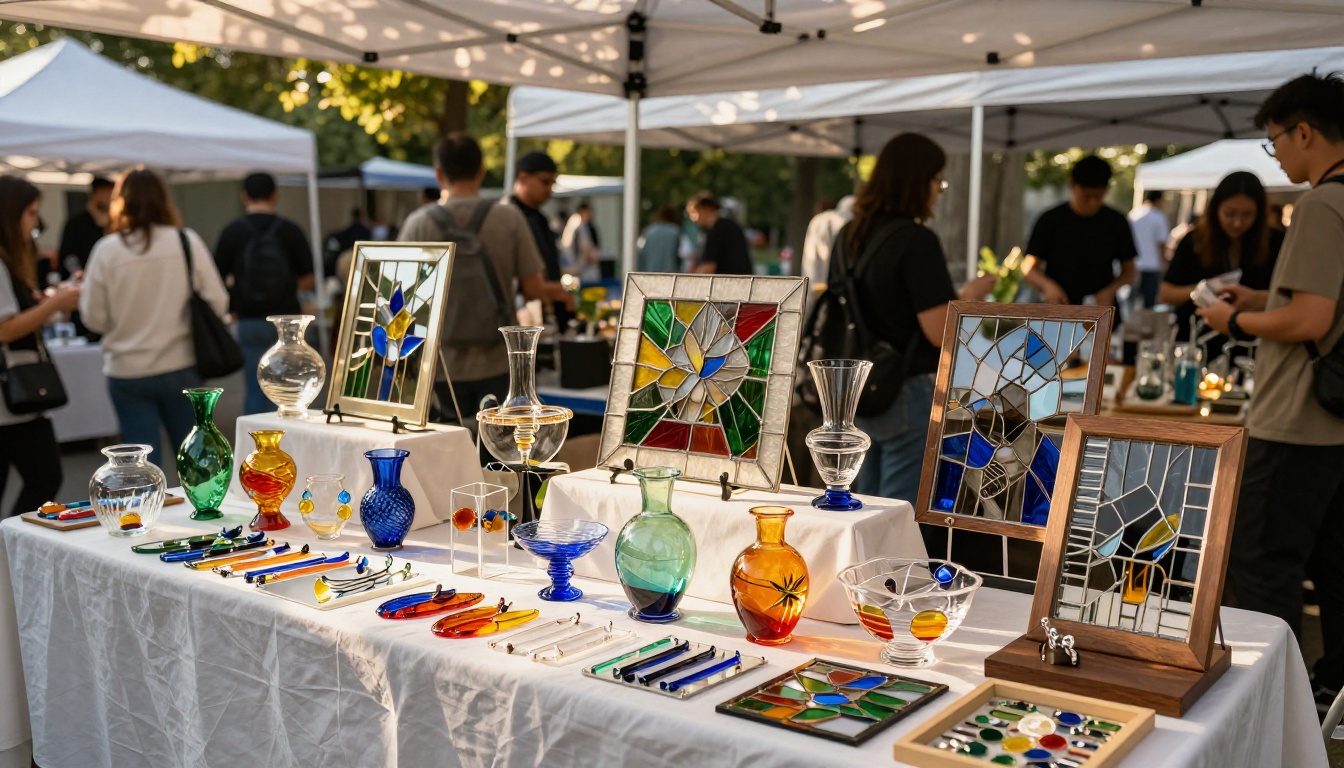
Before any show, send your flipbook link to your email list as a preview. Let subscribers see what you are bringing and give them first choice on pieces before the public. After the show, send a follow-up with the same flipbook link updated to show available inventory.
At the booth itself, have a tablet open to your flipbook showing pieces you did not bring or sold-out items from previous shows. This turns missed sales into commission inquiries on the spot.
Online Sales and Etsy Shop Integration
Your Etsy shop bio allows one external link. Use it for your flipbook. Buyers browsing your Etsy listings will click through to your full portfolio and see pieces you have not listed yet, which drives direct inquiries and bypasses platform fees.
The Digital Portfolio Creator and Portfolio Flipbook Builder tools on Flipbooks AI are specifically designed for this type of artist portfolio use case, with layouts optimized for creative work.
Gallery Pitches and Exhibition Submissions
Most galleries accept digital submissions now, and many prefer them. Sending a beautifully formatted flipbook link is far more professional than attaching a folder of JPEGs to an email. It signals that you take your presentation seriously, which tells curators you will be a reliable artist to work with.
✅ When submitting to galleries, use the password protection feature to create a private version of your portfolio with suggested retail prices. This is information galleries need but that you might not want publicly visible.
Flipbooks AI Plans for Artists
Choosing the right plan depends on how you intend to use your flipbook. Here is a clear breakdown of what each tier offers:
| Feature | Free | Standard | Professional |
|---|
| Watermark | Yes | No | No |
| Number of flipbooks | Limited | Unlimited | Unlimited |
| Custom branding | No | Yes | Yes |
| Password protection | No | Yes | Yes |
| Embed on website | No | Yes | Yes |
| Analytics | No | No | Yes |
| Lead generation forms | No | No | Yes |
| Offline downloads | No | No | Yes |
For most independent glass artists, the Standard plan is the right starting point. It removes watermarks, allows unlimited flipbooks (useful when you have multiple series or seasonal collections), and includes the embedding feature essential for website integration.
Professional plan features like analytics and lead generation are worth considering once you are running shows regularly or using the flipbook as a primary sales tool. Knowing which pages buyers spend the most time on tells you exactly which pieces generate the most interest.
Check the current pricing at flipbooksai.com/pricing to see what fits your budget and business stage.
How Often to Update Your Flipbook
One of the biggest advantages of a digital flipbook over a printed catalog is that you can update it without reprinting. Here is a practical update schedule for glass artists:
- After every major show: Add new pieces, remove sold work
- Seasonally: Update pricing, refresh the opening page
- Before gallery submissions: Tailor the content to that specific gallery's aesthetic
- When starting a new series: Create a dedicated flipbook just for that body of work
You do not need a single all-encompassing portfolio. Multiple focused flipbooks often perform better than one massive catalog. A dedicated blown glass portfolio, a stained glass commissions catalog, and a fused glass jewelry collection each tell a more specific story to the right audience.
For artists who sell seasonally at craft fairs, consider maintaining a "current available inventory" flipbook alongside a permanent portfolio. Update the inventory one before each show, and you have an instant sales tool ready to share.
Your Collection Deserves Better Presentation
Glass art is one of the most visually spectacular craft forms in existence. The way light moves through a well-made piece is almost impossible to communicate in words. A digital flipbook is currently the closest thing to putting that piece directly in a collector's hands through a screen.
Get started for free on Flipbooks AI today. Upload your first portfolio PDF, see your collection come alive in page-turning format, and share the link within the same session. When you are ready to step up to professional presentation with no watermarks and full customization, browse the pricing plans to find the right fit.
See all portfolio and creative tools available to showcase your creative work digitally, from photography portfolios to interactive lookbooks built for serious artists.



