Thrift stores have one of the hardest marketing jobs in retail. Your inventory changes constantly, every piece is one-of-a-kind, and your customers want to feel the thrill of the find before they even walk in the door. A digital lookbook flipped through like a real magazine is exactly the thing that bridges that gap. Flipbooks AI makes it possible for any thrift store owner, no design background required, to publish a professional, scrollable, interactive lookbook that actually gets shared.
Why Thrift Stores Need a Digital Lookbook
Physical thrift stores have always relied on foot traffic and word of mouth. But the secondhand fashion market has exploded online, with resellers and vintage boutiques competing for the same customer who is also browsing Depop, ThredUp, and Instagram simultaneously. A static Instagram grid or a PDF attachment in an email does not cut it anymore.
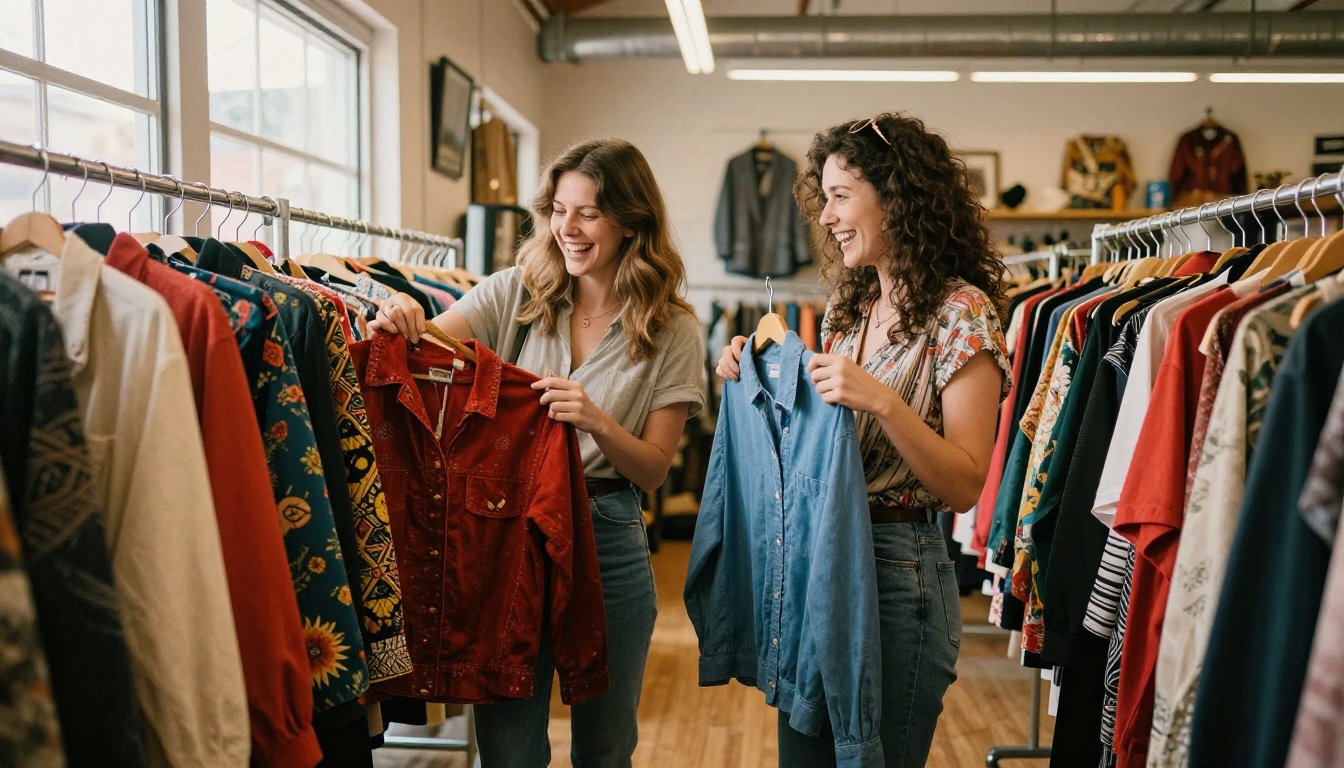
A digital lookbook changes that. It tells your store's visual story in a format that feels intentional and curated, not like a donation pile someone photographed on a concrete floor. It positions your shop as a destination rather than a last resort. And when it is built as an interactive flipbook, it is something people actually send to their friends.
💡 Thrift stores that publish seasonal lookbooks report higher foot traffic during release weeks because customers come in specifically to find the pieces they saw featured.
The Secondhand Market Is Booming
The global resale market is projected to reach $350 billion by 2027. Vintage and secondhand clothing is the fastest-growing segment in fashion, driven by Gen Z and millennial buyers who actively seek it out. These shoppers research before they visit. A polished digital lookbook gives them a reason to choose your store over the competition.
Static Images Are Not Enough
A single Instagram photo tells one story. A flipbook with 20 pages tells a seasonal narrative, a style point of view, a reason to trust your curation. The format itself signals that you take your inventory seriously, and that is the first step toward building a loyal customer base.
What Makes a Great Thrift Store Lookbook
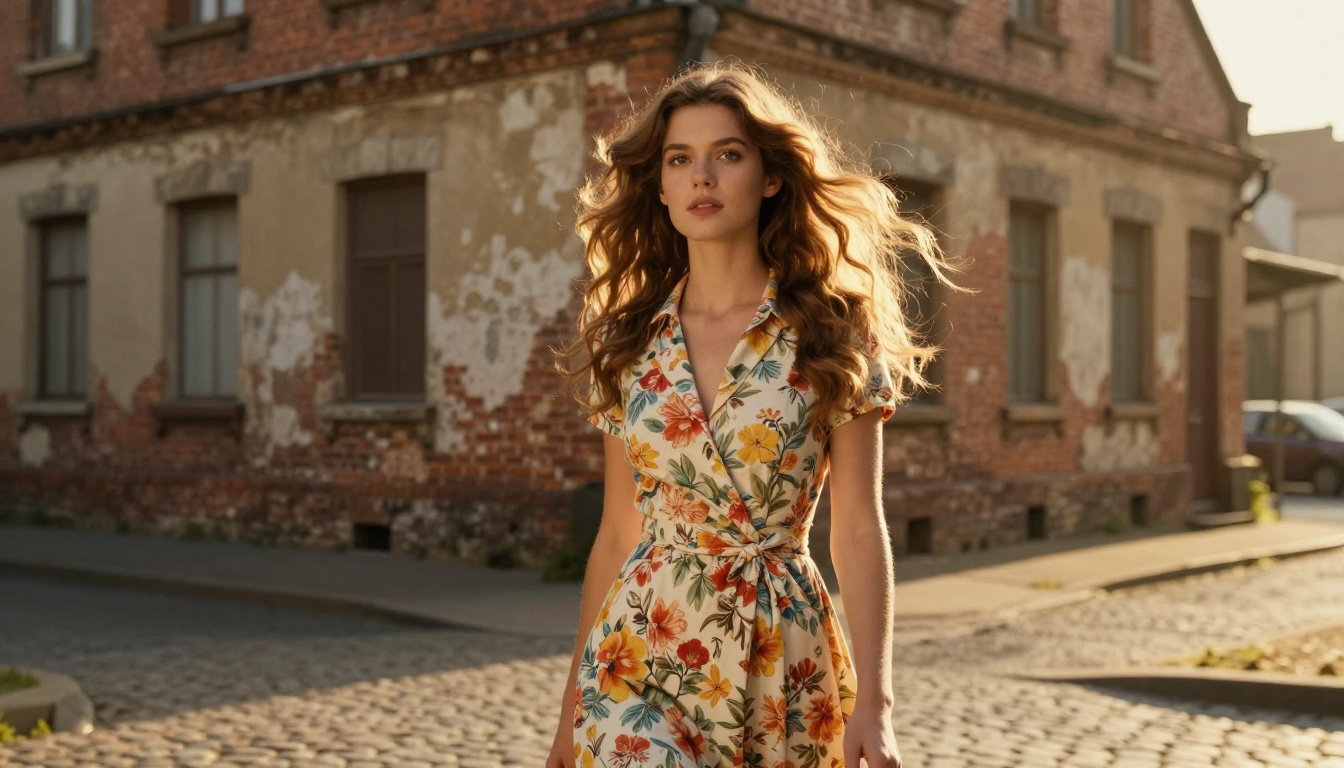
The difference between a lookbook that gets shared and one that gets ignored comes down to three things: curation, photography, and story. You do not need every piece in your store. You need the right pieces, photographed well, arranged in a way that flows naturally from page to page.
Curate With a Theme
Every strong lookbook has a spine. That spine is usually one of these:
- Seasonal theme: Fall layers, summer vacation pieces, winter coats
- Decade theme: All 70s, all 90s, mixed-era styling with a coherent thread
- Color story: Earthy neutrals, monochrome black, jewel tones
- Occasion: Date night outfits, workwear, weekend casual
- Price point: Everything under $20, splurge picks under $50
Pick one and stick to it. A lookbook that tries to show everything ends up communicating nothing.
Build Around Outfit Stories
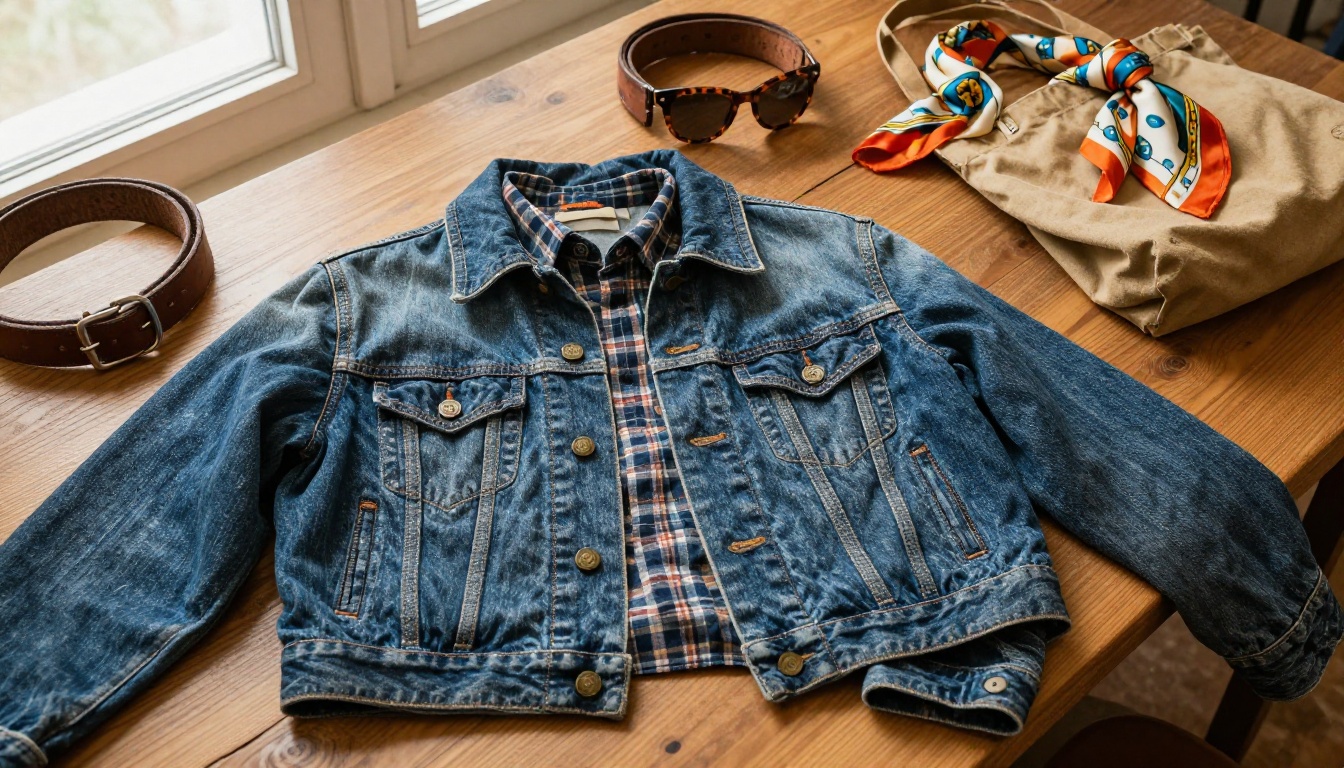
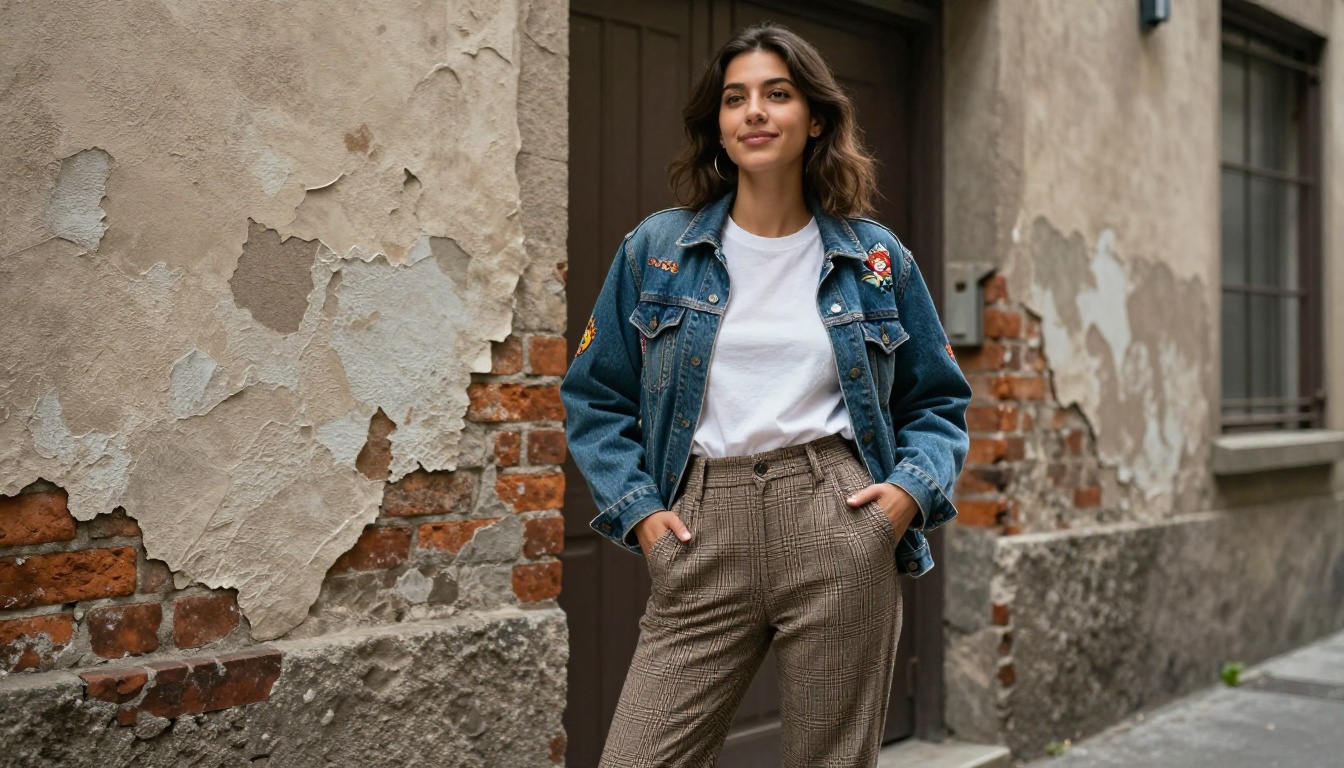
The best thrift store lookbooks do not just show individual pieces. They show complete outfits, styled with accessories, shoes, and context. A denim jacket alone is a product photo. A denim jacket layered over a silk slip dress, worn with chunky loafers and a canvas tote, is a look. That is what people screenshot, save to Pinterest, and come into your store looking for.
✅ Include at least 3 full styled outfits per 10 pages, mixing hero pieces with affordable filler items your store actually has in stock.
How to Photograph Your Thrift Finds
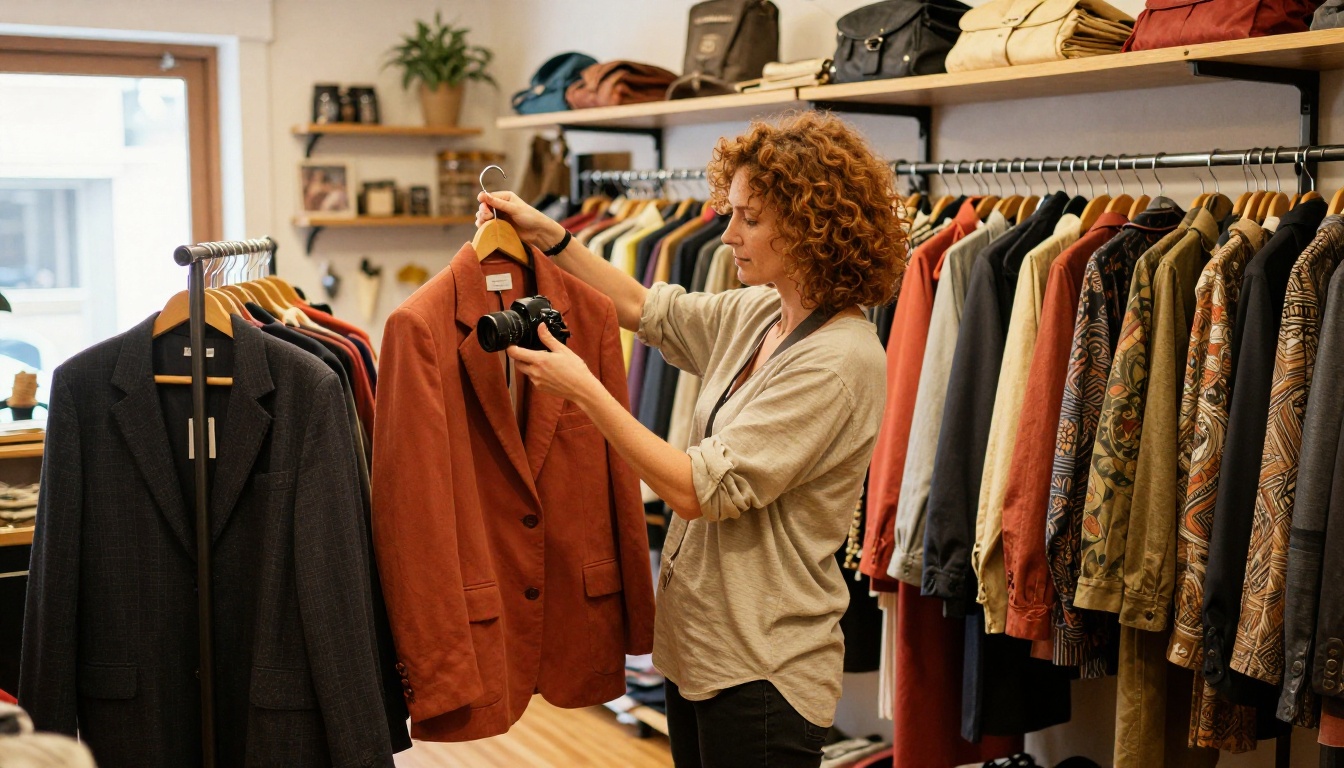
You do not need a professional photographer or a studio. You need good light, a clean background, and intention. Phones shoot well enough for a lookbook. What matters most is consistency in style and lighting across the full issue.
Lighting Is Everything
Natural light from a north-facing window is the cleanest option for clothing photography. It is soft, directional, and free. Avoid overhead fluorescent store lighting because it flattens colors and makes fabric look cheap and lifeless.
Lighting setups that work well:
- Morning window light (north or east-facing): ideal for flat lays and hanging shots
- Outdoor golden hour: perfect for model shots and street style looks
- Overcast daylight: even, shadow-free, works for all clothing colors without blowing out whites
Your Shot List for Each Outfit
For each look in your flipbook, aim for at least three photos:
- Full-length straight-on: Shows the complete silhouette and proportions
- Detail close-up: Fabric texture, unique buttons, embroidery, or the label
- Contextual/lifestyle: Model wearing it in a real environment with natural movement
Flat Lay vs. On-Body
Both formats work well, and the best lookbooks mix them deliberately. Here is a quick comparison to help you decide which to use for each piece:
| Format | Best For | Pros | Cons |
|---|
| Flat lay | Accessories, single items, pattern detail | Easy to produce, great for social sharing | Less inspiring for full outfit presentation |
| On model (you or staff) | Complete outfits, sizing context | Shows how pieces actually fit and move | Requires more setup and post-editing |
| On hanger | Quick inventory drops, high-volume updates | Fast to produce, works for any item | Least engaging, lowest conversion rate |
| Styled on mannequin | When no model is available | Consistent, reusable setup | Feels less personal than on-body shots |
⚠️ Avoid mixing too many formats within one lookbook spread. Keep two consecutive pages visually consistent so the reading flow feels intentional rather than scattered.
How to Build Your Flipbook with Flipbooks AI
Once your photos are ready and your layout is designed in Canva, Adobe Express, or any PDF tool, the actual flipbook creation takes about five minutes on Flipbooks AI. Here is exactly how the process works from start to published.
Step 1: Design Your PDF Lookbook
Before uploading, your content needs to be exported as a PDF. Most design tools handle this natively:
- Canva: Design in presentation format (landscape), export as PDF
- Adobe Express: Same workflow with built-in PDF export
- Google Slides: File, Download, PDF Document
- PowerPoint: Save As, then select PDF from the format dropdown
For a thrift store lookbook, a horizontal (landscape) format tends to work best. It mimics a real magazine spread and gives you more room for side-by-side outfit comparisons and full-bleed imagery.
Step 2: Upload to Flipbooks AI
Go to flipbooksai.com and create your account. The upload process is refreshingly simple:
- Click "Create New Flipbook" from your dashboard
- Drag and drop your PDF or click to browse your files
- Wait for conversion (usually under 60 seconds for a 20-page lookbook)
- Your flipbook is automatically converted with a realistic page-turn animation
💡 The Interactive Lookbook Designer and Lookbook Flipbook Builder tools are built specifically for fashion and retail use, with templates optimized for visual merchandise presentation and editorial layouts.
Step 3: Customize Your Branding
This is where your thrift store's personality comes through in the digital format. Inside the Flipbooks AI editor you can:
- Set your brand colors for the flipbook toolbar and page background
- Add your store logo to the cover and back page
- Choose a background color or texture that matches your store's aesthetic identity
- Set a custom domain or embed link with your store name in the URL
- Password-protect your lookbook if you want to share it exclusively with loyal customers or email subscribers before a public release
For a vintage or thrift aesthetic, warmer backgrounds like cream, kraft paper texture, or warm gray read more authentically than stark white or anything overly polished.
Step 4: Share It Everywhere
Flipbooks AI gives you multiple practical ways to get your lookbook in front of people without paying for ads:
- Direct link: Share in your Instagram bio, email newsletters, or SMS campaigns
- Embed code: Drop it directly into your website, Squarespace, or Shopify store page
- QR code: Print it on in-store signage so customers can browse digitally while they shop
- Social sharing: Native share buttons let readers post specific pages directly to Instagram Stories or Pinterest boards
Step 5: Track What Works
With the Professional plan, you get access to analytics that show you which pages received the most views, how long readers spent on the lookbook, and whether they clicked through to your website. For a thrift store, this data is genuinely useful. If page 8 (your Y2K section) consistently gets three times the views of everything else, that tells you what to stock more of and what your audience actually wants to see more of.
The Flipbooks AI pricing page breaks down what each plan includes in detail, but here is a quick overview of what matters most for thrift stores:
| Feature | Free | Standard | Professional |
|---|
| Flipbooks | 1 | Unlimited | Unlimited |
| Custom branding | No | Yes | Yes |
| Password protection | No | Yes | Yes |
| Analytics | No | No | Yes |
| Lead generation forms | No | No | Yes |
| Offline downloads | No | Yes | Yes |
| Embed on website | No | Yes | Yes |
| Watermark | Yes | No | No |
✅ For most thrift store owners starting out, the Standard plan hits the right balance: no watermarks, unlimited lookbooks, and the ability to embed directly on your website without any technical setup.
Thrift Store Lookbook Ideas by Season
One lookbook is a good start. A consistent publishing cadence is what builds a real, engaged audience over time. Here is a seasonal content calendar designed specifically for thrift and vintage stores:
Spring: Transition Pieces
Spring is perfect for showcasing the layering potential of secondhand fashion. Think lightweight blazers over band tees, vintage linen trousers, floral midi skirts with chunky sandals. Your spring lookbook should feel fresh, color-rich, and optimistic.
Strong theme ideas for spring:
- Cottagecore spring (floral prints, linen, natural woven textures)
- Vintage athletic wear (80s windbreakers, retro sneakers, track sets)
- Earth tones and denim (Levi's, work shirts, relaxed open-collar fits)
Summer: Festival and Vacation Vibes
Summer thrift lookbooks practically make themselves. Vintage swimwear cover-ups, crochet tops, printed wrap skirts, 70s oversized sunglasses, canvas espadrilles. Shoot outside whenever possible and lean into bright natural light.
Fall: The Golden Season for Thrift
Fall is the strongest season for thrift store lookbooks. Wool coats, corduroy blazers, flannel shirts, vintage leather bags and belts, all of it is in high demand and photographs beautifully in warm autumn light against turning leaves.
💡 Release your fall lookbook in the last week of August or first week of September. Customers are already thinking about cooler weather wardrobes by then, even if the temperature has not dropped yet where you are.
Winter: Coats and Rich Layered Looks
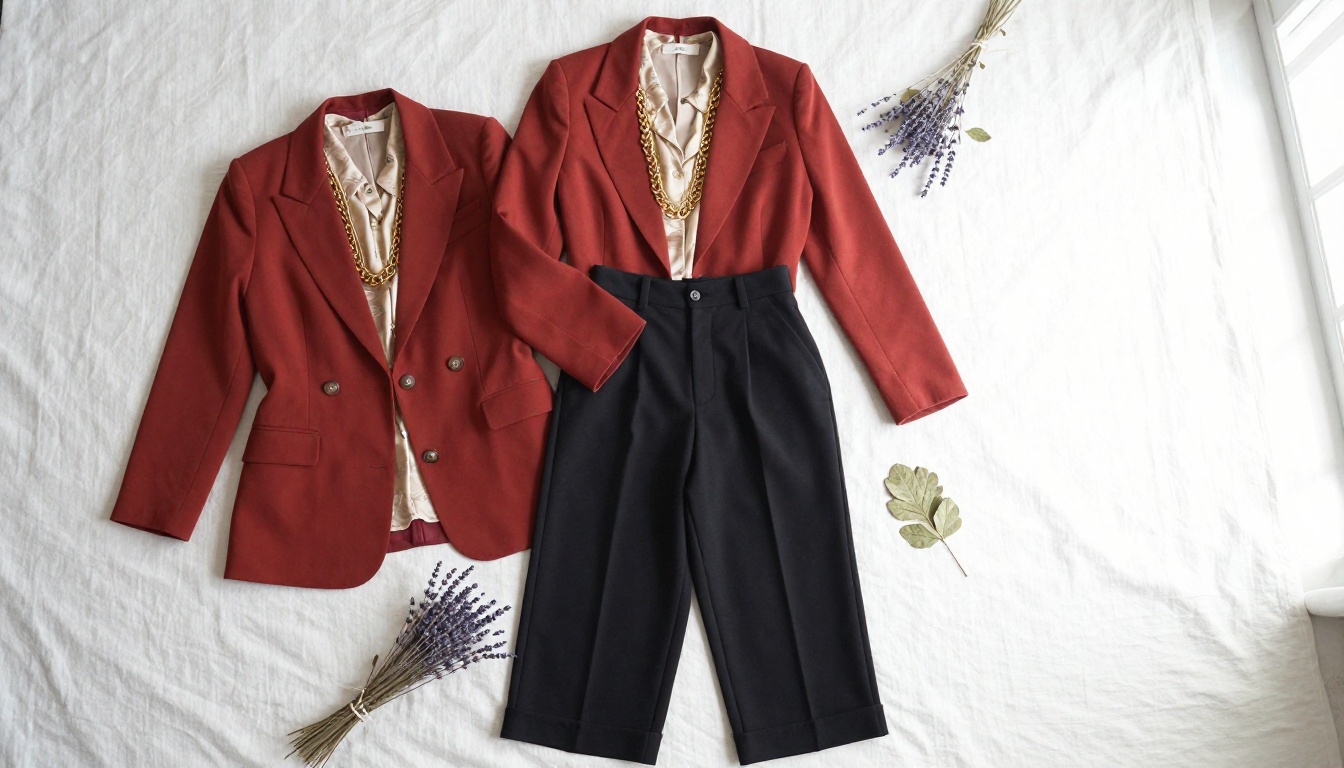
Winter lookbooks can be some of the most visually striking issues you produce. Warm tones, heavy woven textures, deep layered silhouettes, and dramatic lighting all come together naturally. Feature your best vintage coats as hero pieces on your opening spreads.
Small Thrift Store vs. Large Resale Shop
The lookbook approach works differently depending on your store's size and how often your inventory turns over. Here is how to calibrate your publishing strategy:
| Store Type | Recommended Frequency | Ideal Pages Per Issue | Best Sharing Channels |
|---|
| Solo reseller or Depop seller | Monthly | 8-12 | Instagram, TikTok link-in-bio |
| Small boutique thrift store | Every 6 to 8 weeks | 15-20 | Email list, website embed, Instagram |
| Consignment shop | Seasonal (4x per year) | 20-30 | Email, in-store QR codes, local Facebook groups |
| Large thrift chain (multi-location) | Monthly plus weekly drops | 10-15 per drop | Website, email campaigns, paid social |
Building Your Lookbook Audience
Publishing a lookbook is only half the work. Getting people to actually read it requires a simple but consistent distribution strategy that does not rely on paid advertising.
Email Is Your Best Channel
An email newsletter with a lookbook link consistently outperforms every other channel for independent thrift stores. People who signed up for your list want to know what is new. A subject line like "The Fall Edit is here, 22 looks starting at $8" is extremely clickable and drives real foot traffic.
In-Store QR Codes
Print a small sign or table card with a QR code linking to your latest lookbook. Place it near the register, on fitting room doors, or at the entrance. Customers who are already in your store are already interested in your inventory. Give them a reason to stay connected after they leave.
Work with Local Creators
Invite a local fashion micro-influencer, stylist, or vintage enthusiast to be the face of one issue. They share it with their audience, you get new eyes on your store. A 10,000-follower local account often drives more actual foot traffic than a national influencer with 500,000 followers because their audience is geographically relevant.

Not every item in your store deserves the same treatment in a lookbook. Here is a quick reference to help you decide how to feature each type of thrift find:
| Item Type | Feature Style | Notes |
|---|
| Statement coat or jacket | Full-length model shot | Your most powerful hero piece, open each issue with it |
| Vintage accessories | Flat lay close-up | Works beautifully for scarves, bags, and jewelry groupings |
| Printed blouses and tops | On-body or hanger shot | Show the print clearly without competing backgrounds |
| Denim (jeans, jackets) | On-body always | Fit and wash are what people buy denim for |
| Rare or high-value pieces | Detail shot plus full shot | Show the label, hardware, and overall condition clearly |
| Bundle deals under $30 | Flat lay styled outfit | Group items together with a clear price callout nearby |
SEO for Your Embedded Lookbook Page
If you publish your flipbook on your website via the embed feature, the page it lives on can rank in local and national search results. Optimize that page with descriptive text around the embed using terms like:
- thrift store lookbook ideas
- vintage clothing catalog online
- secondhand fashion digital magazine
- resale shop digital catalog
- sustainable fashion lookbook
- curated vintage finds online
Include a short paragraph below the embedded flipbook describing what it contains and what season or theme it covers. This gives search engines context and gives new visitors a reason to click through.
💡 Use the Digital Portfolio Creator to create a dedicated lookbook archive page on your site, linking to every seasonal issue you publish. This builds topical authority and gives repeat visitors a reason to come back regularly.
Ready to Publish Yours
A thrift store lookbook is one of the highest-ROI marketing tools available to a small retail business. It costs almost nothing to produce if you already have a phone and access to good natural light, and when published as an interactive flipbook, it works simultaneously as a marketing asset, a sales tool, and a community-building mechanism.
Flipbooks AI makes the technical part completely frictionless. Upload your PDF, customize your branding, copy your share link, and you are done. Your first lookbook can go from idea to published in a single afternoon, with no design or coding skills required.
The thrift stores building real audiences right now are the ones treating their curation like content worth showing off. A flipbook lookbook is exactly how you do that without a marketing budget or a full creative team behind you.



