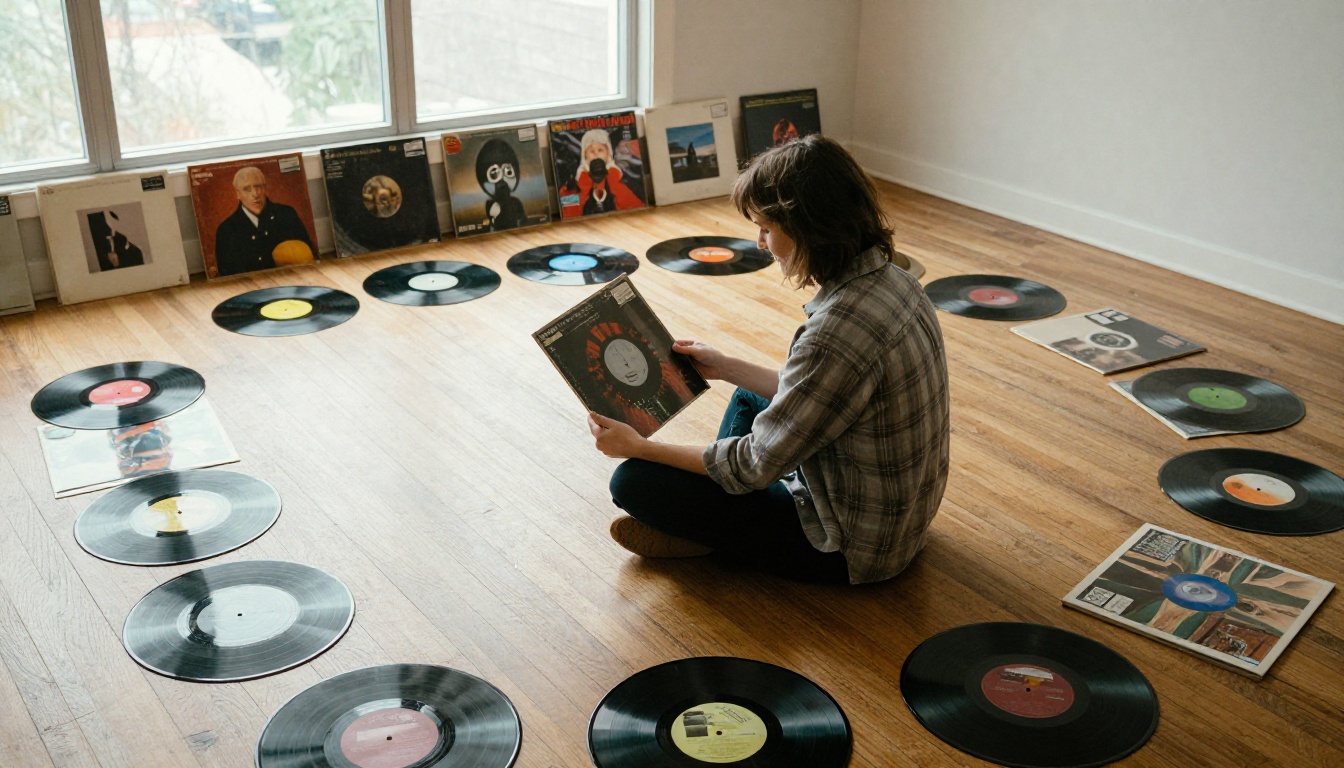
Your vinyl records are not just music. They are artifacts. Each sleeve holds a piece of graphic design history, a personal memory, a snapshot of the culture that shaped a generation. But sitting in crates or on shelves, most of that richness stays invisible. A digital flipbook changes that completely. With Flipbooks AI, you can take your entire collection — covers, back sleeves, labels, liner notes — and build an interactive, page-turning archive that you can share with other collectors, embed on a website, or simply flip through on a rainy afternoon.
This is not about digitizing for backup. It is about giving your collection a second life.
Why Your Records Deserve More Than a Shelf
The Problem with Physical Storage
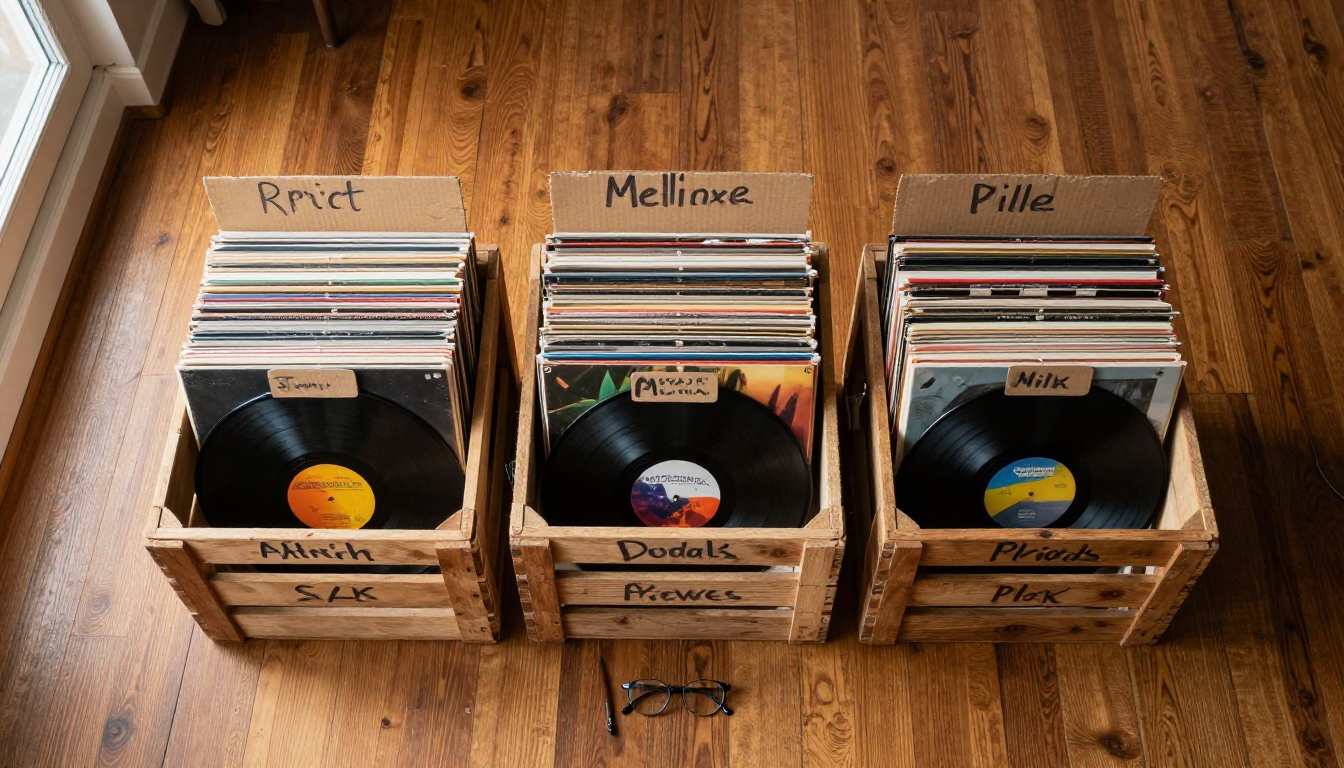
A vinyl collection in crates has a fundamental flaw: only one record can be seen at a time. Even the most beautifully organized collection forces you to rifle through sleeves, handle records repeatedly, and expose them to wear. For collectors who have spent years tracking down rare pressings and original issues, that daily friction adds up.
There is also the problem of audience. You know what is in those crates. Your visitors do not. A friend who would love your 1967 Blue Note pressing has no way to browse it without you pulling records out one by one. A digital flipbook solves both problems at once.
Album Art Is Worth Showcasing
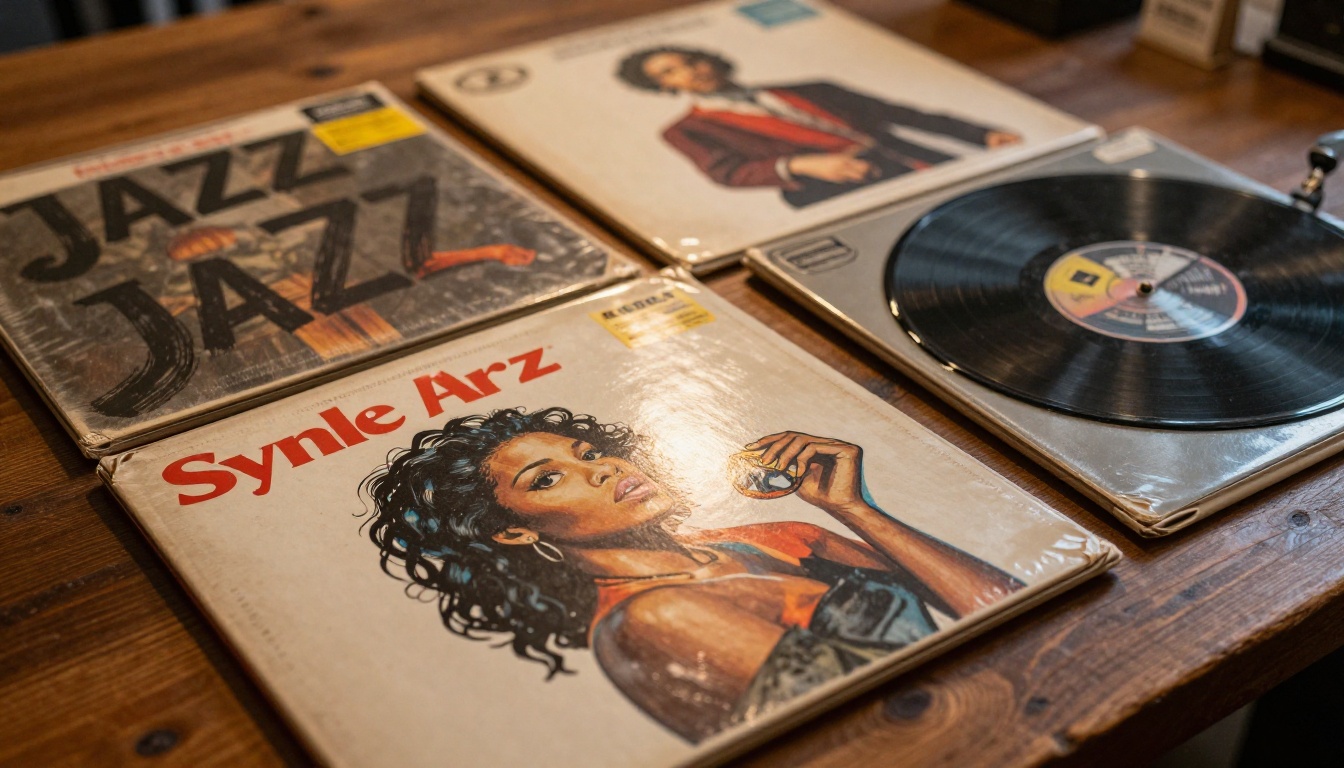
The visual dimension of vinyl is deeply underrated. Album cover design from the 1960s through the 1980s produced some of the most iconic graphic art of the 20th century. Reid Miles at Blue Note, Roger Dean for Yes, Hipgnosis for Pink Floyd — these sleeves are collectible art objects, not just packaging. A flipbook format, with its page-turn interaction and wide-format display, is genuinely one of the best ways to present that art to someone who has never held the record.
💡 Pro tip: Scan your sleeves at 600 DPI minimum. The detail in a well-preserved original pressing sleeve will reward the resolution.
What Goes Into a Great Vinyl Flipbook
Front and Back Covers
The obvious starting point. Front covers are the face of each record, but back covers are often just as rich — tracklists with session dates, production credits, studio addresses, catalog numbers that tell the story of a pressing's origin. Both sides belong in your flipbook.
Liner Notes and Labels
For jazz, classical, and folk records especially, the liner notes are part of the experience. A well-written essay by a critic or musician can run 1,500 words on the back of a 12-inch sleeve or inside a gatefold. Include them. Collectors who receive your flipbook link will read them.
The center label is equally worth documenting. Original pressings carry specific label designs — the deep groove Capitol, the orange Atlantic, the red London — that tell an expert exactly what they are looking at before the stylus ever hits the groove.
Personal Notes and Stories
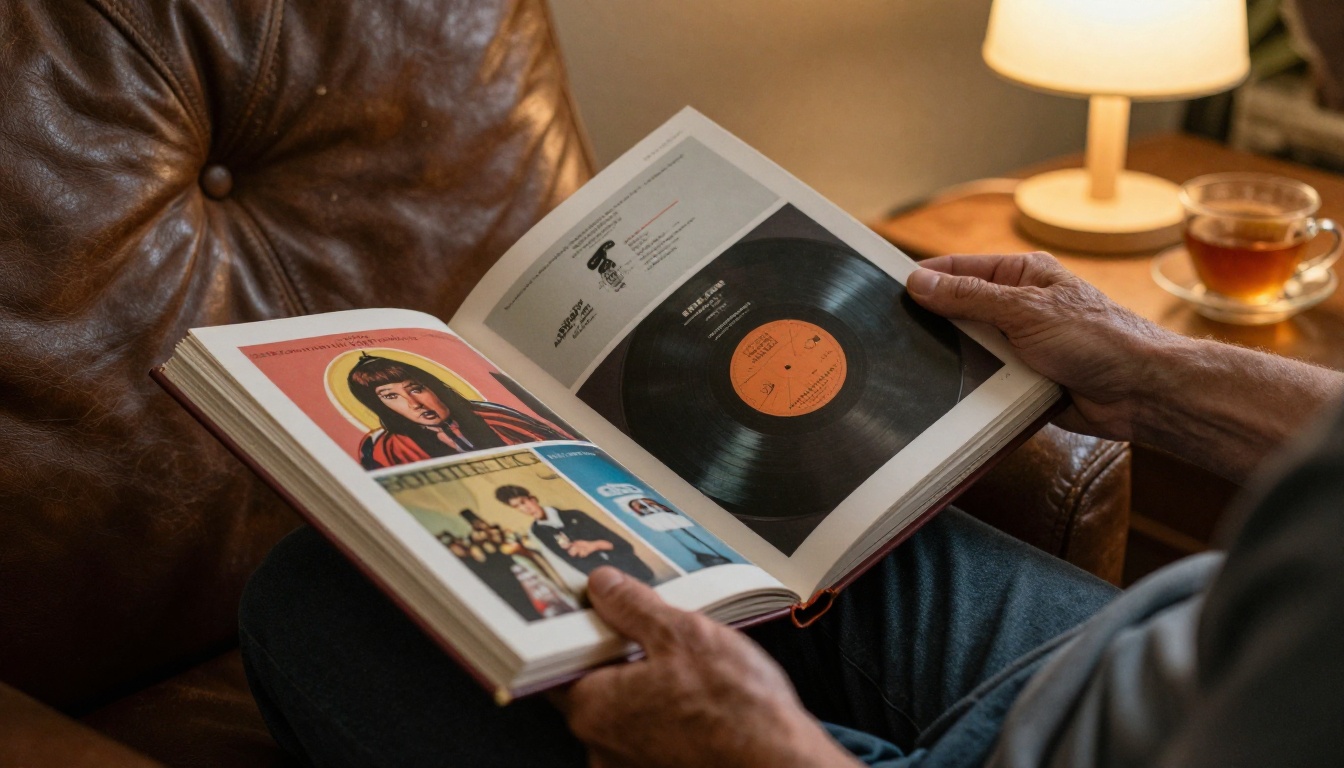
This is what separates a collection from an archive. Where did you find this record? What did the seller say? What year did you first hear it? A flipbook page gives you space to add that context, either in the PDF you upload or through captioning. Future generations of your family will care about this more than you expect.
Scanning and Photographing Your Collection
The Right Setup
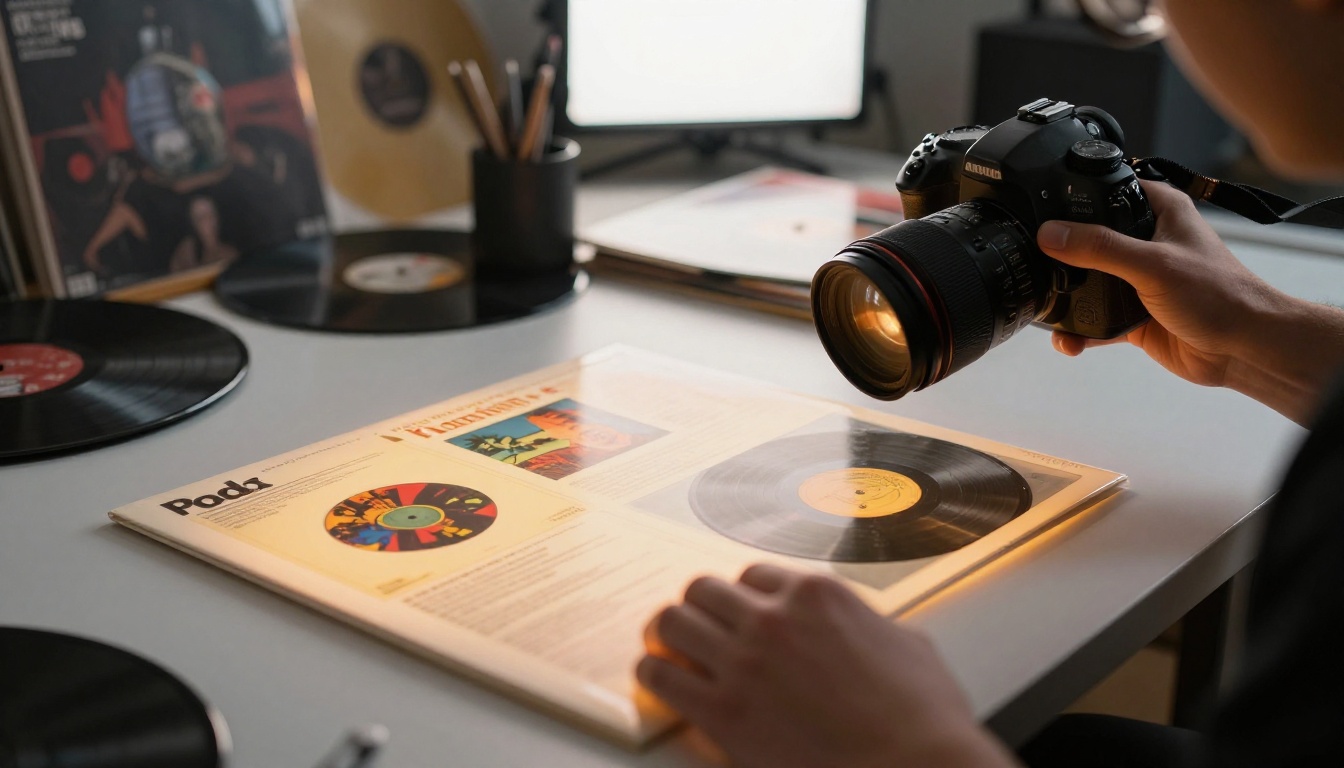
You have two realistic options for capturing your sleeves: a flatbed scanner or a DSLR on a copy stand. Each has tradeoffs.
| Method | Best For | Resolution | Time per Record | Approx. Cost |
|---|
| Flatbed Scanner (600+ DPI) | Flat sleeves, liner notes | Excellent | 2-4 min | $80-$300 |
| DSLR on Copy Stand | Gatefolds, 3D inserts | Very Good | 1-2 min | $200-$800 |
| Smartphone + Light Table | Quick reference scans | Good | 30-60 sec | Minimal |
| Professional Scanning Service | Large collections | Archival | Days/weeks | $1-5 per item |
For most collectors, a flatbed scanner in the $150-$250 range hits the sweet spot. The Epson Perfection V39 and V600 are workhorses that handle 12-inch sleeves without multiple passes.
Photo Scanning vs. Flatbed
If your collection includes gatefold sleeves, a flatbed cannot capture the full interior in one pass. For those, a DSLR on a copy stand with a pair of daylight-balanced LED panels at 45-degree angles gives the most even, shadow-free result. Shoot in RAW, convert to TIFF at 300 DPI for the final PDF, and your flipbook pages will be sharper than most print-on-demand photo books.
⚠️ Warning: Avoid scanning records with warped or damaged sleeves under pressure. Forcing a buckled sleeve flat against the scanner glass can cause further damage to the cardboard.
Building Your Vinyl Flipbook with Flipbooks AI
Flipbooks AI makes the conversion from a PDF to a fully interactive, page-turning flipbook faster than any other method. Here is exactly how to do it.
Step 1: Build Your PDF
Compile your scans into a PDF. Each record's section should follow a consistent layout:
- Page 1: Front cover scan
- Page 2: Back cover scan
- Pages 3-4: Center label scans (Side A and Side B)
- Pages 5+: Liner notes, inserts, gatefold interior
Use Canva, Adobe InDesign, or even Google Slides to arrange the scans. Export at 300 DPI. A collection of 50 records will produce a PDF of roughly 200-300 pages — perfect flipbook territory.
Step 2: Sign In and Upload
Head to Flipbooks AI and create your account. Once inside, click New Flipbook and upload your PDF. The platform processes pages automatically — no manual configuration required. Large files upload smoothly, and processing typically completes within a few minutes.
Step 3: Customize the Presentation
This is where a vinyl flipbook becomes genuinely special. Inside the Flipbooks AI editor:
- Background color: Set a deep charcoal or rich burgundy — something that complements vintage album art rather than competing with it
- Page flip sound: Enable it. The soft page-turn sound adds analog warmth that makes the experience feel intentional
- Custom cover: Add a title page with your collection name, year range, and a brief intro paragraph
- Table of contents: For large collections, add a clickable TOC linking directly to each artist or genre section
Step 4: Set Your Sharing Options
For a private collection shared only with trusted collectors, enable password protection. For a public archive you want discovered and browsed freely, leave it open and write a compelling description. The PDF to Flipbook Converter tool handles both scenarios without any additional setup.
Step 5: Share or Embed
Copy the direct link and send it via email, message, or post it in collector communities. Or use the embed code to drop your vinyl flipbook directly into a blog, Discogs profile page, or personal website. The flipbook renders perfectly on mobile, tablet, and desktop without any configuration on your part.
✅ Best practice: Create a separate flipbook for each genre or decade. A focused 40-record jazz flipbook is more shareable and engaging than a 400-record everything-at-once archive.
Organizing Your Collection Inside the Flipbook
How you sequence your records changes what story your flipbook tells. There is no single right answer, but each approach has a distinct character.
By Genre
The most natural structure for a broad collection. Jazz in one flipbook, soul in another, rock in a third. Each can carry its own visual identity — a blue-tinted cover page for jazz, warm earth tones for soul, high-contrast black and white for post-punk. Genre-based flipbooks are the easiest to share with specific communities because the audience self-selects.
By Decade
A decade-by-decade structure tells a different story: the evolution of design language, the shifts in printing technology, the change in how artists presented themselves visually. A 1960s flipbook looks radically different from a 1980s one, and that contrast is genuinely interesting to flip through as a document of cultural change.
By Label
For serious collectors, a label-organized flipbook is often the most informative. All your Blue Note recordings together, all your Verve, all your Atlantic. Label specialists will notice details across pressings — matrix etchings, label variations, sleeve stock differences — that would be invisible in any other organizational structure.
💡 Pro tip: Add a one-paragraph text page before each section introducing the label, era, or genre. It turns your collection into a curated publication rather than a flat catalog.
Sharing and Preserving Your Vinyl Archive
Sharing with Other Collectors
The vinyl collecting community is one of the most active niche communities online. A well-made digital flipbook gives you something genuinely shareable — not just a list on Discogs, but a visual experience that communicates the depth and quality of your collection at a glance. Post the link in collector forums, subreddits, local record club newsletters, or Facebook groups dedicated to specific genres or labels.
The Digital Portfolio Creator approach works equally well for music collections as for photography or design work. The format is the same: curated, sequenced, visually rich, and immediately accessible.
Private vs. Public
Not every collection should be public. Rare pressings, high-value items, and collections with detailed provenance notes might be better kept behind a password. The table below compares the key privacy and sharing options:
| Option | Who Can Access | Best For | Setup Required |
|---|
| Public link | Anyone with the URL | Community sharing, blog embeds | None |
| Password protected | Anyone with the password | Trusted collectors, club members | One password field |
| Unlisted | Only people you send the link to | Personal archive, family sharing | None |
| Embedded on website | Visitors to your site | Blog, personal site integration | Copy-paste embed code |
Offline Downloads
With Flipbooks AI's Professional plan, you can enable offline downloads — letting recipients save a local copy of your flipbook. For archival purposes, this is invaluable. If the link ever changes or circumstances shift, the people you shared with still have the content in full fidelity.
Flipbooks AI Plans for Collectors
Most vinyl collectors do not need enterprise-level features. But the distinction between plans matters when you are building something you plan to share widely or maintain over time.
| Feature | Free | Standard | Professional |
|---|
| Number of Flipbooks | 1 | Unlimited | Unlimited |
| Watermark on Pages | Yes | No | No |
| Password Protection | No | Yes | Yes |
| Custom Branding | No | Yes | Yes |
| Analytics Dashboard | No | No | Yes |
| Offline Downloads | No | No | Yes |
| Lead Generation Tools | No | No | Yes |
| Embed on Any Website | Yes | Yes | Yes |
| Mobile-Responsive | Yes | Yes | Yes |
| Audio Support | No | Yes | Yes |
For most collectors, the Standard plan is the right call — unlimited flipbooks, no watermarks, and password protection for private sharing. If you are building a public-facing archive or want to track which records get the most attention from viewers, the Professional plan adds analytics that show you exactly how people engage with your collection.
Check pricing plans to see current rates and choose what works for your situation.
Other formats fall short in specific ways. A spreadsheet on Discogs is searchable but visually lifeless. A photo album on Instagram crops album art and buries it in an algorithm. A PDF you email someone is static and awkward on mobile. A flipbook on Flipbooks AI is none of those things: visual, interactive, mobile-friendly, and shareable without friction.
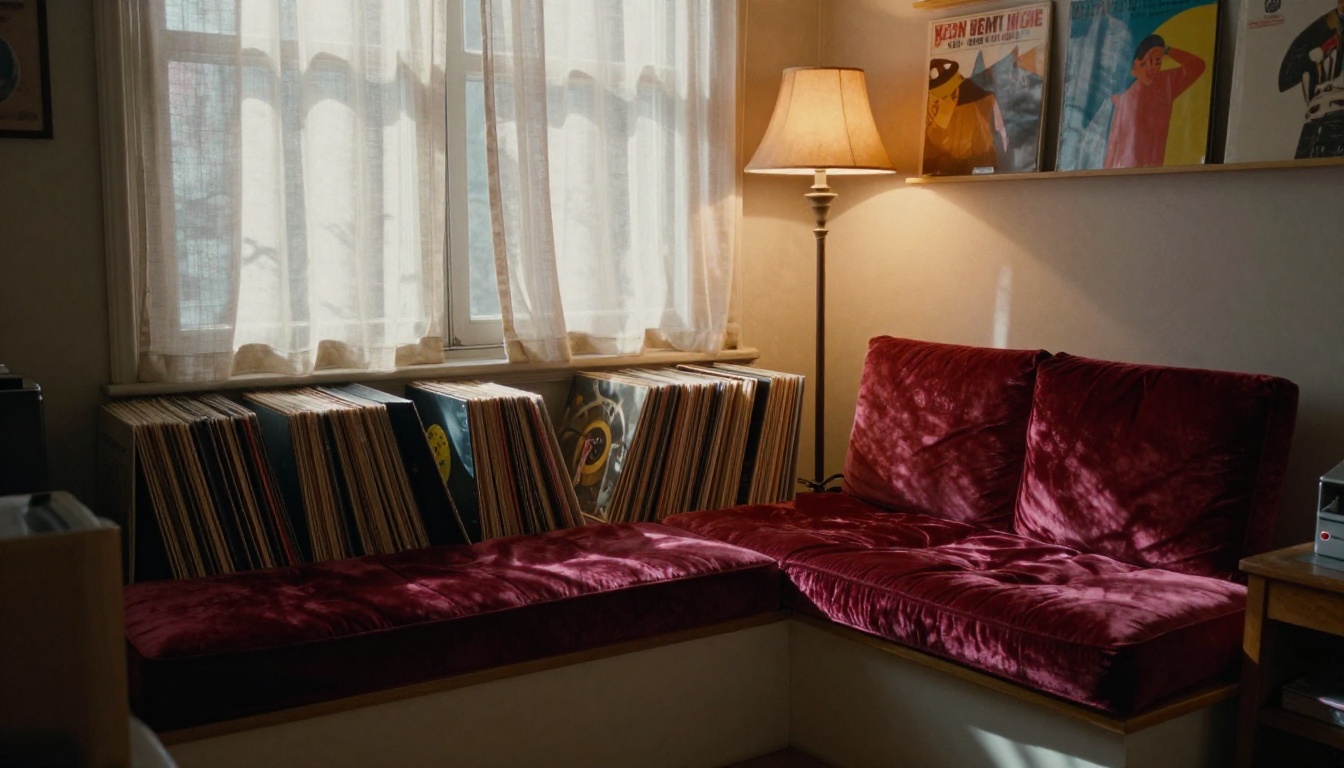
The page-turn metaphor does something subtle that matters: it mirrors the physical experience of browsing a crate. You flip, you pause, you look. The format respects the ritual that vinyl collectors already love, and it translates it into a context anyone can access, anywhere, without needing to handle a single record.
There is also the longevity argument. Physical records deteriorate over decades. Sleeves fade, paper yellows, ring wear accumulates. A high-resolution digital flipbook made today will look exactly the same in 30 years. The documentation work you do now is preservation work for the future.
A few collectors who have built vinyl flipbooks report:
- Friends overseas who had never seen their collection suddenly becoming engaged and asking specific questions about pressings
- Local record shops using similar flipbooks to showcase curated for-sale collections without pulling stock
- Family members, who had never shown much interest in the records, spending an hour flipping through a well-organized archive after the collector passed it along
The format creates access. Access creates interest. Interest is how a personal collection becomes something shared.
Start Your Vinyl Flipbook Today
Your collection has been waiting for this. The records are already there. The art is already there. The stories are already there. All it takes is a few hours of scanning, an afternoon of layout work, and a few minutes on Flipbooks AI to turn it into something you can share with everyone who has ever loved music.
Whether you start with 10 records or 1,000, whether you organize by genre, by decade, or by the personal story of how you found each one, a flipbook gives your vinyl collection the format it has always deserved.
Ready to bring your collection out of the crate?



