Your lookbook is doing one of two things right now: it's working for your brand around the clock, or it's sitting on a hard drive where nobody can find it. The brands that get noticed, the ones that buyers remember and retailers request meetings with, almost always have a lookbook that looks and feels like it belongs in a magazine. This is not about having a big budget. It's about knowing exactly what goes into a lookbook that commands attention, and then putting it online in a format that people actually want to interact with.
Flipbooks AI is where thousands of brands take their static PDF lookbooks and turn them into interactive, page-turning digital experiences that embed on websites, send via email, and look perfect on every device. But before you get there, you need a lookbook worth publishing.
Why Lookbooks Still Drive Brand Attention
The Difference Between a Catalog and a Lookbook
A catalog lists products. A lookbook sells a feeling. This distinction matters more than most brands realize. When a buyer opens your lookbook, they should feel something within the first three seconds, whether that's aspiration, warmth, edge, or luxury. That emotional response is what makes them keep flipping pages.
A catalog is organized by SKU. A lookbook is organized by mood. The structure is editorial, not transactional. You're showing the world through your brand's eyes, and your products live inside that world naturally.
| Feature | Catalog | Lookbook |
|---|
| Primary goal | Product listing | Brand storytelling |
| Structure | SKU-based, grid layout | Editorial, mood-based |
| Image style | White background, product only | Lifestyle, model, context shots |
| Copy tone | Specifications, pricing | Evocative, minimal, aspirational |
| Ideal for | Wholesale ordering, inventory | Brand awareness, retail pitching |
| Page count | High (often 50+) | Focused (8 to 32 pages) |
Who Actually Uses Lookbooks Today
Fashion brands are the obvious answer, but lookbooks have spread far beyond apparel. Interior design studios use them to show room styling. Cosmetics brands use them seasonally. Home goods companies use them to show products in context. Wedding vendors use them as portfolio tools. Real estate developers use them for new development launches.
Any brand that sells something visual and aspirational benefits from a lookbook. The question is not whether you need one, it's whether the one you have right now is doing the job.
What Makes a Lookbook Worth Looking At
Visual Storytelling That Sells
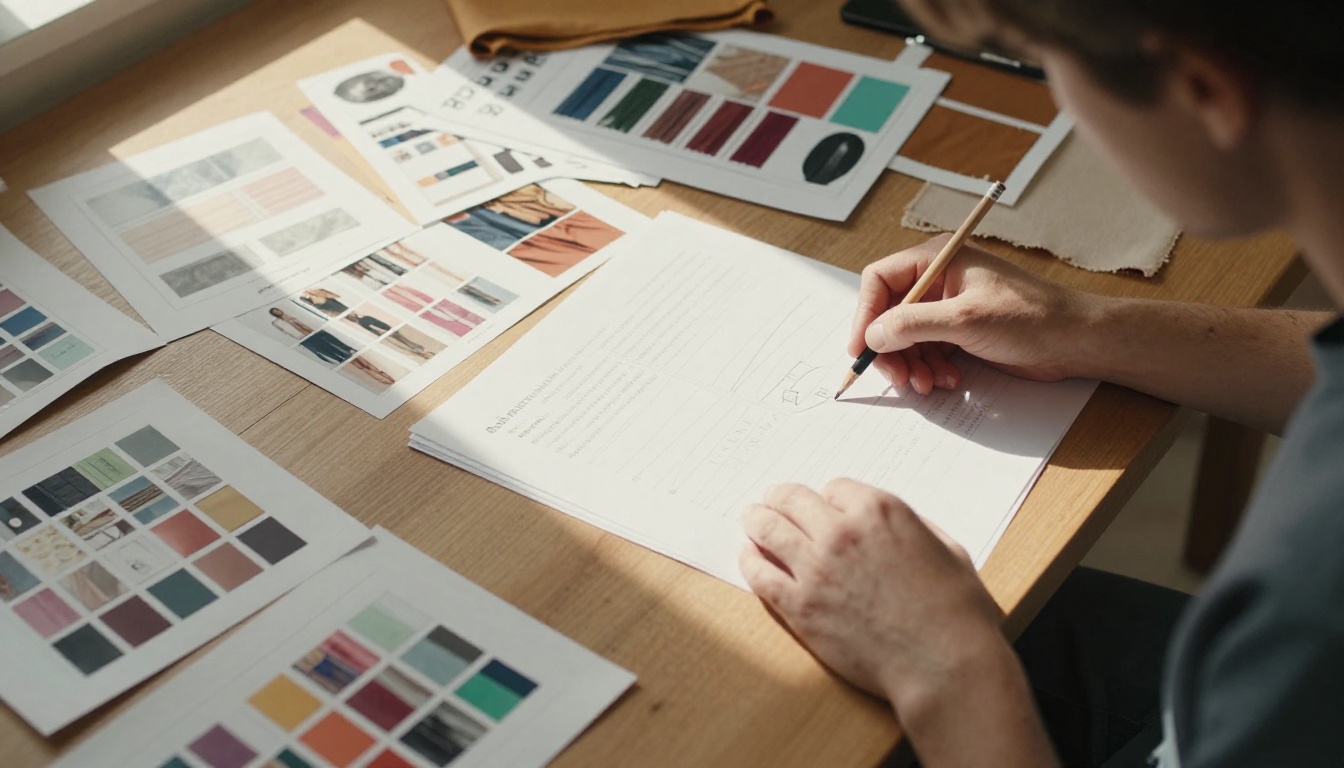
The best lookbooks tell a story with a beginning, middle, and end. Think of it like a short film in print: the opening spread sets the mood, the body pages build the world, and the final pages leave the reader with a clear feeling about what your brand stands for.
This means you need to plan the sequence of images before you shoot, not after. Decide what emotion you want readers to feel on page one versus page twelve. Map it out. The brands that produce memorable lookbooks brief their photographers and stylists on narrative, not just aesthetics.
💡 Choose one primary color palette and one secondary palette for your lookbook, then stick to them across every spread. Consistency in color is what makes a lookbook feel curated rather than assembled.
Typography, Layout, and White Space
Typography in a lookbook should whisper, not shout. The visuals do the heavy lifting. Your font choices should reinforce the brand feeling: a serif typeface reads traditional and luxurious, a clean sans-serif reads modern and accessible, a custom script reads handcrafted and personal.
White space is not wasted space. It is breathing room. It signals confidence. Overcrowded pages make a lookbook look cheap. Give your images room to exist. A single full-bleed photograph with one line of copy can be more powerful than six images on the same spread.
Consistency With Your Brand Identity
Every element in your lookbook, from the model casting to the props on set to the filter applied in post-production, should feel like it came from the same source. That source is your brand identity.
Before you produce a lookbook, document these:
- Brand color palette (primary, secondary, neutrals)
- Brand typefaces (heading, body, accent)
- Brand tone (the three adjectives your brand feels like)
- Visual references (5 to 10 images that capture the mood you want)
How to Shoot Lookbook Photography That Converts
Choosing the Right Models and Locations
Models should feel like aspirational but believable versions of your target customer. The location should make sense for your brand world: a coastal lifestyle brand shoots near water, a minimal Scandinavian furniture brand shoots in concrete loft spaces, a heritage workwear brand shoots in industrial or rural settings.
The location is not just a backdrop. It is a character in your story. Choose it with the same care you'd choose your products.
⚠️ Shooting on rented studio backdrops without any environmental context is the fastest way to make your lookbook look generic. Even a simple outdoor setting adds depth and authenticity that a white cyclorama wall cannot replicate.
Lighting Setups That Flatter Products
Natural light is the gold standard for lookbook photography. It reads as real, honest, and beautiful. When shooting indoors, position your subjects near large windows and diffuse the light with white sheers or bounce cards. Avoid harsh direct flash, which kills texture and depth.
For product-only shots within your lookbook, a well-lit flat lay with soft directional light from one side creates dimension without complexity. The goal is to make the viewer feel like they could reach out and touch the product.
What to Avoid in Lookbook Photography
- Heavy post-processing filters that date quickly
- Inconsistent color grading between shots
- Backgrounds that compete with the product
- Over-retouched skin that reads artificial
- Images that are too dark to read on screens
Building Your Lookbook Layout
How Many Pages Is the Right Number
The right length is the shortest version that tells your complete story. For most seasonal fashion or lifestyle lookbooks, that's between 16 and 32 pages. For a product launch capsule, 8 to 12 pages may be enough. For a full catalog-lookbook hybrid, you might stretch to 48.
The mistake most brands make is filling pages to justify the production cost. Every page needs to earn its place. If a spread is not adding something to the narrative or showing a product in a new light, cut it.
Product Pages vs. Lifestyle Spreads
A strong lookbook alternates between two types of spreads:
- Lifestyle spreads: Wide, environmental shots that establish mood and context. Models in motion, products in use, settings that tell a story.
- Product detail spreads: Closer shots that show the product itself, its texture, its craftsmanship, its specific features that justify the price.
The rhythm of alternating between these two types keeps readers interested and gives your products both emotional appeal and rational justification.
Your Opening Spread and First Impression
Your front page has one job: make someone pick it up (or click on it). It should be your strongest single image, the one that most completely captures your brand in a single frame. Do not crowd it with text. Your brand name, season or collection title, and year is enough.
The opening spread is where you set the tone. It should feel like an exhale, as if the reader just stepped into your world. Consider a full-bleed double-page image with minimal or no copy on page two, letting the visual breathe.

How to Create Your Lookbook with Flipbooks AI
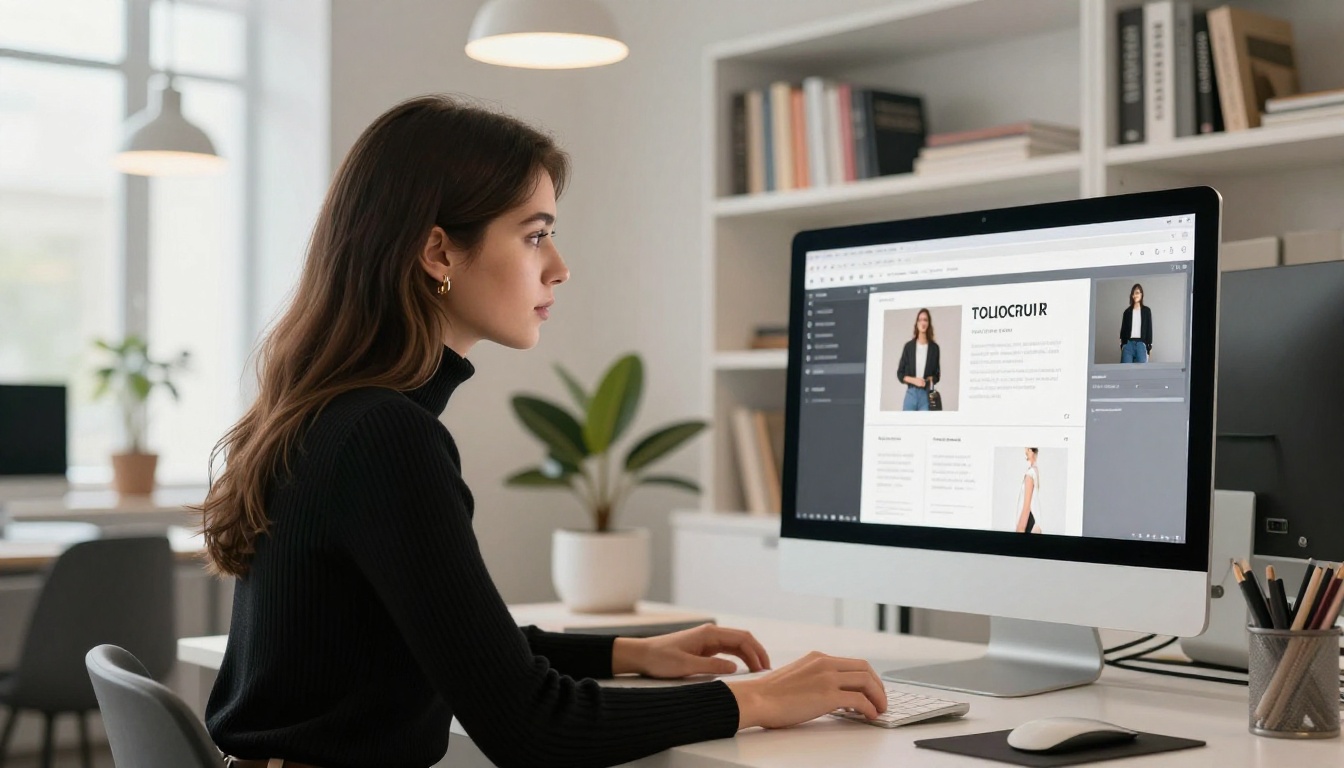
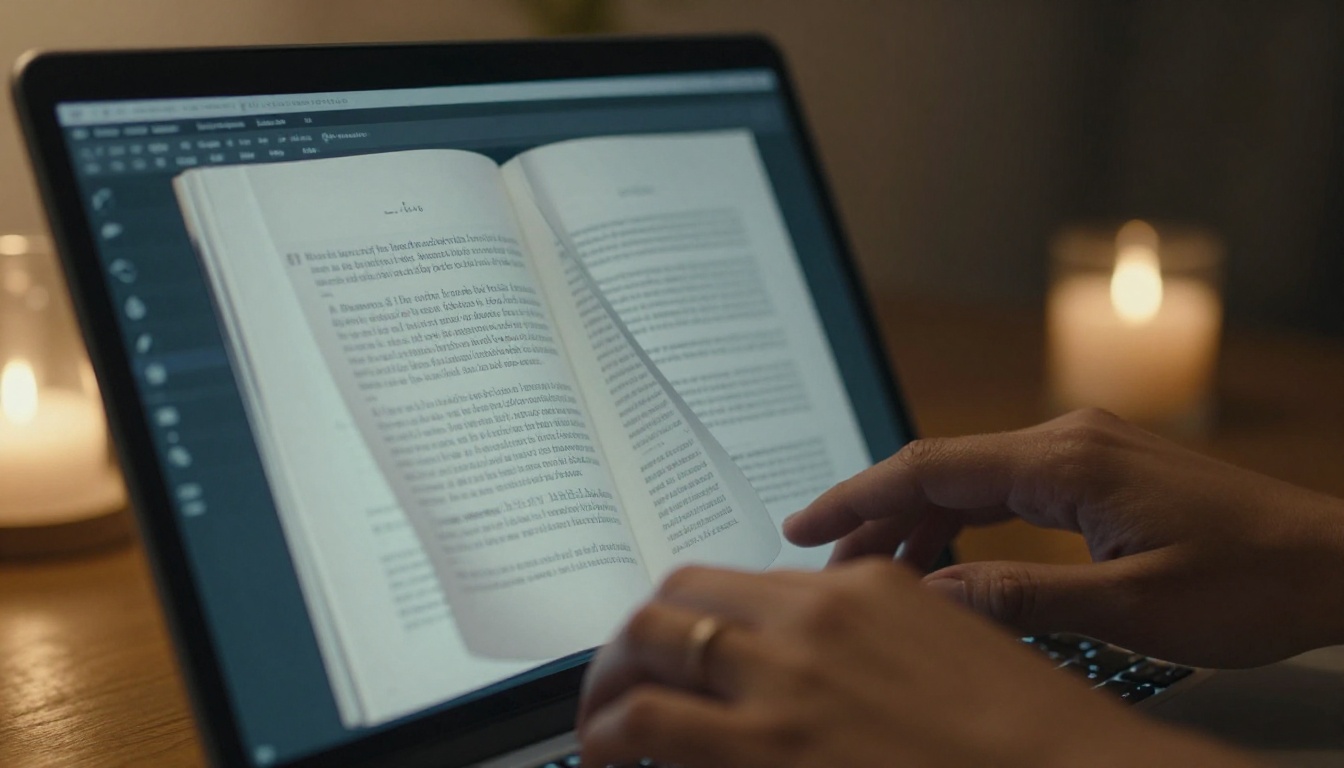
Once your lookbook PDF is designed and ready, publishing it digitally should be effortless. Flipbooks AI gives any brand the ability to turn a static PDF into a fully interactive, page-turning digital lookbook in minutes, with no watermarks and custom branding throughout.
Uploading and Converting Your PDF
- Create your account on Flipbooks AI (it takes less than two minutes).
- Click New Flipbook and upload your PDF directly from your device or design tool export.
- The platform converts your PDF automatically, preserving all typography, imagery, and layout exactly as designed.
- Within seconds, your lookbook becomes a smooth, animated page-turning experience.
The Interactive Lookbook Designer and Lookbook Flipbook Builder tools are purpose-built for this exact use case, whether you're in fashion, home goods, cosmetics, or lifestyle.
Branding, Colors, and Page Effects
After conversion, you can customize the look and feel of your digital lookbook:
- Custom background colors to match your brand palette
- Page shadow and texture effects for a more tactile, printed feel
- Brand logo displayed in the viewer
- Custom domain for a professional sharing URL
- Embed videos and audio into specific pages for multimedia storytelling
✅ Match the digital lookbook's background color to your brand's primary neutral. If your brand is clean and minimal, use white. If it's warm and earthy, use a warm off-white or latte tone. This small detail makes the viewing experience feel branded from the first click.
Sharing Options and Embedding
Flipbooks AI gives you multiple ways to get your lookbook in front of the right people:
- Direct link: A clean, shareable URL you can send to buyers, press contacts, or post on social media
- Embed code: Drop your lookbook directly onto your website, brand page, or retailer portal with one line of code. See the Embed Flipbook on Website tool.
- Password protection: Keep your lookbook private for wholesale buyers only, or pre-launch press embargoes
- Offline download: Allow your audience to download a copy for offline viewing (available on Standard plan and above)
For brands on the Professional plan, analytics show you exactly how many people opened your lookbook, which pages they spent time on, and where they dropped off. This data is invaluable for refining your next collection's presentation.
Digital vs. Print Lookbooks: Which One Wins
Both have a role. The question is which one you should invest in first and how to use each strategically.
| Factor | Print Lookbook | Digital Lookbook |
|---|
| Production cost | High ($2,000 to $15,000+) | Low (design cost only) |
| Distribution cost | High (shipping, printing) | Zero (URL or embed) |
| Shelf life | Season-specific, disposal issue | Updateable, always current |
| Analytics | None | Full page-by-page data |
| Reach | Limited by print run | Unlimited, global |
| Tactile experience | High (paper, finish, weight) | None |
| Multimedia support | None | Video, audio, links |
| Best use case | Trade shows, VIP buyers, press kits | Website, email, social, wholesale portals |
| Environmental impact | High | Minimal |
💡 The smartest brands produce one high-quality print run for trade shows and top wholesale accounts, then publish the same lookbook digitally on Flipbooks AI for everyone else. You get the tactile prestige of print where it matters and unlimited reach everywhere else.
Distributing Your Lookbook to the Right People
Email, Social, and Embed Strategies
A lookbook nobody sees is just a design exercise. Distribution is where most brands underinvest.
Email: Send your lookbook link in your wholesale newsletter, your press outreach, and your customer announcement emails. A page-turning digital lookbook is dramatically more compelling than a PDF attachment, and it loads instantly on any device.
Social media: Share select spreads from your lookbook as individual posts, with a link in bio pointing to the full interactive version. Instagram Stories work well for showing the page-turning experience in a screen recording.
Website embed: Put your lookbook on your homepage, your "About" page, or a dedicated lookbook page. The Embed Flipbook on Website tool makes this a one-minute task.
Wholesale portals: If you pitch to retailers or department stores, embed your lookbook on your B2B portal page so buyers can review it without downloading anything.
Press kits: Your Press Kit Designer can link directly to your digital lookbook, giving journalists and editors an immediate, high-quality visual reference.
Gating Your Lookbook for Lead Generation
On the Professional plan, you can gate your lookbook behind a lead capture form. Visitors enter their email before they can view it. This turns your lookbook from a passive brand asset into an active lead generation tool.
For wholesale-focused brands, this is particularly valuable: every buyer who requests your lookbook self-identifies as a potential retail partner. That's a warm lead list built automatically.

Lookbook Metrics That Actually Matter
What to Track After Publishing
Most brands publish a lookbook and never look at the data. That's a missed opportunity. When you use a digital platform with analytics, you get real feedback on what's working.
| Metric | What It Tells You |
|---|
| Total views | Overall reach and interest |
| Average time on lookbook | Whether people are actually reading or bouncing |
| Top pages by time spent | Which products or spreads get the most attention |
| Drop-off page | Where readers are losing interest |
| Device breakdown | Whether your audience is mobile or desktop |
| Lead captures | Number of people who submitted their email |
| Geographic data | Where your audience is located |
Use this data to make decisions about your next lookbook. If buyers always drop off at page 12, the second half needs work. If mobile accounts for 70% of views, your layout needs to be mobile-tested more rigorously.
✅ Review your lookbook analytics 30 days and 90 days after publishing. The 30-day snapshot shows initial campaign performance. The 90-day snapshot shows organic, long-tail interest, which often reveals which products have the most sustained buyer appeal.
3 Common Lookbook Mistakes Brands Make
Treating it as a one-time asset: A lookbook should be updated seasonally or at minimum annually. A lookbook from two years ago is doing your brand active harm by showing buyers an outdated version of who you are.
Skipping the narrative structure: Dumping product images into a layout without a story is a catalog, not a lookbook. Plan the arc before you open your design software.
Making it hard to find: Your lookbook should be front and center on your website, in your email signature, and in every wholesale pitch deck. If buyers have to ask for it, you've already lost some of them.

Your Lookbook Should Work While You Sleep
The brands that get noticed are not always the ones with the biggest budgets. They're the ones who invest in making their brand world feel real, coherent, and worth paying attention to. A lookbook that's beautifully shot, thoughtfully designed, and published in an interactive digital format does exactly that, 24 hours a day, for every person who clicks the link.
Ready to publish yours? Get started for free on Flipbooks AI and have your lookbook live and shareable in minutes. Browse the full tools directory to find the right format for your brand, and compare pricing plans to see which features match where your brand is headed.
Your next wholesale account, press feature, or loyal customer is one lookbook link away.



