Your travel footage deserves better than a buried YouTube link or a 24-hour Instagram story that vanishes before your best friend even sees it. If you've ever spent weeks filming an incredible trip only to watch your vlog get 200 views and a comment that says "nice vid," you already know the problem. Flipbooks AI gives your travel stories a format that actually lasts, one that people bookmark, share, and return to.
Why Travel Vlogs Disappear So Fast
Most travel content has a lifespan measured in hours. You edit for days, upload your vlog, and the algorithm buries it in 48 hours. That's not a content quality problem. It's a format problem.
The Feed Has No Memory
Social platforms are built for velocity, not depth. A 12-minute travel vlog competes with 500 other videos in the same feed. Even when someone watches it and loves it, they'll forget where they saw it. There's no easy way to return to it, flip through it, or share a specific moment.
The places you visited and the feelings you captured deserve a more permanent home.
Formats That Outlive the Algorithm
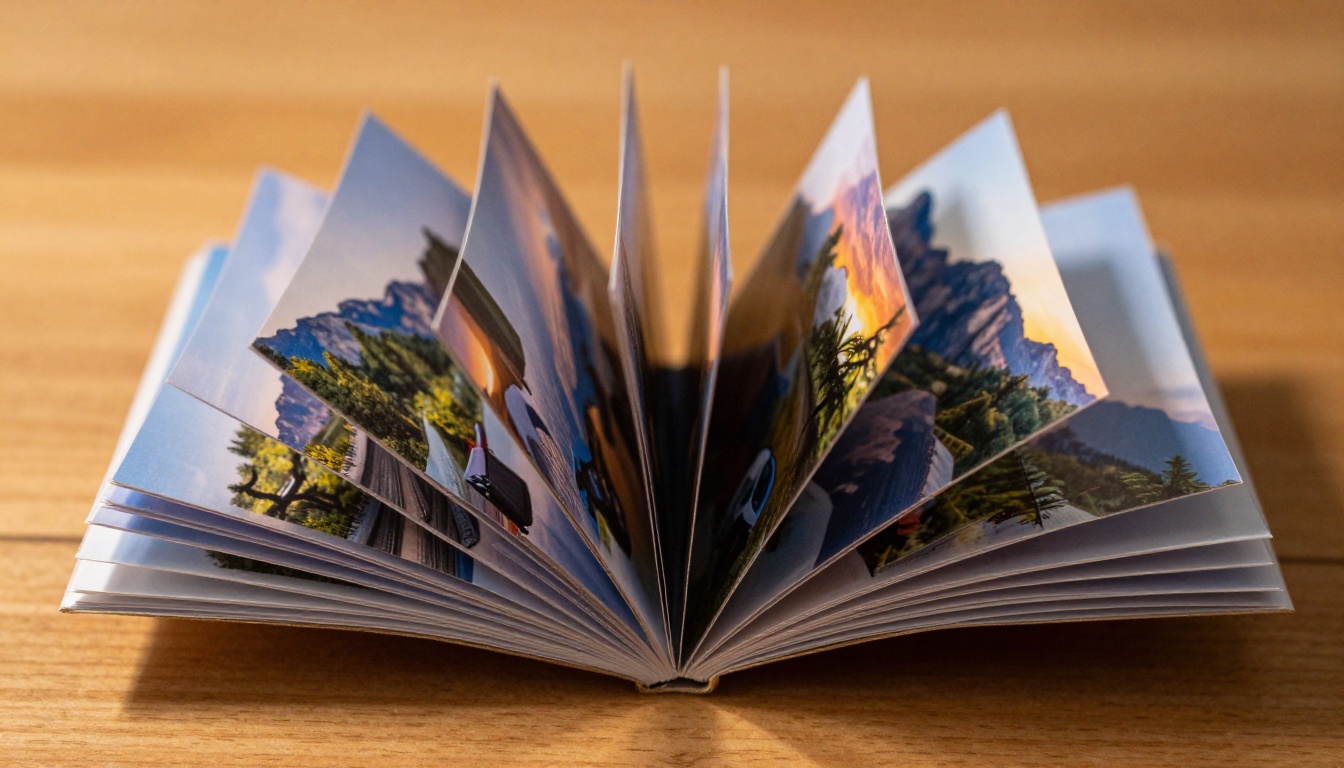
The formats that consistently outlast social media algorithms share one trait: they're easy to return to. A PDF guide, a photo book, a magazine spread. These are things people save, forward, and open again. A flipbook story sits in this category. It's interactive, it has pages, and it behaves more like a document than a video.
When you turn your travel vlog into a flipbook story, you're not creating a lesser version of your content. You're creating a companion piece that functions differently and reaches a completely different kind of audience.
What Makes a Flipbook Story Different
A digital flipbook isn't just a PDF with a page-curl effect. It's a structured, sequential reading experience that puts the viewer in control of the pace.
Sequential Storytelling vs. Passive Watching
With a vlog, viewers watch at the speed you set. With a flipbook story, they move through it at their own rhythm. They pause on the photo that moved them. They go back to the caption they didn't finish reading. They share page 7 with a friend who's planning the same trip.
This is a fundamentally different kind of engagement, and it's additive to your existing vlog content, not competitive with it.
The Page-Turn Psychology
There's a reason print media has survived digitization: the act of turning a page signals progression. It creates commitment. A reader who turns 10 pages has made 10 micro-decisions to keep going. That kind of intentional engagement is something no autoplay video can replicate.
A flipbook story about your road trip through Portugal or your solo trek in Nepal carries that same energy in a digital format. It feels curated. It feels worth sharing.
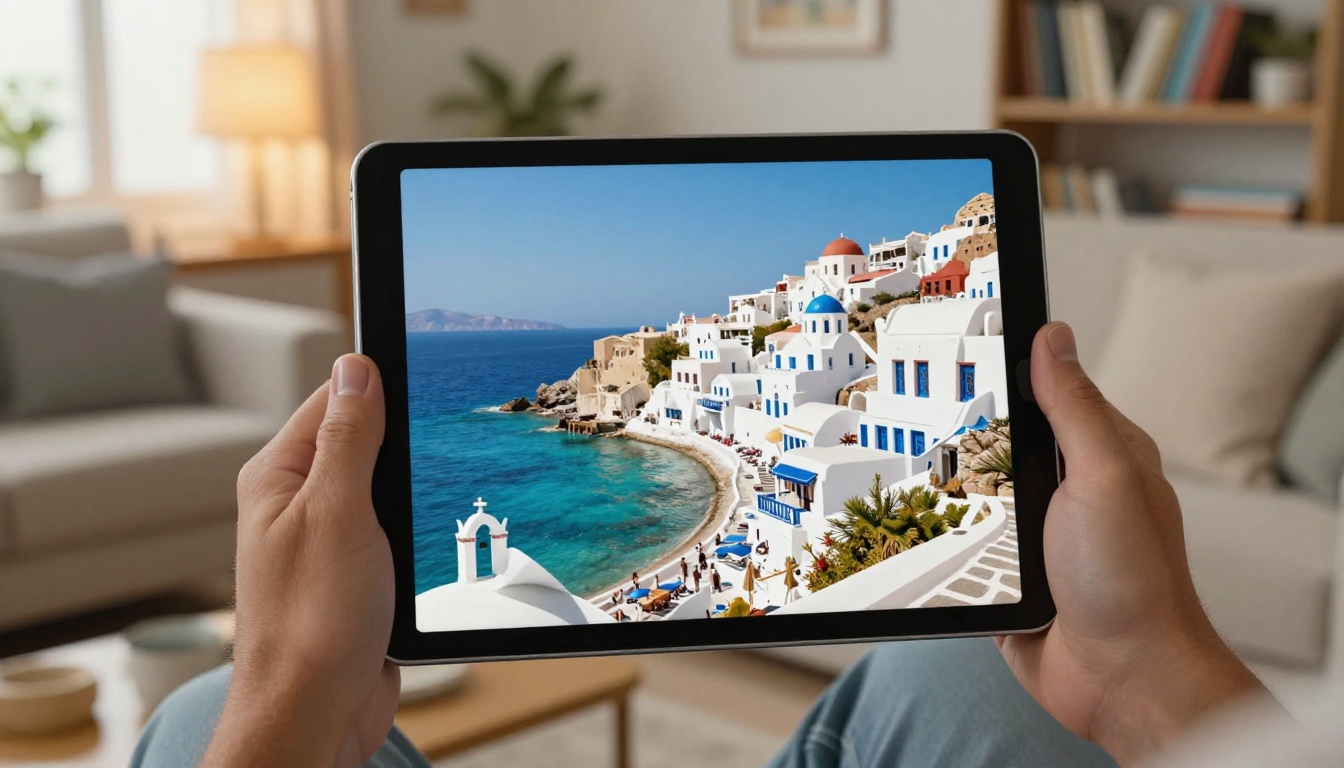
The hardest part of converting a travel vlog into a flipbook story is deciding what to keep. You filmed 40 hours of footage. Your vlog is 14 minutes. Your flipbook story might be 20 pages. That level of curation is brutal, and it's also what makes the final product powerful.
The 3-Frame Rule for Vlog Moments
For each key moment in your vlog, identify three things:
- The establishing shot: wide, environmental, shows where you are
- The detail shot: something small and specific (food, a sign, a face, a texture)
- The emotional shot: a reaction, a landscape that stopped you, a quiet moment
These three frames, paired with a short caption, make one strong flipbook spread. You can document an entire two-week trip in 20 to 25 spreads this way.
💡 Don't try to include everything. The moments you cut are what give the moments you keep their weight.
Scenes That Translate Well to Still Format
Not every video moment works as a still image. Here's a quick reference for what to prioritize:
| Vlog Scene Type | Flipbook Value | Notes |
|---|
| Wide landscape establishing shot | Very high | Natural stopping point, visually rich |
| Fast-moving action sequence | Low | Loses impact without motion |
| Candid local interaction | Very high | Tells a story in one frame |
| Talking-to-camera monologue | Low | Better left in video format |
| Food and market close-ups | High | Detail-rich, easy to caption |
| Sunset or golden hour moments | Very high | Emotional anchor for a section |
| Transition clips (driving, walking) | Low | Skip these entirely |
| Cultural ceremony or event | High | Use a sequence of 2-3 frames |
⚠️ Avoid using low-quality video screenshots as flipbook images. Export your best still frames from your raw footage at the highest resolution available, or use dedicated photos from the same trip.
How to Turn Your Travel Vlog into a Flipbook Story
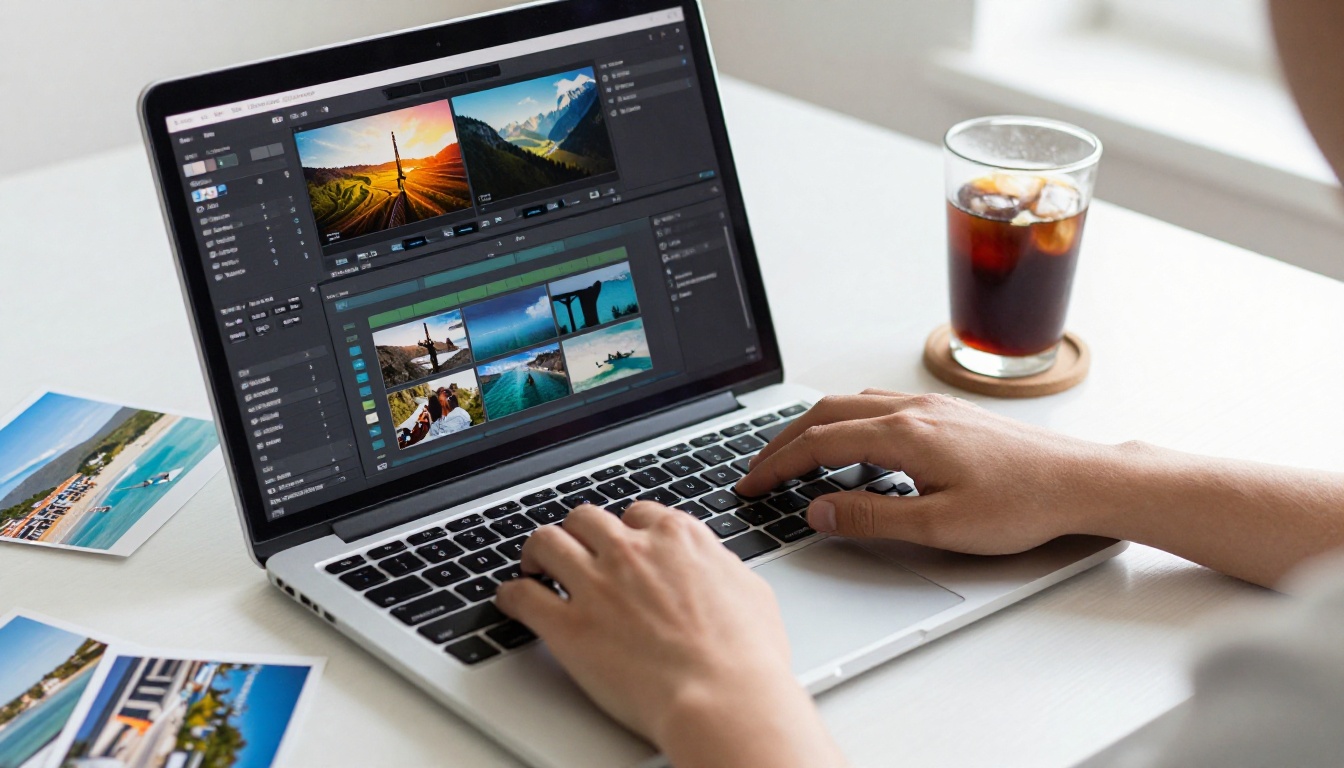
This is where the actual process begins. Flipbooks AI handles the technical side so you can focus entirely on the storytelling.
Step 1: Set Up Your Account
Go to flipbooksai.com/account and create your account. No credit card needed to start. The Standard plan and above give you unlimited flipbooks, which makes it practical for travel creators who publish regularly across multiple destinations.
Step 2: Prepare Your Content as a PDF
Before uploading, build your story layout in a PDF. Here's the most practical approach:
- Use Canva, Adobe InDesign, or Google Slides (exported as PDF)
- Create a 16:9 or A4 layout depending on your preferred viewing format
- Add your curated images with short captions (2-4 sentences per spread)
- Include a title page with your trip name, dates, and a strong hero image
- Add a back page with your social handles or blog link
✅ Keep text minimal on image-heavy pages. Let the photos carry the storytelling. Use text for context, not narration.
Step 3: Upload and Convert
On the Flipbooks AI dashboard, click "Create New Flipbook" and upload your PDF. The PDF to Flipbook Converter handles all file sizes and page counts automatically, converting your layout into a fully interactive flipbook with realistic page-turn animation in seconds.
Step 4: Customize Your Travel Story
This is where your flipbook becomes yours:
- Custom cover: Upload a hero image from your trip as the flipbook cover
- Brand colors: Match your blog or personal brand palette
- Background: Choose a background that complements your visual style (dark backgrounds make photos pop)
- Table of contents: Add one for longer trip reports covering multiple destinations
- Audio: Embed ambient sound or your travel playlist for a fully immersive experience
- Video embeds: Insert short clips directly into pages where motion adds essential context
Step 5: Share Everywhere
Once published, you have multiple sharing options that no static blog post or social video can match:
- Direct link: Share across social media, newsletters, and your vlog description
- Embed code: Use the Embed Flipbook on Website tool to place it directly inside your blog posts
- Password protection: Lock premium travel guides behind a password for Patreon supporters or newsletter subscribers
- Offline downloads: Offer a downloadable version for readers in low-connectivity areas
💡 Include your flipbook link in the first line of your YouTube video description. Viewers who want to go deeper on the destination will click through consistently.

Travel Flipbook Story Formats That Work
Not all flipbook stories are built the same. The format you choose affects how people read it, where they share it, and what they do next.
| Format | Best For | Typical Length | Monetization Potential |
|---|
| Trip Report | Post-trip recap for followers | 15-25 pages | Lead magnet, Patreon exclusive |
| Destination Guide | Practical travel info for a city or region | 20-35 pages | Affiliate links, sponsored content |
| Photo Essay | Artistic, narrative-first storytelling | 12-20 pages | Portfolio piece, brand pitches |
| Itinerary Flipbook | Day-by-day trip planning content | 25-40 pages | Partnerships, paid downloads |
| Travel Series | Ongoing flipbooks per destination in a larger trip | 10-15 pages each | Subscription content, loyalty building |
The Travel Guide Flipbook tool is specifically built for destination-focused content, with layouts designed to showcase places and experiences rather than just events.
Real-World Use Cases for Travel Creators
The same flipbook story serves completely different purposes depending on who you are and how you monetize your travel content.
Solo Travel Bloggers
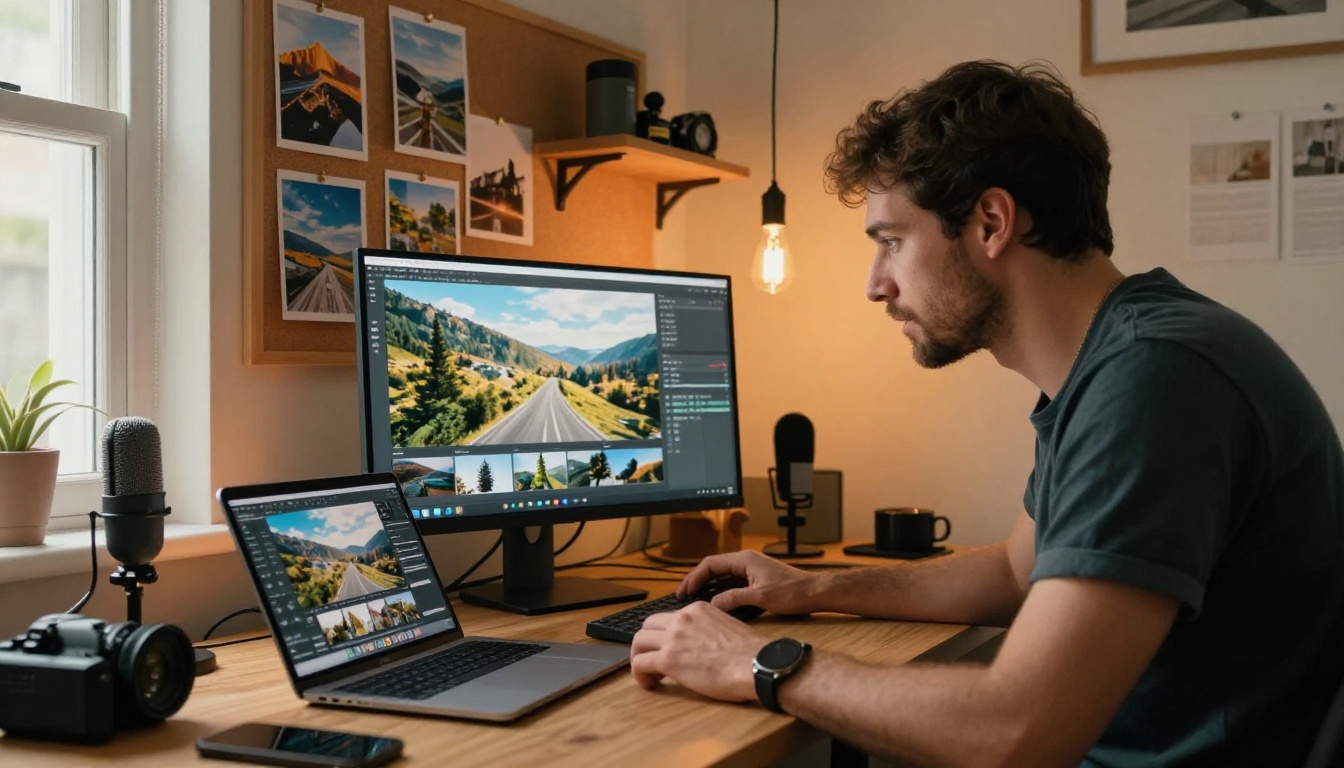
If you run a travel blog, a flipbook story is the richest piece of content you can attach to a destination post. Instead of embedding a YouTube video that autoplays over your article, you embed an interactive flipbook that readers browse at their own pace. It keeps people on your page longer and gives them something concrete to save and return to.
Travel Vloggers Building an Email List
Your vlog reaches people who already found you. A flipbook story reaches people who found the destination. When someone searches for things to do in a specific city, a well-designed flipbook guide is more likely to surface in image results and Pinterest repins than a 15-minute YouTube video.
Offer the flipbook as a free download in exchange for an email address. The Professional plan includes lead generation forms built directly into flipbooks, making this workflow completely seamless.
Travel Brands and Sponsored Partnerships
If you work with tourism boards, hotels, or outdoor gear brands, a flipbook story is a far more impressive deliverable than a sponsored Instagram post. It's lasting, it's branded, and it's something the partner can embed on their own website. The Digital Portfolio Creator helps you build a portfolio flipbook to pitch these partnerships effectively. The Press Kit Designer turns each sponsored trip into a professional, shareable media package.
✅ Always create a press kit for each sponsored trip. A flipbook is the ideal format for this deliverable.
Sharing Your Travel Flipbook for Maximum Reach
Creating the flipbook is half the job. Getting it in front of the right people is the other half.
Embed It, Link It, Protect It
The most effective distribution uses all three options together:
- Embed your flipbook in the destination post on your blog for SEO value and extended time-on-page
- Link to it from your vlog description, Instagram bio, and email newsletter
- Protect premium versions with a password for paying supporters or brand partners who need exclusivity
Analytics Tell the Real Story
With the Professional plan, you see exactly how far people read into your flipbook, which pages they linger on, and how many leads your embedded form captures. This data reshapes how you pitch brand partnerships.
"Our Bali guide had an average read depth of 18 pages and captured 340 leads" is a fundamentally different pitch than "our vlog got 3,000 views."
Plans, Features, and What Travel Creators Actually Need
Here's how the Flipbooks AI plans break down for travel content creators specifically:
| Feature | Free | Standard | Professional |
|---|
| Flipbooks per month | 3 | Unlimited | Unlimited |
| Watermark-free | No | Yes | Yes |
| Custom branding | No | Yes | Yes |
| Password protection | No | Yes | Yes |
| Video and audio embeds | No | Yes | Yes |
| Analytics and tracking | No | No | Yes |
| Lead generation forms | No | No | Yes |
| Offline downloads | No | No | Yes |
| Priority support | No | No | Yes |
For most travel bloggers starting out, the Standard plan covers everything needed to publish polished, branded flipbook stories without any limits. The Professional plan becomes worth it the moment you start using your content to capture leads, run analytics, or pitch brands with real engagement data.
What Separates Good Travel Flipbooks from Great Ones
After seeing hundreds of travel flipbook stories, the best ones consistently do these things:
- A strong title page with a hero image that immediately communicates the destination's mood
- A clear narrative arc: arrival, immersion, discovery, departure or some variation that gives readers a sense of journey
- Captions that add context, not just descriptions. "The riad we stayed at had been in the same family for 200 years" beats "Our hotel in Marrakech"
- Consistent visual editing: the same color grading and filter intensity across every photo
- A single CTA on the final page: follow me, sign up for the newsletter, visit my blog
💡 Use the same Lightroom preset across every image before building your PDF. Visual consistency is what makes a flipbook look professionally produced rather than assembled.
Your Travel Stories Are Worth More Than a View Count
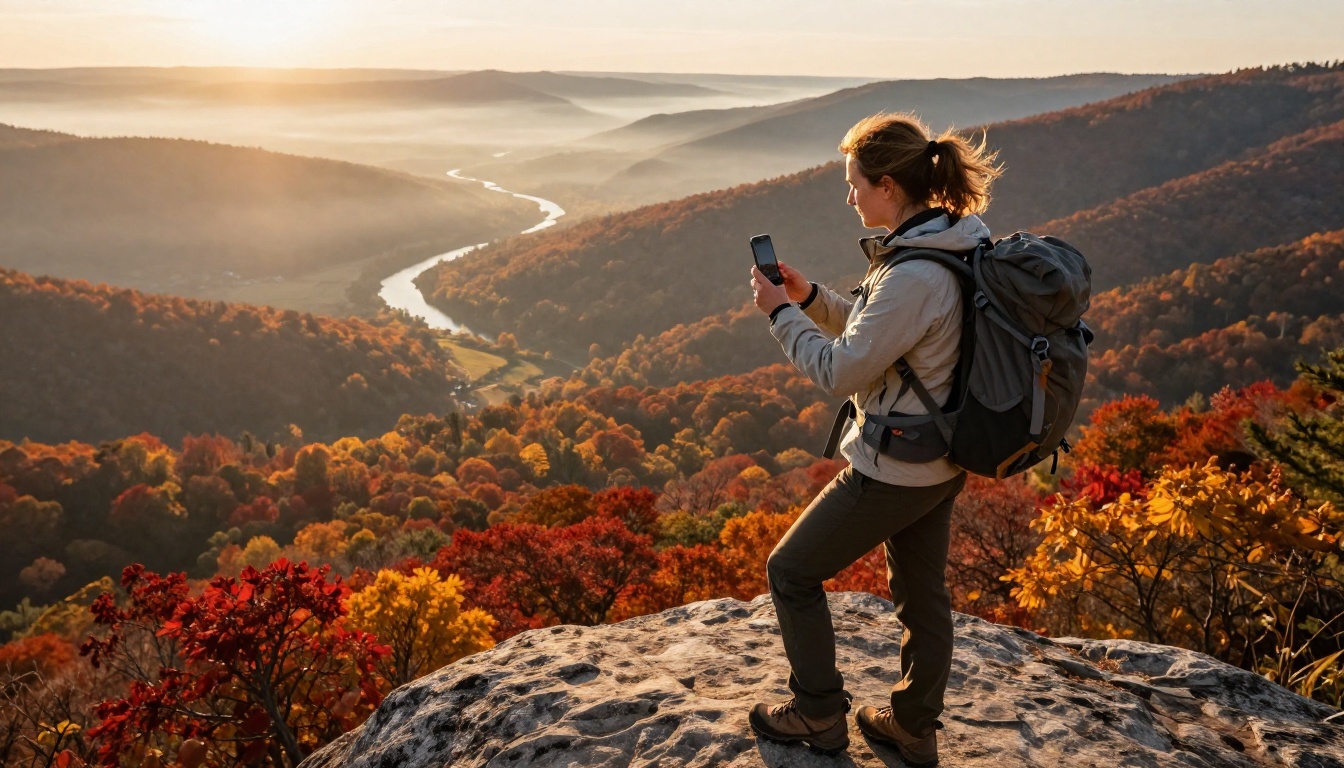
Travel is one of the richest categories of human experience, and it deserves a format that honors that richness. A flipbook story lets you slow the content down, give it structure, and put your audience in the driver's seat of the narrative.
You've already done the hard part. You traveled, you filmed, you edited. Now take those same raw materials and build something people can return to, something they'll actually send to a friend planning a trip, something that works for you long after the algorithm has moved on.
Ready to publish your first travel flipbook story? Get started for free on Flipbooks AI, no credit card required. Browse the Travel Guide Flipbook tool or explore the full tools directory to find the right format for your next trip. When you're ready to scale, compare pricing plans and choose the tier that matches where your content is headed.



