Some flipbooks rack up thousands of views within days. Others sit quietly collecting digital dust, opened by three people and never shared once. The difference isn't luck. It isn't budget. It's a set of specific, repeatable factors that most creators never think about until it's too late. If you've published a flipbook through Flipbooks AI or anywhere else and wondered why it didn't spread, this is where you find out why.
Why Most Flipbooks Die in Silence
The internet has no shortage of content. Every day, thousands of PDFs get converted into digital flipbooks. Most of them reach their intended audience once, maybe twice, and then disappear. The creators blame the platform. They blame their audience. Rarely do they look at the content itself.

Virality isn't random. It's predictable once you understand what makes people want to share something. And sharing is ultimately a social act. People share content that makes them look good, feel something, or provide value to someone they care about. A flipbook that does none of these things has almost no chance of traveling beyond its first recipient.
The factors that determine whether a flipbook spreads or stalls fall into four broad categories: design quality, content depth, emotional resonance, and distribution strategy. Get all four right and you have a real shot at building something that spreads on its own.
First Impressions Are Everything
Before anyone reads a single word of your flipbook, they make a judgment. That judgment happens in under three seconds and is based almost entirely on visual quality. A poorly designed cover, low-resolution images, or an inconsistent color palette signals low effort. Low effort signals low value. Low value doesn't get shared.
Your Cover Is Your Only Pitch
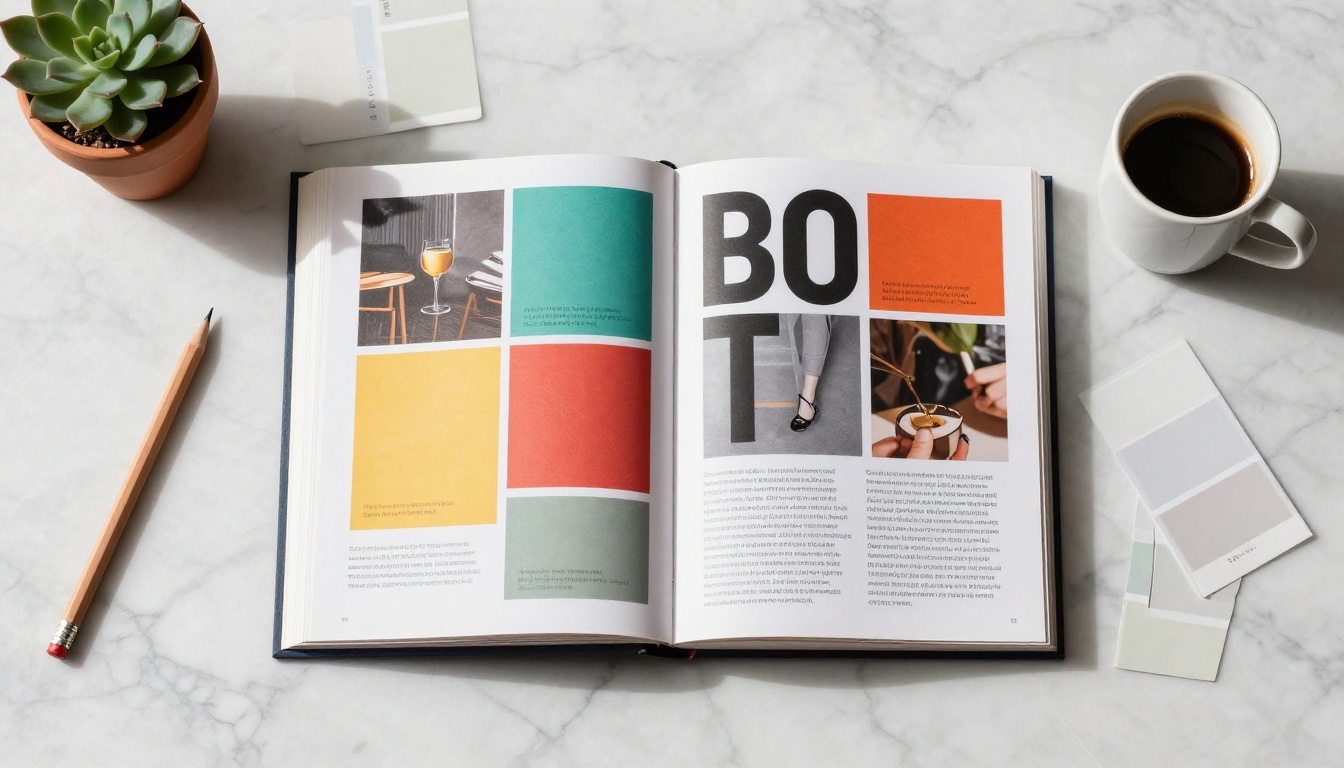
Think of your flipbook cover as a book jacket in a physical bookstore. It needs to communicate the value inside, create curiosity, and feel worth picking up. A generic title over a stock photo communicates nothing. A bold visual with a specific, benefit-driven headline communicates everything.
💡 Test your cover thumbnail at 100px wide. If it still reads clearly and looks compelling at that size, it will perform well in email previews, social feeds, and embed thumbnails.
Typography Signals Trust
Most people can't articulate why certain content feels professional and other content doesn't. Typography is usually the answer. Inconsistent font sizes, poor contrast ratios, and too many competing typefaces erode trust at a subconscious level. Stick to two typefaces maximum. Use size and weight to create hierarchy, not chaos.
Color Palette Consistency
Viral flipbooks have a visual identity. Every spread feels like it belongs to the same world. When colors clash or shift randomly across pages, the reading experience fragments. Decide on three to five colors before you build a single page, and don't deviate. Brands that maintain a consistent visual identity see significantly higher recall and share rates than those that don't.
The Content Depth Problem
Shallow content is the single most common reason flipbooks fail to spread. A flipbook that covers a topic at the same depth as a tweet offers no reason to share. People share content that made them feel smarter, better informed, or genuinely moved.

What Depth Actually Means
Depth doesn't mean length. A 5-page flipbook can be deeply valuable if every page delivers something the reader couldn't find in 30 seconds of searching. Depth means:
- Original data or research the reader can't get elsewhere
- Specific, actionable steps rather than vague advice
- Real examples with named results rather than hypothetical scenarios
- Honest analysis including what doesn't work, not just what does
✅ Before publishing, ask yourself: "Would I forward this to someone I respect?" If the answer is hesitant, the content needs more work.
The Specificity Rule
Broad topics generate broad indifference. "Marketing Tips for 2024" loses to "3 Subject Line Changes That Doubled Our Open Rate." Specific titles promise specific value. Specific value gets shared. The more precisely you name who the flipbook is for and what they'll get from it, the more likely that specific audience will spread it among themselves.
A restaurant that publishes a seasonal menu flipbook titled "Spring Tasting Menu: 12 New Dishes Available Through June" will outperform one titled "Our New Menu" on every metric, from open rate to shares to return visits.
Interactivity Separates Good from Shareable
Static PDFs were fine ten years ago. Today, a flipbook that behaves exactly like a PDF but with a page-turn animation offers no experiential advantage over sending the original file. Interactivity is what makes a digital flipbook feel genuinely different and worth passing along.

Features That Actually Drive Shares
The features that generate sharing behavior are those that create surprise or delight. When a reader encounters something they weren't expecting inside a document format, they want to show someone else.
| Feature | Engagement Impact | Share-Worthiness |
|---|
| Embedded video | Very High | High |
| Clickable links and CTAs | Medium | Medium |
| Audio narration | High | High |
| Animated page transitions | Medium | Medium |
| Password protection | Creates exclusivity | High (curiosity) |
| Embedded forms or lead capture | High (conversion) | Medium |
| Mobile-responsive layout | High (accessibility) | Essential |
| Offline download option | Medium | Medium |
⚠️ Adding interactivity for its own sake backfires. A video embedded on every page of a product catalog creates noise, not value. Use interactive elements where they genuinely serve the reader's experience.
The Mobile Test
More than 60% of email opens now happen on mobile. If your flipbook doesn't render beautifully on a smartphone screen, you've lost the majority of your potential audience before they've read a single page. Flipbooks AI builds mobile-responsive flipbooks automatically, so every page scales perfectly regardless of device. There are no watermarks, ever, which means your content looks polished and professional on every screen.
Emotional Hooks and Storytelling
The most technically perfect flipbook in the world won't go viral if it doesn't make the reader feel something. Emotion is the real engine of sharing. People share things that made them laugh, feel inspired, feel surprised, or feel part of something larger than themselves.

The Six Emotional Drivers of Sharing
Research into online sharing behavior consistently identifies six core emotional triggers:
- Awe: Content that feels surprisingly large, beautiful, or significant
- Amusement: Content that's genuinely funny, not just attempted humor
- Nostalgia: Content that evokes a shared past experience
- Aspiration: Content that shows a version of life or success the reader wants
- Outrage: Content that surfaces an injustice or an overlooked problem
- Belonging: Content that signals membership in a specific group or identity
A flipbook that taps into even one of these with authenticity will outperform a technically polished but emotionally flat document every time. A non-profit that publishes an annual report as a visually rich flipbook with personal stories from beneficiaries creates awe and belonging simultaneously. That's why those reports travel farther than a standard PDF ever could.
Narrative Structure Matters
Most business flipbooks have no story arc. They present information in the order it was compiled rather than the order it will be felt. Strong narrative structure follows a simple pattern:
- Open with the problem the reader already knows they have
- Agitate it by showing the consequences of leaving it unsolved
- Present the insight or solution that reframes their thinking
- Close with transformation showing what's now possible
This structure creates tension and release. Tension is what keeps people reading. Release is what makes them feel something worth sharing.
Distribution Timing and Channel Fit
A great flipbook released at the wrong time to the wrong audience will underperform every time. Distribution is where most creators make avoidable mistakes, treating it as an afterthought rather than part of the creative strategy.

Matching Content to Channel
Not every platform is the right home for every flipbook. The channel shapes the expectation, and the expectation shapes how content is received.
| Platform | Best Flipbook Type | Optimal Format |
|---|
| Email newsletter | Product catalog, lookbook, report | Embedded thumbnail with link |
| LinkedIn | Annual report, case study, whitepaper | Native document post |
| Instagram | Lookbook, portfolio, recipe book | Story or Reel teaser |
| Website embed | Any type | Full iframe embed |
| WhatsApp or SMS | Short guides, menus, event programs | Direct link with preview image |
| Sales outreach | Proposal, brochure, pricing guide | Password-protected private link |
Timing Windows That Work
- Tuesday to Thursday mornings drive the highest email open rates for B2B content
- Friday afternoons and weekends work better for lifestyle, entertainment, and consumer content
- Pairing with news cycles amplifies reach when your topic intersects with trending conversations
- Seasonal timing: A travel guide flipbook released two weeks before summer booking peaks will outperform the same content released in January
💡 Use the analytics features available on the Flipbooks AI Professional plan to see exactly when your readers are most active, and schedule re-shares around those windows to maximize reach without creating new content.
How to Build a Flipbook That Spreads
This is where theory meets action. The steps below apply whether you're building a product catalog, a corporate report, a digital magazine, or a personal portfolio.
Step 1: Start with a Clear Audience Promise
Before opening any design tool, write one sentence that completes this prompt: "This flipbook is for [specific person] who wants to [specific outcome]." If you can't complete that sentence clearly, your flipbook isn't ready to be built yet.
Step 2: Choose the Right Tool for Your Use Case
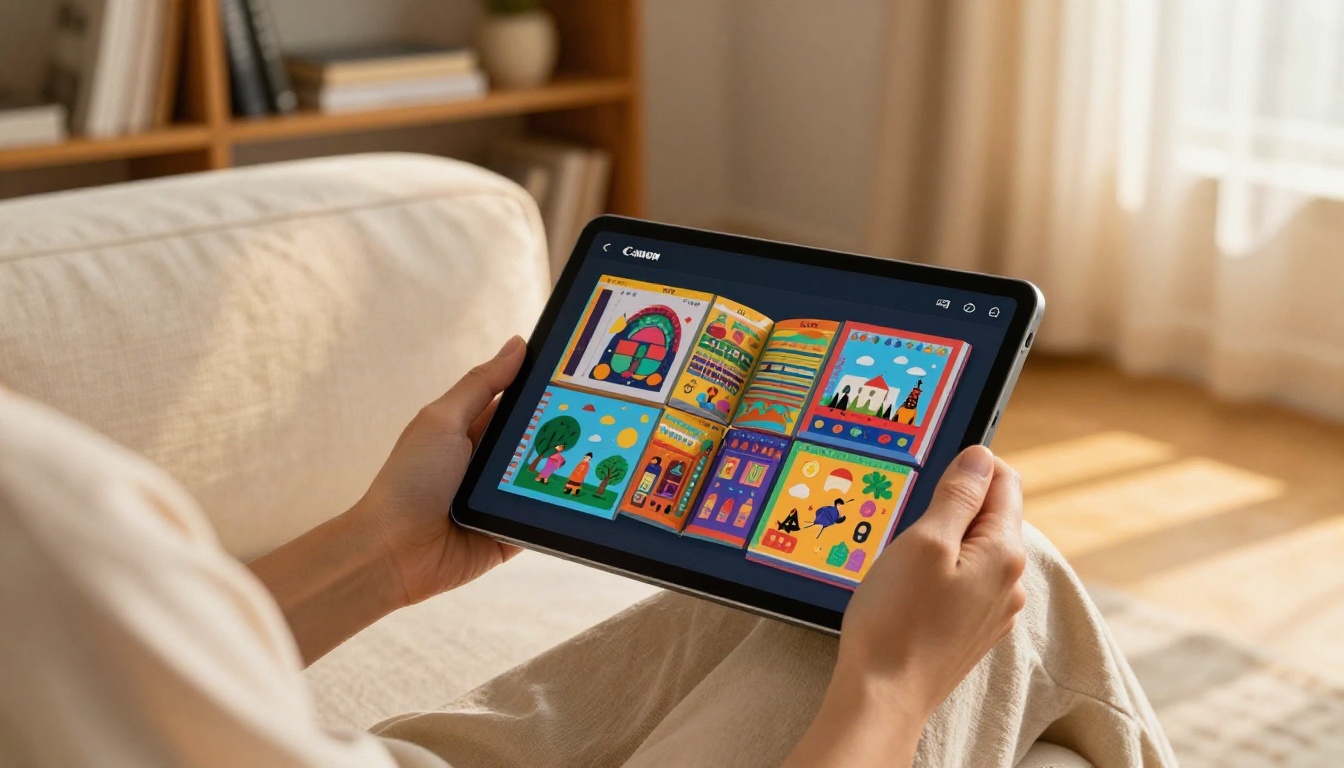
Flipbooks AI offers purpose-built tools for specific content types. Matching the tool to your content type removes friction and improves the final output quality:
Step 3: Upload and Convert Your PDF
Once your content is ready as a PDF, create your account on Flipbooks AI and upload it using the PDF to Flipbook Converter. The conversion takes seconds and preserves all your typography, images, and layout with precision.
Step 4: Apply Custom Branding
This is the step most people skip ahead and pay for later. Branding your flipbook means:
- Uploading your logo to appear consistently across pages
- Setting your brand colors as the default palette
- Customizing the page flip animation style
- Adding a branded favicon and browser tab title
Custom branding builds instant recognition. When someone shares your flipbook, the brand travels with it.
Step 5: Add Interactivity
Embed at least one interactive element per major section:
- Videos: Product demos, testimonials, or behind-the-scenes content
- Clickable CTAs: Buttons linking to purchase pages, sign-up forms, or contact pages
- Audio: Voiceover narration for accessibility and depth
Flipbooks AI supports all of these without requiring any technical knowledge. Standard plans and above include unlimited flipbooks with no watermarks.
Step 6: Configure Sharing Options
Before publishing, decide on your sharing strategy:
- Public link: Maximum reach, indexed by search engines
- Password-protected: Builds exclusivity, great for private clients or early access
- Embedded on website: Keeps readers on your domain and improves time-on-page metrics
- Direct link with preview image: Best for social media and email distribution
The embed flipbook on website feature generates clean iframe code that works on any platform or CMS.
Step 7: Track, Learn, Iterate
Publishing is the beginning, not the end. The Professional plan on Flipbooks AI includes built-in analytics that show you:
- Which pages readers spend the most time on
- Where drop-off happens
- How many unique views versus return visits you're getting
- Lead capture data from embedded forms
This data tells you exactly what worked and what to fix in the next version. Most widely shared flipbooks aren't first attempts. They're the result of iteration informed by real reader behavior and honest data.
What Kills Virality Fast
Knowing what not to do is equally valuable as knowing what to do. These are the most common mistakes that kill a flipbook's potential before it ever has a chance to spread:
| Mistake | Why It Hurts | Fix |
|---|
| No clear title or specific topic | Readers can't decide if it's worth their time | Write a benefit-driven, specific title |
| Mobile-unfriendly layout | Majority of viewers can't read it comfortably | Use a mobile-responsive platform |
| No sharing incentive built in | Readers have no reason to forward it | Add value worth passing along |
| Generic stock photography | Signals low effort and low authenticity | Use original visuals or quality photography |
| Buried call to action | Conversion opportunity completely missed | Place CTAs at every major section break |
| No analytics setup | Can't learn what worked or what failed | Enable tracking before the first publish |
| Single distribution channel | Severely limits potential reach | Distribute across at least three channels |
⚠️ The biggest mistake brands make is optimizing for aesthetics alone. A beautiful flipbook with no emotional hook and no sharing mechanism is just an expensive PDF.
The Real Difference Is Intentionality

The flipbooks that go viral aren't usually the ones with the biggest budgets or the most sophisticated design tools. They're the ones where someone sat down and asked: "Why would a real person share this with someone they care about?"
That question shapes every decision that follows. It shapes the topic selection, the visual quality, the depth of content, the emotional tone, the platform choice, and the timing of release. When the answer is clear and the execution serves it, virality isn't a mystery. It's a result.
Real estate agents who publish beautifully designed neighborhood guides as shareable flipbooks see those guides circulate through buyer networks organically. Fashion brands that release seasonal lookbooks with embedded videos watch those documents get forwarded between friends planning shopping trips. Non-profits that turn their annual impact reports into emotionally resonant, visually rich flipbooks receive unsolicited shares from donors who want to advocate on their behalf.
None of that happens by accident. It happens because someone made intentional decisions at every step of the process.
Build flipbooks with that question at the center and you'll stop wondering why some spread and others don't. You'll start building ones that consistently do.
Ready to create your next flipbook with the tools built to spread? Get started for free on Flipbooks AI and see what your content looks like when it's designed to be shared. Browse all flipbook tools and templates to find the right format for your content type. Or compare pricing plans to access analytics, lead generation, offline downloads, and advanced sharing features that turn good flipbooks into ones that travel.



