Real estate agents who still send static PDF listings are leaving money on the table. Buyers scroll fast, attention spans are short, and a flat, unclickable document does nothing to hold interest in a market where first impressions happen on a screen. That is why more agents are switching to interactive flipbook listings — page-turning digital presentations that look like magazines, load instantly on any device, and get shared across every channel imaginable. Flipbooks AI has become one of the go-to platforms for creating these, and once agents have a polished flipbook ready, the question becomes: where exactly do they share it?
The answer covers more ground than most people expect. From Instagram stories to MLS supplement links, from open house QR codes to drip email sequences, the distribution strategy for a flipbook listing is as important as the listing itself. This article breaks down every major channel real estate agents are using right now to get their flipbook listings in front of buyers, sellers, and referral partners.
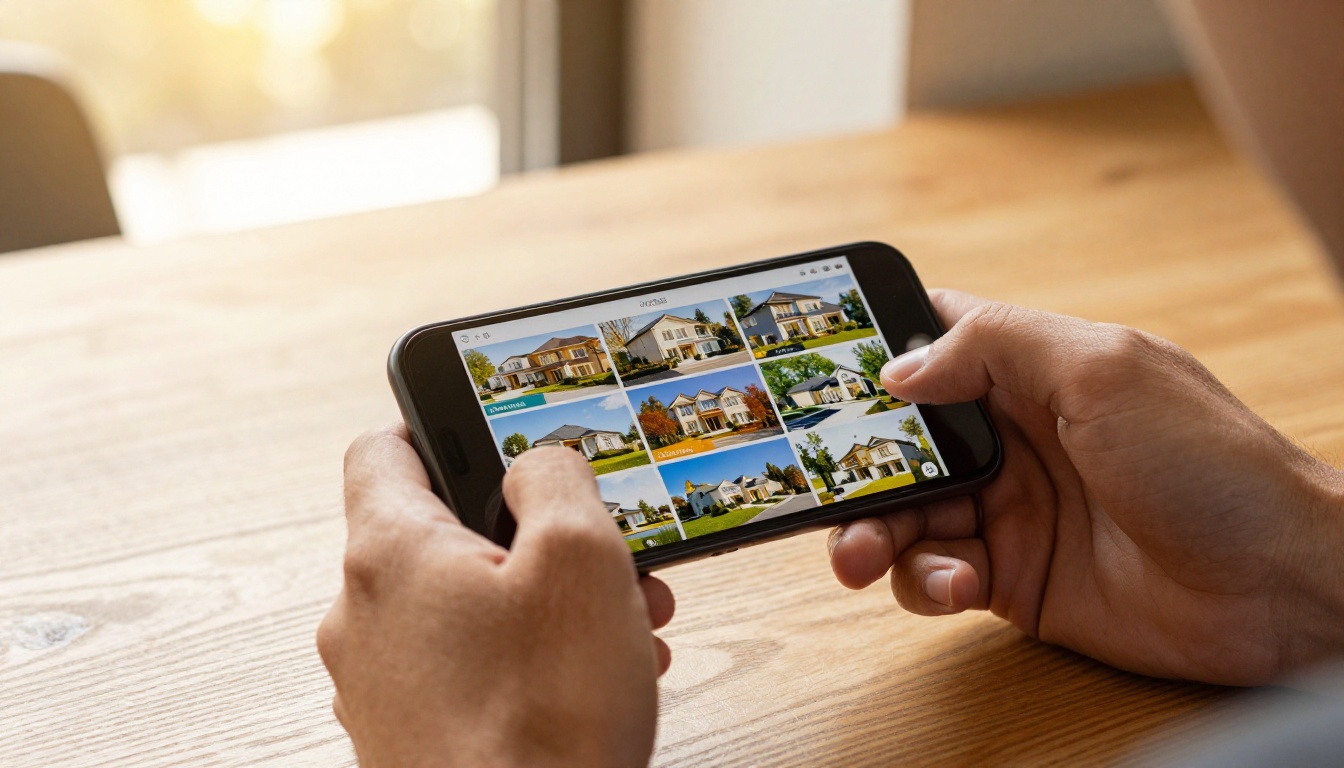
Why Flipbooks Changed Property Marketing
The traditional real estate listing is a static experience. A PDF with photos, specs, and a phone number. It does not animate, it does not track who viewed it, and it certainly does not follow the reader from device to device. Interactive flipbooks flip that model completely.
The Format Buyers Actually Click
A flipbook listing behaves more like a digital magazine than a document. Pages turn with animation, images are full-bleed and high-resolution, and the whole thing is hosted as a URL — no downloads, no attachments, no friction. That URL is what agents share, embed, and track. It works on mobile, tablet, and desktop without any formatting issues.
What Agents Are Replacing
Most agents who adopt flipbooks are replacing one or more of these:
- Static PDF brochures sent as email attachments
- Printed property sheets left at open houses
- Basic image carousels on social media
- Flat property pages on personal websites
The flipbook does not just replace these formats — it performs better in every measurable metric, from time-on-page to share rates.
| Traditional Format | Limitation | Flipbook Advantage |
|---|
| PDF attachment | Often blocked by spam filters | Shared as a clean URL link |
| Printed brochure | No tracking, no updates | Analytics and live editing |
| Image carousel | No narrative flow | Sequential story-driven pages |
| Static web page | Hard to update | Instant real-time edits |

Social media is the first place most agents take their flipbook listings, and for good reason. It is where buyers are already spending time, and a well-placed link to a flipbook listing stands out in feeds dominated by generic photo posts.
Facebook: Groups and Marketplace
Facebook remains one of the strongest channels for real estate leads, especially in local community groups. Agents post their flipbook link directly in:
- Local homebuyer groups where members are actively searching
- Facebook Marketplace with the flipbook URL embedded in the listing description
- Real estate investment groups for multi-family or rental properties
- Personal and business pages as organic posts and paid promotions
The shareable link format works perfectly here because Facebook renders the page preview automatically from the URL's metadata, showing a visual thumbnail before anyone even clicks.
💡 Pro tip: When posting in Facebook groups, paste the flipbook link in the first comment rather than the post body. This prevents Facebook's algorithm from suppressing reach on posts with outbound links.
Instagram: Stories, Reels, and Bio Link
Instagram requires a slightly different approach because clickable links only work in bios and Stories (for accounts with the link sticker). Agents use three main strategies:
- Post property photos from the flipbook as a carousel, then direct followers to the link in bio
- Share the flipbook link via Instagram Stories with a link sticker for direct access
- Include the link in direct messages when responding to property inquiries
The visual richness of flipbook listings matches Instagram's aesthetic expectations better than any PDF could.
LinkedIn: Professional Reach and Referrals
LinkedIn is underutilized by many agents, but it is a strong channel for reaching buyers relocating for work, investors, and referral partners like mortgage brokers and corporate relocation managers. Posting a flipbook link on LinkedIn with a short description of the property reaches a professional audience that often has high purchasing power.
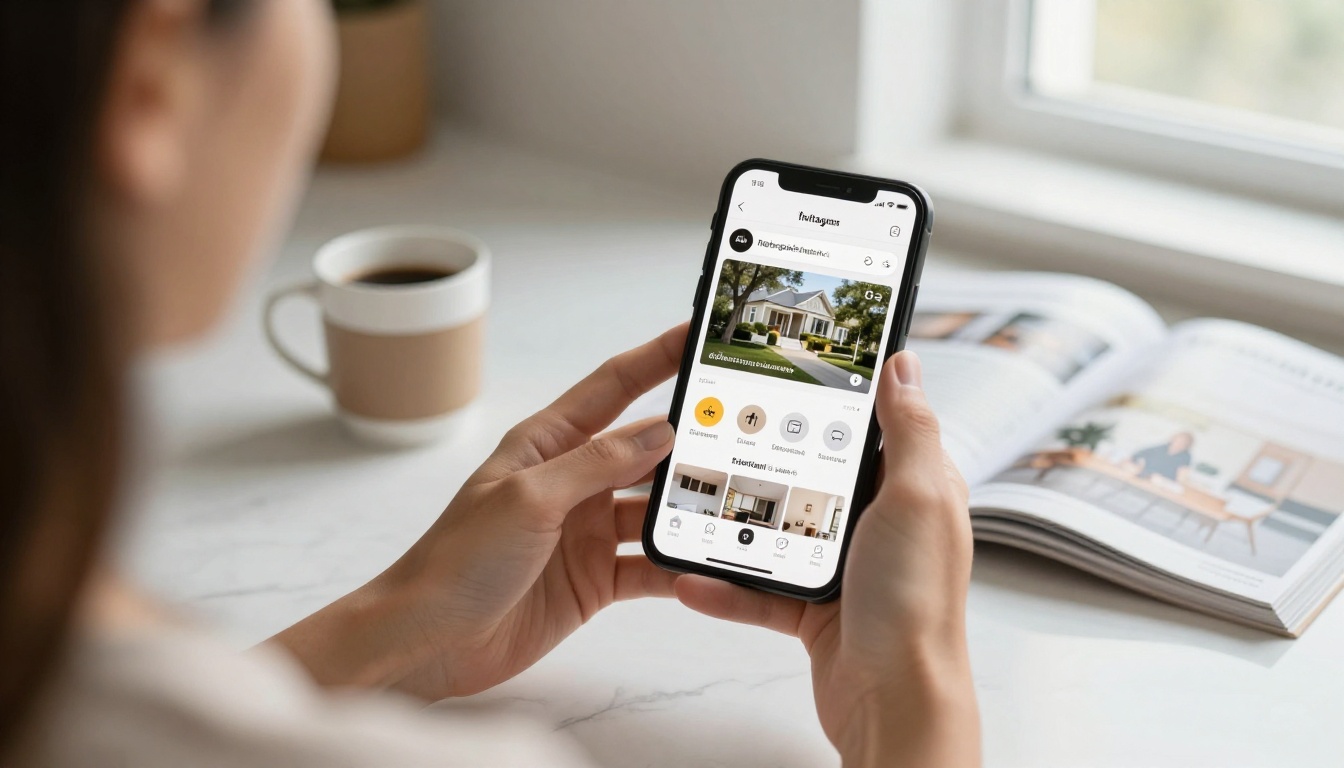
Email Marketing: The Highest-Converting Channel
Despite the noise around social media, email remains the channel with the highest conversion rate in real estate marketing. A flipbook link inside an email outperforms a PDF attachment in virtually every measurable way.
Direct Outreach to Buyer Lists
Agents maintain lists of active buyers and send targeted emails when a new listing matches buyer criteria. Instead of attaching a bulky PDF, they paste the flipbook URL directly into the email body. The result is:
- Faster load time for the recipient
- No attachment size limits to worry about
- Full analytics showing who opened the link, how many pages they viewed, and when they returned
This kind of data is invaluable for follow-up timing. An agent who sees a buyer viewed the listing three times in two days has a very clear signal to pick up the phone.
Newsletter Campaigns and Drip Sequences
Many agents run monthly or bi-weekly newsletters to their entire database. Embedding a featured flipbook listing in each newsletter gives subscribers a reason to keep opening the emails. Drip sequences for new contacts typically include a flipbook listing as the second or third email in the sequence — after an introduction and a market update — when trust has started to build.

💡 Pro tip: Use the analytics in your flipbook platform to see exactly which listings got the most views from your email list. That data tells you what buyers actually care about, not just what you assume they want.
Personal Websites and Agent Profile Pages
A real estate agent's personal website is their 24/7 storefront. Embedding a flipbook listing directly on a property page transforms what would be a static listing into an interactive experience that keeps visitors on the page longer, reducing bounce rates and improving search performance.
Embed Codes That Work Everywhere
Flipbooks AI provides embed codes for every flipbook — a simple iframe snippet that agents paste into their website's property page. The result is a full-screen, interactive flipbook that loads within the page without redirecting the visitor. This works on:
- WordPress sites
- Squarespace and Wix pages
- Custom HTML websites
- IDX-integrated agent portals
The Embed Flipbook on Website tool makes the technical side straightforward, even for agents who are not web-savvy.
SEO Benefits of Keeping Visitors on Page
Search engines measure time-on-page as a quality signal. A visitor who spends four minutes flipping through a property presentation is sending a very different signal than someone who bounces after fifteen seconds on a static page. Over time, this improves the agent's website ranking for local property search terms.
✅ Best practice: Create one dedicated page on your website for each active listing, embed the flipbook, and include the full property address in the page title and URL for local SEO value.
Open Houses and In-Person Presentations
Flipbooks are not purely digital tools. Smart agents bring them into physical spaces through tablets and QR codes, blending the convenience of digital with the warmth of in-person connection.
Tablet Presentations at Showings
At private showings, an agent can hand a buyer a tablet running the flipbook listing. Instead of shuffling through printed pages, the buyer flips through high-resolution photos, floor plans, and neighborhood information in the same format they would encounter online. This creates a consistent, polished brand experience from the first digital touchpoint to the in-person showing.

QR Codes at the Property
Many agents print QR codes that link directly to the flipbook listing and place them at the property entrance, on yard signs, or in window displays. A buyer driving past the property can scan the code and browse the full flipbook on their phone in seconds — even outside business hours when the agent is not available.
This is one of the most effective passive lead-generation approaches available to modern agents.
⚠️ Warning: Always use a URL shortener or a permanent redirect when creating QR codes for flipbooks. If the original link changes, a hardcoded QR code becomes dead. Manage your links from a single source of truth.
While MLS systems have strict rules about what can appear in the primary listing, most allow agents to include a virtual tour URL or a remarks field where a flipbook link can be placed. Agents add their flipbook URL in the agent remarks or showing instructions field, giving cooperating buyer's agents direct access to the enhanced presentation.
Some third-party listing platforms also allow virtual tour links, which agents use to route traffic directly to their flipbook listing rather than a generic video tour.

Networking Events and Referral Channels
Real estate is still a relationship business. Agents who attend industry events, broker networking meetings, or chamber of commerce mixers now share flipbook links instead of business cards alone. Sending a follow-up email the next day with a link to a current flipbook listing keeps the conversation going and positions the agent as tech-forward without being pushy.

Referral partners — mortgage lenders, home inspectors, title companies — are also valuable distribution nodes. A lender who has a current buyer can send that buyer a flipbook link from a cooperating agent, creating a warm introduction that feels curated rather than cold.
How to Build a Real Estate Flipbook with Flipbooks AI
Creating a flipbook listing from scratch takes less time than most agents expect. The platform handles the technical conversion automatically, so agents focus on the content rather than the format.
Step 1: Prepare Your Property PDF
Start by assembling your property materials in a PDF. This should include:
- Opening page with the property address and hero image
- Interior and exterior photography
- Floor plans and lot maps
- Neighborhood highlights (schools, transit, amenities)
- Contact information and agent bio
A well-organized PDF is the foundation. The higher the resolution of the images, the more impressive the final flipbook will look.
Step 2: Upload to Flipbooks AI
Create an account on Flipbooks AI and upload your PDF directly. The platform converts it automatically into an interactive, page-turning flipbook in seconds. No design software or technical skills required.
The Real Estate Brochure Creator tool is specifically designed for property presentations and includes templates optimized for real estate branding.
Step 3: Customize the Branding
Once the flipbook is created, tailor it to match your brand:
- Colors: Apply your agency's brand palette to the flipbook interface
- Logo: Upload your agency logo for a professional look
- Background music: Optional ambient audio for luxury listings
- Page transitions: Choose the flip animation style that matches the listing's tone
- Intro page: Add a branded welcome screen before the first property page
💡 Pro tip: For luxury listings, use a slower page-flip animation and a clean, minimal color scheme. Speed and visual complexity can undermine the premium feel you are trying to create.
Step 4: Set Sharing and Privacy Options
Before sharing, decide on access settings:
- Public link: Anyone with the URL can view the flipbook
- Password protection: Restrict access to vetted buyers only
- Embed code: For website integration
Password protection is particularly useful for pre-market listings or for creating an air of exclusivity around high-end properties.
Step 5: Distribute Across All Channels
Copy the flipbook URL and distribute it through every relevant channel: social media, email, website embedding, QR codes, and direct outreach. On the Professional plan, you also get:
- Full analytics showing page views, time-on-page, and unique visitors
- Lead capture forms embedded within the flipbook
- Offline download capability for clients with limited connectivity
- No watermarks on any flipbook

Choosing the Right Plan for Your Volume
Not every agent needs the same feature set. Here is how the plans map to typical real estate use cases:
| Feature | Free | Standard | Professional |
|---|
| Flipbooks per month | Limited | Unlimited | Unlimited |
| Watermark-free | No | Yes | Yes |
| Password protection | No | Yes | Yes |
| Analytics | No | No | Yes |
| Lead capture forms | No | No | Yes |
| Offline downloads | No | No | Yes |
| Embed on website | Yes | Yes | Yes |
| Custom branding | No | Yes | Yes |
For agents managing fewer than five active listings at a time, the Standard plan covers the essentials. For top producers managing dozens of listings with lead generation built into the flipbook itself, the Professional plan pays for itself with a single additional lead per month.
Channel Comparison: Where to Focus First
| Distribution Channel | Effort Level | Lead Quality | Best For |
|---|
| Facebook Groups | Low | Medium | Local buyers |
| Email Newsletter | Medium | High | Active buyer list |
| Personal Website | Medium | High | SEO and brand |
| Instagram Stories | Low | Medium | Visual buyers |
| Open House QR Code | Low | High | Walk-in traffic |
| LinkedIn | Medium | High | Investors and relocating professionals |
| MLS Supplement Link | Low | Very High | Cooperating agents |
| Email Direct Outreach | High | Very High | Pre-qualified buyers |

One Asset, Every Channel
The single most compelling thing about a flipbook listing is that it is a single, living asset. One URL, always updated, accessible from every channel. When a price drops or photos are added, the flipbook reflects the change instantly everywhere it has been shared. No chasing down old emails to send a revised PDF. No reprinting brochures after a price adjustment.
That kind of operational efficiency compounds over time. Agents who build their workflow around flipbook listings spend less time on administrative updates and more time on relationship-building — which is where real estate deals actually get done.
The channels agents use to share their flipbook listings are as varied as the properties themselves. From social feeds to networking breakfasts, from email drips to QR codes on yard signs, the flipbook travels everywhere the agent goes and keeps working long after the conversation ends.
Ready to create your first interactive listing? Get started for free on Flipbooks AI and have your first flipbook ready to share in minutes. Compare pricing plans to find the right fit for your volume, or browse all available flipbook tools built for real estate professionals and beyond.



