The printed concert program has been a ritual for decades. You walk in, grab a folded leaflet from an usher, find your seat, and flip through artist bios while the hall fills up. It feels like part of the experience. But behind the scenes, venues are looking at those programs differently now, and what they're seeing is a lot of waste, a lot of cost, and a format that can't keep up with what audiences actually want. Digital concert programs are not a novelty anymore. They're becoming the standard, and the reasons are piling up fast.
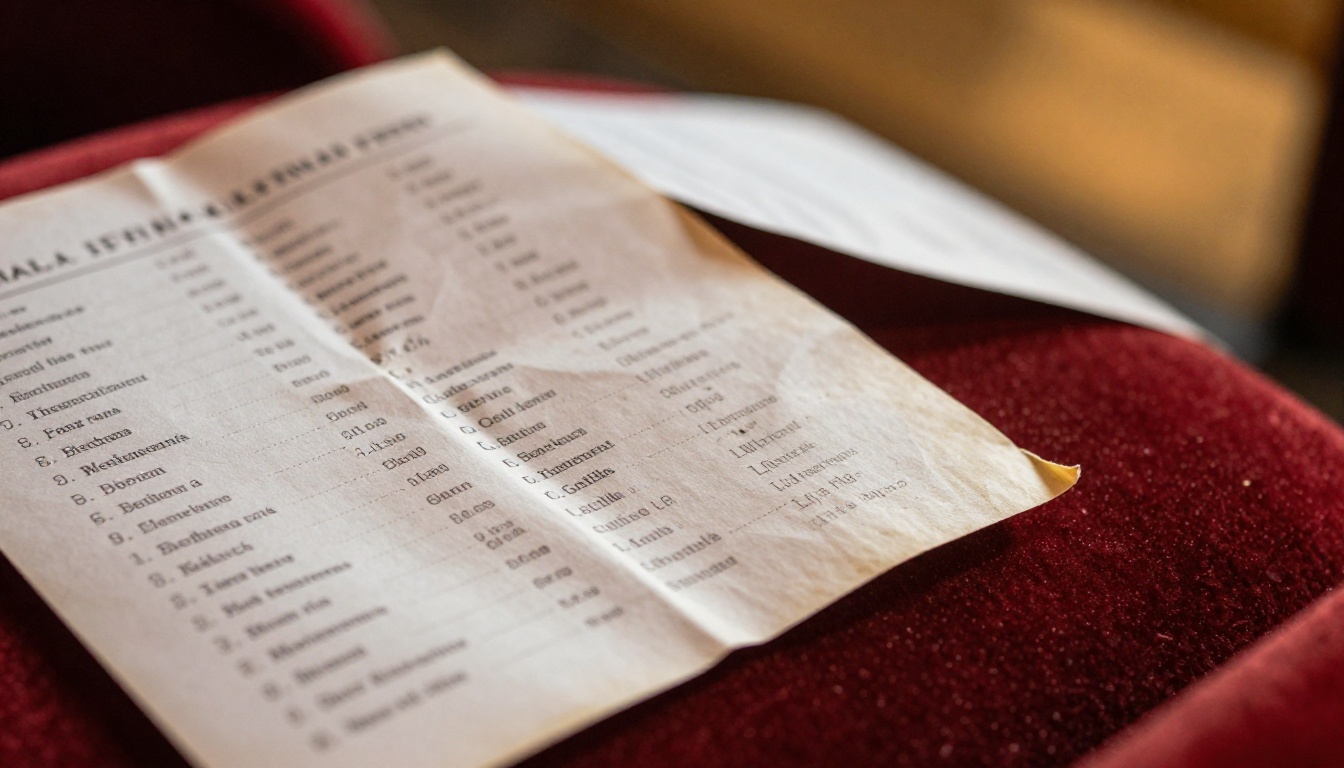
The Real Cost of Paper Programs
Printing budgets that drain fast
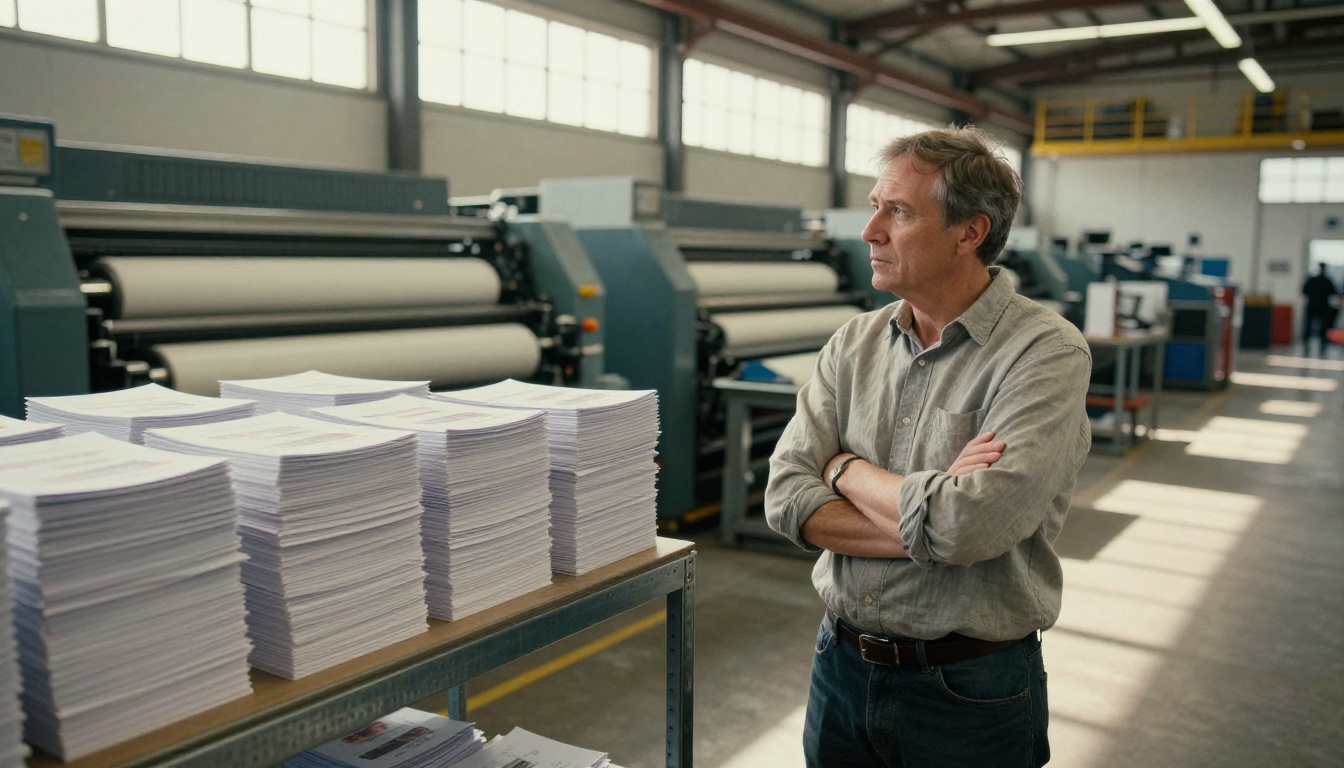
A single run of printed programs for a 2,000-seat venue can cost anywhere from $800 to $3,000 depending on design complexity, paper weight, and color printing. Multiply that by a full season of 40 performances and you're looking at a line item that climbs well past $50,000 annually for mid-sized venues, before you even factor in design revisions, last-minute reprints when artist lineups change, or the cost of unsold inventory.
For touring productions, the numbers are steeper. Printing varies by city, logistics get complicated, and any change to the lineup means reprinting or distributing errata slips that make the whole thing look unprofessional. The financial argument for digital programs has never been stronger.
| Cost Category | Paper Programs | Digital Programs |
|---|
| Design & layout | $200-$800 per run | One-time setup |
| Print production | $800-$3,000 per run | $0 |
| Distribution (staff/logistics) | $50-$200 per show | $0 |
| Last-minute updates | Full reprint required | Instant, free |
| Annual cost (40 shows) | $40,000-$160,000+ | Under $500/yr |
⚠️ These estimates don't include storage, shipping for touring shows, or the cost of programs that never get picked up and go directly to the recycling bin.
What gets left behind after the show
Walk through any concert venue after the audience clears out and you'll find the same thing: programs under seats, in the aisles, stuffed into cup holders. Studies on live event waste consistently find that 30 to 50 percent of printed programs are discarded at the venue itself. The rest go home with attendees who, in most cases, will recycle or bin them within a week.
That's a lot of paper for something that lives for about two hours.
Why Digital Programs Are Taking Over
Updates happen in real time
A program printed three weeks before the show can't account for a guest artist announcement, a schedule change, or an updated setlist. Digital programs can. A venue using a platform like Flipbooks AI can update content right up until doors open, or even during the show itself.
This matters more than it sounds. Artists get sick. Setlists change. Special guests are announced 48 hours before the show. With paper, all of that either gets left out or results in an awkward corrections insert. With a digital program, the audience always has the current version.
💡 Some venues now update digital programs during intermission to add artist commentary, sell-out notifications for merchandise, or links to post-show recordings.
Interactive features fans actually use
The difference between reading a paper bio and experiencing a digital program isn't just format. It's depth. A digital concert program can include:
- Embedded audio clips of the artists' most popular tracks
- Video trailers for the show or interviews with performers
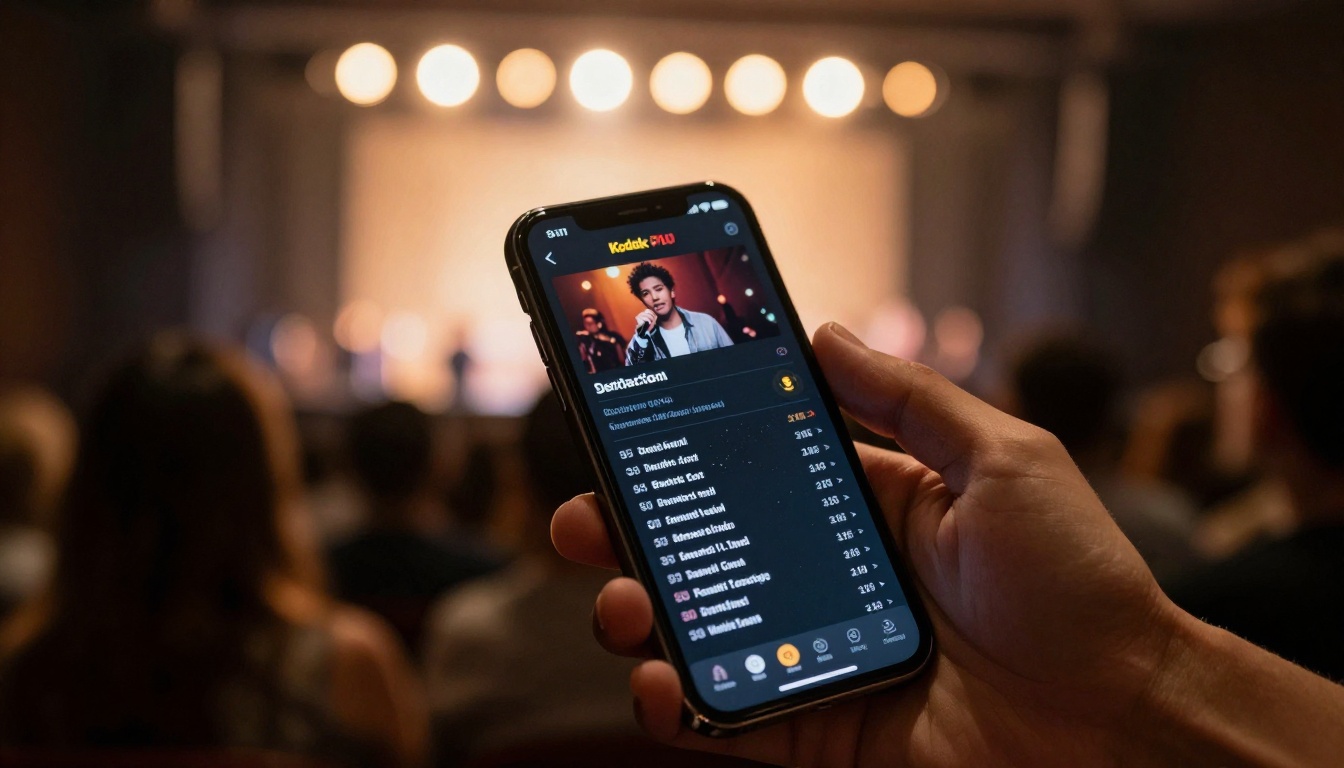
- Clickable setlists with links to streaming platforms
- Photo galleries from rehearsals or previous performances
- Sponsor links that actually generate measurable traffic
- Social media integration so fans can share moments in real time
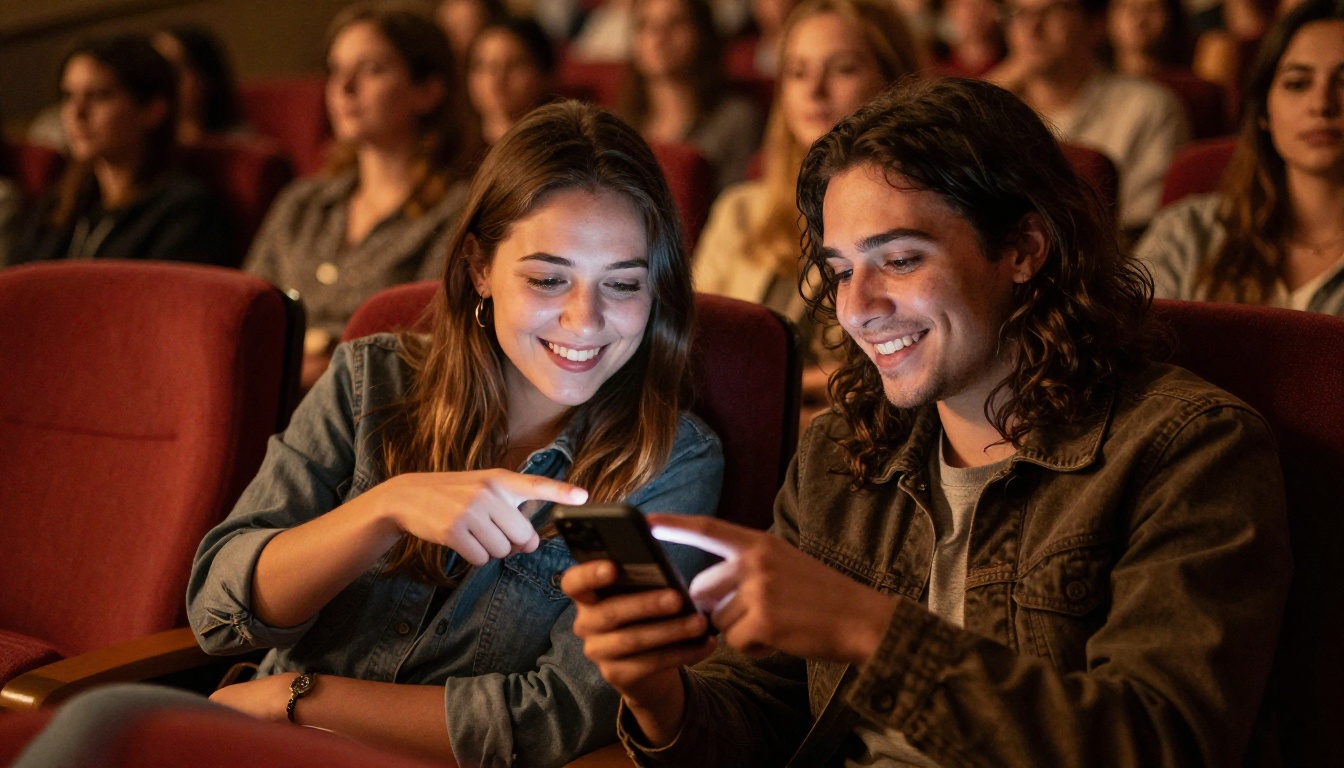
Paper can't do any of that. And fans, especially under 40, increasingly expect this level of richness from the content they consume at live events.
What Fans Gain From Digital Programs
Content that travels with them
One of the underrated arguments for digital programs is longevity. A paper program survives the commute home maybe 40 percent of the time. A digital program lives in the browser history, in a saved link, in an email. Fans who want to look up a performer they heard that night, share the program with a friend who couldn't make it, or revisit artist notes weeks later can do all of that easily.
This creates a relationship with the content that extends well past the show itself. For venues focused on building loyal audiences, that kind of lasting touchpoint has real value.
Accessibility no paper program offers
Digital programs can be read in any font size, on any screen, in any language if the venue chooses to provide translations. Screen readers work with well-formatted digital documents. High-contrast modes, dark mode, and text-to-speech all become available automatically.
Paper programs, by contrast, are typically printed in 9-point font to fit everything onto four pages. For older audiences, that's already a problem. For visually impaired attendees, it's a barrier. Digital formats remove that barrier entirely with zero additional cost to the venue.
What Venues and Organizers Actually Gain
Analytics on what fans read
This is where digital programs offer something paper simply cannot replicate: data. With an analytics-enabled platform, venues can see exactly which sections fans read most, how long they spend on artist bios versus sponsor pages, which links they click, and whether they share content.
That information is valuable for multiple reasons:
- Programming decisions - If classical program notes get read thoroughly but pop artist bios get skipped, that tells you something about your audience.
- Sponsor reporting - You can tell sponsors exactly how many people viewed their page, not just estimate based on attendance.
- Content refinement - Over time, you build a picture of what your audience actually wants in a program.
Flipbooks AI's Professional plan includes full analytics and lead generation features, giving venues the kind of audience intelligence that was previously only available to digital publishers.
Sponsorship space that doesn't run out
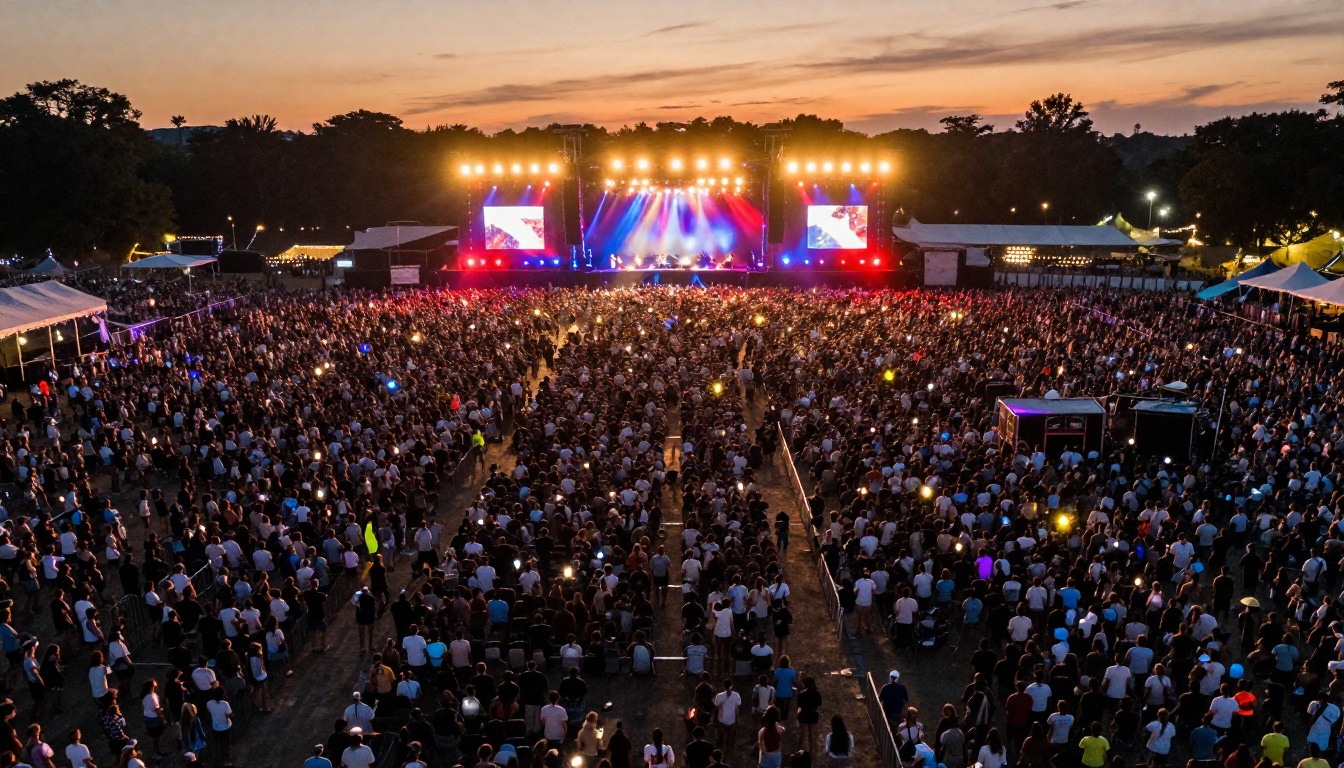
A printed program has a fixed number of pages. Sponsors get what they paid for, and that's it. A digital program is effectively unlimited. You can add sponsor pages, rotate featured content, include video ads that autoplay on a sponsor page, and track exactly how many people saw and interacted with each placement.
For venues dependent on sponsorship revenue, this changes the entire conversation with potential partners. You're no longer selling a static half-page. You're selling a trackable placement in a digital publication that lives beyond the show itself.
How to Create a Digital Concert Program With Flipbooks AI
The workflow is straightforward, and you don't need a design team to make it happen.
Flipbooks AI converts PDFs into beautiful, page-turning digital flipbooks that work on any device without downloads or apps. Here's how a venue typically builds their program:
Step 1: Design your program PDF
Use any design tool you already have (Canva, Adobe InDesign, Google Slides) to create your program layout. Include artist bios, setlist, event schedule, sponsor pages, and any other content you'd normally print. Export as a PDF.
Step 2: Upload to Flipbooks AI
Go to Flipbooks AI and create your account. Use the Event Program Maker tool or the core PDF to Flipbook Converter to upload your PDF. The platform converts it automatically into an interactive flipbook within seconds.
Step 3: Apply branding and multimedia
Add your venue's logo and brand colors, set the page flip animation style, choose your program thumbnail, and embed any multimedia (video trailers, audio clips) directly into the pages. No watermarks appear on Standard plans and above.
Step 4: Generate your sharing link and QR code
Once your program is live, Flipbooks AI provides a direct link and a QR code. Print the QR code on a simple card or display it on screens at the entrance, and that's your entire distribution system. Attendees scan it and the program opens instantly on their phone. Password protection keeps it private until show day.
Step 5: Update as needed, share after the show
Made a last-minute setlist change? Update the PDF and re-upload. The link stays the same. After the show, share the program link in your post-event email, on social media, and on your website. The content keeps working for you long after the curtain comes down.
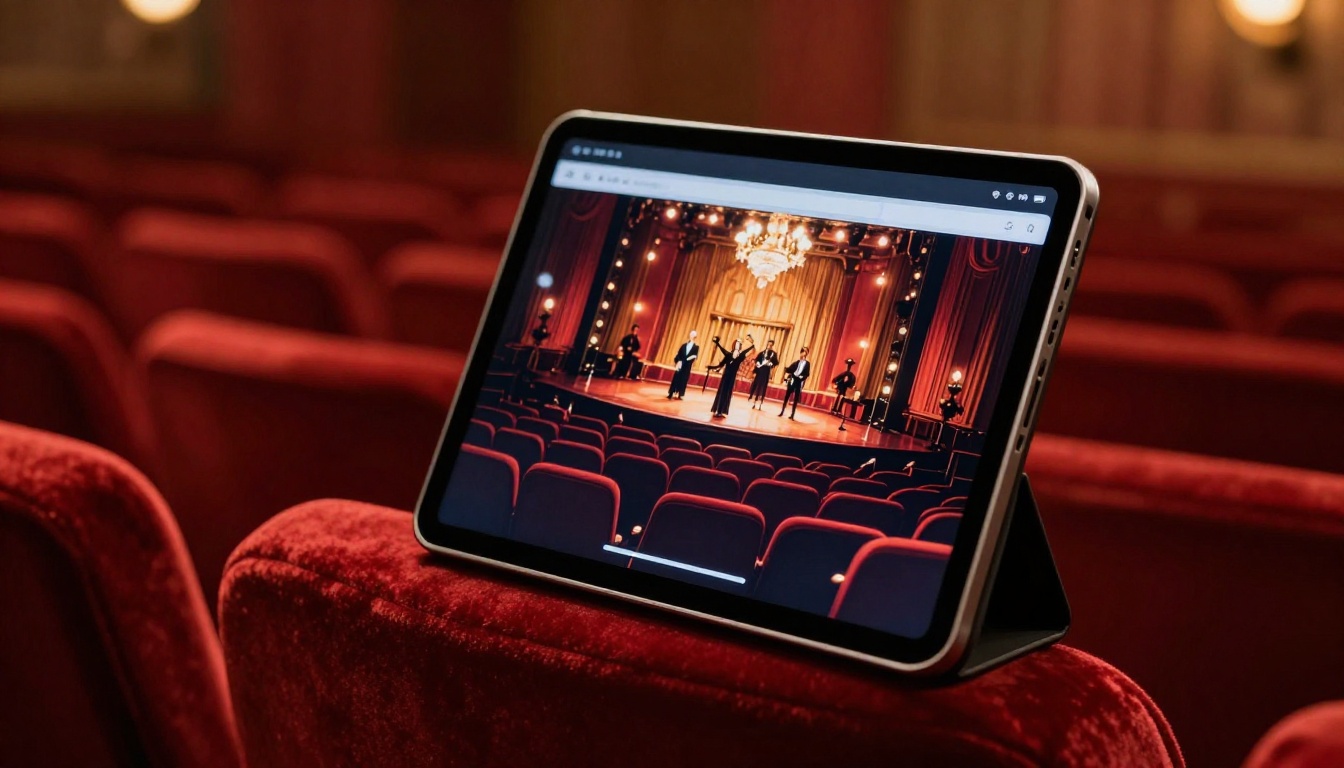
✅ Flipbooks AI supports offline downloads on paid plans, so fans can save the program to their device before entering a venue with limited signal.
Paper vs. Digital: A Direct Look
| Feature | Paper Programs | Digital Programs |
|---|
| Cost per show | $800-$3,000 | Near zero after setup |
| Update flexibility | Reprint required | Real-time edits |
| Distribution | Physical handout | QR code or link |
| Environmental impact | High (paper, ink, waste) | Minimal |
| Accessibility | Limited (small print) | Full (zoom, screen reader) |
| Multimedia content | None | Video, audio, links |
| Post-show availability | Usually discarded | Permanent link |
| Analytics | None | Detailed with Pro plan |
| Sponsor interaction tracking | Estimate only | Measurable clicks |
| Update turnaround | Days or weeks | Minutes |
The comparison isn't close on most dimensions. The only area where paper still holds a genuine edge is the tactile, nostalgic experience of holding something physical. That's real, and it matters to some audiences. But for most venues making a practical decision, digital wins across the board.
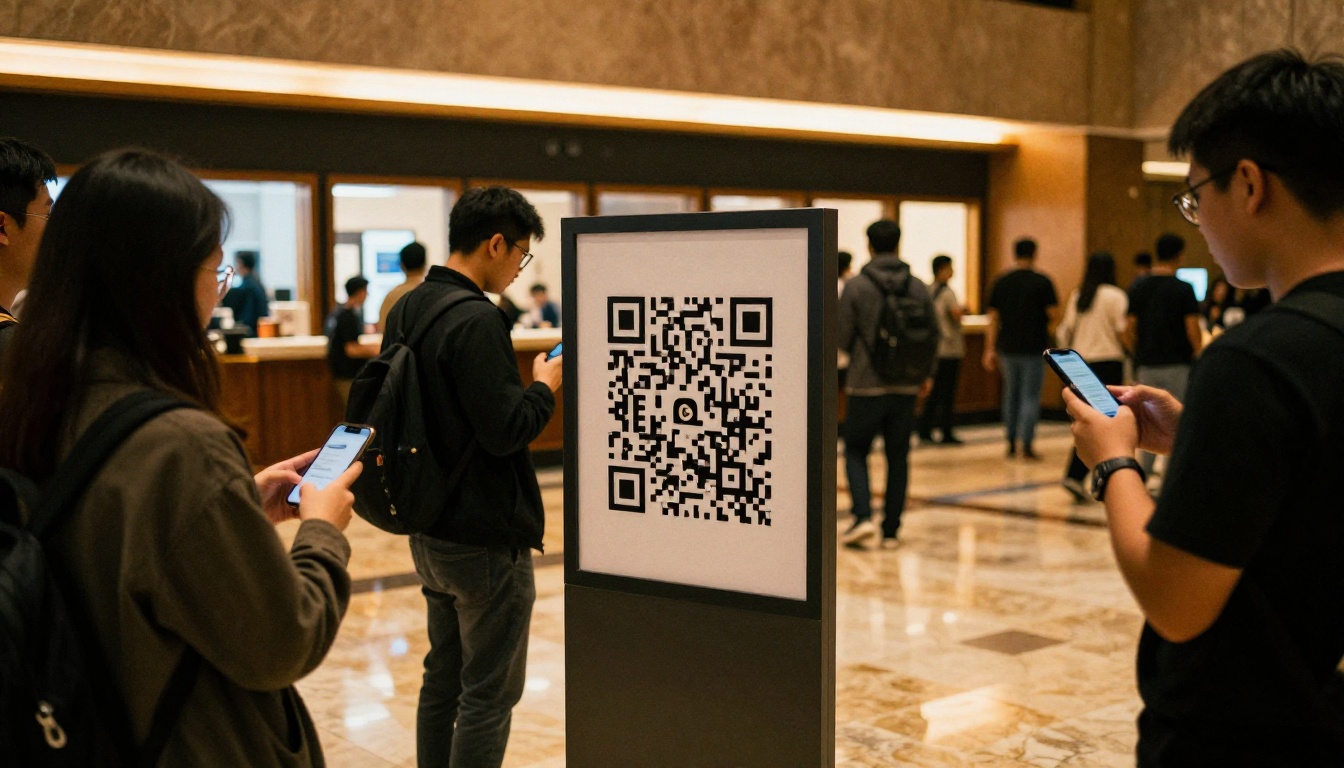
Not every concert is the same, and digital programs can be adapted to fit the specific needs of the event type.
| Event Type | Recommended Program Format | Main Content to Include |
|---|
| Symphony / Classical | Full flipbook with program notes | Conductor bio, composer notes, movement breakdowns |
| Rock / Pop Concert | Mobile-first single-page | Setlist, merch links, social handles |
| Jazz Festival (multi-stage) | Multi-section flipbook | Stage map, artist roster, set times |
| Theater / Musical | Detailed narrative flipbook | Cast bios, creative team, scene breakdown |
| Corporate / Private Event | Branded PDF flipbook | Schedule, speaker bios, sponsors |
| Outdoor Music Festival | QR-linked landing page | Band lineup, map, food vendors, schedule |
The Event Program Maker on Flipbooks AI handles all of these formats, and the mobile-responsive design ensures programs look great whether opened on a phone in a stadium or a tablet in a concert hall.
The Objections That Don't Hold Up
"Our audience prefers paper"
This comes up often, especially from classical music venues with older subscriber bases. The data doesn't support it as firmly as people assume. A 2023 survey of live event attendees across age groups found that 68 percent of attendees over 55 had used a smartphone to look up event-related content during or after a performance. QR codes are no longer confusing to most audiences. The shift happened during the pandemic when restaurant menus went digital everywhere, and that habit stuck.
That said, venues don't have to go all-or-nothing. A small print run for premium ticket holders combined with digital access for general admission is a reasonable middle ground while the transition happens.
"We don't have the budget or staff"
This is the objection that digital programs actually solve rather than create. The ongoing cost of printing programs is almost always higher than the annual cost of a digital publishing platform. And the labor involved in coordinating print runs, managing inventory, and distributing at the door is eliminated, not added to.
With Flipbooks AI, you upload a PDF and get a shareable link. That's the whole workflow. No technical staff required, no complex design system to pick up, no developer involvement.

Where Concert Programs Are Actually Headed
The venues moving fastest on digital programs aren't just cutting costs. They're building a new kind of relationship with their audience, one that starts before the show, deepens during it, and continues long after. A well-built digital program is a content asset. It can be shared, bookmarked, cited in press coverage, and used as a marketing tool for upcoming events in a way that a paper program sitting in a recycling bin simply cannot be.
The shift is already underway. Major symphony orchestras, music festivals, and touring productions have moved to digital-first programs over the past three years. The question for venues still printing isn't whether to switch, but when, and what they want their program to do for them beyond the night of the show.
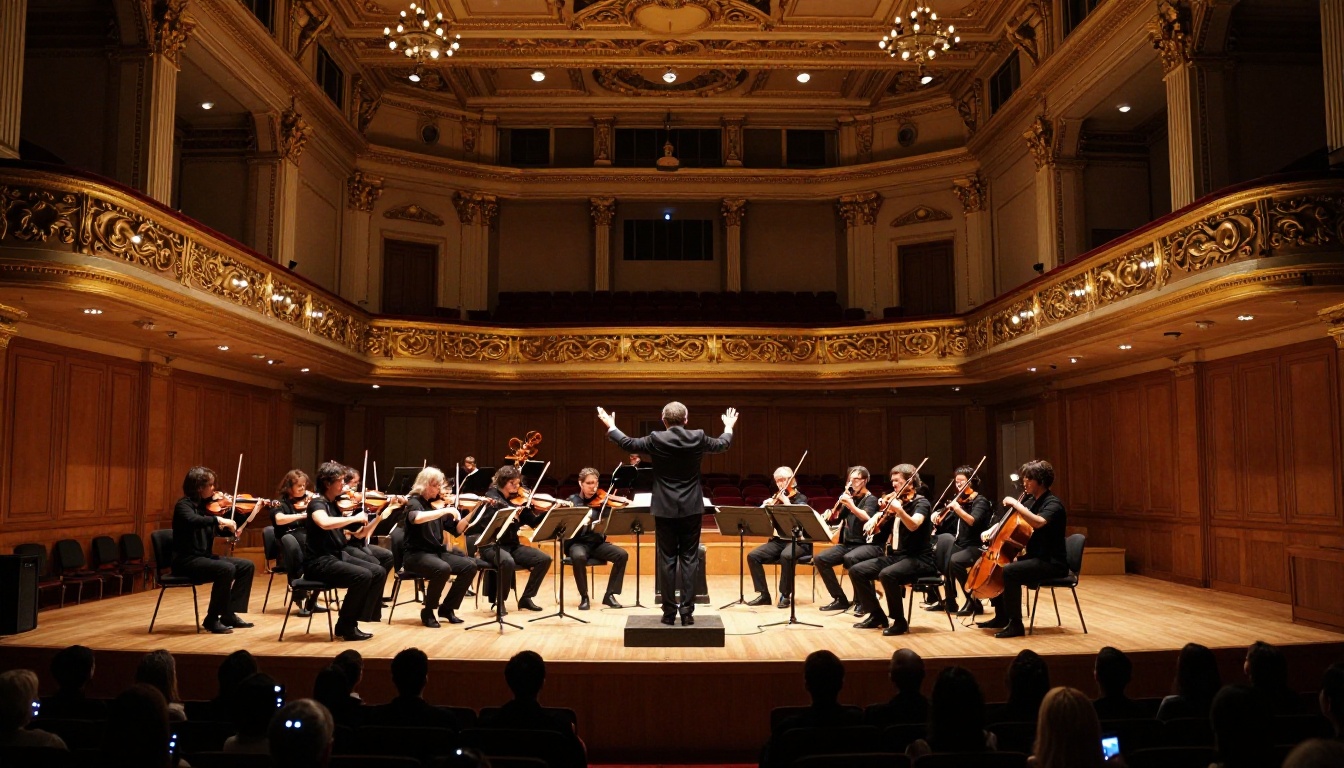
Ready to build your first digital concert program? Create your account on Flipbooks AI and convert your first PDF in under five minutes. Browse all flipbook tools to find the right format for your event type, or compare pricing plans to see which tier fits your season volume. The paper era of concert programs isn't ending dramatically. It's just quietly being replaced by something that works better for everyone involved.



