There is a gap between what most brands publish and what most people can actually read, watch, or interact with. That gap costs real audience share. When you build a flipbook that works for everyone, regardless of ability, language, or device, you are not just doing the right thing. You are reaching millions of people that your competitors are quietly ignoring. Flipbooks AI was built with this reality in mind, and the results speak for themselves.
The Real Numbers Behind Accessibility
Most marketers treat accessibility as a compliance checkbox. That framing misses the point entirely.
According to the World Health Organization, approximately 1.3 billion people live with some form of disability globally. The United States alone has around 61 million adults with a disability. Add in aging populations who rely on larger text and screen readers, non-native speakers who benefit from simplified layouts, and mobile users on slow connections, and you are suddenly talking about the majority of your potential audience.
Disability Is Not a Niche
This is one of the most persistent misconceptions in content marketing. Disability is not a small subset of humanity. Permanent disabilities, situational limitations (like a broken arm), and temporary impairments (like a screen glare outdoors) all affect how people interact with digital content. Every person who has squinted at tiny text on a phone has experienced something close to low vision.
The numbers are not abstract:
- 71% of users with disabilities will leave a site immediately if it is not accessible
- Accessible websites see an average of 50% more traffic than inaccessible ones
- The disposable income of people with disabilities and their households in the US alone exceeds $490 billion annually
- Brands with inclusive content consistently report higher customer loyalty across all demographics, not just among users with disabilities
That last point matters more than most brands realize. When you remove barriers for one group, you almost always improve the experience for everyone. Larger text helps the person with low vision and the person squinting on a bright beach. High-contrast colors help the user with color blindness and the user on a dim screen in a dark room.
What Inclusive Actually Means
Inclusive content is not just about screen reader compatibility, though that matters enormously. True inclusion operates across several dimensions:
- Visual accessibility: High-contrast colors, scalable text, alt text for every image
- Motor accessibility: Full keyboard navigation, large clickable areas, no time-limited interactions
- Cognitive accessibility: Clear language, consistent layouts, predictable navigation patterns
- Auditory accessibility: Captions on embedded videos, transcripts for audio content
- Multilingual support: Content available in the languages your audience actually speaks
- Device agnosticism: Works equally well on desktop, tablet, and low-cost mobile phones
Achieving even three or four of these dimensions puts your content significantly ahead of most of what is published online.

Why Flipbooks Specifically Benefit from Inclusive Design
Flipbooks are inherently visual and interactive. That combination creates both challenges and opportunities when it comes to accessibility.
A poorly built digital flipbook can be nearly impossible to use with a screen reader, might rely entirely on mouse input, and could have zero alt text on its images. A well-built one, however, can serve as a genuinely superior format for accessible content distribution compared to a flat PDF or a static webpage.
The Interactive Advantage
When flipbooks are built right, their structure actually helps readers with diverse needs. Clear page-by-page navigation gives screen reader users a logical, predictable flow. Consistent layouts across pages reduce cognitive load for users with attention or processing differences. The tactile metaphor of page-turning is familiar and intuitive across cultures and age groups.
💡 Pro Tip: High-contrast color themes in flipbooks reduce eye strain significantly for users with low vision, and they also improve readability for everyone reading outdoors on a phone screen in bright sunlight.
SEO Loves Accessible Content
Here is something most content teams overlook: accessibility improvements are also SEO improvements. Search engines crawl your content the same way screen readers do. Alt text on images, semantic heading structures, text that is crawlable rather than locked inside an image file, these all feed directly into how Google indexes and ranks your content.
A flipbook that is built accessibly will:
- Have all text as searchable, indexable content rather than rasterized image data
- Use proper heading hierarchies that signal content structure to crawlers
- Include descriptive alt text that adds rich keyword context around images
- Load fast on mobile devices, boosting Core Web Vitals scores and search rankings
- Earn backlinks from accessibility-focused directories and resources
The result: broader organic reach, not just broader human reach. Accessible flipbooks serve two audiences simultaneously: human readers and search engines.
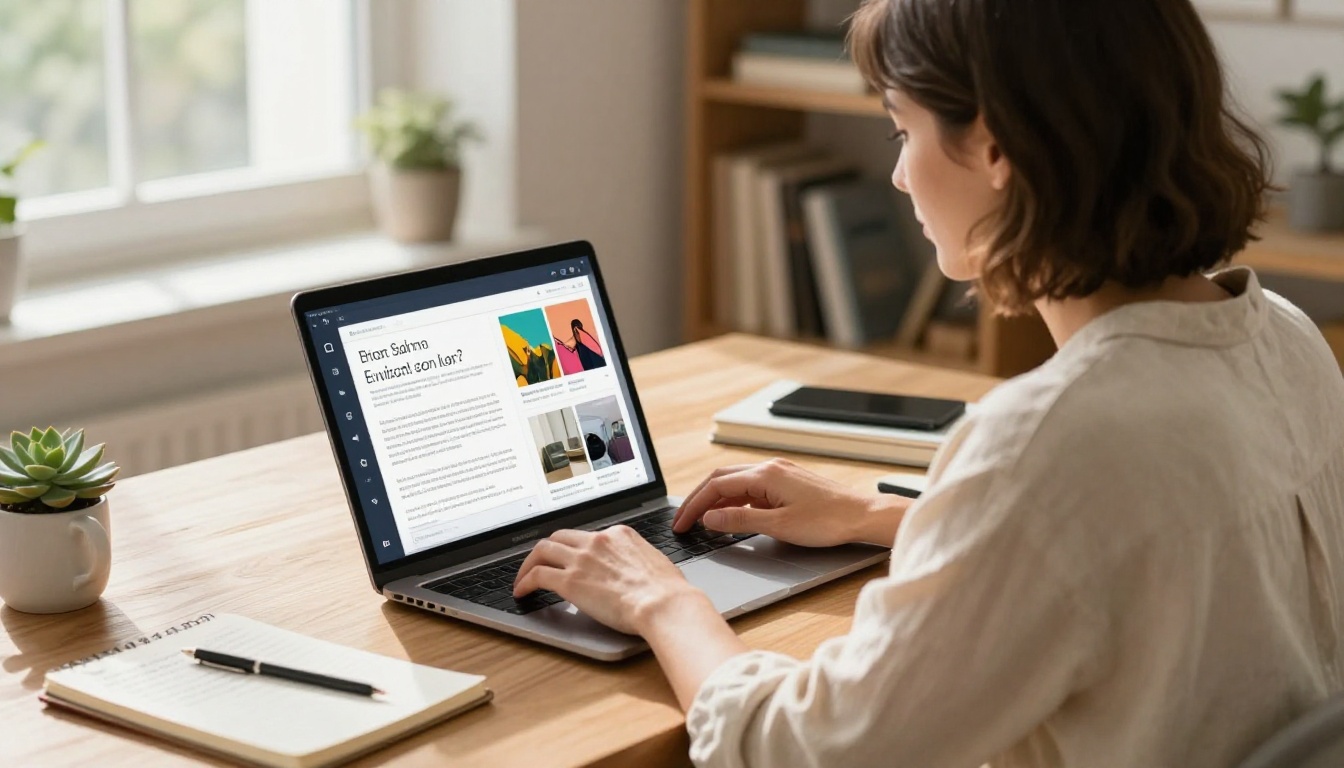
Features That Make a Flipbook Truly Accessible
Not every flipbook platform treats accessibility the same way. Here is what to look for, and what Flipbooks AI delivers by default.
| Feature | Basic Platforms | Flipbooks AI |
|---|
| Alt text support | Rare | Built-in |
| Keyboard navigation | Partial | Full |
| Mobile-responsive layout | Sometimes | Always |
| High-contrast themes | No | Yes |
| Multilingual content support | No | Yes |
| Screen reader compatible output | No | Yes |
| Custom font sizes | Rare | Yes |
| No watermarks (paid plans) | Varies | Standard plan and above |
| Embedded video with captions | No | Yes |
| Offline download for low-connectivity | No | Yes |
Alt Text That Actually Works
Alt text is often treated as an afterthought. It should be treated as a core part of your content strategy. Every image in an accessible flipbook needs a description that conveys the same information a sighted user would receive visually. "Image of a man" is not alt text. "A small business owner reviewing a product catalog with a customer across a bright retail counter" is.
Good alt text:
- Describes the function of the image, not just its appearance
- Includes relevant keywords naturally where they fit
- Stays under 125 characters when possible
- Skips phrases like "image of" or "photo of" since screen readers already announce the image type
Keyboard Navigation and Motor Accessibility
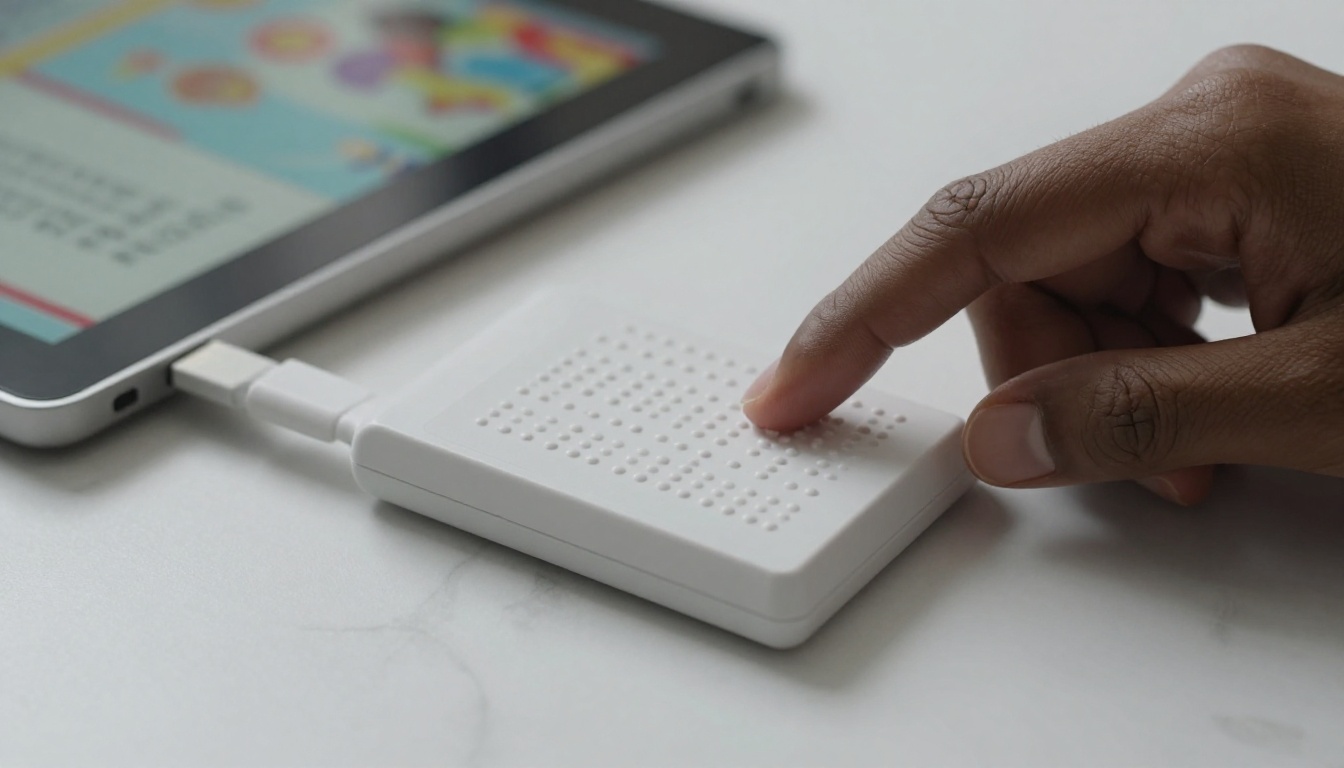
Millions of users navigate the web without a mouse. They use keyboards, switch controls, sip-and-puff devices, or eye-tracking software. A flipbook that cannot be operated with a keyboard alone is effectively closed to these users.
Full keyboard navigation in a flipbook means:
- Arrow keys to turn pages forward and backward
- Tab key to move between interactive elements (links, buttons, form fields)
- Enter or Space to activate buttons and links
- Escape to close overlays or return to the main view
- Visible focus indicators on every interactive element so users always know where they are
⚠️ Warning: If your flipbook requires a mouse click to turn every page, you are locking out a significant portion of your audience without realizing it. Test your flipbook with keyboard-only navigation before publishing.
Mobile-First Is Inclusive-First
Over 60% of global web traffic comes from mobile devices. In South Asia, Southeast Asia, and Sub-Saharan Africa, that number exceeds 80%. A flipbook that only works beautifully on a widescreen desktop is not truly accessible to the global market.
Mobile-responsive design is not a luxury feature. It is a baseline requirement for inclusive content. That means:
- Text that reflows for smaller screens rather than requiring horizontal scrolling
- Touch targets large enough for users with reduced fine motor control
- Images that scale without losing quality or breaking the layout
- Page turns that work with swipe gestures as naturally as with button clicks
Multilingual Flipbooks and the Global Audience
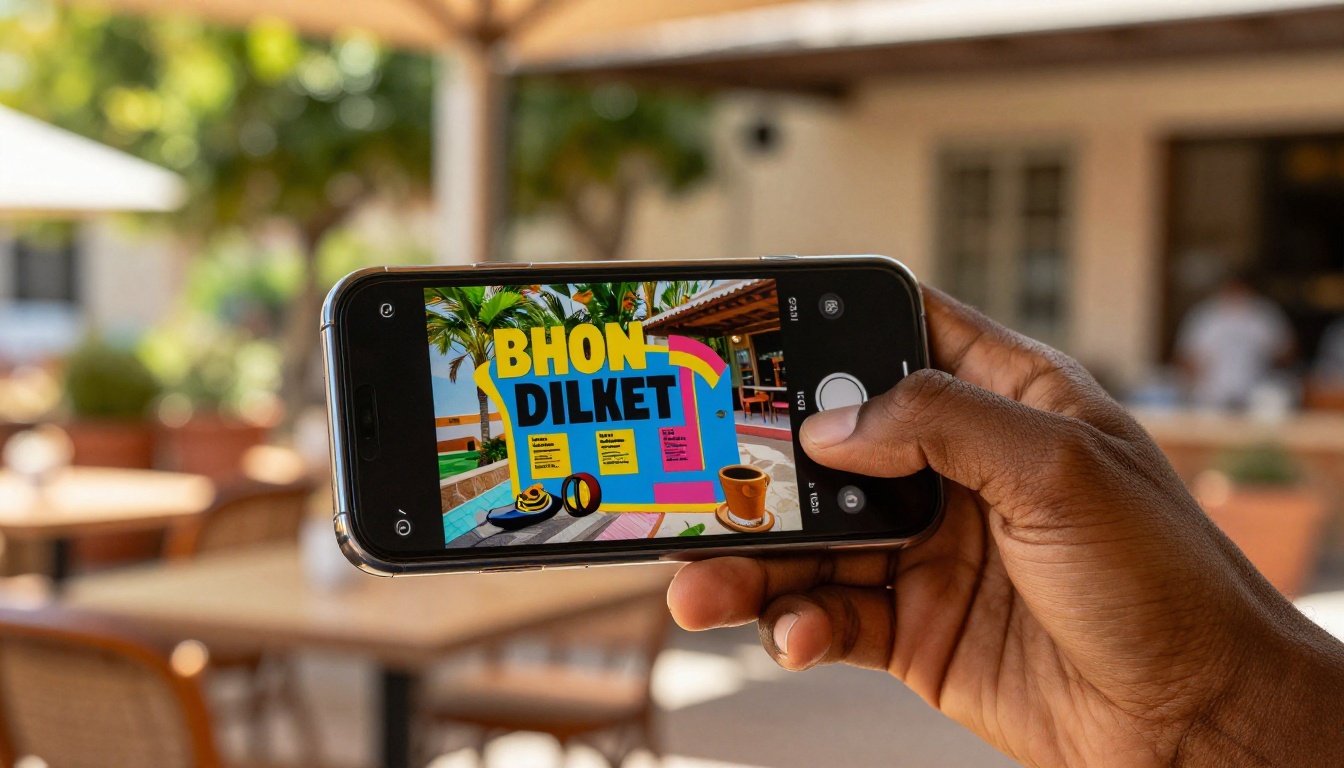
Language is one of the most overlooked dimensions of inclusion. If your flipbook is only available in English, you are addressing roughly 17% of the world's population natively. The other 83% are either working in a second language or not engaging with your content at all.
The Languages Your Audience Actually Speaks
The top internet languages by active user population reveal an enormous opportunity for brands willing to publish in more than one language.
| Language | Global Internet Users | Typical Content Coverage by Brands |
|---|
| Chinese (Mandarin) | 1.05 billion | Very low (non-Chinese brands) |
| English | 1.1 billion | High |
| Spanish | 485 million | Medium |
| Arabic | 237 million | Very low |
| Portuguese | 170 million | Low to medium |
| Hindi | 600 million | Low |
| French | 220 million | Medium |
💡 Pro Tip: Even a machine-translated flipbook with a light human review pass outperforms English-only content for non-English speakers. The effort-to-reach ratio is exceptional, especially for Spanish and Portuguese where translation costs are relatively low and the addressable audience is enormous.
For brands operating in hospitality, real estate, education, or e-commerce, a multilingual flipbook strategy is one of the highest-ROI content investments available.

Real-World Use Cases Across Industries
Inclusive flipbook design is not theoretical. Here are specific scenarios where it directly translates into bigger audiences and measurably better outcomes.
Real Estate: Reaching Every Buyer
A property brochure that only exists as a static PDF excludes buyers who rely on screen readers, buyers browsing on a budget phone, and international buyers unfamiliar with the local language. A real estate brochure flipbook with descriptive alt text on property photos, keyboard-navigable floor plan pages, and Spanish or Mandarin language editions reaches entire buyer segments that competitors miss entirely.
Real estate agencies using accessible digital brochures report inquiries from demographics they had never reached through print materials alone.

Education: Every Student Deserves Access
Educational materials that are not accessible fail students before they begin. An interactive e-book or course material publisher that supports screen readers, offers high-contrast text, and loads on a basic smartphone opens content to students in underserved communities, students with visual impairments, and English language learners simultaneously.
Schools and universities using inclusive flipbooks for curriculum materials consistently report higher completion rates across all student demographics, not just among students with identified disabilities. Inclusive design raises the floor for everyone.
Corporate: Annual Reports That Everyone Can Read
An annual report that only a subset of stakeholders can access is a missed opportunity for trust and transparency. When investors, employees, board members, regulators, and community partners all have different abilities and language backgrounds, an accessible flipbook ensures everyone receives the same quality of information. This affects reputation as directly as it affects reach.
✅ Best Practice: Use a minimum 4.5:1 color contrast ratio for body text in all corporate publications. This meets WCAG AA compliance and meaningfully benefits every reader regardless of ability.
Restaurants and Hospitality: Menus Without Barriers
A restaurant menu in flipbook format that includes descriptive alt text on food photography, works with VoiceOver on iOS, and loads smoothly on a budget Android phone serves every customer equally. For restaurants in tourist-heavy areas, a multilingual flipbook menu is not a courtesy. It is a direct competitive advantage over restaurants that only have English print menus.
The same principle applies to hotel brochures, spa menus, and event programs. Every barrier you remove is a customer you keep.
How to Create Accessible Flipbooks with Flipbooks AI
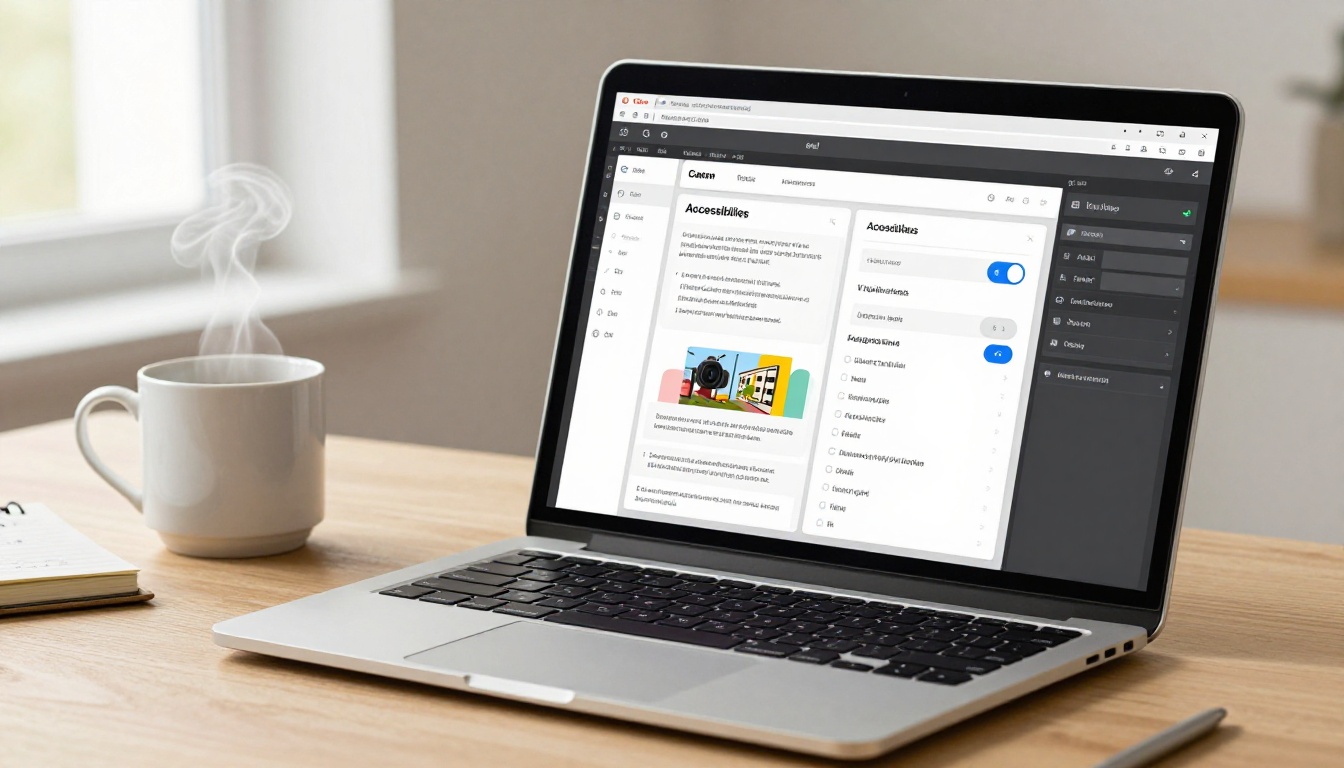
Flipbooks AI makes accessible flipbook creation straightforward, even if you have never thought about accessibility before. Here is how to do it properly from start to publish.
Step 1: Start with an Accessible Source PDF
Your flipbook is only as accessible as the document you upload. Before converting, make sure your PDF:
- Uses real selectable text rather than scanned images of text
- Has a logical heading structure that reflects the document's information hierarchy
- Includes alt text descriptions on all meaningful images
- Uses a minimum 12pt font size for body text
- Passes a basic color contrast check (free tools like WebAIM's contrast checker take under a minute)
Step 2: Upload and Convert
Create an account on Flipbooks AI and upload your prepared PDF using the PDF to Flipbook Converter. The platform preserves your document's text as real, crawlable, screen-reader-compatible content rather than converting it to locked image data.
Step 3: Customize for Accessibility
Inside the editor:
- Select a high-contrast theme or customize colors to meet WCAG 2.1 AA contrast standards
- Enable keyboard navigation in the settings panel so all page interactions work without a mouse
- Confirm responsive layout is active for mobile compatibility (this is the default, but worth verifying)
- Add or verify alt text on any images added directly through the editor interface
- Configure a language tag if publishing a translated edition so screen readers announce the correct language to users
Step 4: Add Multimedia Thoughtfully
Flipbooks AI supports embedded videos and audio. When using these features for accessibility:
- Always include closed captions on embedded videos
- Provide text transcripts for audio-only content
- Set video embeds to require a manual play action rather than autoplaying on page load
Step 5: Publish and Share
Once your flipbook is live, share it using the right channels for your audience:
- Direct link: Accessible on any device and any browser without app installation
- Embed code: Embed directly on your website with full responsive behavior intact
- Password protection: For private accessible content shared with a closed audience (available on Standard plan)
- Analytics: Track engagement across page depth and device types to identify where readers drop off, a strong signal for remaining accessibility barriers (available on Professional plan)
Flipbooks AI Plans at a Glance
| Feature | Free | Standard | Professional |
|---|
| Flipbooks published | 1 | Unlimited | Unlimited |
| Watermarks | Yes | No | No |
| Password protection | No | Yes | Yes |
| Audience analytics | No | No | Yes |
| Lead generation forms | No | No | Yes |
| Offline downloads | No | Yes | Yes |
| Custom branding | No | Yes | Yes |
| Embedded video and audio | No | Yes | Yes |
Measuring the Impact of Inclusive Content
You cannot improve what you do not measure. Once you have published accessible flipbooks, track these metrics to see how inclusive design affects your actual audience size.
Audience expansion signals:
- New visitors from geographic regions previously underrepresented in your analytics
- Traffic from mobile devices as a percentage of total (rising mobile share often reflects better mobile accessibility)
- Reduced immediate bounce rate from users who previously could not access your content
- Direct traffic from screen reader user agents in server logs
SEO indicators:
- Organic search impressions growth after adding structured alt text and proper heading hierarchies
- Ranking improvements for long-tail keywords that now appear as crawlable text
- Core Web Vitals score improvements as lightweight, well-structured flipbooks load faster
Engagement quality:
- Average pages per session (inclusive design reduces friction and keeps readers engaged longer)
- Return visitor rate (readers who can actually access your content come back)
- Conversion rate from flipbook views to landing page visits, signups, or direct inquiries
💡 Pro Tip: Use the analytics dashboard on Flipbooks AI Professional to see exactly how readers progress through each page of your flipbook. Drop-off spikes on specific pages often reveal where accessibility barriers are still costing you audience.

The Competitive Advantage Most Brands Are Still Missing
Most brands are still treating accessibility as a legal obligation to reluctantly fulfill. That creates a wide-open opportunity for the brands willing to treat it as a genuine growth strategy.
When your flipbook works beautifully for a person using a screen reader, it also works beautifully for someone in a noisy environment who cannot listen to audio content, for an older reader who needs larger text, for a shopper browsing your catalog on a slow mobile connection in a rural area, and for a non-native speaker navigating content in their second language. These are not edge cases. These are your customers, your students, your investors, your community.
The brands that will own the next decade of digital content are the ones building for everyone now, while competitors are still building for an imaginary average user who increasingly does not exist.
Inclusive flipbooks are not a charitable gesture. They are a measurable growth strategy with a wider addressable market, stronger SEO, better engagement metrics, and a brand reputation worth protecting.
Ready to start reaching every reader? Get started for free on Flipbooks AI. Browse the full range of flipbook tools built for every industry and format. When you are ready to add analytics, lead generation, and advanced customization, compare pricing plans to find the right fit for your team.



