Music has always been a visual art. The album cover, the lyric booklet, the press photo: every piece of visual material an artist releases tells a story that the music alone can't tell. But in 2027, most of that visual storytelling gets compressed into a square image on Instagram or a static PDF nobody opens. That's exactly why smart artists are turning to digital flipbooks, and why Flipbooks AI has become part of serious album promotion conversations.
If you're wondering why music artists use flipbooks to promote albums, the short answer is this: flipbooks do what social posts and emails can't. They hold attention, they feel premium, and they give fans something worth spending time with.
The Album Promotion Problem Nobody Talks About
Album release campaigns have gotten more complex, not easier. You have streaming platforms, short-form video, newsletter blasts, TikTok teasers, Spotify Canvas animations, and press pitches going out simultaneously. Despite all that activity, the average fan's attention span for any single piece of content is measured in seconds.
Why Static Content Falls Short
A PDF press kit sits unopened in an inbox. A link to a Google Drive folder feels cheap. Even beautifully designed email campaigns get a 20-30% open rate on a good day and almost no scroll depth. Artists put weeks of creative work into album visuals, and those visuals get consumed in a swipe or ignored entirely.
The problem isn't the content. It's the container.
What Fans and Press Actually Want
Fans who care deeply about an artist want something to interact with. They want to feel like they're getting access, not just content. Music journalists and playlist curators receive hundreds of pitches a week. The ones that stand out are the ones that feel crafted, intentional, and easy to consume in one sitting.
That's the gap a digital flipbook fills perfectly.
What a Digital Flipbook Actually Does
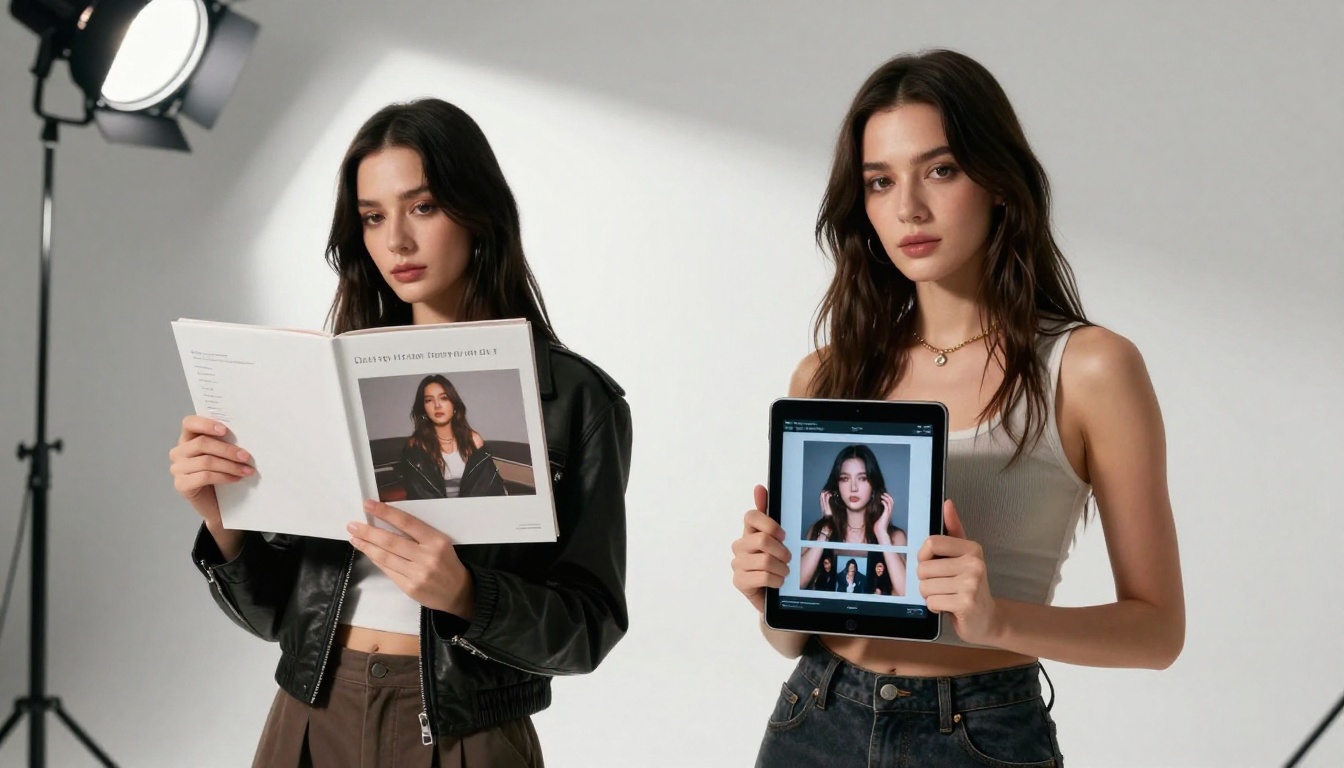
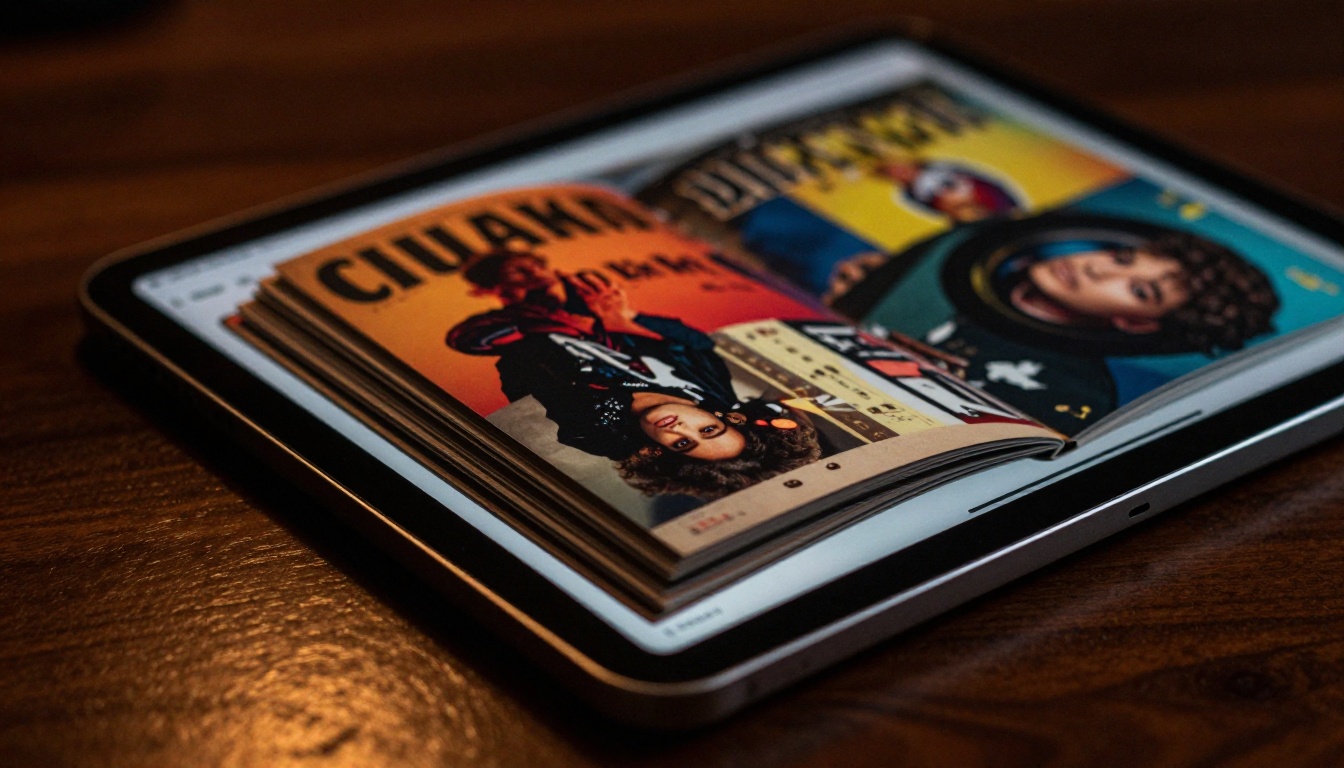
A digital flipbook takes any PDF and turns it into an interactive, page-turning publication that opens instantly in a browser. No download required. No special software. Works on any device.
But calling it "just a PDF with animations" undersells what it actually does for music promotion.
More Than a PDF, Less Than a Website
Building a dedicated artist website for every album rollout takes time and budget most artists don't have. A static PDF, on the other hand, feels like something you'd receive from a telecom company in 2009. A digital flipbook sits in exactly the right middle ground.
It's shareable via a single link. It looks stunning on mobile and desktop. It has real page-turn physics that make browsing it feel satisfying. And critically, it keeps people engaged longer than any static document ever could.
The Interactive Element That Hooks Fans
When a journalist opens your press kit and it has actual pages to turn, they slow down. When a fan opens your album booklet and can read your lyrics while looking at the artwork, they connect. That dwell time, the extra 30 seconds to 3 minutes someone spends inside your flipbook, is worth more than a hundred passive impressions on a feed.
💡 A shareable flipbook link is also trackable. Professional plan users on Flipbooks AI get access to analytics showing exactly who opened it, how many pages they viewed, and when they dropped off.
7 Ways Artists Are Using Flipbooks for Albums
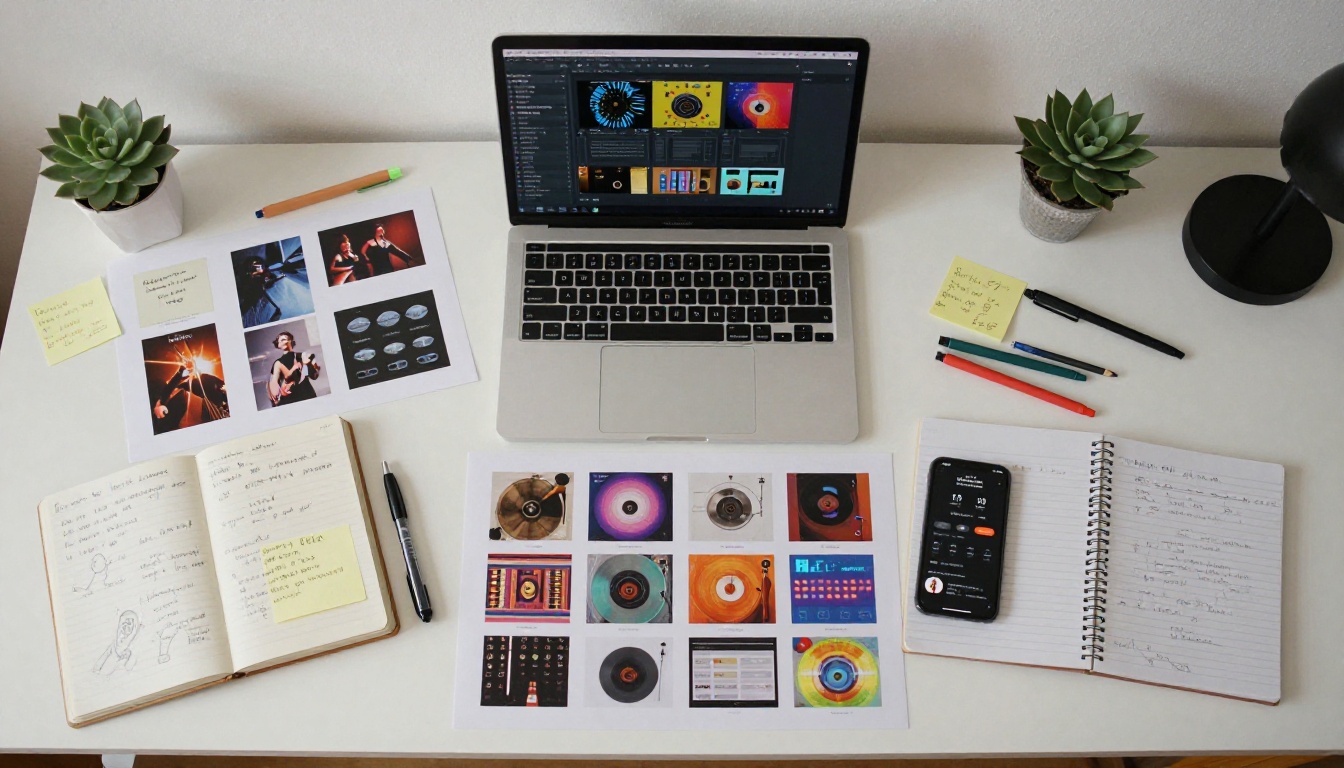
The use cases are broader than most people expect. Here's how working musicians and their teams are putting flipbooks to work in real album campaigns.
1. Digital Press Kits That Actually Get Read
A traditional EPK (Electronic Press Kit) is a Google Doc or PDF with a bio, some press photos, streaming links, and maybe a quote from a blogger. It gets the job done, but it's forgettable.
A flipbook EPK is a different experience entirely. You can structure it like a magazine: a striking cover image, an artist bio that reads like a feature story, high-res press photos that fill entire pages, streaming stats, critical quotes, and a clear call to action for booking or coverage. Journalists open it in their browser, flip through it in 90 seconds, and remember it.
Artists can put together a professional press kit in an afternoon using the Press Kit Designer on Flipbooks AI.
2. Interactive Album Booklets for Streaming-Era Fans
Physical album booklets with lyrics and liner notes were a casualty of the streaming era. Most fans under 25 have never held one. But that doesn't mean they don't want the experience.
A digital album booklet as a flipbook gives fans lyrics page by page, producer credits, thank-you notes, behind-the-scenes photos from recording sessions, and a personal note from the artist. It's the kind of content that builds genuine fan loyalty because it rewards the people who care most.
3. Behind-the-Scenes Tour Stories
Between release cycles, artists need content that keeps fans engaged without overpromising on new music. A touring flipbook, essentially a visual diary of life on the road, hits that exact note.
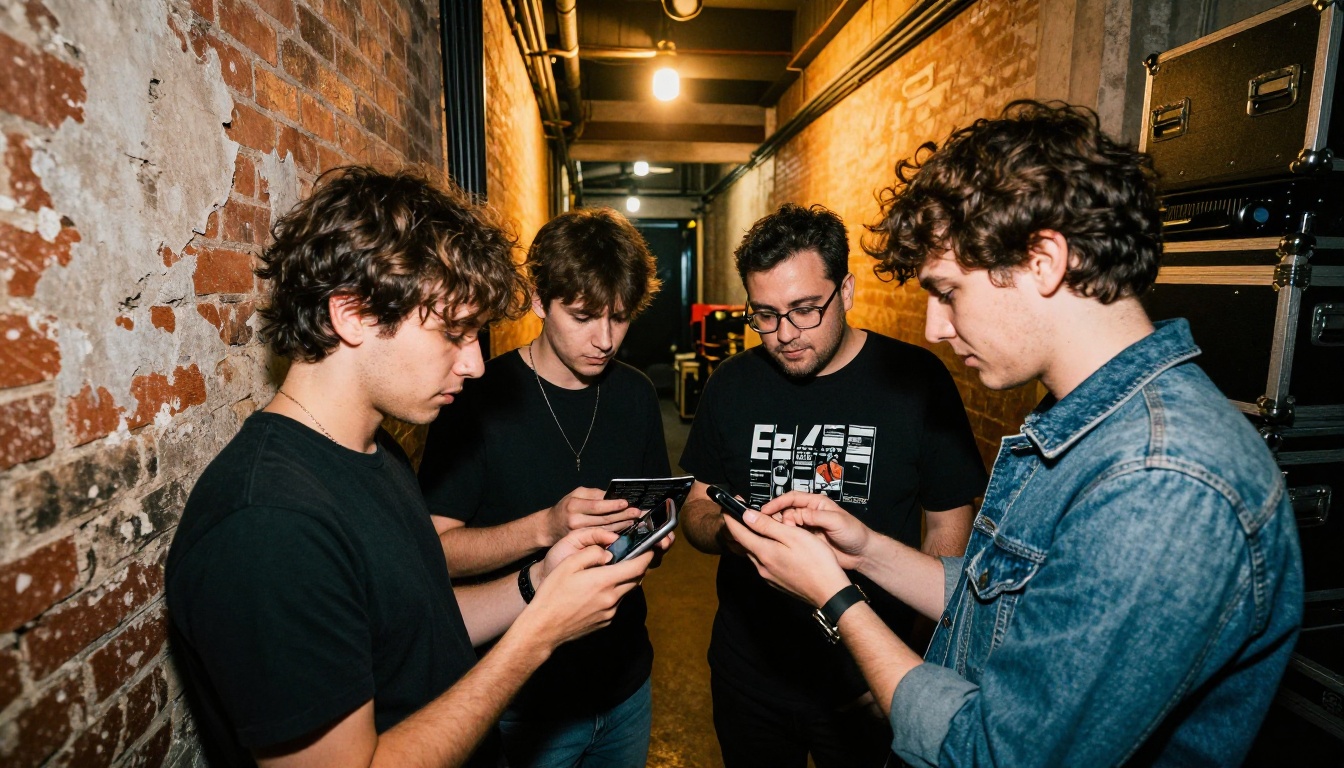
Photos from cities visited, short journal entries, setlist breakdowns, candid shots from backstage: formatted as a flipbook, it becomes something fans share with each other because it feels exclusive.
4. Fan Club Exclusives and Merch Lookbooks
Artists with dedicated fanbases can use password-protected flipbooks to deliver exclusive content to paying members. A merch lookbook showing upcoming drops before they go on sale, an exclusive acoustic session photo essay, early access to album artwork.
✅ Best practice: Use password protection on Flipbooks AI to make fan club content feel genuinely exclusive. It drives subscription conversions and rewards loyal fans without requiring a separate platform.
The Interactive Lookbook Designer is built precisely for this type of visually rich, styled content.
5. Pitch Decks for Sync Licensing
Music supervisors looking to place songs in TV shows, films, and ads need context quickly. A flipbook pitch deck for sync licensing can include the artist's story, genre and mood descriptors, production credits, notable placements, and track samples embedded as audio. It's a professional presentation that fits in a single shareable link.
6. Festival and Venue Booking Materials
Booking agents and festival programmers review dozens of submissions. A flipbook one-pager with live performance photos, streaming numbers, press quotes, and a clean artist bio stands out against a wall of identical PDFs. The Presentation Flipbook Designer is the right tool for building something that looks this polished.
7. Album Anniversary Editions
Three, five, ten years after a release, artists can package anniversary content into a flipbook: original album art alongside new photos, an essay about what the album means now, remixes and alternate versions listed with links, and fan-submitted stories. It's a content format that performs well on press without requiring new music.

It's worth being direct about how flipbooks stack up against the alternatives artists actually use.
| Format | Shareability | Visual Impact | Fan Engagement | Cost | Mobile-Friendly |
|---|
| Static PDF | Medium | Low | Low | Free | Poor |
| Artist Website | Low | High | Medium | High | Variable |
| Social Media Posts | High | Medium | Medium | Free-High | Yes |
| Email Newsletters | Medium | Low | Medium | Medium | Variable |
| Digital Flipbook | High | High | High | Low | Yes |
| Printed Booklets | Very Low | Very High | High | Very High | N/A |
⚠️ Worth noting: Printed album booklets cost $2-8 per unit at scale, plus distribution logistics. A digital flipbook on Flipbooks AI reaches an unlimited audience for a flat monthly fee with no per-unit cost.
The flipbook wins across almost every practical metric for independent and mid-level artists working with real budgets.
Here's exactly how an artist goes from concept to shareable flipbook in a single session.
Step 1: Design your PDF in Canva or Adobe
Before you upload anything, you need a well-designed PDF. Use Canva (free), Adobe Express, or Photoshop to create your album booklet, press kit, or lookbook. Think in pages: cover, bio, tracklist, photography, credits, contact info. Export as PDF.
Step 2: Create your account on Flipbooks AI
Go to Flipbooks AI and create a free account. The Standard plan and above give you unlimited flipbooks with no watermarks, which is non-negotiable for anything going to press or labels.
Step 3: Upload and convert
Use the PDF to Flipbook Converter to upload your PDF. The conversion takes seconds. Your pages become an interactive flipbook with real page-turn animation.
Step 4: Customize your branding
This is where Flipbooks AI separates itself from other tools. You can set custom background colors, add your artist name or logo, choose the page-turn style, and embed your social links directly in the flipbook. Every detail reinforces your visual identity.
Step 5: Share and track
Copy your unique shareable link and send it anywhere: email pitches, social bios, Linktree, DMs. If you're on the Professional plan, you'll see analytics on opens, page depth, and time spent per page. You can also add password protection for fan club exclusives or pre-release access.

What to Put Inside Your Album Flipbook
The format works as well as the content inside it. Here's what performs consistently well across different artist types and goals.
For a Press Kit Flipbook
- Artist photo (full bleed, professional) on page 1
- Bio: 150-200 words, written in third person
- Streaming stats and milestone achievements
- Press quotes and coverage logos
- Booking and contact information
- Links to singles or full album stream
- Social handles prominently displayed
For a Fan Album Booklet
- Album artwork, front and back, as full-page spreads
- Lyric pages, one track per spread or grouped by theme
- Production credits: who played what, where it was recorded
- Personal note from the artist
- Behind-the-scenes recording session photos
- Tour dates or upcoming release information
For a Sync Licensing Pitch
- One-page artist overview with photo
- Genre tags, mood descriptors, BPM range
- Previous sync placements with show or brand names
- Standout tracks with embedded audio or streaming links
- Production credits and licensing contact information
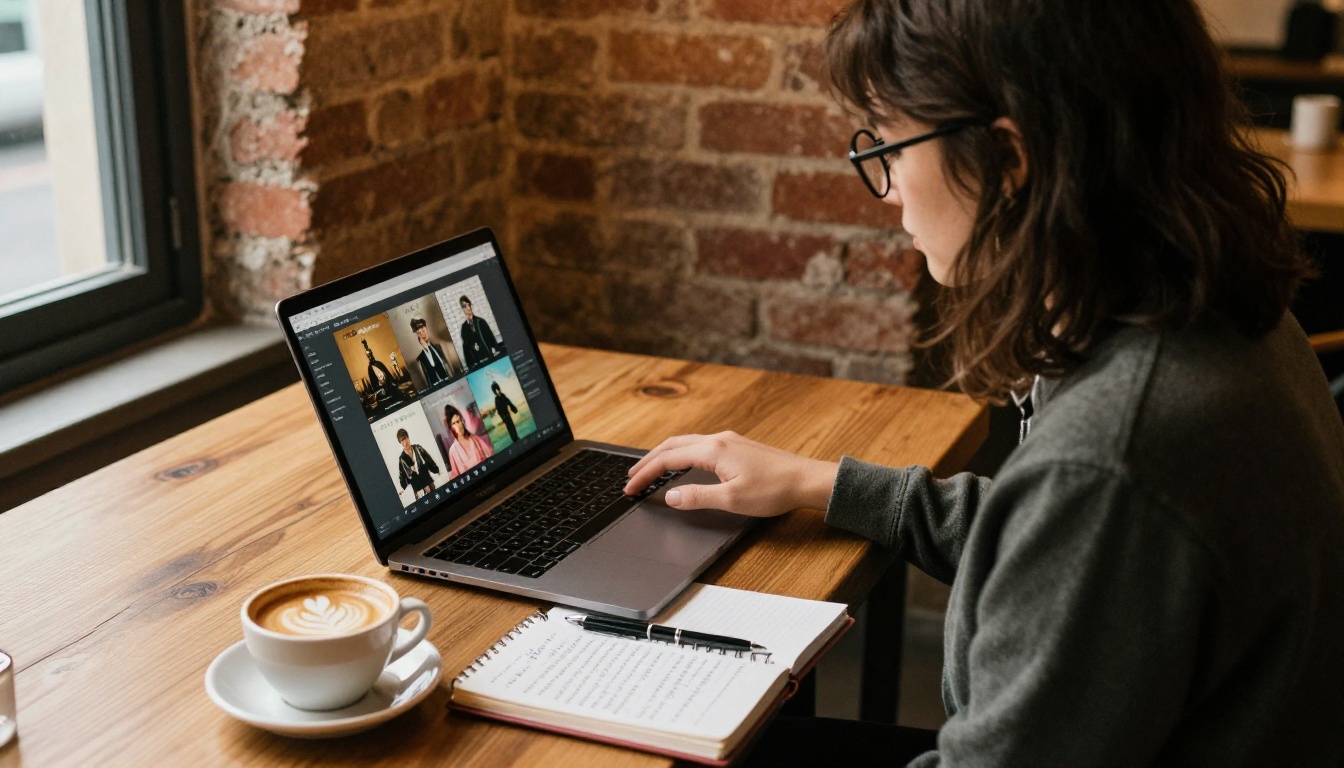
It's fair to ask: does this actually move the needle? The answer depends on what you're measuring.
| Goal | How Flipbooks Help | Measurable Outcome |
|---|
| Press coverage | Journalists engage longer with visual EPKs | Higher pitch response rate |
| Fan loyalty | Interactive booklets reward dedicated listeners | Repeat visits, social shares |
| Sync placements | Professional pitch deck format stands out | More supervisor callbacks |
| Booking | Standout visual materials in agent inboxes | Better gig conversion rate |
| Merch sales | Lookbook format drives pre-launch interest | Higher sell-through on drops |
| Streaming bumps | Fan booklet links back to album streams | Direct traffic to DSPs |
Artists who consistently use visual storytelling in their campaigns don't just get more attention. They build a recognizable aesthetic that compounds over time. Every flipbook you release trains your audience to expect quality from you.
💡 Include your Flipbooks AI link in your Spotify artist bio, your email signature, and your link-in-bio tool. Passive placements create consistent discovery opportunities without extra effort.
Flipbooks AI Plan Comparison for Musicians
Different career stages need different tools. Here's how the plans map to actual artist needs.
| Feature | Free | Standard | Professional |
|---|
| Number of flipbooks | Limited | Unlimited | Unlimited |
| Watermark | Yes | No | No |
| Custom branding | No | Yes | Yes |
| Password protection | No | Yes | Yes |
| Analytics dashboard | No | No | Yes |
| Offline downloads | No | No | Yes |
| Lead generation tools | No | No | Yes |
| Embed on website | Yes | Yes | Yes |
For most independent artists, the Standard plan is the entry point that matters: no watermarks, unlimited flipbooks, and custom branding. If you're actively pitching to labels, booking festivals, or running a fan club, the Professional plan's analytics and lead capture are genuinely useful investments.
Compare all plans in detail and pick what fits your current stage.

Put Your Album in Front of More People
The artists getting consistent press coverage, growing fan bases, and booking better shows aren't always the ones with the biggest budgets. They're the ones who present their work professionally at every touchpoint.
A flipbook press kit takes an afternoon to build and stays active for the entire album cycle. A fan booklet becomes a piece of content fans return to and share. A sync pitch in flipbook format looks like it came from someone who takes their craft seriously.
Ready to build yours? Create your first flipbook free on Flipbooks AI and see how fast you can put together something worth sharing.
Need to pick a plan first? Browse pricing options to find the right fit for where you are in your career. And if you want to see everything the platform can do, explore all flipbook tools built for creators, musicians, and visual storytellers.



