Paper catalogs have shaped school communication for decades, but something fundamental has changed. Across the country, administrators are quietly closing the book on printed course guides, supply lists, and school brochures, and replacing them with something schools can actually control, update, and measure. If you've noticed your child's school sending fewer printed packets home, or your district's welcome packet arriving as a link instead of a manila envelope, you're watching a real shift happen in real time.
This is not a trend driven by technology for its own sake. It's being driven by money, time, the environment, and frankly, the way students actually consume information today. Flipbooks AI is one of the platforms making this transition accessible to schools of every size and budget.
The Real Cost of Paper Catalogs
What Schools Actually Spend on Print
The numbers are more painful than most administrators like to admit. A mid-sized school district printing annual course catalogs, back-to-school guides, activity brochures, and supply lists can easily spend $15,000 to $80,000 per year on design, print, and distribution alone. That's before you factor in the staff hours spent proofreading, coordinating with printers, and mailing.
For smaller schools with tighter budgets, even a $3,000 annual print run represents real money that could fund classroom supplies, technology, or staff development. When every dollar counts, the question stops being "should we go digital?" and starts being "why haven't we already?"
| Cost Category | Paper Catalog (Annual) | Digital Catalog (Annual) |
|---|
| Design & Layout | $800 - $3,500 | $0 - $200 (templates) |
| Printing (per unit) | $2.50 - $8.00 | $0 |
| Distribution/Mailing | $1,200 - $6,000 | $0 |
| Storage | $200 - $800 | $0 |
| Updates/Reprints | $500 - $4,000 | $0 (instant edits) |
| Total Estimate | $5,000 - $80,000+ | $150 - $500/yr |
💡 A single content correction in a paper catalog triggers a costly reprint cycle. A digital catalog update takes minutes and costs nothing extra.
The Hidden Time Tax
Beyond the dollar cost, paper catalogs consume enormous staff time. Someone has to write the content, coordinate photography, brief the designer, review proofs, manage the print order, coordinate delivery, and then physically distribute thousands of copies. In many schools, this process consumes weeks of staff attention every year, time that could be spent on students.
Digital catalogs don't eliminate the work of creating good content, but they remove nearly every logistical layer that sits between content creation and the audience.

The Sustainability Pressure Is Real
Paper Waste by the Numbers
Schools are significant paper consumers. In the United States alone, schools collectively consume an estimated 32 billion sheets of paper annually. A significant portion of that goes into printed materials, including catalogs and brochures, that most families skim once and discard.
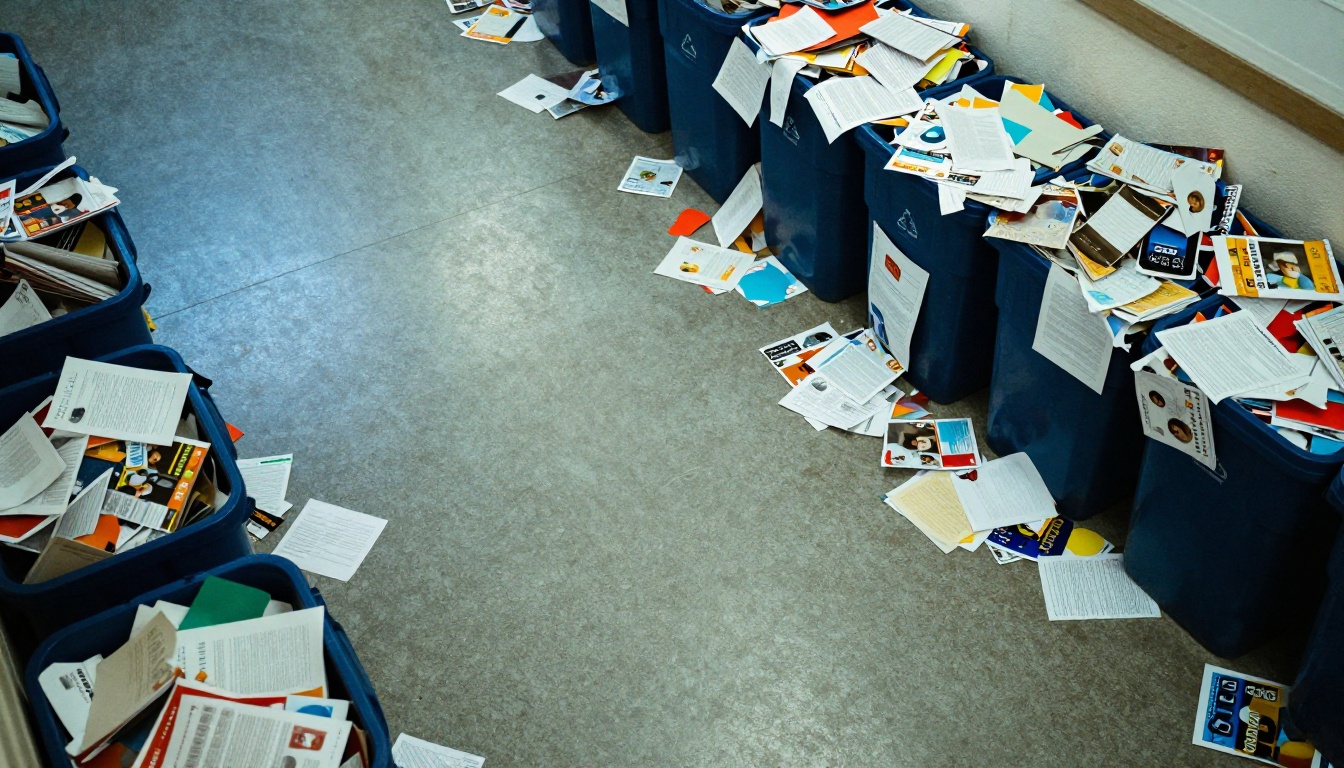
When a school distributes 1,200 course catalogs and a third of them end up in the recycling bin within a week, that's not communication, that's expensive waste. Students today are more environmentally aware than any previous generation, and many actively notice when their school's stated sustainability values don't match its printing habits.
Schools Leading Their Own Sustainability Goals
Many districts have adopted formal sustainability policies in recent years, with targets around energy, transportation, and waste reduction. Paper reduction has become a visible and measurable part of those commitments. Switching from paper to digital school catalogs is one of the fastest, most trackable sustainability wins a school can achieve, and it comes with a cost saving attached.
For schools that already run environmental education programs, the optics matter too. There's something contradictory about teaching students to reduce waste while simultaneously printing 1,500 copies of a catalog that could live on a website.

The Attention Shift Schools Can't Ignore
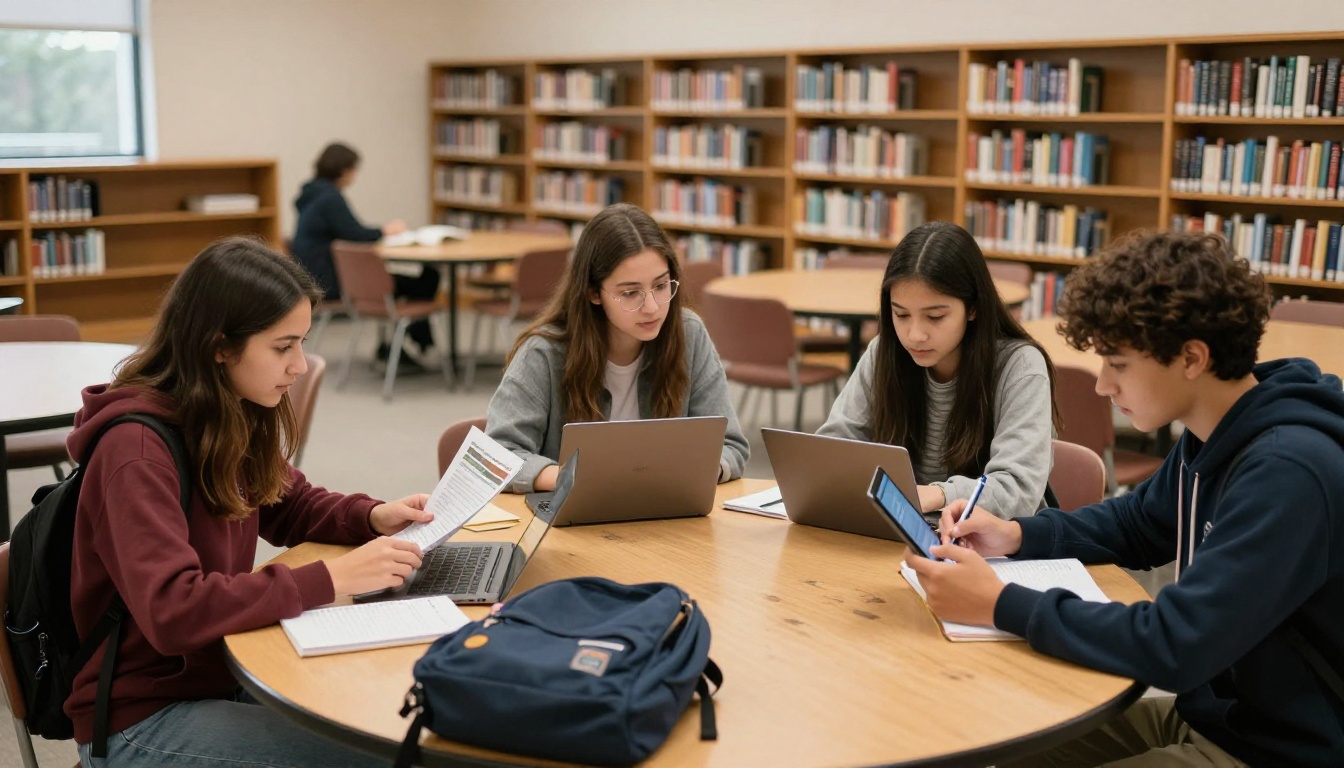
The average high school student spends around 7 hours per day on screens for entertainment, communication, and studying. Expecting them to read a printed catalog they received three weeks ago is a losing bet. Digital materials live where students already are, on phones, tablets, and laptops, accessible at the exact moment a student or parent wants to look something up.
This shift isn't about students being lazy. It's about how information consumption has fundamentally changed. A physical catalog sitting on a kitchen counter competes with everything else on that counter for attention. A digital link sent via school email or texted through a parent notification app reaches people in the channels they're already checking.
Accessibility That Print Can't Match
Digital catalogs also remove barriers that paper introduces. A student whose family moved mid-year and missed the initial distribution can access the digital catalog instantly. A parent who doesn't speak English as a first language can use browser translation tools on a digital document. A visually impaired student can use screen readers on a properly formatted digital publication in ways that are simply impossible with print.
✅ Digital catalogs are inherently more accessible, shareable, and searchable than any printed equivalent.
What Makes Digital School Catalogs Actually Work
Real-Time Updates, No Reprint Required
This is the single biggest operational advantage that digital wins on outright. Schools change constantly. Course offerings shift. Dates change. Staff names update. Phone numbers get corrected. In the paper world, these changes either go uncorrected in the existing print run or trigger an expensive reprint cycle.
In a digital catalog, corrections happen immediately. An administrator can log into the platform, edit the text, and within minutes every student, parent, and staff member who opens the link sees the accurate version. There's no version control problem. There's no "we already printed 2,000 copies" regret.

Data That Paper Has Never Offered
Paper gives you no data. You print 1,500 copies and have no idea how many people read page 12 versus page 3, whether anyone even opened it, or which sections generated questions. Digital catalogs built on platforms like Flipbooks AI offer real analytics, showing administrators page view rates, time spent on sections, and how families interact with each part of the publication.
That data changes how schools communicate. When you can see that the extracurricular activities section gets three times the traffic of the academic requirements section, you can design next year's catalog to put the most important information where readers are already looking.
| Feature | Paper Catalog | Digital Flipbook |
|---|
| Real-time updates | No | Yes |
| Cost per update | $500 - $4,000 | $0 |
| Analytics/tracking | None | Full page analytics |
| Searchability | None | Full text search |
| Multimedia (video, audio) | None | Yes |
| Mobile-responsive | No | Yes |
| Accessible (screen readers) | Limited | Full support |
| Password protection | No | Yes |
| Shareable via link | No | Yes |
| Print-on-demand option | N/A | Yes (still possible) |
Budget Meetings Are Driving the Shift Too
Administrators Do the Math Once
The budget case for digital school catalogs doesn't require a complex analysis. Most school administrators who do a side-by-side cost comparison arrive at the same conclusion. The savings in print, design, and distribution easily offset the cost of a digital platform, often within the first year. By year two, the financial benefit is clear and growing.
For districts facing budget pressures, eliminating or dramatically reducing print costs is a tangible, defensible budget move. It saves money, and unlike cutting teaching hours or after-school programs, it doesn't reduce services to students. In many ways, going digital improves the service.

Distribution That Doesn't Need a Logistics Plan
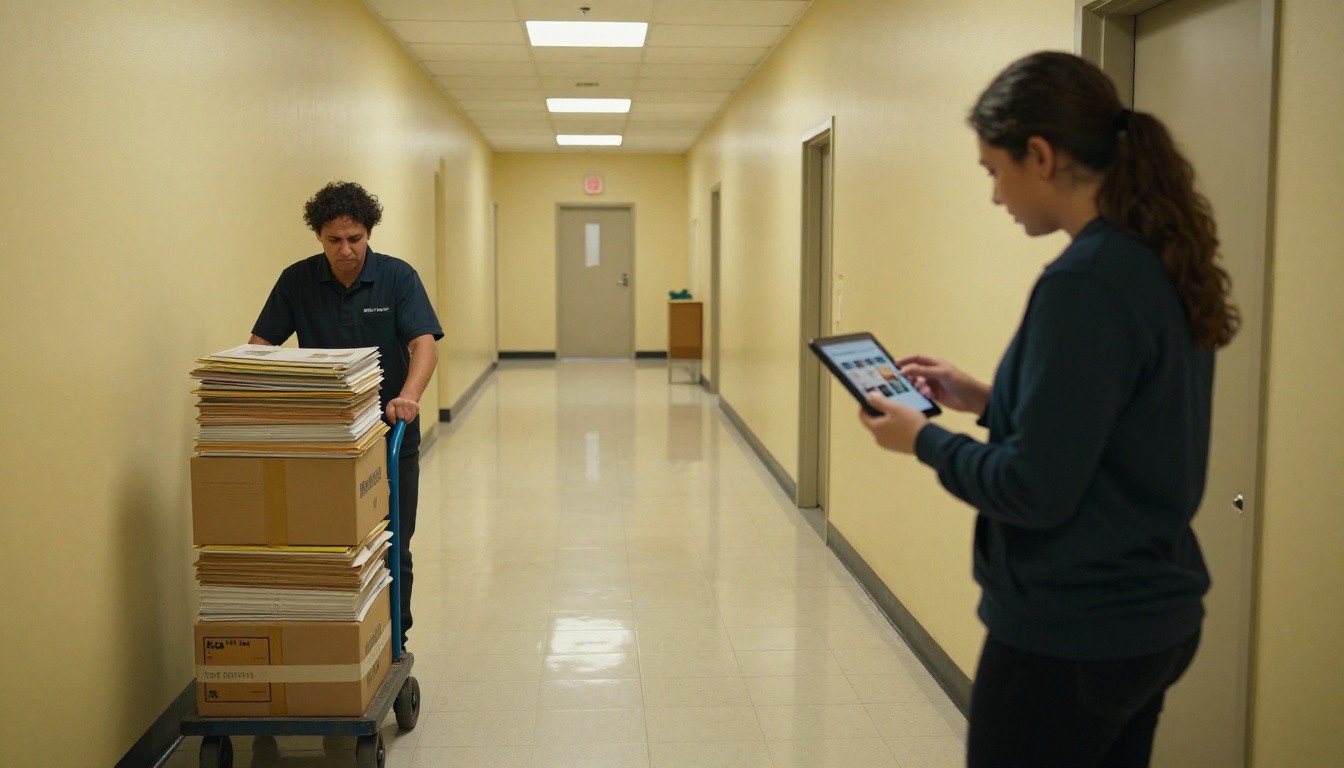
Physical catalog distribution is a genuine operational challenge. Someone has to count copies, box them, route them to classrooms or office pickup points, and then coordinate getting them home with students. For schools that mail catalogs directly to families, add postage costs and address management to that list.
Digital distribution is a link. You send it via email, post it on the school website, include it in the weekly parent newsletter, and share it through whatever parent communication app your district uses. It reaches every family simultaneously, at no additional cost, without a single cardboard box.
How to Build Your School Catalog with Flipbooks AI
Schools don't need a web developer, a designer, or a dedicated communications team to create a professional digital catalog. Flipbooks AI was built specifically to make this process fast and accessible.
Step 1: Start with Your Existing PDF
If your school already has a PDF version of any catalog or brochure, you can convert it directly. Use the PDF to Flipbook Converter to upload your file and have it transformed into an interactive, page-turning digital publication in minutes. No design software required.
Create your account on Flipbooks AI to get started. The free tier lets you publish immediately.
Step 2: Customize Your Branding
Once your content is uploaded, apply your school's colors, logo, and font choices to the flipbook interface. The platform supports custom branding so your catalog looks consistent with your school's identity, not generic.
The School Newsletter Creator and Yearbook Flipbook Maker are particularly relevant tools for schools already building out their digital publication library.
Step 3: Add Multimedia
Digital catalogs can include things paper never could. Embed a welcome video from the principal on the first page. Add an audio tour of the building for incoming students. Include clickable links to department pages, staff email addresses, or online registration forms. The Course Material Publisher tool supports all of these elements natively.
Step 4: Set Access and Sharing Options
Control who sees your catalog with password protection for sensitive internal documents, or share it publicly with a direct link you can post anywhere. You can also embed the flipbook directly on your school website using the Embed Flipbook on Website tool, giving families a seamless browsing experience without leaving the school's domain.
Step 5: See What Families Actually Read
For schools on the Professional plan, full analytics show you exactly how families interact with your catalog. See which sections get the most attention, where readers drop off, and whether your call-to-action pages are performing. You can also enable lead generation forms to collect responses or registrations directly through the publication.
Features available on Flipbooks AI for schools:
- No watermarks on any plan
- Unlimited flipbooks on Standard and above
- Password protection for internal-only documents
- Mobile-responsive on all devices, no app download needed
- Offline download option for families with limited connectivity
- Embed video and audio directly into pages
- Custom branding with school logos and colors
- Analytics and lead generation on the Professional plan
💡 Schools on the Standard plan can publish unlimited flipbooks. If your district produces multiple publications per year (course catalog, activity guide, supply list, welcome brochure), this matters immediately.
What Families Actually Think
The Parent Perspective
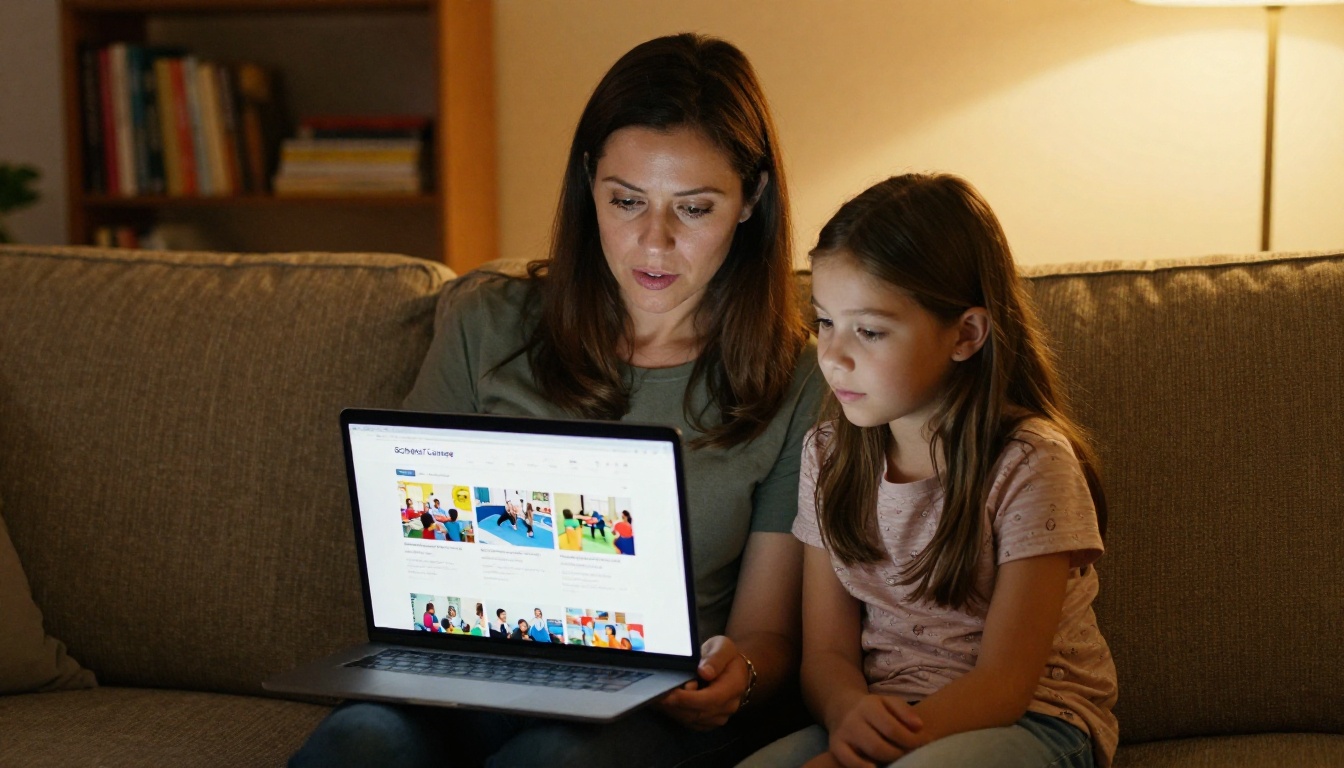
For most parents, the shift to digital school catalogs is a net positive. No more hunting through a stack of papers for the catalog that arrived six weeks ago. No more realizing you recycled the one document that had the elective registration deadline. Digital catalogs are searchable, which means finding the one piece of information you need takes seconds instead of minutes of page-flipping.
For parents with children in multiple schools or grades, having all school publications accessible through links in their email history is a practical convenience that paper distribution simply cannot replicate.
How Students Use Digital Materials
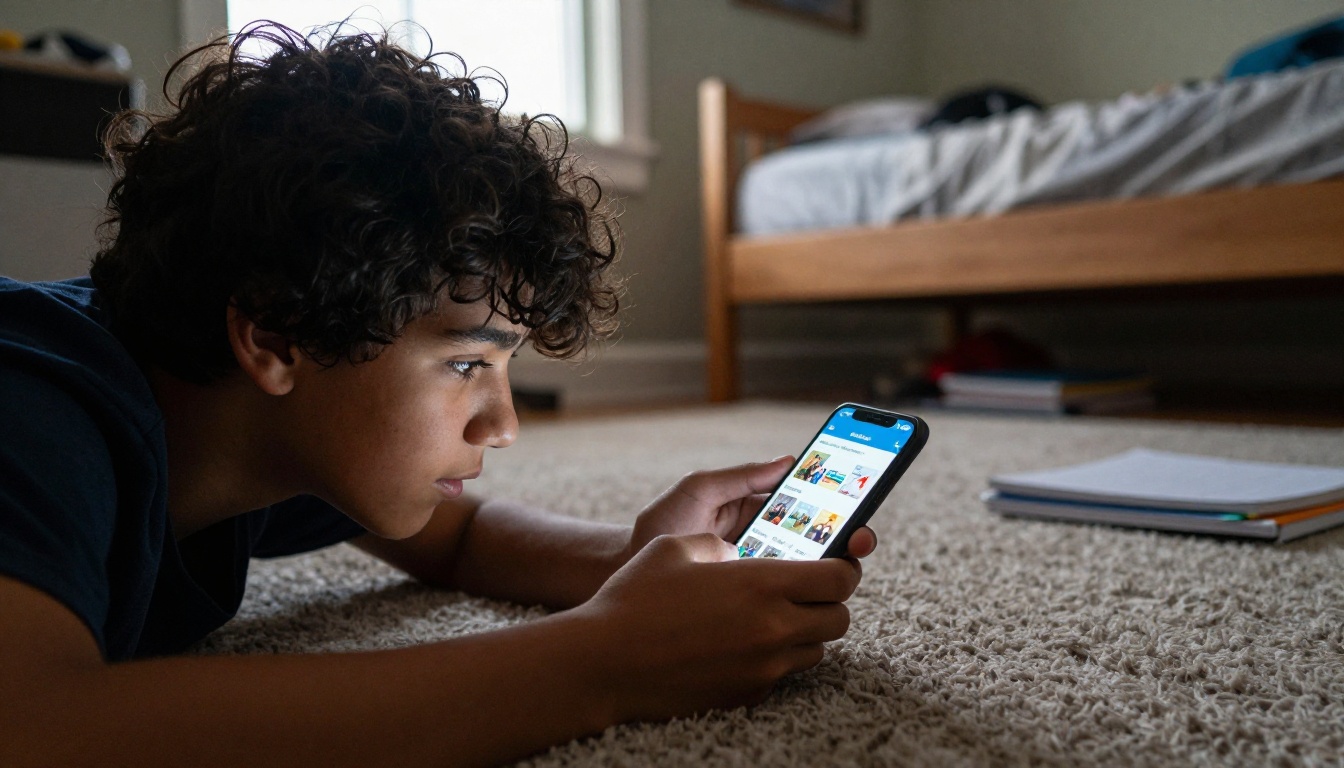
Students interact differently with digital content. They share it with friends. They screenshot sections. They save links. They access materials from their phones at whatever moment curiosity strikes, which doesn't always coincide with when a physical document happens to be nearby.
For students considering elective options or extracurricular activities, an interactive catalog with photos, videos, and clickable registration links is a fundamentally more interactive document than a printed list with headshots.
What Schools Should Look For
Not every digital catalog tool is built with schools in mind. When evaluating platforms, administrators should prioritize:
| Criteria | Why It Matters |
|---|
| Ease of use | Staff shouldn't need design training |
| No per-document fees | Schools publish multiple documents annually |
| Mobile-responsive output | Most parents use phones |
| Password protection | Internal documents need access control |
| Embed capability | School websites need integrated content |
| Analytics | Data-driven communication decisions |
| Branding control | School identity should remain consistent |
| Multimedia support | Video and audio increase interactivity |
⚠️ Avoid platforms that charge per publication or limit the number of documents. Schools that shift fully to digital publishing will need to publish frequently, and per-document pricing makes the economics worse over time.
Flipbooks AI checks every item on this list, with transparent pricing plans built for organizations that publish regularly.
Ready to Make the Switch?
The case for digital school catalogs isn't close anymore. The cost savings are substantial, the environmental benefit is real, the accessibility improvements are measurable, and the operational complexity of print distribution is a problem schools don't need to keep solving.
Schools that have already made the shift aren't going back. The combination of lower costs, better reach, real-time updatability, and actual data on how families interact with school communications makes the paper catalog look like what it is: an expensive habit from a different era.
If your school is still printing catalogs, the practical question is not whether to switch, it's how quickly you can do it.
Get started for free on Flipbooks AI and publish your first digital school catalog today. Browse all available tools to find the right format for each of your school's publications, from course guides and activity brochures to newsletters, yearbooks, and welcome packets. When you're ready to access analytics and lead generation, compare pricing plans to find the tier that fits your district's needs.



