Therapists have handed out paper workbooks for decades. The idea is solid: clients take home exercises, fill in worksheets, and return with insights. The reality? Most of those workbooks come back blank, coffee-stained, or never come back at all. That's why a growing number of clinicians are turning to digital flipbooks as their primary workbook format, and platforms like Flipbooks AI are making the transition surprisingly simple.
This isn't about following a tech trend. It's about what actually works.
Why Paper Workbooks Fall Short
Clients Rarely Complete Them
Research consistently shows that homework compliance in therapy is a significant predictor of outcomes, yet completion rates for paper workbooks hover stubbornly low. Clients lose the workbook. They forget it at home. They feel self-conscious carrying it. They don't have a pen when inspiration strikes.
Paper creates friction. And in therapy, friction between insight and action is the enemy of progress.
Printing Is Expensive and Inflexible
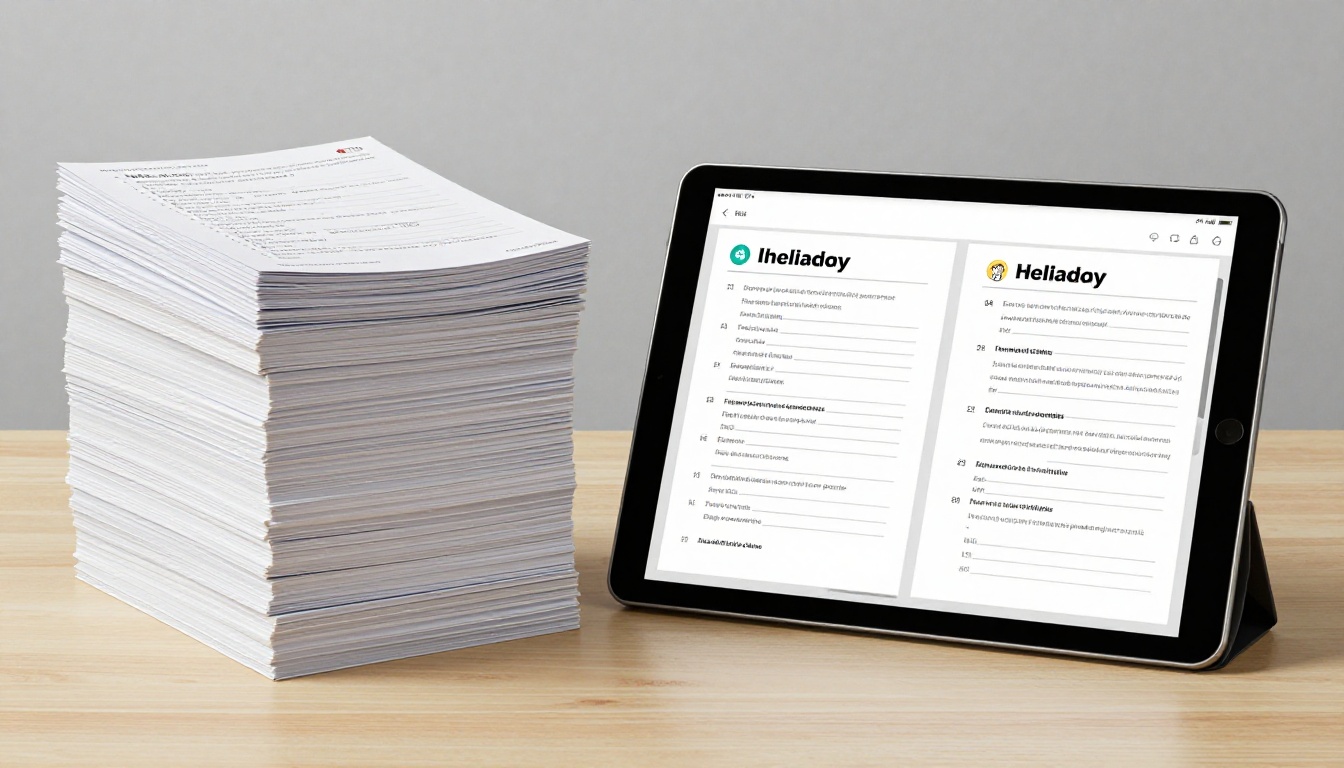
A single 60-page CBT workbook costs $8-15 to print and bind professionally. Multiply that across a caseload of 20 clients and you're looking at $160-300 per month in printing alone. And if you want to update an exercise? Print again.
Digital workbooks eliminate that cost entirely. Update once, every client sees the change instantly.
Paper Doesn't Work for Teletherapy
Since 2020, teletherapy has become a standard delivery model for mental health care. Mailing paper workbooks to remote clients is impractical. Asking them to print their own introduces yet another barrier.
Digital formats solve this completely. A therapist in Toronto can assign an anxiety management workbook to a client in rural Saskatchewan with two clicks.
What Makes Flipbooks Different
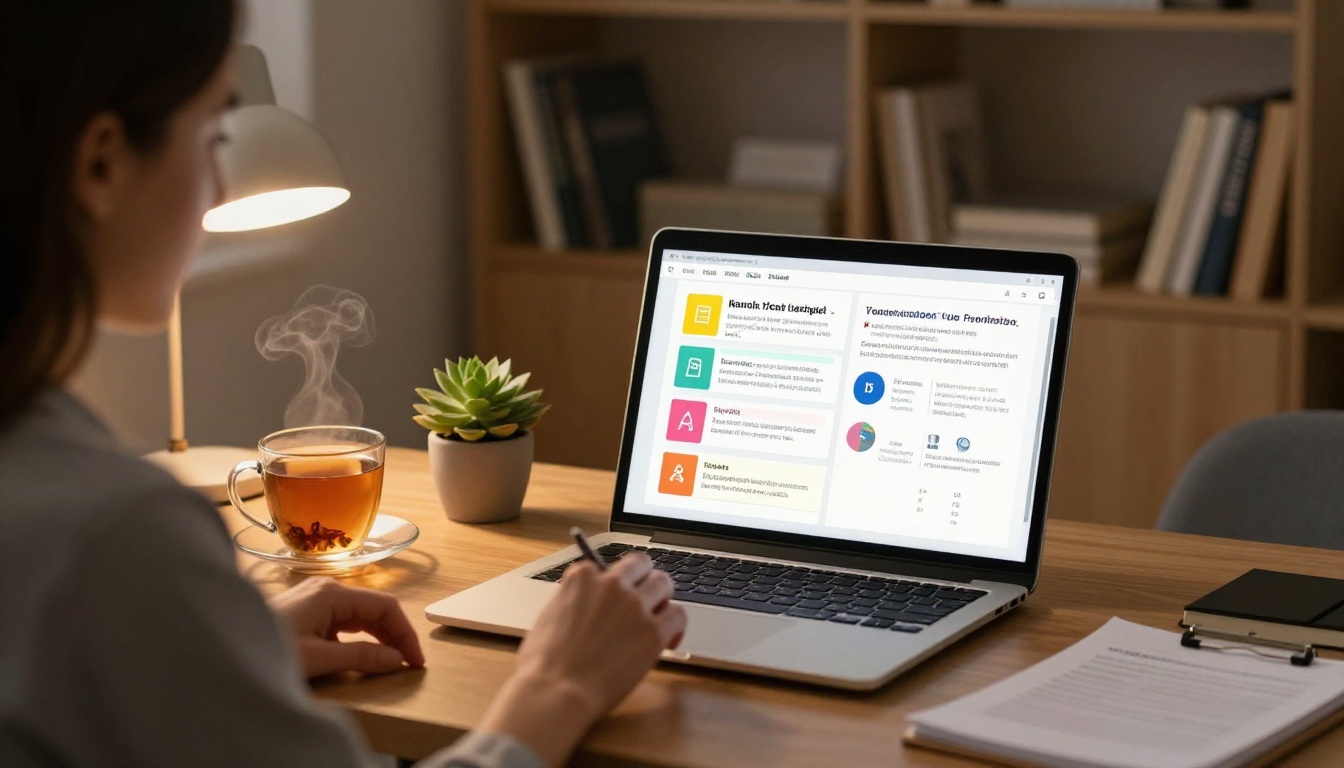
The term "digital workbook" gets thrown around loosely. A PDF is technically digital. A Word document is digital. But a flipbook is something different in terms of the experience it creates.
The Format Feels Alive
Flipbooks replicate the tactile experience of turning pages, something psychologically meaningful that flat PDFs miss entirely. The page-turn animation signals progress. Moving from page 5 to page 6 feels like an accomplishment. For clients working through difficult exercises, that sense of forward movement matters.
Clients Can Access Them Anywhere
A flipbook workbook lives in a browser. No app download required. Clients open a link on their phone during a lunch break and complete a mindfulness check-in. They revisit their thought record on Sunday morning before a stressful family dinner. Accessibility at the right moment is what drives completion.
Multimedia Changes Everything
Paper workbooks are static. Flipbook workbooks can include embedded audio for guided breathing exercises, video demonstrations of grounding techniques, and clickable links to supplementary resources. A trauma-informed workbook can include a 90-second audio clip for somatic regulation right inside the exercise page.
That's not something any paper workbook can do.

Paper vs. Digital Therapy Workbooks
Here's an honest comparison of what each format actually delivers in a clinical setting:
| Factor | Paper Workbooks | Digital Flipbook Workbooks |
|---|
| Cost per client | $8-15 to print | $0 after creation |
| Update time | Reprint everything | Edit once, live instantly |
| Teletherapy ready | No (mailing required) | Yes (shareable link) |
| Multimedia support | None | Audio, video, links |
| Client accessibility | Single physical copy | Any device, anywhere |
| Password protection | None | Available on Pro plans |
| Completion tracking | Self-reported only | Digital access data |
| Environmental impact | Paper waste per client | Zero physical waste |
💡 When you convert an existing PDF workbook to a flipbook, you keep all your existing content while gaining the engagement advantages of the digital format. No rebuilding from scratch.
Types of Therapy Workbooks That Work Best as Flipbooks
Not all therapy materials benefit equally from the flipbook format. These types consistently see the strongest results when converted or built as digital flipbooks.
CBT Thought Records and Worksheets
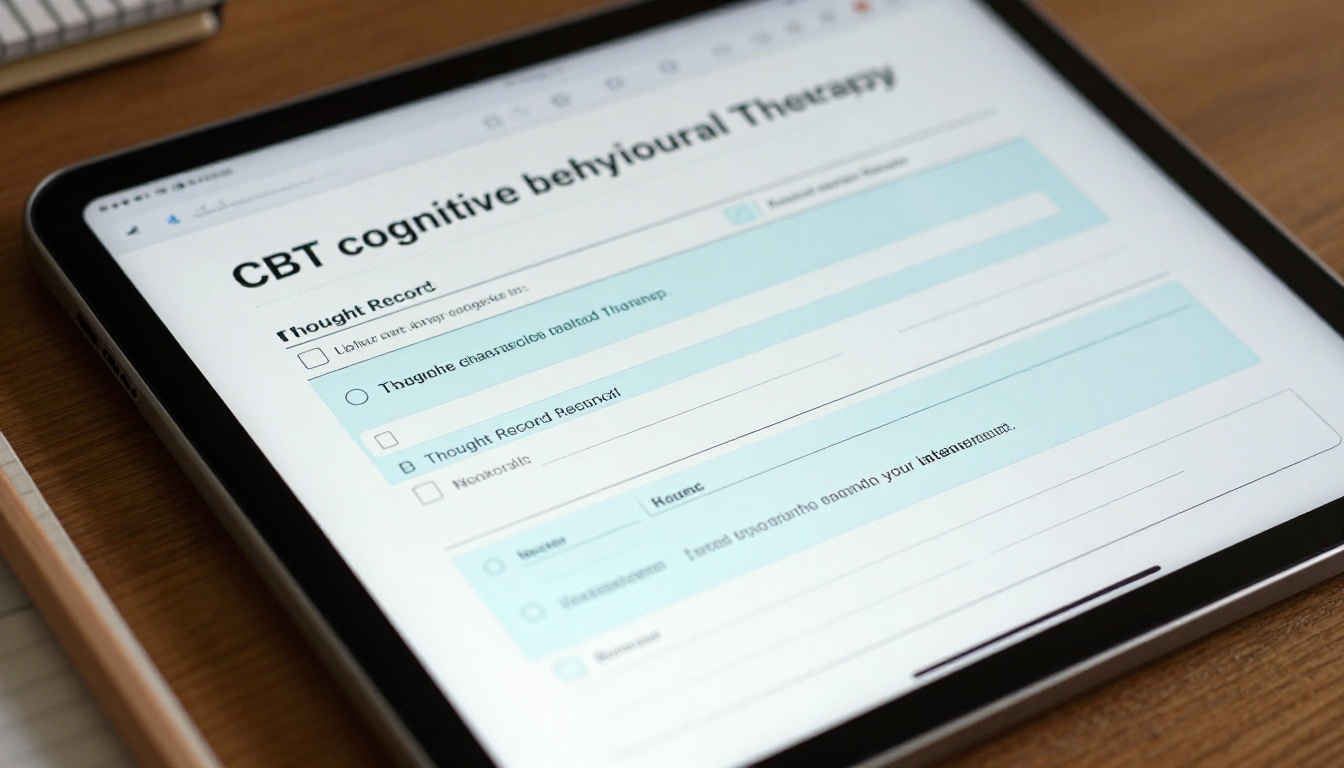
Cognitive behavioral therapy relies heavily on structured worksheets: thought records, behavioral activation logs, cognitive distortion checklists. These are naturally paginated, which maps perfectly onto flipbook structure.
A CBT thought record flipbook can have one thought record per spread, letting clients flip through their week's work as a coherent narrative rather than a loose stack of papers.
Mindfulness and Meditation Journals
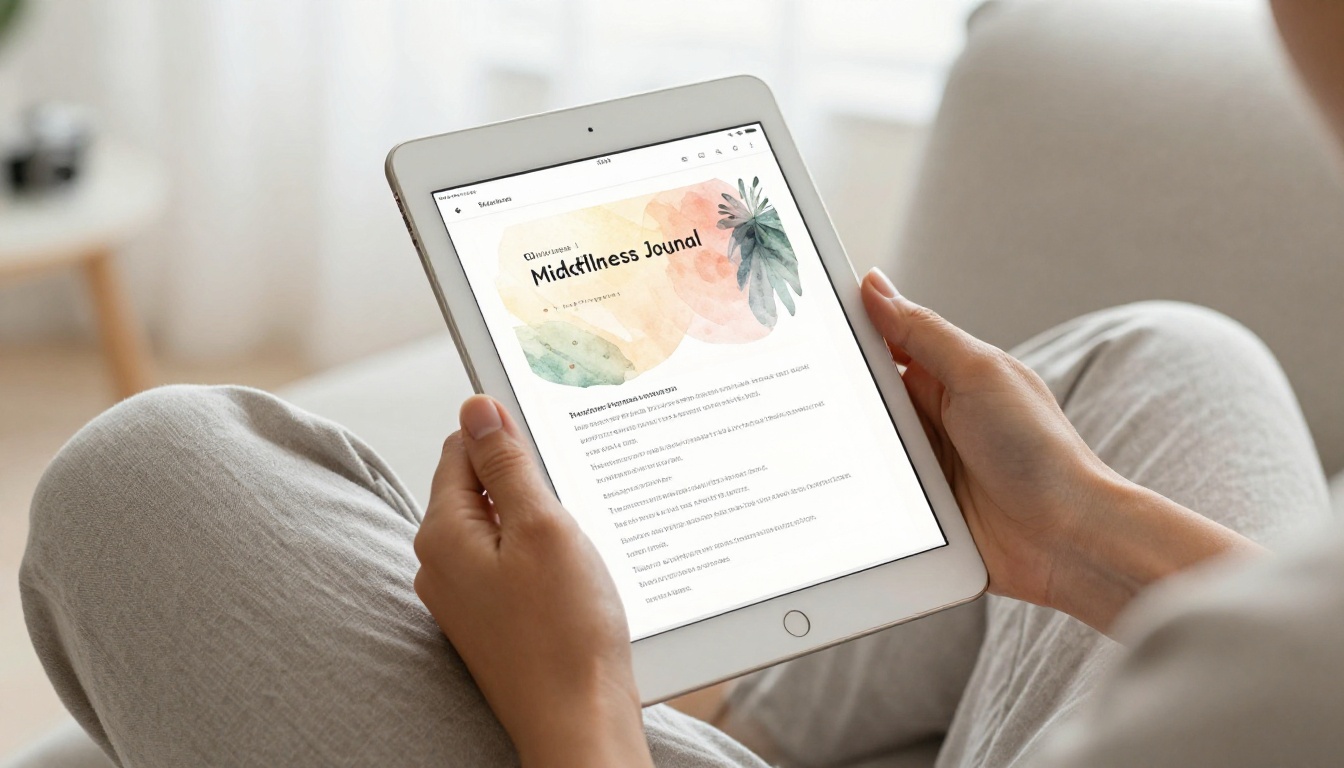
Mindfulness workbooks benefit enormously from the flipbook format because the pacing of page-by-page reading matches the deliberate, slow quality of mindfulness practice. Audio embeds for guided meditations make these workbooks genuinely interactive.
A well-designed mindfulness flipbook becomes less like a worksheet and more like a personal retreat resource.
Trauma Recovery Workbooks
Trauma work requires careful pacing and a sense of safety. Flipbook workbooks give clinicians precise control over what clients see and when. Password-protected links mean content stays private. Page-by-page structure prevents clients from jumping ahead to material they're not ready for.
⚠️ For trauma workbooks, consider using the password protection feature available on Flipbooks AI's Professional plan to ensure materials remain confidential and are accessed only by the intended client.
Anxiety Management Tools
Anxiety management workbooks include worry logs, exposure hierarchies, and safety planning worksheets. The flipbook format lets therapists embed links to external resources (crisis lines, breathing apps) directly in the material, making these workbooks functionally richer than any paper version.

How to Create a Therapy Workbook with Flipbooks AI
This is where the practical question sits: how does a therapist actually build one of these? With Flipbooks AI, the process is straightforward enough that no design background is needed.
Step 1: Create Your Account
Go to Flipbooks AI and sign up. The Standard plan gives you unlimited flipbooks with no watermarks, which is the minimum you want for professional clinical use.
Step 2: Prepare Your PDF
Build your workbook in whatever program you already use: Word, Google Docs, Canva, InDesign. Export it as a PDF. You can use an existing workbook you've already created.
✅ Add a professional cover page and a clear table of contents before exporting. These become your flipbook's first impression and set the tone for client engagement.
Step 3: Upload and Convert
Use the PDF to Flipbook Converter to upload your file. The platform converts it automatically, preserving all your formatting, fonts, and images. Conversion typically takes under 60 seconds.
Step 4: Customize the Presentation
Add your practice name and brand colors. You can customize the flipbook's background, controls, and navigation style. For therapy workbooks, a calm, neutral interface works best. Avoid busy backgrounds that might feel overstimulating for anxious clients.
Step 5: Add Multimedia (Optional but Powerful)
Embed audio for guided exercises. Link to external resources. This is particularly valuable for mindfulness workbooks and anxiety management materials where audio guidance significantly increases the exercise's effectiveness.
Step 6: Set Privacy and Sharing Options
For individual client workbooks, use password protection so materials stay private. For general psychoeducation resources, a direct shareable link works well. You can also embed the flipbook on your website for resources you want clients to access through your practice's portal.
Step 7: Send to Your Client
Copy the shareable link and send it via your secure client communication channel, your EHR's messaging system, or encrypted email. The client clicks the link and their workbook opens instantly in their browser.
Therapy Specialties That Benefit Most
Different clinical specialties have different workbook needs. Here's how the flipbook format maps onto common therapy modalities:
| Therapy Modality | Workbook Type | Key Flipbook Benefit |
|---|
| CBT | Thought records, behavioral activation | Structured pagination, assign specific pages |
| DBT | Skills training modules | Embed video demos of skills practice |
| Trauma (EMDR/Somatic) | Resource building, titration tools | Password protection, paced page structure |
| Anxiety/OCD | Exposure hierarchies, ERP logs | Embed links to crisis resources |
| Mindfulness-Based | Meditation journals, body scans | Audio embeds for guided practices |
| Couples Therapy | Communication exercises, worksheets | Shareable with both partners simultaneously |
| Child/Adolescent | Social skills, emotion regulation | Engaging visual format, mobile-friendly |
| Group Therapy | Psychoeducation handouts | Single link shared with entire group |
Teletherapy Workflows
For telehealth practitioners, the flipbook format is close to essential. The workflow looks like this:
- Create a modality-specific workbook once
- Assign it to relevant clients via a secure link
- Review completed exercises during video sessions (clients share screen or describe their responses)
- Update the workbook as your approach evolves
No printing. No mailing. No "I left it at home."

The Engagement Question
Therapists understandably ask: will clients actually use a digital workbook more than a paper one?
The evidence from adjacent fields is strong. Interactive digital learning materials consistently outperform passive paper formats on completion rates, comprehension, and recall. The mechanisms are well understood: novelty drives initial engagement, accessibility sustains it, and the absence of friction removes the most common barriers.
For therapy specifically, the mobile accessibility factor is significant. Clients often have their best insights during the week, not during the 50-minute session. A workbook that lives on their phone is a workbook that's available at the exact moment it's most useful.
💡 Encourage clients to save the flipbook link on their phone's home screen. This makes the workbook a persistent presence in their daily environment rather than something that lives in a drawer.
What Clients Report Back
Therapists who have made the switch consistently share:
- Clients come to sessions having actually completed the homework
- Clients reference specific pages and exercises during the hour
- Clients share workbooks with supportive family members on their own initiative
- Clients keep using old workbooks for reference long after active treatment ends
The format doesn't just make it easier to distribute materials. It makes the materials more meaningful to clients.
Privacy and Professional Considerations
Any discussion of digital tools in clinical settings has to address privacy seriously.
HIPAA and Confidentiality
The flipbook workbook itself is not a clinical record in the traditional sense. It's educational and therapeutic material, similar to a book you'd recommend. However, any content the client creates in response to the workbook, notes they take, completed exercises they share, constitutes protected health information and should be handled through your standard secure channels.
Best practices for privacy:
- Use password protection for any workbook customized to a specific client
- Share workbook links through your HIPAA-compliant messaging system, not personal email
- Don't include identifying client information inside the workbook itself
- Store completed exercises and client responses in your EHR, not in the flipbook platform
Keeping Clinical Boundaries Clear
Flipbook workbooks are adjunct materials, not a replacement for clinical judgment. The workbook doesn't do therapy. It supports the work you're doing together in session. Framing it clearly to clients as "homework we work through together" maintains appropriate professional boundaries around what the digital tool is and isn't.

Flipbooks AI Plans for Clinical Practitioners
For therapists evaluating platforms, here's how Flipbooks AI's pricing tiers map onto clinical needs:
| Plan | Best For | Key Features |
|---|
| Standard | Solo practitioners | Unlimited flipbooks, no watermarks, direct links, custom branding |
| Professional | Group practices | Analytics, offline downloads, password protection, lead generation |
For most solo therapists, the Standard plan covers everything needed for a robust digital workbook system. Group practices where multiple clinicians share workbook libraries will find the Professional plan's analytics and management features genuinely useful.
✅ Start with the Standard plan and create one workbook for your most common presenting issue. Get comfortable with the workflow before building your full library.
Building Your Digital Workbook Library
Once you've converted one workbook, the workflow becomes fast. Most experienced clinicians have a library of materials they've refined over years of practice. Converting that library to flipbooks is a one-time investment that pays dividends every time a client shows up having actually done their homework.
A practical library for a CBT-oriented practice might include:
- Intake and psychoeducation: Explaining the cognitive model, introducing the homework expectation
- Thought records: Weekly CBT worksheets in flipbook format
- Behavioral activation: Activity scheduling and mood tracking logs
- Worry management: Scheduled worry time, worry tree exercises
- Mindfulness: Daily practice logs, body scan resources with embedded audio
- Relapse prevention: Warning signs, coping card compilations, support network maps
Each of these can be a separate flipbook, shareable by link, updated as needed, and accessible on any device at any moment.
The Interactive E-Book Publisher and the Course Material Publisher are particularly relevant tools for clinicians building multi-module programs, like structured group therapy curricula or psychoeducation series delivered over weeks.
Your Clients Are Already On Their Phones
The shift from paper to digital workbooks isn't about replacing the therapeutic relationship. It's about removing every possible barrier between your clients and the work that helps them. When the homework is accessible, engaging, and available at the moment a client most needs it, completion rates go up and outcomes follow.
Get started for free on Flipbooks AI and convert your first workbook this week. If you're running a group practice or want analytics on how clients engage with materials, compare pricing plans to find the right fit for your practice.
Browse all available flipbook tools and templates to see what's possible, including tools built specifically for educational content, interactive publications, and professional materials that translate directly to clinical practice needs.
Your clients are carrying their phones everywhere. Meet them where they are.



