The toy industry lives and dies by the holiday season. From October through December, toy brands scramble to get products in front of parents before gift lists are finalized and budgets are spent. For most of the 20th century, the answer was the holiday print catalog, those thick, colorful booklets stuffed into mailboxes nationwide. But that model has cracked under the weight of rising print costs, slow production timelines, and an audience that now does the majority of shopping from a smartphone. That's exactly why smart toy brands are switching to digital flipbooks, and the shift is accelerating fast. Platforms like Flipbooks AI are making it easier than ever to turn a standard PDF into an interactive, page-turning digital catalog that works on every device and reaches every shopper.
The Holiday Catalog Problem
Every toy brand marketing team knows the pressure. The catalog deadline sits weeks before the holiday season even begins. Products change, prices shift, and stock runs out, but the printed booklets are already in the mail with no way to correct them.
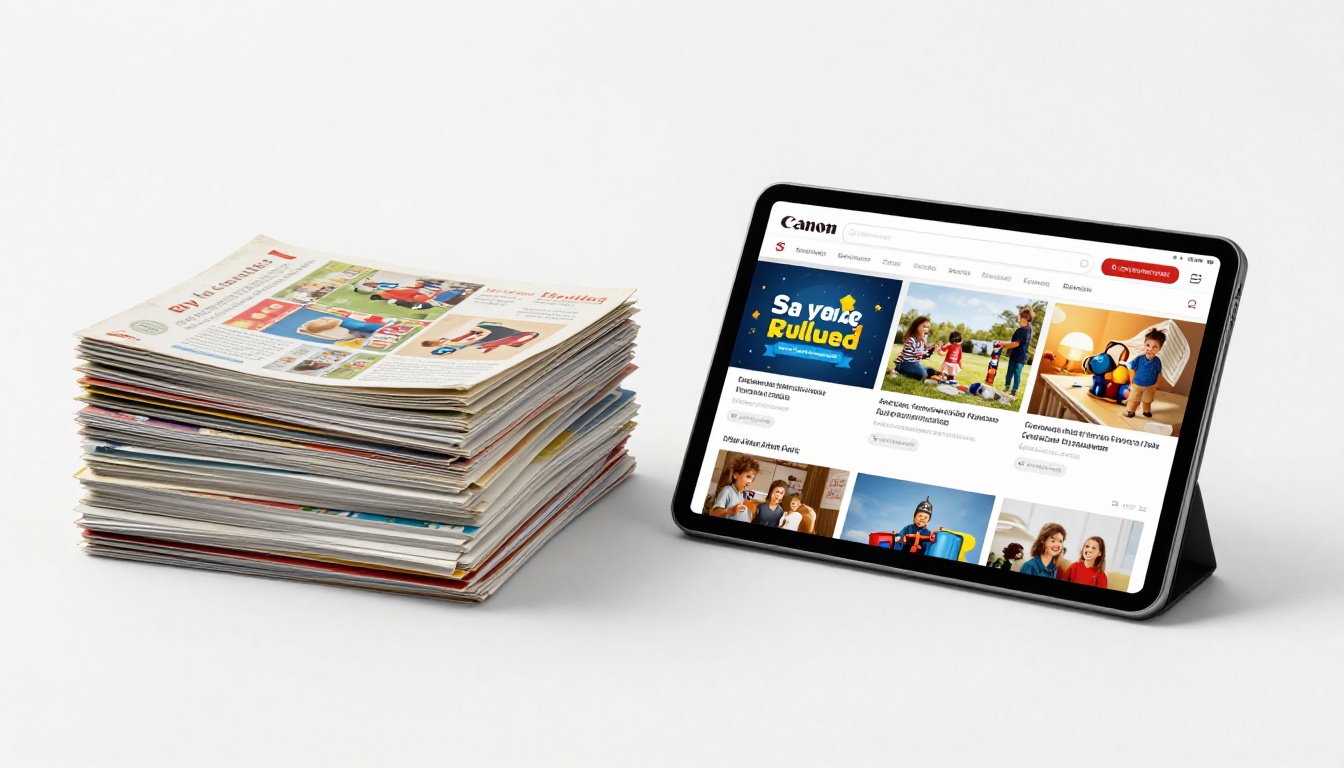
Print is expensive and slow
A mid-size toy brand producing 50,000 copies of a 32-page full-color catalog can easily spend $40,000 to $80,000 on print and distribution alone. Add design revisions, agency fees, and postal delivery, and the total climbs higher. The kicker: most of those catalogs land in recycling bins within 48 hours of arrival.
The timeline problem is equally damaging. Print production typically requires a 6-to-8 week lead time. Toy brands are locking in their holiday catalog content in mid-October, before knowing which products will be hits, which will sell out, and which promotions will actually run. By the time the catalog lands in a household, some featured items may already be unavailable.
Static PDFs are a dead end
Some brands tried switching to downloadable PDFs as a cost-saving measure. The results were disappointing across the board.
A PDF is a static document. It doesn't animate, it doesn't respond to touch, and it delivers zero interaction data. On a smartphone, PDFs require pinch-zooming just to read product descriptions, creating a frustrating experience that sends shoppers elsewhere. There's no page-turning, no embedded video, no clickable links to product pages. In a world where social media has trained consumers to expect visual stimulation in every scroll, a flat PDF feels outdated and lifeless.

What a Flipbook Actually Does Differently
A digital flipbook is not a PDF and it's not a website. It's a format specifically built to recreate the tactile, immersive experience of flipping through a physical publication but delivered entirely online with none of the print costs.
The page-turn effect and why it matters
The animated page-turn is more than a visual flourish. It creates a psychological sense of progression. When a reader "turns" a page, they feel like they're moving through something physical, not just scrolling down an endless feed. Digital content research consistently shows that flipbook-style formats produce significantly longer session durations compared to standard PDFs or flat web pages. For toy catalogs, longer sessions mean more products seen, more wish lists built, and more purchases made.
💡 Pro Tip: Position your most aspirational, high-margin toys in the first 10 pages of your flipbook. Viewer data shows interaction peaks in the opening section, just like magazine front matter always outperforms the back pages.
Mobile-first by design
Here's a reality toy brands cannot ignore: over 65% of online holiday shopping now happens on mobile devices. Flipbooks render perfectly on any screen size, automatically adjusting layout for phones, tablets, and desktops. There's no pinching, no sideways scrolling, no broken formatting.
A parent browsing from their phone at 10pm after the kids are asleep gets the same beautiful, immersive experience as someone on a 27-inch desktop monitor. That consistency matters enormously in a market where a single frustrating loading experience sends a shopper to a competitor.
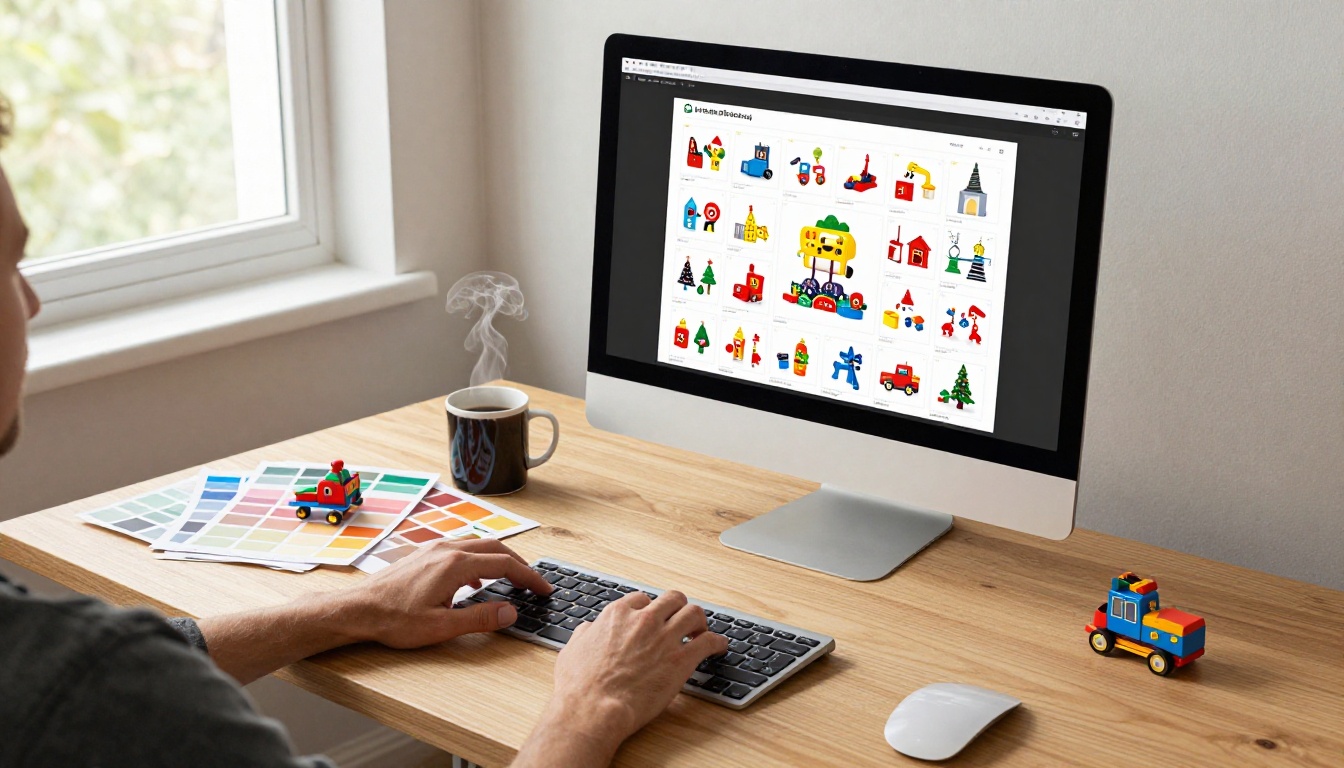
The toy industry has characteristics that make flipbooks uniquely suited to holiday catalog marketing compared to almost any other retail category.
Kids respond to interactive content
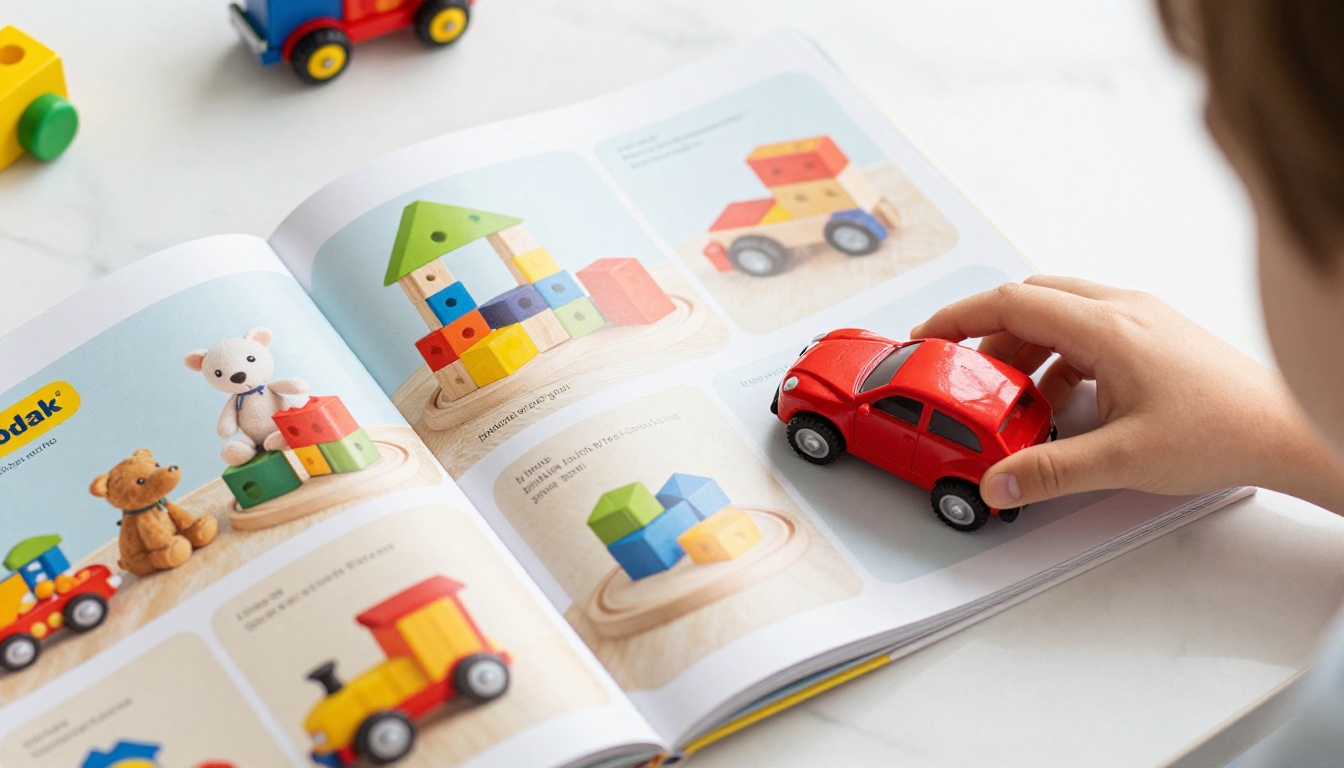
Children are not passive viewers. When a child sees a digital catalog on a screen, they want to interact with it. The ability to tap and flip through pages, to see embedded video clips of toys in action, to zoom in on product details creates a level of interest that a static PDF simply cannot generate. A six-year-old who gets excited about a toy in a flipbook will tell their parent about it. That conversion chain, child excitement leading directly to parent purchase, is the engine of the entire toy industry.
Parents shop on their phones
The gatekeepers of toy purchasing are parents, and parents are mobile shoppers. They browse during commutes, during school pickups, during the 20 minutes before dinner is ready. A catalog format that loads fast on mobile, requires no special app, and can be shared with a simple link meets parents exactly where they already are.
Sharing is especially powerful. A flipbook link sent in a group chat or posted in a parenting forum can reach thousands of potential buyers in hours, with zero additional distribution cost.
Seasonal urgency demands speed
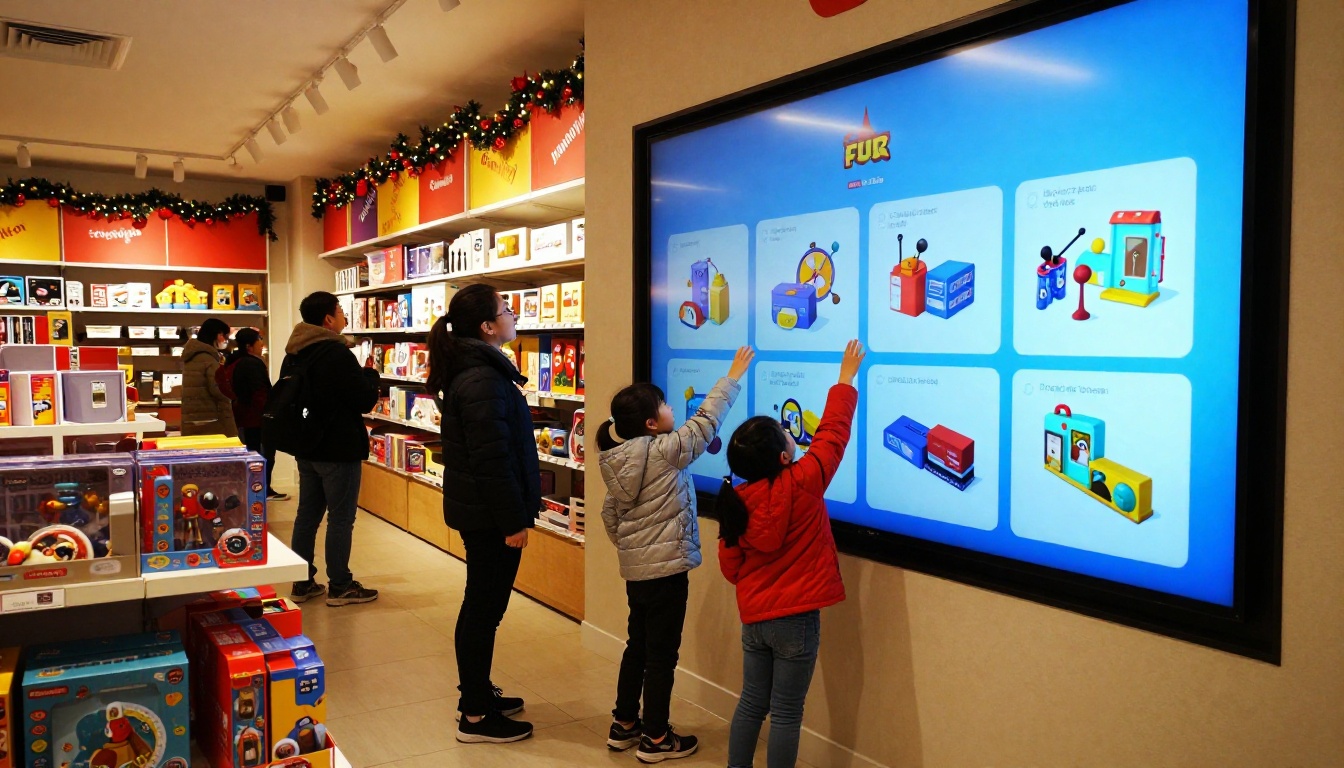
Holiday toy marketing runs on a tight window. Black Friday, Cyber Monday, and the final push before December 25 each require distinct messaging. With digital flipbooks, toy brands can publish an updated version of their catalog in hours, not weeks. Price changes, product availability updates, and limited-time promotions can be reflected immediately, something physically impossible with print.
Real-World Toy Brand Use Cases
The shift to digital flipbook catalogs is already happening across every segment of the toy market.
Big-box toy retailers
Large toy retailers with thousands of SKUs use digital flipbook holiday catalogs to segment their offerings by category: STEM toys, outdoor play, arts and crafts, board games, and more. Each section gets its own visual identity, and the entire catalog links directly to product pages for one-click shopping. Analytics then reveal which sections are most viewed and which products generate the most clicks, data that directly shapes the following season's buying strategy.
Indie toy makers and limited drops
Small, independent toy brands and artisan makers benefit enormously from digital catalogs. A boutique wooden toy company producing limited holiday editions can create a stunning flipbook catalog at near-zero cost compared to print, reaching customers through email campaigns and social sharing with a professional presentation that rivals any major brand.
Age-sorted holiday sections
One of the most effective structures in seasonal toy catalog marketing is the age-segmented format. A flipbook organized into sections for ages 0-2, 3-5, 6-8, and 9-12 helps parents navigate directly to relevant products without scrolling through items their child has outgrown. This reduces decision fatigue and significantly improves conversion rates. Flipbook platforms make this kind of chapter-based navigation straightforward to build and easy for readers to use.

What Flipbooks Do for Toy Catalogs
Not all digital formats are created equal. Flipbooks offer a specific set of capabilities that align almost perfectly with what toy brands need for holiday marketing.
Embedded video demos
Video is the single most effective format for showcasing toys. Seeing a building set come together, a remote-control car race across a room, or a doll interact with accessories creates desire in ways that photography cannot. With flipbook platforms, toy brands embed product demo videos directly into catalog pages. A reader flips to the action figures section and a hero video plays inline, no redirects, no external links, no broken experience.
Real-time analytics and page heatmaps
The Professional plan on Flipbooks AI includes analytics that reveal exactly how readers interact with each catalog. Which pages see the longest viewing time? Where do readers drop off? Which product images generate the most taps? This data is invaluable for toy marketers, informing both the current season's promotions and next year's catalog structure.
📊 What the data shows: Toy brands using flipbook analytics often find that items on pages 4-7 receive significantly more viewer attention than items placed in the back third of a catalog. That insight directly improves product placement and seasonal revenue.
Password protection for press previews
Before a holiday catalog goes public, toy brands share preview versions with press, retail buyers, and influencers. Flipbook platforms allow password-protected sharing, so a brand sends an exclusive preview link with a simple password, maintaining embargo control while gathering early feedback. This is a workflow that print simply cannot replicate.
Custom branding at every touchpoint
From the cover page to the loading screen, flipbooks carry the brand's visual identity. Logo placement, color palette, typography, and page-turn animation style are all customizable. For toy brands, this means the digital catalog feels like a natural extension of their holiday campaign, not a generic document viewer.
Feature comparison
| Feature | Printed Catalog | Static PDF | Digital Flipbook |
|---|
| Mobile-friendly | No | Poor | Yes |
| Embedded video | No | No | Yes |
| Real-time updates | No | No | Yes |
| Analytics | No | No | Yes |
| Shareable link | No | Limited | Yes |
| Print cost | High | None | None |
| Production time | 6-8 weeks | Days | Hours |
| Password protection | No | No | Yes |
| Custom branding | Yes | Limited | Yes |
| Interactive chapters | No | No | Yes |
Build Your Holiday Toy Catalog
Flipbooks AI is built for exactly this kind of use case. Here's how to take a toy catalog from PDF to published flipbook in an afternoon.
Step 1: Prepare and upload your PDF
Start with your finalized toy catalog in PDF format from any design software: Adobe InDesign, Canva, or Figma. Head to Flipbooks AI, create your account, then upload your PDF through the dashboard. The platform converts the file automatically, preserving all photography, typography, and layout with precision.
Step 2: Add branding and colors
Once uploaded, customize the flipbook to match your brand identity. Adjust cover colors, add your logo to the header or footer, and select a page-turn animation style. Toy brands often work with bright, saturated palettes that signal energy and fun, and the customization tools make this quick.
✅ Best Practice: Match your flipbook's color scheme to your broader holiday campaign. Consistent branding across the flipbook and your social media ads reinforces recognition and builds shopper trust.
Step 3: Embed product videos and media
For each hero product, embed a short demo video directly onto the relevant catalog page. Keep videos between 15-45 seconds for maximum viewer retention. Focus on showing the toy in use: a child playing with it, the product in motion, the unboxing experience. These embedded moments are what separate a digital flipbook from every other catalog format.
Step 4: Share and track performance
When the catalog is ready, generate your sharing link. This single URL works on every device and can be embedded on your website using the Embed Flipbook on Website tool. Share it across email campaigns, social posts, and paid ads. For exclusive previews, activate password protection. Once live, monitor your analytics in the Flipbooks AI dashboard to watch reader behavior in real time.
Print vs. Digital: The Real Cost Comparison
The business case for switching becomes clear when the numbers are laid side by side.
| Cost Factor | Print Catalog (50k copies) | Digital Flipbook |
|---|
| Design and production | $8,000 - $15,000 | $8,000 - $15,000 |
| Print duplication | $25,000 - $50,000 | $0 |
| Distribution and postage | $15,000 - $30,000 | $0 |
| Update cost mid-season | Full reprint required | $0 |
| Analytics | Not available | Included |
| Time to publish | 6-8 weeks | Same day |
| Audience reach | Mailing list only | Unlimited shares |
| Total seasonal estimate | $48,000 - $95,000 | $8,000 - $15,000 |
The savings are substantial. But the more significant shift is strategic: digital flipbooks generate data that print never could. Every view, every page flip, every video play becomes a data point that makes the next campaign smarter.
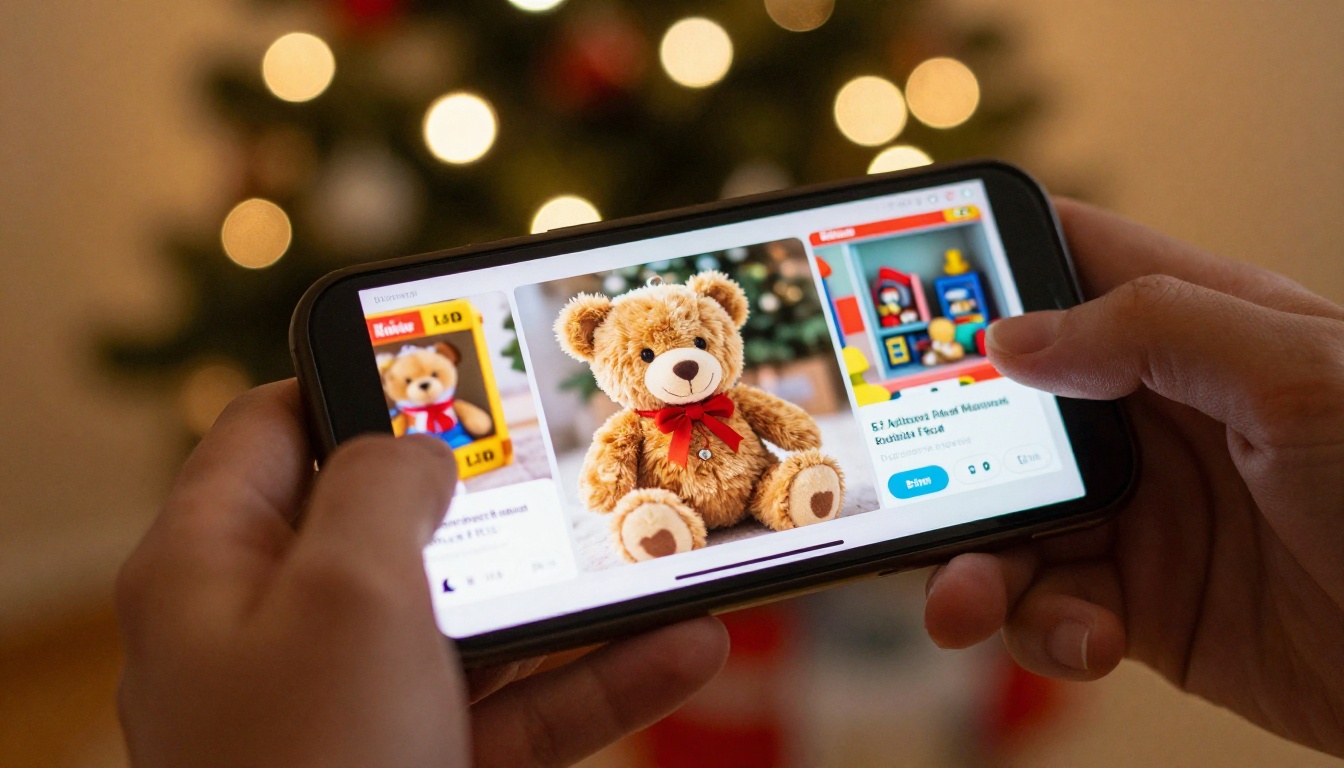
Different brands have different needs depending on catalog volume and analytics requirements.
| Plan | Best For | Standout Features | Flipbooks |
|---|
| Starter | Small indie toy brands | Basic creation, shareable link | Limited |
| Standard | Growing toy brands | Unlimited flipbooks, no watermarks, custom branding | Unlimited |
| Professional | Large toy retailers | Analytics, lead generation, offline downloads, password protection | Unlimited |
💡 Recommendation: The Professional plan pays for itself during a single holiday season. Analytics reveal which products and placements are driving sales, insight that directly improves ROI on next year's catalog.
View pricing plans to find the right fit for your catalog volume and marketing goals.
Flipbooks AI offers purpose-built tools that map directly to toy catalog use cases:
Each tool is built to handle the visual density toy catalogs demand: large product photography, multiple SKUs per page, and the bold color usage that makes children stop scrolling and start pointing.


Make Your Holiday Catalog Work
The brands winning the holiday toy market aren't always the ones with the biggest budgets. They're the ones making smarter decisions about how they present their products. A beautifully produced digital flipbook catalog, shared at the right moment through the right channels, can outperform a traditional print run at a fraction of the cost.
The tools exist. They're affordable, fast, and they work. The only question is whether your brand will use them this season or watch competitors do it first.
Here's what to do right now:
- Start free: Create your account on Flipbooks AI and upload your existing toy catalog PDF today
- Pick your tools: Browse all catalog tools and templates to find the format that fits your brand
- Scale with data: When you're ready for analytics and lead generation, check the pricing plans to see what fits your catalog volume
The holiday season waits for no one. Your flipbook catalog doesn't have to either.



