Woodworkers build things that deserve to be seen, not just described. A walnut dining table with hand-cut dovetails, a set of shaker cabinets fitted perfectly to a farmhouse kitchen, a rocking chair worn smooth by decades of imagined use before it even leaves the shop. These are builds that carry weight. But a flat photo on a phone screen rarely does them justice. That's the core reason woodworkers are increasingly turning to interactive flipbooks as their primary portfolio format, and why Flipbooks AI has become a go-to tool for craftsmen who want their work presented the way it deserves.
Why Static Galleries Fall Short
Photos don't tell the whole story
A single photograph of a finished piece is a starting point, nothing more. It shows the result but strips out the craft. The joinery hidden inside a cabinet face frame, the progression from rough lumber to final surface, the decision to use hand-cut tenons instead of a router jig. That story is invisible in a static gallery.
Clients looking to hire a custom woodworker aren't just buying the finished object. They're buying confidence in the process. They want to see evidence of skill, care, and deliberate decision-making. A flat image gives them almost none of that.
The scroll-past problem
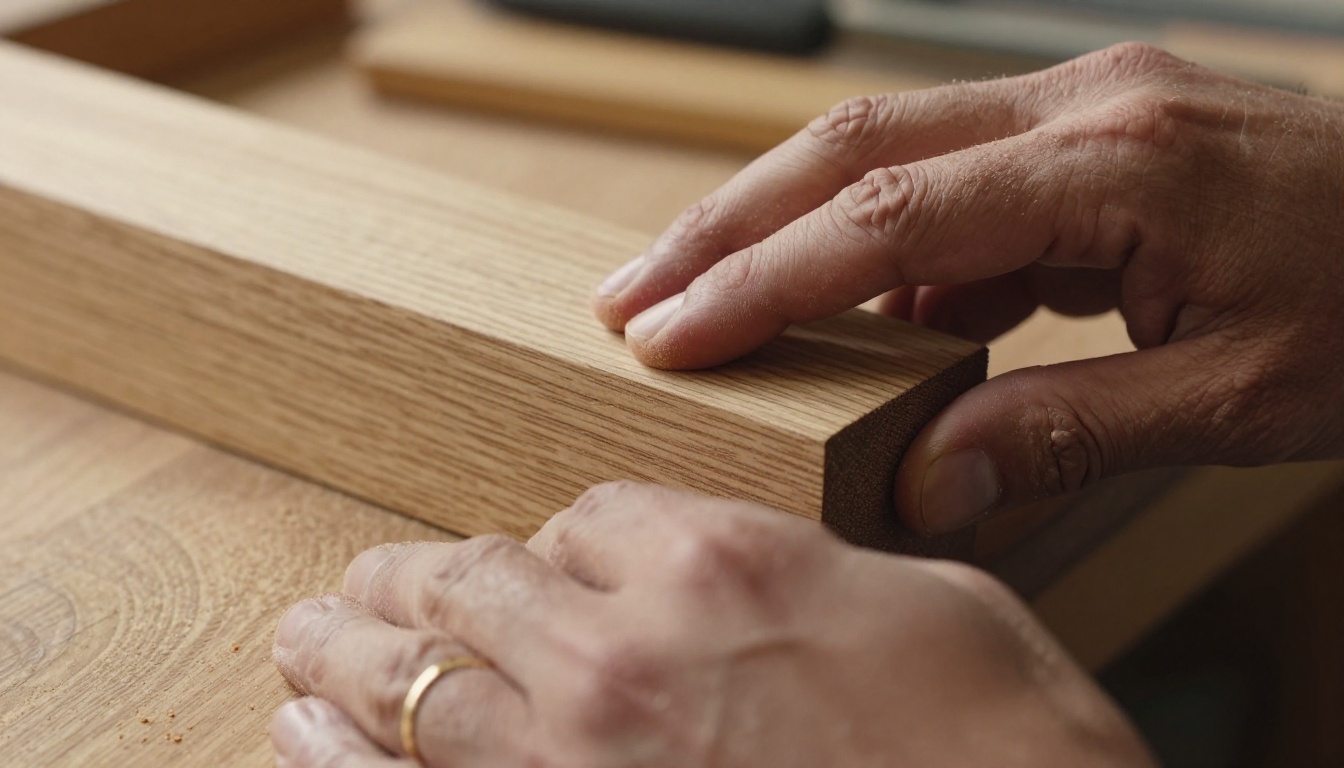
Social media galleries train people to scroll fast. A beautiful cabinet photo gets a half-second glance before the thumb moves on. There's no friction, no commitment, no reason to stop and absorb the work.
A flipbook changes that dynamic entirely. Turning pages, even digital ones, creates a rhythm. Each spread is a moment that demands attention. Viewers slow down because the format itself encourages it.
What's missing from a portfolio PDF
Woodworkers who are a step ahead of social media often use PDF portfolios. Better, but still limited. A PDF is static, hard to share cleanly on a phone, and impossible to embed in a website without technical friction. It doesn't page-turn. It doesn't feel like a crafted presentation. It feels like a document.
What a Flipbook Portfolio Actually Does
A woodworking flipbook is a paginated, interactive digital publication that presents builds the way a high-end print portfolio would. Pages turn. Spreads open. The format signals quality before the viewer even reads a word.
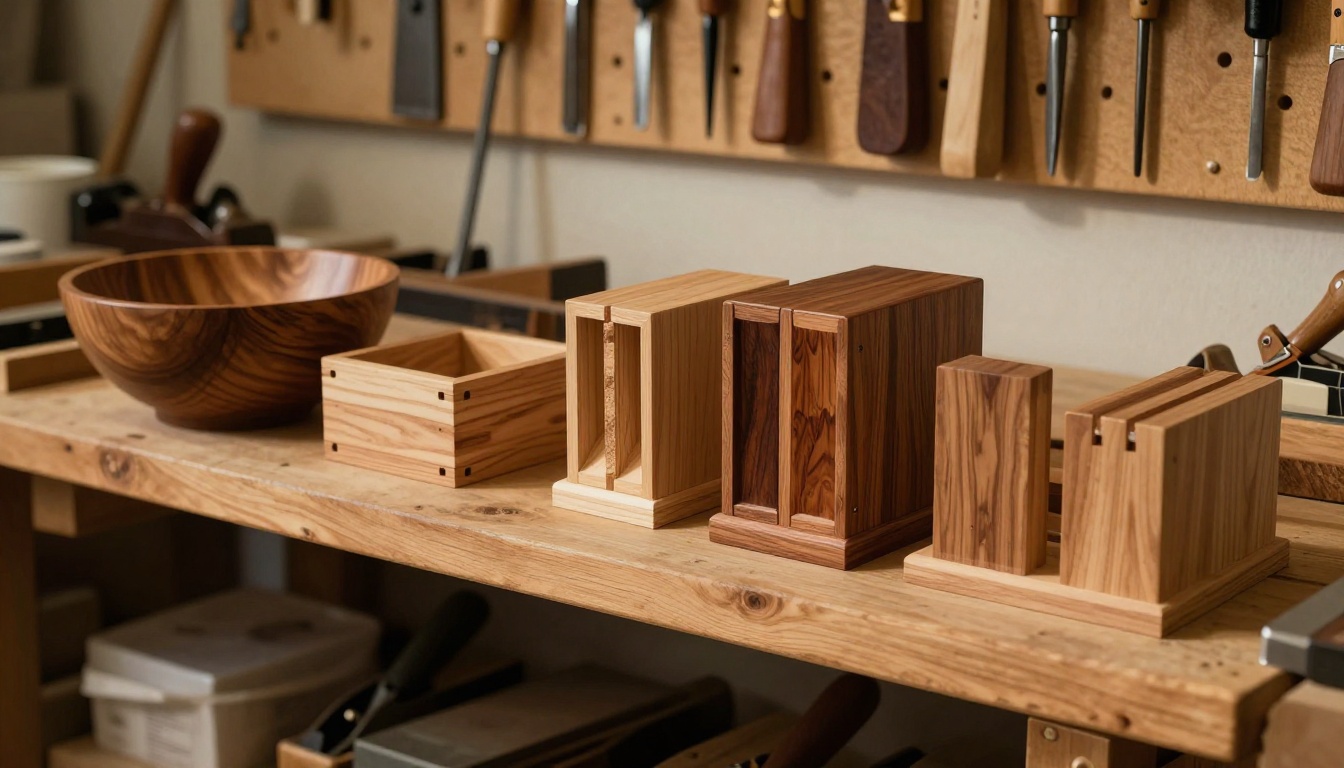
The practical advantages are significant:
- Sequential storytelling: Show the raw lumber, the rough-cut stage, the joinery, the assembly, the finishing, and the installed result, all in one cohesive presentation
- Mobile-first sharing: A flipbook link works perfectly on any phone, tablet, or laptop without downloading anything
- Embeddable in your website: Drop a flipbook directly into your portfolio page or contact page using an embed code
- Password protection: For projects under NDA or for private client presentations
- Analytics: See which pages clients spend the most time on (available on the Professional plan)
💡 Woodworkers who show a build's process, not just the result, consistently report higher close rates on client consultations.
How Woodworkers Use Flipbooks in Real Projects
The client proposal build book
Before a project starts, many custom woodworkers now put together a proposal flipbook. It includes inspiration photos, species and finish options, timeline, and pricing. Sent as a single link before the first call, it sets a professional tone immediately.

A cabinet shop switched from emailing PDFs to sending flipbook proposal links and saw a measurable increase in response rate from prospective clients. The format communicates seriousness. People who receive a polished flipbook treat the woodworker as a professional, not a hobby craftsman.
The process documentation archive
For woodworkers who document their process with photos throughout a build, a flipbook becomes the obvious final form for all of that material. The documentation that used to pile up in a folder on a hard drive now becomes a shareable, searchable archive of every significant build.
This is particularly valuable for:
- Commission history: Showing past clients you remember and care about their pieces
- Insurance records: Visual documentation of completed work with dates and specifications
- Teaching material: For woodworkers who run workshops or teach apprentices
The trade show and craft fair portfolio
At live events, a tablet open to an interactive flipbook is a far more compelling showcase than a binder of printed photos. The animation grabs attention. Visitors stop. They flip through pages on their own. That self-guided interaction creates a different kind of connection than being shown photos by the maker.
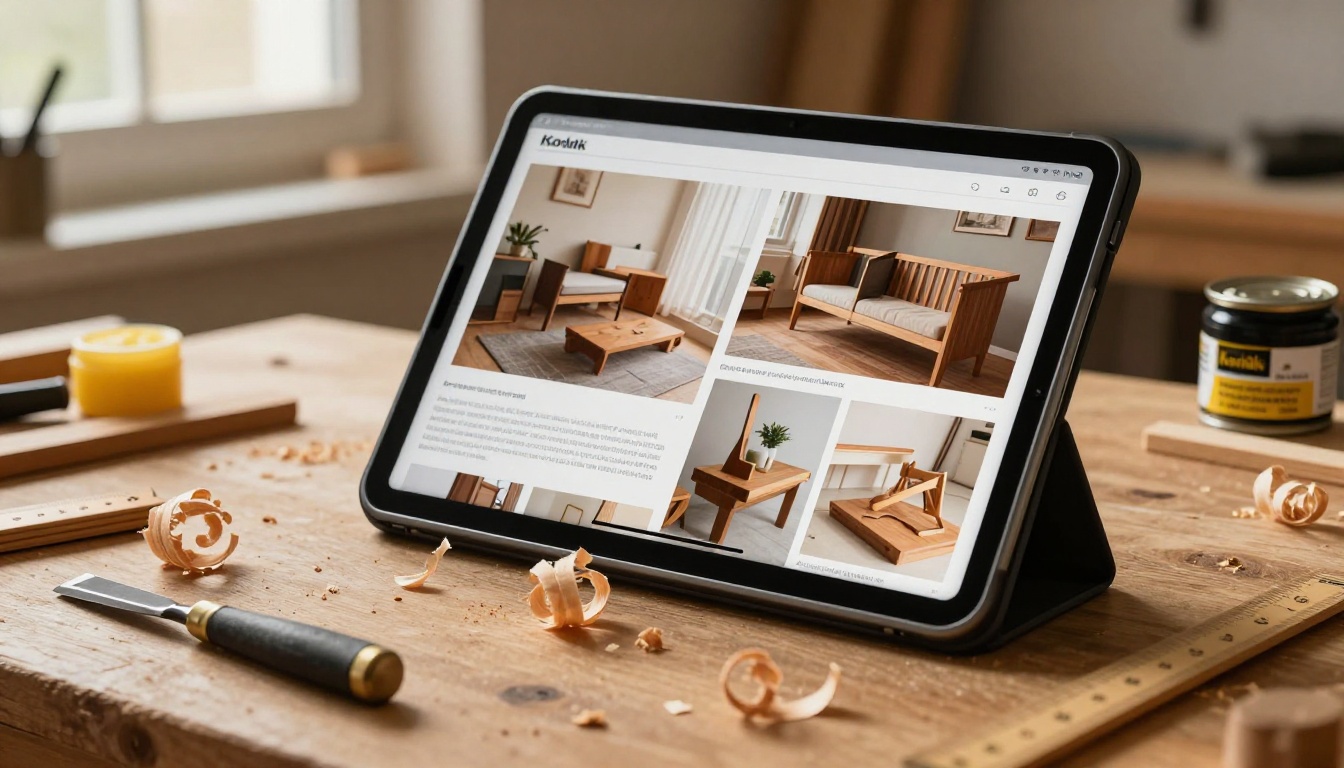
✅ Keep a craft fair flipbook to 20-30 pages maximum. Shorter, tighter presentations hold attention better at live events.
Why Clients Respond Better to Flipbook Presentations
The perception gap in custom woodworking
Custom woodworking suffers from a persistent perception problem. Most people have never hired a craftsman for a significant piece of furniture. They don't know what the process looks like, how pricing works, or how to evaluate quality. That uncertainty makes them hesitant.
A flipbook portfolio addresses that hesitation directly. When a potential client can flip through 40 pages of process photos, finished details, and installed results, the uncertainty disappears. They understand what they're buying.
Format signals value
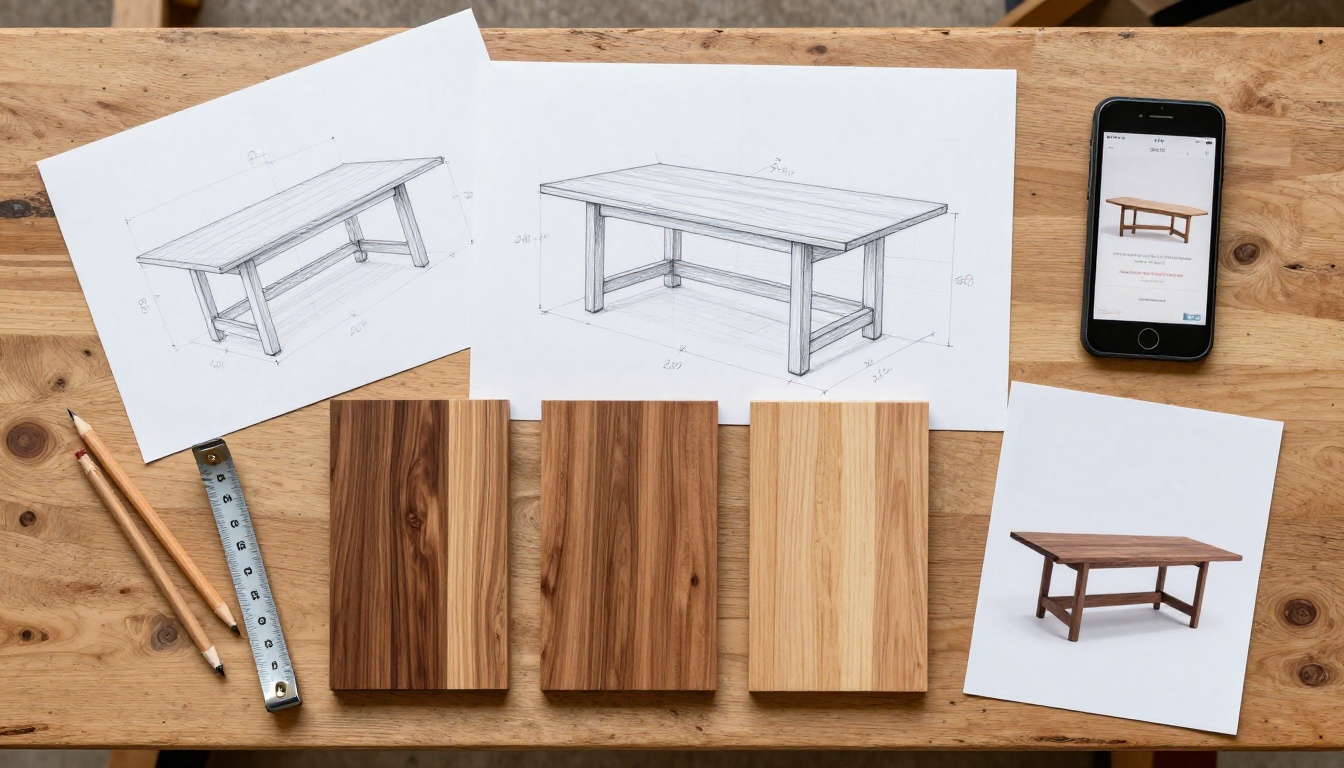
There is a direct relationship between how professionally work is presented and what clients assume it's worth. A woodworker who sends a flipbook link before a consultation communicates, without saying anything explicit, that they take their craft seriously enough to present it seriously.
| Presentation Format | Client Perception | Shareability | Process Storytelling | Mobile Experience |
|---|
| Phone gallery | Casual, informal | Poor | None | Awkward |
| Social media profile | Hobby-level | Good | Minimal | Decent |
| PDF portfolio | Professional but dated | Difficult | Limited | Poor |
| Printed binder | Traditional | None | Limited | N/A |
| Interactive Flipbook | High-end professional | Excellent | Full sequence | Perfect |
The consultation close rate effect
Woodworkers who switch to flipbook presentations consistently report that client consultations go faster. When the client has already seen the full portfolio before they meet, the first conversation skips the "show me your work" stage entirely and moves straight to project specifics.

That saved time is worth real money over the course of a year.
Building Your Woodworking Flipbook Step by Step
Flipbooks AI has a Digital Portfolio Creator and a Portfolio Flipbook Builder designed specifically for this kind of work. Here's how to put one together.
Step 1: Organize your build photos into a PDF
Before uploading anything, organize your photos into a logical sequence in a PDF document. For each project, follow this structure:
- Cover spread: The best finished photo of the piece
- Process sequence: Raw material, milling, joinery, assembly, finishing
- Detail shots: Close-ups of joinery, grain, hardware, and surface finish
- Installed photos: The piece in its final environment if possible
- Specifications page: Species, dimensions, finish, timeline
Keep each project to 6-10 pages. More than that and individual builds start to blur together for the viewer.
Step 2: Upload to Flipbooks AI
Head to Flipbooks AI and create your account. Upload your PDF using the PDF to Flipbook Converter. The conversion is automatic and takes under a minute for most portfolio documents.
Step 3: Customize the presentation
Once uploaded, you can:
- Add your shop name and logo for custom branding
- Choose background colors and page turn styles
- Embed videos of your process (Standard plan and above)
- Set a password if the flipbook is for a specific client proposal
Step 4: Share or embed
For sharing directly with clients, copy the link and paste it into an email or text message. For embedding in your website, use the Embed Flipbook on Website tool to generate an embed code that drops directly into your portfolio page.
💡 Create separate flipbooks for different specialties. Cabinet makers can have one flipbook for kitchens, another for bedroom furniture, another for built-ins. Targeted presentations close faster than catch-all portfolios.
Step 5: Track what clients look at
On the Professional plan, you get full analytics. You can see exactly which pages a specific link visitor spent time on. That data is actionable: if a potential client spent three minutes on your kitchen cabinet pages and skipped the bedroom furniture section, you know exactly what to lead with in the consultation.
Features That Make Flipbooks Work for Craftsmen
Not all flipbook platforms offer the same capabilities. Here's what matters most for a woodworking portfolio:
| Feature | Why It Matters for Woodworkers |
|---|
| No watermarks | Keeps the presentation professional, not branded by a third-party tool |
| Unlimited flipbooks | Create separate books for each specialty or client type |
| Password protection | Send private proposal flipbooks to specific clients before contracts are signed |
| Video embedding | Show time-lapse videos of builds or process walkthroughs |
| Analytics | Know which projects get the most attention and adjust your portfolio accordingly |
| Offline downloads | Share a version that clients can keep without needing internet access |
| Mobile-responsive | Clients view on phones at kitchen tables, not desktop computers |
| Custom branding | Your name and logo throughout, not someone else's |
Flipbooks AI includes all of these features. The Standard plan and above removes watermarks entirely and allows unlimited flipbooks. No per-publication fees, no surprise charges.
The Business Case for Digital Build Showcases
Small shops vs. large operations
Custom woodworking is dominated by small operations. Most are single craftspeople or two-person shops competing against larger manufacturers and big-box furniture retailers on the basis of quality and craft. In that environment, presentation is a competitive weapon.
A high-end furniture retailer has a showroom. A custom craftsman has a portfolio. The quality of that portfolio directly affects the quality of clients who reach out and the prices those clients expect to pay.
Word of mouth scales with flipbooks
Woodworking clients who are happy with their piece often want to show it off to friends. They send photos, but photos don't capture the full story of what was made. A flipbook link is shareable in a way that a photo album never is. One satisfied client can become a referral pipeline if you give them a beautiful flipbook link to pass along.
⚠️ A flipbook that's poorly organized or has low-quality photos will hurt more than it helps. Invest time in the PDF layout before you upload. The format amplifies quality, but it also amplifies sloppiness.
Pricing justification through documentation
Custom woodworking frequently involves clients who sticker-shock at the quote. A thorough process flipbook, shared before or at the time of quoting, does more to justify pricing than any verbal explanation.
When a client can see 35 photos of a dining table build and count the hours of handwork visible in those images, the price makes sense. When they just see a finished photo and a number, it doesn't.
| Flipbooks AI Plan | Flipbooks | Watermarks | Analytics | Best For |
|---|
| Free | Limited | Yes | No | Testing the format |
| Standard | Unlimited | No | No | Solo craftsmen |
| Professional | Unlimited | No | Yes | Shops with a sales focus |
Compare all options on the pricing page.
What to Include in Your Woodworking Flipbook
The non-negotiables
Every woodworking flipbook should include:
- Your best 5-7 completed builds, each shown in full process sequence
- At least one detail-heavy spread per project showing joinery, grain, and finish up close
- A brief shop introduction page with your name, location, specialty, and contact info
- A clear call to action at the end: how to reach you and what the inquiry process looks like
What most woodworkers forget
The most overlooked element in a woodworking portfolio is raw material selection. Photos of you choosing boards at a lumber yard, or showing the difference between two figured maple slabs, communicate a level of intentionality that most clients never see. It's also the kind of content that separates "I built a table" from "I crafted a piece with this specific material because of this specific quality."
Specialty flipbooks worth building
Beyond a general portfolio, woodworkers with multiple specialties benefit from building targeted flipbooks:
- Kitchen and bath cabinets: Clients in this category are often mid-renovation and need to see project-specific work
- Furniture commissions: Show scale, proportion, and how pieces fit into real living spaces
- Architectural millwork: Before and after spreads showing installation context
- Heirloom pieces: Document these especially carefully. These clients pay premium prices and share widely
Use the Portfolio Flipbook Builder to create each specialty version quickly from your existing material.
The shift toward flipbook portfolios in woodworking isn't a trend. It's a permanent change driven by practical advantages that don't disappear. Clients will always want to see process. Craftsmen will always need to differentiate from factory furniture. The format that best tells the story of handmade craft is the format that wins.
Woodworkers who adopt this approach early build a library of well-documented builds that compound in value over time. Each new flipbook adds to a body of documented work that becomes harder and harder for competitors to match.
If your builds deserve to be seen the way you built them, get started for free on Flipbooks AI and build your first portfolio in an afternoon.
Browse all available tools and templates to find the right format for your specialty.
When you're ready to remove watermarks and access full analytics, compare pricing plans to choose the tier that fits where your shop is today.



