The first week back is always the hardest. You have a room full of students who barely remember their routines, a stack of paperwork, and about 47 minutes to set the tone for the entire year. Flipbooks cut through the chaos. They are tactile, personal, and genuinely fun to make. Whether you go paper or digital, a well-designed flipbook turns the overwhelming beginning of the school year into something students actually look forward to. Flipbooks AI makes it even easier to create polished, interactive versions that work on any device.
This article shares 15+ back to school flipbook ideas for teachers across grade levels and subjects, plus a step-by-step tutorial for going digital with zero design experience required.

Why Flipbooks Beat Worksheets Every Time
Worksheets disappear into backpacks and never come out again. Flipbooks live on desks, get passed between students, and end up on refrigerators at home. That physical permanence matters. When a student invests time folding, cutting, and filling in a flipbook, that information sticks in a way that a fill-in-the-blank worksheet simply cannot replicate.
The Research Behind It
Dual-coding theory, validated across decades of cognitive science research, explains why combining visual and verbal information improves retention. Flipbooks naturally do both. Students write, draw, and organize on every page, activating multiple memory pathways at once. A 2018 study in the Journal of Educational Psychology found that students who used interactive notebooks scored 23% higher on retention tests two weeks after the lesson compared to students who used standard note-taking.
What Students Say About Interactive Materials
Teachers who use flipbooks regularly report fewer "I do not remember this" moments during review, stronger parent involvement when the flipbooks go home, and a noticeable drop in off-task behavior during independent work time. The structure of a flipbook gives students a framework without being prescriptive, which means stronger students can extend their thinking while struggling students still have clear scaffolding.
💡 Pro Tip: Laminate the front of paper flipbooks so they survive the school year. A 3-cent laminate sleeve makes the difference between a keepsake and a crumpled artifact.

8 Flipbook Ideas for the First Week Back
The first week sets the social and academic tone of the year. These flipbook projects work across elementary and middle school and can be finished in one to two class periods.
1. The "All About Me" Student Flipbook
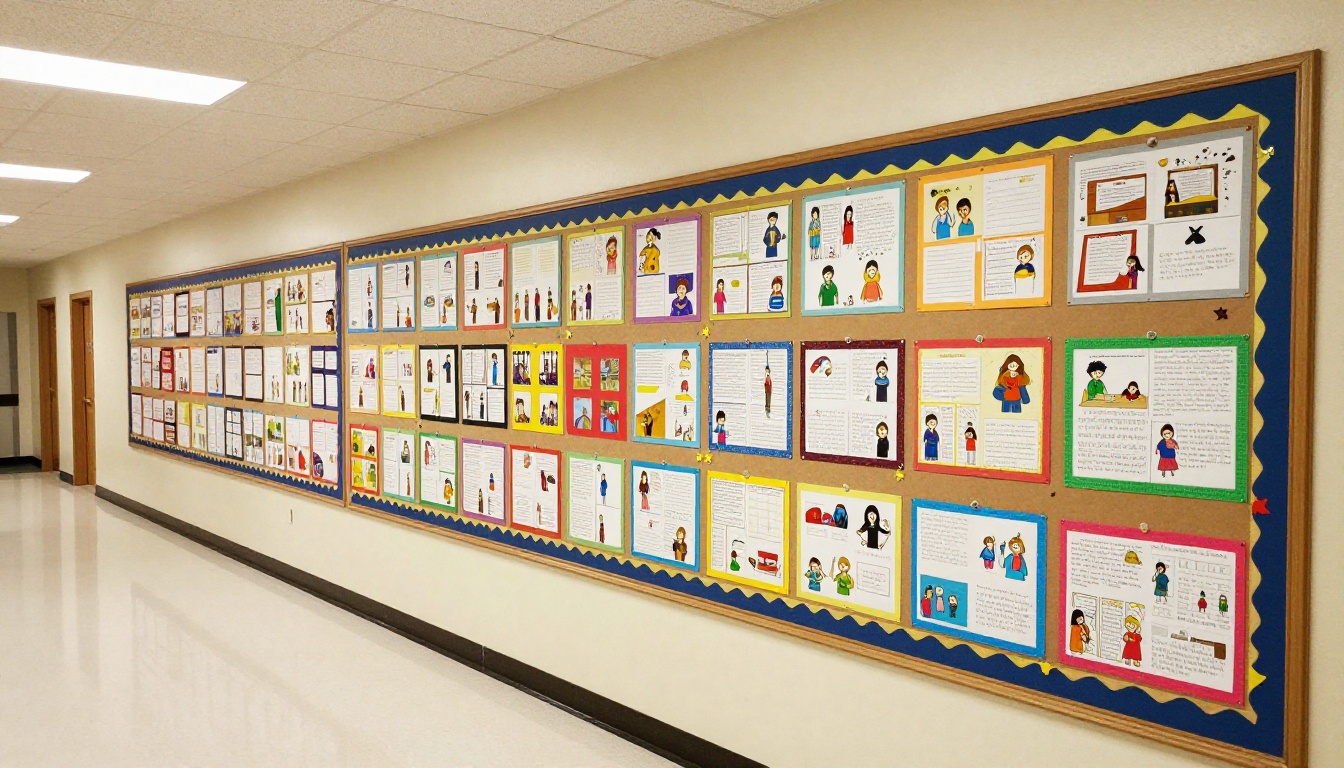
This is the classic first-week project and for good reason. Students create a flipbook with tabbed pages that include their name, family, hobbies, favorite books, a personal goal, and one thing they want their teacher to know. Teachers gain immediate insight into each student's personality, and students feel seen before a single lesson begins.
What to include on each tab:
- Front Page: Name + illustrated self-portrait
- Family: Who I live with, pets, siblings
- Favorites: Book, food, subject, activity
- Goal: What I want to accomplish this year
- Teacher Note: Something you might not know about me
- Dream: What I want to be someday
2. Classroom Rules Flipbook
Instead of posting rules on a wall and moving on, have students create their own rules flipbook during the first class discussion. Each page represents one classroom agreement with a student-written explanation of why it matters. This creates buy-in you simply cannot get from a poster.
3. Goal-Setting Accordion Flipbook
An accordion-style flipbook expands to show a timeline. Students set academic and personal goals, mark checkpoints, and revisit the flipbook each quarter. The physical act of folding and unfolding reinforces the idea that growth happens in stages.
4. Classroom Procedures Mini Flipbook
This flipbook includes bathroom passes, pencil sharpening rules, how to head a paper, what to do when you finish early, and what "independent work" actually looks like. Students keep this at their desk for the first month and refer to it constantly.
5. "What I Did This Summer" Memory Flipbook
A gentle re-entry activity. Each page presents one summer memory, with space for a drawing and a few sentences. Reading these aloud (optional) builds classroom community in the first 20 minutes.
6. Subject-Preview Flipbook
Give students a preview of what they will study all year. Each tab introduces one unit or theme. At the end of the year, students revisit the flipbook and fill in what they actually absorbed. The contrast between "what I expected" and "what I know now" is a powerful reflection tool.
7. Vocabulary Launch Flipbook
Pull 20 to 30 important vocabulary words from your year-long curriculum. Students record each word with a definition, illustration, and sentence. The flipbook becomes a living glossary they return to all year.
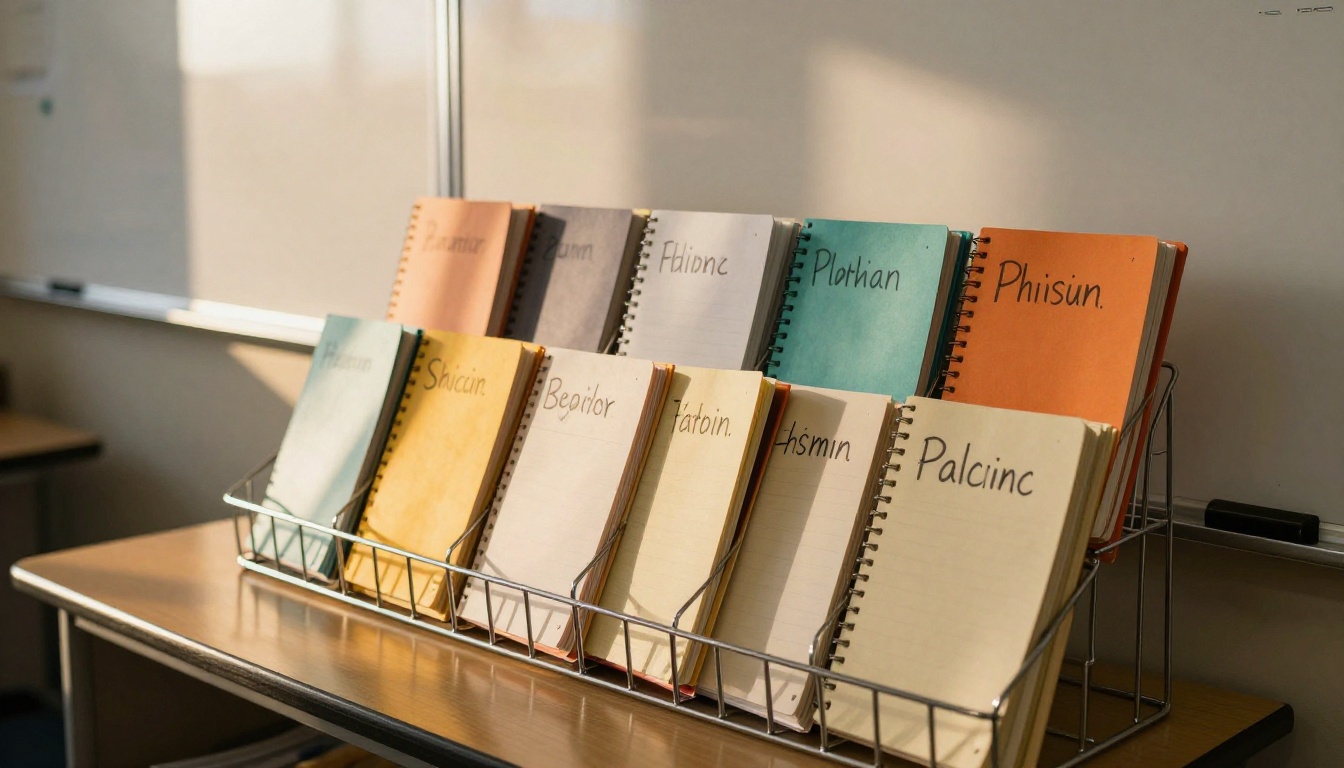
8. School Map and Orientation Flipbook
Especially powerful for new students or transitions to a new building. Include the library location, cafeteria schedule, restroom passes, locker combination space, and staff names. Students who know where they are feel safer from day one.
Subject-Specific Flipbook Projects
Once the first week settles, flipbooks become a core instructional tool. Here are the most effective applications by subject area.
Math Concept Flipbooks
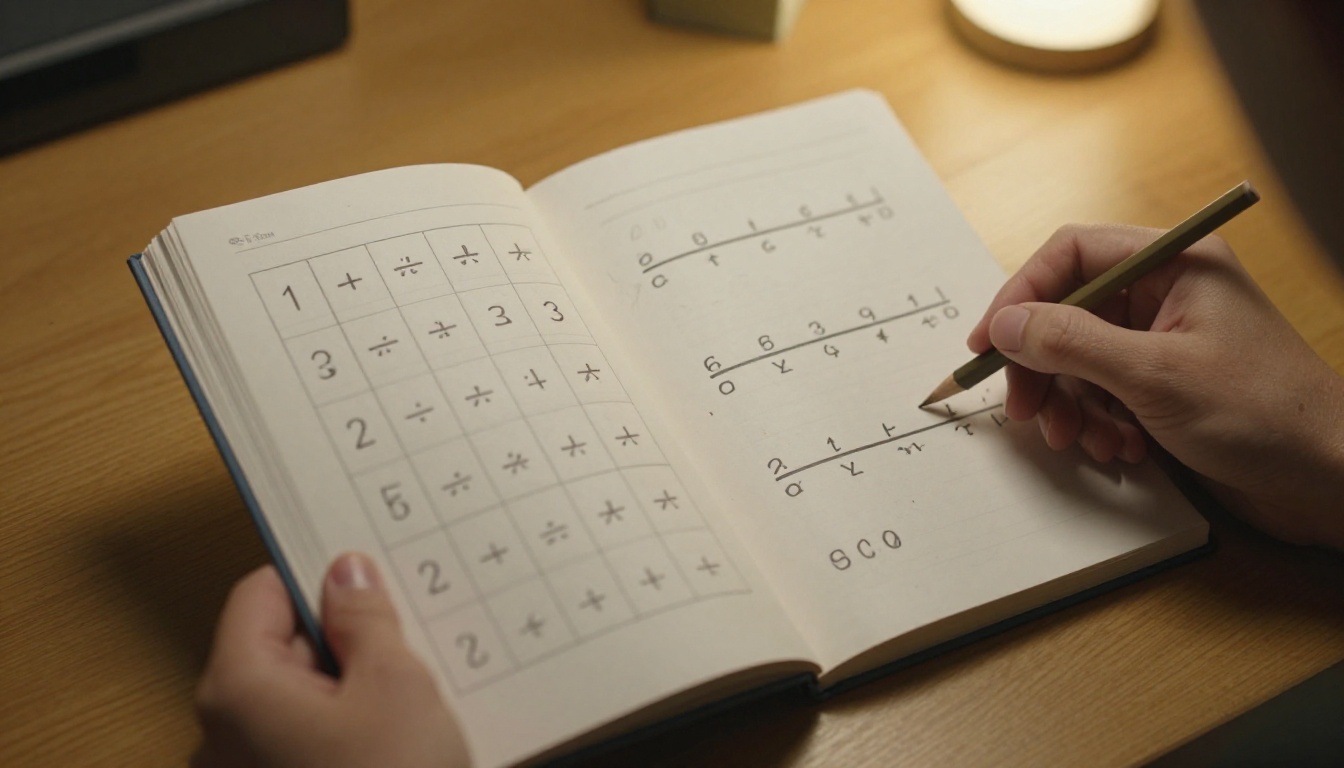
Math flipbooks work beautifully for processes that have multiple steps. Each page of the flipbook shows one step, with a worked example and a practice problem. Students flip through the pages as they solve problems, turning the flipbook into a self-directed reference tool.
Best math flipbook topics:
- Long division steps
- Fraction operations (each operation on its own tab)
- Order of operations
- Geometry formulas with diagrams
- Multiplication table reference with patterns highlighted
Reading and Language Arts Flipbooks
Story element flipbooks are a staple for good reason. Students track character, setting, plot, conflict, and resolution across separate tabs, then flip between them during discussion. This is dramatically more effective than filling in a graphic organizer because the physical structure mirrors the sequential nature of storytelling.
Language Arts flipbook ideas:
- Story elements (character, setting, plot, theme, conflict)
- Literary devices with examples (metaphor, simile, alliteration)
- Parts of speech with sentence examples
- Author's purpose (persuade, inform, entertain)
- Reading strategy reminders (visualize, question, connect, predict)

Science Vocabulary Flipbooks
Science has a vocabulary problem. Students encounter 200 to 400 new terms in a single school year, and most textbook glossaries are not worth the paper they are printed on. A student-created science vocabulary flipbook, organized by unit, solves this problem entirely. Students write the term, draw a diagram, and include a real-world example on each page.
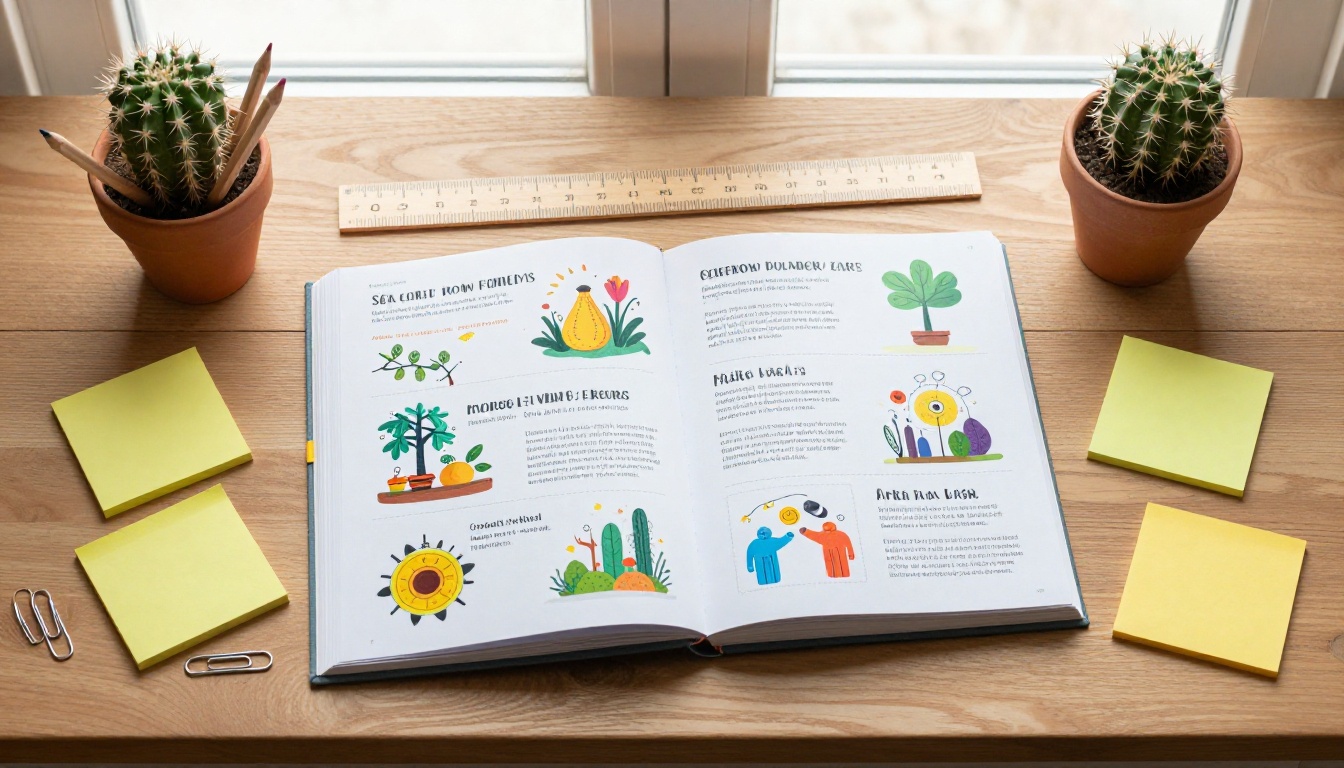
✅ Best Practice: Have students start the flipbook in the first week of each unit and add to it throughout. By the time the test arrives, they have a thorough study tool they built themselves.
Social Studies Timeline Flipbooks
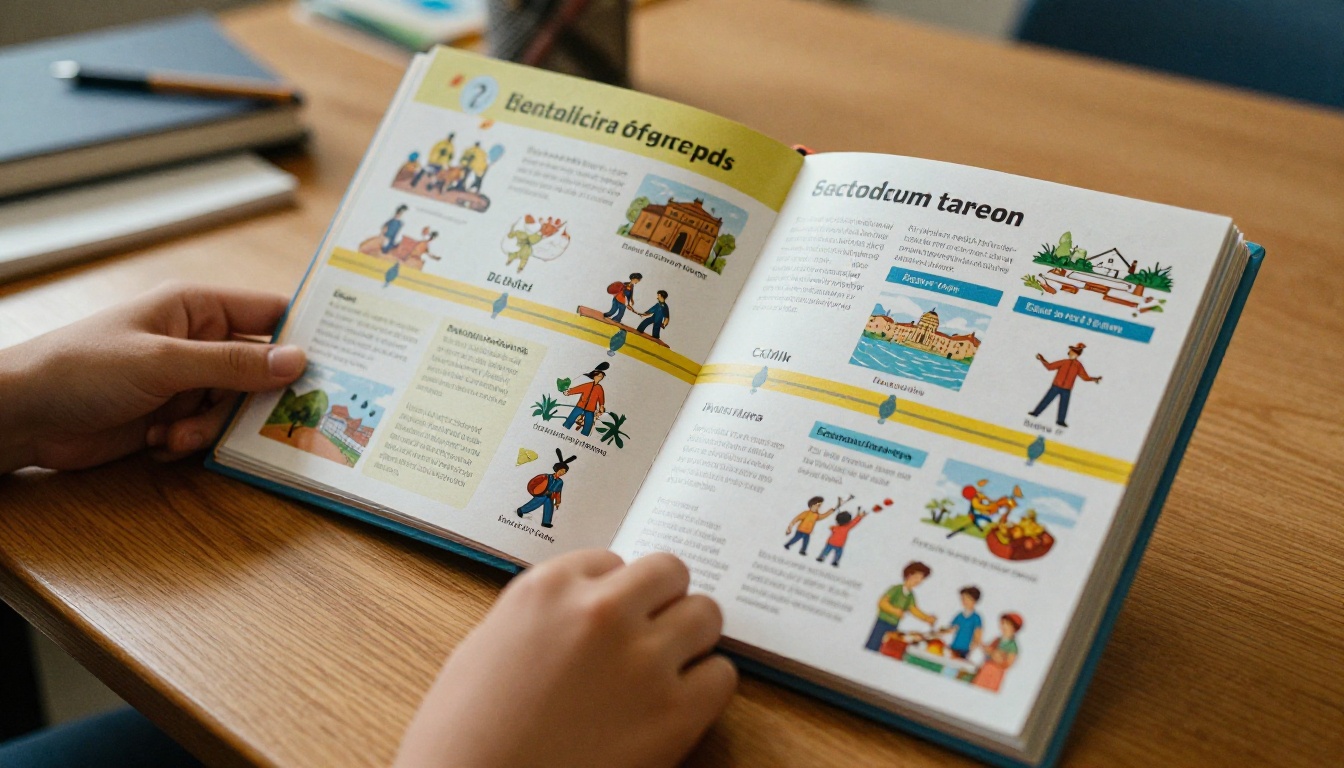
History is a sequence of causes and effects, and accordion-style flipbooks capture that beautifully. Each fold represents a time period, a significant event, or a civilization. Students add dates, images, and cause-effect notes. The physical act of unfolding a timeline reinforces how events connect across time.
Digital vs. Paper Flipbooks for Teachers
Both formats have a place in the classroom. The right choice depends on your infrastructure, your students, and the specific purpose of the flipbook.
| Factor | Paper Flipbook | Digital Flipbook |
|---|
| Cost | Low (paper, scissors, markers) | Free to low (tool subscription) |
| Creation Time | 20-40 minutes per student | 5-15 minutes with a template |
| Accessibility | Works for all students | Requires device access |
| Sharing | Physical only | Shareable via link or embed |
| Durability | Worn over time | Permanent, accessible anywhere |
| Multimedia | Limited (drawings only) | Videos, audio, links supported |
| Parent Access | Sent home physically | Shared via link instantly |
| Customization | Fully custom by hand | Template-based with branding |
⚠️ Watch Out: Paper flipbooks disappear. If the project matters, photograph or scan finished flipbooks before sending them home. Digital versions solve this entirely since they live at a permanent URL.
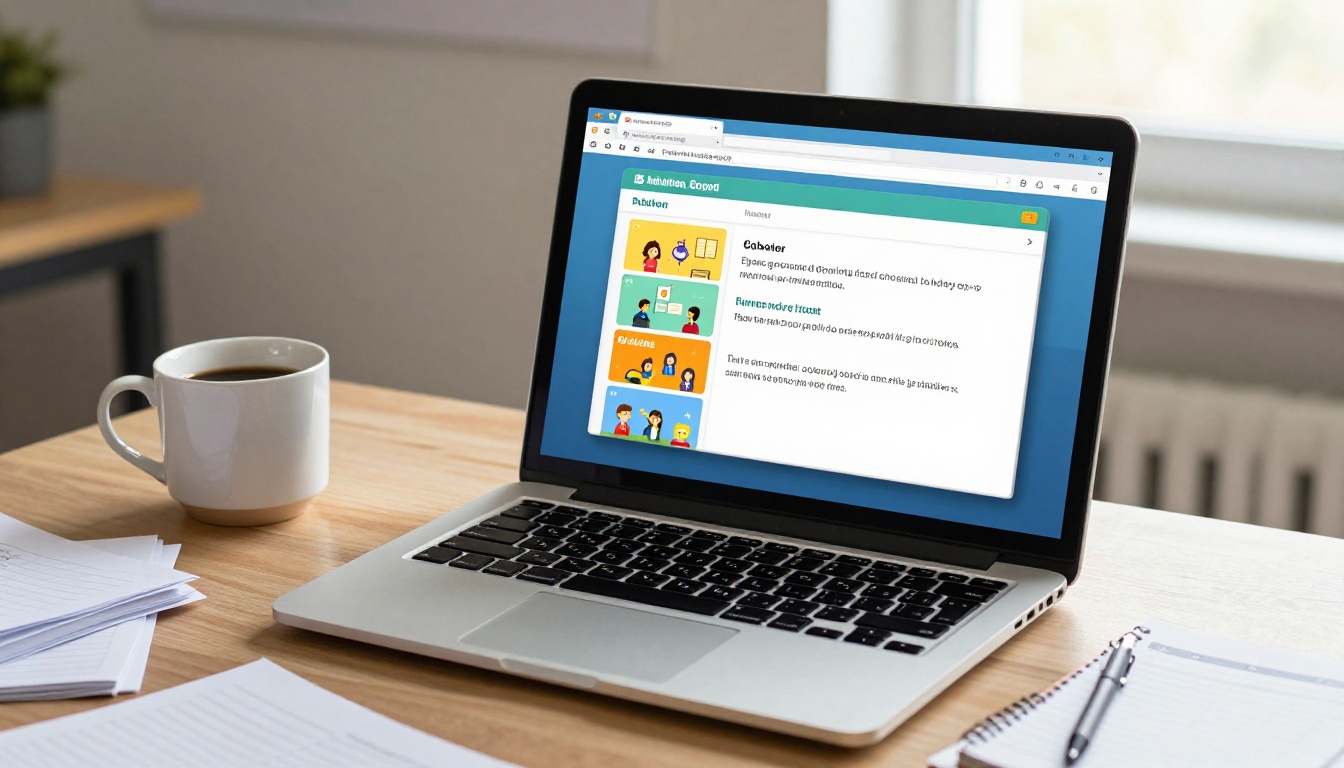
The clearest advantage of digital flipbooks is accessibility. A student who is absent can still access the material. A parent who speaks a different language can translate the content. A student with a visual impairment can use screen-reader-compatible versions. Flipbooks AI produces mobile-responsive digital flipbooks that work on any device without an app download.
How to Create a School Flipbook with Flipbooks AI
The Course Material Publisher and Training Manual Flipbook tools on Flipbooks AI make the process straightforward, even if you have never designed anything before. Here is the exact workflow.
Step 1: Design Your Content in Any Format
Start in Google Slides, Canva, or Microsoft Word. Put one concept per page. Export as a PDF when finished. You do not need to be a designer. Even a clean black-and-white PDF looks beautiful once converted.
Step 2: Upload to Flipbooks AI
Go to flipbooksai.com/account and create a free account. Click "New Flipbook" and upload your PDF. The platform converts it into an interactive flipbook with page-flip animation in under a minute.
Step 3: Customize the Look
Add your school colors, upload a header image, and add your name or classroom number as the publisher. You can toggle between themes, adjust the background, and choose whether the flipbook opens in single-page or double-page spread view.
Step 4: Add Multimedia
This is where digital flipbooks genuinely surpass paper. Embed a YouTube explainer video directly on the math page. Add an audio recording of you reading the vocabulary words aloud. Link to external websites for further reading. Paper cannot do any of this.
Step 5: Share with Students and Parents
Copy the shareable link and paste it into Google Classroom, your LMS, or a class newsletter. The flipbook opens in any browser with no login required for students. You can also embed it directly on your class website using the provided embed code. For sensitive content, add password protection so only your students can access it.
💡 Pro Tip: Use the School Newsletter Creator tool to turn your weekly parent newsletter into a digital flipbook. Parents get a beautiful, interactive update instead of a PDF attachment that gets lost in an email thread.
Flipbooks AI Plans for Teachers
Flipbooks AI offers a free entry tier plus paid plans. Here is how they compare for classroom use.
| Feature | Free | Standard | Professional |
|---|
| Flipbooks | 3 | Unlimited | Unlimited |
| Watermarks | None | None | None |
| PDF Upload | Yes | Yes | Yes |
| Sharing via Link | Yes | Yes | Yes |
| Password Protection | No | Yes | Yes |
| Custom Branding | No | Yes | Yes |
| Multimedia Embed | No | Yes | Yes |
| Analytics | No | No | Yes |
| Lead Generation | No | No | Yes |
| Offline Downloads | No | No | Yes |
For most classroom teachers, the Standard plan has everything needed. The Professional plan, available at flipbooksai.com/pricing, adds analytics that show which pages students actually spend time on, which is surprisingly useful for identifying sections of a lesson that students are skipping or struggling with.
✅ Best Practice: Start with the free plan, convert one lesson, share it with students, and collect feedback before upgrading. The upgrade pays for itself when you factor in the time saved on formatting and the improved student access.
Tips for Using Flipbooks All Year Long
The back-to-school context is the obvious starting point, but the real value of flipbooks comes from using them consistently across all seasons. Here is how to build flipbooks into your year without adding significant prep time.
Build a Template Library
After you create a flipbook for one unit, save the PDF template. Next year, swap the content and re-upload. A library of five to ten reusable templates means your prep time drops dramatically year over year.
Use Flipbooks for Parent Communication
The School Newsletter Creator and Course Material Publisher tools work equally well for family-facing content. A monthly classroom update in flipbook format gets opened and read far more reliably than a flat PDF attachment.
Make Students the Authors
The most powerful flipbook projects are the ones students create themselves. Give them a blank template, a content checklist, and creative freedom. Student-authored flipbooks become the most effective study tools because students remember what they chose to include.
Every Subject, Every Month
| Subject | Flipbook Type | Best Use Case |
|---|
| Math | Step-by-step process flipbook | Long division, fractions, equations |
| Reading | Story elements flipbook | Novel study, short story analysis |
| Science | Vocabulary + diagram flipbook | Unit vocabulary, lab procedure steps |
| Social Studies | Timeline accordion flipbook | Historical periods, cause and effect |
| Writing | Grammar reference flipbook | Parts of speech, sentence types |
| Health | Decision-making flipbook | Safety procedures, health choices |
| Art | Portfolio flipbook | Student work showcase |
Ready to Bring These Ideas to Life
The ideas above work with paper, but digital flipbooks remove every barrier that makes paper projects frustrating. No lost copies. No "I forgot mine at home." No crumpled pages that are impossible to grade.
Get started for free on Flipbooks AI and upload your first classroom PDF in under two minutes. The first-week "All About Me" project alone will set a tone your students carry through the rest of the year.
Browse all education tools or check pricing plans to choose what works for your classroom. Whether you are a kindergarten teacher, a high school department head, or a curriculum coordinator building materials for an entire district, there is a flipbook format here that fits.
The back-to-school window is short. The flipbooks you make this week will be the ones students remember in June.



