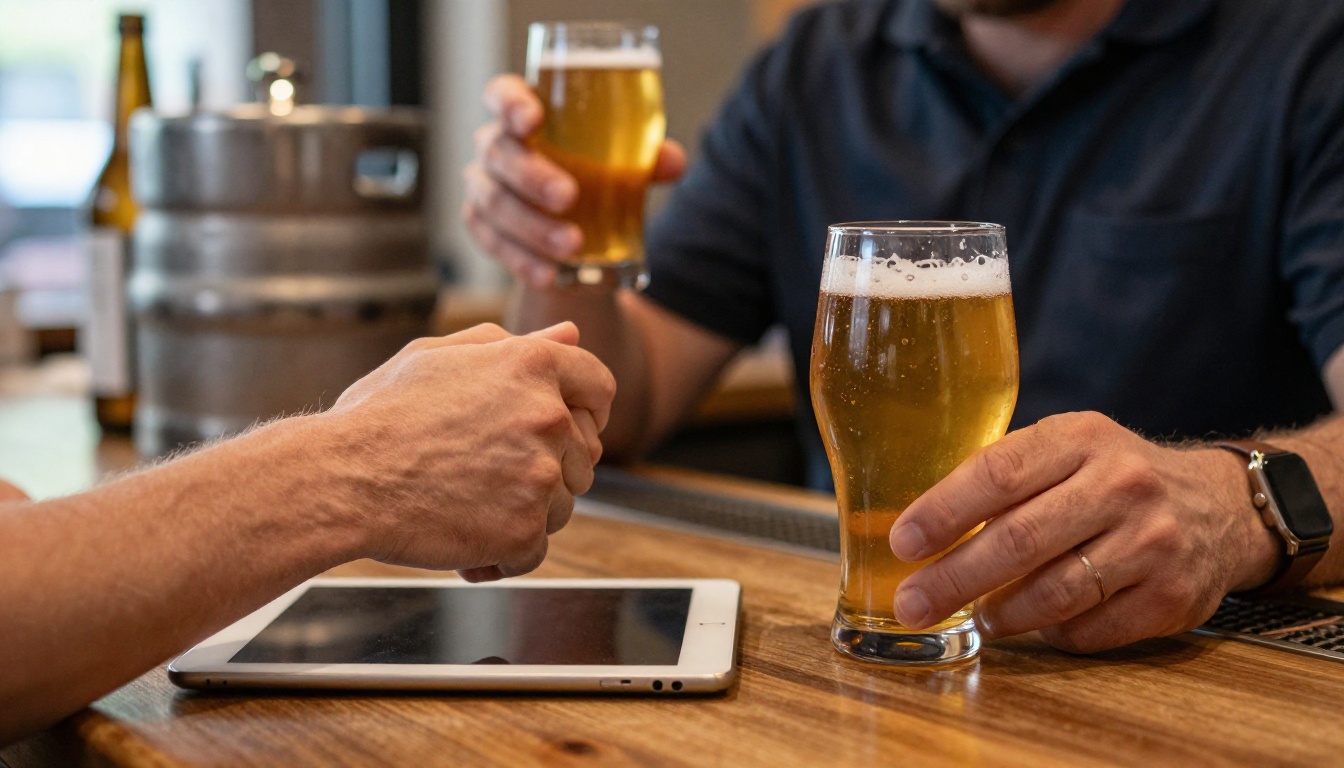
A seasonal beer has a short shelf life and an even shorter window to win a tap handle. Buyers at bars and bottle shops plan their lists weeks ahead, and the brewery that shows up with a clear, tasty, well-documented pitch gets the slot. Everyone else gets "maybe next month." This article walks through how craft breweries actually pitch new seasonal beers to bars and shops, and how a digital catalog built with Flipbooks AI keeps the whole process tidy.
Why Seasonal Beers Are Different
A year-round flagship sells itself through habit. A seasonal does not. The buyer has no history with it, the beer will vanish in eight to twelve weeks, and the tap or shelf space must come from something else.
That changes the pitch in three ways:
- Urgency is real. The beer is limited, so the order deadline is real too.
- Story matters more. Ingredients, harvest timing, and brewer intent give a bar something to tell guests.
- Risk must feel low. Buyers worry about a keg that sits. Your pitch has to shrink that worry.
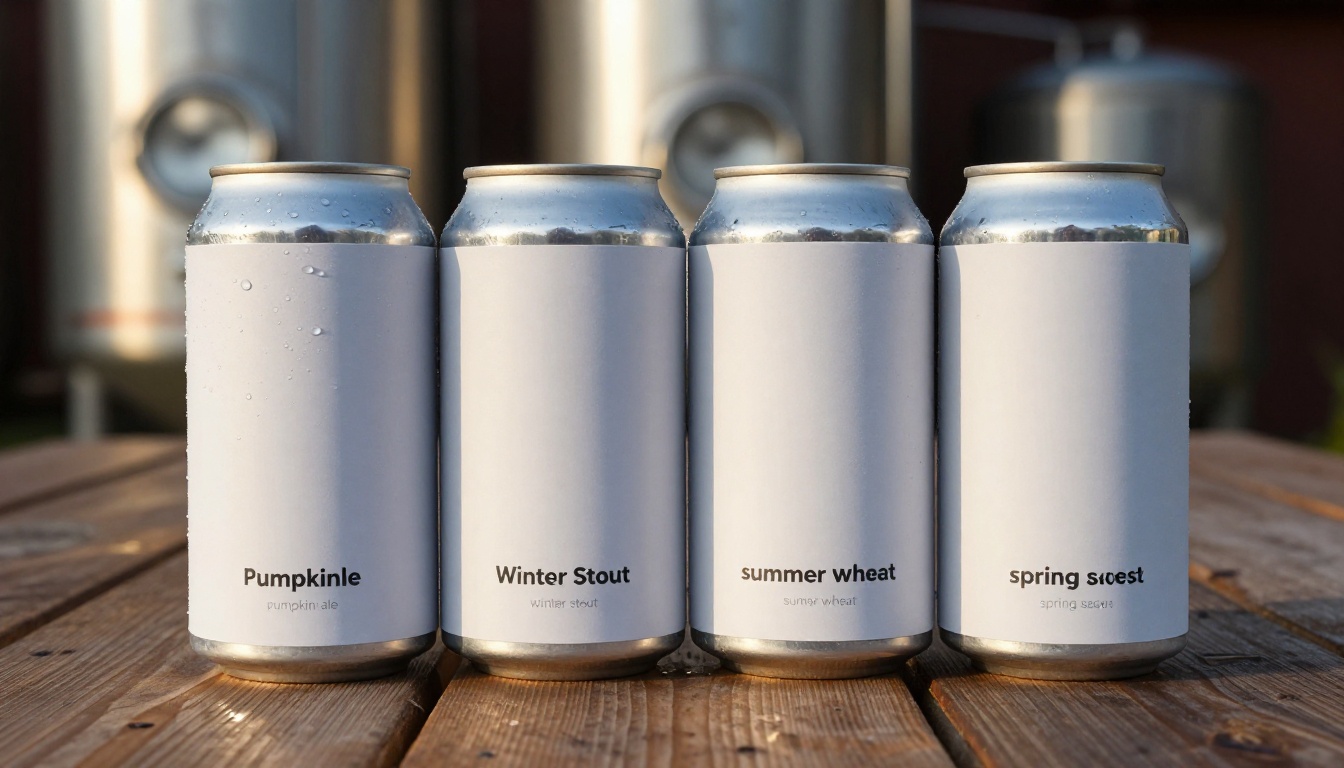
Bars and Shops Buy Differently
A bar thinks in pours and tap rotation. A bottle shop thinks in shelf facings, price points, and impulse buys. Pitching both with one script is the most common mistake.
| Buyer type | Main question | What closes the deal |
|---|
| Bar or taproom | Will guests order this by the pint? | Tasting notes, a pour cost, a menu blurb |
| Bottle shop | Will this move off the shelf fast? | Can art, price point, display ideas |
| Restaurant | Does it pair with the menu? | Food pairing suggestions, glassware advice |
| Chain or group buyer | Can you supply it reliably? | Volumes, delivery dates, consistent specs |
Build the Pitch Timeline Backward
Good reps start with the release date and count backward. A typical calendar for a fall release looks like this:
- 8 to 10 weeks out: Lock the recipe name, ABV, packaging format, and price.
- 6 to 8 weeks out: Finish the sell sheet and photography.
- 4 to 6 weeks out: Send early previews to top accounts.
- 3 to 4 weeks out: Deliver samples and take pre-orders.
- 1 to 2 weeks out: Confirm quantities and delivery windows.
- Release week: Support the launch with posters, social posts, and a visit.
💡 Pro tip: Keep a one-line "release status" for every account. If a buyer says "send me details," you should know within seconds whether they already got the sell sheet.
Samples Do the Heavy Lifting
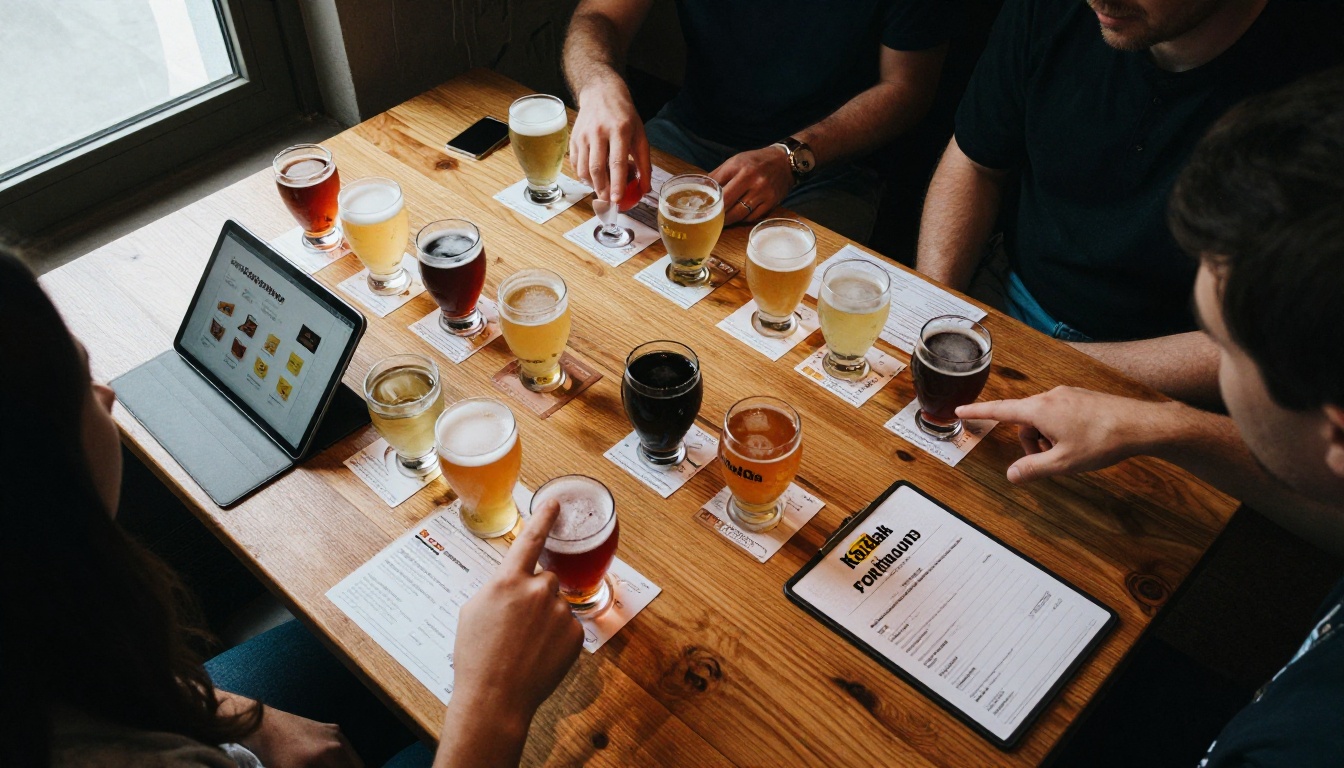
Nothing sells beer like beer. Still, how you deliver samples decides whether they work.
Pick the Right Format
- Fresh cans or bottles for shops, so they can judge the package too.
- Growlers or small kegs for bars that want to taste it on their own lines.
- A tasting visit for high-value accounts, where the rep pours and talks.
Time the Tasting
Drop samples early in the week. Friday and Saturday are chaos for bars, and a sample left in a walk-in cooler is forgotten by Monday. Many reps send a short text with the drop: "Left two cans in your cooler. Notes are in the sheet I emailed."
Give Them Something to Taste Against
Pair the seasonal with a familiar flagship from your own lineup. A pumpkin ale tasted next to your amber lets the buyer place the new beer instantly.
✅ Best practice: Always include a one-page tasting card with the sample, not just a verbal pitch. The card gets passed to the owner, the bar manager, and the staff.
What Goes on a Seasonal Sell Sheet
The sell sheet is the silent salesperson. It travels when you cannot. A strong one fits on a single page or a few swipeable pages and answers every question a buyer has before they ask it.
| Element | Why it matters | Example |
|---|
| Beer name and style | Instant recognition | Harvest Ember, amber ale |
| ABV, IBU, flavor notes | Helps staff describe it | 5.8% ABV, toasty malt, light spice |
| Availability window | Creates urgency | October to December |
| Formats and pricing | Lets buyers do the math | 6-packs, 16 oz cans, 1/6 kegs |
| Suggested menu blurb | Saves the bar time | "Toasty, smooth, perfect with roasted vegetables" |
| Order deadline | Drives action | Orders close October 10 |
| Rep contact | Removes friction | Direct phone and email |
Why Static PDFs Fall Short
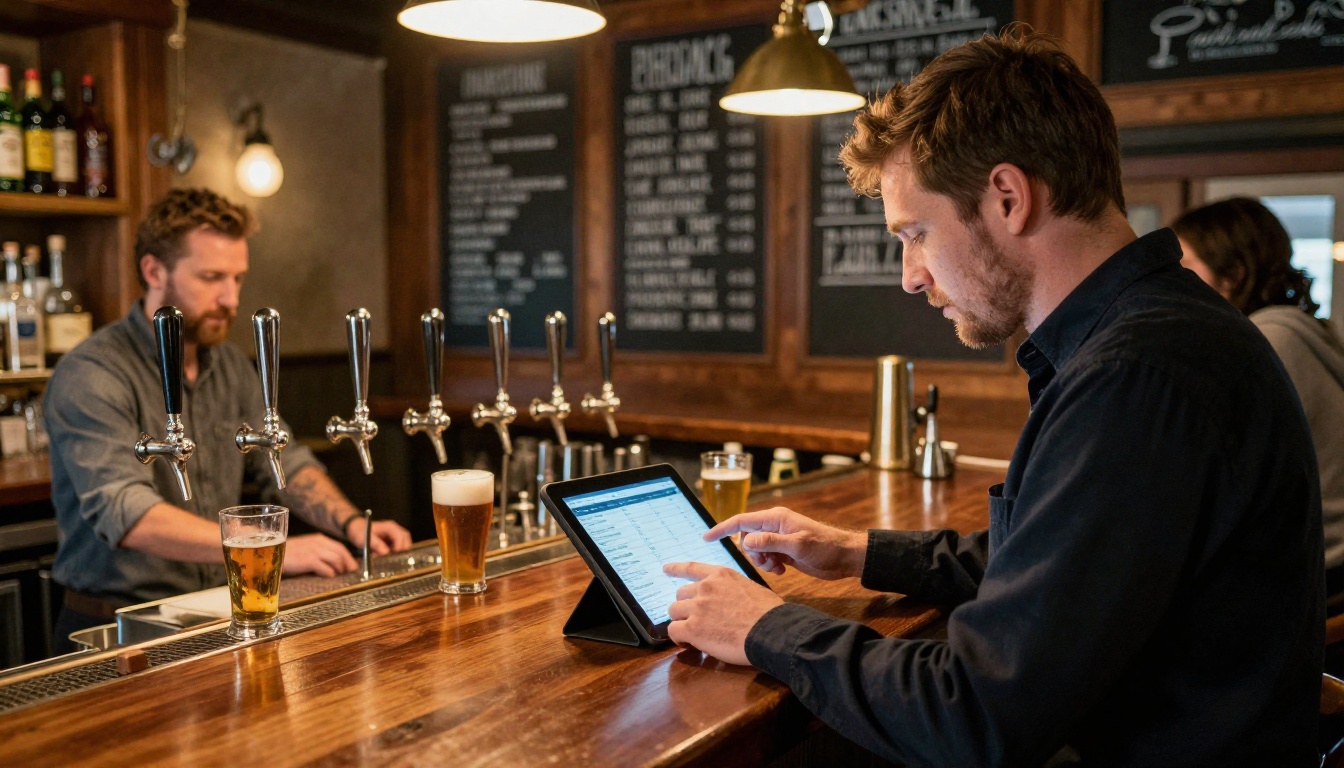
Most breweries email a PDF. It works, until it does not. Buyers forward old versions. A price changes and three accounts still hold the old sheet. The file is too large for a phone. Nobody knows who opened it.
A digital flipbook solves each of these problems:
- One link, always current. Update the catalog and every buyer sees the new version.
- Mobile-friendly reading. Bar owners check email from the floor, not from a desk.
- Brand feel. Page-turning layouts show off can art and photography.
- Tracking. With the Professional plan, analytics show which accounts opened the catalog and which pages they read.
| Format | Easy to update | Mobile friendly | Open tracking | Looks polished |
|---|
| Emailed PDF | No | Sometimes | No | Depends |
| Printed sheet | No | No | No | Yes |
| Slide deck | Somewhat | Somewhat | Limited | Yes |
| Flipbook catalog | Yes | Yes | Yes (Professional) | Yes |
How to Build a Seasonal Beer Catalog with Flipbooks AI
If you want a branded, shareable catalog in an afternoon, the process is short. The Digital Catalog Maker and the Product Catalog Generator are good starting points for beer lists, and the Digital Price List Generator suits wholesale pricing pages.
Step by Step
- Create your account. Head to Flipbooks AI and sign up.
- Design the pages. Build your seasonal lineup in any design tool: one page per beer, a cover page, a pricing page, and an order page.
- Export to PDF. Keep the file under a reasonable size and make sure photos are sharp.
- Upload and convert. Use the PDF to Flipbook Converter to turn the PDF into a page-turning flipbook.
- Customize. Add your brewery colors, logo, and page effects. Embed a short brewery video or audio clip of the brewer describing the beer.
- Set your sharing rules. Use a direct link in emails, or embed the flipbook on your website for the wholesale page. Add password protection for pre-release catalogs so competitors and the public do not see them early.
- Track opens. With analytics on the Professional plan, see which accounts looked at the pricing page, then follow up with them first.
💡 Pro tip: Offline downloads let reps show the catalog in a cooler room or a basement bar with weak signal. Download it before the visit.
No watermarks appear on your flipbooks, and plans from Standard up allow unlimited flipbooks, so you can keep a separate catalog for each season without worrying about limits. Browse all flipbook tools to see what else fits your workflow.
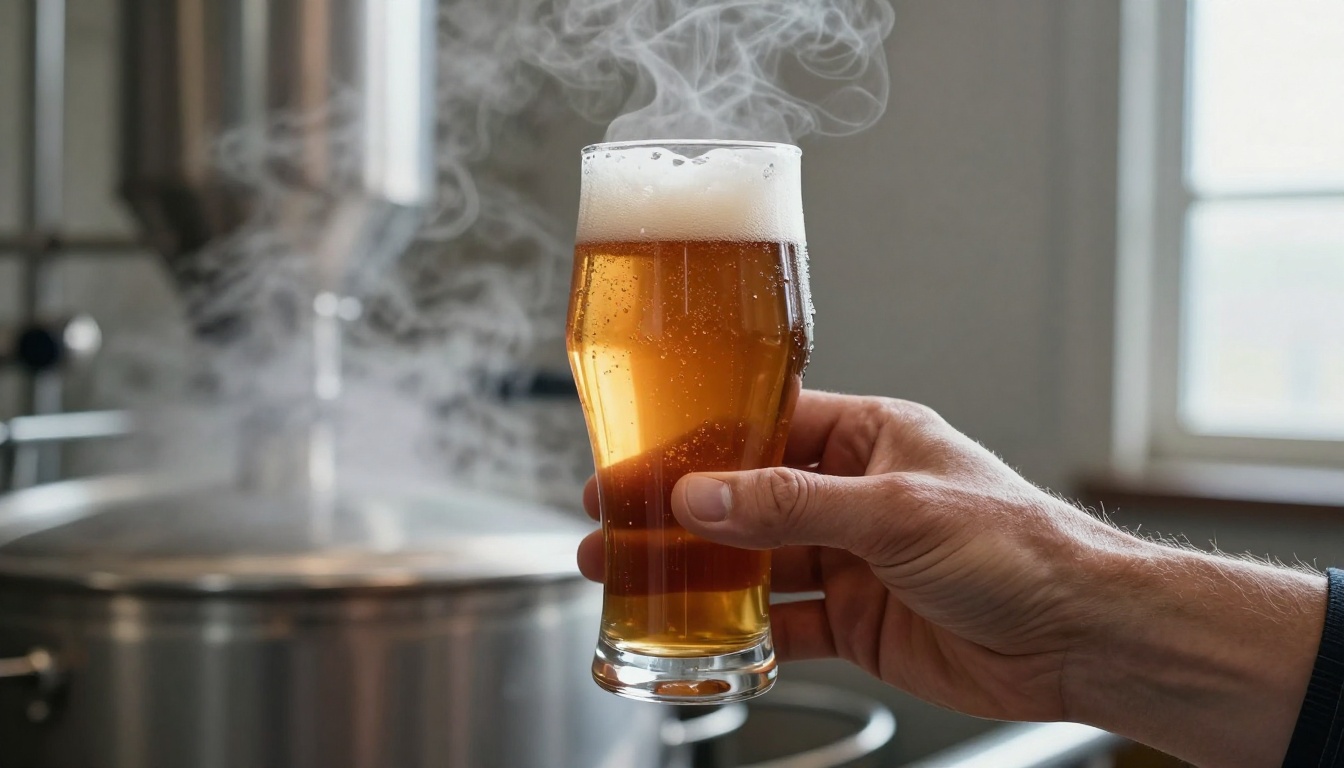
Tell the Story in Thirty Seconds
Buyers hear dozens of pitches a month. The ones that stick are short, specific, and sensory. A simple structure works:
- The hook: "We made an amber ale with pumpkin roasted in our own oven."
- The taste: "Toasted bread, light cinnamon, clean finish."
- The fit: "It sits well between your lager and your stout."
- The ask: "Can I put you down for two sixtels?"
Match the Story to the Account
- For a cocktail-leaning bar, emphasize balance and pairing with spirits.
- For a sports bar, emphasize sessionability and a lower price per pour.
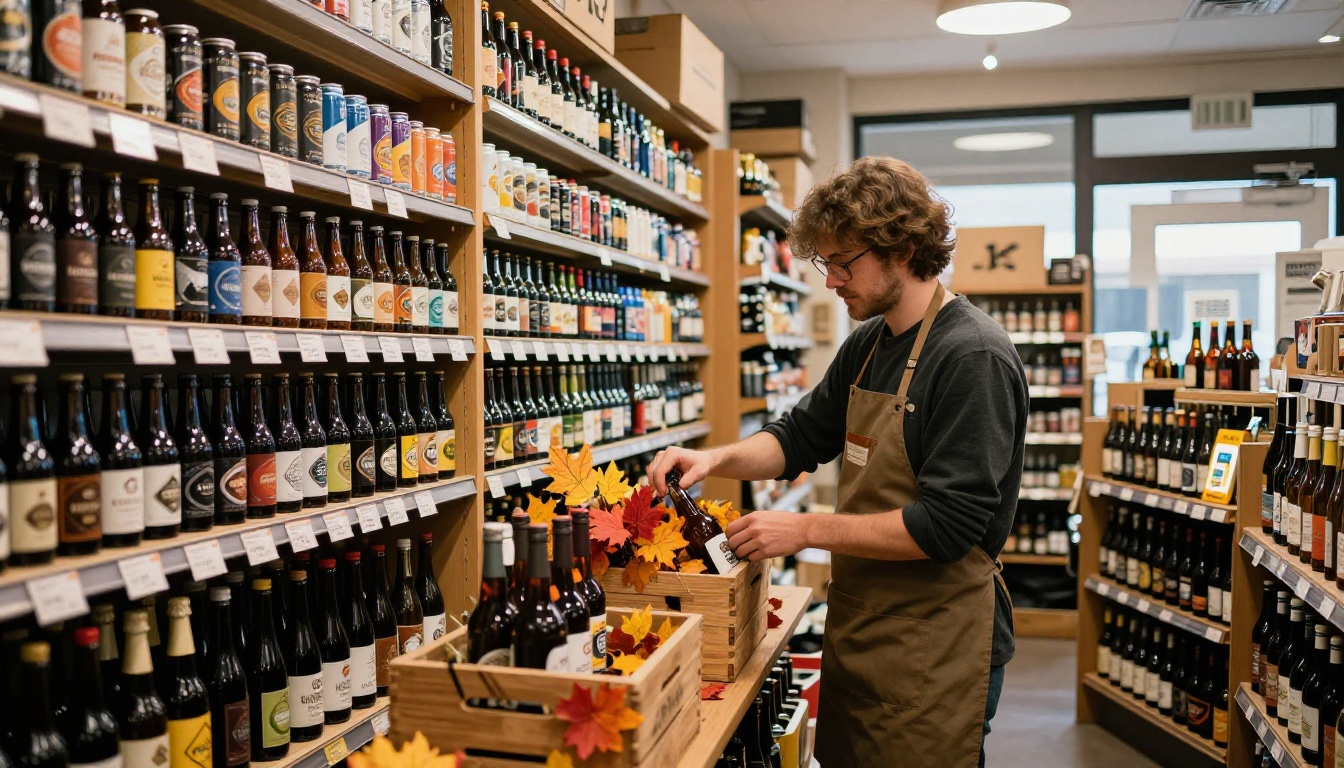
- For a bottle shop, emphasize label design and gift-ability.
- For a restaurant, give three food pairings from their actual menu.
⚠️ Warning: Avoid vague claims like "everyone loves it." Buyers trust specifics: ingredients, ABV, and a comparison to a beer they already sell.
Make Ordering Painless
Even a happy buyer drops off if ordering is a hassle. The best breweries remove steps.
- Offer a simple order form inside the catalog, with quantities and delivery dates.
- Bundle by format, such as a "launch pack" with a keg, tap handle sticker, and coasters.
- Set clear minimums so there is no negotiation over small amounts.
- Confirm in writing the same day, with the delivery window.
A small taproom with two reps might use a flow like this:
| Day | Action | Tool |
|---|
| Monday | Send preview link to top 20 accounts | Flipbook catalog link |
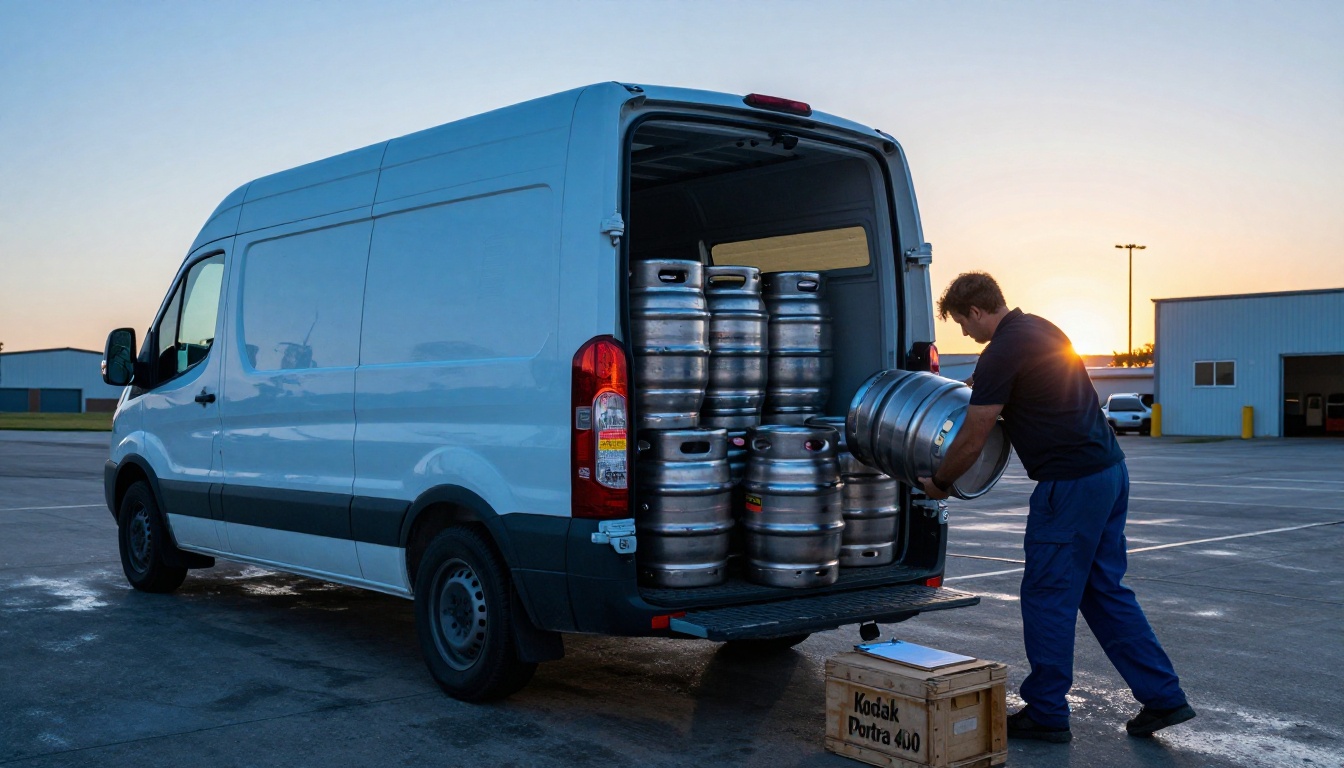
| Tuesday | Drop samples | Delivery van |
| Thursday | Check analytics, call accounts that opened pricing | Flipbook analytics |
| Following Monday | Confirm orders and delivery dates | Email |
Real Scenarios That Show the Difference
A Neighborhood Bar
A bar owner receives a preview link on Tuesday. The catalog opens on the phone in two taps, shows a photo of the beer, a menu blurb ready to copy, and a clear price per keg. The rep sees the open in analytics, calls on Thursday, and the bar orders a sixtel before the samples are even finished.
A Bottle Shop
A shop manager cares about shelf space. The catalog includes can photos, a suggested retail price, and a display idea with autumn props. The manager orders four cases and asks for a poster, which the rep adds to the next delivery.
A Restaurant Group
The buyer needs consistency. The catalog lists volumes, delivery schedule, and food pairings for each location's menu. One link goes to all managers, and all see the same facts.
Support the Launch After the Sale
Closing the order is the midpoint, not the end. Seasonal beer sells when guests hear about it.
- Send social assets the bar can post: photos, a short caption, and your handle.
- Offer a launch night with a brewer visit or a tap takeover.
- Provide table tents or shelf talkers, kept simple and readable.
- Check in after two weeks to learn how fast the keg is moving, then adjust the next order.
Measure What Worked
Track a few numbers for each release:
| Metric | What it tells you |
|---|
| Catalog opens by account | Who is interested |
| Pages read per open | Which info buyers care about |
| Sample to order rate | How well samples convert |
| Days from preview to order | How long your cycle runs |
| Reorder rate at week four | Whether guests actually liked it |

Common Mistakes to Avoid
- Pitching too late. If the buyer's list is set, you are fighting for scraps.
- Sending the same message to everyone. Bars, shops, and restaurants need different angles.
- Skipping pricing. Buyers who must ask for the price often never ask.
- Letting the catalog go stale. An old link with the wrong date kills trust.
- Forgetting the follow-up. Most orders come on the second or third touch.
Your Next Seasonal Pitch
The breweries that win tap handles are not always the ones with the best recipe. They are the ones with a clear timeline, thoughtful samples, a sell sheet that answers every question, and a catalog that stays current. Put those pieces in one flipbook, send one link, and watch who opens it.
Ready to build yours? Get started for free on Flipbooks AI, browse the full set of tools and templates, or compare pricing plans to pick the one that fits your sales team.