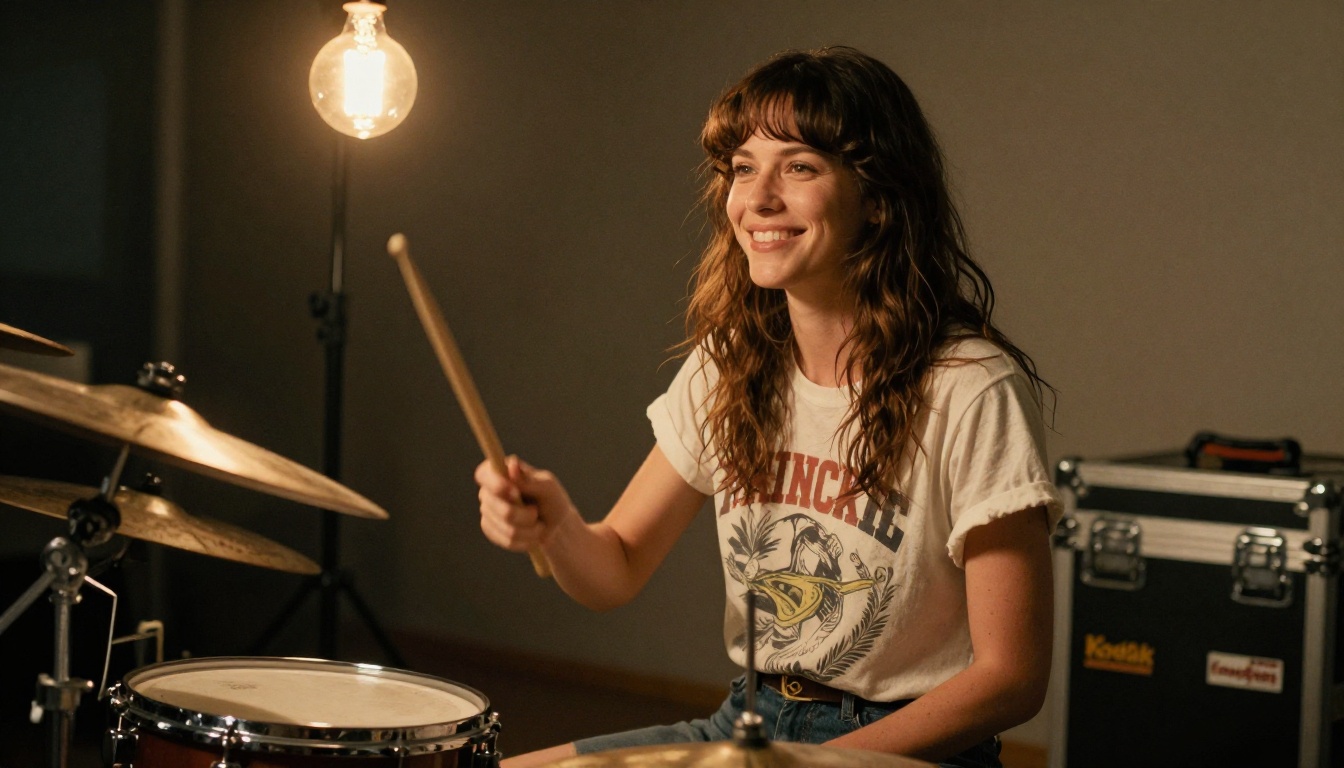
A booker opens your email, spends about thirty seconds deciding whether you are worth a slot, and either clicks through or moves on. What they click on is your electronic press kit, or EPK. If it loads slowly, hides your best song, or arrives as a 40 MB attachment, you lose the gig before the first chorus. This ranking looks at the best EPK builders for musicians and independent bands, and it shows where a flipbook tool like Flipbooks AI fits next to website builders, booking platforms and design apps.
What an EPK Must Contain
An EPK is a short, scannable package that answers one question: should we book, review or playlist this act? Whatever builder you pick, the content matters more than the template.
The essentials every kit needs:
- A one-paragraph bio and a longer version of about 250 words
- Three to five streaming links, with your strongest track first
- High-resolution press photos, both landscape and portrait
- A live video or a clean performance clip
- Press quotes, playlist placements and notable past shows
- A stage plot and input list for venues
- Contact details for a real person who answers email
💡 Put your best song link in the first screen. Bookers rarely scroll past the first page of a kit.
Who Reads Your Kit
Different readers want different things, so check who you are writing for.
| Reader | What they look for | What annoys them |
|---|
| Venue booker | Draw, live video, tech needs | Missing contact info |
| Festival programmer | Past festival slots, press quotes | Long bios |
| Journalist | Story angle, high-res photos | Low-res downloads |
| Playlist curator | Streaming links, release dates | Paywalled tracks |
| Sync supervisor | Instrumentals, rights info | Unclear ownership |
Why the Format Matters
Most acts send one of three things: a PDF, a link to a website page, or a platform profile. Each has trade-offs in control, cost and how professional it looks on a phone. The next sections rank the options that actually work.
How We Ranked the Builders
We judged each option on six practical criteria that matter to working acts rather than marketing pages.
- Setup speed: can a band finish a kit in one evening?
- Control over design: does it look like your band or like everyone else's?
- Media support: audio, video, photo galleries and downloads
- Cost over a year: monthly fees add up fast for touring acts
- Mobile experience: most bookers open links on a phone
- Shareability: one clean link, with optional password or tracking
Pricing and features change often, so check each provider's current page before you commit.

The Best EPK Builders Ranked
1. Flipbooks AI: Best for Polished, Shareable Kits
A flipbook turns a designed PDF into a page-turning kit with a single link. You keep full design control in whatever app you already use, then publish it with Flipbooks AI so it opens instantly on any phone. There are no watermarks, you can embed audio and video, protect the kit with a password, and see who opened it on the Professional plan.
It suits acts that want a magazine-style kit rather than a website. The Press Kit Designer page is a good starting point, and the Digital Portfolio Creator works well for artists who also show visual work.
Best for: acts that email kits to bookers and want to see who read them.
Trade-off: you design the pages yourself or with a template app first.
2. Bandzoogle: Best for a Full Band Website
Bandzoogle is built for musicians. It bundles a website, a store, a mailing list and a press kit page in one place. If your band has no website yet, it replaces several tools at once.
Best for: acts that need a home base and not just a kit.
Trade-off: the kit is a page inside a site, so layouts are less flexible than a custom design.
3. Squarespace or Wix: Best for Designers
General website builders give you the most design freedom. Both offer audio and video blocks, and both have polished templates. They are not music-specific, so you build the structure of the kit yourself.
Best for: bands with a designer or someone who enjoys layout work.
Trade-off: more setup time, and you pay a yearly or monthly plan.
4. Canva: Best for Quick PDF Kits
Canva lets you assemble a visual kit from templates in an afternoon, then export it as a PDF. It is fast and approachable. The weak spot is delivery: a PDF is static, large files bounce from inboxes, and there is no way to embed a playable track.
Best for: acts that need something presentable today.
Trade-off: no audio playback, no tracking.
5. Notion or Google Sites: Best Free Option
Both tools let you publish a clean page with links and embedded media at no cost. A Notion page can look surprisingly sharp with a good cover photo and simple headings. Branding control is limited, and a public link can feel informal for a larger booking.
Best for: brand-new acts with no budget.
Trade-off: limited styling and no download tracking.
6. Booking Platforms and Profile Sites
Platforms like Sonicbids, ReverbNation and similar profile sites keep your profile in a searchable directory. They can help you get found for submissions, but the page looks like every other profile in the directory, and you depend on the platform's rules.
Best for: acts that apply to many festivals and open calls.
Trade-off: less brand identity, and platform fees can apply.
Side-by-Side Comparison
| Builder | Setup time | Design control | Audio and video | Tracking | Cost level |
|---|
| Flipbooks AI | 1 to 2 hours | High | Embedded | Professional plan | Low to mid |
| Bandzoogle | 3 to 6 hours | Medium | Built in | Basic stats | Mid |
| Squarespace or Wix | 4 to 10 hours | High | Built in | Site analytics | Mid |
| Canva | 1 to 3 hours | High | None in PDF | None | Free to low |
| Notion or Google Sites | 1 to 2 hours | Low | Embeds | Limited | Free |
| Booking platforms | 1 to 2 hours | Low | Built in | Platform stats | Free to mid |
✅ Many working acts use two tools: a website or profile as a home base, plus a designed flipbook kit they send to bookers.
Which One Fits Your Situation
| Your situation | Best pick |
|---|
| No website, no budget | Notion or Google Sites |
| Need a website and a store | Bandzoogle |
| Want to impress bookers by email | Flipbooks AI |
| Have a designer in the band | Squarespace or Wix |
| Need something tonight | Canva, then publish as a flipbook |
| Applying to many festivals | Booking platform plus a flipbook kit |
How to Build an EPK with Flipbooks AI
This tutorial uses the flipbook route because it keeps full design control and gives you one trackable link. The process takes about an hour once your assets are ready.

Step 1: Gather Your Assets
Collect everything in one folder: press photos, logo, bio, live clip links, press quotes, stage plot and contact details. Name the files clearly so you can find them later.
Step 2: Design the Pages
Build a 6 to 10 page document in Canva, Google Slides, InDesign or any layout app. A reliable page order is:
- Cover with band name, genre and one striking photo
- Short bio and the three facts a booker should remember
- Music and streaming links
- Live video and photo gallery
- Press quotes and past shows
- Stage plot, input list and tech needs
- Contact page with email and phone
Export it as a PDF. Keep text in real fonts so links stay clickable.
Step 3: Upload and Convert
Create an account and upload the PDF. The conversion turns each page into a smooth page-turning view that works on phones and desktops. Check the flipbook on your own phone before sharing.
Step 4: Customize the Look
Set your brand colors, add your logo, and choose the page effects that suit your sound. A moody folk act might choose a soft turn, while a punk band may prefer a plain, fast layout. Add embedded audio and video so a booker can press play without leaving the page. See the available flipbook tools for related layouts.
Step 5: Choose Sharing Options
You get a direct link, an embed code for your website, and password protection for unreleased material. Use the password option when you share demo tracks that are not public yet. The embed guide page shows how to drop the kit into your own site.
Step 6: Track and Follow Up
On the Professional plan you can see analytics and collect leads, which tells you whether the booker opened your kit before you follow up. Compare pricing plans to see which tier matches your needs. Offline downloads also help for venues with poor reception.
⚠️ Do not attach the kit as a giant file. Send a short email with one link, and keep the PDF as a backup for journalists who request a download.
Common EPK Mistakes
Even a good builder cannot rescue a weak kit. These are the mistakes that quietly cost bands gigs.
Burying the Music
Make the first music link impossible to miss. Do not make a booker hunt through three menus.
Using Low-Quality Photos
Press photos should be sharp, well lit and available in at least two orientations. A blurry phone photo signals that your live show may be just as careless.
Writing a Bio Like a Diary
Skip the life story. Mention your sound, your location, your biggest shows and one memorable fact.
Forgetting Tech Information
Venues need to know your lineup, your input list and your stage plot. Including this speeds up booking and shows that you have played real stages.
Letting Links Rot
Dead streaming links and expired file shares are common. Check every link once a month, especially before a tour announcement.
Real-World Examples
A folk duo with no website used a free Notion page for six months, then moved to a designed flipbook when they started applying to festivals. The new kit looked professional and gave them a single link to put in every submission form.
A touring metal band built a Bandzoogle site for merch and tour dates, then added a short flipbook with stage plot and rider for venue managers. The site served fans, and the flipbook served industry contacts.
A solo producer pitching to sync supervisors used a password-protected flipbook with instrumental links and clear ownership notes, so unreleased tracks were never public.
Tips for a Kit That Gets Read
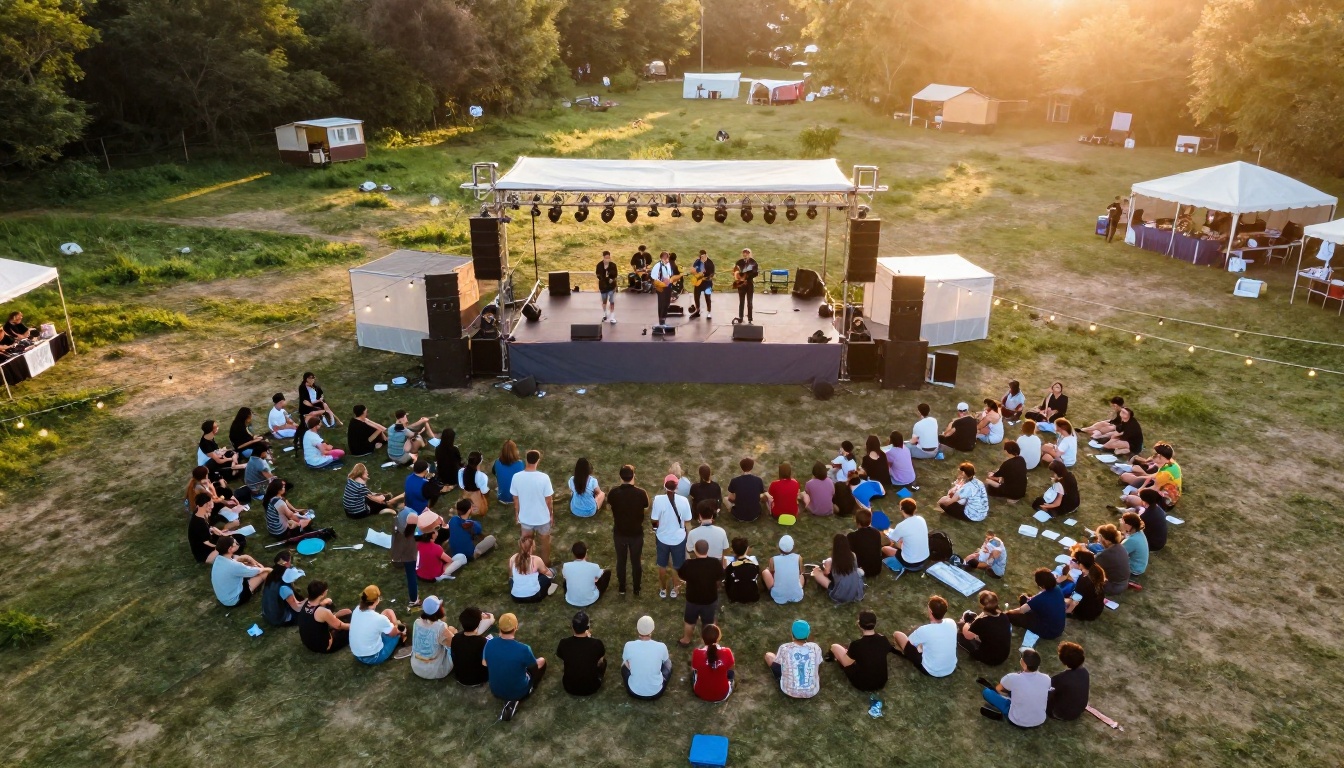
- Lead with proof: a sold-out show, a playlist placement or a press quote beats adjectives
- Keep it short: six to ten pages is plenty
- Update after every release: a stale kit suggests a stale band
- Test on a phone: most bookers open links on mobile
- Match your sound: a gentle singer-songwriter and a hardcore band should not share the same look
💡 Create two versions of your kit: a short one for cold outreach and a longer one for bookers who ask for more.
Budget Planning
| Budget | Setup |
|---|
| Free | Notion page, Canva PDF, free streaming links |
| Low | Canva design, published as a flipbook |
| Mid | Bandzoogle or Squarespace site plus a flipbook kit |
| Higher | Professional photographer, designer and website |
Which Builder Should You Pick
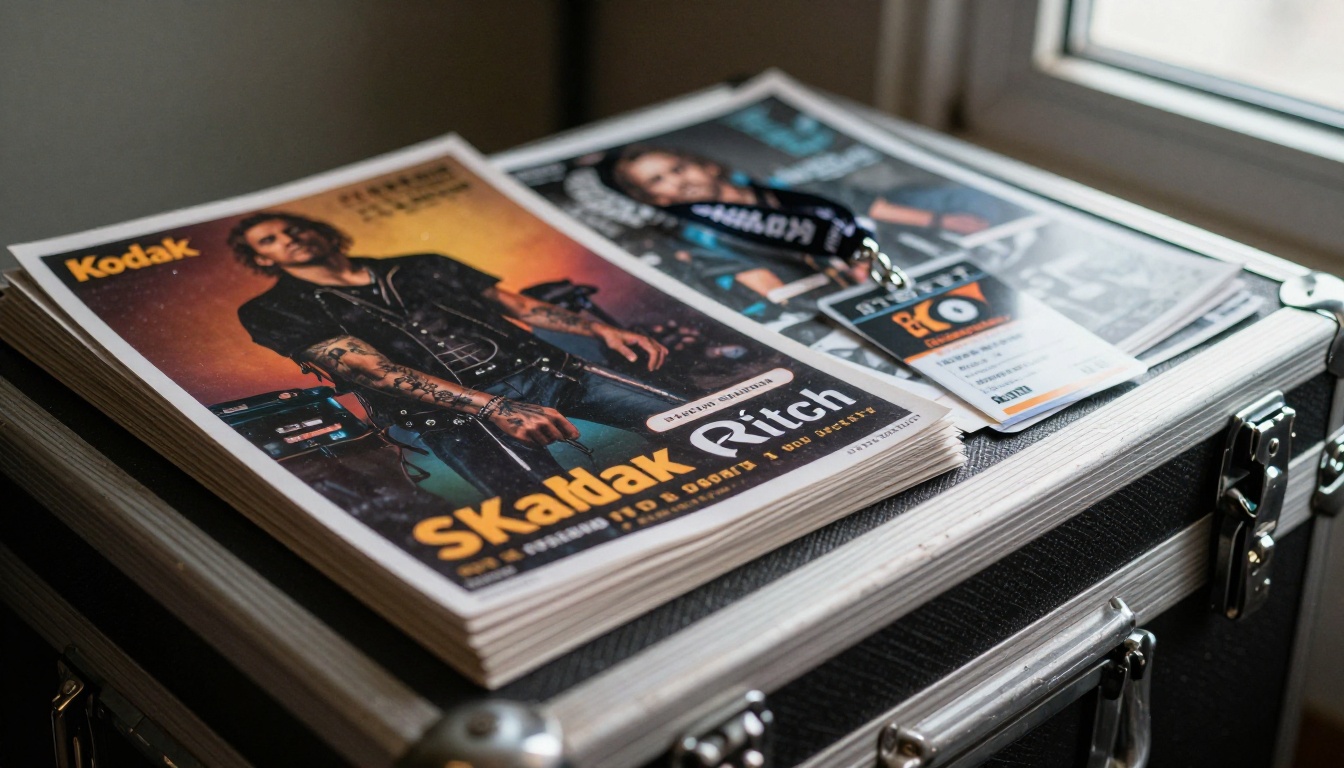
If you need a full website with a store, pick Bandzoogle. If you have a designer, Squarespace or Wix gives you the most room. If you are broke, use Notion until you have a budget. For the cleanest way to send a designed, trackable kit to bookers, press and curators, build your kit as a flipbook.
The strongest setup for most independent acts is simple: a home base for fans, plus a polished, shareable kit for industry contacts. Gear up for the road, because the next booking email could come at any moment.
Ready to Build Yours
Your music already took months or years to make. Give it a kit that matches the quality.