A flat PDF is a dead end. Readers scroll, squint, pinch to zoom, and leave. An interactive PDF gives them something to do: tap a menu item, play a clip, fill a field, jump to the pricing page. The question for 2027 is not whether you need interactivity but which tool delivers it without eating your week. This ranking compares the big names (Acrobat, InDesign, Canva) with newer flipbook platforms such as Flipbooks AI, so you can pick based on real trade offs instead of brand habit.

What Makes a PDF Interactive
An interactive PDF is any document that reacts to the reader. That can mean clickable links and a linked table of contents, but it can also mean embedded video, audio, form fields, buttons, page flip animation, or tracking that tells you who opened it and where they stopped.
Not every tool does all of this, and the gap matters. Some tools produce a real PDF with interactive elements baked in. Others turn a PDF into a web based flipbook that lives at a link. Each approach has strengths.
Real PDF vs. hosted flipbook
| Approach | Opens in | Works offline | Tracking | Video and audio |
|---|
| Interactive PDF file | PDF reader | Yes | Very limited | Inconsistent across readers |
| Hosted flipbook | Any browser | Optional download | Strong | Plays reliably |
💡 If your audience reads on phones, a hosted flipbook usually beats a PDF file. Many mobile PDF readers ignore embedded media and buttons entirely.
Features worth caring about
Before comparing names, decide which of these matter to you:
- Clickable links and navigation for tables of contents and calls to action
- Embedded video and audio for demos, interviews and product clips
- Forms and signatures for contracts, surveys and registrations
- Page effects such as a realistic page turn
- Analytics showing views, time on page and click paths
- Access control like passwords and expiry dates
- Branding so your logo and colors replace the vendor's
The Contenders at a Glance
Here is the short version before the details. Ratings reflect how well each tool serves a typical business user who wants interactive output with reasonable effort.
| Tool | Best for | Learning curve | Video support | Analytics | Hosted sharing |
|---|
| Adobe Acrobat | Forms and signatures | Medium | Limited | Basic | Via Adobe cloud |
| Adobe InDesign | Designer built layouts | Steep | Yes, in export | None built in | No |
| Canva | Quick branded designs | Low | Yes, as design | Basic | Yes |
| Flipbooks AI | PDF to flipbook with tracking | Low | Yes | Yes (Professional plan) | Yes |
| Generic flipbook makers | Simple page turning | Low | Varies | Varies | Yes |
| Free PDF editors | One off link edits | Low | Rare | None | No |
Adobe Acrobat
Acrobat is the default answer because it invented the format. For form heavy work it is still hard to beat.
Where Acrobat shines
- Fillable forms with validation, calculated fields and dropdowns
- Legally recognized e-signatures and approval workflows
- Reliable redaction, comparison and accessibility checks
- Button actions and JavaScript for custom behavior
Where it falls short
Acrobat treats the PDF as the final product. Embedding video is possible but fragile, and the result depends entirely on what reader your audience uses. Analytics are minimal compared with web hosted options, and the page flip experience simply does not exist.
⚠️ Embedded media in a PDF often fails in browser previews and mobile apps. Always test on a phone before sending a file to a client.
Verdict: pick Acrobat when the goal is a form, a contract, or a locked down document. Skip it when the goal is a marketing piece that readers should enjoy.
Adobe InDesign
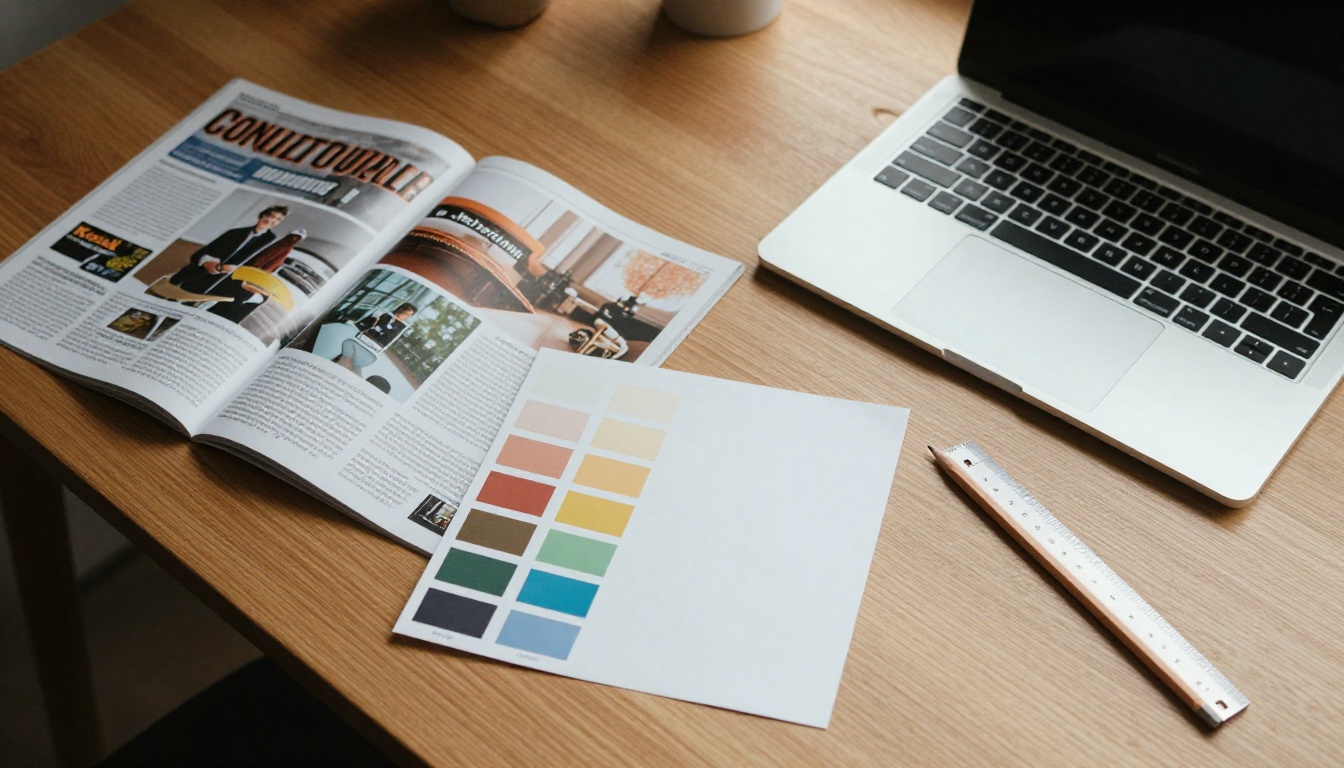
InDesign is where professional layouts are born. Magazines, annual reports and catalogs usually start here, and its interactive export can add buttons, hyperlinks, bookmarks, media and page transitions.
Why designers still rely on it
- Precise typography, grids and master pages
- Bookmarks and cross references generated from styles
- Export to interactive PDF or publish online
- Full control over print and digital versions from one file
The hidden cost
InDesign is a craft tool. A new user can spend weeks on basics, and every revision goes back through a designer. There is also no built in way to see how readers behave after you publish.
💡 A smart workflow: design in InDesign, export a clean PDF, then convert it to a flipbook for sharing and tracking. You keep design quality and gain analytics.
Canva
Canva made design accessible to people who have never opened a layout program. For interactive output it offers links, embedded video, and shareable web views.
Strengths
- Thousands of templates for brochures, lookbooks and presentations
- Team brand kits that keep colors and fonts consistent
- Easy collaboration with comments
- Simple link and video additions
Limitations
Canva documents are designed for screens and social posts, so long, text dense publications can feel cramped. PDF exports flatten most interactivity beyond basic links, and the reading experience is closer to a slideshow than a publication.
Verdict: Canva is the fastest way to a good looking draft. For a polished reading experience and analytics, pair it with a flipbook tool.
Flipbook platforms take a finished PDF and turn it into a page turning web experience. Readers get a familiar book feel, and you get a shareable link, embed code and often tracking. This category has grown quickly because it solves the gaps left by Acrobat, InDesign and Canva.
Flipbooks AI
Flipbooks AI converts PDFs into mobile friendly flipbooks without watermarks. Beyond the page flip, it lets you embed video and audio, apply custom branding, protect content with a password, and download offline copies. On the Professional plan you also get analytics and lead generation, which is where static PDFs fall flat.
The platform also publishes focused tools for common cases, so you can skip generic setup. A few examples:

Other flipbook makers
Competing flipbook services offer similar page turning, though they differ on watermarks, plan limits and analytics depth. Before committing, check three things: whether free output carries the vendor's branding, how many publications each plan allows, and whether you can export your own embed code.
Feature Comparison Table
This table summarizes how the main options handle the features buyers ask about most.
| Feature | Acrobat | InDesign | Canva | Flipbooks AI |
|---|
| Clickable links | Yes | Yes | Yes | Yes |
| Embedded video | Fragile | Fragile | Yes | Yes |
| Form fields | Excellent | Good | No | Not the focus |
| Page turn effect | No | Limited | No | Yes |
| Browser based reading | Partial | No | Yes | Yes |
| Password protection | Yes | No | Limited | Yes |
| Analytics | Basic | No | Basic | Yes (Professional) |
| Custom branding | Yes | Yes | Yes | Yes |
| Watermark free | Yes | Yes | Paid plans | Always |
| Ease of use | Medium | Hard | Easy | Easy |
How to Create an Interactive Flipbook
If your goal is a polished publication that tracks readers, here is the quickest route. This walkthrough uses Flipbooks AI.
Step by step
- Create your account. Go to Flipbooks AI and sign up. You can start with a basic plan and upgrade later.
- Upload your PDF. Drag your file into the converter, or use the PDF to Flipbook Converter. The pages are processed into a flipbook within moments.
- Customize the look. Add your logo, choose background colors, and pick page effects so the flipbook matches your brand.
- Add multimedia. Place video or audio on the pages where they help most, such as a product demo next to a spec sheet.
- Set access rules. Add a password for private content, or keep it open for public campaigns.
- Share it. Copy the direct link, or follow the instructions to embed the flipbook on your website.
- Measure results. On the Professional plan, open analytics to see views and reading behavior, and use lead generation to collect contact details.
✅ Best practice: put your most important link on the first two pages. Most readers decide within seconds whether to keep going.

The right choice depends on what you publish. Here is how it plays out in practice.
Real estate
A real estate agent can send a property brochure as a flipbook link. The buyer opens it on a phone, flips through photos, plays a walkthrough clip, and the agent sees who read the floor plans. The Real Estate Brochure Creator was built for this scenario.

Restaurants
A restaurant owner changes prices and specials often. Reprinting is costly, and a PDF on the website is awkward on a phone. A hosted menu flipbook updates in minutes and works through a QR code at the table.

Creatives and photographers
Photographers need images to look rich, not compressed. A portfolio flipbook keeps the pages large and lets clients flip through at their own pace. See the Photography Portfolio tool for a quick start.

Finance and corporate
Annual reports are long and dense. Add a linked table of contents, short video messages from leadership, and a password for investors. Acrobat can handle a locked file, while a flipbook gives you the reading data to see which sections get attention. The Annual Report Creator is a good starting point.

Use case summary
| Scenario | Best fit | Why |
|---|
| Contracts and forms | Acrobat | Signatures, fields, validation |
| Print plus digital magazine | InDesign, then flipbook | Layout control, then tracking |
| Social friendly brochure | Canva, then flipbook | Fast design, better reading |
| Catalog with lead capture | Flipbooks AI | Analytics, branding, embed |
| Menu that changes weekly | Flipbooks AI | Easy updates, QR sharing |
| Internal training manual | Flipbooks AI or Acrobat | Depends on tracking needs |
Common Mistakes to Avoid
Even good tools fail when used carelessly. Watch for these.
- Overloading pages with media. Five videos in a twelve page document slows loading and overwhelms readers. Choose one or two that add real value.
- Ignoring mobile. Check every interactive element on a phone. If a button is too small to tap, it does not exist.
- Skipping analytics. If you cannot see what readers do, you cannot improve. Choose a tool that reports views and clicks.
- Forgetting file size. Uncompressed images make flipbooks sluggish. Resize photos before export.
- Using one tool for everything. The best workflow often chains tools: design in one, publish in another.
⚠️ Free tiers of some tools add watermarks or limit publications. Read the plan details first, because rebranding a finished project is annoying.
Final Ranking for 2027
Here is how the options stack up for the most common goal: a branded, shareable, trackable publication.
| Rank | Tool | Score | Summary |
|---|
| 1 | Flipbooks AI | 9 / 10 | Easy conversion, no watermarks, analytics, embedding |
| 2 | Canva | 8 / 10 | Fastest design start, light interactivity |
| 3 | Adobe InDesign | 8 / 10 | Best layout power, steep effort |
| 4 | Adobe Acrobat | 7 / 10 | Top for forms, weak for reading experience |
| 5 | Free PDF editors | 5 / 10 | Fine for small link edits only |
Scores reflect fit for marketing and publishing use. For legal paperwork, Acrobat would move to first place.
Match the tool to the job. Use Acrobat for signatures, InDesign for layouts that need a designer, and Canva for quick drafts. When the document needs to be read, shared and measured, a flipbook platform closes the gap.
Ready to turn a PDF into something readers actually open? Get started for free on Flipbooks AI, browse all flipbook tools to find a template for your use case, or compare pricing plans to see what Professional analytics and lead generation can do for your next publication. You can also create an account and head straight to pricing to choose a plan in one step.



