The best way to sell your knit or crochet patterns is rarely a single decision. It is a system: the right platform, the right presentation, the right price, and consistent marketing that turns occasional buyers into repeat customers who wait eagerly for your next release. Thousands of fiber artists earn full-time income from digital pattern downloads every month, and the barrier to entry has never been lower. Whether you have one pattern ready to go or a full catalog in your head, this is how you turn that creative work into real money.
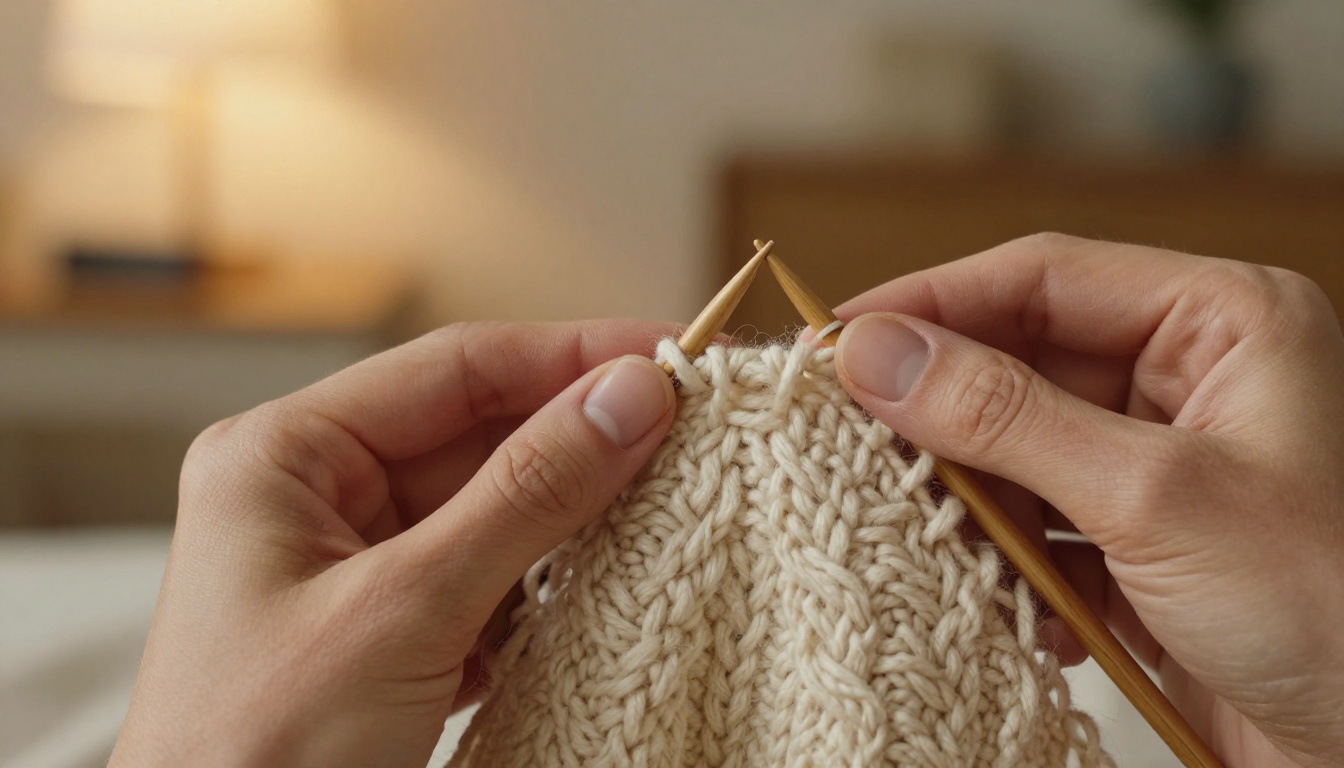
Why Patterns Beat Finished Items Every Time
Selling finished knitted or crocheted items sounds appealing, but the math rarely works in your favor. A hand-knitted sweater that takes 20 hours to make cannot be priced to fairly compensate your time without alienating most buyers. A pattern gets written once, formatted once, photographed once, and then sold indefinitely with zero additional production overhead.
Here's how the two models compare in practice:
| Revenue Model | Time Per Sale | Scalability | Avg. Price Point |
|---|
| Finished Knitted Items | 5-30+ hours | Very low | $30-$200+ |
| Physical Printed Patterns | 0 (ship PDF) | Medium | $5-$15 |
| Digital PDF Patterns | 0 (instant) | Unlimited | $5-$12 |
| Pattern Bundles | 0 (instant) | Unlimited | $15-$40 |
The numbers speak for themselves. Digital patterns scale to unlimited income with no additional production cost after the initial design work. One well-photographed, clearly written pattern can generate revenue while you sleep, and that revenue compounds as your catalog grows.
Where to Sell Your Patterns
Picking the right marketplace matters more than most new sellers realize. Each platform reaches a different kind of buyer and takes a different cut of your revenue.
Etsy Dominates Discoverability
Etsy is where most pattern buyers start their search. With over 90 million active buyers and strong intent-driven search behavior, it offers unmatched visibility for new sellers who don't yet have their own audience.
The trade-off: Etsy charges a 6.5% transaction fee plus $0.20 per listing. Competition is fierce. Your success depends heavily on your listing title, photos, and tags. Write titles like "Easy Crochet Baby Hat Pattern PDF Instant Download" rather than simply "Baby Hat Pattern." Use all 13 available tags and fill every character of your description with buyer-relevant information.

Ravelry for the Core Community
Ravelry is the spiritual home of knitters and crocheters. Its database holds over a million patterns, and the community actively reviews, photographs, and discusses every design they complete. Ravelry takes zero commission on paid patterns, meaning you keep 100% minus standard payment processor fees. The buyer base is deeply invested in fiber arts, making it highly targeted for serious pattern sellers.
💡 Release one high-quality free pattern on Ravelry before launching paid designs. It builds your follower count, earns reviews, and warms up buyers for your paid work.
Your Own Shop for Long-Term Control
Platforms like Gumroad, Shopify, or your own website give you full ownership of the customer relationship. You keep more of each sale, build your own email list directly, and control pricing, branding, and promotions without depending on anyone else's algorithm.
The challenge: you are responsible for all your own traffic. Without an established social following or strong SEO strategy, driving buyers to your own store requires consistent effort across multiple channels.
Patreon for Recurring Income
Patreon works brilliantly for designers who release new patterns regularly. Instead of one-off purchases, subscribers pay a monthly membership for access to your full library. Designers who release two or more patterns per month and have an active social following often find Patreon more lucrative than Etsy over time, because income becomes predictable rather than seasonal.
| Platform | Commission | Built-In Audience | Best Suited For |
|---|
| Etsy | 6.5% + $0.20/listing | 90M+ buyers | New sellers, maximum discoverability |
| Ravelry | 0% (PayPal fees apply) | Craft-specific community | Targeted fiber arts buyers |
| Your Own Website | 0-3% (payment fees only) | None (self-built) | Established designers with traffic |
| Patreon | 5-12% | Subscriber-based | Recurring monthly income |
| Gumroad | 10% | Mixed digital products | Simple, low-overhead delivery |
Pricing Your Patterns Correctly
Underpricing destroys both your income and your perceived value. Many new designers list patterns at $3 when the market readily supports $8 or more for a well-presented design.
A practical pricing framework:
- Simple and beginner patterns (small items, single technique): $3-$5
- Intermediate patterns (shaped garments, multiple sizes): $6-$9
- Complex patterns (colorwork, full sweaters, intricate accessories): $9-$15
- Pattern bundles (3-10 designs): $15-$35
⚠️ Avoid pricing below $3. Low prices signal low quality to experienced buyers and attract the buyers most likely to complain or request refunds.
Psychological pricing applies here just as it does in any retail context. $7.99 consistently outperforms $8.00 in conversion tests. A bundle of three $8 patterns priced at $20 increases average order value without devaluing individual designs.
Making Your Pattern PDF Professional
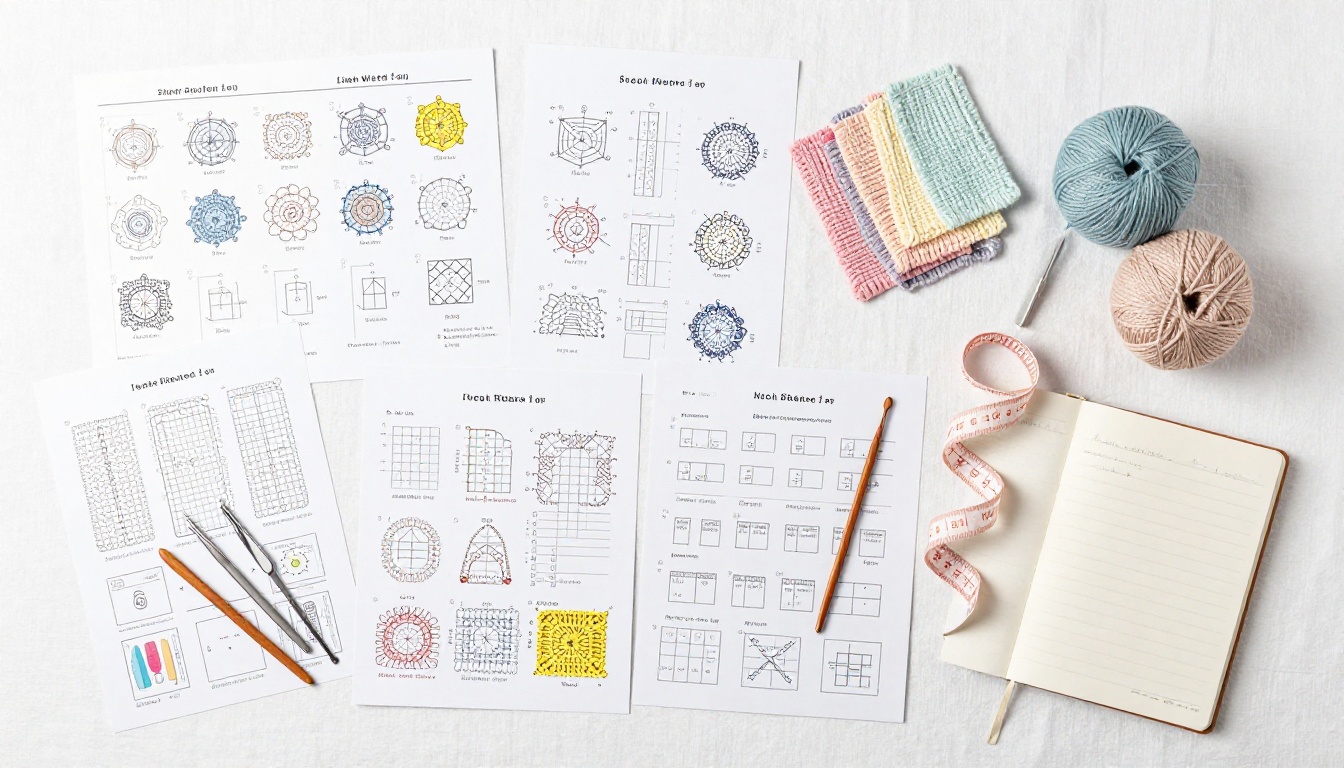
Your PDF is your product. A messy, hard-to-follow pattern earns bad reviews that haunt every future listing. A clean, thorough, professionally formatted PDF builds the kind of trust that converts first-time buyers into repeat customers.
What Every Pattern Needs
Every sold pattern should include:
- Full materials list with yarn weight, hook or needle size, and all required notions
- Gauge swatch instructions even when gauge is not critical to the design
- Sizing chart with finished measurements for every available size
- Abbreviations reference that defines every shorthand used in the pattern
- Stitch diagrams alongside written instructions for visual learners
- Step-by-step photos showing key construction moments
Use Canva, Adobe InDesign, or Google Docs to format your PDF. Stick to clean, readable fonts. Include your logo, website URL, and copyright notice on every single page.
✅ Have at least one other maker test your pattern before you list it. A single set of fresh eyes catches the ambiguous instructions that would otherwise generate customer service messages indefinitely.
Photographing Your Finished Item
Your listing thumbnail sells the pattern before a buyer reads a single word. A high-quality photo of the finished item is worth more than any amount of descriptive text.
Shoot near a large window on an overcast day for soft, diffused light with no harsh shadows. Use a neutral background. Show the finished item styled realistically: worn on a person, draped over a chair, or laid flat to reveal the complete design.
For each listing, include at minimum:
- Hero shot: Finished item styled attractively as your main thumbnail
- Texture detail: Close-up showing stitch definition and yarn quality
- Full flat lay: Complete view of the finished item showing the whole design
- In-progress shot: Someone mid-project to help buyers visualize the process
- PDF preview: A clean screenshot of your pattern layout showing professional formatting

Selling Patterns at Markets and Craft Fairs
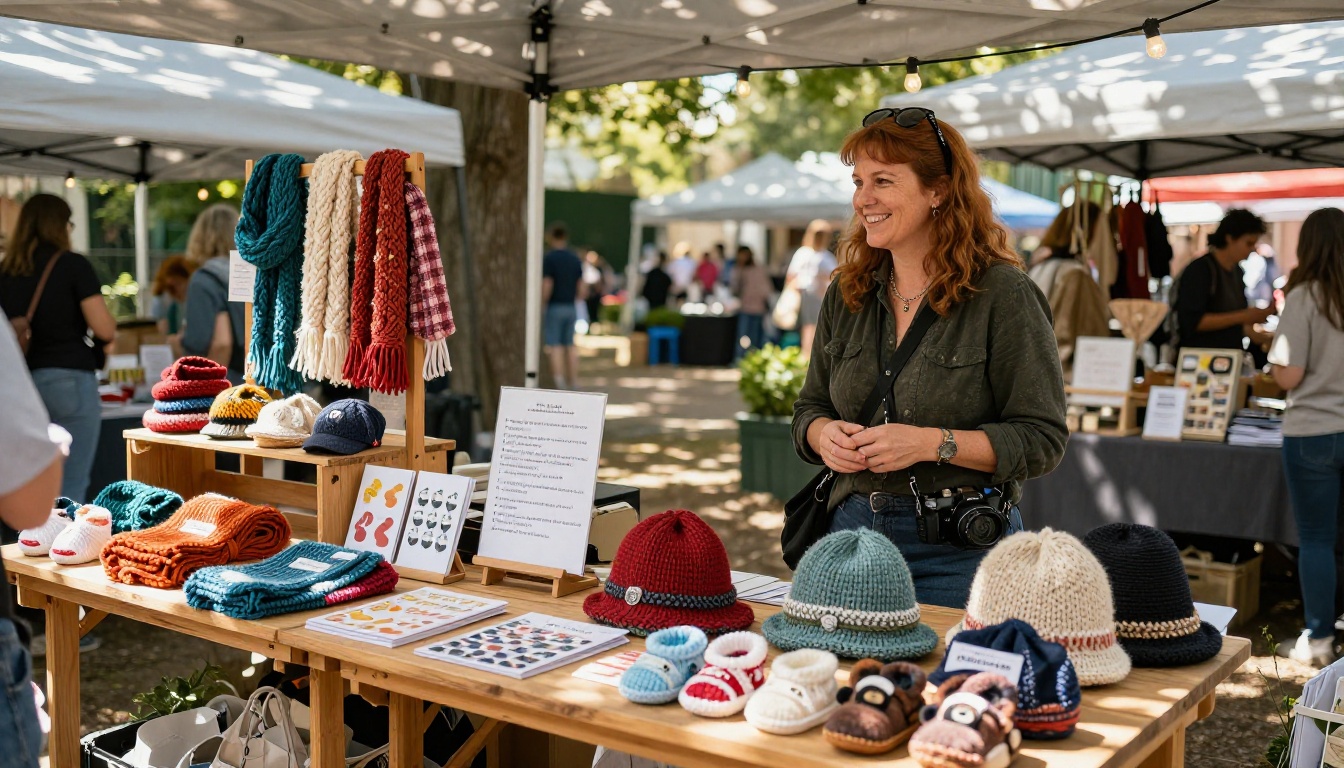
Physical craft markets give you direct access to buyers who prefer discovering new things in person. Rather than competing exclusively with digital-only sellers, market attendees benefit from seeing your finished items up close and feeling the yarn quality firsthand, which creates purchase intent that carries over online.
Sell printed pattern cards or small booklets at a market-friendly price point. More importantly, place a QR code on your display that links directly to your Etsy shop or website. Buyers who fall in love with your finished items in person are highly motivated to purchase your patterns online afterward. This crossover strategy builds both channels simultaneously without splitting your effort.
Social media is where pattern sellers build audiences that convert into consistent buyers. The platforms that work best for fiber arts content are Pinterest, Instagram, and short-form video.
Pinterest Works Like a Search Engine
Pinterest is the most underutilized platform for pattern sellers, and the one with the longest payoff period. Unlike Instagram where posts disappear from feeds within hours, Pinterest pins maintain visibility for months or even years. Pin every single pattern listing directly from your shop. Write keyword-rich descriptions that match real buyer search behavior: "free easy beginner crochet dishcloth pattern PDF" rather than simply "pretty dishcloth."
Instagram Builds Your Community
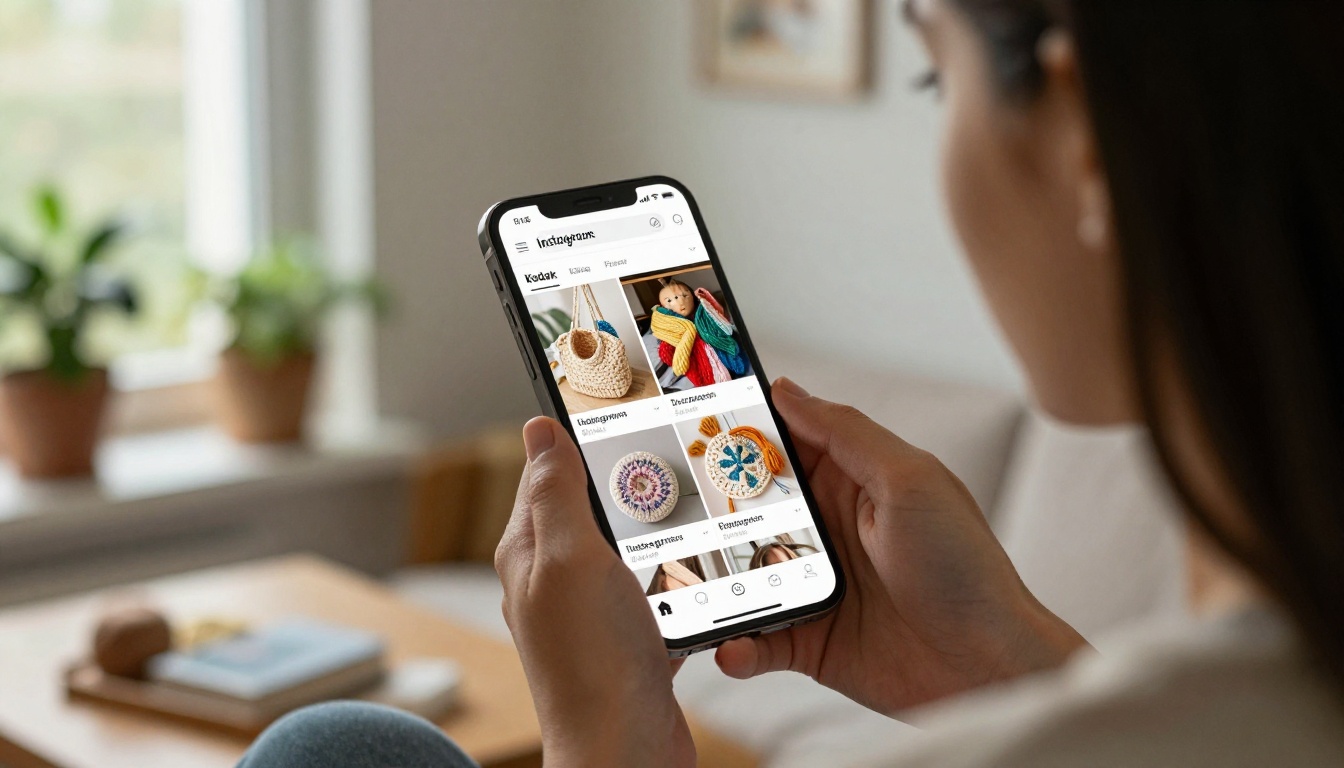
Instagram rewards beautiful photography and authentic behind-the-scenes content. Post finished items, work-in-progress shots, and flat lays of your supplies and pattern pages. Use niche hashtags like #crochetpatterndesigner, #knittersofinstagram, and tags specific to your design style.
Video Converts Faster Than Anything Else
TikTok and YouTube tutorials that use your pattern as the project drive direct sales. Viewers who watch a make-along video showing a beautiful finished item click straight to your shop. Many established designers attribute 40-60% of their pattern sales to buyers who found them through video content first.
💡 Create a free "starter version" of a paid pattern and offer it in exchange for email sign-ups. Email marketing converts at 3-5x the rate of social media posts because you own the list outright.
Turn Your Pattern PDFs Into Interactive Flipbooks
Most pattern sellers hand buyers a flat, static PDF when they could be delivering something that looks genuinely premium. Flipbooks AI converts your pattern PDFs into fully interactive digital flipbooks with realistic page-turning animation, mobile-responsive layouts, embedded video links, and custom branding that makes every pattern feel like a professional publication rather than a basic file download.
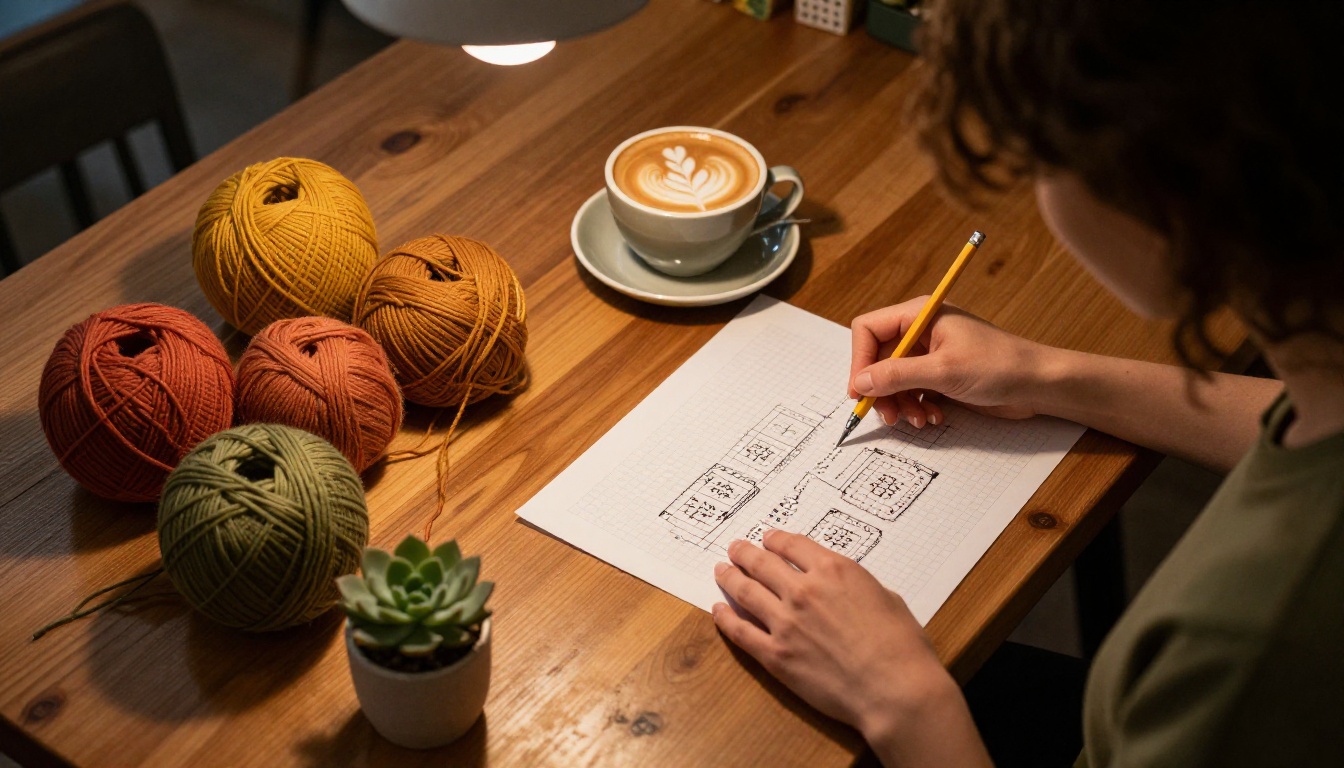
How to Create Your First Pattern Flipbook
- Format your pattern PDF as usual in Canva, InDesign, or Google Docs
- Create your account at Flipbooks AI, which takes under two minutes
- Upload your PDF using the drag-and-drop interface. Conversion is instant
- Add your branding: custom cover image, your logo, brand colors, and page-turning style
- Set up sharing: copy the direct link for your Etsy listing description, or use the Embed Flipbook on Website tool to add it directly to your site
- Protect paid content: activate password protection so only buyers receive the access link
- Track what buyers read: Professional plan users get page-level analytics showing exactly which pattern sections buyers spend the most time on
The Interactive E-Book Publisher is built precisely for pattern collections and digital publications. You can embed short video clips directly into pages, so buyers see a technique demonstration right inside the pattern document rather than searching elsewhere for help. For full seasonal collections or design lookbooks, the Digital Portfolio Creator lets you present multiple designs in one polished, shareable publication.
What Flipbooks AI offers pattern sellers:
- ✅ No watermarks on any plan
- ✅ Unlimited flipbooks on Standard plan and above
- ✅ Password protection for paid-only access control
- ✅ Analytics and lead generation on Professional plan
- ✅ Offline downloads for buyers who prefer to print at home
- ✅ Embedded video tutorials directly within pattern pages
- ✅ Mobile-responsive design so buyers can follow along on their phone while crafting
- ✅ Custom branding that matches your shop aesthetic
| Flipbooks AI Plan | Best For | Standout Feature |
|---|
| Free | Testing the platform | Instant PDF-to-flipbook conversion |
| Standard | Growing pattern shops | Unlimited flipbooks, zero watermarks |
| Professional | Established designers | Analytics, lead capture, offline downloads |
Compare all pricing plans to find the right tier for where your pattern business stands today. Most active pattern sellers find Standard covers everything they need from day one.
Mistakes That Cost Sellers Real Money
Even skilled designers sabotage their revenue with avoidable habits. Watch out for these:
Skipping pattern testing: A pattern with errors gets brutal public reviews. Test every design with at least one external maker before listing it for sale.
Too few listing photos: Buyers who cannot see enough of the finished item scroll past your listing. Five photos is a floor, not a ceiling.
Weak keyword strategy: "Crochet beanie pattern" competes with tens of thousands of listings. "Chunky ribbed crochet beanie pattern for beginners PDF" reaches a smaller, much higher-intent pool with far better conversion rates.
No email list: Social platforms change algorithms, restrict reach, and occasionally disappear entirely. Your email list is the only audience you truly own and control.
Pricing too low out of fear: Low prices do not attract more buyers. They attract buyers who value your work less. Price according to the result your buyer gets, not the hours you spent creating the design.
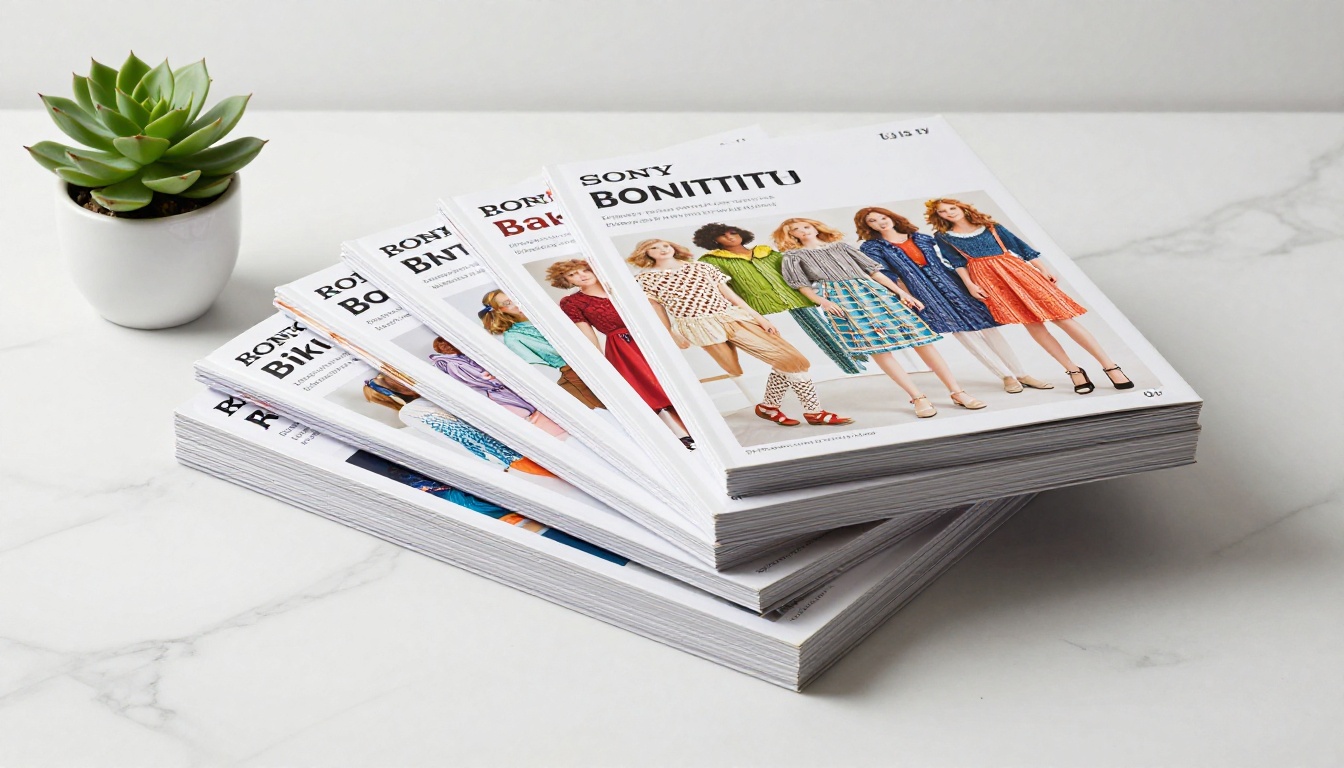
Static PDF only: Buyers in 2027 compare experiences, not just content. Converting your patterns into polished interactive flipbooks with Flipbooks AI takes minutes and immediately differentiates your shop from every other seller still delivering an unbranded, unformatted file.
Build a Pattern Business That Compounds
The sellers who build real, sustainable income from knit and crochet patterns think in systems. They release patterns on a consistent schedule so buyers know when to check back. They build an email list that receives early access to every new design at a small discount. They create one free pattern that funnels new subscribers into their paid catalog. They package related designs into bundles that increase average order value without discounting individual work. They present their PDFs as polished interactive flipbooks that buyers want to share.
Every piece of this system reinforces the others. A growing email list means each new release gets an immediate sales spike. Strong Etsy reviews attract new buyers who discover your shop organically. A professional flipbook shared on Pinterest earns saves that drive traffic for years after posting.
The best way to sell your knit or crochet patterns is to build the full system, not just open a shop and wait. Start with the platform where your target buyers already spend time, price your work confidently, present it professionally, and market it with consistency.
Ready to make your pattern PDFs look the part? Create your free account on Flipbooks AI and convert your first pattern into a professional interactive flipbook today. Browse the full tools directory or check all available plans to find the right fit for where your pattern business is right now.



