A publisher at a convention sees dozens of designers a day, and most of them get roughly forty seconds of attention. Your game might be brilliant, but if the single page you hand over is cluttered, vague or missing basic facts, it goes in the bag with everything else. These board game sell sheet tips come from the point of view of the person reading it: what they scan first, what makes them keep reading, and what makes them ask for a prototype. You can also turn the finished page into a shareable digital booklet with Flipbooks AI, which we will get to near the end.
Why One Page Wins
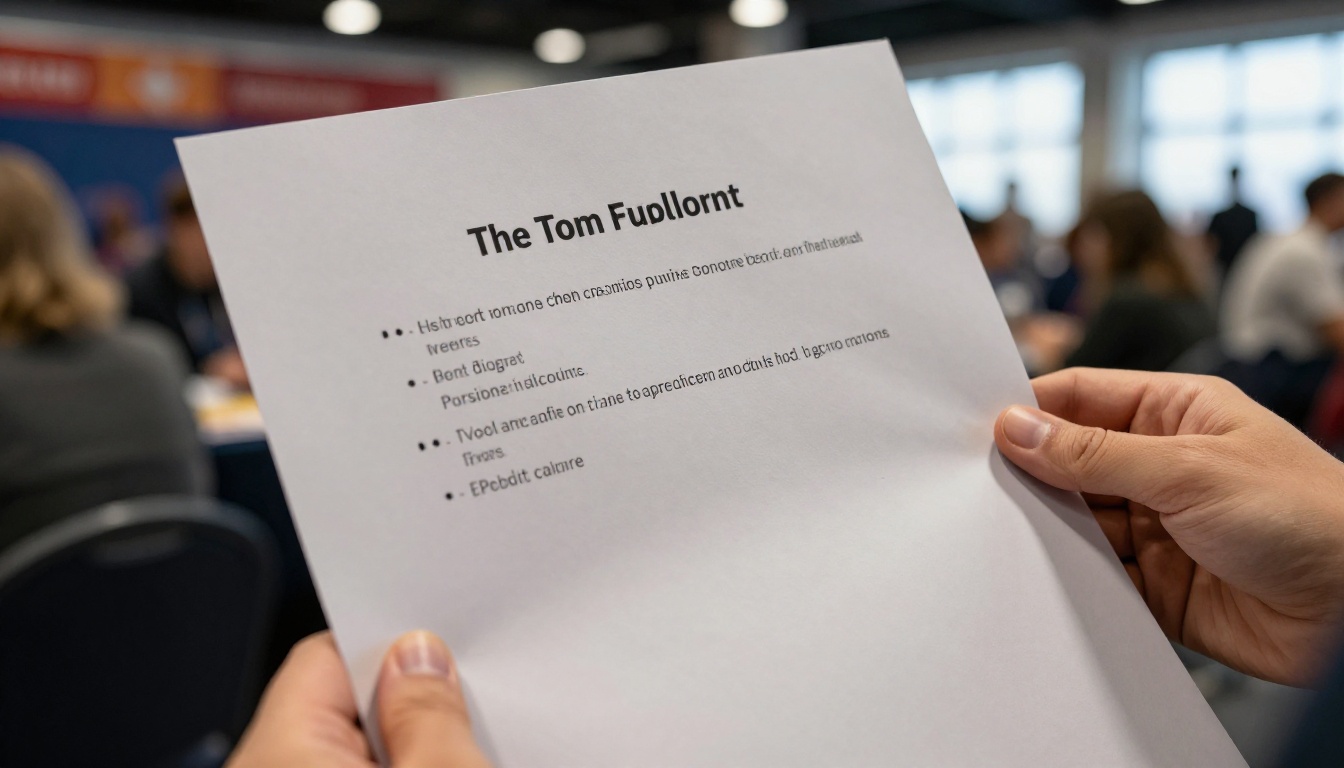
A sell sheet is not a rulebook and it is not a pitch deck. It is a filter. Publishers use it to answer three questions fast: Does this fit our catalog? Can we afford to make it? Will it sell?
Everything on the page should serve one of those answers. If a paragraph does not help a publisher decide, cut it.
What a Publisher Scans First
Eye-tracking is not needed to guess the order. Most people read a page like this:
- The game name and the hook line
- The hero image or box mockup
- Player count, play time and age
- The short description
- Contact details
Anything after that is a bonus. So the top third of the page carries most of the weight.
One Page Means One Page
Resist the urge to add a second side. A front-and-back sheet is fine at a table, but the front must work alone. Treat the back as optional proof: components, comps, and production notes.
💡 Pro tip: Hand the sheet to someone who has never heard of your game. Time them for 30 seconds, then ask what the game is about. If they cannot tell you, rewrite the top third.
The Facts Publishers Need
Before design, get the data right. Publishers hate hunting for numbers, so give them in a fixed, boring, predictable block.
The Core Stats Block
| Item | What to write | Common mistake |
|---|
| Players | Range plus best count, e.g. 2 to 5, best at 4 | Listing only a range |
| Play time | Honest playtested average | Using the optimistic box time |
| Age | Minimum age | Leaving it out |
| Complexity | Light, medium or heavy, with a familiar comparison | Calling every game "easy to learn" |
| Genre | One primary mechanism, one theme | Five genres at once |
| Status | Prototype stage and playtest count | Saying "finished" with no proof |
Notice that "honest" appears in the play time row. Publishers will playtest the game, and if your listed 30 minutes turns into 75, trust drops immediately.
Write the Hook Line
The hook is a single sentence under the title. It should name the core action and the tension.
- Weak: "An exciting strategy game for the whole family."
- Better: "Draft tiles, build a harbor town, and sink your rivals' trade routes before the tide turns."
Notice the second line gives a verb, a setting and a conflict. Nothing in the weak version could not be said about a thousand other games.
Show the Game, Not the Idea
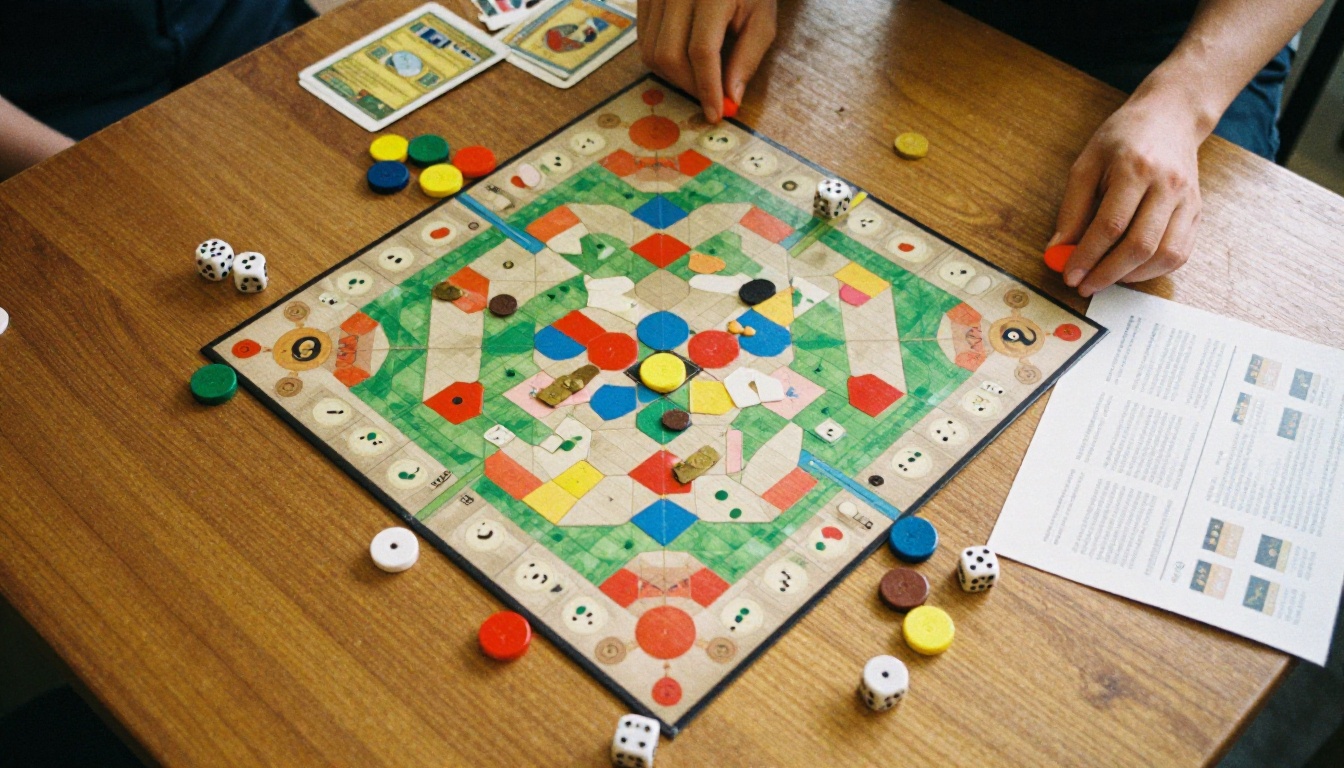
Publishers are visual buyers. They sell boxes on shelves, so they want to see a box.
Use a Real Photo or a Clean Mockup
A good hero image is a photograph of the actual prototype laid out mid-game. It shows components, table presence and the feel of play. If the art is not final, a clean photo of well-made components beats a pile of placeholder illustrations.
Avoid these:
- Stock art that has nothing to do with your game
- Screenshots of a digital prototype with visible software menus
- Low-resolution photos with a messy background
- Collages with more than three images
⚠️ Warning: Never use uncredited or unlicensed art on a sell sheet. Publishers check, and it flags you as a risk.
Show Table Presence
Publishers care about how a game looks across a room. A single wide shot of the game set up and a close-up of a signature component do more than five small thumbnails.
Write the Short Description
You get roughly 80 to 120 words here. That is enough for three small blocks.
The Three-Part Pitch
- Setup: Who are you and what are you trying to do?
- Turn: What does a player do on their turn?
- Tension: What makes the choice hard or the ending exciting?
Here is an example for a fictional game called Tidewater:
You run a harbor town on a shrinking coastline. On your turn, you place one tile and one worker, then collect goods from every connected dock. Rivals can flood your tiles if you leave them exposed, so every expansion is a bet against the tide.
That is 55 words and a publisher already knows the loop.
Name Your Unique Hook
Add a short line that states what is new. Not "innovative", which is empty, but a specific mechanism: "A tile-laying game where the board shrinks every round."
Prove the Game Works
This is the part most designers skip, and it is the part that separates serious submissions from hobby projects.
Playtest Evidence
Publishers want numbers, not praise. Include a small line like this:
- 62 playtest sessions across 4 conventions
- 18 blind playtests with groups that had never met the designer
- Average rating of 8.1 out of 10 from post-game surveys
- Play time stable between 40 and 55 minutes
Short, countable and checkable.

Comparable Titles
A "comps" line tells the publisher where your game would sit on their shelf. Pick two or three published games that share audience or mechanisms, then explain the difference.
| Comparable title | What it shares | How yours differs |
|---|
| A popular tile-laying hit | Tile placement, short turns | Board shrinks over time |
| A mid-weight worker placement game | Workers and resource conversion | Only one worker per turn, faster rounds |
| A family drafting game | Easy teach, 45 minutes | More direct player interaction |
Do not compare yourself to the biggest game in the hobby. "It is like the number one game, but better" tells a publisher you have not studied the market.
✅ Best practice: Choose comps published in the last five years. Older comps suggest the market has moved on.
Show You Understand Production
Publishers think in cost per unit. If your sheet hints that you thought about it, you look like a safer bet.
Components and Cost Signals
List the physical contents in one tight line, such as: "1 board, 60 tiles, 24 wooden workers, 80 cards, 4 player screens."
Then be careful. Large custom miniatures, oversized boards and unusual materials push the price up. If your game needs them, say why. If it does not, say that it works with standard parts.
| Production factor | Publisher reaction | What to do |
|---|
| Standard cards and tokens | Low risk | Highlight it |
| Custom wooden pieces | Medium risk | Justify with gameplay value |
| Large miniatures | High risk | Offer a cheaper alternative |
| Oversized board | Medium risk | Offer a fold-down option |
Target Price Point
State where you think it belongs, for example "Target retail: 35 to 45 USD." Publishers will adjust it, but the guess shows you are thinking commercially.
Lay Out the Page
Now that the content is settled, build the page. Good layout is invisible. Bad layout is the first thing people notice.
A Layout That Works
Here is a simple structure you can follow top to bottom:
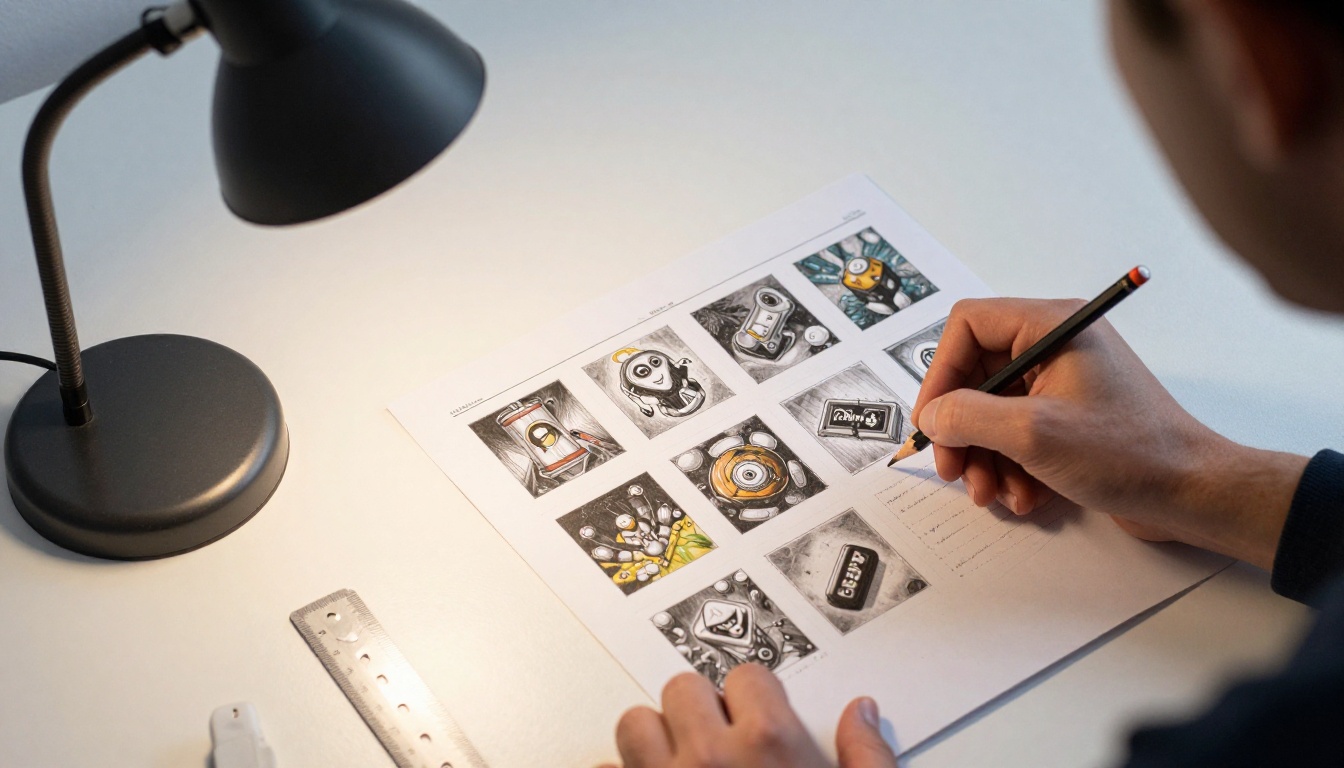
- Header band: game name, hook line, logo or designer name
- Hero image: the largest element, about 40 percent of the page
- Stats strip: players, time, age, complexity in one horizontal row
- Description block: the three-part pitch
- Proof row: playtests, comps and components
- Footer: name, email, website, availability, link to rules
Typography and Color
Keep it plain.
- Use two fonts at most, one for headings and one for body text
- Keep body text at 10 points or larger
- Pick two or three colors pulled from the game's own palette
- Leave generous margins so the page breathes
- Export a high-resolution PDF, 300 DPI for print
💡 Pro tip: Print the page in black and white. If it still reads clearly, the hierarchy is solid.
Mistakes That Sink a Page
| Mistake | Why it hurts | Fix |
|---|
| Walls of text | Nobody reads them | Cap the description at 120 words |
| Missing contact info | Publishers cannot reach you | Add email and website in the footer |
| Vague claims | "Fun for everyone" means nothing | Replace with specific mechanics |
| Too many fonts | Looks amateur | Stick to two |
| Hidden player count | Frustrates scanning | Put it in the stats strip |
Get It in Front of Publishers
A great sheet still has to arrive in the right inbox, in the right format.
Print for Conventions, Digital for Everything Else
At a convention, bring clean printed copies and a prototype. Away from the table, a digital version gets more done: it can be emailed, linked and updated without reprinting.
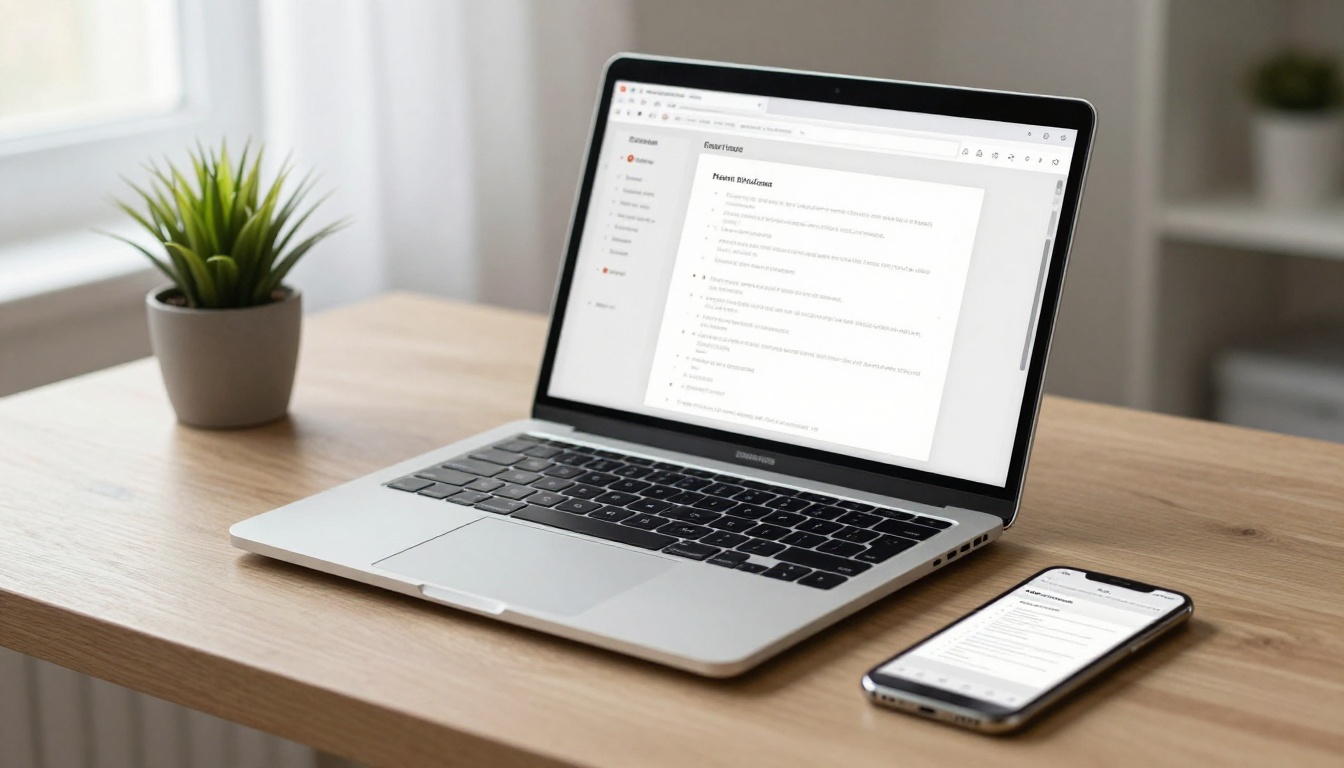
With the PDF to Flipbook Converter you can turn your finished sell sheet, a rules summary and a component gallery into one page-turning booklet. It works on phones and desktops, and there are no watermarks.
How to Build a Digital Pitch Booklet
- Export your sell sheet, rules summary and photos as one PDF.
- Sign in at Flipbooks AI and upload the file.
- Add your game colors and logo under the branding options.
- Embed a short gameplay video or rules walkthrough on the relevant page.
- Turn on password protection if the design is unpublished and sensitive.
- Copy the direct link or embed code and add it to your email or website.
If you want to see who opened your pitch, the Professional plan includes analytics and lead generation. Check the pricing plans for details. For a polished look, browse the Digital Portfolio Creator or the Press Kit Designer, both useful when you want to present the designer behind the game as well.
| Format | Best for | Limits |
|---|
| Printed sheet | Convention tables, face-to-face talks | Cannot be updated, easy to lose |
| Plain PDF | Quick email attachments | No tracking, may get filtered |
| Flipbook link | Cold emails, follow-ups, websites | Needs an internet connection unless downloaded |
✅ Best practice: Send the link and attach the PDF. Some publishers prefer to open a file, others prefer a link.
Pitch Etiquette That Helps
Your sell sheet is one piece of a bigger conversation.
Before the Meeting
- Check which games each publisher already makes
- Book appointments instead of walking up cold
- Print five more copies than you think you need
- Prepare a 60-second verbal pitch that repeats the hook line
During and After
Hand over the sheet at the start, not the end. Let them read, then answer questions. Afterward, send a short thank-you within 48 hours with your digital booklet linked.
A Quick Checklist
Run through this before you hit send or print:
Ready to Pitch
A good sell sheet is short, honest and easy to scan. It tells a publisher what the game is, who plays it, what it costs to make and why you are the person to talk to. Keep tweaking until a stranger can summarize your game after 30 seconds.
Ready to put your page in front of publishers? Get started for free on Flipbooks AI, browse all flipbook tools, or compare pricing plans to see which one fits your pitch. When you are set to go further, you can upgrade your account and track who opens your sheet.



