You finished the manuscript, the proof looks great, and now you need real readers to say something about it before launch day. The problem is delivery. Email a PDF and it can end up anywhere. Pay for a marketplace listing and you may wait weeks for a single review. This post compares BookFunnel, NetGalley and a private flipbook built with Flipbooks AI, so you can match the tool to your book, budget and reviewer list.
A quick note before we start: prices and policies for third-party platforms change often, so treat the figures below as ranges and check each site before you commit.
The Three Options at a Glance
Each option solves a different problem. Mixing them up is the most common mistake authors make.
- BookFunnel is a file delivery service. You upload an ebook, share a download link, and readers get it on their device or e-reader app.
- NetGalley is a review marketplace. Librarians, booksellers, bloggers and reviewers browse titles and request copies.
- A private flipbook is a web-based reader. Your PDF becomes a page-turning book that opens in the browser, with a password or private link, and no file download needed.
| Feature | BookFunnel | NetGalley | Private Flipbook |
|---|
| Main purpose | File delivery | Reviewer marketplace | Private web reading |
| Who finds you | Your own list | Professional reviewers | Your own list |
| Typical cost | Low yearly plan | Listing fee, often high | Subscription |
| Download required | Yes, usually | Yes, via e-reader | No |
| Password protection | Limited | Approval based | Yes |
| Reader tracking | Download counts | Feedback and ratings | Views and page data (Pro) |
| Setup time | Under an hour | Days for approval | Minutes |

What Early Reviewers Actually Need
Before comparing tools, think about the reviewer. A reviewer is doing you a favor. Anything that makes reading harder lowers the chance of a review.
Speed to the first page
Most volunteers decide in seconds whether to bother. If they must install an app, create an account, then sideload a file, many drop off. A link that opens the book instantly wins on this point.
Format that suits their device
Some readers use Kindle, others use a phone, a few read on a laptop at lunch. An ebook file works well on dedicated devices. A browser reader works everywhere without setup.
A clear deadline and ask
Whatever you choose, tell people what you want: an honest review on a specific retailer, by a specific date. Delivery tools do not do this for you.
💡 Pro tip: Put the deadline in the first line of your email and again on the book's opening page. Reviewers who see the date twice are far more likely to act.
BookFunnel: Strengths and Limits
BookFunnel has become a staple for indie authors. It handles the awkward part of ebook distribution: getting a file onto a device without confusion.
Where it shines
- Format handling: upload once, and readers pick the version for their device.
- Support for readers: the platform helps people who get stuck, which saves you emails.
- Group promotions: useful for newsletter swaps and reader magnets.
- Fair pricing: plans are generally affordable for solo authors.
Where it falls short
- Files still get downloaded. Once a reader has an EPUB or PDF, you cannot control where it goes.
- Tracking is thin. You see claims and downloads, not how far anyone read.
- Friction remains. Readers often need to open an app or email the file to a device.
⚠️ Warning: A downloaded file cannot be recalled. If you are sending a title with embargoed content, such as a celebrity memoir or a sensitive business book, think hard before distributing raw files.
NetGalley: Strengths and Limits
NetGalley is the closest thing publishing has to a trade show floor. Professional readers browse for new titles and request copies.
Where it shines
- Credible reviewers: librarians, booksellers and established bloggers all use the platform.
- Approval control: you decide who gets a copy.
- Feedback tracking: members report their reviews, and you see ratings in one place.
- Trade visibility: a listing can place your book in front of people who could stock it.
Where it falls short
- Cost: listing fees are often several hundred dollars, which is steep for a first book.
- No guarantee: a listing does not mean reviews. Many titles sit with requests but few finished reads.
- Competition: you are listed beside books with larger publishers and louder marketing.
- Lead time: you need a polished cover, description and metadata before approval.

A Private Flipbook: Strengths and Limits
A private flipbook turns your PDF into an interactive, page-turning reader that opens at a link. With Flipbooks AI you upload the file, set your branding and decide who gets in. Readers never download a file, so there is nothing to forward.
Where it shines
- Zero install: works on phone, tablet and laptop with a tap.
- Access control: password protection keeps the book private.
- No watermarks, ever: your book looks like your book.
- Tracking: the Professional plan adds analytics and lead generation, so you can see which reviewers actually opened the book.
- Easy updates: fix a typo in the PDF and re-upload without resending anything.
- Embedding: put the reader on your own page with the embed flipbook tool.
Where it falls short
- No built-in audience. Nobody browses a private flipbook looking for books. You bring the readers.
- No review collection. You still need to point reviewers to Amazon, Goodreads or another store.
- Not an e-reader file. Some readers prefer Kindle, and a browser view is not the same.
✅ Best practice: Treat the flipbook as the reading room and your retailer page as the place for reviews. Link from the last page of the book to the review page.
Cost Comparison
Money matters most for first-time authors. Here is how the spending shapes up for a typical launch with 50 early readers.
| Cost item | BookFunnel | NetGalley | Private Flipbook |
|---|
| Platform fee | Low yearly plan | Listing fee, hundreds | Monthly or yearly plan |
| Cost per reader | Near zero | Included in listing | Near zero |
| Extra services | Optional | Marketing add-ons | Pro plan for analytics |
| Reusable for next book | Yes | New fee each title | Yes |
| Hidden cost | Support emails | Prep time for metadata | Time to gather readers |
The big difference is the pricing model. NetGalley charges per title, so a series gets costly. BookFunnel and a flipbook subscription spread across every book you publish. Check the Flipbooks AI pricing page for current plans.

Security and Leak Risk
Pre-release leaks hurt. Spoilers spread, files get posted on pirate sites, and a book can lose its launch buzz.
| Risk | BookFunnel | NetGalley | Private Flipbook |
|---|
| File can be forwarded | Yes | Yes, once downloaded | No file to forward |
| Access can be revoked | Partly | Partly | Yes, change password or link |
| Screenshot risk | Present | Present | Present |
| Control after sending | Low | Low | High |
No tool stops a determined person from taking photos of a screen. But a flipbook removes the easy path, which is sending a file to ten friends. And if one password is shared too widely, you change it and issue a new one.
💡 Pro tip: Use a different private link or password for each batch of reviewers. If something leaks, you know which batch it came from.
Reader Experience Side by Side
Think about the reviewer opening your email on a train.
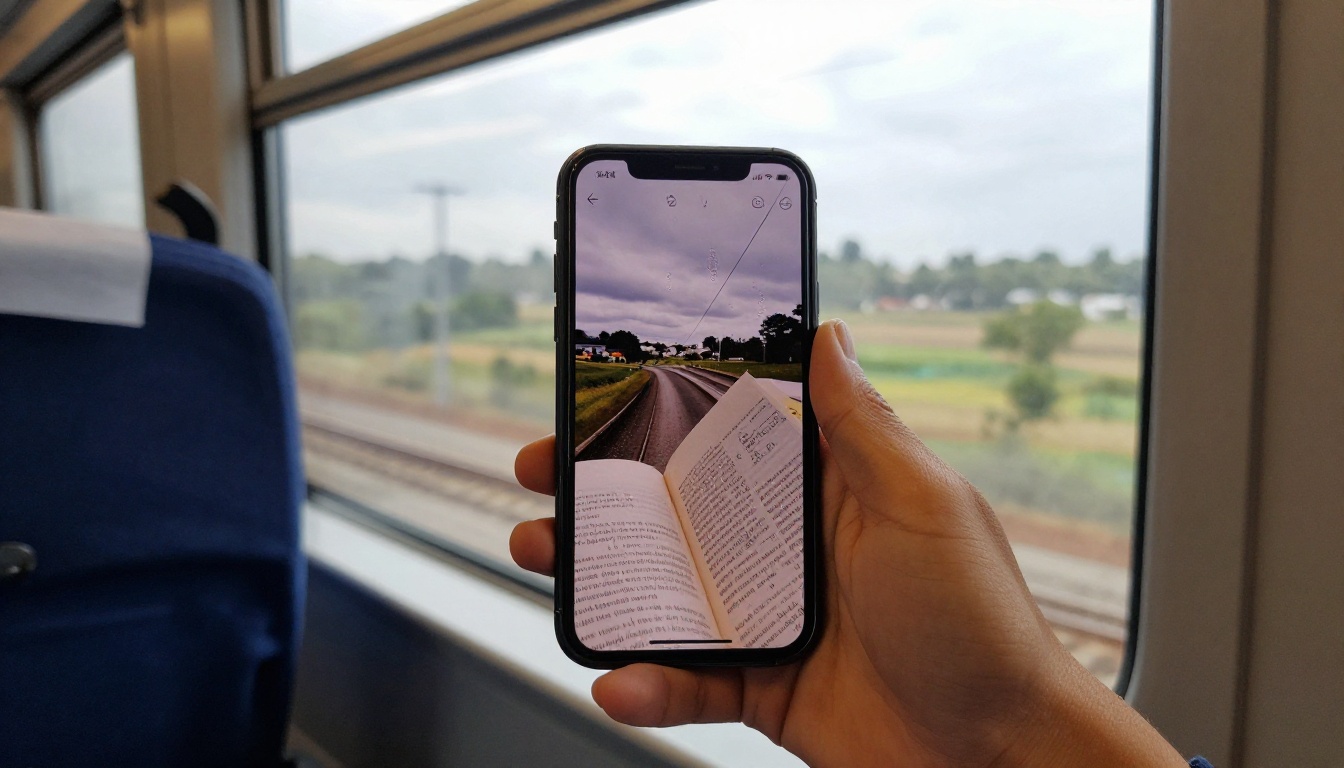
- With BookFunnel, they tap the link, choose their device, then open a file in an app. Three or four steps, fine for avid readers, annoying for casual ones.
- With NetGalley, they find the book, request it, wait for approval, then send it to an e-reader. This suits pros but takes patience.
- With a flipbook, they tap the link, type a password and start reading. One step, two at most.
For friends, family, newsletter fans and beta readers, fewer steps means more finished books.
Which Option Fits Which Author
Here are three real scenarios.
The first-time indie author with 30 beta readers
You have a small list and a tight budget. A private flipbook or BookFunnel works. Pick the flipbook if you worry about leaks or want to see who opened the book. Pick BookFunnel if your readers love Kindle.
The series author with a loyal newsletter
You launch new books often, and you have 500 subscribers. Use BookFunnel for the ebook files your fans keep, and a flipbook for the early-access chapter preview. Costs stay flat across the series.
The small press chasing trade reviews
You need librarians and booksellers. NetGalley is built for this. Add a flipbook for a private, press-only copy of an embargoed title or a media kit. The Press Kit Designer works well for that.
| Author type | Best primary tool | Good backup |
|---|
| First book, small list | Private flipbook | BookFunnel |
| Series with a fanbase | BookFunnel | Private flipbook |
| Small press, trade focus | NetGalley | Private flipbook |
| Nonfiction with sensitive material | Private flipbook | NetGalley |
| Cookbook or photo book | Private flipbook | None needed |

Visual books deserve a note. Cookbooks, travel books and photo titles rely on layout. A reflowing ebook file can break the design, while a flipbook keeps pages exactly as you made them. See the Recipe Book Flipbook and Travel Guide Flipbook tools for examples.
How to Send Early Copies With a Flipbook
If you decide a private flipbook fits, here is the process.
- Prepare your PDF. Export the final proof at a readable size. Add a short note on page one with your deadline and review link.
- Create an account. Sign up on Flipbooks AI and start a new flipbook.
- Upload and convert. Drop in the PDF. The PDF to Flipbook Converter builds the pages with a turning effect.
- Customize. Set your cover colors, background and branding. Add audio or links if they help, such as an author note or a retailer link on the last page.
- Protect it. Turn on password protection or keep the link private. Never post the link publicly.
- Share. Send the link by email, or embed the book on a hidden page of your website. The Interactive E-Book Publisher page shows more options.
- Track. On the Professional plan, use analytics to see who opened the book, then send a polite nudge to those who did not.
- Close access. After launch, change the password or switch the book to public if you want it as a sample.
✅ Best practice: Send reminders at day 7 and day 14 after the first email. Mention how many pages are left, not how many days. People respond better to a small remaining task.
Combining the Three
You do not have to pick only one. A strong launch plan often mixes tools.
| Launch stage | Suggested tool | Why |
|---|
| 8 weeks out | Private flipbook | Beta readers give feedback on a safe copy |
| 6 weeks out | NetGalley (if budget allows) | Professional reviewers need time |
| 4 weeks out | BookFunnel | Send final files to your street team |
| Launch week | Private flipbook | Open a free sample for new readers |
| After launch | Public flipbook | Share a preview on your site |

Common Mistakes to Avoid
- Sending too late. Reviewers need weeks, not days.
- Asking for five-star reviews. Ask for honest ones. Retailers can remove reviews that look coordinated.
- Skipping the follow-up. Most reviewers forget. A single reminder doubles the response.
- Using one link for everyone. You lose control and tracking.
- Ignoring formatting. Check the book on a phone before sending it.

The Short Verdict
If you want reach among professionals, NetGalley is the one built for it, and you pay for the privilege. If you want simple file delivery to a loyal list, BookFunnel is hard to beat on value. If you want privacy, tracking and a smooth reading experience with readers you already have, a private flipbook is the strongest pick.
Most authors will get the best result by combining a flipbook for early, protected reading with another tool for wider reach.
Ready to try the private route? Create your first flipbook in a few minutes, browse all flipbook tools, or compare pricing plans to see which one fits your launch.